Loveland, Ohio – As the water fun season is upon us, we are taking this opportunity to aggressively remind our Loveland Area community, along with the greater Cincinnati area of the critical importance of water safety awareness and children.
Watch this important message from Deputy Fire Chief Billy Goldfeder of the Loveland-Symmes Fire Department.
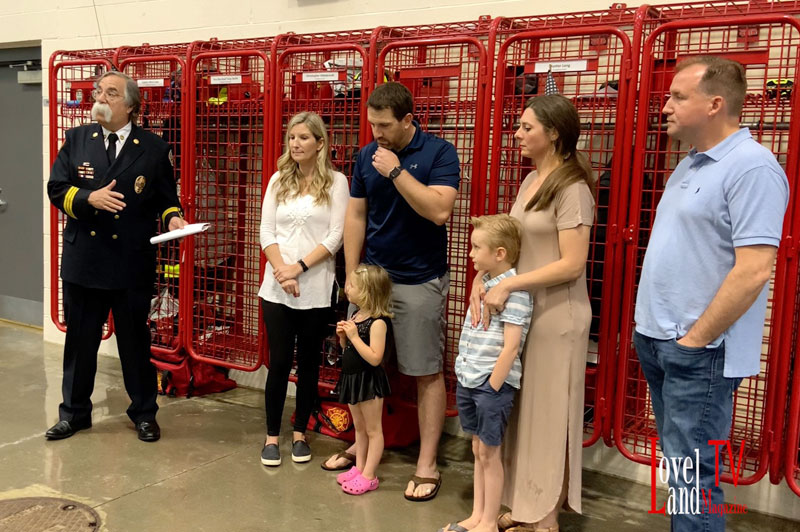
Goldfeder delivered this message immediately after Six-year-old Holden Patrick Smith receives honor and becomes the youngest Loveland-Symmes firefighter for saving the life of his cousin. Read that story HERE.
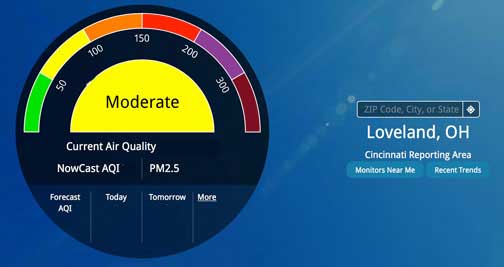
Loveland, Ohio – With sunny skies and temperatures expected to be in the mid-90s Tuesday through Thursday and likely associated dangerous levels of ground-level ozone (Smog), we’ve once again loaded our Ozone Alert widget to our homepage.
Loveland Magazine will continue providing our readers with information when air pollution alerts are issued for our area and this widget on our home page will allow readers the real-time information they need.
When alerts are issued for our local area we will provide tips you can use to do your share to avoid adding to the dangerous levels of Ozone both at home and at work.
Click below to give the widget a spin today:
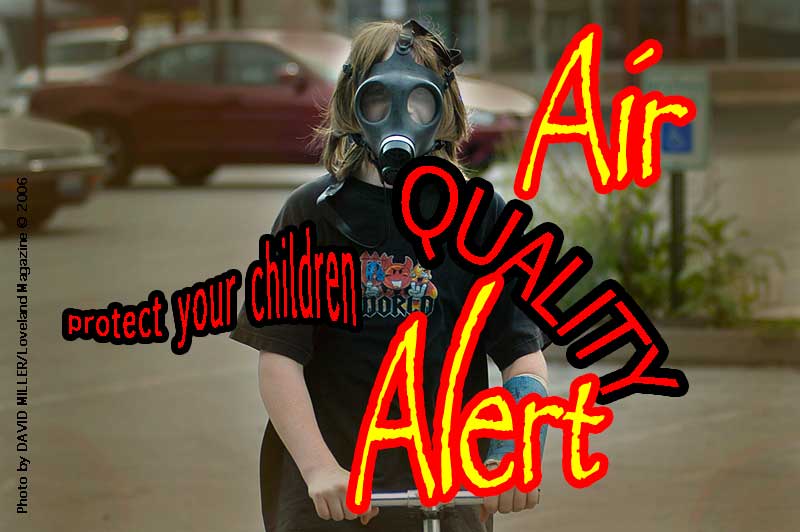
Active hildren and the elderly are especially affected by high levels of Ozone that causes respiratory harm.
Ozone worsens asthma and COPD, and can cause early death from both short-term and long-term exposure.
Ozone can cause cardiovascular harm (e.g., heart attacks, strokes, heart disease, congestive heart failure) and may cause harm to the central nervous system. It may also cause reproductive and developmental harm.
Because children are so active during the Summer months and their lungs are still developing they are at particular risk when Ozone levels are elevated.
It may be hard to imagine that pollution could be invisible, but ozone begins that way. As ozone concentrates and mixes with other pollutants, we often call it by its older, more common name—smog. It is currently one of the least well-controlled pollutants in the United States.1 And it is also one of the most dangerous.
Scientists have studied the effects of ozone on health for decades. Hundreds of studies have confirmed that ozone harms people at levels currently found in the United States. In the last decade, we have learned that it can also be deadly.https://www.youtube.com/embed/7c2w1eATkro?rel=0
Breathing in ozone is like getting a sunburn on your lungs.
What Is Ozone?
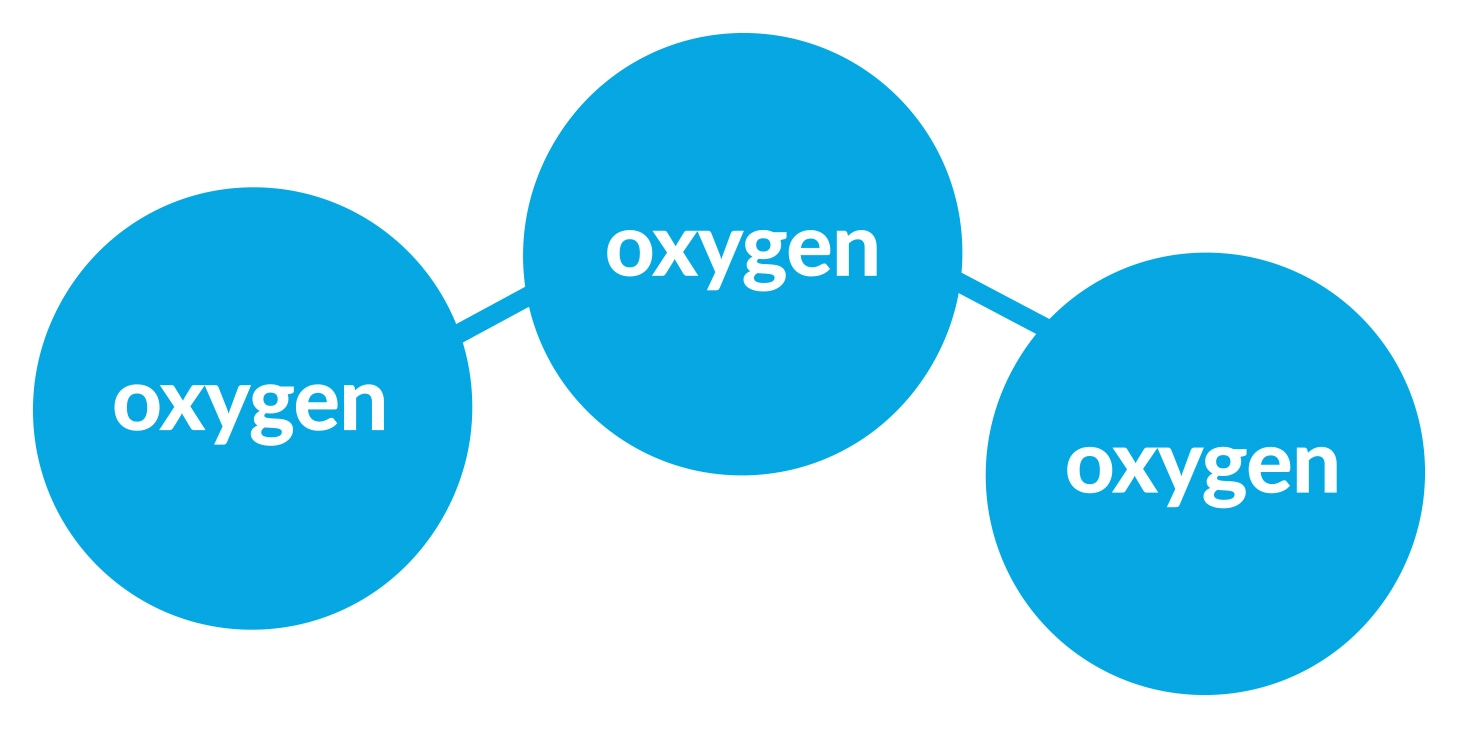
Ozone (O3) is a gas molecule composed of three oxygen atoms. Often called “smog,” ozone is harmful to breathe. Ozone aggressively attacks lung tissue by reacting chemically with it. When ozone is present, there are other harmful pollutants created by the same processes that make ozone.
The ozone layer found high in the upper atmosphere (the stratosphere) shields us from much of the sun’s ultraviolet radiation. However, ozone air pollution at ground level where we can breathe it (in the troposphere) causes serious health problems.
Where Does Ozone Come From?
Ozone develops in the atmosphere from gases that come out of tailpipes, smokestacks and many other sources. When these gases come in contact with sunlight, they react and form ozone smog.
The essential raw ingredients for ozone are nitrogen oxides (NOx) and volatile organic compounds (VOCs). They are produced primarily when fossil fuels like gasoline, oil or coal are burned or when some chemicals, like solvents, evaporate. NOx is emitted from power plants, motor vehicles and other sources of high-heat combustion. VOCs are emitted from motor vehicles, chemical plants, refineries, factories, gas stations, paint and other sources.2
If the ingredients are present under the right conditions, they react to form ozone. Sunlight is key. And because the reaction takes place in the atmosphere, the ozone often shows up downwind of the sources of the original gases. In addition, winds can carry ozone far from where it formed, even internationally across borders and across the oceans.
You may have wondered why “ozone action day” warnings are sometimes followed by recommendations to avoid activities such as mowing your lawn or driving your car. Lawn mower exhaust and gasoline vapors contain nitrogen oxides (NOx) and volatile organic compounds (VOCs) that are key to the formation of ozone in the presence of heat and sunlight.
Who Is at Risk from Breathing Ozone?
Anyone who spends time outdoors where ozone pollution levels are high may be at risk. Four groups of people are especially vulnerable to the effects of breathing ozone:
children and teens;3
anyone 65 and older;4
people with existing lung diseases, such as asthma and chronic obstructive pulmonary disease (also known as COPD, which includes emphysema and chronic bronchitis5; and
people who work or exercise outdoors.6
In addition, some evidence suggests that other groups—including women, people who suffer from obesity and people with low incomes—may also face higher risk from ozone.7 More research is needed to confirm these findings.
The impact on your health can depend on many factors, however. For example, the risks are greater if ozone levels are higher, if you are breathing faster because you’re working or exercising outdoors or if you spend more time outdoors.
Again, the impact of even short-term exposure to ozone pollution on healthy adults was demonstrated in the Galveston lifeguard study. In addition to the harmful effects of particle pollution, lifeguards had greater obstruction of their airways at the end of the day when ozone levels were high.8
How Ozone Pollution Harms Your Health
Premature death. Breathing ozone can shorten your life. Strong evidence exists of the deadly impact of ozone from large studies conducted in cities across the U.S., in Europe and in Asia. Researchers repeatedly found that the risk of premature death increased with higher levels of ozone.9 Newer research has confirmed that ozone increased the risk of premature death even when other pollutants also are present.10
Immediate breathing problems. Many areas in the United States produce enough ozone during the summer months to cause health problems that can be felt right away. Immediate problems—in addition to increased risk of premature death—include:
shortness of breath, wheezing and coughing;
asthma attacks;
increased risk of respiratory infections;
increased susceptibility to pulmonary inflammation; and
increased need for people with lung diseases, like asthma or chronic obstructive pulmonary disease (COPD), to receive medical treatment and to go to the hospital.3,4,5
Long-term exposure risks. New studies warn of serious effects from breathing ozone over longer periods. With more long-term data, scientists are finding that long-term exposure—that is, for periods longer than eight hours, including days, months or years—may increase the risk of early death.
Examining the records from a long-term national database, researchers found a higher risk of death from respiratory diseases associated with increases in ozone.14
New York researchers looking at hospital records for children’s asthma found that the risk of admission to hospitals for asthma increased with chronic exposure to ozone. Younger children and children from low-income families were more likely than other children to need hospital admissions even during the same time periods.15
California researchers analyzing data from their long-term Southern California Children’s Health Study found that some children with certain genes were more likely to develop asthma as adolescents in response to the variations in ozone levels in their communities.16
Studies link lower birth weight and decreased lung function in newborns to ozone levels in their community.17 This research provides increasing evidence that ozone may harm newborns.
Breathing other pollutants in the air may make your lungs more responsive to ozone—and breathing ozone may increase your body’s response to other pollutants. For example, research warns that breathing sulfur dioxide and nitrogen oxide—two pollutants common in the eastern U.S.—can make the lungs react more strongly than just breathing ozone alone. Breathing ozone may also increase the response to allergens in people with allergies. A large study published in 2009 found that children were more likely to suffer from hay fever and respiratory allergies when ozone and PM2.5 levels were high.18
Research shows lower levels of ozone cause harm. EPA released their latest complete review of the current research on ozone pollution in February 2013.19 EPA had engaged a panel of expert scientists, the Clean Air Scientific Advisory Committee, to help them assess the evidence that was brought together by EPA; in particular, they examined research published between 2006 and 2012. The experts on the committee and EPA concluded that ozone pollution posed multiple, serious threats to health. Their findings are highlighted in the box below. Based on that review, EPA strengthened the official limit on ozone, called the National Ambient Air Quality Standard, in 2015.
However, new research provides evidence that ozone can cause serious harm even at much lower levels. In a 2017 scientific paper, researchers provided further evidence in a nationwide study that older adults faced a higher risk of premature death even when levels of ozone pollution remained well below the current national standard.20
EPA Concludes Ozone Pollution Poses Serious Health Threats (2013)
Loveland, Ohio – The Besl, Baden & Christy Jones Team has “deeply discounted” tickets available for the 2022 Homerama Tour. Contact them HERE.
The 59th annual HOMEARAMA has been rescheduled to Sept. 3-18, 2022. The show was previously scheduled for Aug. 6-21.
The full show, featuring six fully decorated and landscaped homes in a variety of architectural styles, will take place at the City of Loveland’s new ChimneyRidge subdivision. ChimneyRidge sits high on 26 wooded acres off Butterworth Road on the Warren County side of the city.
Loveland, Ohio – Current Loveland High School District Director of Student Athletics Brian Conatser will move into the role of LHS Assistant Principal beginning in the 2022-2023 school year. Conatser will take over as Assistant Principal as Eric Fry moves to a similar position at Oak Hills High School.
“I am excited and grateful for the opportunity to serve Loveland City School District in a new capacity. We have an incredible student body, staff, and community, and I am very fortunate to have experienced this as a Loveland classroom teacher, coach, Athletic Director, and now as an Assistant Principal. I look forward to the new challenge and am thrilled to continue to be a part of an amazing district,” Conatser said.
Conatser has served as the District Director of Student Athletics for four years. He was Loveland’s Assistant Director of Student Athletics for two years and spent 15 years as a science teacher and coach at Loveland and Sycamore High Schools.
A search will now begin for the next Athletic Director.
In the meantime, it has also just been announced that Clay George, the current Assistant Athletic Director will be leaving to become the head athletic director at Ansonia JH/HS.
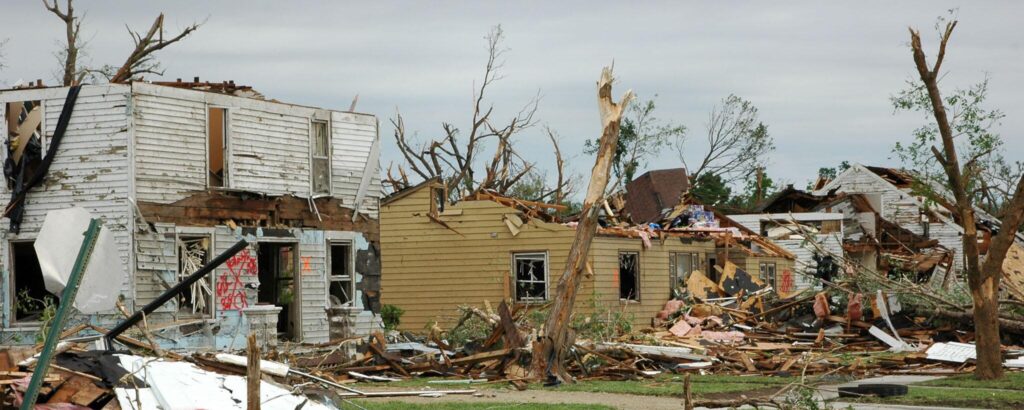
Tornado season in Ohio typically lasts from April through July. It may be important that everyone understand the difference between a “tornado watch” and a “tornado warning.”
Tornado Watch: Tornadoes are possible. Remain alert for approaching storms. Stay tuned to NOAA Weather Radio, commercial radio or television for information.
Tornado Warning: A tornado has been sighted or indicated by weather radar. Take shelter immediately.
Loveland, Ohio – The Southwest Ohio Air Quality Agency (Agency) has issued an Air Quality Alert for Sunday, June, 5, 2022 for Loveland, Butler, Clermont, Hamilton and Warren counties in Ohio; Boone, Campbell, and Kenton counties in Kentucky; and Dearborn County in Indiana.
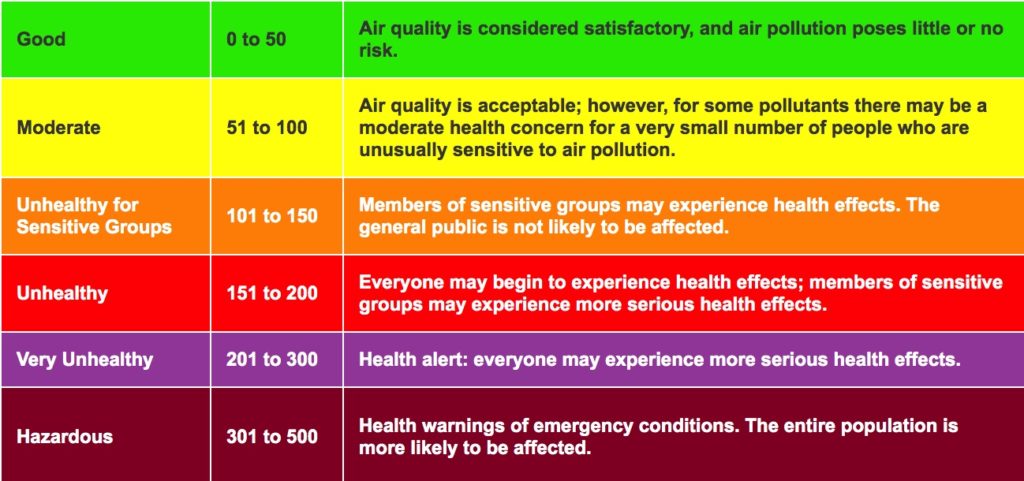
The Air Quality Index is predicted to reach 105.
The Agency expects to see levels of ozone in the “unhealthy for sensitive groups” range on the Air Quality Index.
Active children and adults, and people with respiratory diseases, such as asthma, should be avoiding all outdoor exertion; everyone else, especially children, should limit outdoor exertion.
Activities for children, who can be especially harmed by high levels of ozone because of their developing lungs and that some activities such as sports result in them breathing in quite a large amount of the chemical irritants should be suspended.
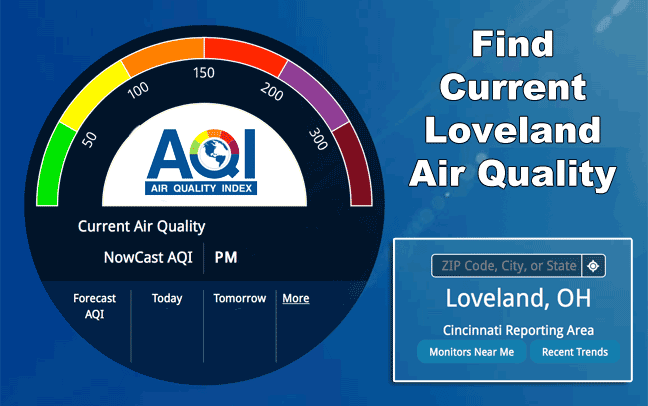
To keep informed about Loveland’s hour-by-hour air quality you can always look for this image on our Home Page or use this LINK.
On Air Quality Alert days, everyone can help reduce ozone formation by taking the following actions:
• Take the bus, carpool, bike, or walk instead of drive.
• Refuel your vehicle after 8 p.m.; do not top off when refueling and tighten the gas cap.
• Do not idle your vehicle; exhaust contributes considerably to ozone formation.
• Combine trips or eliminating unnecessary vehicle trips.
• Keep your vehicle maintained with properly inflated tires and timely oil changes.
• Avoid use of gasoline-powered lawn equipment on Air Quality Alert days.
• Avoid use of oil-based paints and stains on Air Quality Alert days.
• Never burn leaves or other yard trimmings.
• Suspend use of fire pits, campfires and charcoal grills on Air Quality Alert days.
• Conserve electricity by turning out lights and unplugging unused appliances and electronics.
Loveland, Ohio – Here’s a look at work recently completed for the Loveland Symmes Fire Department. The department contacted SVI Refurb to repurpose and rechassis its high-mileage technical rescue into a multi-purpose Heavy Rescue on a new Sutphen chassis with a refurbished body. SVI used the truck’s existing crane to remove the apparatus’ own body before eliminating the under-utilized crane from the truck.
Loveland, Ohio – A press Release from the Loveland City School District:
The Loveland Board of Education will conduct a special meeting on Monday, June 6th, 2022, at 6:00 PM in the Loveland Middle/Intermediate School Media Center for the purpose of considering the following agenda items:
Visioning Report by Superintendent and District Administrators – Discussion
Presentation of present and future District finances, revenues and resources – Discussion
Pursuant to Board Policy 0169.1, there will be no Public Participation at this Special Meeting.
Robert Giuffré
Interim Treasure
In his weekly newsletter issued today , Superintendent Mike Broadwater released the following statement:
Superintendent’s Message
Loveland Tiger Community,
We have been working together as a community over the past few months to build a Strategic Vision. Families, students, community members, and staff have been involved in great conversations, providing feedback about the future they want for our Loveland Tiger students. Together we’ve designed a plan with the goal areas of student success, collaborative culture, community engagement, and fiscal responsibility.
Review the five-year forecast
We will unveil our completed Strategic Vision during Launch Night on Monday, June 6 at 5 pm in the Loveland Middle School Cafeteria. I’m excited for everyone to see the results of our community’s hard work. This informal meeting is an opportunity to talk about what our Strategic Vision means for our kids and our district. Following Launch Night, our Board of Education will hold a Special Meeting at 6 pm to review the Strategic Vision.
During the Special Board of Education Meeting, the Board will hear from our Treasurer about present and future District finances, revenues, and resources. Federal ESSER pandemic relief funds and significant cuts after the March 2020 levy failure have allowed the district to delay requesting additional funding. The district’s most recent five-year forecast projects the district will move into deficit spending beginning in Fiscal Year 2023. You can review the five-year forecast by following this link.
The timeline for placing a levy on the ballot in November requires the Board to take action over the summer. If any action is taken, we will be sure to update our community. Over the past several months we have had many community members involved in our Strategic Vision process, and we look forward to more great conversations about the future of Loveland City Schools.
INDIANAPOLIS – Dorian LaCourse, 66, of Milford, Ohio, was sentenced on June 2 to 3 years’ probation, including 6 months home detention for conspiracy and making false statements. LaCourse is the former Chief of Police in the Village of Addyston, Ohio. Two federally licensed firearms dealers in Indiana were his coconspirators, Johnathan Marcum, 34, of Laurel, Indiana, and Christopher Petty, 58, of Lawrenceburg, Indiana, previously pleaded guilty in separate cases to participating in the same conspiracy and will be sentenced later this year.
LaCourse also placed direct orders for German-made machine guns that were purported to be paid for by the Police Department. In fact, the purchases were fully funded by Marcum and Petty and intended to bypass restrictions on the importation of such weapons by anyone other than the police or the military.
The conspirators purchased or caused the importation of approximately 200 fully automatic machine guns. LaCourse received over $11,500 from the gun dealers for his role in the scheme.
The Addyston Police Department was never authorized to purchase any of the machine guns, and the Indiana gun dealers never provided any demonstrations of machine guns to the police department. Instead, the gun dealers resold the machine guns at a significant profit. In some instances, a gun dealer resold illegally acquired machine guns for five or six times the purchase price. The conspirators purchased or caused the importation of approximately 200 fully automatic machine guns. LaCourse received over $11,500 from the gun dealers for his role in the scheme.
“Law enforcement officers are sworn to protect our communities and uphold the law, and the public has a right to expect police powers are used for the public good,” stated Zachary A. Myers, United States Attorney for the Southern District of Indiana. “Instead, the defendant sold his badge to facilitate a criminal machine gun trafficking conspiracy. With heartbreaking regularity, we see the carnage that criminals can inflict on our communities with weapons of war. Today’s sentence demonstrates that officers who violate the public’s trust with utter disregard for the public’s safety will be held accountable.”
“LaCourse committed an egregious betrayal of the public’s trust by engaging in this machine gun trafficking scheme,” stated Travis S. Riddle, Acting Special Agent in Charge of ATF’s Columbus Field Division. “I hope that this sentence serves as an example to anyone else out there who might be tempted to betray their oath of office and their responsibility to their community.”
Clermont County, Ohio – Clermont County Water Resources’ 5-year Capital Improvement Plan calls for 63 waterworks projects totaling $42 million and 55 wastewater projects estimated at $72.7 million.
Water Resources Director Lyle Bloom reviewed the plan with the Board of County Commissioners on May 9. Commissioners approved the plan May 11.
Waterworks projects include 32 water main replacements ($25 million), eight water storage tank rehabilitation/removals ($4.3 million), eight water treatment plan renovations/upgrades ($4.7 million) and eight new water main extensions ($5.4 million).
Funding for the waterworks portion of the plan includes $3.4 million in American Rescue Plan Act (ARPA) funds and $813,000 in Ohio Public Works Commission (OPWC) money.
Wastewater projects include 14 sewer replacements ($25.1 million), 12 lift station upgrades/eliminations ($9.8 million), nine wastewater treatment plant projects ($19.1 million) and 13 new sanitary sewer main extensions ($16.4 million). Funding for the wastewater part of the plan includes $4.8 million in ARPA funds, $3 million in U.S. Department of Agriculture funds and $864,000 in OPWC money.







![[Video] SVI refurbs Loveland Symmes Fire Department’s heavy rescue truck](https://lovelandmagazine.com/wp-content/uploads/2022/06/fire-rescue-refurb.jpg)