Author: David Miller

  • Loveland High School Drama presents The Christmas Carol

    Loveland High School Drama presents The Christmas Carol

    Watch the Christmas Carol radio show by Loveland High School Drama “online” over the coming weekend!

    The Charles Dickens holiday classic comes to life as a live 1940s radio broadcast, complete with vintage commercials and the magic of live sound effects. Three ghosts take Ebenezer Scrooge on a thrilling journey to teach him the true meaning of Christmas. A charming take on a family favorite that will leave no one saying “Bah Humbug!”

    Stream it to your big screen and sound bar.

    Here is how to watch and support local theater:

    Go to the LHS Drama website for the link. The LHS Drama Website is: https://lovelandhstheater.wixsite.com/lhsdrama

    Both the Friday night, 12/11, 7 PM performance and the Saturday night, 12/12, 7 PM performance will have its own link on the landing page.

    The links will be accessible for only 24 hours from the start of the performance. But you also can pre-order as of now!

    The fee for a single viewing is $10.95, so watch the show in one go.

    The show runs slightly over one hour.

    Pre-Order Now!

  • In Crisis?

    In Crisis?

    Call 911 if you are facing a dangerous situation or thinking about hurting yourself

    These resources are suggested by the National Alliance on Mental Illness (NAMI) of Southwest Ohio, a grassroots education, support and advocacy organization.

    NAMI offers educational programs, support groups, and an information and referral phone line. They work together with their national organization (NAMI) and their state affiliate (NAMI Ohio) to advocate for people living with mental illness and their families.

    NAMI Southwest Ohio is committed to the following values:

    1. Recovery: Recovery is possible with comprehensive treatment. Mental illness, like most other illnesses, comprises biological, psychological, and social factors.
    2. Access to Treatment: All individuals should have access to treatment appropriate to their needs.
    3. Needs Adequately Addressed: The needs of all those affected by mental illness, including people living with mental illness, family members, friends and others should be adequately addressed.
    4. No Guilt, Shame, Blame or Stigma: There should be no stigma associated with mental illness.
    5. Collaboration: Collaboration within the mental health community is vital to effective treatment and recovery.
    6. Excellence: All NAMI’s support, education and advocacy programs should be conducted with the highest possible standards.
    7. Inclusion: All segments of the community should be included as we seek to be the voice for mental health in Southwest Ohio.
    8. Respect: All individuals should be treated with respect in every situation.
    9. Openness and Responsiveness to Change: NAMI will be quick to adapt to positive research, medications and treatment, and will be willing to consider changes that will improve the delivery of our mission.
    10. Fiscal Responsibility: Financial policies and decisions will be carefully weighed in order to optimize the use of resources in the most efficient and effective manner.

    Youth America Hotline

    (877) YOUTHLINE (968-8454)
    www.youthline.us

    The Youth America Hotline is a free peer-to-peer hotline network that links callers to community-based peer counseling hotlines.

    Call 911 if you are facing a dangerous situation or thinking about hurting yourself

    Crisis Text Line

    Text START to 741741

    The Crisis Text Line is available 24/7 to help you with any kind of crisis. Visit www.crisistextline.org/faq to learn more about how the Crisis Text Line works.

    CEO, Dan Gillison, talks to the NAMI community about COVID-19

    Local Resources By County

    Butler County:

    Mobile Crisis Team And Consultation

    (844) 4CRISIS (1-844-427-4747)

    24-hour Hotline: Need someone to talk to? Call the same Mobile Crisis Team phone number above. They are there to help!

    Clermont County:

    Clermont County Crisis Hotline

    (513) 528-SAVE (7283)
    www.child-focus.org

    This free and confidential hotline is available 24-7 and provides suicide prevention, crisis intervention and referral information to Clermont County youth and adults.

    Hamilton County:

    Talbert House Crisis Hotline

    (513) 281-CARE (2273) or text Talbert to 839863
    www.talberthouse.org

    This 24-hour suicide and crisis hotline offers crisis intervention and information and referral services to individuals of any age.

    Mobile Crisis Team At University Hospital

    (513) 584-5098
    www.uchealth.com

    To refer an adult or child, call (513) 584-5098. Mobile Crisis is available Monday through Friday from 8:30 am to 12:00 am and Saturday and Sunday from 12:00 pm to 8:30 pm.

    After hours, referrals can be made through Psychiatric Emergency Services (PES). Call (513) 584-8577. PES will page the Mobile Crisis Team if necessary.

    Psychiatric Emergency Services (PES)

    (513) 584-8577
    www.uchealth.com

    Provides round-the-clock care to patients in crisis with psychiatric emergencies, or for those experiencing suicidal and/or homicidal feelings.

    Psychiatric Intake Response Center (PIRC) At Cincinnati Children’s Hospital

    (513) 636-4124
    www.cincinnatichildrens.org

    Located within Cincinnati Children’s, PIRC is the admission and evaluation center for all psychiatric services.

    Hamilton County Mental Health Access Point (MHAP)

    (513) 558-8888
    www.mentalhealthaccesspoint.org

    Mental Health Access Point (MHAP) exists as the front door to the Hamilton County public mental health system. MHAP, a division of Central Clinic, provides assessment, support, and connections for children and adults residing in Hamilton County who are in need of mental health services.

    Warren County:

    Warren And Clinton Counties Crisis Hotline

    (877) 695-NEED (6333)
    www.mhrsonline.org

    This 24-hour telephone offers support to residents of Warren and Clinton Counties for emergencies related to mental health and substance abuse.

    National Resources 

    National Suicide Prevention Lifeline

    (800) 273-TALK (8255)
    www.suicidepreventionlifeline.org

    The National Suicide Prevention Lifeline is a free, 24-hour hotline available to anyone in suicidal crisis or emotional distress. Calls will be routed to the nearest crisis center to you.

    • Call for yourself or someone you care about
    • Free and confidential
    • A network of over 150 centers nationwide
    • Available 24/7

    Youth America Hotline

    (877) YOUTHLINE (968-8454)
    www.youthline.us

    The Youth America Hotline is a free peer-to-peer hotline network that links callers to community-based peer counseling hotlines.

    Veterans Crisis Line

    (800) 273-8255 and Press 1
    Text 838255
    www.veteranscrisisline.net

    The Veterans Crisis Line connects Veterans in crisis and their families and friends with qualified, caring Department of Veterans Affairs responders through a confidential toll-free hotline, online chat, or text.

    Suicide Prevention In College Resource Guide

    This online guide, created by Affordable Colleges Online, is designed to offer hope and help for college students who are experiencing suicidal thoughts, as well as their friends and family.

    www.affordablecollegesonline.org/college-resource-center/college-suicide-prevention

    NAMI Information Helpline

    (800) 950-NAMI (6264)
    www.nami.org

    Trained volunteers provide information, referrals, and support to all who have questions about or are affected by serious mental illness. The NAMI Information Helpline is available Monday through Friday, 10:00 am to 6:00 pm EST.

    Call 911 if you are facing a dangerous situation or thinking about hurting yourself

  • Incident report released on emergency landing of plane in Miami Trails subdivision last July

    Incident report released on emergency landing of plane in Miami Trails subdivision last July

    Date of Accident: 07/18/2020

    Report Last Modified: 10/09/2020 2:16 PM

    Photo by David Miller © 2020

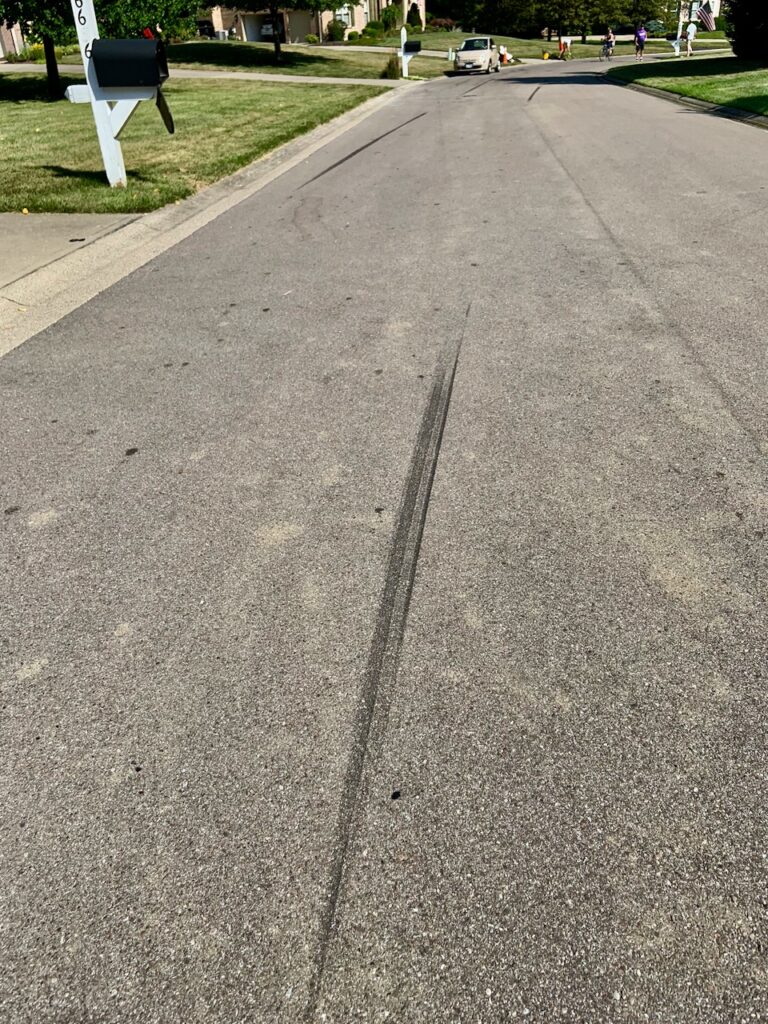
    Miami Township, Ohio – Phillip Sullivan made an emergency landing of his Piper airplane on Deerfield Drive in the Miami Trails subdivision while returning from Wadsworth, Ohio to his hometown of Louisville, Kentucky on July 18. He was on a Pilots-N-Paws flight and had delivered puppies to the northern Ohio town that is South of Cleveland.

    The incident report was recently released by the National Transportation Safety Board (NTSB). Sullivan told Loveland Magazine on Wednesday, “The plane had unrepairable damage to the main fuselage so it’s being parted out.”

    Sullivan was flying his single-engine, fixed-pitch, 150 horse-power, four-seater Piper model number PA 20/22 made in 1965. There were 2,865 hours on the engine at the time of the crash (5:30 PM) and 1,600 hours since it was last overhauled. The last time of an annual inspection was March 4, 2020. The plane had an Emergency Locator installed and it was operating at the time of the crash, however, the report says it did not aid in landing the aircraft. There also was an Automatic Dependent Surveillance-Broadcast System aboard as well as a hand-held GPS device.

    Twenty-one-year-old Sullivan of Louisville owned the craft and was the pilot. There were no injuries. Sullivan has a “Private” pilot certificate. He had a 3-point restraint system onboard, however was only using a lap-belt. There were no inflatable restraints on the aircraft. The last time Sullivan had a “flight review” was March 30, 2019. He has recorded a total of 528 flight hours and 168 hours on the plane that crashed. He also has a helicopter rating and has flown a rotorcraft for 71 hours.

    “The problem stemmed from my fuel gauge,” said Sullivan. “Both fuel gauges evidently are empty when they say 1/4th of a tank, something the previous owner didn’t disclose to me. One-fourth of a tank is about 9 gallons in a Piper model number PA 20/22, leading me to believe I had close to 18 gallons on board when the engine quit.”

    Sullivan left Wadsworth, Ohio at 2:15 PM and the destination was Cincinnati Municipal Airport-Lunken Field. The sky was listed on the report as “Clear” and VMC, which refers to conditions that permit a pilot to maintain visual reference with a horizon and provide enough visual references by which he or she can navigate. The report says that visibility was 10 miles.

    Sullivan was at an altitude of 2300 feet MSL (mean sea level) and 10 miles out from Lunken Field and was cleared to land when the engine started to lose power.

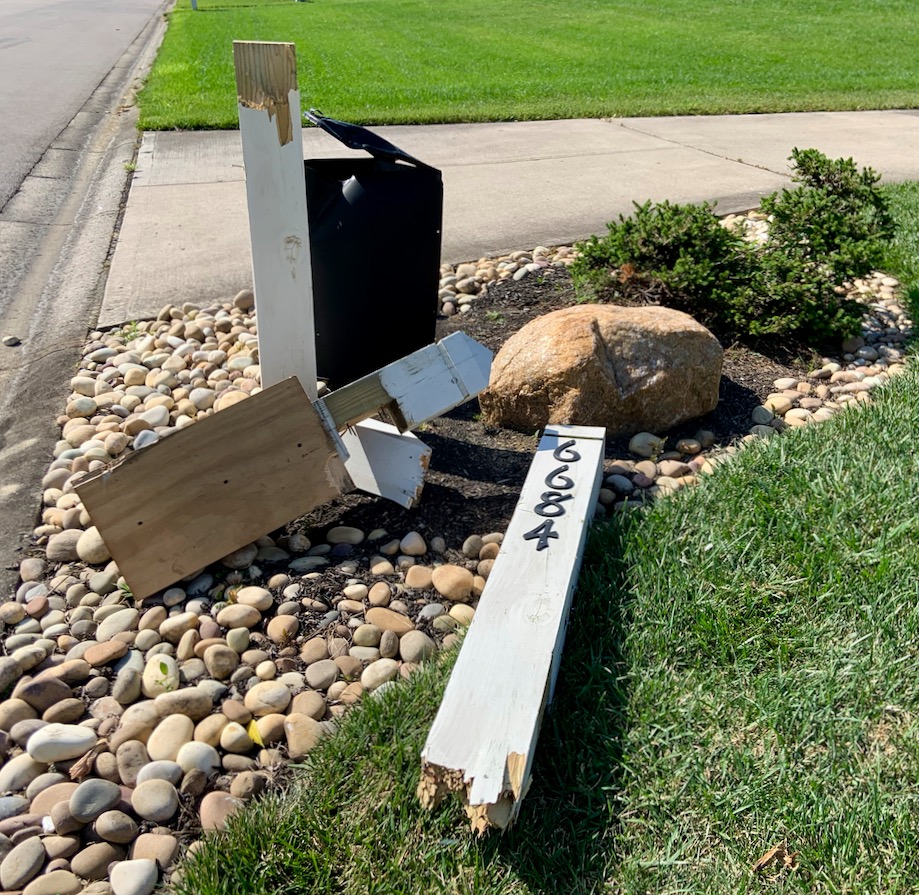
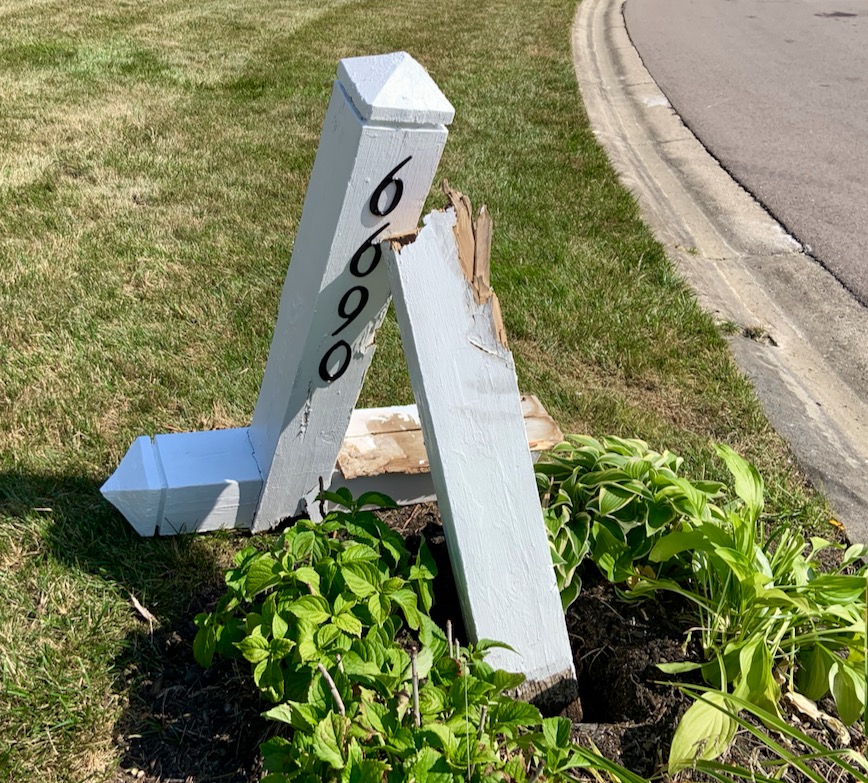
    The left-wing was destroyed. The right-wing had a small tear in the fabric. The bottom right cowling was “smashed”. The fuselage above the right seat was bent. The right horizontal stabilizer and tailwheel were bent. The total damage is listed as “substantial” in the report. The aircraft hit three mailboxes, one light pole, and damaged one tree.

    Photo by David Miller © 2020

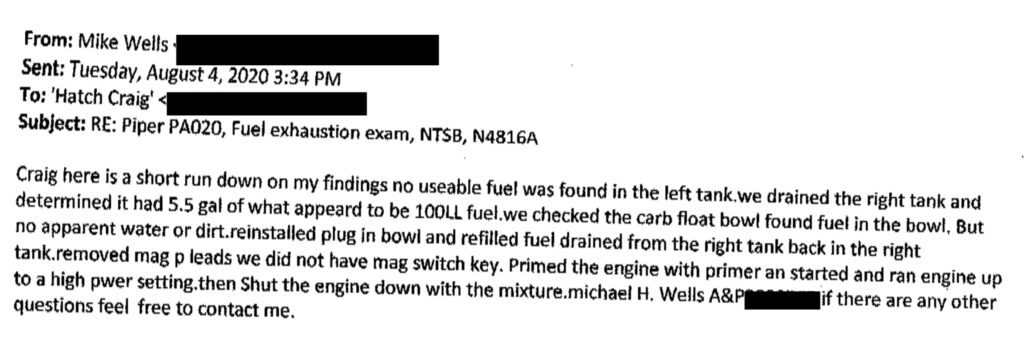
    The mechanic that inspected the engine for NTSB said in his report that the tanks were “sumped” showing no contaminates in the fuel. He said that no fuel remained in the left tank, however, he found 5.5 gallons in the right tank. He drained the tank, put the fuel back, in and had no difficulty starting the engine.

    In the narrative section of the report, Sullivan told investigators that the flight was uneventful until the engine quit close to Lunken Field. He said that the terrain was heavily residential and that he attempted to land in a golf course but large hills forced him to divert to a secondary landing area – the subdivision road. “The road was slopped downward and a 30′ obstacle (trees) at the beginning of the road.” He believed the error occurred when he used “1/4 on the fuel gauge” to fuel up the aircraft. “I incorrectly assumed 1/4 meant 1/4 of the way full, instead as I learned the hard way, 1/4 on the fuel gauge means empty, so when I added 15 gallons of fuel at the start of my flight, I only had 15-18 gallons onboard instead of the 24 gallons.”

    The narrative continued in the Operator/Owner section with Sullivan concluding that the cause of the engine failure was fuel exhaustion and he can avoid the problem in the future by creating a fuel dipstick. “Fuel gauges cannot be trusted,” he said.

    Sullivan told Loveland Magazine that he believes due to the incident there will be an airworthiness directive released on the specific fuel gauge used in his airplane.

    Photo by David Miller © 2020

    Sullivan said that because of the unrepairable damage to the main fuselage of his plane, “It’s being parted out. Due to the high cost of aviation, I’m out of aviation for a while. Volunteering is still a priority for me and I’ve found other ways to volunteer my time towards charity.”

    “The best way for present and future pilots to prevent this is to create and use a dipstick. It’s not something taught in flight school and very well should be taught,” said Sullivan. He described the dipstick he should have been using:

    “A dipstick is a wooden stick, usually larger than 2 feet. With intervals written on it. E.t. 4gal, 8gal, 12gal, 16gal, 20gal. Using this before each flight tells you exactly how much fuel is in your tank and you don’t rely on fuel gauges.”

    Loveland Magazine has reached out to the NTSB to find out what will be the next steps in their investigation and when a final report will be issued and will update this story when more information becomes available.

    Here is the MECHANIC REPORT:


    N4816A Accident Investigation Notes

    On scene:

    • Damage sustained to the left wing forward and aft spars, leading edge and forward lift strut.
    • Damage to the right wing by the tip bow, fabric torn.
    • Damage to the right side forward cowling.
    • Damage to the right horizontal stabilizer and elevator. Both were bent up.
    • Damage to the cockpit upper center section.
    • Fuel selector in the off position.
    • Missing the aircraft airworthiness certificate.
    • Missing the aircraft weight and balance.
    • The aircraft hit three mail boxes, one light pole, and damaged one tree.
    • All tanks were sumped showing no contaminates in the fuel.
    • The aircraft landed
    • The aircraft came to rest in a heading of 106 degrees. Interview:
    • Aircraft was fueled at 3G3 where 7.5 gallons was added to each tank (16 gallons total).
    • He did not have a dip stick for this aircraft to see how much was in each tank. He based the fuel quantity off of the gauges.
    • He said the fuel gauges were both reading 1⁄4 tank prior to adding fuel.
    • He planned the trip at a cruise of 2350 RPM with a seven to eight gallon burn.
    • He planned on the trip from 3G3 to LUK to take 1.57 hours.
    • He always starts off on the left tank per the AOM.
    • Switches tanks every 10 minutes while en-route. He was not sure if he did this consistently during this flight.
    • Mid way he heard a thud and was not sure what it was. There was no changes in engine indications.
    • He was at an altitude of 2300 feet MSL and 10 miles out from LUK and was cleared to land when the engine started to lose power.
    • He was not sure what tank he was on when the issue occurred.
    • He said the engine started to lose power and then started to come back when it then quit.
    • He did not remember when he had a full loss of power.
    • He attempted to restart the engine multiple times with no luck.
    • He followed the checklist.
    • He did not feel that he moved the fuel selector to the other tank during the engine failure.
    • He was not sure if the propeller had stopped spinning.
    • He was planning on landing at a golf course and determined he was not going to be able to make it and chose the road.

    [Video Interviews] Witnesses to plane crash in Miami Township


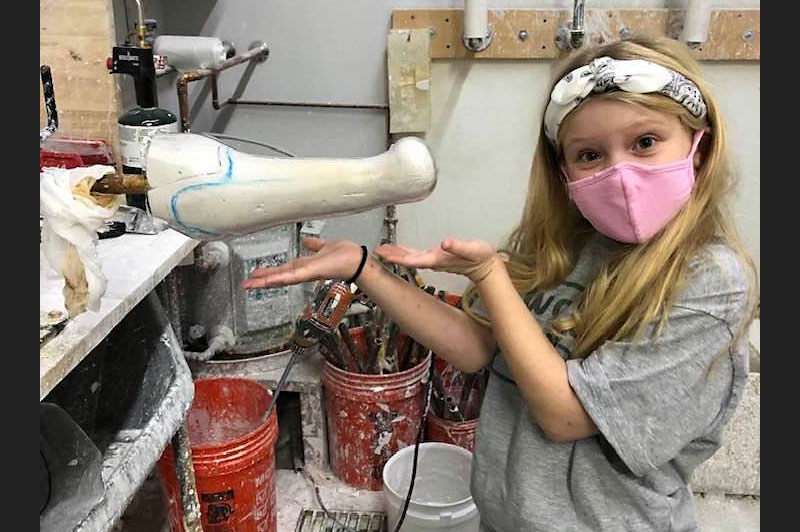
  • Loveland 6th grader Delaney Dunlap demonstrates how she helped make herself a new leg

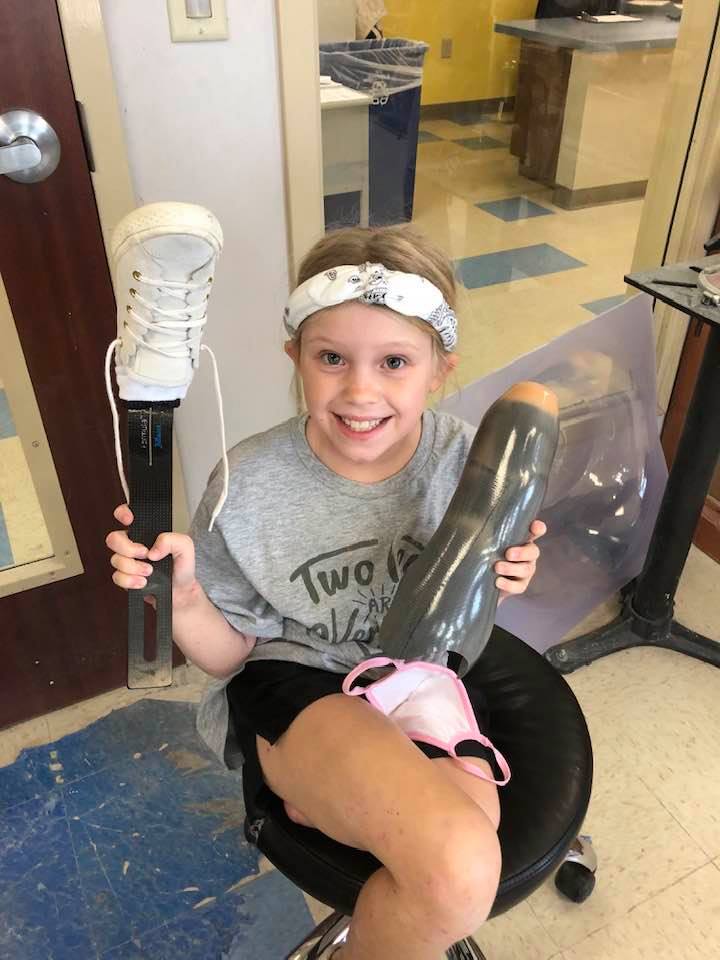
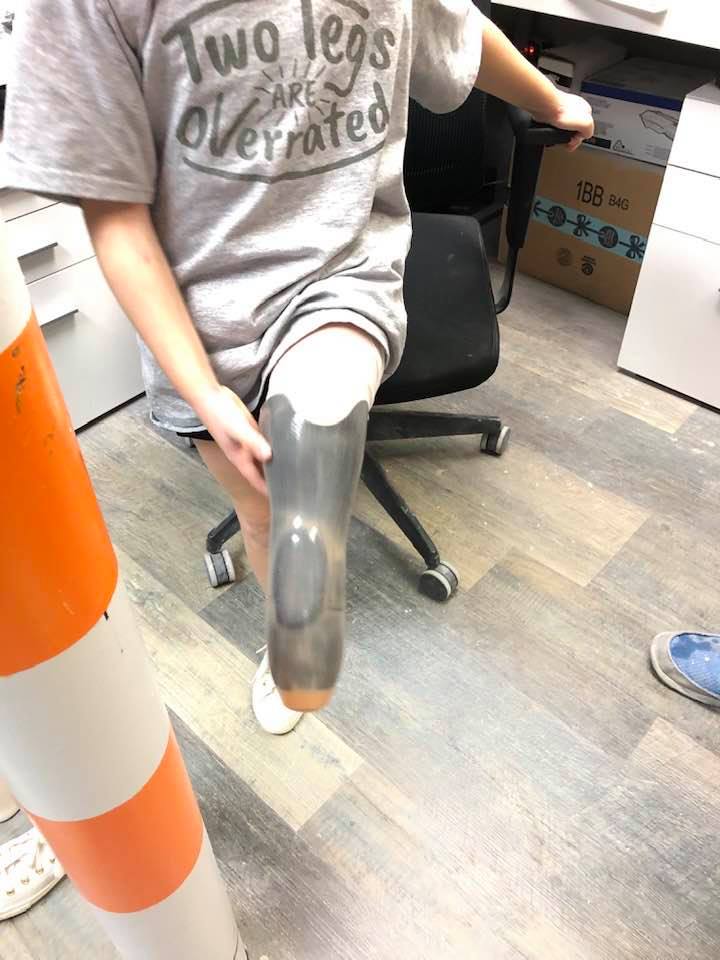
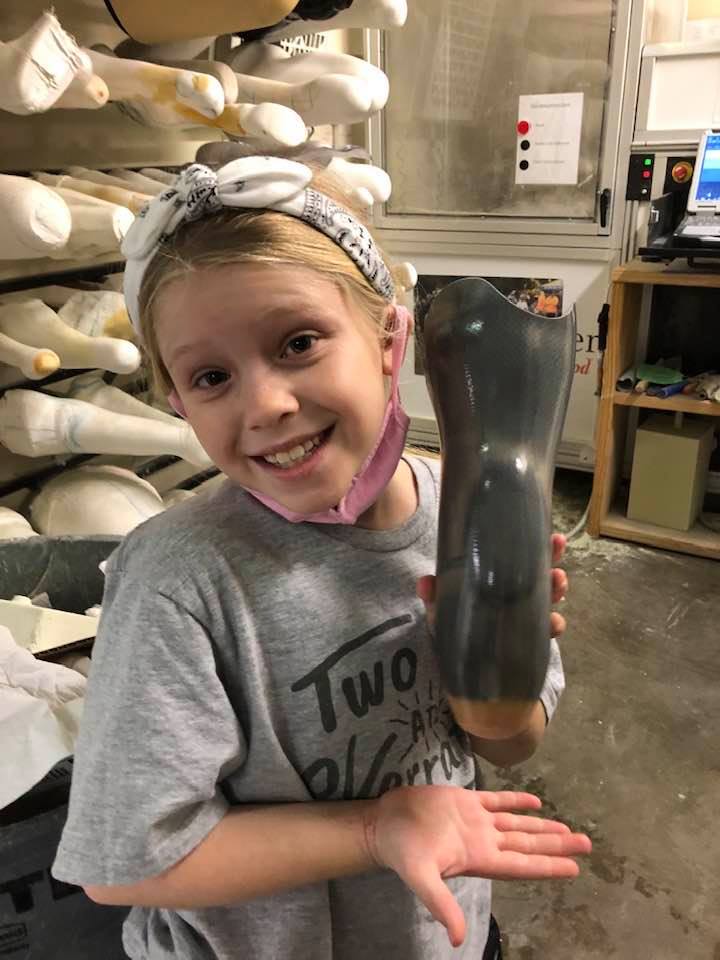
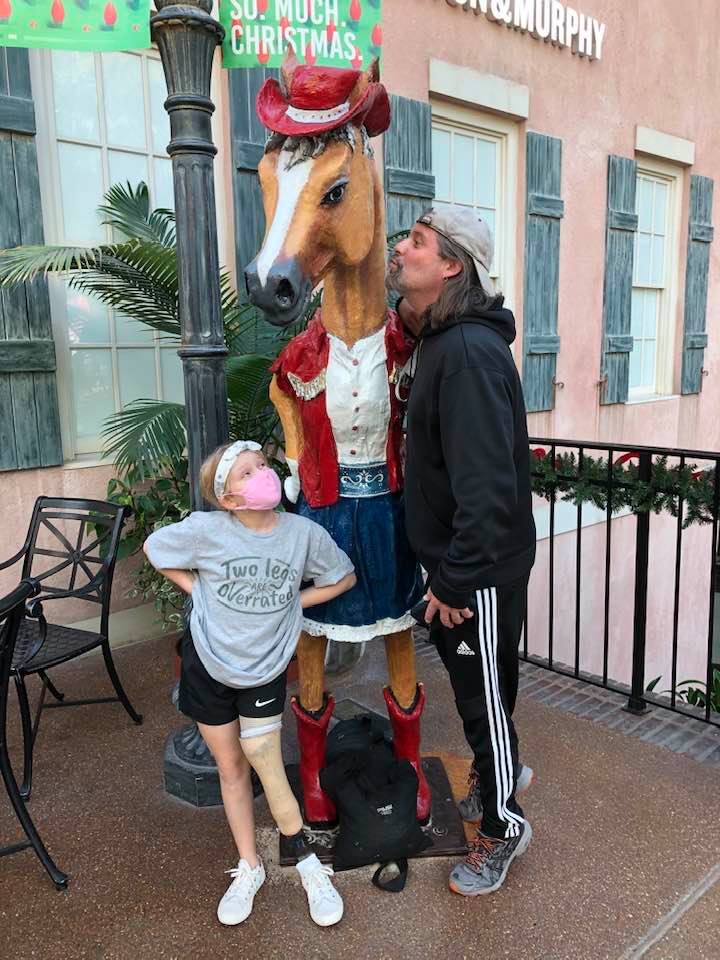
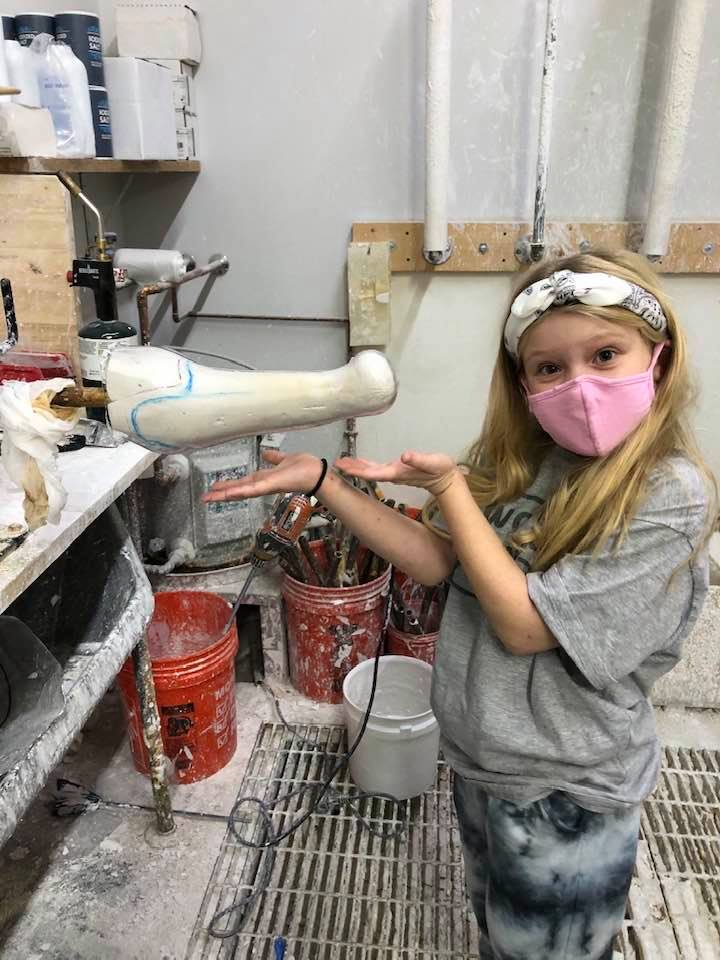
    Loveland 6th grader Delaney Dunlap demonstrates how she helped make herself a new leg

    Is this how you test out a new socket?

    by David Miller

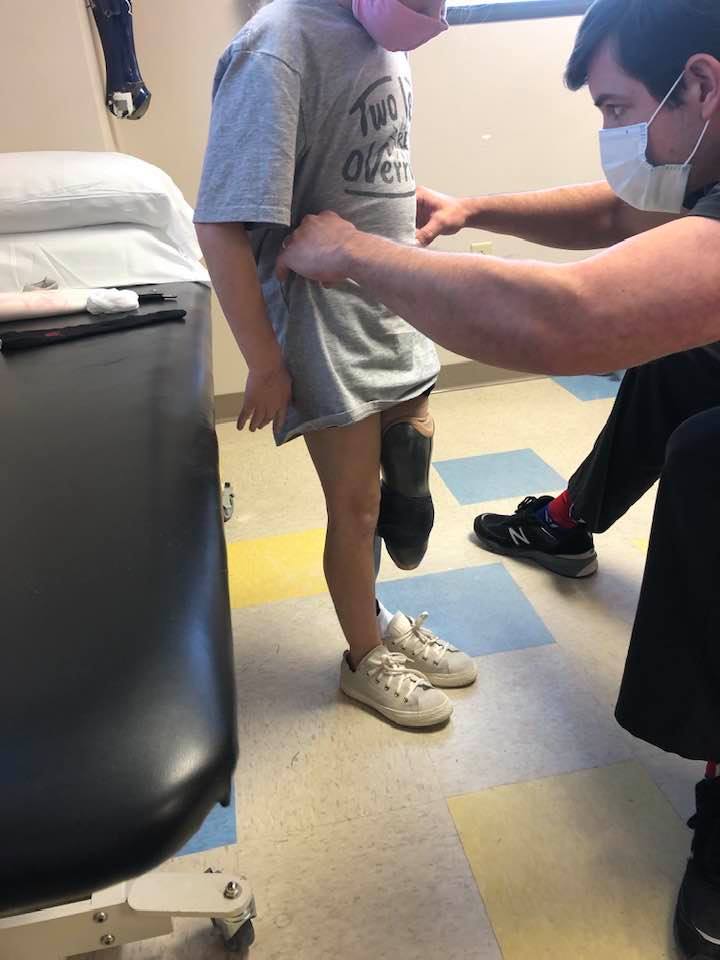
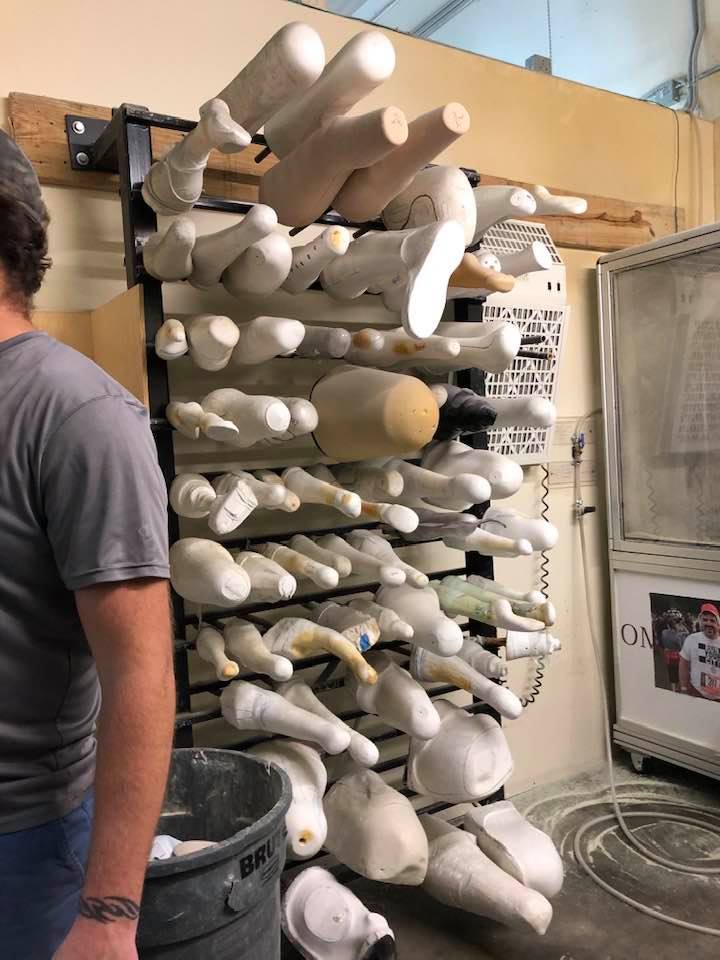
    Loveland, Ohio – In October Gina Rohdenburg and her daughter Delaney met a guy named Daryl Farler on the beach in South Carolina who works with ABR (Amputee Blade Runners). Gina said, “A guy who is a prosthetist happened to be next to us on the beach. Crazy but he told me about this grant and said they would love to help Delaney.”

    Gina followed up and things moved fast. Her daughter Delaney Dunlap, 11 and in 6th grade at the Loveland Intermediate School, was chosen by ABR to receive a new “athletic” leg with a high activity foot. Gina soon posted on FaceBook, “We are going to Nashville next month for a week and Delaney will help them make her leg.”

    Gina said that ABR is an amazing foundation and they were chosen by the NASCAR Foundation as one of four 2020 finalists for the Betty Jane France Humanitarian Award. Gina asked her FaceBook followers to support ABA so they might receive $100,000 to help more kids like Delaney. “Please vote and do it every day if you can! Delaney really appreciates it!”

    Ryan Fann went on to run track at Tennessee State University and even earned a GOLD Medal in the Paralympics.

    Amputee Blade Runners was founded by two prosthetists, with the idea that giving someone one piece of equipment could change their life. That’s exactly what happened to their co-founder, Ryan Fann, when a local prosthetic company gave Ryan his first running leg after high school. Fann excelled in sports throughout middle school and high school, but when he was fitted for his first running leg, the world opened up. He went on to run track at Tennessee State University and even earned a GOLD Medal in the Paralympics. This is why Amputee Blade Runners was founded in 2011.

    This image has an empty alt attribute; its file name is donate-to-LM-5.png
    Help your hometown newspaper publish more stories like this that inspire!

    Justin Darm is the prosthetist who measured, cast, modified, and aligned Delaney’s prosthesis. He told me, “Delaney was playing on a beach in North Carolina when one of my coworkers who works at the prosthetic clinic I am employed at saw her using the prosthesis she had before to coming to us. My coworker struck up a conversation with Delaney’s parents and informed her of the charity we volunteer for called Amputee Blade Runners (ABR), which is run out of the prosthetic clinic in which we are employed.” There is only one full-time employee of the charity and the rest of the people who make it all happen volunteer their time and expertise. Delaney was advised to fill out an application to receive a grant to be provided with a free high activity prosthesis based on her current limitations and goals. She was accepted and a trip was scheduled to come to Nashville for a week to improve the current fit and function of her prosthesis. She was provided with a new prosthesis and high activity foot.

    Delaney returned home to Loveland last week.

    Justin and Delaney talk about different (lighter, cheaper) ways to make a prosthetic socket. Watch to the end to see how well she moves in it!

    https://www.facebook.com/gina.rohdenburg/posts/10221260013308615

    The Goal of Amputee Blade Runners is to provide a running prosthesis to one amputee athlete in all 50 states by 2016. They are a 501(C) 3 Non Profit organization that helps to provide free running prosthetics for amputees.
    Currently, there are 31 states with ABR athletic ambassadors.

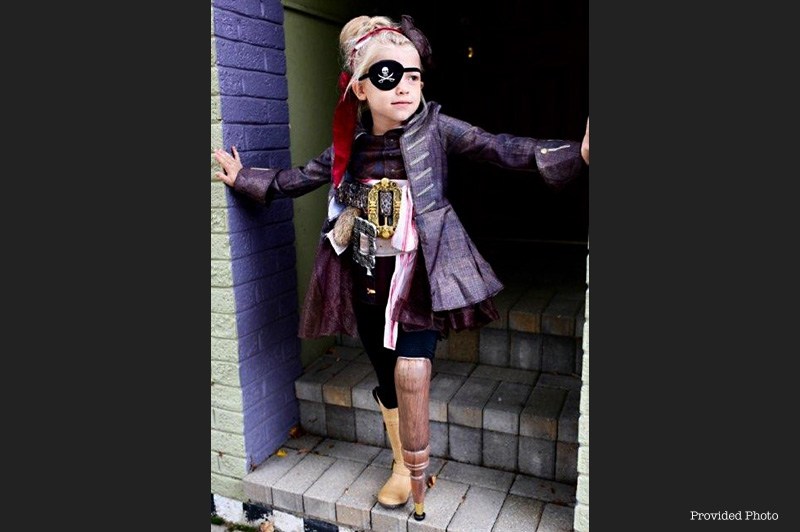
    Delaney Dunlap is the daughter of Mike Dunlap and Gina Rohdenburg. Last January, Loveland Magazine’s Cassie Mattia interviewed Delany and Gina. Mattia wrote,” At 15 months old, Delaney encountered the turning point of her very young life; a leg amputation. Delaney was born with a condition called Fibular Hemimelia, meaning her fibular bone was missing. When the fibular bone is missing this can lead to limb length discrepancy, foot deformities, and knee deformities. Only 1 in 40,000 births encounter FH.”

    “We worked with Shriners and Children’s Hospital to determine the best course of action and we decided that having an amputation at an early age would allow her the most normal life with the least interruptions,” Gina explained to Cassie, “On March 4th, 2012, at 15 months old she had her amputation. About 3 months later she was fit for her prosthetic leg.”

    “At 2 years of age, she took her leg from us and said, ‘I do it myself!’ She proceeded to put her leg on and jump up and say, ‘all done’ with a shrug of her shoulders,” Gina said. “By 4 we had her in gymnastics with Ms. Karol Warden and she started performing in front of people. By 5 she was playing soccer, by 7 she was playing softball, by 8 she was golfing, and about 2 years ago she took up snowboarding,” Gina added.

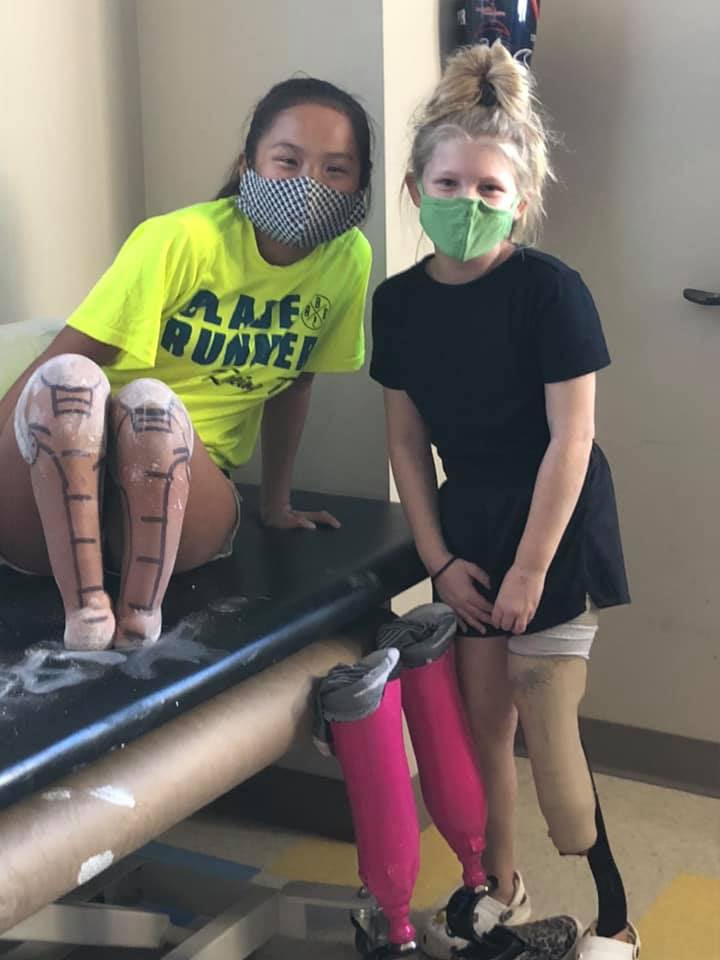
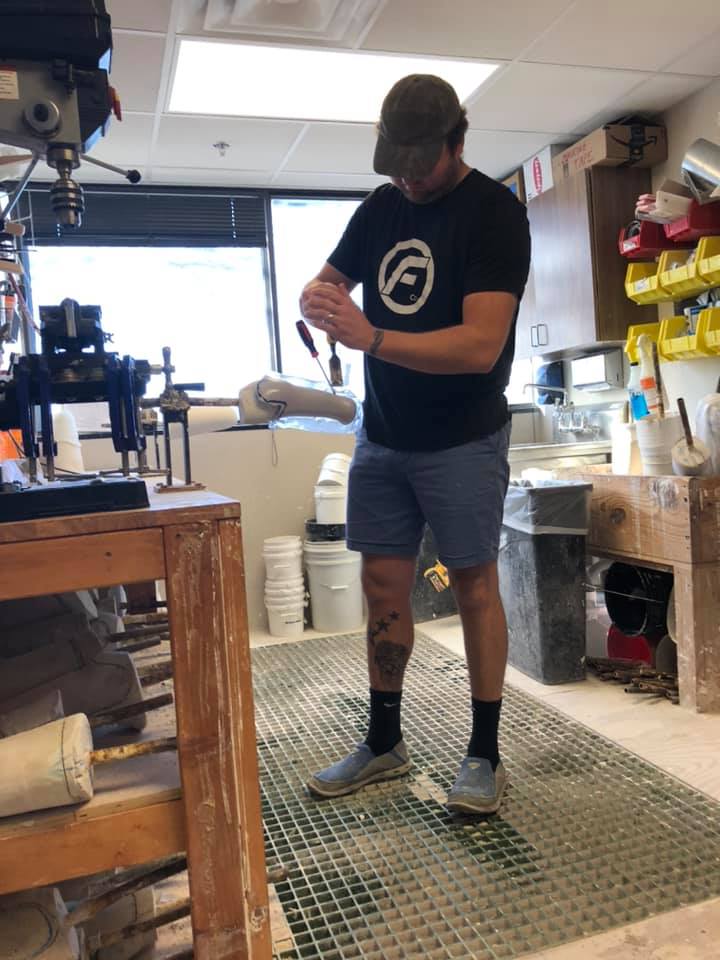
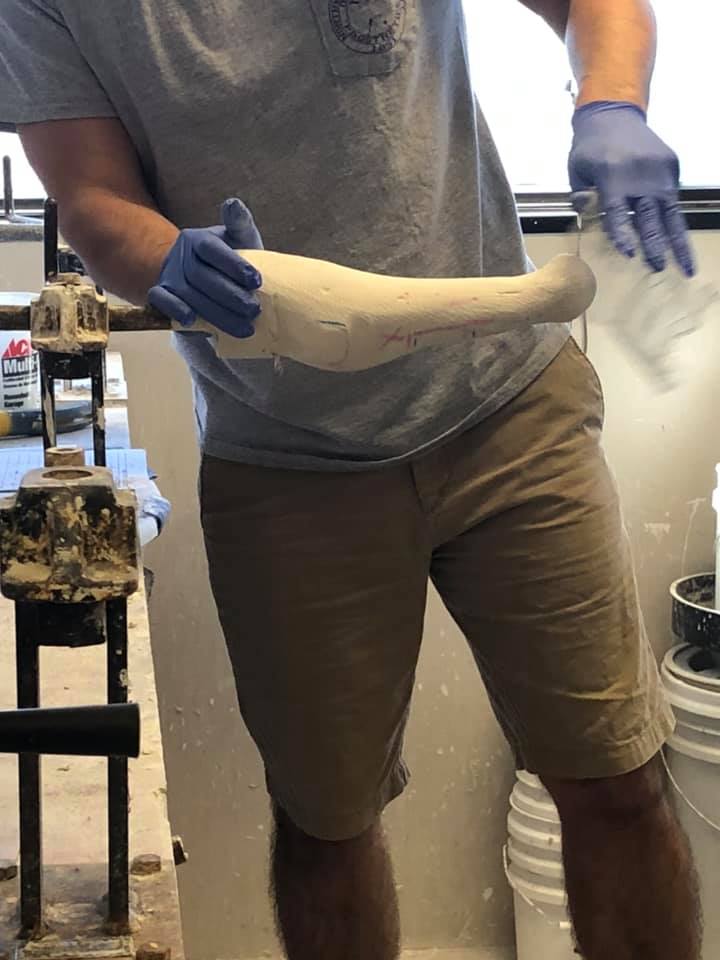
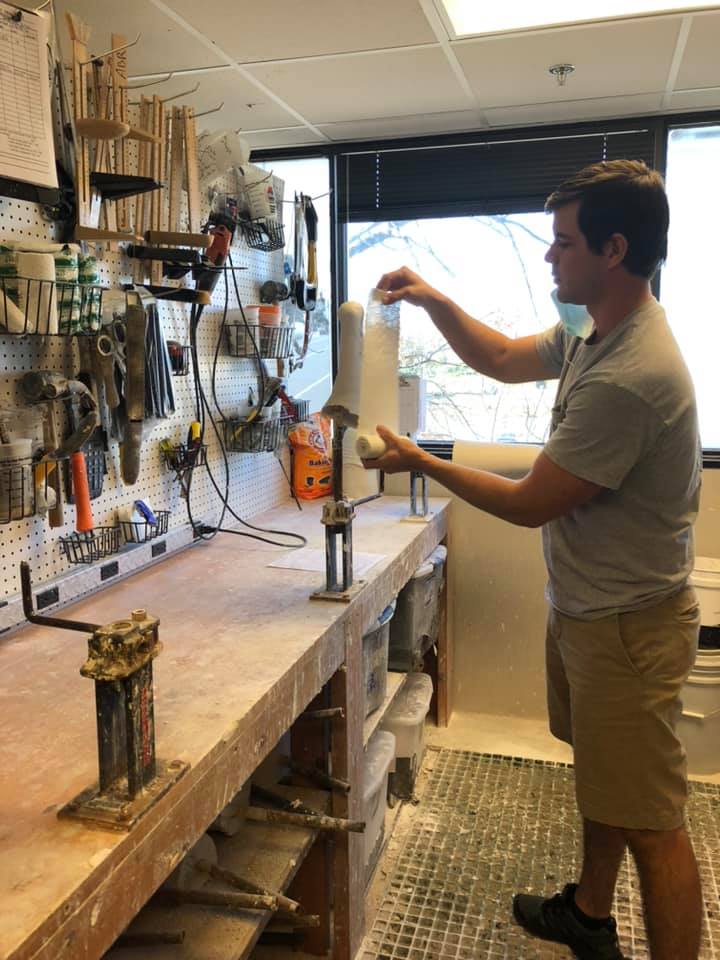
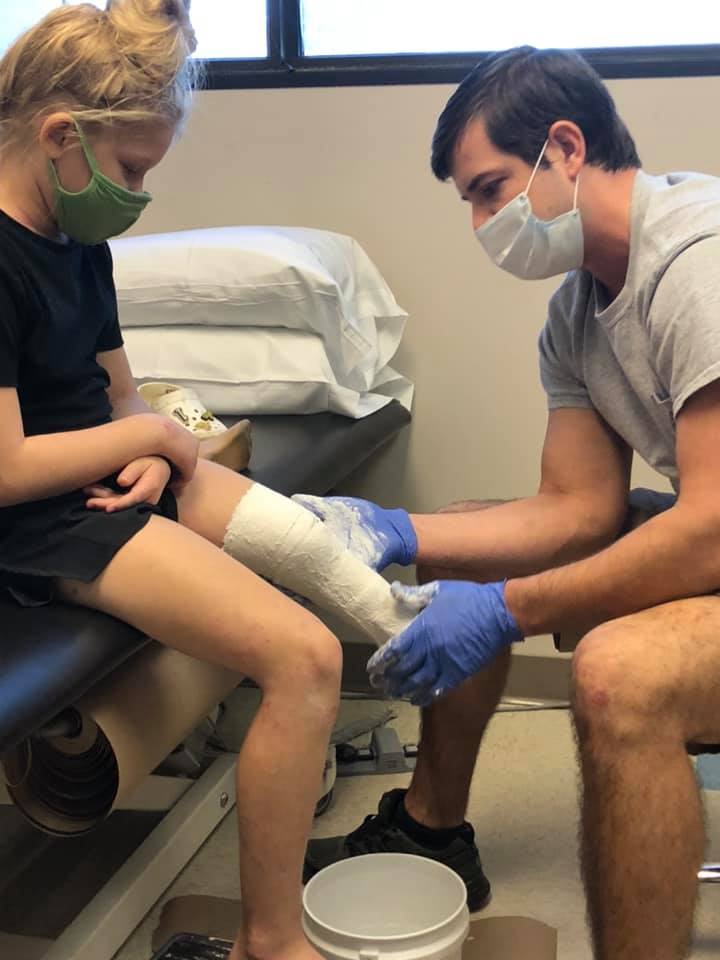
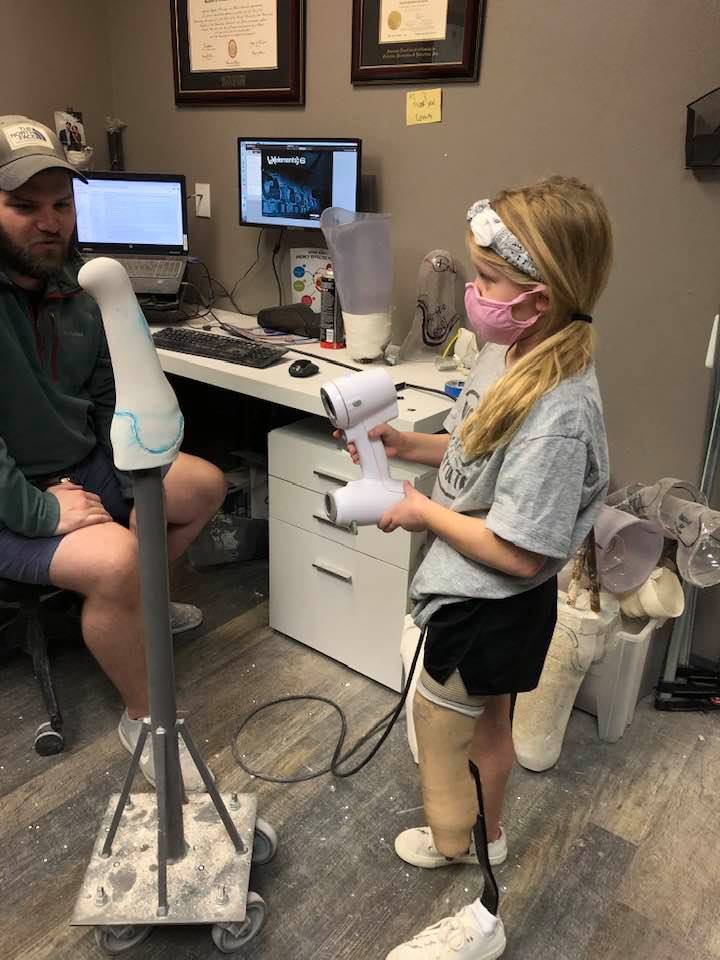
    On the first day in Nashville at ABR getting cast for Delaney’s new leg Gina said, “She already had a great day and enjoyed every minute. Justin and both Aarons were patient, informative, and let Delaney help in the process. Already love these folks. Meeting new friends too.”

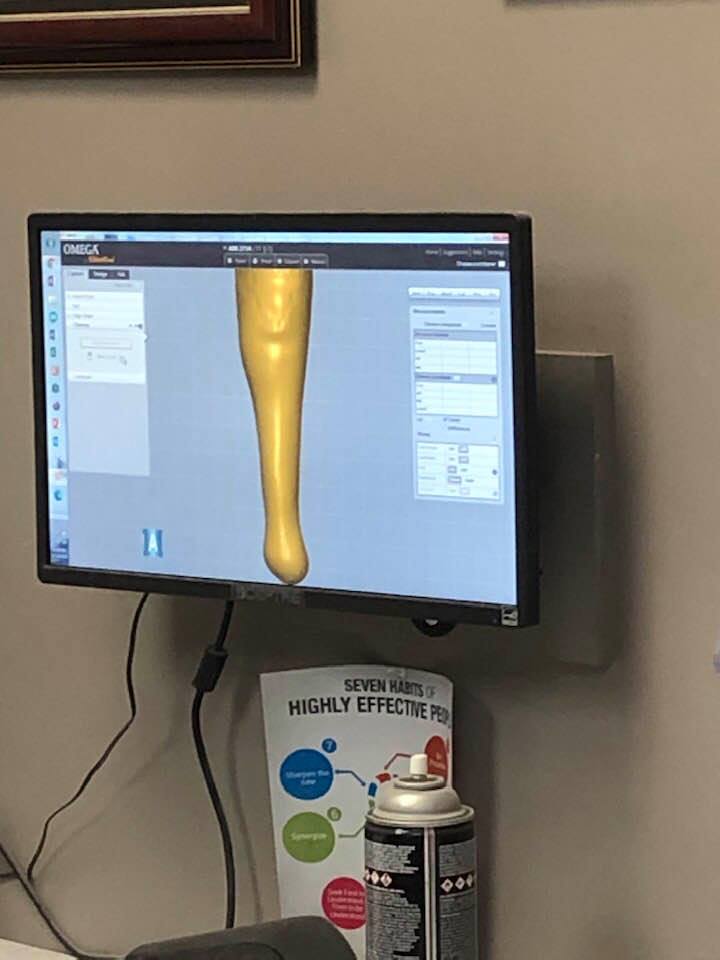
    View this slide show to see the start of the making of Delaney’s new leg

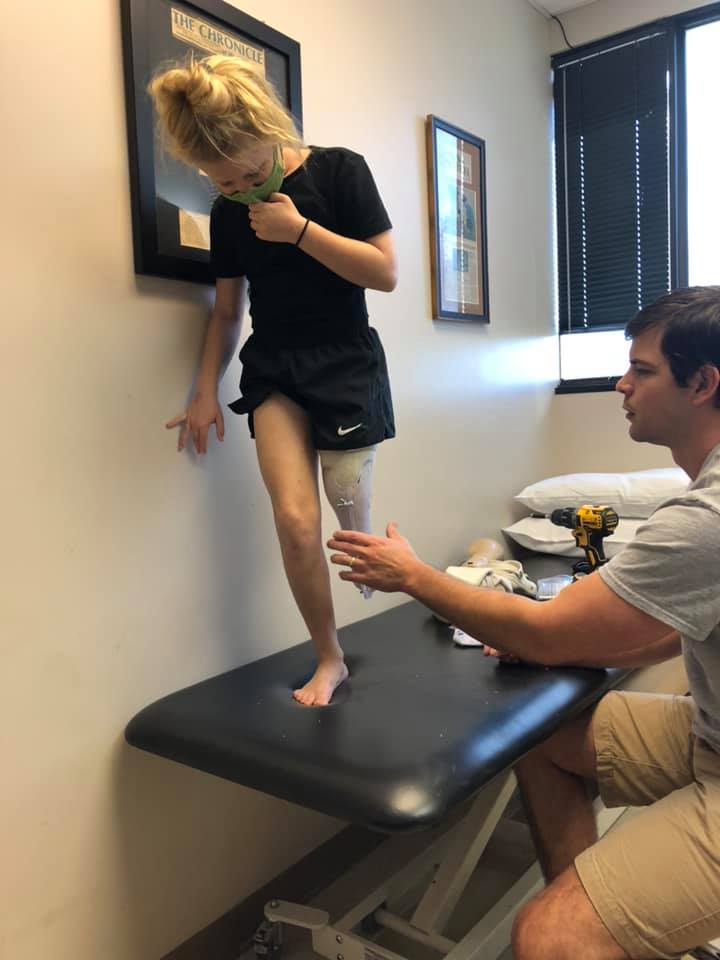
    On the second day at ABR, they let Delaney help with the fabrication of her leg and let her be a part of the whole process. “She left with a new leg and will be back the next day for adjustments. She already walks better and can see the difference this new leg will make. “Thank you ABR,” said Gina on FaceBook.

    This slide show will show you, Delaney, helping with the fabrication and using her new leg.

    Delaney will receive free prosthetic care until the age of 18 now that she is part of the ABR family.

    The family grant recipients provide their own financial resources for lodging, food, and fun while in Nashville and the prosthesis is provided at no cost. Justin Darm said, “So, at this point expenses were covered by Delaney’s family and through funds ABR has set aside to provide her with a prosthesis. We always welcome donations so we may continue to provide Delaney with free care as she will require routine items like socks or a new prosthesis as she grows. Donations will also allow us to help the numerous grant recipients across the country we have already helped and the ones who we have not had the opportunity to help yet.” Sign up for the ABR newsletter.

    Joshua Southards

    Joshua Southards, JD, MMN, is the Executive Director of Amputee Blade Runners and said, “Thanks so much for your interest in Delaney and Amputee Blade Runners.” Southards said that Delaney is a “great kid” and he was thrilled to be a part of her story. “Our applicants go through a vetting process and she passed everything with flying colors,” said Southards.

    Delaney produced this video of her ABR experience. It shows the process and how she helped with making her leg

    https://www.facebook.com/1195316158/videos/10221328692625555/

    Watch this slo-mo video of Delaney tumbling on her new leg

    https://www.facebook.com/1195316158/videos/10221329053634580/

    Loveland Magazine’s Cassie Mattia interviewed Delany in January of this year because she is part of Loveland’s DNA. Read more about Delany and watch the interview”

    11 Year Old Local is “Tumbling” into a Bright Future!

    This year, Veterans Day is Wednesday, November 11

    According to the History Channel, Veterans Day originated as “Armistice Day” on Nov. 11, 1919, the first anniversary of the end of World War I. Congress passed a resolution in 1926 for an annual observance, and Nov. 11 became a national holiday beginning in 1938. Unlike Memorial Day, Veterans Day pays tribute to all American veterans—living or dead—but especially gives thanks to living veterans who served their country honorably during war or peacetime.

    Veterans Day Facts

    HISTORY.COM EDITORS

    • Veterans Day occurs on November 11 every year in the United States in honor of the “eleventh hour of the eleventh day of the eleventh month” of 1918 that signaled the end of World War I, known as Armistice Day.
    • In 1954, President Dwight D. Eisenhower officially changed the name of the holiday from Armistice Day to Veterans Day.
    • In 1968, the Uniform Holidays Bill was passed by Congress, which moved the celebration of Veterans Day to the fourth Monday in October. The law went into effect in 1971, but in 1975 President Gerald Ford returned Veterans Day to November 11, due to the important historical significance of the date.
    • Veterans Day commemorates veterans of all wars.
    • Great Britain, France, Australia and Canada also commemorate the veterans of World War I and World War II on or near November 11th: Canada has Remembrance Day, while Britain has Remembrance Sunday (the second Sunday of November).
    • In Europe, Great Britain and the Commonwealth countries it is common to observe two minutes of silence at 11 a.m. every November 11.
    • Every Veterans Day and Memorial Day, Arlington National Cemetery holds an annual memorial service. The cemetery is home to the graves of over 400,000 people, most of whom served in the military.

    David Miller, a combat veteran, is the publisher of Loveland Magazine and served in Vietnam in 1969.
  • As Loveland High to remain in hybrid learning District fails to provide full data

    As Loveland High to remain in hybrid learning District fails to provide full data

    David Miller is the Editor and Publisher of Loveland Magazine

    by David Miller

    Loveland, Ohio– Yesterday, the Loveland School District described their newsletter that was issued at 4:34 PM as an “Urgent LHS Schedule Update”. In the release, they announced that Loveland High School will remain on the current hybrid learning model through Friday, November 6.

    The students were scheduled to go to 5-day in-person learning (for all students that have chosen to attend in-person classes) this Monday, October 26.

    Students in PK-8 will remain in their current “full in-person” learning model which began Monday, October 12.

    An important note is that some students at all grade levels have not been attending any in-person classes and have enrolled in the District’s Remote Learning Academy, so none of the school buildings are at, or will be at, “full in-person” or 100% student capacity.

    The in-person, high school students have been in a “blended” model of attendance since the start of the school year which means individual students have been alternating between in-person and remote learning activities at home.

    The District has been regularly reporting in the afternoon when student or staff positive COVID 19 cases have been reported to the schools, but have refused to release data during the week about how many students or staff are under quarantine. In response to questions to Superintendent, Dr. Amy Crouse, she only says that the quarantine numbers will be released when they publish a new “dashboard” on Fridays. She was asked for the quarantine numbers on Tuesday and Wednesday this week when new positive cases were reported. When she refused, she was then asked, “What is the reason you will not answer the question or release this information to Loveland Magazine?” Her answer was, “I will forward the question about quarantines and our procedures for sharing those on a single day to our health team. They do all the contact tracing, communications, and protocols.”

    Loveland Magazine is waiting on the answer.

    In yesterday’s “Urgent LHS Schedule Update” the District said, “Due to a recent rise in LHS student cases and subsequent quarantines because of events outside of school, next week will operate like this week. As the district has continued to receive more information, we are concerned that more student cases may arise.”

    The District says that their change of plans for the high school is based in part on “quarantines” and we believe students, parents, teachers, staff, and the community have a right to know how exactly how many students are not attending classes today because they are under quarantine.

    The District has repeatedly emphasized how important it is for children to have an in-person educational learning opportunity. We believe that the quarantine numbers are important for the public to have when evaluating how effective the in-person model actually is.

    Loveland Magazine has also asked for the report “Pandemic Preparedness and Planning” that LJB Inc. prepared for the District.

    LBJ was awarded a contract in July for $66,250 for “Pandemic Preparedness and Planning” services. We have not received that report after repeated attempts. All we are being told is that the report is in the business manager’s office and he is out of his office and we should receive the report when he returns. Loveland Magazine sent the public records request directly to the Superintendent because we believe she certainly has a digital file of the report on her server and sending it to us should take but a click of her mouse.

    The report belongs to the public. District taxpayers funded the report and they have a right to see what the experts recommended when they studied how many students and teachers should be in classrooms under the hybrid and full capacity models.

    The Superintendent is making unilateral decisions based in part on quarantine data and should release the data and the “Pandemic Preparedness and Planning” report immediately.


    From the District COVID-19 Update Newsletters

    • In the evening on 10/21/20, the district was notified that a student at Loveland High School tested positive for COVID-19.
    • On 10/22/20, the district was notified that a student at Loveland High School tested positive for COVID-19.
    • On 10/22/20, the district was notified that a student at Loveland Middle School tested positive for COVID-19.
    • In the evening on 10/19/20, the district was notified that a student at Loveland High School tested positive for COVID-19.
    • On 10/20/20, the district was also notified that two additional students at Loveland High School tested positive for COVID-19.
    • On 10/19/20, the district was notified that a student at Loveland High School tested positive for COVID-19.
    • On 10/13/20, the district was notified that a student at Loveland High School tested positive for COVID-19.
    • The district was notified that a student at Loveland Primary School tested positive for COVID-19.
    • On Thursday, 10/8/20, the district was notified that a student at Loveland High School tested positive for COVID-19.
    • On Tuesday evening, 10/6/20, the district was notified that two students at Loveland High School tested positive for COVID-19.
    • On Sunday, 10/4/20, the district was notified that a non-teaching staff member at Loveland Elementary School has tested positive for COVID-19.
    • On Monday, 10/5/20, the district was notified that a student at Loveland High School has also tested positive for COVID-19.
    • On Saturday, September 19, 2020, the district was notified that a student member of Loveland Middle School tested positive for COVID-19. 
    • (September 14) This weekend, the district was notified that one of our bus drivers has tested positive for COVID-19.


  • Judy Leever Owned a Thousand Pairs of Shoes

    Judy Leever Owned a Thousand Pairs of Shoes

    At least one pair belonged to you

    She always slipped back into her own

    by David Miller

    A reoccurring theme rang at the visitation, funeral, and two nights of Shiva for Loveland resident Judy Leever.

    This is a reprint of an Editorial Published in Loveland Magazine on October 17, 2012. October 12 is the anniversary of Judy Leever’s passing

    Judy always made us see things from the perspective of others, and we all tried to plant in our subconscious, the lessons of her life and vowed to attempt to spend our remaining days living a life wearing HER shoes.

    Judy owned a thousand pairs of shoes, nearly all belonging to other people. She possessed an uncanny ability to make these shoes fit our own feet  as well.

    We wore each other’s shoes three weeks ago, during our mourning time. We listened to one another’s other’s sadness at her too early passing at age 59 on September 29, 2012 after battling breast cancer and its drugs – because we were sure she had more to teach us. Truth be told however was that if we were listening and watching – her life was one lived, always… with certitude and steadfastness. She had nothing more to teach, because Judy wasn’t going to change and suddenly teach a more profound lesson. She had already lived her quite profound life. She saw life’s complexities and confusion, it’s conundrums, its needs filled, from the perspective of others.

    About 400 family and friends, standing room for the late arrivers, attended the service, at midweek, a mid-morning service at Congregation Beth Adam, just outside of Loveland. A hundred or more helped bury her humble poplar coffin; waiting in silence until a entire mound of earth was put back in place by family and friends shoveling, not departing until finished by a backhoe at the United Jewish Cemetery in Montgomery.

    Later, hundreds gathered in the side yard at her downtown home in Loveland for two nights of Shiva. Prayers, and songs on the bank of a popular stream. Lovers holding hands. On one side O’Bannon Creek. On one side the “Loveland Bike Trail”. A fitting setting now decorated for Judy with homegrown flower bouquets, brought by mourners and adorers in simple household jars scattered about and placed on any available ledge, garden rock, or garden table. Loud crashing walnuts thumped to the earth on this late summer evening looking to get to the earth and begin a new life – punctured the sometimes silence like drumbeats. From the not to distant Nisbet Park, children sounds of late summer evening play. Muffled chinwag from couples walking nearby. Runners, joggers, and bicyclists along the Little Miami Scenic Trail, most unaware of the contributions Judy made to preserve its natural beauty and oblivious to the sadness nearby.

    During prayer, “It’s a dangerous thing to love what death will take away.”

    Six stacked canoes on top of one another nearby. A bicycle leaning against a tree. A clothes line with faded brownish grey pins. Sparks from the fire pit near the creek aided conversation. Wooden garden cart. A weeping willow. A hammock tied to Maples starting to turn. A sitting bench also. All of it spoke to the family lifestyle. Absent her home was a TV. Inside the home was now packed almost beyond capacity as mourners filled plates of potluck. Two by two faces, memories shared until they had to again go outside to make room for others. Outside again… resumed these intimate, quiet, two on two conversations. The downtown chimes on top of the nearby, old water works plant wept sentiment. Newborns clenched to mother’s breasts.

    Judy’s mate was her husband Bruce. They shared a real estate business. They lived in a passive solar home they crafted in Maineville before moving to Loveland in 1994. The Leever family once spent the entire summer living in a modest tent in their back yard in Maineville, to “teach their children well.” They were married for 32 years. Three tall proud successful sons, Glen, Will, and Michael. A brother Robert from Silver Spring Maryland. And, a cast of thousands of close friends and acquaintances; recipients of her generosity of devoted personal time, a gentler community because of her console, a cleaner river, cleaner drinking water, green space that condo projects and “progress” once threatened, food on the food bank shelves.

    She welcomed teens into her home. She loved and nurtured her close religious community, helped organize concerts in the park and celebrations of Martin luther King Day in Loveland. She sang in the Martin Luther King Chorus in Cincinnati’s celebration.

    We were recipients of her grace as she lost the fight with her disease.

    Was Judy the community weaver? Didn’t she straighten our fibers? Did she stretch our seams?

    The town cobbler?

    All that aside, even though more than enough public service for ten long lifetimes, Judy left behind shoes to fill. What was it about Judy? How did she so often see that you would fit into the shoes of others if only given some of her wise second thoughts? No one quite had the answer to “How” but, non-the-less it was the subject of most of the conversation, because most knew it was her most inspiring legacy – that should be imitated in a fair, just, town… for raising children and growing old in.

    Judy genuinely loved the outdoors… loved walking errands, walking on the grounds of Grailville several times a week. Walked 400 miles of the Appalachian Trail. It felt as if she belonged on the ground some how or another. Rode her bike to the library and Kroger.

    Judy made you feel at home in her own house as if you belonged. “Yes. Yes.” She was well grounded.

    Judy hosted meet the candidate nights for presidential campaigns, locals, and judges – and grant writing workshops for non-profits.

    She was active in fermenting plans for “Heartland Eco Village” at Grailville. She wrote the first prospectus for what may some day be a worldwide example of self sustainable community living. She volunteered in the organic Grailville Gardens.

    She wrote the 501-C-3 the application for the Loveland Farmers Market and often volunteered on market day.

    She and family were early members of Leaves of Learning, a cooperative home school network. Her sons were home schooled, or “unschooled” until they entered high school. Each son has since graduated with honors from prestigious liberal arts colleges. Judy earned a teaching degree in Special Education from the University of Maryland, and a Masters Degree from the University of Cincinnati in Special Education. She taught middle school in Maryland for three years, and at Mason Middle School for four years. She was born in Hyattsville, Maryland, near D.C.

    When Loveland’s annual Martin Luther King Day celebration seemed faltering, Judy dove head long. When efforts to save the Simpson Farm from a condo project seemed faltering, Judy put on muck boots and got muddy. She was that kind of person. She would change shoes – jump in anywhere she was needed. A doer.

    Judy was a faithful volunteer with the Shalom Initiative (now the Loveland Initiative) opening her house to their Teen Group for meetings, games, and just relaxing. She served them a Passover meal one year, teaching them her Jewish traditions. One of those young teens, Judy placed under her wings as she graduated high school; helping her apply for college and financial aid, continuing to mentor into young adulthood. Sobbing uncontrollably now with the reality of moving on without Judy. She said, “Judy was like a mother to me. I always wanted to live here with her family. I will miss her so much.”

    Years ago Judy taught GED classes for adults at the Shalom Initiative. She recently jumped in again when the Initiative was going through a difficult transition.

    She served as a Trustee for Little Miami Inc., for twenty-years. The Little Miami is 125 miles long. A lot of property owners, swimmers, canoers, kayackers, fishers and hunters benefit from the work of Judy Leever. A lot of birds, critters, and fish as well. We drink cleaner water along those 125 miles because of Judy. She participated in annual river cleanup programs adopting the river banks nearest her home. In the early 90’s, she brought regional attention to areas around the Peters Cartridge site along the Little Miami Scenic Trail and adjacent to Kings Island, that was contaminated with hazardous waste. It was her first foray fighting city halls, township commissions, county commissioners, the EPA, and the Army Corps of Engineers. The men who scoffed, eventually crowded before TV cameras to be aside the truth teller because they were now wearing Judy’s shoes. A few weeks before her death, the site was at last placed on the USEPA’s Super Fund Priorities List for cleanup.

    Judy was active in the Loveland Greenbelt Community Council’s establishment of the East Loveland Nature Preserve.

    Her house was opened for a week to “Open House” an international Jewish, Arab, and American teen exchange program.

    Judith Barbara Leever, nee Ginsberg often spoke about community issues at city council meetings, and was on city committees that directed downtown development. She was passionate about keeping downtown comfortable for existing residents. She wanted more housing downtown not overshadowed by boutiques and bars. Leaders listened to her because she wore all of our shoes in these roles, seeing each perspective through the eyes of a diverse community and its needs.

    When people went to Judy seeking personal advice about a community problem, she always made the person see the problem through the eyes of the perceived problem maker. She said in her insightful way, “Try to put the other fella’s shoes on for a moment.” When leaving, your own shoes felt more comfortable, because she stretched them a bit for you.

    Late after Shiva, the basketball court in the Cul-de-Sac again filled with young people.

    Judy could put a businessman’s shoes on a housewife. Put the renter’s shoes on the landlord. Put the water drinker’s shoes on the polluter. Because she did these things, she lived a life of extreme optimism.


  • Fraternal Order of Police, teachers, former law enforcement against armed teacher policy

    Fraternal Order of Police, teachers, former law enforcement against armed teacher policy

     
    by Susan Tebben – and the Ohio Capital Journal
     

    An organization representing more than 23,000 police officers, including school resource officers, says allowing teachers to bring guns to school under only a concealed carry permit could do more harm than good.

    The Fraternal Order of Police of Ohio said this in a brief to the Ohio Supreme Court, which is considering a case that would keep schools from allowing a firearms authorization policy. The police organization said they were not taking a stand on whether teachers should be armed, but rather the training involved.

    Susan TebbenSusan Tebben is an award-winning journalist with a decade of experience covering Ohio news, including courts and crime, Appalachian social issues, government, education, diversity and culture. She has worked for The Newark Advocate, The Glasgow Daily Times, The Athens Messenger, and WOUB Public Media. She has also had work featured on National Public Radio.

    “An interpretation holding that a school resource officer or security guard needs extensive training to carry a gun in school, but the art teacher does not, is neither just nor reasonable,” the group said in a brief to the court.

    While 17 other school districts argued that the “plain language” in the Ohio Revised Code allowed them the right to bring guns to school when authorized, the FOP read the “plain language” as advising schools to the contrary.

    “A teacher who carries a weapon into a classroom while teaching is, quite

    literally, both ‘armed’ and ‘on duty,’” the organization stated. “There is no reason to depart from this plain language because it yields a ‘just and reasonable’ result, as the Revised Code demands.”

    Agreeing with the language, a group of 284 current or former Ohio teachers or school staff members said the law was “unambiguous” in its explanation of the training requirements needed to bring guns to schools. The teachers and staff don’t say school districts should be banned from creating weapons policies.

    “But the General Assembly has required that, should they elect to arm teachers, school districts must ensure that they have adequate training, which the legislature has determined was satisfactory completion of an approved basic peace officer training program,” the brief by the teachers and staff stated.

    The FOP even went so far as to say the Madison Board of Education’s interpretation “would get people killed.”

    In arguing against the firearms policy, the police officer’s group brought up gun-retention skills, accuracy in a gunfight and situational awareness that they say would decrease if teachers were given the responsibility of defending themselves and others in a school shooting.

    The brief to the court also said a lack of training would make armed teachers a liability, causing law enforcement to have more difficulty stopping an active shooter, and “may get themselves shot in the process.”

    “If nothing else, police officers train on the ‘mental preparedness’ necessary to take a life,” the brief stated. “But in the context of a school setting, undertrained teachers will be mentally unprepared to kill one of their own students.”

    Several others submitted document in support of a decisions that keeps gun policies out of the board’s hands, including the Ohio Education Association and the Ohio Federation of Teachers. A group of “experts in school safety and firearms training,” including Dayton Police Department Chief Richard Biehl, a former leader of the Columbus Division of Police Training Bureau and a former Madison Local School District teacher who became a police officer after the 2016 school shooting there, joined in the support of the parents against the firearms policies.

    The cities of Columbus and Cincinnati also filed briefs showing their interest in the case, and support of the present law on training of armed personnel in schools.

    If an Ohio Senator has his way, the law will change regarding armed personnel in school. The bill passed the Senate Government Oversight & Reform Committee, and is awaiting a full floor vote before moving on to the Ohio House.