Author: David Miller

  • Demolition of historic home in Loveland’s Historic District under appeal

    Demolition of historic home in Loveland’s Historic District under appeal

    This story was updated on 10-17 and now includes the feasibility report of the house being restored that was submitted by John Hill.

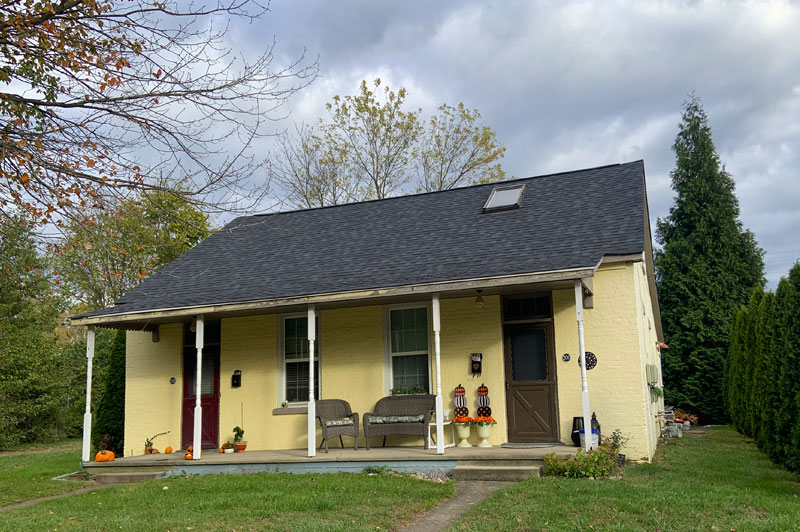
    Loveland, OhioThe demolition of a historic home in Loveland’s Historic District is under appeal by resident Deidre Hazelbaker. The home is at 200 Railroad Avenue. The Historic Preservation and Planning Commission voted on October 2 to allow John Hill, through his Infuse Holdings LLC to demolish the building with a history dating to at least 1915. The demolition request comes as part of a six-unit, 3-story apartment development Hill has proposed facing Loveland, Nisbet park along the Loveland Bike Trail.

    Hazelbaker  filed her appeal on October 4 to the Loveland Board of Zoning Appeals. Her appeal will be heard at City Hall on October 30 at 5:30 PM.

    The building at 200 Railroad Avenue, constructed on or before  1915, is designated a “Contributing” structure within Loveland’s historic district because it “holds significant historical value and is representative of the early 20th-century architecture typical of the area.” Any building constructed within the period of significance of the Historic Preservation and Planning District that contributes to its historic associations and architectural qualities qualifies for special consideration before a demolition permit can be considered.

    One of the reasons Hazelbaker cited in her appeal is that the, “…decision to approve the demolition did not include a comprehensive feasibility study to explore alternatives such as rehabilitation or adaptive reuse. Without a detailed analysis of potential preservation options, the decision to demolish was made prematurely and without fully understanding the preservation potential of this historic structure.”

    The appeal Hazelbaker filed continues by saying, “Granting this appeal and reversing the demolition decision would preserve the essential character of the neighborhood. The current structure, with its historical details and architectural elements, contributes to the visual appeal and heritage of Loveland. Its loss would alter the district’s character significantly and detract from the community’s identity.”

    The governing document of the Preservation Commissions states in its preamble, “Unfortunately, Loveland has lost a number of downtown buildings over the years; consequently it is imperative every effort is taken to preserve the remaining historic buildings to allow future generations to experience the character of Loveland’s rich history.”

    ___________

    BACKGROUND STORY

    Six, three-story apartments proposed adjacent to Nisbet Park on Loveland Bike Trail

    ___________

    Hazelbaker cites:

    The building at 200 Railroad Avenue is listed as a “contributing” building within Loveland’s historic district. Built on or before 1915, this multi-family home shows early 20th-century architectural styles and reflects Loveland’s development as a railroad town. As noted in the June 26, 2024, meeting, the building’s historical value is documented and adds to the character and heritage of the district. Demolishing this building would remove a piece of Loveland’s history and could set a bad precedent for other historically important structures.

    During the previous Commission meeting, many community members shared concerns that tearing down this building would disrupt the look and feel of Railroad Avenue. The proposed new construction does not fit in with the scale and style of the surrounding historic homes, which could hurt the overall feel of the district. Allowing this demolition would send the wrong message to future developers that upkeep and preservation don’t matter, leading to a slow loss of the district’s unique character.

    The Commission did not present a thorough study exploring ways to fix or restore 200 Railroad Avenue. A study by an independent group could have offered clear options for repairing and preserving the building instead of tearing it down. Without this information, the decision to approve demolition was made too soon and without understanding the potential to save this historic property.

    ___________

    Below is the report John Hill submitted, intended to detail the condition of the structure and mechanical systems in relation to the feasibility of this house being restored to a habitable domicile that is current with modern building codes.

    Hazelbaker believes the Commission should undertake an independent and impartial review and not rely on one prepared by the person who wants the demolition to proceed.

    [pdf-embedder url=”https://lovelandmagazine.com/wp-content/uploads/2024/10/John-Hill-Report.pdf” title=”John Hill Report”]

    ______________

    The purpose of the Loveland Historic Preservation Regulations is to preserve, protect and perpetuate places, buildings, structures and other objects having special historical, community or aesthetic interest or value, all for the following reasons:

    • a) To safeguard the heritage of the City by preserving sites and structures which reflect elements of the City’s cultural, social, economic, political, archaeological history or architectural history;
    • b) To stabilize and improve property values;
    • c) To protect and enhance the City’s attractions to residents, tourists and visitors, and serve as a support and stimulus to business and industry;
    • d) To enhance the visual, aesthetic, historic character, diversity and interest of the City;
    • e) To foster civic pride in the beauty and notable accomplishments of the past;
    • f) To promote the use and preservation of historic and archaeological sites and structures for the education and general welfare of the people of the City;
    • g) To strengthen the economy of the City;
    • h) To take whatever steps as may be necessary to safeguard the property rights of the owners whose
      property is declared to be a Historic Structure or is located in the area designated as a Loveland Historic District, and act in an advisory role to city officials and departments of Loveland’s governmental system.
    • i) Review all certificates of appropriateness application as defined by the Secretary of the Interior’s Standards’ for Rehabilitation

    READ: HISTORIC PRESERVATION & PLANNING DISTRICT DESIGN REVIEW GUIDELINES

    The Historic Preservation and Planning Commission approves the appropriateness of the demolition, construction, preservation, restoration, and rehabilitation of any home, commercial structure, or new construction within the designated historic district.

  • The Candy Police Are Back

    The Candy Police Are Back

    Loveland, Ohio – The Loveland Police Department and the Hamilton Township Police want to make Halloween a special day for children and adults with special needs.

    If you reside within the City of Loveland or Hamilton Township and have a loved one living with a disability or special needs, you can request an officer to visit. The “Candy Police” will deliver candy or a special treat on Oct. 31 from 5 until -8 PM.

    If you’d like to sign up, contact LPDrecords@lovelandoh.gov or (513) 583-3000 through Oct. 25 and provide the following:

    • Your loved one’s name
    • Your loved one’s address
    • Your name
    • Your phone number

    If you would like to donate candy or treats drop them off the Loveland Safety Center (126 S Lebanon Road) through Oct. 25.

  • Reds & AGAR collaborate on Pete Rose mural for BLINK

    Reds & AGAR collaborate on Pete Rose mural for BLINK

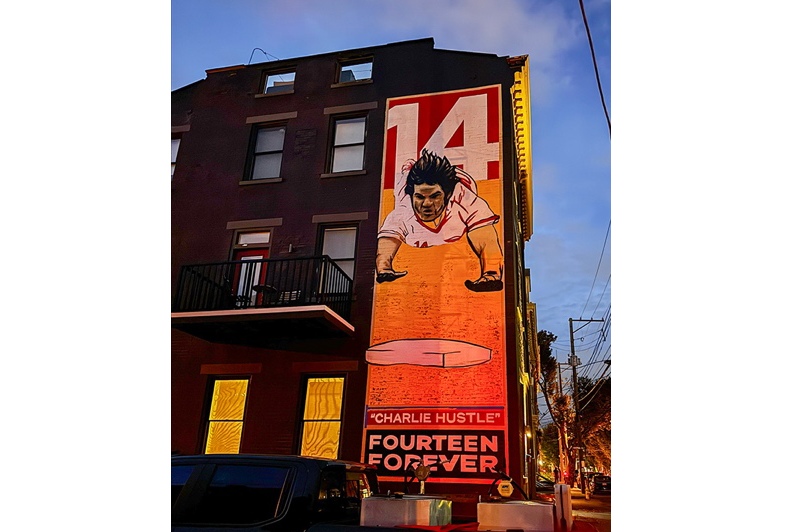
    The Cincinnati Reds have teamed up with AGAR to create a mural honoring Reds Hall of Famer Pete Rose, just in time for BLINK Cincinnati, which runs from October 17-20.

    The mural, featuring Rose in his iconic “headfirst slide,” is painted on a building at the northwest corner of Elm and Magnolia Streets in Over-the-Rhine and celebrates the Hit King’s connection with the city and his hometown team.

    The Reds have partnered with several local artists, spearheaded by AGAR. Mural artists include:

    • Michael Thompson
    • The Dye Brothers

    • Chase Melendez

    • Luke Lehenbaurer

    • Sonny Day

    Mural Artwork by Doug Bunker and Natasha Croft.

    Also during BLINK, the statues at Great American Ball Park of Pete Rose, Johnny Bench, Joe Morgan and Tony Perez will be illuminated as part of the event’s light installations.

    The statue lighting has been designed by The Plant Trolley, Cincinnati’s premier plantscaping company. They are celebrating 50 years in business in Cincinnati.

    Read more about BLINK:

  • The role alcohol plays in new cancer cases – landmark new report

    The role alcohol plays in new cancer cases – landmark new report

    THIS ARTICLE IS republished from The Conversation under a Creative Commons license.

    The original source is The Conversation:  ___________

    A little bit of alcohol was once thought to be good for you. However, as scientific research advances, we’re gaining a clearer picture of alcohol’s effect on health – especially regarding cancer.

    The complex relationship between alcohol and cancer was recently highlighted in a new report from the American Association for Cancer Research. The report’s findings are eye-opening.

    The authors of the report estimate that 40% of all cancer cases are associated with “modifiable risk factors” – in other words, things we can change ourselves. Alcohol consumption being prominent among them.

    Six types of cancer are linked to alcohol consumption: head and neck cancers, oesophageal cancer, liver cancer, breast cancer, colorectal cancer and stomach cancer.

    The statistics are sobering. In 2019, more than one in 20 cancer diagnoses in the west were attributed to alcohol consumption, and this is increasing with time. This figure challenges the widespread perception of alcohol as a harmless social lubricant and builds on several well-conducted studies linking alcohol consumption to cancer risk.

    But this isn’t just about the present – it’s also about the future. The report highlights a concerning trend: rising rates of certain cancers among younger adults. It’s a plot twist that researchers like me are still trying to understand, but alcohol consumption is emerging as a potential frontrunner in the list of causes.

    Of particular concern is the rising incidence of early-onset colorectal cancer among adults under 50. The report notes a 1.9% annual increase between 2011 and 2019.

    While the exact causes of this trend are still being investigated, research consistently shows a link between frequent and regular drinking in early and mid-adulthood and a higher risk of colon and rectal cancers later in life. But it’s also important to realise this story isn’t a tragedy.

    It’s more of a cautionary tale with the potential for a hopeful ending. Unlike many risk factors for cancer, alcohol consumption is one we can control. Reducing or eliminating alcohol intake can lower the risk, offering a form of empowerment in the face of an often unpredictable disease.

    The relationship between alcohol and cancer risk generally follows a dose-response pattern, meaning simply that higher levels of consumption are associated with greater risk. Even light to moderate drinking has been linked to increased risk for some cancers, particularly breast cancer.

    Yet it’s crucial to remember that while alcohol increases cancer risk, it doesn’t mean everyone who drinks will develop cancer. Many factors contribute to cancer development.

    Damages DNA

    The story doesn’t end with these numbers. It extends to the very cells of our bodies, where alcohol’s journey begins. When we drink, our bodies break down alcohol into acetaldehyde, a substance that can damage our DNA, the blueprint of our cells. This means that alcohol can potentially rewrite our DNA and create changes called mutations, which in turn can cause cancer.

    The tale grows more complex when we consider the various ways alcohol interacts with our bodies. It can impair nutrient and vitamin absorption, alter hormone levels, and even make it easier for harmful chemicals to penetrate cells in the mouth and throat. It can affect the bacteria in our guts, the so-called microbiome, that we live with and is important for our health and wellbeing.

    Alcohol consumption is also linked to other aspects of our own health and lifestyle and it’s important not just to consider this alone. Tobacco use and smoking, for instance, can significantly amplify the cancer risks associated with alcohol. Genetic factors play a role too, with certain variations affecting how our bodies metabolise (break down) alcohol.

    A person's hand holding a pint of beer and a lit cigarette.
    Smoking amplifies the cancer risk of drinking alcohol. Roy Riley / Alamy Stock Photo

    Physical inactivity and obesity, often associated with heavy drinking, also separately increase cancer risks but on top of alcohol makes this much worse. Despite this, misconceptions persist. The type of alcoholic beverage, be it beer, wine, or spirits, doesn’t significantly alter the cancer risk. It’s the ethanol (the chemical name for alcohol) itself that’s carcinogenic (cancer-causing).

    And while some studies have suggested that red wine might have protective effects against certain diseases, there’s no clear evidence that it helps prevent cancer.

    The potential risks of alcohol consumption probably outweigh any potential benefits. The takeaway is not that we should never enjoy a glass of wine or a beer with friends. Rather, it’s about being aware of the potential risks and making choices that align with our health goals. It’s about moderation, mindfulness and informed decision-making.

    Alcohol has lots of effects not just in terms of causing cancer. A recent large study of over 135,000 older drinkers in the UK has shown that the more people drink, the higher the risk of death from any cause.

    These and similar findings underscore the importance of public awareness and education about the potential risks associated with alcohol consumption. As our understanding of the alcohol-cancer link grows, it becomes increasingly clear that what many consider a harmless indulgence may have more significant health implications than previously thought.

    Unfortunately, not many people appear to be aware of these risks. In the US, around half of people don’t know that alcohol increases the risk of cancer. Clearly, a lot of work needs to be done to overcome this lack of awareness.

  • Accessible curbside voting in Hamilton County

    Accessible curbside voting in Hamilton County

    Independence Alliance worked with the Hamilton County Board of Election (BOE) to update their curbside voting policies to be more accessible. Previously, voters needing an accommodation to vote outside of the polling place were required to bring an additional person with them. This person would then need to enter the voting location to inform poll workers about someone needing to vote curbside.

    With the updated policies, curbside voters will now be able to use this accommodation and vote from their vehicle without bringing someone else with them. There will be a designated parking spot for curbside voters, with a sign listing one or two phone numbers to call and inform the polling center you have arrived and are ready to vote. Two poll workers of opposing political parties will come to your vehicle and proceed with the voting procedure.

    If you have questions about curbside voting or other accommodations, contact the Disability Rights and Advocacy Specialist.

    Voting at Your Polling Location

    A voter with a disability, or a voter who is unable to read or write, may be assisted by anyone of the voter’s choice, except a candidate whose candidacy is being voted on in that precinct, the voter’s employer or the employer’s agent, or an officer or agent of the voter’s union. A voter may be assisted by two poll workers (each of a different political party). No one who assists a voter may disclose any information about how that person voted.

    In addition, each polling place has an Access Station that is equipped with audio voting instructions, has larger print, and can accommodate tactile switches and sip-and-puff devices so voters may vote privately and independently.

    A voter with a disability who is unable to enter the polling location, may request poll workers provide a ballot curbside and vote from their car.

    Accessible Voting Equipment (Access Station)

    Voting Remotely

    A voter with a qualifying disability under the Americans with Disabilities Act may vote remotely using the Board of Elections’ remote ballot marking system. Complete the application below and return to the BOE.

    Application for Voter with Disability & Request to Use Remote Ballot Marking System (11-G)

    Voter Process:

    1. Complete an 11-G Application for access to the remote Absentee ballot. (Voter must provide Email)
    2. Voter will receive an email from the BOE with a link to their remote AV ballot along with the 12-N ballot instructions with the 12-A Identification envelope and return envelope. (BOE will also send envelopes by mail)
    3. Once the ballot is completed, a voter must print the ballot and return the ballot to the BOE by mail or in our 24-hour drop box.

    Voter requirements:

    • Computer
    • Printer
    • Internet access
    • Email address
    • Screen reader software or a sip and puff device
    • Operating System – older computers that do not support new windows may not support the system.
  • Ohio Department of Commerce Issues Consumer Alert Following MoneyGram Data Breach

    Ohio Department of Commerce Issues Consumer Alert Following MoneyGram Data Breach

    The Ohio Department of Commerce Division of Financial Institutions (DFI) has issued a Consumer Alert to Ohio residents who have used services provided by MoneyGram following a recent cyber-attack. The money transmitter, who is licensed with DFI, currently operates in over 200 cities across Ohio.

    The breach occurred between Sept. 20-22, 2024 and involved an unauthorized third party to access and acquire sensitive personal information from certain MoneyGram customers.

    According to a statement from MoneyGram, the compromised data includes names, contact information, dates of birth, Social Security numbers, government-issued identification documents, bank account numbers, transaction information and, for some individuals, criminal investigation information.

    The company says immediate steps have been taken to contain the breach, and an investigation is currently underway with the assistance of cybersecurity experts and law enforcement.

    “While cyberattacks are increasingly common, the impact of those attacks on consumers can be limited if those who are impacted take the appropriate measures, and do so quickly,” DFI Deputy Superintendent Ingrid White said. “By taking steps such as regularly and closely reviewing financial statements and credit reports to identify unauthorized transactions or accounts, individuals can help protect themselves from becoming the victim of identity theft and potentially experiencing significant financial loss.”

    MoneyGram has pledged to provide affected U.S. consumers with two years of complimentary identity protection and credit monitoring services. Their systems have since resumed normal operations.

    Meanwhile, Ohioans who have used MoneyGram’s services may consider taking the following steps:

    Review Financial Statements and Credit Reports 

    Stay alert to any unauthorized transactions by regularly checking all financial statements. Free weekly credit reports can be obtained through www.AnnualCreditReport.com.

    Consider Freezing Your Credit

    A security freeze prevents prospective creditors from accessing your credit file, hindering identity thieves from opening new accounts under your name. For additional assistance with freezing your credit, individuals may consider contacting the three major credit reporting bureaus for assistance:

    • Equifax: (800) 685-1111
    • Experian: (888) 397-3742
    • TransUnion: (888) 909-8872

    For Identify Theft Victims

    If you believe you’re the victim of identity theft, visit the Federal Trade Commission’s (FTC’s) website at www.IdentityTheft.gov to access resources and step-by-step instructions on how to recover from identity theft. For individuals affected by data breaches, specific guidance from the FTC is available here.

  • LHS teacher Lisa Brinkman selected for the 2025 NEA Foundation Global Learning Fellowship

    LHS teacher Lisa Brinkman selected for the 2025 NEA Foundation Global Learning Fellowship

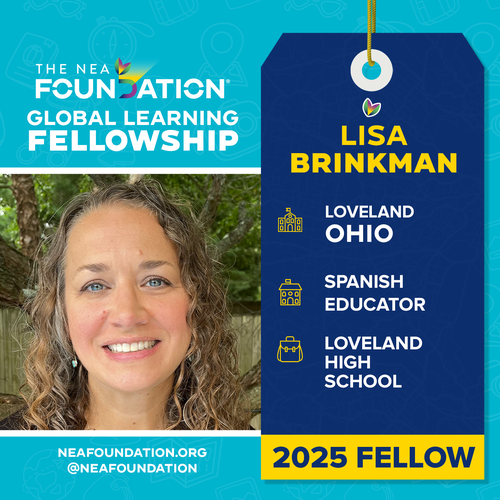
    Loveland, Ohio – Loveland High School Spanish Teacher Lisa Brinkman has been selected for the 2025 NEA Foundation Global Learning Fellowship. The Fellowship is a year-long opportunity for her to learn and grow as an educator and bring her learning back for the benefit of our students.

    Lisa has been teaching Spanish at LHS for 20 years, is the chairperson of the World Language Department, and her two children attend Loveland Schools.

    Outside of the school day, Lisa will dedicate time to webinars, online coursework, a two-day conference, and an international field study.

    She is one of only 48 educators from across the country to be chosen for this prestigious opportunity.

    More about NEA Foundation Global Learning Fellowship

    Through the NEA Foundation Global Learning Fellowship, public school educators develop the knowledge and skills to integrate global competency into their daily classroom instruction, advocate for global competency in their schools and districts, and help students to thrive in our increasingly interconnected world. Fellows transform their classrooms to give students a global perspective.

    Over the course of a year, NEA Foundation Global Learning Fellows immerse themselves in:

    • Ongoing workshops and webinars with global competency and education

    • Fellows’ independent study followed by group reflection and discussion

    • Group mentoring

    • A two-day in-person conference

    • Completion of a capstone project incorporating one or more of the U.N. Sustainable Development Goals into classroom instructions

    • A 10-day international field study to examine another country’s education system, culture, and historical context

    Described by many fellows as “transformative,” the international field study experience guides fellows through thoughtful investigation of the historical and cultural contexts of the country visited while they also learn about its education system.

    Fellows meet with policymakers, community and nonprofit leaders, educators, students, and school administrators. The NEA Foundation carefully selects field study destinations where fellows can forge fruitful relationships while deeply immersing themselves in a new environment. Previous field study destinations include Peru, China, Brazil, South Africa, and Costa Rica.

    Fellows emerge from the Global Learning Fellowship with a deeper appreciation for cultural differences, stronger perspective taking skills, and firsthand experience of another culture’s approach to education. Their experiences throughout the fellowship reinforce the importance of diversity, equity, and inclusion in meeting the needs of students and communities.

    Fellows also develop an informed understanding of what global competency looks like in the classroom, why it’s critical to incorporate it into their teaching practices, and how they can be advocates for global competency at their schools and districts. They establish meaningful relationships with fellows across the country, many maintained throughout their careers and lifetimes.

    Since its inception in 2011, more than 500 public school educators have participated in the Global Learning Fellowship. Fellows have come from all 50 states, teaching every subject, at every grade level, and at all stages of their teaching careers. For many past fellows, participating in the field study was their first time traveling abroad. The Global Learning Fellowship has expanded the horizons of fellows, their students, and their communities.

  • OOD Recognizes National Disability Employment Awareness Month with Hiring Events and Webinar

    OOD Recognizes National Disability Employment Awareness Month with Hiring Events and Webinar

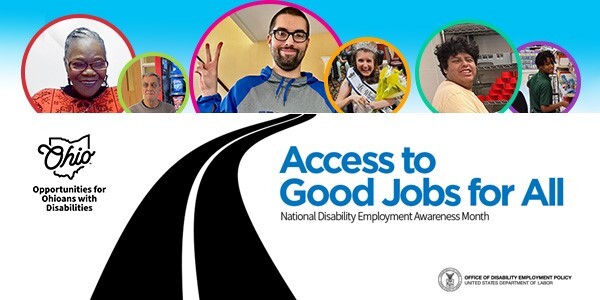
    National Disability Employment Awareness Month (NDEAM) is observed every October to celebrate the contributions of America’s workers with disabilities and promote inclusive employment practices. This year’s theme, “Access to Good Jobs for All,” underscores the importance of ensuring workers with disabilities have access to quality employment opportunities throughout the year. Opportunities for Ohioans with Disabilities (OOD) is spearheading the state’s efforts to highlight the benefits of hiring individuals with disabilities and facilitating meaningful employment connections.

    “Ohio is the heart of opportunity and the heart of prosperity, and that includes individuals with disabilities. Every Ohioan should have access to a good job and a path toward economic success,” said Ohio Governor Mike DeWine. “National Disability Employment Awareness Month is a reminder of the diverse talents and contributions people with disabilities bring to our workforce. This year, I challenge more businesses to participate in OOD’s upcoming hiring events and webinars and learn how they can be a part of creating opportunities for all Ohioans to reach their full potential.”

    Kevin L. Miller, OOD Director, emphasized the agency’s commitment to this goal: “Our mission goes beyond a single month; we are dedicated to creating lasting employment opportunities for Ohioans with disabilities year-round, fostering workplaces where everyone can thrive and contribute meaningfully.”

    Throughout October, OOD will host hiring events across Ohio, providing individuals with disabilities unique opportunities to connect directly with employers seeking to build inclusive workforces. These events aim to foster relationships that lead to long-term, quality employment.

    Additionally, OOD will offer a free webinar for employers titled “Building an Inclusive Apprenticeship Program” on October 16 at 10 a.m. This session will explore the benefits of inclusive apprenticeships, discuss reasonable accommodations, and highlight resources supporting these initiatives. More information, including the link to join, can be found on OOD’s webinar webpage.

  • Polling Location Change in Symmes Township

    Polling Location Change in Symmes Township

    Symmes Township, Ohio – If you plan to vote in person during the November election and vote at the Symmes Township Library (Precinct H), your new temporary voting venue will be at the Symmes Township Safety Services Center. The Board of Elections selected the site while the new library is under construction.

  • Loveland Symmes Fire Department Hosting Open House

    Loveland Symmes Fire Department Hosting Open House

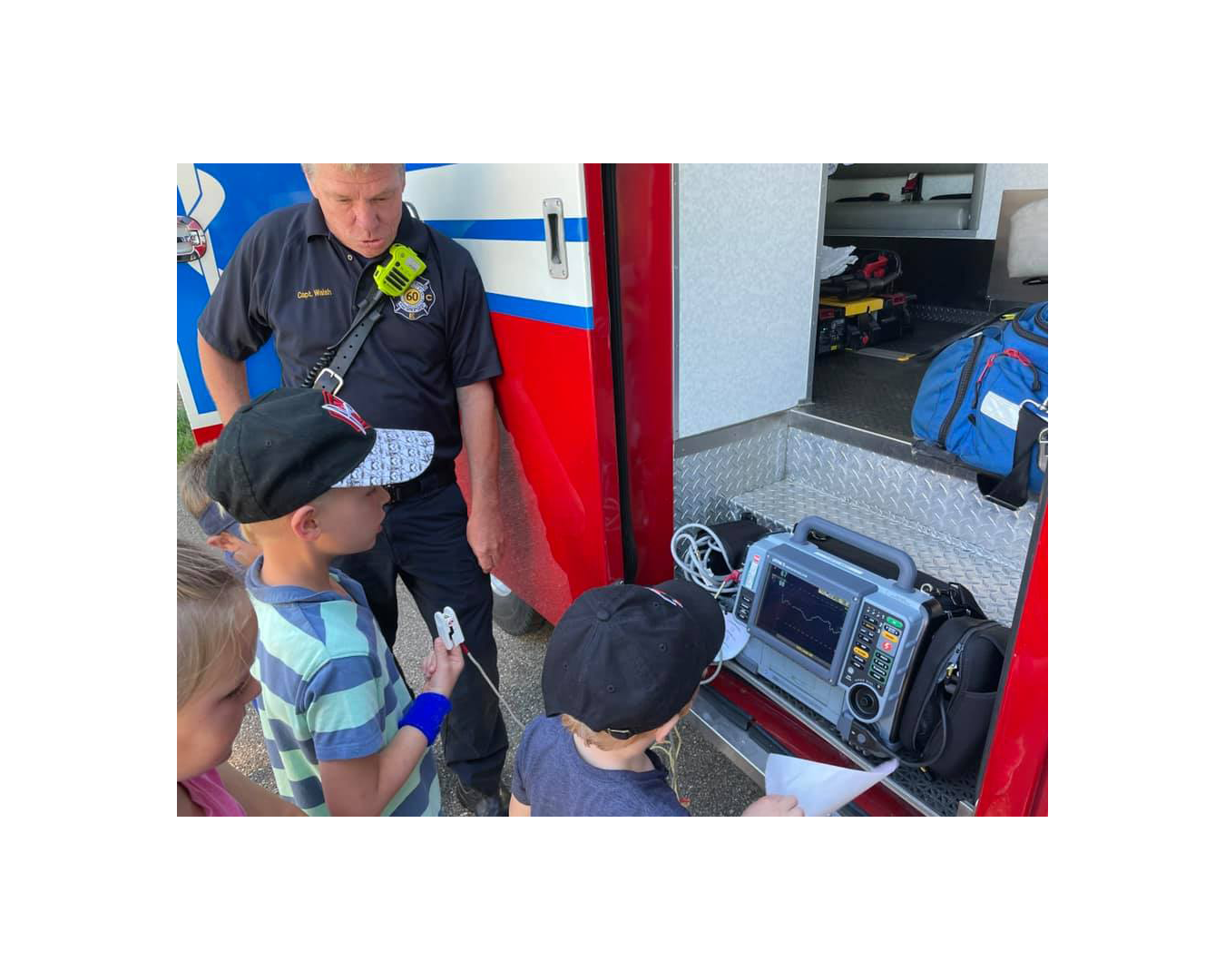
    Symmes Township, Ohio – The Loveland Symmes Fire Department will be hosting an open house for fire prevention month on Wednesday, October 9th at the Symmes Safety Services Center from 6 until 8 PM. Children will get a tour of the safety equipment with the firefighters and Hamilton County Sheriff officers, and learn more about fire safety in the homes. There will also be lots more fun on site with a bounce house and refreshments.