Loveland, Ohio – Due to a water main break near a booster station, the city has issued a boil water advisory for all residents in Clermont & Warren Counties who use Loveland water..
The water main break was on Oak Street. Crews have isolated the leak, brought in special equipment, and are making repairs.
In the meantime, the City is utilizing a Clermont County connection to restore water to those currently without. According to City Hall the water tower is refilling and over the afternoon, water service should be restored. While water is coming back on, it is normal to have little to no water pressure.
If you can try to conserve water and refrain from sprinkling lawns, that would help according to City Hall.
[pdf-embedder url=”https://lovelandmagazine.com/wp-content/uploads/2024/08/Fact-Sheet-About-What-to-Do-During-a-Boil-Water-Advisory.pdf” title=”Fact Sheet About What to Do During a Boil Water Advisory”]
Loveland, Ohio – DOITFORJACK – The Jack Quehl Foundation was set up in honor of Jack Quehl. They are on a mission to protect our youth against the threat of fentanyl poisoning.
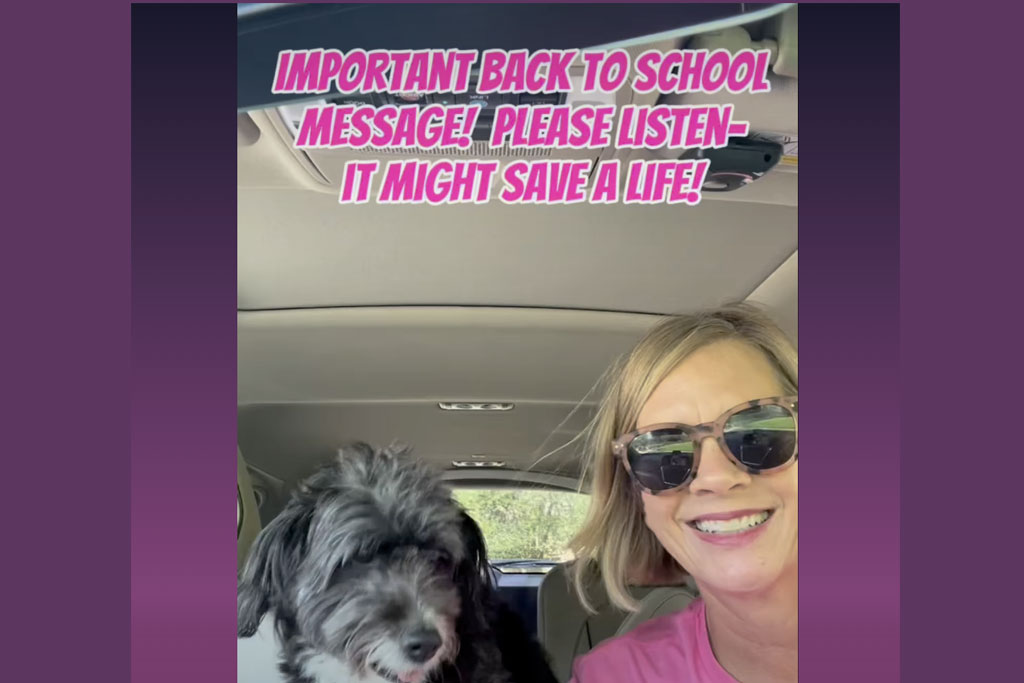
Click to watch this message from Jack’s mom, Stephanie Quehl.
The Jack Quehl Foundation Is on a Mission to Educate Our Community About The Dangers of Fentanyl Poisoning
he Jack Quehl Foundation was established in 2022, in loving memory of John Thomas (“Jack”) Quehl, who tragically lost his life due to fentanyl poisoning on September 20th, 2021.
Click here to view our interactive 2023 Impact Report.
Cincinnati, Ohio – This program at the Cincinnati Art Museum is designed for families with children who have autism or other developmental disabilities. Each month, explore the museum’s galleries in a less crowded environment, using multisensory tools and resources to make the most of the visit. Email access@cincyart.org for questions or more information.
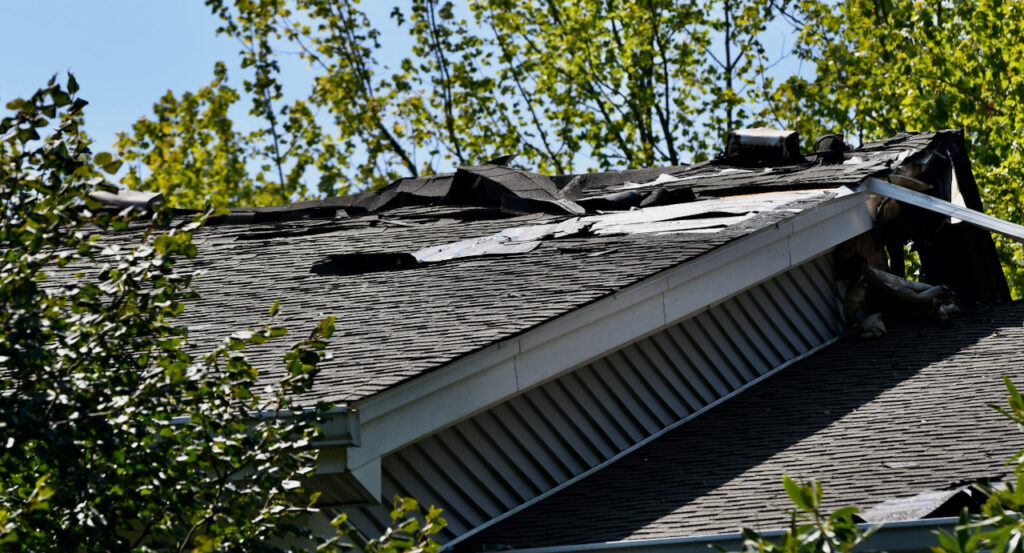
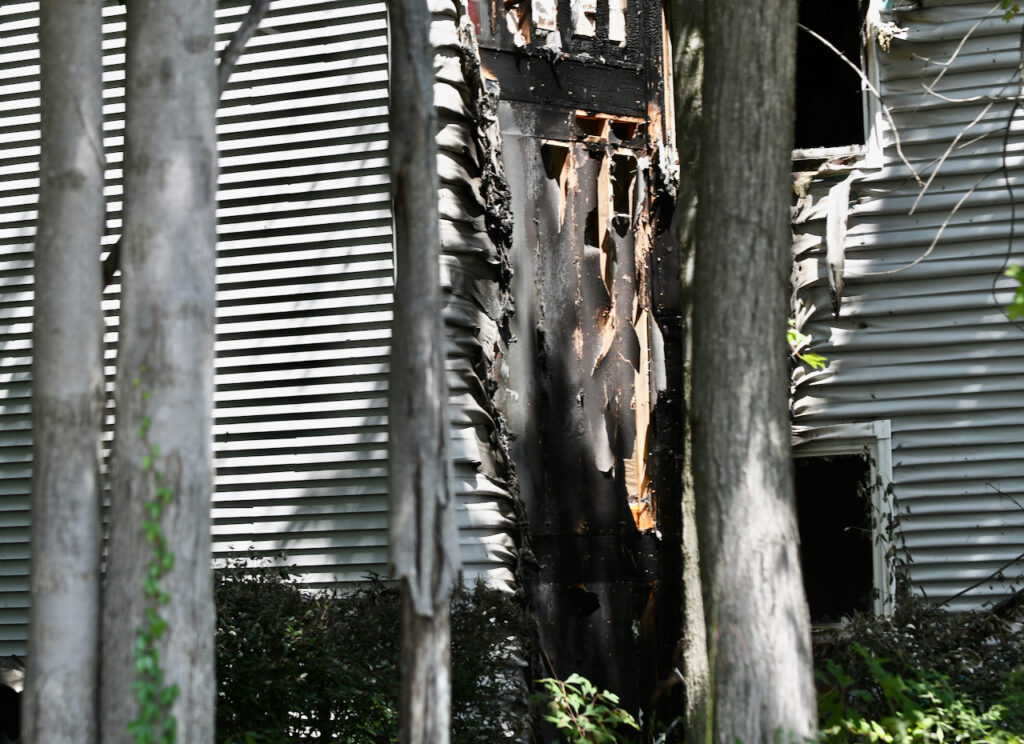
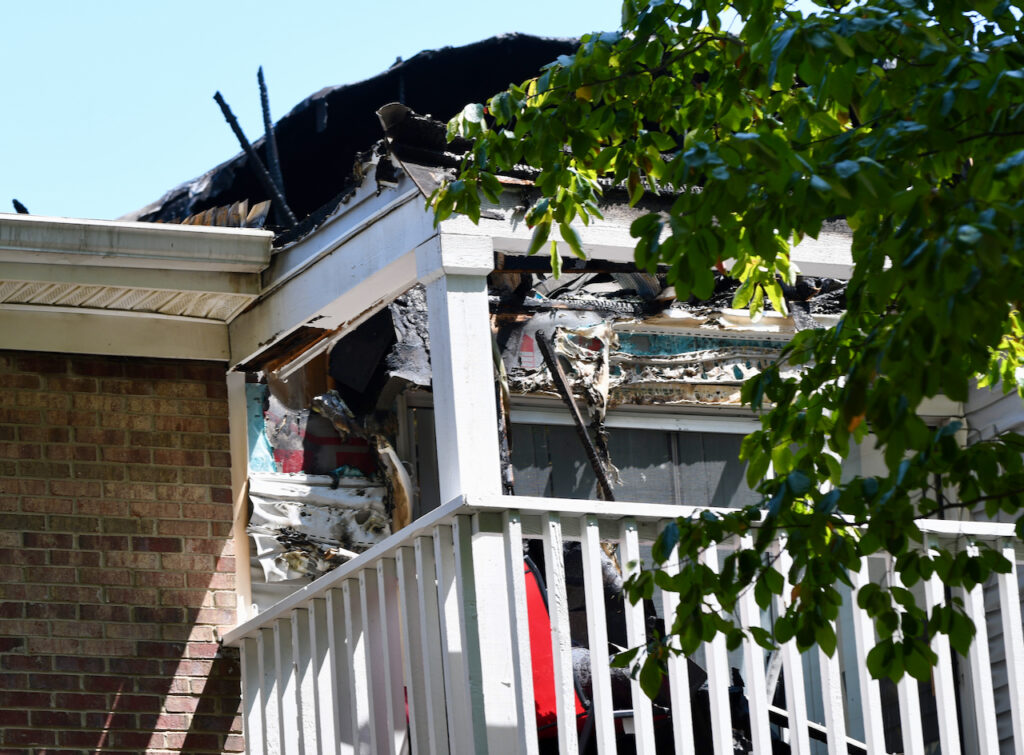
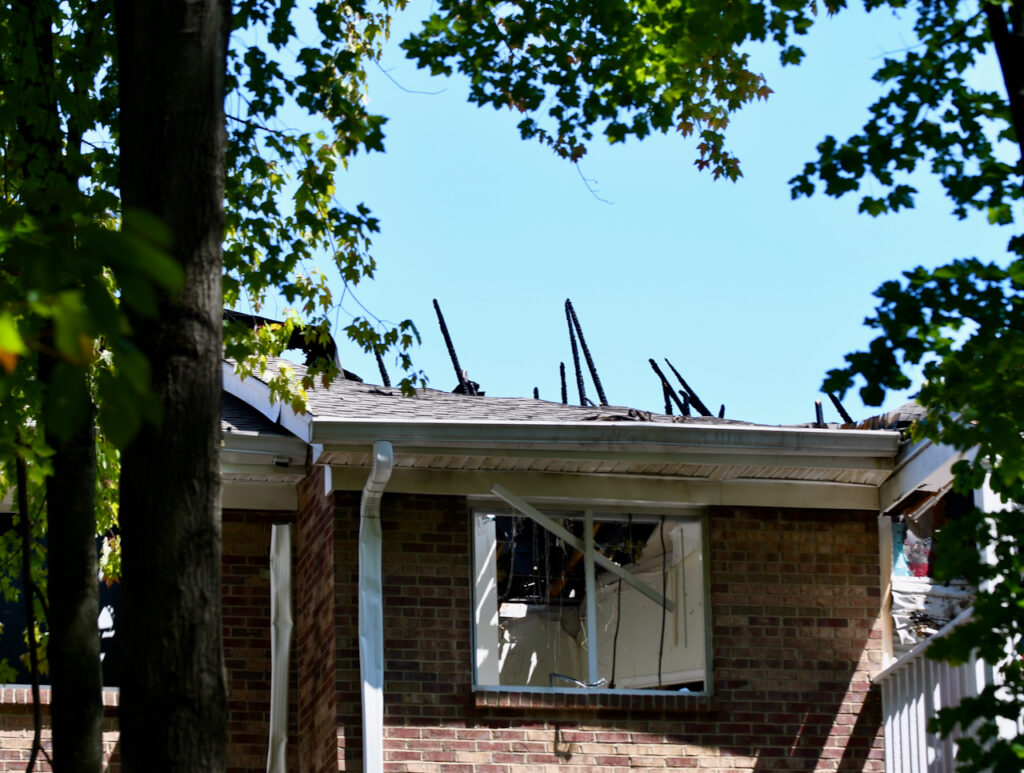
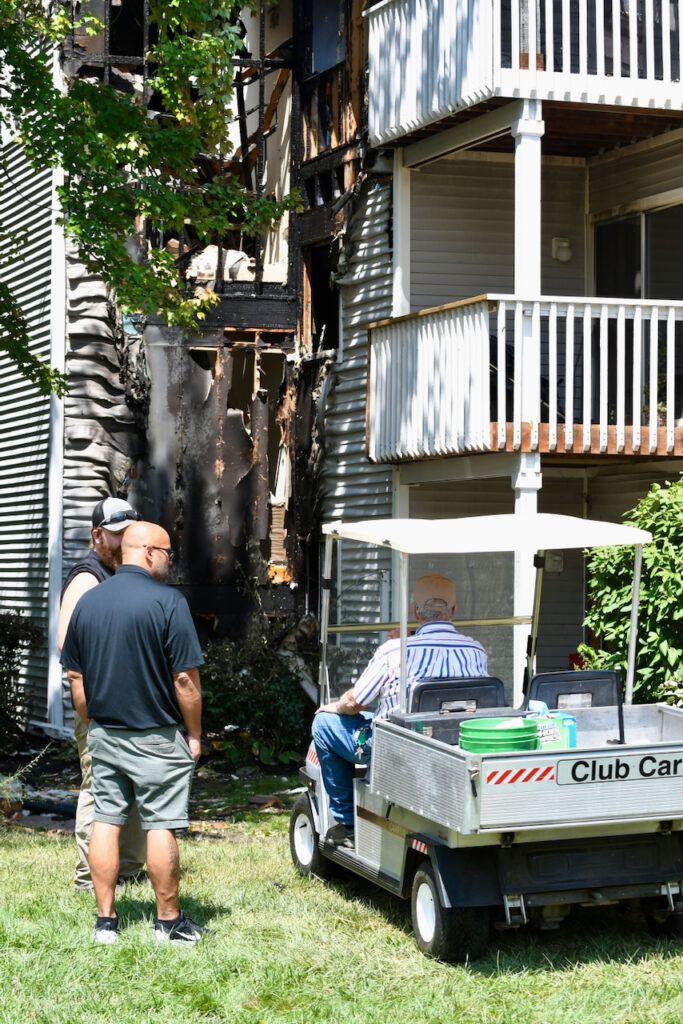
Loveland, Ohio – Around midnight the Loveland-Symmes Fire Department (LSFD) responded a fire at the Carrington Crossing condominium complex on Carrington Lane and immediately went to a 2nd alarm.
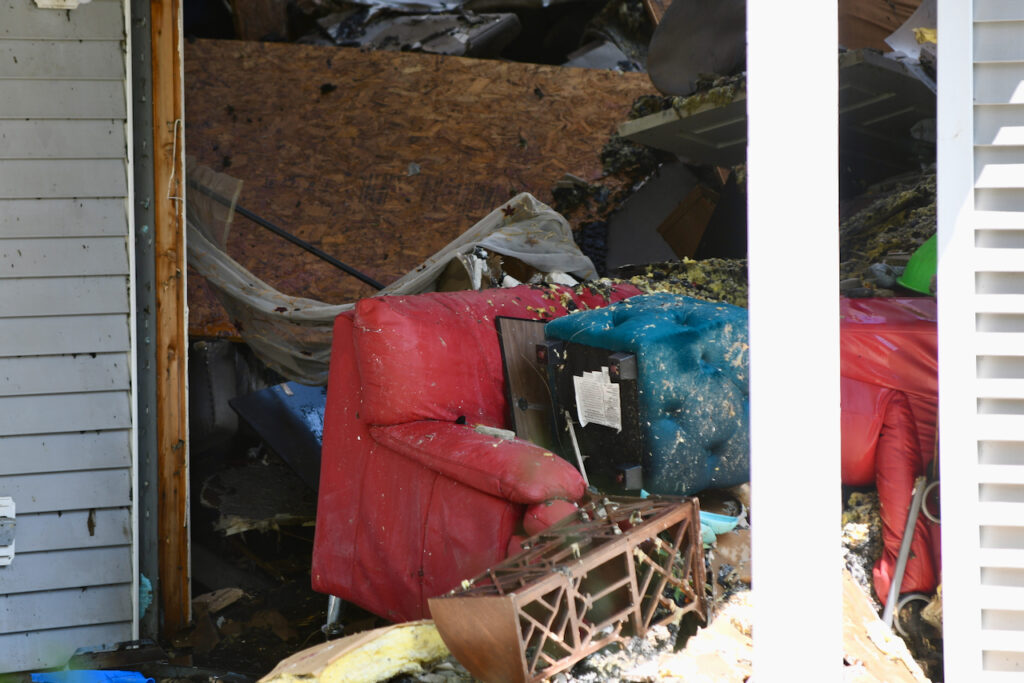
The fire started on the second floor of the three story building and spread to the roof, throughout the attic of the other units and eventually involved the entire building. The second floor where the fire started collapsed.
About 35 people were displaced from 24 units however no one was injured and all residents escaped on their own.
LSFD reported that based upon multiple calls and reports of people on balconies, “Battalion 62 struck a second alarm prior to arrival.”
Per Chief Otto Huber, “The fire started after a resident used a burning tool on her fingernails and something began to melt. She caught the overflow in a container and thought she had it under control but it got so hot it caught fire and ignited, rapidly going up the wall of her condo, over the firewall separating her unit from others and then into the attic.”
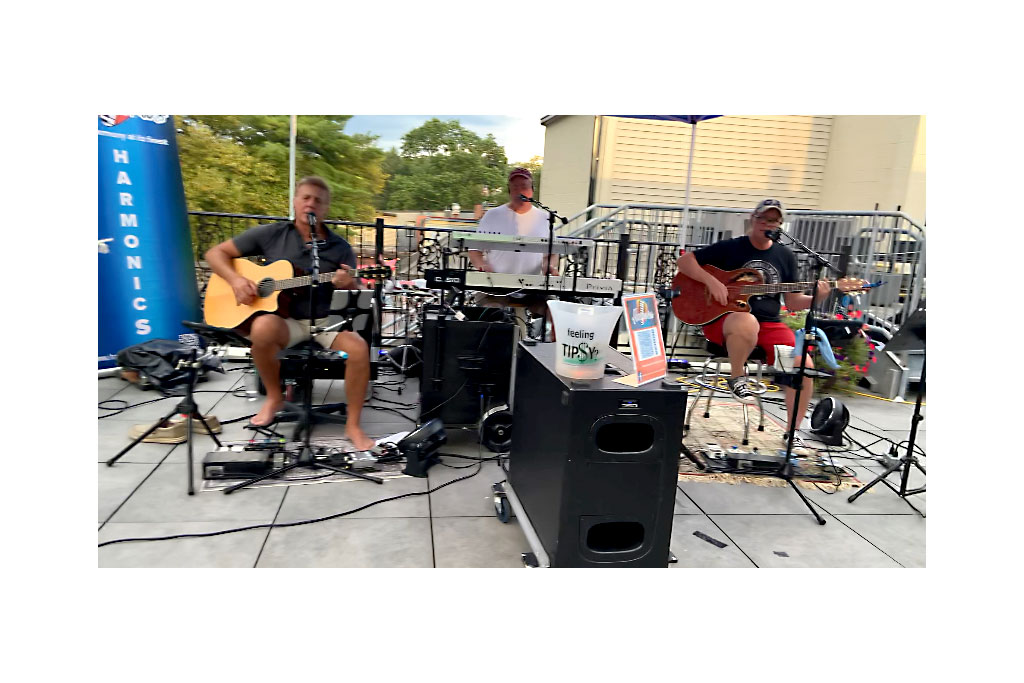
Loveland, Ohio – One of Loveland’s favorite band, the Harmonics entertained on the rooftop of Bishop’s Quarter in Historic Downtown Saturday night for a capacity crowd.
This song is “It’s Too Late” from Carole King’s second studio album, Tapestry.
_____________
Harmonics is a trio of professional, polished musicians whose love of classic and contemporary rock and vocal harmonies breathes life into the works of the Eagles, Stevie Nicks, and others of the genre.
About Pam King, Guitar/Vocals —
Growing up in Cincinnati, Ohio to music-loving and music-playing parents it was natural for the then 7-year old Pam King to pick up her parents’ guitars and want to play. After learning her first 3 chords (open A, D, and G) from her mom, she taught herself her first song, “Take Me Home, Country Roads”, by John Denver. Though she didn’t follow her parents’ path into country music, she did quickly fall in love with rock and roll and played it, as they say, “until her fingers bled” during her all-nighters at home listening to and playing along with her records. Lots of saved lunch money later, she was able to buy her own guitars—an acoustic Alvarez Dove and an electric Ovation UK2. To this day, these instruments still hold a special place in her heart and in her home.
At 17, Pam joined her first band and at 20, she and the drummer formed the all-girl, rock band, Promise. Promise toured the Midwest and East coast and played with the likes of Blue Oyster Cult, The Guess Who, Pure Prairie League, Robin Trower, Shooting Star, Stryper, and others. It was the era of big hair, bandanas, and spandex-lovin’ bods! As Pam says, ”The 80’s were a blast!”
With the maturity of her musical abilities Pam went on to form three more bands with the purpose of creating their own original music. Plan B, Echo, and Wicked Daisy each produced their own full-length albums. Though she’s proud of them all, it is Wicked Daisy’s “Torn” album that had three songs selected from it for the movie soundtrack of “75”—an award-winning, independent film about the opioid crisis—released in 2017.
Today, Pam has “come full circle” back to her musical roots as part of the trio that is “Harmonics”. It is in this band that her vocals are showcased along with her guitar as she, Joe Russell, and Jim Ruthemeyer cover harmony-rich songs from the 70’s to today.
About Joe Russell, Keyboard/Vocals —
Joe Russell’s immersion in the world of music began at the age of 9 taking 4 years of formal piano lessons before discovering he could play by ear. Songs that formed his style included: Styx’ “Come Sail Away” and “art rock” music including Pink Floyd, Genesis and Rush—”Thanks, big brother for records brought home from college!”
Joe attended Berklee College of Music in Boston for 2 years then graduated from Middle Tennessee State University’s Music Business program. (We’re sure his music-loving parents were proud of the day he switched his major from architecture in pursuit of a degree in music!) His passion paid off and landed him internships and post-graduation professional experience at various studios and publishing houses in Nashville, TN. There, he learned the “business” of music as well as fueled his appreciation for the craft of songwriting.
In 2012, he collaborated with Pam King (also of Harmonics), Bleu Cooper, and Ed Jones in the band, “Wicked Daisy.” They recorded the album “Torn” in 2012 at Group Effort Studios and numerous songs from the project were featured in the award-winning independent film “75”.
Joe’s band resume includes the likes of The Diamond Jim Dews Band, Tree Fort Droogs, and Social Hermit. He has played at many events including TQL Stadium (opening up for The Who), the Taste of Cincinnati, Loveland Monster Crawl, and venues Hard Rock Café in Louisville, KY for album, “75”, release, Southgate House Revival, Silverton Café, and many more.
In 2018, Joe, Jim, and Pam formed Harmonics, a vocal-centric trio covering classic to contemporary tunes. “I look forward to expanding our repertoire and moving on to finish some of those original tunes I’ve had bouncing around for years.”
Interesting fact—Joe worked on a towboat on the Ohio River after returning home to Ohio from Nashville and “landed” in Cincinnati!
About Jim Ruthemeyer, Guitar/Vocals/“Electronics Wizard” —
Jim Ruthemeyer began his love affair with music at the age of 13 when he first picked up a guitar and began playing. His early musical influences were numerous ranging from artists playing in the styles of Folk and Country to Blues and Rock. His deep connection to the joyful qualities of playing music and singing has only strengthened over time.
Jim is an accomplished singer, guitarist, and professional solo performer who has made the rounds in the local area from Cincinnati to Northern KY. Jim was embraced on both the eastside and westside of Cincinnati – he was a regular at The Blind Lemon in Mt. Adams, LaRosa’s Wine Cellar in Westwood, and at the Strasse Haus in Covington! He honed his stage presence and communication with his audiences while performing in venues for over ten years as a solo act.
As an electronics wizard, Jim has worked his magic to create specialized sound equipment for the band—which has been greatly appreciated! And, as a performer used to “filling the stage” on his own, Jim brings a wonderful energy that combines with Pam and Joe to create the sound that is the trio, Harmonics.
As Ohio recreational and medical cannabis markets open to anyone over the age of 21 the City of Loveland still prohibits dispensaries
Loveland, Ohio – On November 7, 2023, a majority of Ohio voters approved Issue 2 to legalize the possession and use of marijuana by individuals aged 21 and over, and the sale of marijuana by state-licensed dispensaries. The bill also created the Division of Cannabis Control (DCC) within the Ohio Department of Commerce.
Under the provision an individual must be at least 21 years old to purchase, possess, grow, or use non-medical cannabis.
Once an entity has received its certificates of operation, it is legally authorized to begin the sale of recreational (non-medical) cannabis in addition to medical cannabis. However, the issuance of COOs does not necessarily mean non-medical sales will begin immediately at every dispensary, as each licensee must determine when they will start sales based on factors including staffing, stock and other business considerations.
In order to receive a certificate, dispensaries must show they are able to properly process adult recreational use and medical sales since there’s a tax consideration. In addition, licensees must validate that their security systems meet legal requirements and agree they will ensure as much as possible inventory remains available for medical patients. They also must validate employee training and have implemented updated employee badging.
Recreational cannabis sales are subject to state and local sales tax. In addition, the initiated statute includes a 10% excise tax on non-medical marijuana purchases. The excise tax revenue will go toward a social equity and jobs program, mental health and addiction services, local governments, and the administrative costs of the Ohio Department of Taxation and the Division of Cannabis Control.
As reported by WHIO News Center, over $10 million in sales was generated in just the first few days, according to the Ohio Division of Cannabis Control. “The tax money made from the sales will be divided into four parts. One of the biggest portions goes to local government, where they can use that funding for anything they’re approved for.” 36 percent of the taxes received will go to local governments that have recreational dispensaries.
57% of Ohioans voted to legalize recreational marijuana in November but there has been nowhere to legally purchase it, until now. Ohio cannabis consumers no longer have to drive to Michigan or resort to the unregulated street market. The Ohio Department of Commerce Division of Cannabis Control gave 98 dispensaries the green light to start selling recreational marijuana by giving them their certificates of operation on August 6. Ten Columbus dispensaries, eight Cincinnati dispensaries, and five Cleveland dispensaries received their certificates of operation on Tuesday.
Dispensaries already selling medical marijuana were awarded the first round of licenses to customers without needing a medical marijuana card. Medical marijuana patients don’t have to pay the excise tax on the product.
When the proposed recreational marijuana law was heading to Ohio’s November, 2023 ballot, Hamilton County submitted the most valid signatures with 1,914. Next was Franklin County with 711 and Montgomery County with 626.
Consumers are able to purchase cannabis in the forms and methods of administration available under the Medical Marijuana Control Program. This includes the following:
Vaporization: Metered Oil or Solid, Plant Material
Although Ohioans are now legally able to grow marijuana, under current law there is no legal way to purchase plants or seeds until non-medical dispensaries are permitted to begin selling them.
The following forms of recreational (non-medical) cannabis may be sold at dispensaries: plant material and seeds, live plants, clones (a non-flowering plant cut from a mother plant), extracts, drops, lozenges, oils, tinctures, edibles, patches, smoking or combustible product, vaporization of product, beverages, pills, capsules, suppositories, oral pouches, oral strips, oral and topical sprays, salves, lotions or similar cosmetic products, and inhalers.
Prohibited in Loveland
After Ohio passed Bill 523 that allowed municipalities to adopt an ordinance prohibiting “the operation of marijuana dispensaries” Loveland declared an emergency and did just that. The emergency was for the “…immediate preservation of the health, safety, and morals of the City of Loveland and is necessary to assure adequate regulation are in place prior to the effective date” of Bill 523.
Loveland City Council, following a recommendation of the Planing and Zoning Commission, passed Section 1165.18 of the Code of Ordinances titled Marijuana Prohibition on December, 13, 2016. It states that, “Marijuana cultivators, processors and retail dispensaries shall be prohibited within all Zoning Districts” in the City.
1165.18 MARIJUANA PROHIBITION.
Marijuana cultivators, processors and retail dispensaries shall be prohibited within all Zoning Districts. (Ord. 2016-110. Passed 12-13-16.)
Becky Noel, the Permit Specialist with the Loveland Building Department told Loveland Magazine that as far as she knows, there has only been one or two inquires to her office in the past year from individuals possibly interested in opening a retail marijuana dispensary in the City. She said, “Nobody has officially applied yet.” In order for an application to be considered, the Loveland code would have to be amended, including the zoning code.
Permitted in Milford
At first, Milford did as Loveland did and prohibited dispensaries, but has since given a monopoly to only one company by signing a “Host Community Agreement” with Cascade Southern Ohio LLC on Sept 20, 2022. Cascade operates their dispensary at River’s Edge under the name, UpLift. Milford Council decided that there should be only one dispensary within their corporate limits.
Ohio Cannabis Dispensary Map
Cannabis dispensaries are located throughout the State of Ohio. Use this map to help you locate one by name or location.
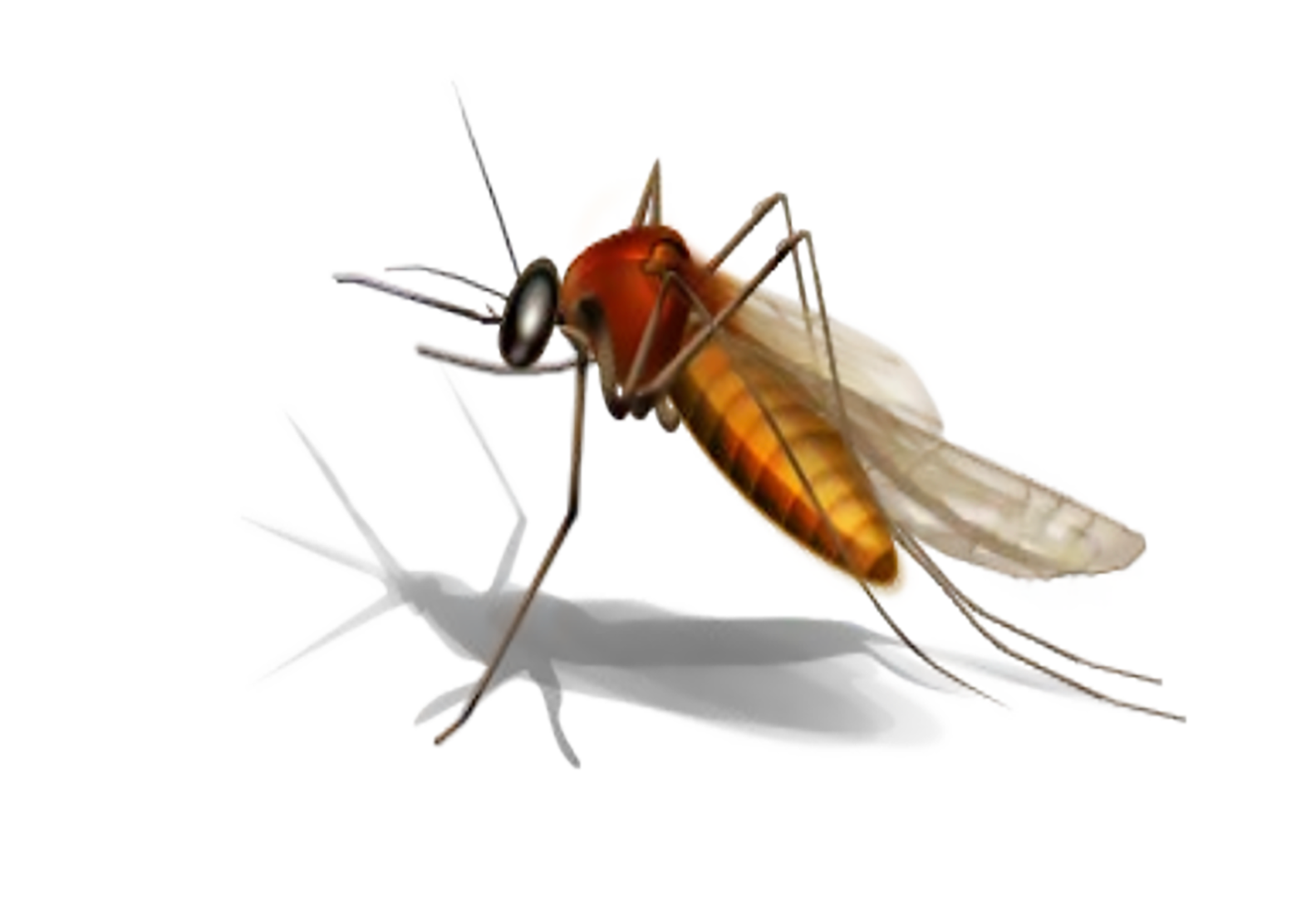
Hamilton County, Ohio – Hamilton County Public Health is reminding residents to continue to take summertime precautions against mosquito bites after mosquitoes that were recently trapped on Foley Road in Delhi Township tested positive for West Nile virus (WNV). West Nile Virus is a viral disease that can be passed from mosquitoes to humans. Hamilton County Public Health (HCPH) maintains traps throughout the County during the summer to test for the presence of disease. While this is the first positive identification in HCPH’s jurisdiction, other positive pools have been identified elsewhere in the County.
HCPH says their staff will be conducting surveillance activities in the neighborhoods and commercial areas around where the mosquitoes were collected. They will be looking for areas of standing water, applying larvicide, making sure swimming pools are operating properly and advising residents on precautions they can take to avoid mosquito bites.
“We can all take action to eliminate mosquito breeding sites and take precautions to avoid mosquito bites,” Greg Kesterman, Hamilton County Health Commissioner says. “West Nile was first identified in Ohio in 2001, so it’s not new to our area, but we like to take the opportunity to remind everyone to take precautions.”
Hamilton County Public Health advises all Hamilton County residents to DRAIN, DUNK and PROTECT to reduce the mosquito population and prevent West Nile Virus:
DRAIN
Look for and drain sources of standing water on your property – litter, tires, buckets, flowerpots, wading pools and similar items that could create standing water and become mosquito breeding sites.
Frequently change water in bird baths and pet bowls.
Drain small puddles after heavy rainstorms.
DUNK
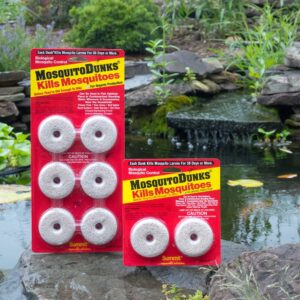
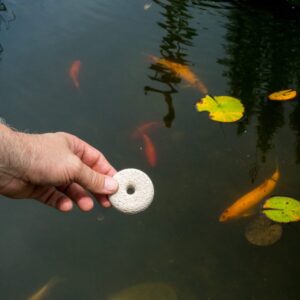
Apply mosquito larvicide, sometimes called mosquito “dunks,” to areas of standing water that cannot be drained. The “dunks” are environmentally safe and won’t harm pets. Purchase them at your local hardware store.
PROTECT
Cut your grass and trim shrubbery.
Make sure screens in windows and doors are tight-fitting and free from defect.
Wear long sleeves and pants during peak mosquito hours – dawn and dusk.
Use an EPA-registered insect repellent such as those containing DEET, picaridin or oil of lemon or eucalyptus. Always follow the directions on the package.
In a news release, HCPH said, “The West Nile virusis a viral disease affecting the central nervous system that can be transmitted to humans by mosquitoes. It is important to note that most people who are bitten by an infected mosquito will never become sick. Everyone, however, should be aware of the symptoms of WNV. Symptoms may develop two to 14 days after someone is bitten by an infected mosquito.”
No Symptoms in Most People. Approximately 70-80 percent of people who are infected with WNV will not show any symptoms at all.
Milder Symptoms in Some People. Up to 20 percent of the people who become infected will display symptoms which can include fever, headache, and body aches, nausea, vomiting, and sometimes swollen lymph glands or a skin rash on the chest, stomach and back. Symptoms can last for as short as a few days, though even healthy people have been sick for several weeks.
Serious Symptoms in a Few People. Less than one percent of people infected with WNV will develop severe illness. The severe symptoms can include high fever, headache, neck stiffness, stupor, disorientation, coma, tremors, convulsions, muscle weakness, vision loss, numbness and paralysis. These symptoms may last several weeks, and neurological effects may be permanent.
While all residents of areas where virus activity has been identified are at risk, people over age 50 have the highest risk of developing severe WNV infections. Anyone experiencing any of these symptoms should contact their healthcare provider for evaluation.
For more information on West Nile Virus, contact Hamilton County Public Health at (513) 946-7800 or visit them online at www.hamiltoncountyhealth.org.
Enjoy a wonderful luncheon with delicious soups in handcrafted bowls that you get to keep! Plus prizes, music, and more. All proceeds go to LIFE Food Pantry.
Loveland, Ohio – Enjoy warm soup, fresh bread, and decadent desserts provided by local sponsors, and take home a beautiful handmade pottery bowl donated by local artists, all for only $25. Proceeds benefit the Loveland LIFE Food Pantry.
When: Saturday, September 28th
Two seatings are offered, 11:00–12:30 and 1:00–2:30, while supplies last; each seating is limited to 150 people and the event is expected to sell out.
Where: Prince of Peace Lutheran Church 101 S. Lebanon Road, Loveland, OH 45140.
RAFFLE: You’ll have an opportunity to win fabulous gift baskets donated by local businesses and the community by purchasing raffle tickets. If you purchase raffle tickets when you pre-register for the event, the cost is 6 tickets for $5, 12 tickets for $10, and 25 tickets for $20 (the cost goes up to $1 per ticket the day of the event).
SOUP-TO-GO: Take-home soup containers will be available while supplies last, for an additional fee.
SPLIT-THE-POT: New this year is a Split-the-Pot, which will be offered for each seating. Tickets can be purchased the day of the event, and you must be present to win.
By participating in the Hamilton County Pitch & Empower event, you’ll gain invaluable pitch practice, expand your business visibility, compete for grant money, and receive specialized coaching—because it’s our business to help your business thrive.
Who
The perfect candidate for the Hamilton County Pitch & Empower event is a growth-oriented small business located in Hamilton County with at least one year of operation, currently operating out of a brick-and-mortar space, has demonstrated revenue, and a commitment to expanding their business within the local community.
When
Apply online between August 12th and September 6th, 2024, to seize this opportunity to grow your business, gain visibility, and compete for valuable resources and support.
How it Works
Eligible applications will be reviewed by a selection committee.
Once semi-finalists are determined, they will be interviewed by selection committee members. When interviews have concluded, 8 pitch finalists will be chosen and notified of next steps.
Finalists will advance to educational and pitch preparation courses, led by our program partners and local experts.
Pitch Night will be on October 22. The finalists will deliver a 3-minute pitch in front of a live audience at Memorial Hall.
Pitch Awards:
First Place: $5,000
Second Place: $3,000
Third Place: $1,000
Audience Vote: $1,000
*Please see the terms and conditions in the application to verify that you are eligible.
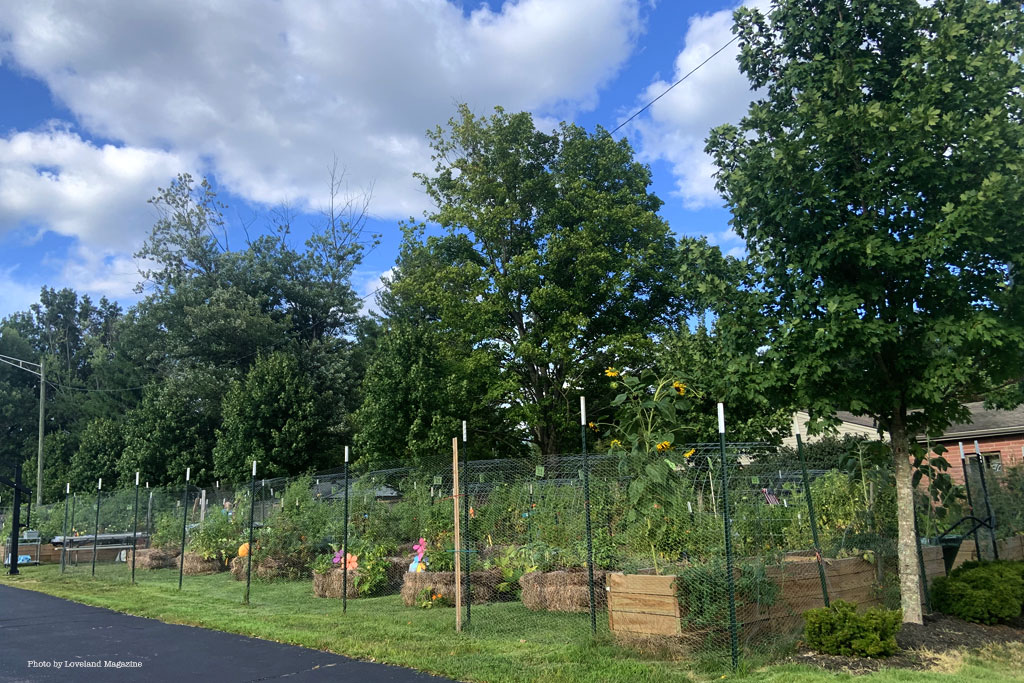
There are 35 families sharing 32 spaces, growing vegetables and flowers. Each family pledges a donation of at least ten percent to the LIFE Food Pantry, but some give everything they grow.
Because they grow in straw bales, there is little to no weeding, and gardeners who have mobility issues have easier access to their vegetables in the raised beds. “Almost half of our gardeners are not members of Prince of Peace,” said church member, Sheryl Melvin. “There is no cost to gardeners except for the seeds or plants they purchase, but their donations allow us to supplement the produce we donate to the pantry with recipe kit bags.”
Volunteers from both the Church and the food pantry harvest together each Monday and Thursday morning.
Melvin added, “We offer workshops on how to grow gardens in straw bales each February and March, and have mentored other churches that wanted to start community gardens.”
Second Sundays in the Community Garden is light potluck supper and informal worship service on every second Sunday evening, June through October at 6 PM, then ending with prayers. Everyone is invited.
Recipe Kit Bags?
Sheryl Melvin explains:
Our thought was that sometimes we run across a vegetable we’ve not eaten before, and it would be helpful to have a good recipe describing how to prepare it. So, we created recipe kits bags. Each one has a recipe for zucchini or tomatoes or cucumbers or something else, and we staple the recipe to the bag and fill the bag with the shelf stable ingredients needed to make that recipe (like cooking oil, white wine vinegar, seasonings, baking mixes, pasta or Parmesan cheese) if they choose that vegetable from the pantry.
We delivered a set of 20 for zucchini pie Thursday, and I learned they are gone already. I will be taking kits for black and white bean and tomato salad this week.
We have another set of 20 for vegetable pasta salad after that.
The church funded the recipe kits project.
This slide show is photos from Sunday evening, August 12, 2024.