BREAKING: Ohio Department of Health today declared Media (Newspapers •television •radio) and First Amendment protected speech as “Essential Business and Operations“.
Yes, people are getting national news but how does what’s happening in Seattle or New Rochelle affect them? It’s what is happening in your city, your county, that matters to them. You are their source or that information – not Fox, CNN or MSNBC. – Monica Nieporte, OMNA President and Executive Director
On behalf of the members of the Ohio News Media Association and the Ohio Association of Broadcasters, we are writing to request that newspapers, radio and television stations, and professional digital journalists be included as essential services identified in any order you may issue closing non-essential businesses.
Our members take seriously their responsibility to deliver important and life-saving information to our audiences. We appreciate all that your administration is doing to keep the citizens of Ohio informed about the COVID-19 crisis. The daily press briefings have been very helpful to the media in updating our readers, viewers and listeners, and we know that you have done countless interviews with media outlets around as well.
We also appreciate the accommodations you have made during these press briefings to ensure that members of the media are able to maintain social distancing and stay safe themselves. Our member stations and media outlets have been implementing remote working practices and creating appropriate spacing between employees when it is necessary to be in the office. As you know, the U.S. Department of Homeland Security Cybersecurity and Infrastructure Security Agency has issued a list of “Essential Critical Infrastructure Workers” necessary to ensure continuity of functions critical to public health and safety, as well as economic and national security (https://www.cisa.gov/publication/guidance-essential-critical-infrastructure-workforce). Included among those critical to communications are “workers who support radio, television, and media service, including, but not limited to front line news reporters, studio, and technicians for newsgathering and reporting.”
We recognize that this DHS document is advisory in nature and that you have ultimate authority over who is defined as an essential employee in any order you may issue for the State of Ohio, but hope you will include these media workers as essential employees. Similar exemptions have been granted in Colorado, Pennsylvania, Massachusetts, San Francisco, and in other state and local jurisdictions that have issued shelter-in-place orders. Moreover, we would appreciate any help you can provide in encouraging local governments and law enforcement to recognize the media as essential.
Thank you for your leadership during these difficult and unprecedented times. Please let us know how we can be helpful to you.
Hoxworth needs to collect at least 400 units of blood and 40 units of platelets every day
Officials at Hoxworth Blood Center, University of Cincinnati are appealing to the tri-state community for blood donations in order to maintain a stable blood supply amid concerns about the recent coronavirus (COVID-19) outbreak.
“There is currently a critical shortage of blood products throughout the country,” says Alecia Lipton, spokesperson for Hoxworth Blood Center. “Hoxworth Blood Center has been contacted by blood banks in regions affected by the coronavirus outbreak for assistance in providing much-needed blood products. We are appealing to the tristate community to donate blood to help patients not just in Cincinnati, but in other areas of the U.S. as well.”
Lipton notes that the states of Washington, California, Florida, New York, Maryland, Oregon, as well as Ohio have declared states of emergency due to COVID-19, and blood donations in these states have fallen drastically as a result.
Blood donors are being asked to make and keep scheduled blood donation appointments, as blood and platelets will still be needed by patients. According to Lipton, Hoxworth needs to collect at least 400 units of blood and 40 units of platelets every day just to meet the local demand by area hospitals.
Lipton says that Hoxworth Blood Center has implemented additional safety measures that began on Tuesday, March 10 out of an abundance of caution and to ensure that Hoxworth staff is not a source of transmission.
Blood center employees that are within one meter of contact with donors and visitors will be provided with face masks and gloves to wear. At donor centers and blood drives, gloves will be changed between donors during phlebotomy and screening.
Blood center officials continue to reassure the Cincinnati community that blood donation is a safe, sterile process and there is no risk of contracting the virus by donating blood.
“The coronavirus outbreak poses no additional risk to blood donors for the mere fact of being blood donors, either during the donation process or from attending organized blood drives,” says David Oh, MD, medical director of Hoxworth. “COVID-19 also poses no additional risk to patients receiving blood transfusions. The U.S. Food and Drug Administration (FDA) and the Centers for Disease Control and Prevention (CDC) have not changed their recommendation that no additional action by blood centers is warranted at this time, and we remain in regular contact with both agencies regarding changes to donation eligibility and screening criteria.”
To be eligible for blood donation, donors must be at least 17 years old (16 with parental consent), feeling generally well and healthy, and have no active cold or flu symptoms. To schedule a donation, call (513) 451-0910 or visit www.hoxworth.org.
Ohio National Guard Assistance
Approximately 400 Ohio National Guardsmen will be supporting food banks across the state.
Because food banks and similar organizations are staffed by a large number of volunteers who are high- risk and encouraged to stay home during this pandemic, Ohio Governor Mike DeWine signed a proclamation authorizing the Ohio National Guard to assist organizations that need help with the normal operations of distributing food and supplies.
Approximately 300 Ohio National Guardsmen will be supporting foodbanks in 12 counties across the state.
Residents should not panic if they see Ohio National Guard soldiers and/or military vehicles in their neighborhood.
Residents should expect to see soldiers delivering food to vulnerable populations and assisting Foodbanks.
Residents should expect to see military vehicles picking up and transporting food from grocery stores warehouses, and/or food pantries across the state.
Residents should expect to see soldiers supposrting drive-thru and central hub food distribution sites.
Residents should expect to see soldiers delivering boxes of food to residential homes.
Hamilton County Emergency Management and Homeland Security Agency (EMHSA) is requesting donations
Yes, Homeland Security is asking you to help
Your help is needed to help healthcare professionals and first responders treat and fight the COVID-19 outbreak. To help alleviate the strain on the County’s healthcare system, Hamilton County Emergency Management and Homeland Security Agency (EMHSA) is requesting donations of personal protective equipment (PPE).
The specific need of the County is: N95 masks, surgical masks, disposable splash gowns, and exam gloves (latex-free preferred, but all unopened boxes of gloves will be accepted).
Specific industries that may be able to assist include dental offices, veterinary offices, construction companies, hair salons, and beauty supply stores.
➡️If your job has been impacted by COVID-19, please visit jfs.ohio.gov/coronavirus for information and visit unemployment.ohio.govto apply for benefits. ➡️If you feel sick or think you may have been in contact with someone with COVID-19, call your doctor or healthcare provider BEFORE you go in. ➡️Practice social distancing! That means staying home and away from others when you can. ➡️Remember, a call center to answer questions regarding COVID-19 is now open. The call center will be open 7 days a week from 9 a.m.-8 p.m. and can be reached at 1-833-4-ASK-ODH (1-833-427-5634). ➡️Don’t believe every rumor you see online. Remember to use trusted sources. CDC; Ohio Department of Health; Governor Mike DeWine; local health departments; and verified media are good resources. ➡️Our website should be your top resource for COVID-19 information. We’ve created this resource to help you. COVID-19 numbers are updated at 2 p.m. every day. Find it at www.coronavirus.ohio.gov. ➡️Finally, remember that we’re all in this together. Be kind to service workers, healthcare professionals, and those on the front lines of combating the COVID-19 outbreak. Thank you!
Asks that all birth and death certificate orders be completed online. In addition, you can use the online system for licenses and permits. Log on at www.hcph.org. The lobby at Hamilton County Public Health, 250 William Howard Taft, will be open 7:30 a.m. – 4:30 p.m. Monday – Friday for DROP OFF ORDERS ONLY.
The Warren County Health District announces a second confirmed positive COVID-19 in Warren County.
The patient is a female in her 50’s. She is currently in isolation at home. Out of respect for the patient’s privacy, no additional identifying information will be released.
Warren County Health District (WCHD) will monitor the patient during her isolation. We will be in daily contact with her and as needed with our partners at the Ohio Department of Health. We are taking every precaution to stop the spread of this virus.
WCHD is identifying close contacts of this confirmed case, all of whom will be advised to self- quarantine. Close contacts may include family members, co-workers, medical providers, and others.
Immunizations Appointments Canceled
At this time the WCHD has canceled all immunization appointment until April 6th. The Health District will revisit this as it gets closer to the date.
Clermont County Public Health
COVID-19 Confirmed Cases
2
*Confirmed in Clermont County
169**Confirmed COVID-19 cases in Ohio
1**COVID-19 related death in Ohio
Clermont County Public Health has confirmed its second positive case of COVID-19 in the county. The new case is a male in his 60’s. He is a household contact of the first case that was reported yesterday.
As with any confirmed case of COVID-19 and other reportable diseases, our team of nurses is in contact with this individual to get a list of all known contacts he has had. The person with COVID-19 will be in isolation until released. All known contacts will be called and asked to self-quarantine for 14 days.
Public Health lobby at Permit Central closed effective 3/16/2020
Clermont County Public Health is closing its Permit Central Lobby located at 2275 Bauer Rd. Batavia Ohio effective Monday, March 16, 2020. This closure is in response to the current COVID-19 pandemic. At this time our Nursing/WIC location will remain open. You can continue to reach us by phone at 513-732-7499. Please continue to check the CCPH website for updates. There are many CCPH services that can be accessed online, by postal mail and by phone. Please know that several Public Health staff are actively involved in leading the local response to this pandemic. Right now we are committed to providing the most timely service possible but we are asking for your patience during this difficult time. Below is a list of services and recommended ways to conduct business while our building is closed to the public.
Birth Certificates: Order online at ccphohio.org or by postal mail.
Death Certificates: Funeral homes can continue using the current e-file process or file by postal mail.
Filing New Permits: By postal mail.
Nursing and WIC Services: At this time the Nursing/WIC location will remain open. Please continue to check ccphohio.org for updates.
If you have any questions please call our main line at 513-732-7499.
CDC
CDC Encourages Donating Blood If You Are Well
In healthcare settings all across the United States, donated blood is a lifesaving, essential part of caring for patients. The need for donated blood is constant, and blood centers are open and in urgent need of donations. CDC encourages people who are well to continue to donate blood if they are able, even if they are practicing social distancing because of COVID-19. CDC is supporting blood centers by providing recommendations that will keep donors and staff safe. Examples of these recommendations include spacing donor chairs 6 feet apart, thoroughly adhering to environmental cleaning practices, and encouraging donors to make donation appointments ahead of time.
Environmental Cleaning and Disinfection Recommendations
Interim Recommendations for US Community Facilities with Suspected/Confirmed Coronavirus Disease 2019
Background
There is much to learn about the novel coronavirus that causes coronavirus disease 2019 (COVID-19). Based on what is currently known about the virus, spread from person-to-person happens most frequently among close contacts (within about 6 feet). This type of transmission occurs via respiratory droplets. Transmission of novel coronavirus to persons from surfaces contaminated with the virus has not been documented. Transmission of coronavirus in general occurs much more commonly through respiratory droplets than through fomites. Current evidence suggests that novel coronavirus may remain viable for hours to days on surfaces made from a variety of materials. Cleaning of visibly dirty surfaces followed by disinfection is a best practice measure for prevention of COVID-19 and other viral respiratory illnesses in community settings.
Purpose
This guidance provides recommendations on the cleaning and disinfection of rooms or areas of those with suspected or with confirmed COVID-19 have visited. It is aimed at limiting the survival of novel coronavirus in key environments. These recommendations will be updated if additional information becomes available.
These guidelines are focused on community, non-healthcare facilities (e.g., schools, institutions of higher education, offices, daycare centers, businesses, community centers) that do and do not house persons overnight. These guidelines are not meant for cleaning staff in healthcare facilities or repatriation sites, households, or for others for whom specific guidance already exists.
Definitions
Community facilities (e.g., schools, daycares centers, businesses) comprise most non-healthcare settings that are visited by the general public outside of a household.
Cleaning refers to the removal of dirt and impurities, including germs, from surfaces. Cleaning alone does not kill germs. But by removing the germs, it decreases their number and therefore any risk of spreading infection.
Disinfecting works by using chemicals to kill germs on surfaces. This process does not necessarily clean dirty surfaces or remove germs. But killing germs remaining on a surface after cleaning further reduces any risk of spreading infection.
Cleaning and Disinfection After Persons Suspected/Confirmed to Have COVID-19 Have Been in the Facility
Timing and location of cleaning and disinfection of surfaces
At a school, daycare center, office, or other facility that does not house people overnight:
It is recommended to close off areas used by the ill persons and wait as long as practical before beginning cleaning and disinfection to minimize potential for exposure to respiratory droplets. Open outside doors and windows to increase air circulation in the area. If possible, wait up to 24 hours before beginning cleaning and disinfection.
Cleaning staff should clean and disinfect all areas (e.g., offices, bathrooms, and common areas) used by the ill persons, focusing especially on frequently touched surfaces.
At a facility that does house people overnight:
Follow Interim Guidance for US Institutions of Higher Education on working with state and local health officials to isolate ill persons and provide temporary housing as needed.
It is recommended to close off areas used by the ill persons and wait as long as practical before beginning cleaning and disinfection to minimize potential for exposure to respiratory droplets. Open outside doors and windows to increase air circulation in the area. If possible, wait up to 24 hours before beginning cleaning and disinfection.
In areas where ill persons have visited or used, continue routine cleaning and disinfection as in this guidance.
How to Clean and Disinfect
Surfaces
If surfaces are dirty, they should be cleaned using a detergent or soap and water prior to disinfection.
For disinfection, diluted household bleach solutions, alcohol solutions with at least 70% alcohol, and most common EPA-registered household disinfectants should be effective.
Diluted household bleach solutions can be used if appropriate for the surface. Follow manufacturer’s instructions for application and proper ventilation. Check to ensure the product is not past its expiration date. Never mix household bleach with ammonia or any other cleanser. Unexpired household bleach will be effective against coronaviruses when properly diluted.
Prepare a bleach solution by mixing:
5 tablespoons (1/3rd cup) bleach per gallon of water or
4 teaspoons bleach per quart of water
Products with EPA-approved emerging viral pathogens claimsexternal icon are expected to be effective against COVID-19 based on data for harder to kill viruses. Follow the manufacturer’s instructions for all cleaning and disinfection products (e.g., concentration, application method and contact time, etc.).
For soft (porous) surfaces such as carpeted floor, rugs, and drapes, remove visible contamination if present and clean with appropriate cleaners indicated for use on these surfaces. After cleaning:
If the items can be laundered, launder items in accordance with the manufacturer’s instructions using the warmest appropriate water setting for the items and then dry items completely.
Otherwise, use products with the EPA-approved emerging viral pathogens claims (examples at this linkpdf iconexternal icon) that are suitable for porous surfaces
Linens, Clothing, and Other Items That Go in the Laundry
Do not shake dirty laundry; this minimize the possibility of dispersing virus through the air.
Wash items as appropriate in accordance with the manufacturer’s instructions. If possible, launder items using the warmest appropriate water setting for the items and dry items completely. Dirty laundry that has been in contact with an ill person can be washed with other people’s items.
Clean and disinfect hampers or other carts for transporting laundry according to guidance above for hard or soft surfaces.
Personal Protective Equipment (PPE) and Hand Hygiene:
Cleaning staff should wear disposable gloves and gowns for all tasks in the cleaning process, including handling trash.
Gloves and gowns should be compatible with the disinfectant products being used.
Additional PPE might be required based on the cleaning/disinfectant products being used and whether there is a risk of splash.
Gloves and gowns should be removed carefully to avoid contamination of the wearer and the surrounding area. Be sure to clean hands after removing gloves.
Gloves should be removed after cleaning a room or area occupied by ill persons. Clean hands immediately after gloves are removed.
Cleaning staff should immediately report breaches in PPE (e.g., tear in gloves) or any potential exposures to their supervisor.
Cleaning staff and others should clean hands often, including immediately after removing gloves and after contact with an ill person, by washing hands with soap and water for 20 seconds. If soap and water are not available and hands are not visibly dirty, an alcohol-based hand sanitizer that contains 60%-95% alcohol may be used. However, if hands are visibly dirty, always wash hands with soap and water.
Follow normal preventive actions while at work and home, including cleaning hands and avoiding touching eyes, nose, or mouth with unwashed hands.
Additional key times to clean hands include:
After blowing one’s nose, coughing, or sneezing
After using the restroom
Before eating or preparing food
After contact with animals or pets
Before and after providing routine care for another person who needs assistance (e.g., a child)
Additional Considerations for Employers:
Employers should work with their local and state health departments to ensure appropriate local protocols and guidelines, such as updated/additional guidance for cleaning and disinfection, are followed, including for identification of new potential cases of COVID-19.
Employers should educate staff and workers performing cleaning, laundry, and trash pick-up activities to recognize the symptoms of COVID-19 and provide instructions on what to do if they develop symptoms within 14 days after their last possible exposure to the virus. At a minimum, any staff should immediately notify their supervisor and the local health department if they develop symptoms of COVID-19. The health department will provide guidance on what actions need to be taken. When working with your local health department check their available hours.
Employers should develop policies for worker protection and provide training to all cleaning staff on site prior to providing cleaning tasks. Training should include when to use PPE, what PPE is necessary, how to properly don (put on), use, and doff (take off) PPE, and how to properly dispose of PPE.
Employers must ensure workers are trained on the hazards of the cleaning chemicals used in the workplace in accordance with OSHA’s Hazard Communication standard (29 CFR 1910.1200external icon).
Hassold, formerly a digital behavior analyst for the Federal Bureau of Investigation, also notes that even extra-cautious employees may be more likely to take phishing emails at face value, since it’s not as easy to call across the room to a colleague and check whether they really initiated that payroll payment reroute. “All of this is a perfect storm,” he says.
As more people work from home and anxiety mounts, expect cyberattacks of all sorts to take advantage.
THE NOVEL CORONAVIRUS has impacted the global economy, daily life, and human health around the world, changing how people work and interact everyday. But in addition to the pressing threat the virus poses to human health, these rapid changes have also created an environment in which hackers, scammers, and spammers all thrive.
Coronavirus phishing scams started circulating in January, preying on fear and confusion about the virus—and they’ve only proliferated since. Last week, Brno University Hospital in the Czech Republic—a major Covid-19 testing hub—suffered a ransomware attack that disrupted operations and caused surgery postponements. And even sophisticated nation state hackers have been using pandemic-related traps to spread their malware. The conditions are ripe for cyberattacks of all sorts.
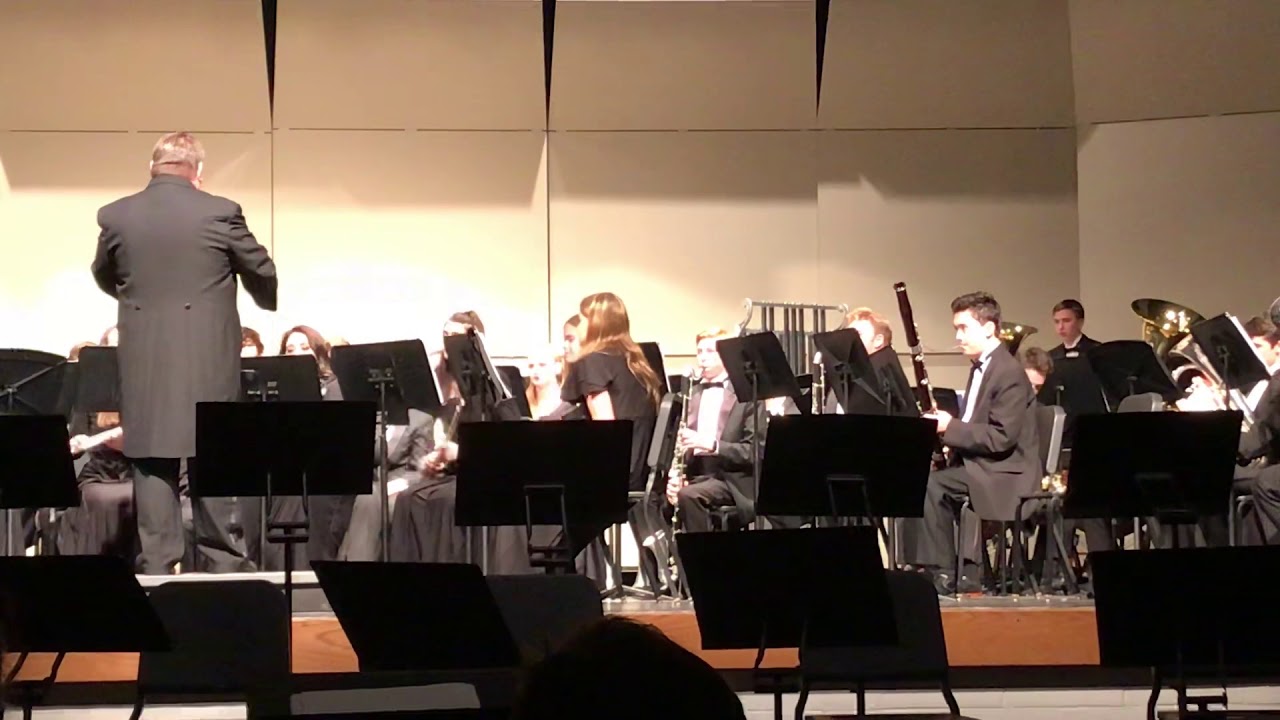
Loveland, Ohio – This is a recording of the Loveland High School Wind Symphony Orchestra performing John Phillip Sousa’s “After the Thunderer” – Movement II, Composed by Ira Hearshen.
The Wind Symphony is instructed and conducted by Geoffrey Miller. Jennifer Miller recorded this performance held on March 10.
Your help is needed to help healthcare professionals and first responders treat and fight the COVID-19 outbreak. To help alleviate the strain on the County’s healthcare system, Hamilton County Emergency Management and Homeland Security Agency (EMHSA) is requesting donations of personal protective equipment (PPE).
The specific need of the County is: N95 masks, surgical masks, disposable splash gowns, and exam gloves (latex-free preferred, but all unopened boxes of gloves will be accepted).
Specific industries that may be able to assist include dental offices, veterinary offices, construction companies, hair salons, and beauty supply stores.
If you are able to donate, call 513-263-8200 for donation drop-off location and additional information.
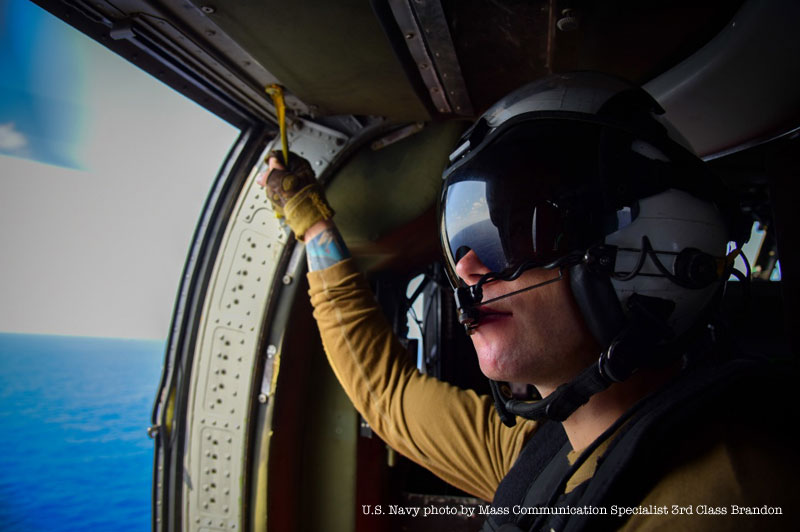
PHILIPPINE SEA (March 18, 2020) Naval Aircrewman (Helicopter) 2nd Class Alexander Sibert, from Milford, Ohio, looks out the window of a MH-60S Sea Hawk assigned to the “Eightballers” of Helicopter Sea Combat Squadron (HSC) 8 during a photo exercise March 18, 2020.
The Eightballers, part of the Theodore Roosevelt Carrier Strike Group, is on a scheduled deployment to the Indo-Pacific.
Cincinnati, Ohio – Hamilton County Job and Family Services (JFS) is suspending in-person interviews and work requirements to ensure those receiving food and cash assistance are not threatened with benefit loss during the COVID-19 crisis.
“This is a time to ensure people immediately have help,” JFS Interim Director Tim McCartney said. “We will not burden people. We have a nearly 75-year history of supporting families and changing lives in this community and our commitment is as important now as ever.”
The agency is conducting initial qualifying interviews, as well as re-certification interviews, over the phone, instead of in person. Other requirements, such as assessment paperwork and tests, can be done at home or online.
JFS is also granting “good cause” exemptions for those who would normally be required to participate in a work activity or attend school.
JFS is also granting “good cause” exemptions for those who would normally be required to participate in a work activity or attend school.
“If you have a job, you can continue working,” McCartney said. “If you can take classes online, you should. But if it is impossible, we will grant an exemption. Your assistance will not be threatened.”
Operational Changes
McCartney said the agency enacted several other operational changes during the crisis. The latest is the suspension of center-based family visits for at least the next two weeks, beginning March 23. Visits between biological families and children in the agency’s custody will now take place at JFS, which has more space, in the community or via phone or video.
“With the public health recommendations on social distancing and restrictions on the gathering of people, many are concerned center-based visits are a threat to their health,” he said. “We are not stopping visits. We are mandated by law to carry out family visits and that requirement remains. We are working on alternatives wherever possible. We know how important these are to families.”
Another change is agency employees meeting clients at the front door to answer questions and collect documents.
“We have cut traffic by more than 90 percent,” McCartney said. “Normally, about 800 to 1,000 clients come through the building on a weekday. That is now down to a few dozen. We deliver vital services for this community. We are endeavoring to remain open and there will always be people who need to visit in person, but we are doing everything we can to ensure the health of our employees and clients.”
The agency is listing all program changes at the top of its main website, www.hcjfs.org. Most business can be conducted by phone (513-946-1000; 1-844-640-OHIO (6446) to apply for assistance), fax (513-946-1076) or online.
A new drop box also was installed at the front of the building to collect required documents.
About Hamilton County Job and Family Services: Supporting Families and Changing Lives
Hamilton County Job and Family Services administers federal, state and local programs for those in need. The Department helps with local child protection, elderly protection, child care, child support enforcement, workforce development, cash assistance, food assistance and Medicaid disbursement. Servicing Hamilton County since 1947, the Department helps hundreds of thousands each year and is accredited by the Council on Accreditation, an international, independent, not-for-profit child and family service accrediting organization.
Lake Isabella, the park closest to the Loveland Area (In Symmes Township) is a quiet 28-acre lake that packs a big bite when it comes to fishing for feisty catfish.
Watch this VIDEO about the Boat House at Lake Isabella
Find a Hamilton County Park
All 21 parks and nature preserves are open for passive recreation where you can enjoy trails, private boating access and fishing access. No motor vehicle permit required!
Enjoy the outdoors, but we encourage you to practice social distancing during this time. It’s always important to Leave No Trace as you enjoy the outdoors, and it’s especially important now. Please plan to take your trash and any other belongings with you when you exit our parks.
At home? We’re bringing the very best of Great Parks to you! Our new Parks@Home program brings nature and conservation education straight to you. From coloring pages to nature videos to crafts you can do at home, we want you to enjoy Great Parks wherever you are. Click here to learn more.
Loveland, Ohio – In a press release issued today from City Hall, the administration says that Loveland City Council will not hold the meeting that is scheduled for Tuesday, March 24.



 Yes, people are getting national news but how does what’s happening in Seattle or New Rochelle affect them? It’s what is happening in your city, your county, that matters to them. You are their source or that information – not Fox, CNN or MSNBC. – Monica Nieporte, OMNA President and Executive Director
 March 20, 2020
 The Honorable Mike DeWine


 Your help is needed to help healthcare professionals and first responders treat and fight the COVID-19 outbreak. To help alleviate the strain on the County’s healthcare system, Hamilton County Emergency Management and Homeland Security Agency (EMHSA) is requesting donations of personal protective equipment (PPE).


 How You Can Respond
 How You Can Prevent and Prepare
 COVID-19 Checklists