At VisionArts Children’s Art Studio in Loveland, we encourage creativity and celebrate the fun of making art! Our camps support creative exploration, experimentation in new mediums, and making friends in a non-competitive art-making atmosphere. Each week-long camp features fun themes with an art show at the end of the week showcasing all the children’s artwork for family and friends!
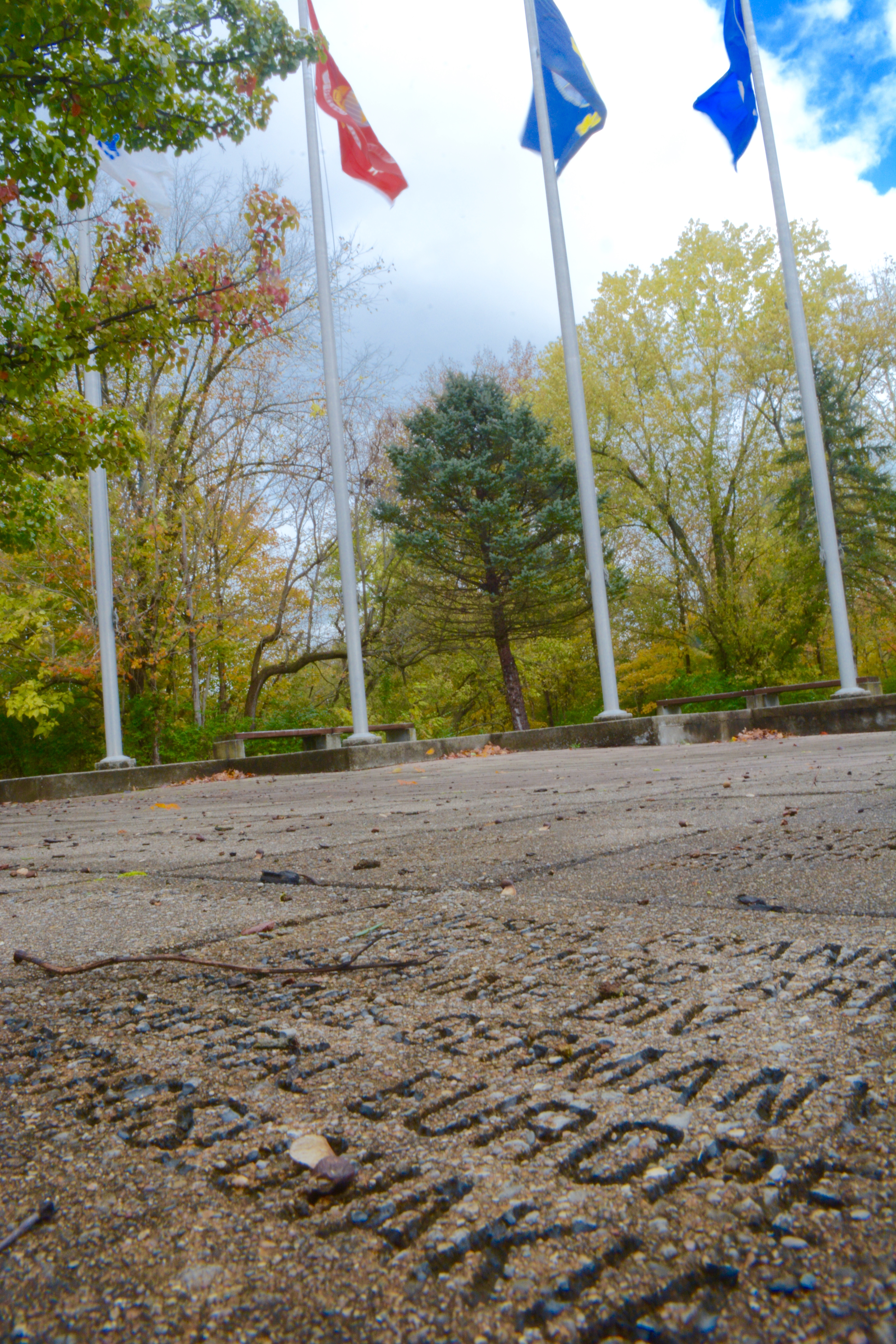
The photo above is a Loveland Magazine file photo from the 2016 Loveland Memorial Day ceremony.
This year’s guest speaker for Loveland’s Memorial Dave ceremony is Bill Fee
Loveland, Ohio – A Memorial Day parade and ceremony have been planned on Monday, May 28 by the City and the American Legion Post 256. The parade will be begin at 9:00 AM beginning at the Loveland Elementary School on Loveland Madeira Road and travels to the Veterans Memorial on West Loveland Avenue where a ceremony will be held at the Loveland Veterans’ Memorial.
This year’s guest speaker is Bill Fee who spent most of his career working in Cincinnati with the E.W. Scripps Co. for 32 years, retiring in 2010 after having served as Vice President and General Manager of WCPO-TV for 12 years. He was born and raised in Cincinnati, and graduated from Walnut Hills High School in 1965.
After a year in college, at the age of 19, Fee enlisted in the Army in 1967, and volunteered for service in Vietnam. He served in combat as a rifleman in the First Infantry Division and was wounded in combat in November of 1967, and spent 10 months in three different Army hospitals, undergoing four operations to repair a damaged shoulder. After his medical discharge in 1968, he returned to college and graduated from the University of Cincinnati with a BA and MA in German Literature.
In 1984, Fee and fellow Vietnam Veteran Earl Corell co-directed the fundraising, design and dedication of the Greater Cincinnati Vietnam Veterans Memorial in Eden Park. The Memorial was dedicated in April of 1984.
Fee has served on the boards of the Boy Scouts, the Ohio Association of Broadcasters, and he is Past President of the boards of Cincinnati Public Radio and the Cincinnati and Ohio Chapters of the March of Dimes. He currently serves on the board of trustees of The Children’s home of Cincinnati, and is a volunteer with Executive Service Corps of Cincinnati and United Way.
In 2016, Fee published his first book, Memoir of Vietnam 1967, detailing the story about his military service in Vietnam with the First Infantry Division, and the impact the war has had on his life in later years.
Hoxworth Blood Center is anticipating a significant increase in demand for platelet transfusions to support the treatment of local cancer patients.
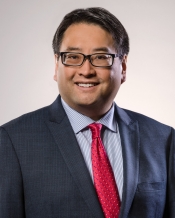
by David Oh, MD,
As the Chief Medical Officer for Hoxworth Blood Center, University of Cincinnati, I appreciate this opportunity to notify the community of the current critical need for platelet donors.
A single donor can help two to three different recipients.
Over the next several days, Hoxworth Blood Center is anticipating a significant increase in demand for platelet transfusions to support the treatment of local cancer patients. In addition to this expected increased demand for platelets, our ability to provide platelets normally derived from whole blood donations has been crippled due to the unavailability of the only blood bag manufactured for this process due to a national recall. This bag shortage means that we need to collect many more platelet products from single individual donors through a process called apheresis using an automated collection machine to meet the demand of local patients.Automated platelet collection allows us to collect apheresis platelet products from a single donor that can help two to three different recipients, but the donation time is longer than for whole blood donation.
Collecting, manufacturing, and distributing platelets for our community is our responsibility as Hoxworth Blood Center. Our past and current donors have been incredible in helping us meet the need for blood products, but we need to recruit new blood donors – especially platelet donors – now to help us through this current period as well as going forward into the future.
Not everyone who is eligible to donate whole blood is able to donate platelets.
Not everyone who is eligible to donate whole blood is able to donate platelets. Unfortunately, women who have been pregnant may not be eligible to donate platelets. Donors must also meet certain height and weight requirements. Find out by calling Hoxworth at 513-451-0910. Platelet donations take approximately 1.5 hours to complete and you will be eligible to donate again in 14 days; in fact, platelet donors can donate up to 24 times a year! If you are interested in seeing if you qualify as a new platelet
David Oh, MD is the Chief Medical Officer, Hoxworth Blood Center
donor, please call us at 513-451-0910.If you have previously donated platelets, we urge you to make an appointment at your earliest convenience. (Appointments are especially important for platelet donations.)
There is no substitute for human blood products at this time. Platelets, red cells, and plasma intended for patient transfusion cannot be manufactured. Lives in the Tri-State depend on the generosity of 40 volunteer platelet donors each and every day. Please consider joining these community heroes by donating platelets if you are eligible. The lives you save are close to home.
Columbus, Ohio – Ohio Attorney General Mike DeWine today released the following statement regarding the Senate passage of Senate Bill 220, the Data Protection Act sponsored by State Senators Bob Hackett (R-London) and Kevin Bacon (R-Westerville):
“This commonsense legislation would be a win-win for both Ohio business owners and Ohio consumers,” said Attorney General DeWine. “Encouraging businesses to take the appropriate steps to protect their customers’ personal information could avoid costly data breaches for companies and give customers peace of mind that their personal information is protected.”
The Data Protection Act is the first piece of legislation introduced as a result of Ohio Attorney General Mike DeWine’s CyberOhio Initiative. The measure would encourage businesses to voluntarily adopt strong cybersecurity controls to protect consumer data. The legislation identifies ten different industry-recognized cybersecurity frameworks on which businesses can base their security programs.
Launched in September 2016, the goal of CyberOhio is to help foster a legal, technical, and collaborative cybersecurity environment to help Ohio businesses thrive. In addition to promoting legislation, other parts of the initiative include training opportunities for businesses, development of cybersecurity workforce personnel, and expansion of the Ohio Attorney Generals’ Identity Theft Unit.
The bill will now go to the Ohio House of Representatives for consideration.
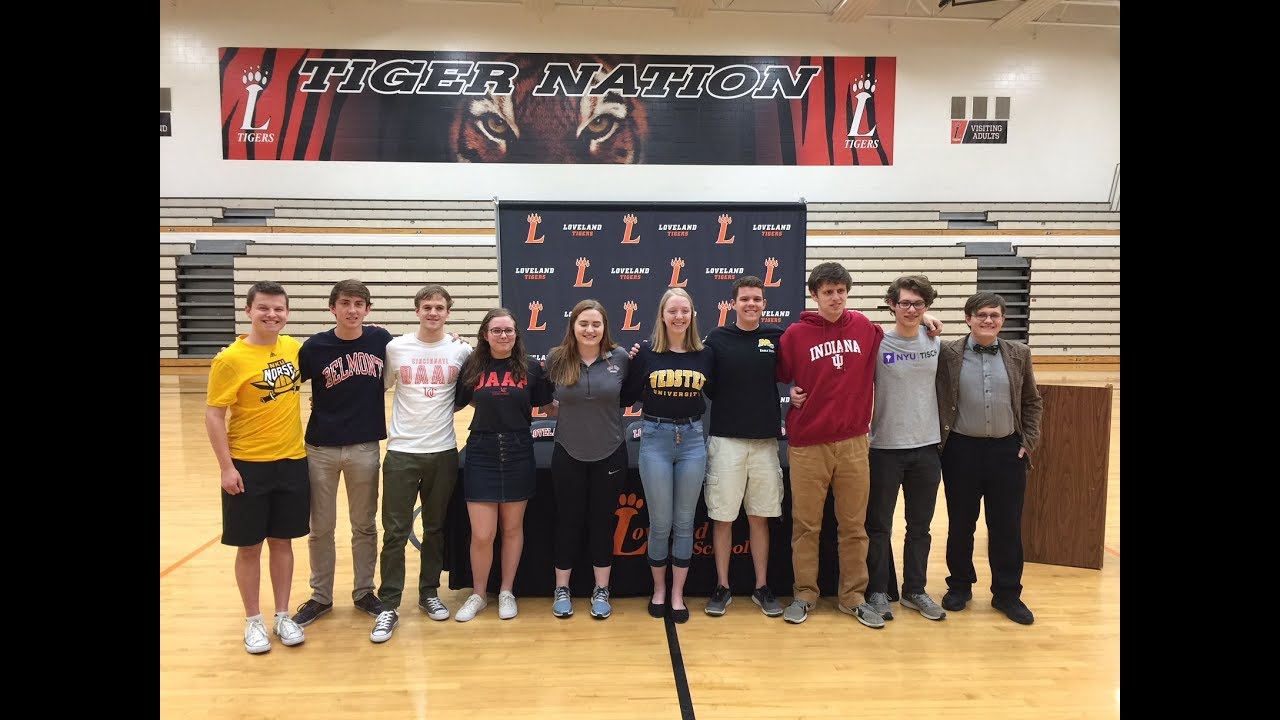
LHS Seniors who participated in Fine Arts Signing Day included Quinn Caney, Kirk Tegtmeier, Sawyer Jones, Jorie Schwartz, Kaylee Michael, Delaney Dunster, Bradley Williams, Tim Hansen, Sam Smith, and Tristan Collins
Ten seniors commit to continuing art studies in third-annual ceremony
Loveland, Ohio – It was a celebration of the arts for 10 Loveland High School (LHS) seniors, their families, their friends and their teachers at the third-annual LHS Fine Arts Signing Day Thursday, May 3. Each student gathered in the LHS Gymnasium to make their commitment to their passion official, and LOVELAND MAGAZINE TV was there to bring it to our readers.
“It has been a joy to watch each of these students grow as artists during their time at Loveland High School,” said LHS Principal Peggy Johnson. “We are so excited for them to continue to pursue their passion for the arts at the next level.”
The students who signed included:
Quinn Caney, Northern Kentucky University, Music Education
Tristan Collins, The Ohio State University, Music Education
Riverside Park American Legion Ground and Riverside Park, 450 Victor Stier Dr, Milford, Ohio 45150
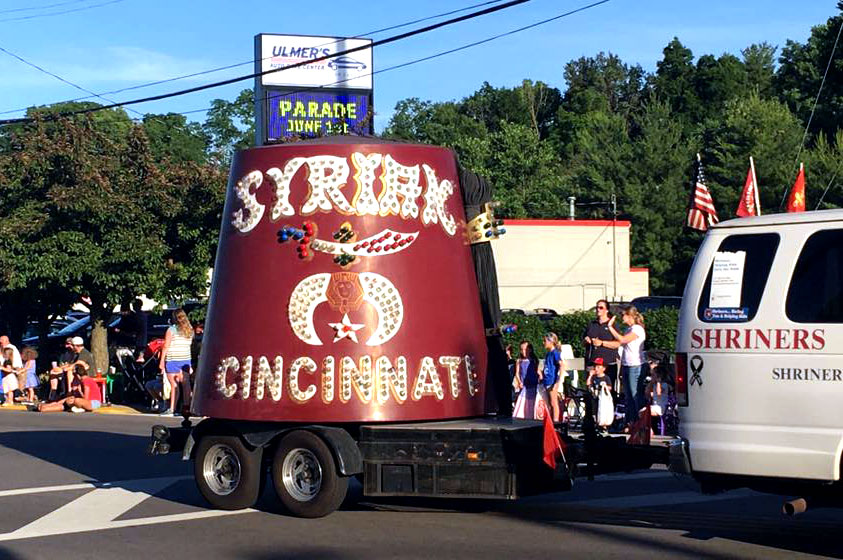
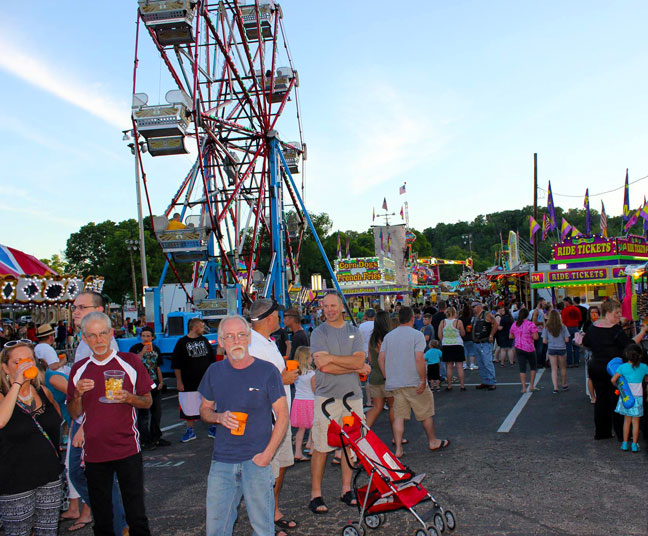
The City of Milford will be celebrating with Frontier Days Inc. the 56th Annual Frontier Days Parade and Festival May 31 through June 3. The festival is located along the banks of the Little Miami River.
The Frontier Days Committee is excited to bring back Milford’s hometown parade and festival that has been taking place for 56 years.This is one of Clermont County’s oldest parades.
This year’s Grand Marshal is Milford Head Football Coach, Tom Grippa. This year’s parade theme is “Fly Like An Eagle”.The Parade begins at 746 Lila Ave and ends at Main and Locust Street in Historic Milford. Cash Prizes for Float entries. Best Themed and Judges Choice.
The Festival will have Live Music each night from 8-12 PM, featuring The Mondays on Thursday, Nick Netherton on Friday, and Naked Karate Girls on Saturday.
The ever popular, Frontier Days Annual Frog Jumping Contest, will take Saturday at 1:30 PM sponsored by All About Kids, Wards Corner. Cash prizes for 1st, 2nd, and 3rd place.And returning this year will be the Decorated Bike Parade on Sunday. Prizes will be awarded.
Last year, six of Ohio’s 10 most common jobs paid so little that a typical worker would need food assistance to feed a family of three — generally less than $26,000 a year.
From the booming Columbus metro area to struggling Youngstown, too many jobs across Ohio don’t pay enough for families to get by.
The research by Hannah Halbert, with research assistance from Isaac Miller of Policy Matters Ohio shows that too many jobs in Cincinnati pay too little and many pay less as a share of poverty than they did nearly two decades ago. New data released by the U.S. Department of Labor show that six of the Cincinnati area’s 10 most common jobs pay the typical worker too little to feed a family of three without food assistance (earnings under 130 percent of poverty typically qualify).
At a time when state and federal policymakers are determined to erect new barriers to food assistance and health care, these new data show that the challenge is not requiring people to work, as most already do. Rather, the true challenge is getting employers—many of which are major international corporations with vast profits—to pay their workers a fair wage with benefits and set a schedule that provides some measure of job security.
Low wages were not always so ubiquitous in the Cincinnati area. In 2000, five of the 10 most common occupations paid so little that a family of three was left dependent on food assistance to get by- now it’s six. Some occupations paid less as a share of poverty in 2017 than they did a decade and a half ago. The new rules of Ohio’s labor market are so tilted in favorof corporate employers that many Cincinnatians will not be able to work their way to self-sufficiency.
The fact sheet for the Cincinnati area shows the median annual salary and hourly wage of the metro area’s 10 most common jobs in 2000 and 2017, and how far they went towards lifting a family of three out of poverty. The fact sheets also contain data showing which sectors have grown and which have declined since 2017.
“State and federal leaders are trying to create new barriers to health care, food aid and housing assistance. If they succeed, many of Ohio’s working people will slip deeper into poverty.”
“Throughout Ohio, not only are many of the most common jobs paying extremely low wages, many do less to lift working people out of poverty than they did in 2000,” Policy Matters Ohio Researcher Hannah Halbert said. “State and federal leaders are trying to create new barriers to health care, food aid and housing assistance. If they succeed, many of Ohio’s working people will slip deeper into poverty.”
Working for Less
Most common occupations in the Cincinnati metropolitan area, by employment, 2017
Top 10 occupations 2017
Total Employment
Median Hourly Wage
Median Annual Salary
Median annual earnings as a share of poverty
Food Prep & Serving Workers, including Fast Food (-)
Source: Bureau of Labor Statistics (BLS), Occupational Employment Statistics (OES) Survey, May 2017 estimates, available at https://www.bls.gov/oes/tables.htm, accessed April 13, 2018. Largest detail occupations in Cincinnati MSA by employment. Median annual earnings shown as a share of the poverty threshold for a family of three in 2017 ($20,420). The gross monthly income threshold for food assistance is generally 130 percent of poverty. Red text highlights the occupations paying a typical wage below this threshold. (-) indicates a median wage lower than the state median for that occupation. (+) indicates a median wage higher than the state’s for that occupation. Note that Cincinnati MSA includes areas in Ohio, Kentucky and Indiana.
“Examining statewide numbers, Ohio may look better off than it really is,” Halbert said. Although the state has recovered all the jobs lost during the recession, since 2007, 215,000 fewer Ohioans are participating in the workforce — pushing down last year’s statewide unemployment rate of 5 percent. Statewide data also masks deep regional disparities and wage stagnation.
Wrong Direction
Cincinnati MSA occupations, employment and median annual wage: 2000 and 2017
Top 10 occupations 2000
Earnings as share of poverty
Top 10 occupations 2017
Earnings as share of poverty
Retail Salespersons
119%
Food Prep & Serving Workers, including Fast Food-
93%
Cashiers
102%
Retail Salesperson-
112%
Laborers & Freight, Stock & Material Movers
141%
Registered Nurses+
314%
Food Prep & Serving Workers, including Fast Food
97%
Laborers & Freight, Stock & Material Movers-
138%
General & Operations Managers
402%
Cashiers-
97%
Office Clerks
152%
Waiters & Waitresses
93%
Customer Service Reps
177%
Customer Service Reps-
156%
Registered Nurses
295%
Stock Clerks & Order Fillers-
121%
Waiters & Waitresses
93%
Office Clerks+
156%
Packers and Packagers
120%
Janitors & Cleaners, except Maids & Housekeeping-
116%
Source: BLS, OES Survey, 2000 Cincinnati MSA estimates and May 2017 estimates, accessed 4/13/18 at https://www.bls.gov/oes/tables.htm. Largest detail occupations in Cincinnati MSA by employment. Median annual earnings shown as share of poverty threshold for a family of three in 2000 ($14,150) and 2017 ($20,420). The gross monthly income threshold for food assistance is generally 130 percent of poverty. Red font notes occupations that have median annual earnings under 130% of poverty for a family of three. (+) indicates earnings increased since 2000, (-) indicates the earnings decreased since 2000, as a share of poverty. Note that Cincinnati MSA includes areas in Ohio, Kentucky and Indiana.
“Ohio needs leaders who will make a renewed public commitment to working people,” Halbert said. “Both the nation and state have productive economies with abundant wealth. We can use policy to shape the economy to benefit working people. Only the lack of political will keeps leaders from passing policies to improve job quality, make education and training affordable and fund basic services like transit and childcare that help people work.”
The Cincinnati region on average had 1,093,600 jobs last year. That’s 49,800 more jobs than in 2007, when the last recession began. The Cincinnati region has been a driver of the Ohio recovery. One of the top jobs, registered nurse, provides better earnings. This job relies in part on maintaining expanded health coverage. Yet, many of the jobs that have grown over recent years do not offer the same income or stability as those lost. Manufacturing took the biggest hit. Growing sectors, like leisure and hospitality, often pay poorly and lack benefits.
Job quality has been eroded. Ohio tax policy has sent big cuts to the wealthiest, shrinking funding for education, infrastructure, and healthcare—investments that help working people and their kids get ahead.
Job quality has been eroded. Ohio tax policy has sent big cuts to the wealthiest, shrinking funding for education, infrastructure, and healthcare—investments that help working people and their kids get ahead.
Policy Matters Ohio has set out 10 policy priorities that help working people by raising wages, extending overtime protections, providing paid leave, preserving public jobs and more. These new data show that such policies are essential in the Cincinnati region where jobs still make it hard to get by.
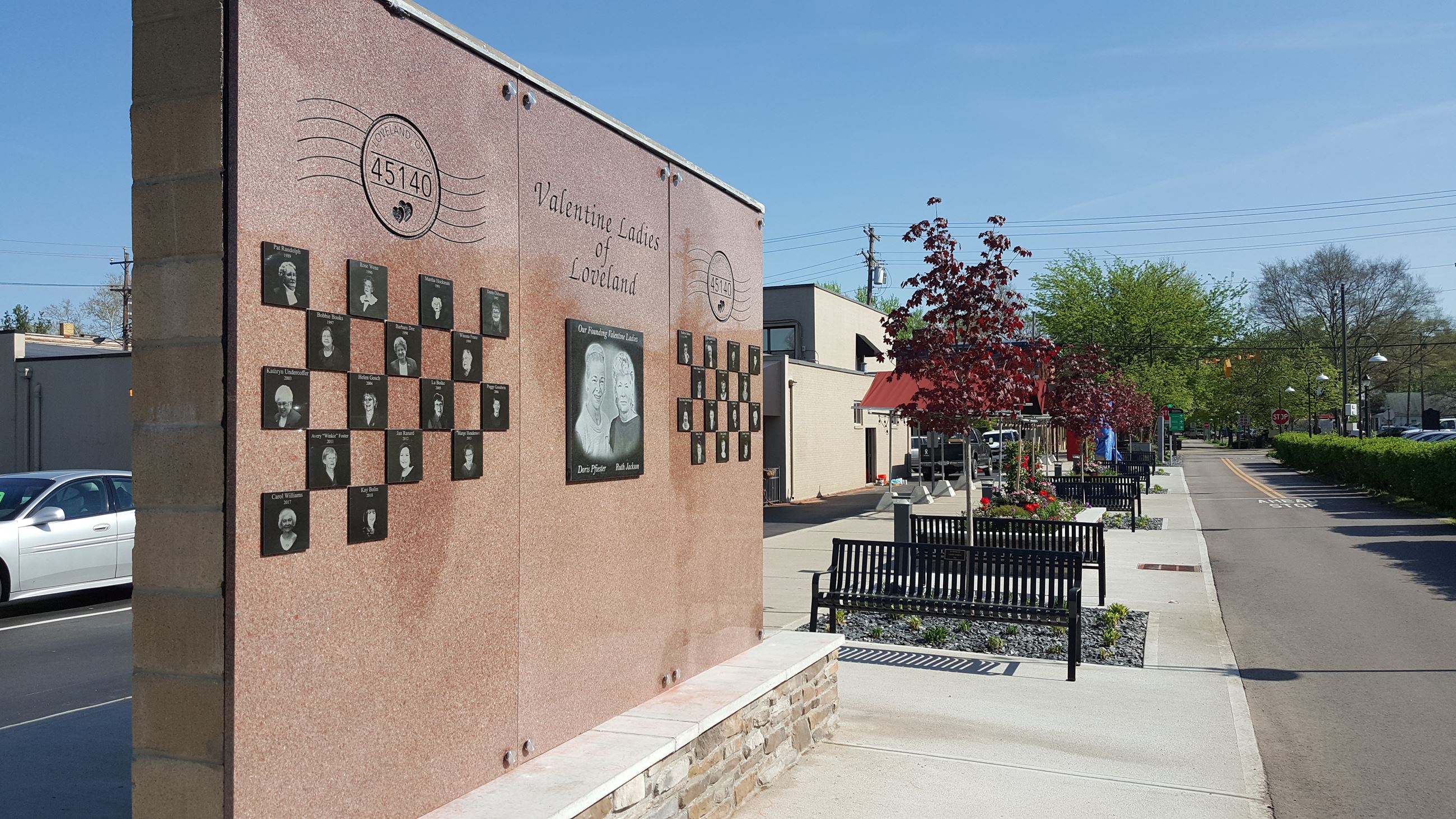
Loveland, Ohio – The Loveland-Symmes Community Firefighter’s Association and the City of Loveland invites the community to attend the Dedication Ceremony for Sweetheart Lane this Saturday, May 12, at noon at the Jackson Street Market near the West Loveland Avenue bike trail crossing.
The event will unveil a tribute to the Loveland Valentines Lady Program. Sweetheart Lane is a symbol of the history of the Valentines Lady Program in the Loveland community.
Join the Valentine Ladies for the formal dedication.
Treasurer Josh Mandel Announces Launch of the City of Loveland Checkbook on OhioCheckbook.com
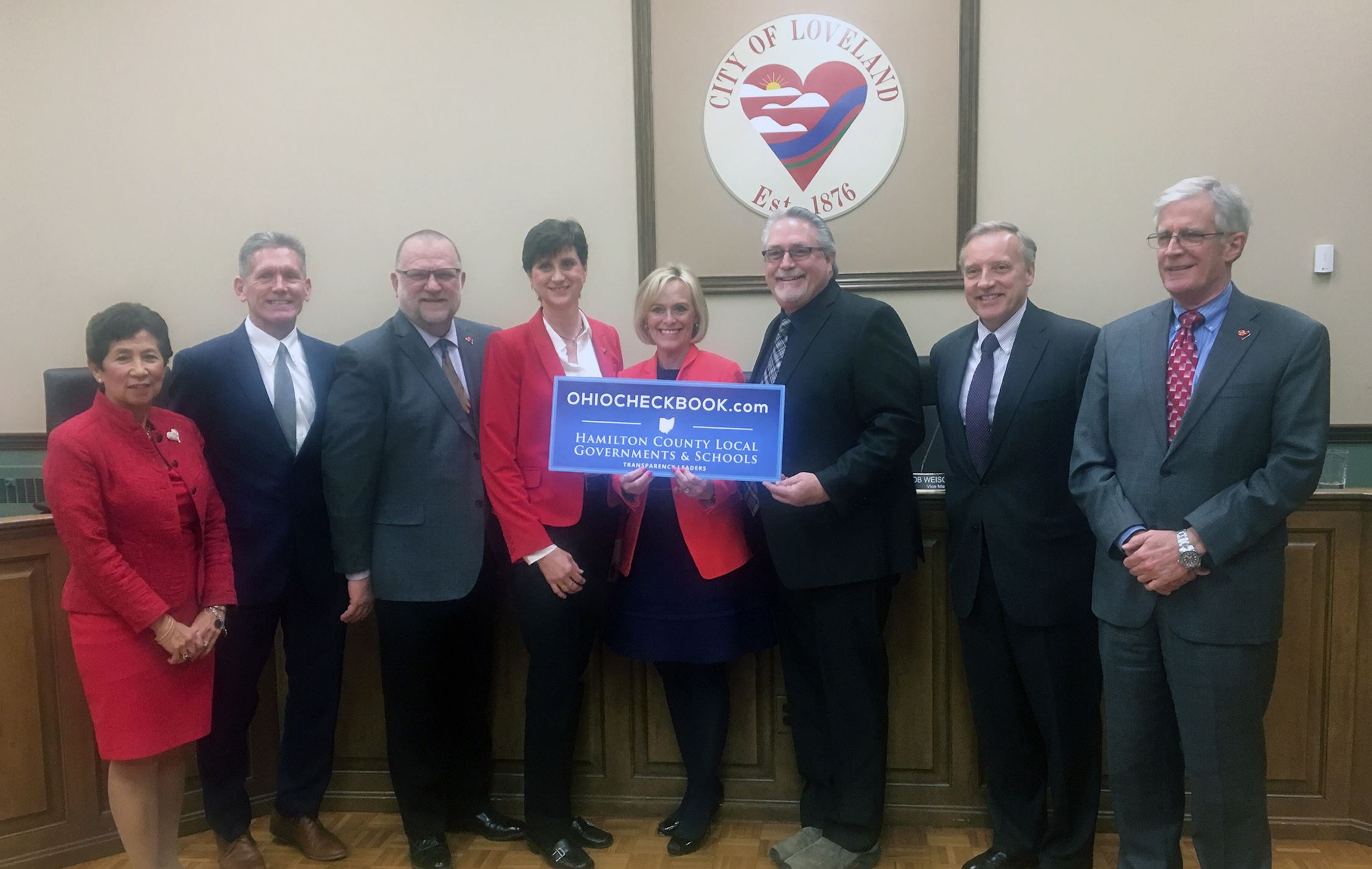
Loveland, Ohio – Treasurer Josh Mandel announced on April 11 the launch of the City of Loveland’s online checkbook on OhioCheckbook.com. In December 2014, Treasurer Mandel launched OhioCheckbook.com, and for the first time in Ohio history put all state spending information on the internet.
The Ohio Treasurer’s office was joined at the announcement by Loveland Mayor Kathy Bailey, Vice Mayor Robert Weisgerber and City Councilmembers Angie Settell, Ted Phelps, Tim Butler, Neal Oury and Kent Blair.
Loveland is the ninth city in Hamilton County to post their spending on OhioCheckbook.com. Loveland’s online checkbook includes over 33,000 individual transactions that represent more than $89 million of total spending over the past five years.
“I believe the people of Hamilton County have a right to know how their tax money is being spent, and I applaud local leaders here for partnering with my office to post the finances on OhioCheckbook.com,” said Treasurer Mandel. “By posting local government spending online, we are empowering taxpayers across Ohio to hold public officials accountable.”
“We’re excited to allow our residents to take a closer look at how the City spends its’ taxpayer dollars,” said Loveland Acting Finance Director Michelle Byrde.
Mayor Kathy Bailey added. “The City is proud to join the Ohio Checkbook Program, and welcome the financial transparency it offers for interested residents”
OhioCheckbook.com displays more than $644 billion in spending over the past ten years, including more than 173 million transactions. The website includes features such as:
“Google-style” contextual search capabilities, to allow users to sort by keyword, department, category or vendor;
Fully dynamic interactive charts to drill down on state spending;
Functionality to compare state spending year-over-year or among agencies; and,
Capability to share charts or checks with social media networks, and direct contact for agency fiscal offices
Nine teacher-designed and student-inspired projects awarded to advance the goals of #TigerInnovation #TigerGrowth and #TigerCare across the district
Loveland, Ohio –From the establishment of an Innovation Lab at Loveland Primary School (LPS) to encourage educational risk taking to the creation of Virtual Reality Environments at Loveland Middle School (LMS) to help students with special needs – the Loveland City School District is excited to announce the district will help fund nine projects for the 2018-19 school year as part of the annual Innovative Classroom Grant program. The selection of winners was presented to the Loveland Board of Education during the April 17 Board Business Meeting.
“With this next iteration of the Innovative Classroom Grant, we have learned so much about what innovation truly means and looks like across our classrooms,” said Loveland Director of Technology and Innovation David Knapp. “Innovation is not about things. It’s about embracing the perspective of our students to think about teaching and learning differently.
“We could not be more excited to see the growth and development of these teacher-generated and student-inspired ideas that resulted from this year’s grant opportunity. As we plan and eventually implement these new ideas that will impact so many of our students immediately, we are also piloting experiences that could impact our students for years to come in thinking about the next phase of our Loveland classrooms and learning experiences.”
The district established Innovative Classroom Grants during the 2016-17 school year to fund innovative teacher ideas that would enhance the district’s three key goals of providing Tiger academic Growth, Innovation and Care. In the program’s debut year, the district funded 11 projects, including flexible learning spaces, MakerSpace and digital microscopes. This year, projects will continue to impact Tigers at all age levels, with continued focus on Growth, Innovation and Care.
“Loveland Middle School plans to design a space with social and emotional learning supports for our students who struggle with anxiety and anger,” said LMS Counselor Kim Shafer – who was part of a winning grant team. “We will have tools and programs to help our students take a minute away from class to reset emotionally – with the goal to rejoin the class. This will be a powerful way for the district to provide Tiger Care.”
“Our grant idea was inspired by watching our students at Loveland Primary School work with MakerSpace – which was part of the grant selection last year,” said Innovative Instructional Coach Traci Stubenrauch – who was a part of a winning grant team. “Our hope for the LPS Innovation Lab is that it will be a place for students and teachers to be able to take educational risks, try new things, collaborate, share and give each other feedback.”
“This is an important investment to continue to make as we develop a world-class student experience for our Tigers that is unlike any other,” said Loveland Superintendent Dr. Amy Crouse. “This opportunity puts our rock star educators in a position to game-change the traditional classroom for their students. We appreciate the support of our Board of Education as we take opportunities like these to enhance our core business – preparing students for tomorrow, today – in unique ways.”
The winning projects included (by building):
Loveland Primary School
LPS Innovation Lab – Cristin Kiefer and Traci Stubenrauch
Loveland Elementary School
iPods for Personalized Learning – Heidi Weber
Loveland Intermediate School
Team Model for Flexible Learning – Kelly Coldiron and John Waple
Flexible Space for Collaborative Learning – Natasha Young
Loveland Middle School
Virtual Reality Environments – Rachael Angel
Social and Emotional Learning Supports – Lauren Cripe, Kim Shafer and Anita Winning
Student Designed Flexible Learning Space – Chloe Jackson



 At VisionArts Children’s Art Studio in Loveland, we encourage creativity and celebrate the fun of making art! Our camps support creative exploration, experimentation in new mediums, and making friends in a non-competitive art-making atmosphere. Each week-long camp features fun themes with an art show at the end of the week showcasing all the children’s artwork for family and friends!




 [Video] Ryan Lindsay’s 2017 emotional Memorial Day Speech


 by David Oh, MD,





 May 31 – June 3
 The City of Milford will be celebrating with Frontier Days Inc. the 56th Annual Frontier Days Parade and Festival May 31 through June 3. The festival is located along the banks of the Little Miami River.
 The Frontier Days Committee is excited to bring back Milford’s hometown parade and festival that has been taking place for 56 years.