Ohio Governor Mike DeWine and Lt. Governor Jon Husted today provided the following updates on Ohio’s response to the COVID-19 pandemic:
WEATHER DELAY UPDATE
Due to last week’s winter weather, the delivery of some Pfizer vaccines and all Moderna vaccines were delayed. Some providers used second doses that they had already received to avoid clinic cancelations. Those second doses will be backfilled with the shipments they receive this week.
Additional delayed shipments of Pfizer and Moderna will arrive between today and Wednesday.
For providers who canceled appointments last week, Governor DeWine is urging them to expand their appointment schedules to include evening and weekend hours to catch up.
PROGRESSION OF VACCINE ELIGIBILITY
Governor DeWine provided information on the progression of vaccine eligibility in Ohio. Because those ages 65 and older make up approximately 87 percent of all COVID-19 deaths in Ohio, no additional age groups are eligible for the vaccine at this time. Once the demand for the vaccine has been met for those 65 and older, those ages 60 and older will become eligible. After a period of vaccination for this age group, those ages 55 and older will become eligible, followed by those ages 50 and up.
Individuals in specific small groups that could have an increased risk of exposure to the virus may also potentially be included in the 60 and older vaccination phase.
PHASE 1B MEDICAL CONDITIONS
Last week, vaccine eligibility opened up to those Ohioans born with or who have early childhood conditions that are carried into adulthood, which put them at higher risk for adverse outcomes due to COVID-19. Today, Governor DeWine asked Ohio hospitals and doctors with access to the vaccine to begin to proactively reach out to these patients with the specific medical conditions outlined in Phase 1B to schedule vaccination.
OTHER PRIORITY POPULATIONS
In Ohio’s eight state-operated developmental centers, more than 91 percent of residents have accepted their first vaccine.
More than 14,000 Ohioans living with developmental and intellectual disabilities who also have a certain health condition they were born with or developed in childhood and carried into adulthood have also received their first dose of vaccine.
Ohio is working to complete the vaccination of residents and staff in congregate settings for residential treatment facilities, mental health residential care facilities, and recovery housing.
CURRENT CASE DATA
In total, there are 955,378 confirmed and probable cases of COVID-19 reported in Ohio and 16,874 confirmed and probable COVID-19 deaths. A total of 49,492 people have been hospitalized throughout the pandemic, including 7,044 admissions to intensive care units. In-depth data can be accessed by visiting coronavirus.ohio.gov.
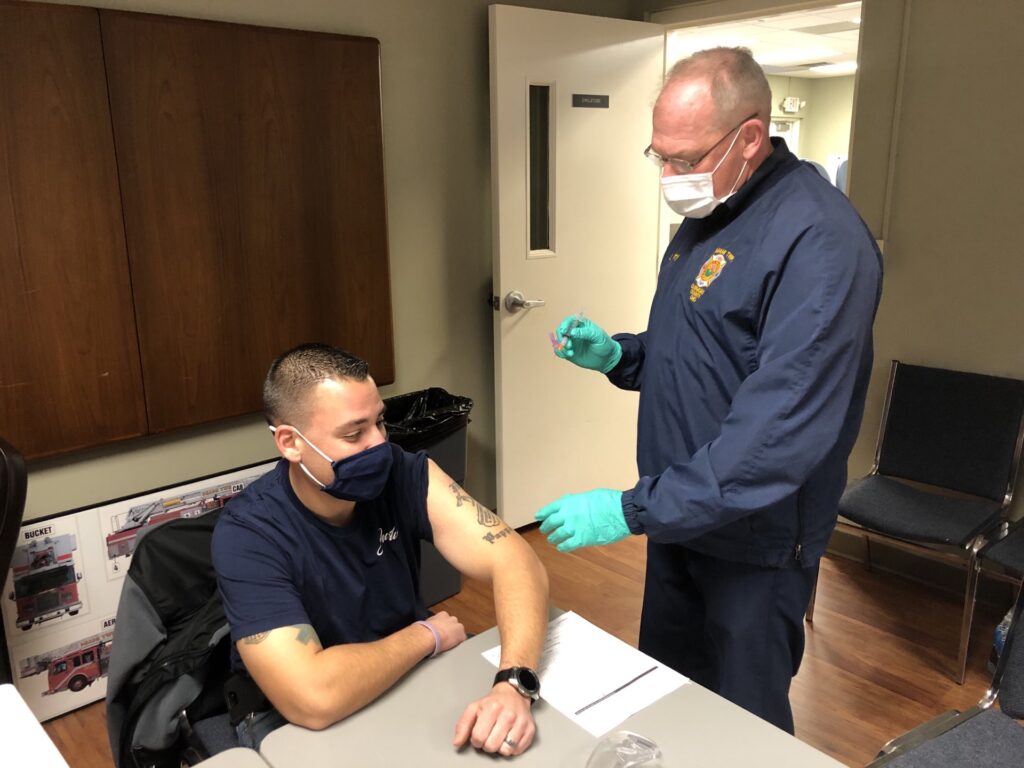
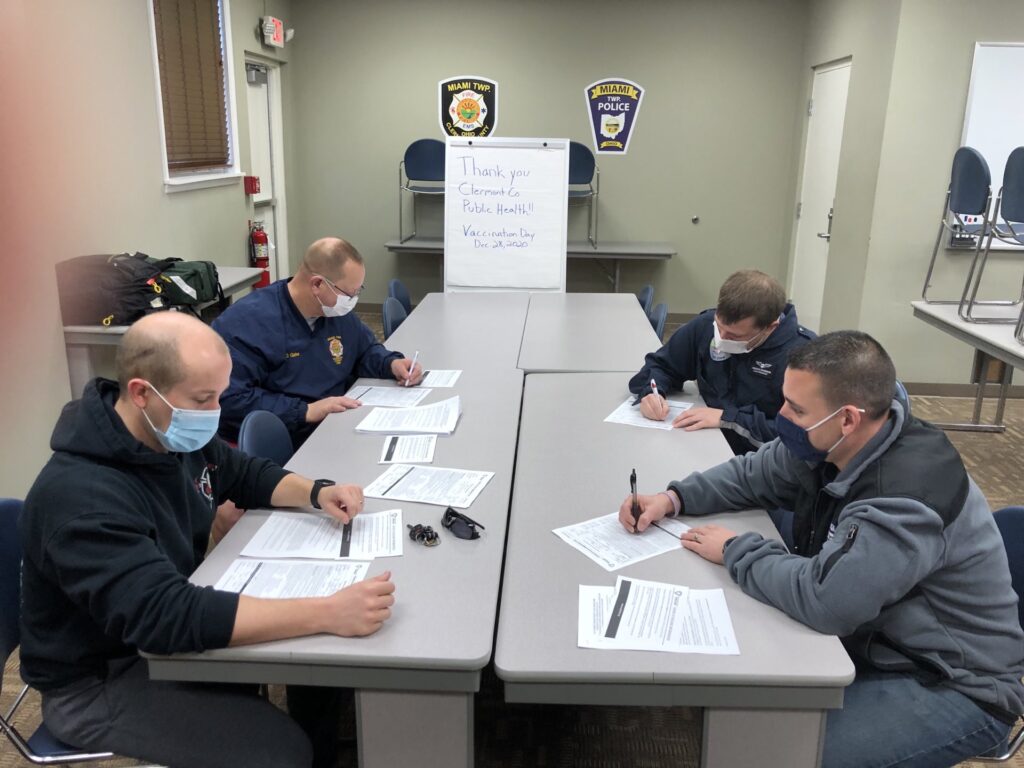
Miami Township’s first responders have begun receiving the vaccine (Photos from MiamiTwp FireEMS)
David Miller
by David Miller
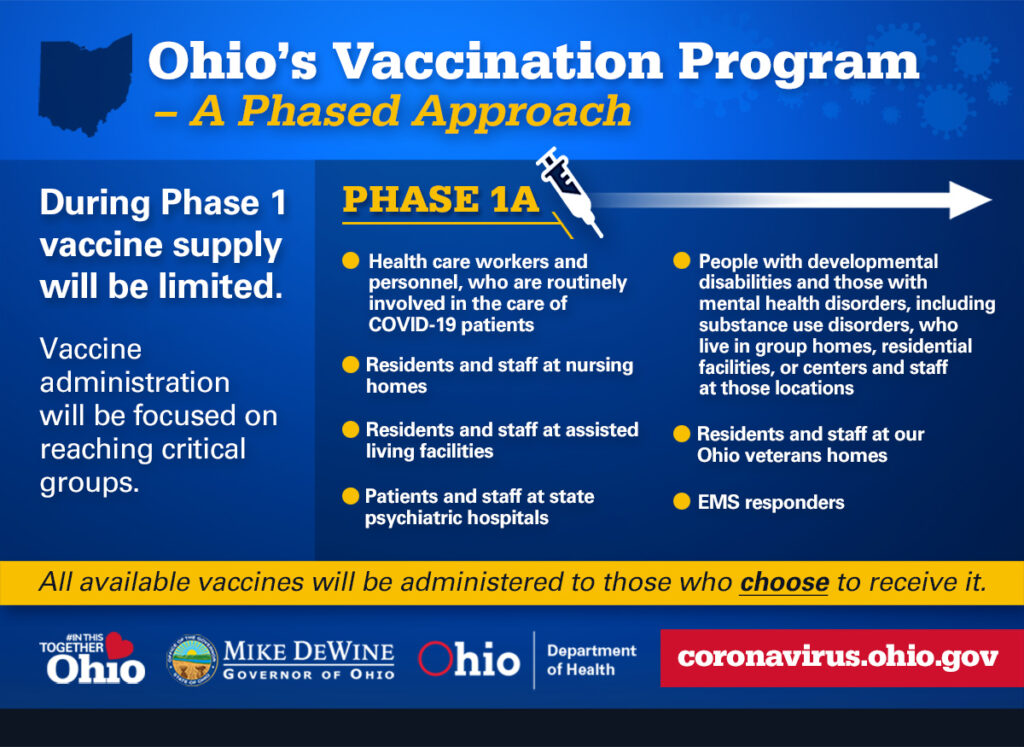
Loveland, Ohio – Becca Doris told Loveland Magazine yesterday that currently, Ohio is in Phase 1A of the COVID 19 vaccine distribution. She said Phase 1A prioritizes healthcare workers, EMS first responders, and individuals living in congregate care settings as well as the staff that works there. Doris is a Community Outreach Specialist for the Hamilton County Emergency Management & Homeland Security Agency (HCEMHSA).
Phase 1A
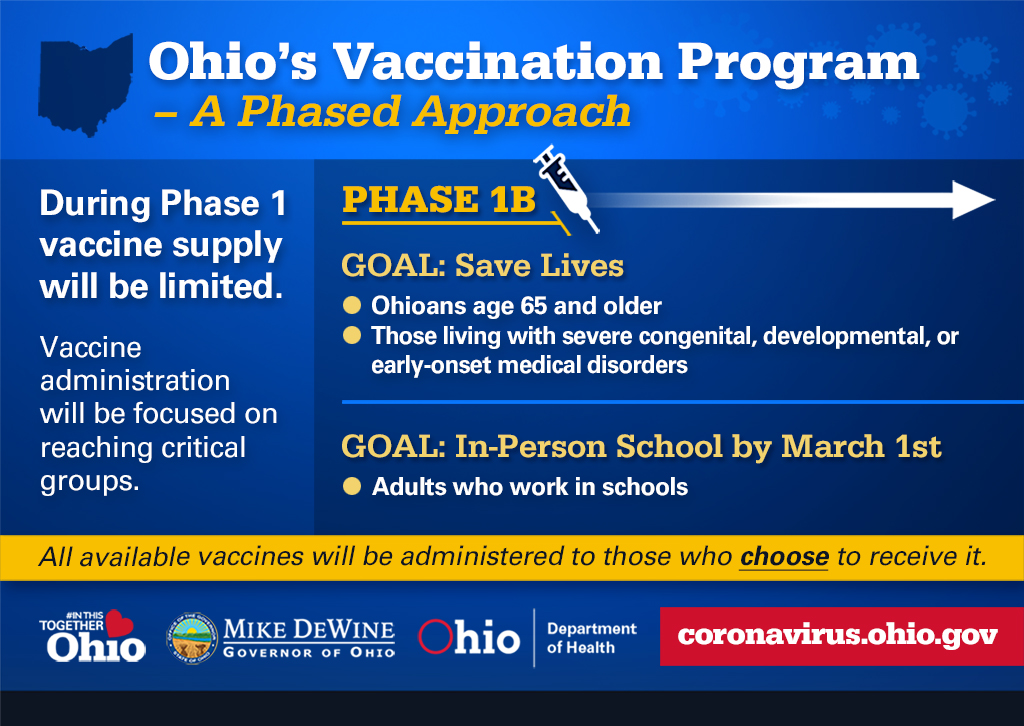
On December 23rd, Governor DeWine announced the next category of people eligible to be vaccinated during Phase 1B, which will include, “Ohioans age 65 and older, employees at schools that want to go back or remain educating in person, and people with severe congenital, developmental, or early-onset medical disorders that make them particularly vulnerable.”
Phase 1B
Doris said that there is no official start date for Phase 1B, though in his announcement the Governor estimated that the Phase 1B rollout would occur in mid-January.
The New York Times (NYT) reported on December 11 that Gov. Mike DeWine said he tentatively expected 561,000 doses of the two vaccines spread over several early shipments. State officials have now confirmed to the Times that 98,475 doses of vaccine had been received. The state announced that 11,700 people had gotten one dose as of Dec. 23.
According to a New York Times database of Wednesday morning, there have been at least 682,570 cases and 8,722 deaths in Ohio since the beginning of the pandemic, with 67.1 being the daily average death rate.
Hamilton County Health said on December 26, that they are in the early stages of COVID 19 vaccine distribution and, “doses will be available in limited supply for specific critical populations. Vaccines are not yet available for all Ohioans.” As of yesterday, 6,643 people have received the first dose of a vaccine in the County.
Clermont County Public Health said on Tuesday, “Yesterday was an exciting day and a great way to end the year. We gave out all of our first shipment of COVID-19 vaccine to our Fire and EMS jurisdictions who then vaccinated their staff members.” As of yesterday, 1,276 people have received the first dose of a vaccine in the County.
In Warren County, as of yesterday, 1,534 people have received the first dose of a vaccine.
The NYT reporting shows that 162.6 is the daily average of new cases in Warren County for the last 7 days and 1.4 deaths is the daily average, 402 new cases in Hamilton and 0.4 deaths are the daily average, and 150.4 in Clermont and 0.1 deaths is the daily average.
As of yesterday, Statewide, there have been 71,625 vaccinations started (0.61% of the Ohio population).
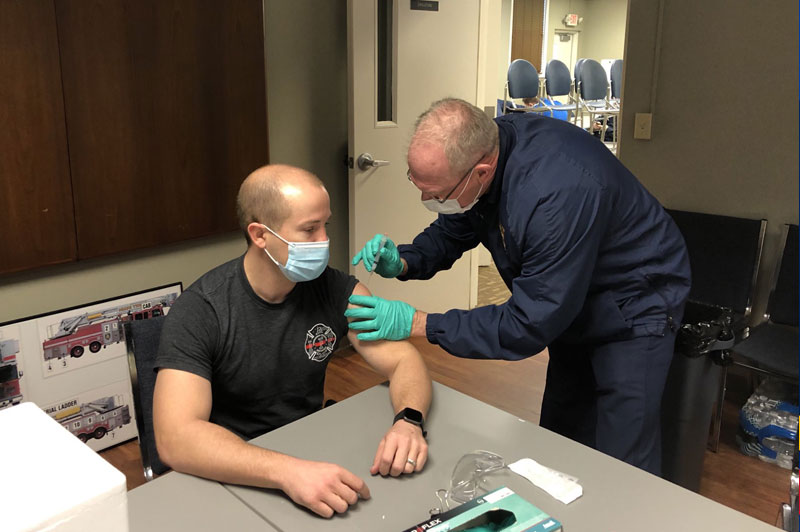
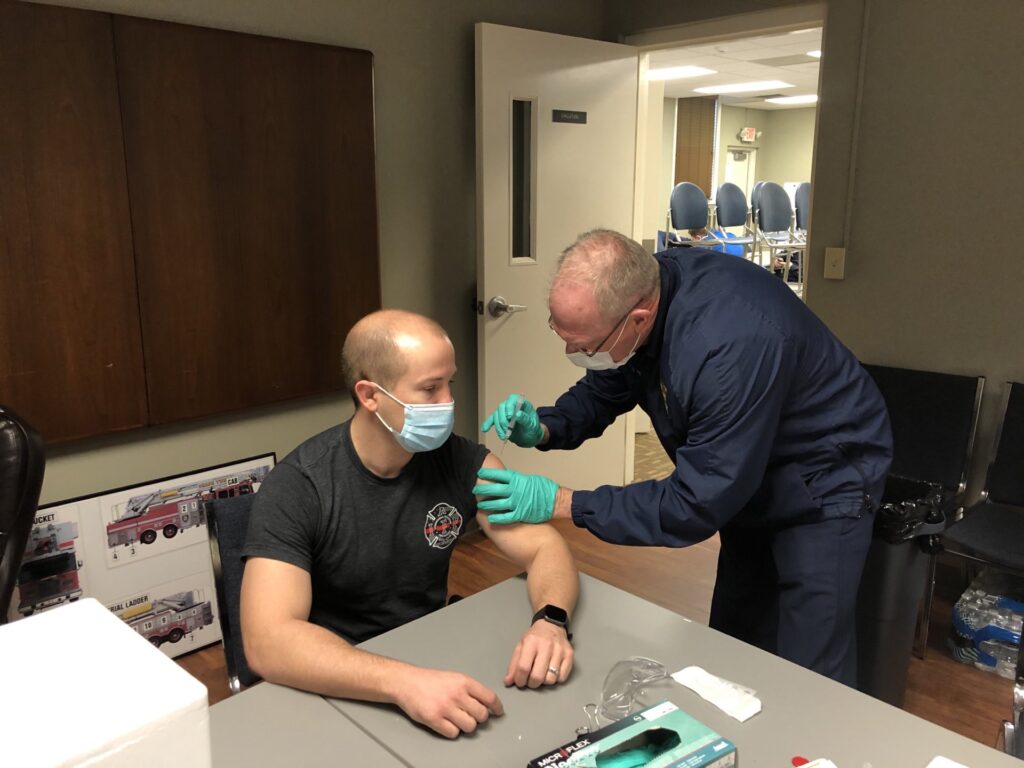
Miami Township’s first responders have begun receiving the vaccine. On Monday, 32 employees were vaccinated. (Photos from MiamiTwp FireEMS)
The Loveland-Symmes Fire Department’s first responders were to receive vaccinations on Tuesday or Wednesday of this week from the Hamilton County Health District according to Chief Ottto Huber.
Deputy Chief Michael Books said, “We will be receiving our vaccine in a series, so that not all members are vaccinated at once, since there is not enough vaccine to go around at first. It appears that we will be receiving the Moderna vaccine, but could be Pfizer on the day of vaccination.”
Books was asked to give an estimate of how many people the department has come in contact with who had or they suspected of having COVID 19 since the pandemic started. He responded, ” Unfortunately, I cannot give you a number of people that the department has come in contact with that are COVID related, due to HIPAA. However, our department as well as most departments treat every patient that we come in contact with as a potential COVID patient, for their protection as well as the crews.”
Earlier this month, the Trump administration said they planned to have 20 million doses of the vaccine distributed by New Years Eve. However, data provided by the CDC shows just over 11.4 million doses have been distributed and only 2.1 million people have received their first dose.
President-Elect Joe Biden said on Tuesday, “At the current pace, it’s gonna take years, not months, to vaccinate the American people.”
Vaccine recipients who receive the COVID-19 vaccine must get a second dose several weeks later to receive full protection. The recommended interval for Pfizer-BioNTech vaccine is 21 days. The recommended interval for Moderna vaccine is 28 days. These recommended intervals, with a standard four-day grace period, should be followed as closely as possible to receive full protection, according to the Centers for Disease Control and Prevention (CDC). If the intervals are exceeded, the second dose should be administered at the earliest opportunity. Doses would not need to be repeated due to a longer interval, meaning you do not have to start over, according to CDC guidance. Providers should exercise extra care in ensuring that a patient’s second dose is from the same manufacturer as the first dose, as they are not interchangeable.
The CDC has created COVID-19 vaccination record cards, which are included in the vaccine ancillary kits that ship with the vaccine. Vaccination record cards must be signed and completed by healthcare staff to include vaccine manufacturer, vaccine lot number, location of vaccination, and date. Providers should instruct patients to bring the card with them when they receive the second dose. Additionally, providers should encourage patients to use their smartphone to take a picture of their vaccination record card in case the patient misplaces the record card after receiving the first dose.
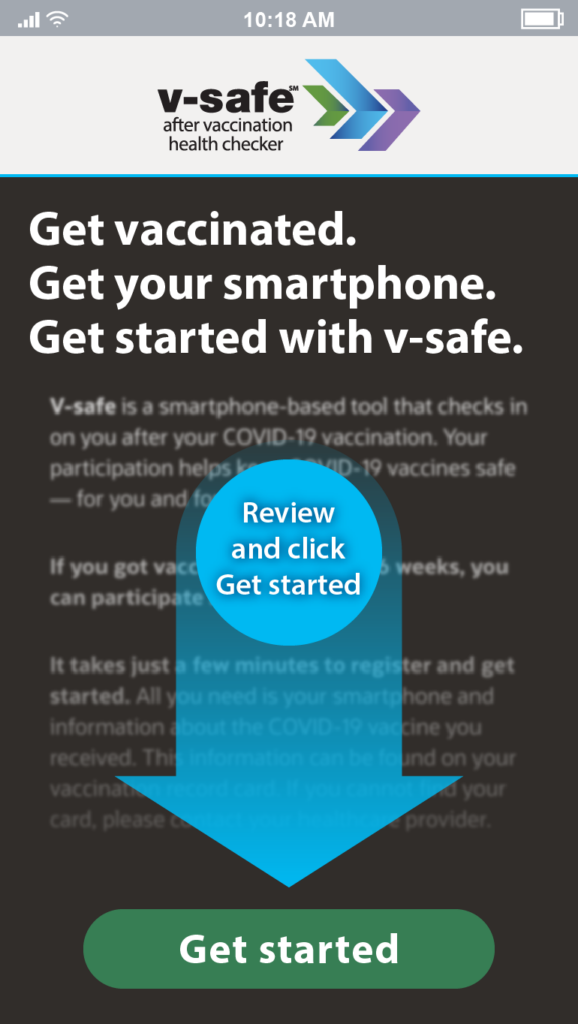
You should schedule your second dose appointment during the first vaccination. The CDC has asked providers to share information with vaccine recipients about the CDC’s V-safe smartphone-based post-vaccination tool that patients could choose to use for reminders and health check-ins.
At this time, in the Loveland area, we are a few months away from the vaccine being widely available. Hamilton County and officials statewide are currently developing plans for when the vaccine will be more readily available to the public and what the best process is for future eligible populations.
Where and When?
Doris said, “Right now, there are no public announcements on where and when residents can expect to get the vaccine as the information can change depending on multiple factors, including supply levels and if additional vaccines currently in development are approved for use by the FDA.”
As the COVID-19 vaccine becomes more widely available in Hamilton County, HCEMHSA will be sharing this information with the media and the public via the County’s weekly COVID-19 briefing, social media, and other platforms.
“Residents should know that there are actions they can take to make sure they get the latest COVID-19/vaccine information,” said Doris. “This includes signing up for COVID-19 alerts within our opt-in emergency notification system, Alert Hamilton County, which we have used at various times throughout the pandemic to communicate important information to the public. We are currently developing plans to utilize this system to communicate vaccine information as well.” Residents are encouraged to sign up for these alerts, as well as other alerts (tornado warning, flash flood warning, etc.) at https://alerthc.org/ to stay informed.
Additionally, residents can visit Hamilton County Public Health’s website at https://www.hamiltoncountyhealth.org/covid19/ for more information on COVID-19 and to take a vaccine priority survey that Hamilton County Public Health will use to prioritize vaccine distribution.
The Ohio Department of Health COVID-19 Vaccination Dashboard displays the most recent data reported to the Ohio Department of Health (ODH) regarding the number of individuals that have started and completed the COVID-19 vaccination series by various demographics and county of residence.