Tag: ACLU

  • ACLU provides FAQ For Educators on Immigrant Students in Public Schools

    ACLU provides FAQ For Educators on Immigrant Students in Public Schools

    Can U.S. Immigration and Customs Enforcement (ICE) and U.S. Customs and Border Protection (CBP) arrest immigrants while at school?

    __________________

    In recent months, the ACLU has received numerous inquiries, questions, and concerns about the vulnerabilities and rights of immigrant and perceived immigrant students in our public education system. Educators and school districts have been among those seeking guidance on how best to serve their immigrant students and meet their legal obligations. Below are answers to some common questions we have received. Download a PDF version

    This information is not intended as legal advice and is for informational purposes only.

    What does federal law say about immigrant students?

    Federal laws prohibit discrimination in public education, including discrimination on the basis of race, color, or national origin. Federal law specifically prohibits schools from “utiliz[ing] criteria or methods of administration which have the effect of subjecting individuals to discrimination because of their race, color, or national origin, or have the effect of defeating or substantially impairing accomplishment of the objectives of the program as respects individuals of a particular race, color, or national origin.”

    The Supreme Court, in the case Plyler v. Doe, also held that discrimination on the basis of immigration status in access to basic public education (i.e. elementary and secondary school) violates the Constitution.

    What does the Plyler v. Doe decision mean for me as an educator?

    Requiring students or students’ parents to provide schools with information regarding their immigration status, or taking other actions that significantly interfere with the right to a basic public education, violates the constitutional principles set out in Plyler.

    Can my school district require students to provide a social security number?

    No. Schools cannot require students to provide a social security number and, consistent with Plyler, should identify a range of documents (e.g., birth certificate, family bible, parent affidavit) that may be used to establish a child’s age. Federal law prohibits denial of a benefit for refusal to supply a social security number, and a school district collecting social security numbers must inform individuals that the disclosure is voluntary, and must explain both the statutory or other basis for seeking the numbers, and how the district intends to use the numbers.

    What other rules apply to collecting information from students?

    Schools cannot delay enrollment of homeless children, even if they are unable to produce these records. The Federal Educational Rights and Privacy Act (FERPA) prevents schools from releasing students’ education records, including information about immigration status, except in exceptional circumstances. A school may only disclose information to ICE officials with the consent of a parent or student (if 18 or older) or if necessary to comply with a judicial order or a subpoena signed by a judge. If a school receives an administrative subpoena, school officials can still seek review by legal counsel and could potentially challenge the reasonableness of the subpoena.

    What is the best way for schools to go about collecting educational information from students?

    School administrators should limit the information collected from students, provide a variety of means for establishing necessary information for enrollment (including alternatives for students who lack traditional proof of residence), and review district policies and practices regarding the management and use of student data.

    Schools should not ask students for information such as place of birth that may indicate a student’s immigration status. To further remove barriers to enrollment, schools can limit the information required to enroll to proof of residency, proof of age, and immunization records, and request any other information after enrollment.

    How can a school protect the information that it collects from students?

    To properly protect students’ rights, educators must also ensure that contractors, consultants, and other agency partners who come into contact with students or who access student records respect students’ rights. In particular, school police should commit through a signed agreement or official policy not to inquire about immigration status or to detain or report students and family members for purposes of immigration enforcement.

    Further, the district should review its policing practices to focus attention on protecting the school community from outside threats and limit law enforcement engagement with students to immediate threats to physical safety.

    Can U.S. Immigration and Customs Enforcement (ICE) and U.S. Customs and Border Protection (CBP) arrest immigrants while at school?

    ICE and CBP maintain a policy which provides that they will not engage in immigration enforcement in sensitive locations like schools absent prior approval by a supervisor or exigent circumstances. This policy has recently been reaffirmed by the Department of Homeland Security. This means that ICE and CBP generally will not arrest, interview, search, or surveil a person for immigration enforcement purposes while at a school, a known school bus stop, or an educational activity.

    What should school officials do if they or others witness ICE or CBP enforcement actions within my school?

    Schools can reassure their students that enforcement actions within schools are very unlikely. Although there have been distressing reports about arrests near schools, we are not aware of any recent immigration arrests within schools. Both Immigration and Customs Enforcement (ICE) and Customs and Border Protection (CBP) continue to adhere to their policy, described above, of avoiding enforcement actions within schools. If such an incident occurs, school staff should:

    • Direct ICE/CBP agents to the Superintendent.
    • The Superintendent should request to see written legal authorization and verify the identity of the agent(s).

    If agents do not supply a judicial warrant, signed by a judge, request legal review before permitting agents further into the school. Only a judicial warrant, not an administrative warrant, will allow ICE agents to enter locations in which there is a reasonable expectation of privacy.

    • The Superintendent should advise agents of the school district’s Plyler obligations, refer agents to the ICE/CBP sensitive locations memos, and request that officers not conduct the enforcement action at school/school activities.
    • Consistent with the school district’s Plyler obligations, school officials must not affirmatively aid in removing a student from school based upon her immigration status.
    • If agents detain a student, the school district should promptly notify the student’s parent or guardian.
    • As soon as possible, notify your local ACLU affiliate. You can also lodge a complaint with ICE or CBP through their websites.

    What other steps can school officials take to safeguard education for immigrant students (and all students)?

    • Communicating with district families that all students are welcome in district schools, including through the adoption of a resolution, can go a long way in assuaging community fears and strengthening the school community.
    • Educators can also adopt a number of practices to instill a positive school climate.

    Where can school officials and educators get more information on these issues?

    There are many organizations that publish resources for educators, including the National Immigration Law Center (NILC). The NILC webpage about education is https://www.nilc.org/issues/education/. In particular, they provide a detailed guide for educators and school support staff available at https://www.nilc.org/wp-content/uploads/2016/06/ICE-Raids-Educators-Guide-2016-06.pdf.

  • Ohio Attorney General Dave Yost appeals judge’s injunction against abortion ban

    Ohio Attorney General Dave Yost appeals judge’s injunction against abortion ban

    Getty Images.

    BY: OHIO CAPITAL JOURNAL STAFF

    Ohio Attorney General Dave Yost is appealing a Hamilton County judge’s order blocking the state’s six-week abortion ban indefinitely as the case over it proceeds.

    In a news release, Yost’s office said they filed the notice of appeal after consulting with the office of Ohio Gov. Mike DeWine.

    The release said the brief arguing its appeal would be filed after the trial court record is filed, as per Ohio law. As of Thursday afternoon, the brief was not available online from the Hamilton County Clerk of Courts.

    In an Oct. 7 order, Hamilton County Judge Christian Jenkins said that abortion is health care to which Ohioans have a right.

    Jenkins pointed to affidavits that had been submitted to the court by the ACLU and abortion clinics, telling stories of pregnancies that were not viable or caused patients to forgo cancer treatment, but were forced to continue because they were past the six-week gestation mark.

    He said Ohio’s constitution does not allow women to be subject to such regulations, and gives no preference to any religion of specific ideological group under “rights of conscience.”

    “Ohio’s constitution specifically and unambiguously recognized as fundamental the right to liberty … and the right to seek and obtain safety,” Jenkins said.

    Before issuing the indefinite injunction against the ban, Jenkins had previously issued two temporary injunctions of two weeks each.

    In arguing against the injunctions, Yost’s office claimed the abortion ban had become the status quo in Ohio after it was implemented at Yost’s request following the U.S. Supreme Court’s Dobbs decision overturning national abortion rights.

    The Attorney General’s Office pointed to the case not being filed in the Hamilton County for two months after the law was implemented.

    The two-month waiting period came as the Ohio Supreme Court had not yet moved forward on a lawsuit the clinics had filed in its court, but had denied an emergency stay of the ban.

    Because of the delay, and harm the litigants said Ohioans were suffering, they asked the state supreme court to dismiss the lawsuit, so it could be moved to the current venue in southwest Ohio. The dismissal was granted.

    Ohio’s abortion ban, Senate Bill 23, was passed in 2019 by the state legislature and signed into law by DeWine, but had been blocked by courts until the U.S. Supreme Court decision June 24.

  • Pro-abortion groups seek to bypass supreme court in abortion ban lawsuit

    Pro-abortion groups seek to bypass supreme court in abortion ban lawsuit

    BY: SUSAN TEBBEN – Ohio Capital Journal

    The groups hoping to put a stop to a six-week abortion ban in Ohio say the Ohio Supreme Court’s inaction forced them to move on to a different court.

    In a recent court filing, the ACLU of Ohio and Planned Parenthood asked the state’s highest court to dismiss their case in favor of separate litigation in the Hamilton County Court of Common Pleas.

    The court filing claimed Planned Parenthood has suffered “irreparable harm which has increased to become intolerable” since filing the lawsuit at the end of June, causing a separate lawsuit to request “immediate relief from the ongoing irreparable harm to the clinics and their patients.”

    Jessie Hill, counsel of record representing the ACLU of Ohio and Planned Parenthood, said the move was spurred by not only the overturning of Roe v. Wade by the U.S. Supreme Court, but also the impending closure of Women’s Med Center of Dayton and clinics in surrounding states like Kentucky and Indiana.

    “Ohioans’ access to abortion care is becoming more and more restricted,” Hill told the OCJ. “Since the situation is so dire and the Ohio Supreme Court has not acted, we needed to pursue an alternative path that could lead to quicker relief.”

    The new lawsuit has been filed, with the added support of law firm WilmerHale, challenging the constitutionality of Senate Bill 23, the bill that is called the “Heartbeat Bill” by supporters, because the bill’s ban hinges on the presence of fetal “cardiac activity.”

    Opponents of the law say banning abortion at six weeks could close out options to women before they are aware of the pregnancy and have unintended consequences for other fetal medicine fields, such as in-vitro fertilization and miscarriages. Meanwhile, Ohio doctors are describing scenes of almost unimaginable anguish — and increased risks to women and girls who become pregnant, in the months since the Dobbs decision.

    “Ohioans deserve the information and resources to make the best decisions for themselves and their families,” said Lauren Blauvelt-Copelin, Vice President of Government Affairs and Public Advocacy at Planned Parenthood of Greater Ohio, in a statement announcing the Hamilton County Court case.

    The groups have already asked the court to implement a temporary restraining order, keeping the state from enforcing the law until the court case has been resolved. The Ohio Supreme Court had previously rejected a request to do so in the case in their court.

    The court has not scheduled any hearings on the matter, or made any decisions on the temporary restraining order.

    Follow OCJ Reporter Susan Tebben on Twitter.

  • Court challengers push contempt charges against redistricting commission

    Court challengers push contempt charges against redistricting commission

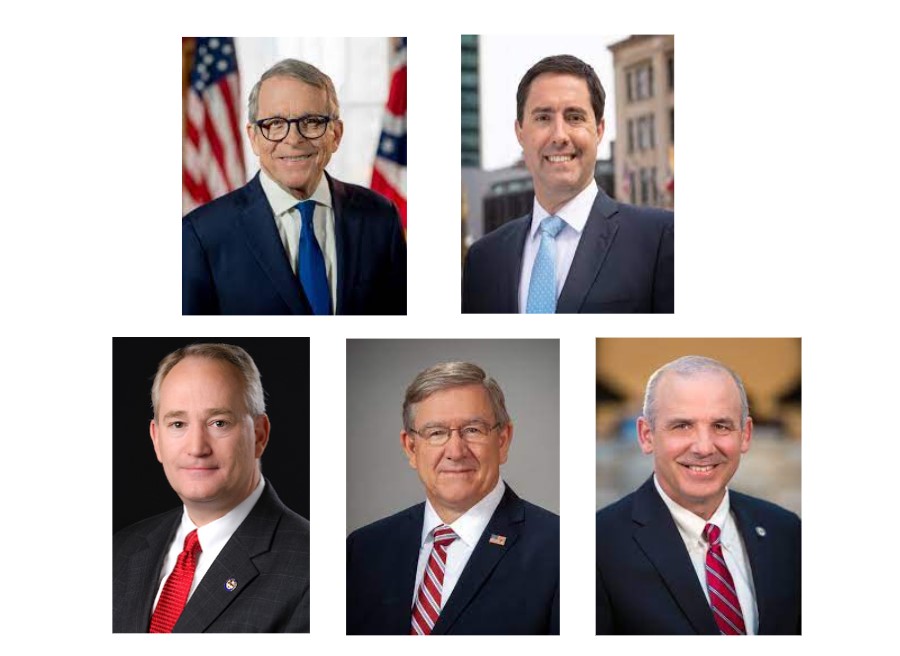
    The Republican majority members of the Ohio Redistricting Commission. Top row from left, Ohio Gov. Mike DeWine and Secretary of State Frank LaRose. Bottom row from left Ohio Auditor Keith Faber, House Speaker Bob Cupp, and Senate President Matt Huffman. Official photos.

    BY: SUSAN TEBBEN – Ohio Capital Journal

    Anti-gerrymandering groups are again asking the Ohio Supreme Court to determine if the Ohio Redistricting Commission should be held in contempt, and to force the commission to meet by the end of the week to redraw legislative maps.

    The ACLU, on behalf of several groups including the League of Women Voters of Ohio and the A. Philip Randolph Institution of Ohio and some individual Ohio voters, asked the court to yet again demand answers from the Ohio Redistricting Commission as to why they shouldn’t be held in contempt for making no moves to meet a deadline to draw “entirely new” legislative maps.

    The fourth effort by the ORC was rejected by the Ohio Supreme Court on April 14, and found not to be an “entirely new map” they were ordered to create, but merely a tweak of the third attempt, which was also rejected as unduly partisan.

    The commission has until May 6 to adopt and submit a map, but the groups say the urgency of the situation has “dramatically increased” because of a federal court’s decision to implement the third map found unconstitutional by the supreme court as the map to use during the 2022 election season. The U.S. District Court said they would order the use of the map, which was found to be unduly advantageous to Republicans, if no plan was adopted by May 28.

    “Based on the commission’s conduct to date, this appears to be exactly what the commission is trying to do,” the ACLU wrote to the supreme court. “The Court should not allow the commission to intentionally avoid its constitutional obligations.”

    GOP members of the commission argued that the court did not have the authority to hold them in contempt for several reasons, most important of which was the fact that the commission had passed a map by the court-ordered March 28 date. They said they conducted their legislative duties, and also were protected by the separation of powers doctrine from being held in contempt.

    One member of the state supreme court, Justice Sharon Kennedy, has consistently sided with the Republican members in saying they should not be held in contempt and the court does not have the power to do so.

    The Ohio Supreme Court rejected a previous request to hold the ORC in contempt at the same time they rejected the fourth map by the group.

    The ACLU, however, argues in their most recent challenge for contempt that legislative immunity is not “unlimited” and separation of powers principles do not “constitute an insurmountable barrier to a contempt order against the majority of the commission.”

    “In ordering (the ORC) to reconvene and to draft and adopt a constitutionally valid General Assembly-district plan, this Court is not ‘asserting control’ over purely legislative duties … but simply ensuring that the commission itself undertake those duties,” attorneys said in their Monday filing.

    GOP members of the ORC told the court in the last debate over contempt that they could not be charged as individuals for something decided by the commission as a whole.

    The ACLU called the argument an “improper attempt to evade responsibility” in their Monday filing. The argument also does not hold when it comes to calling a meeting of the commission, the court challengers said. Calling a meeting only requires three commission members, leaving five others “fully responsible for the defiance of the court’s order,” court documents stated.

    Attorneys urged the court to force the commission to convene no later than Friday if they are held in contempt, as a way to “purge” their contempt charges.

    The commission has not announced any plans to meet on or before the May 6 deadline. Democrats, including commission co-chair state Sen. Vernon Sykes, attempted to bring a meeting together on Monday, but ended up alone in front of the room where the ORC has met in the past, having had their offer rejected by every other member of the commission.

    A representative with House Speaker and commission co-chair Bob Cupp said no meetings have been scheduled, and a spokesperson for Senate President Matt Huffman said meeting dates were up to the co-chairs.

  • Ohio clinics sue to bar new abortion bill

    Ohio clinics sue to bar new abortion bill

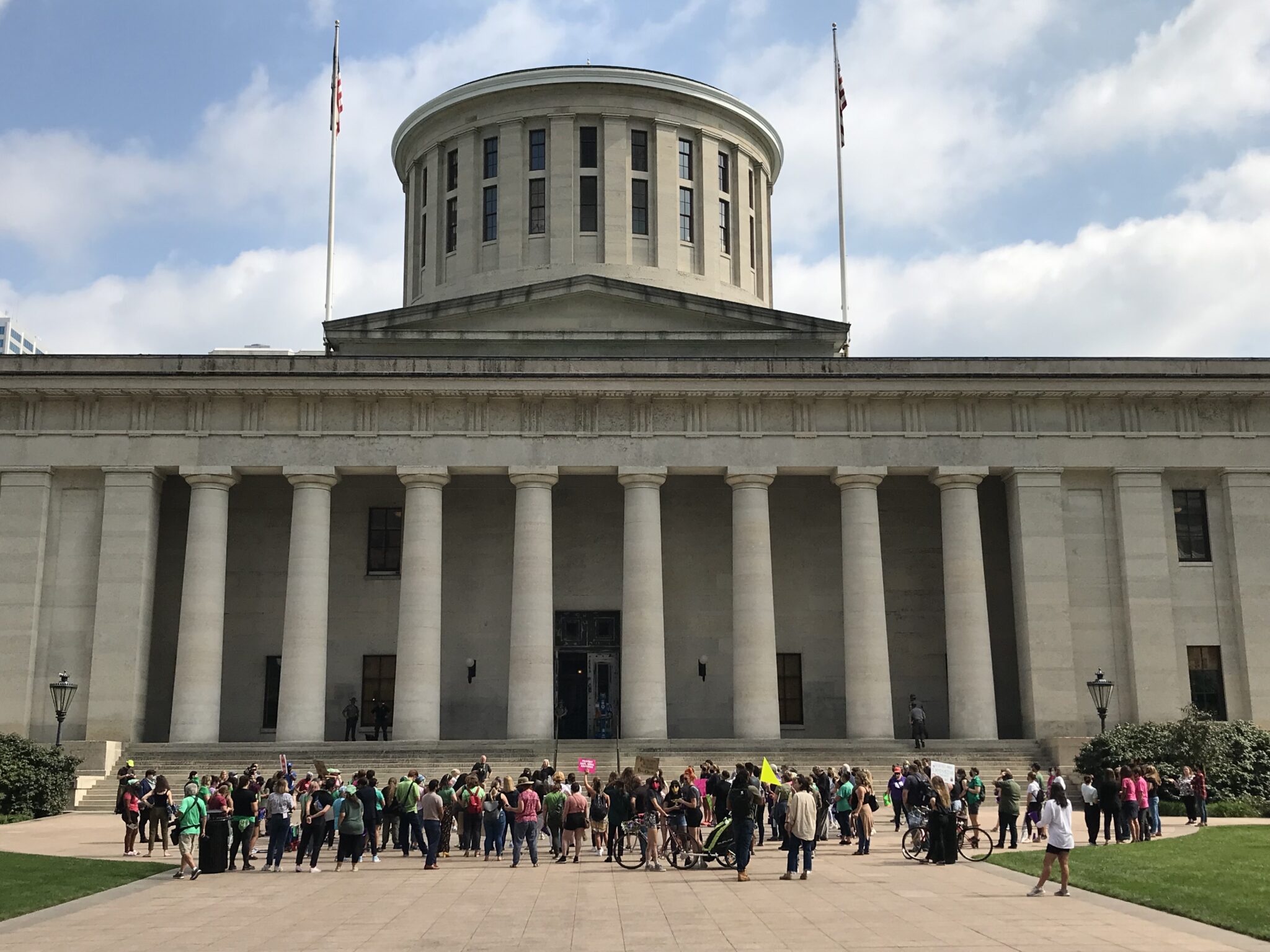
    Protesters of a bill to promote a total abortion ban with the overturning of Roe v. Wade demonstrate outside the Ohio Statehouse in September. Photo by Susan Tebben

    BY: SUSAN TEBBEN – Oho Capital Journal

    A lawsuit has been filed against the newest state abortion restriction and its regulation of doctors’ ability to practice medicine.

    The ACLU, Planned Parenthood Southwest Ohio Region and Women’s Med Dayton are asking a Hamilton County Common Pleas Court to keep the state from enforcing a law to create “onerous and unwarranted” restrictions to health care in Southwest Ohio in particular.

    The Ohio General Assembly passed Senate Bill 157 in December, and the law is set to be effective March 23, if the court doesn’t fulfill the lawsuit’s request.

    If the law goes into effect, doctors who work with state public universities or medical centers will not be allowed to also be affiliated with abortion clinics in the state.

    Abortion clinics that conduct surgical abortions are considered “ambulatory surgical facilities,” also the name of other outpatient facilities where procedures can be done.

    Clinics who conduct abortions are required to have a “written transfer agreement” with a local hospital to which a patient can be transferred should medical care “beyond the care that can be provided at the ambulatory surgical facility” is needed.

    Those hospitals need to be within 30 miles of the facility.

    To obtain a variance to the written transfer agreements, doctors are required to have hospital admitting privileges within those 30 miles. But these variance agreements could be made more complicated by this new law, originally pushed by bill sponsors as a way for the Ohio Department of Health to track so-called “failed abortions,” which the state already defines as abortion procedures in which the child is alive when removed from the pregnant person’s body.

    So-called “failed abortions” are rare, and state data shows none of the abortions conducted after 19 weeks – still not considered a gestation period when a baby would survive outside of the womb – were on viable pregnancies.

    In the new lawsuit, doctors argue not only would the law create constitutional conflicts by singling out abortion providers, but it would also keep physicians from being able to “operate their businesses and pursue their professions,” including caring for their patients.

    “Because of SB 157, many patients seeking procedural abortions will be significantly delayed in accessing this vital, time-sensitive and constitutionally-protected health care until later in pregnancy, when the procedure not only carries greater health risks, but is also more expensive,” the lawsuit states.

    The Ohio Department of Health already requires abortion clinics to have at least four backup physicians to obtain the medical variance agreement, something that’s been in place since 2015.

    That, alone, is a problem when there aren’t enough doctors to allow for four backup doctors.

    “The hostile climate in Southwest Ohio makes it extremely difficult to find even one backup doctor to support a variance,” the lawsuit states. “There has been a national campaign to harass and shame the Dayton doctors who provide backup services to patients of WMD.”

    If variances are lost, licenses to practice as an ambulatory surgical facility are lost. That would mean a lose of health care services in Southwest Ohio, meaning the patients would be the ones suffering.

    “If plaintiffs’ ASF licenses are revoked, people needing procedural abortions would be forced to travel hundreds of miles round-trip to the next closest procedural abortion providers, and, due to a statutory waiting period, make that trip twice, or stay overnight, in order to access procedural abortion,” the clinics wrote in the lawsuit.

    The fact that the lawsuit has been assigned to Judge Alison Hatheway could mean good things for abortion clinics. Hatheway has been the judge on two other lawsuits fighting against state abortion restrictions, and in both cases Hatheway has ruled in favor of temporary stops to state legislation clinics said hampered their right to provide care.

    Most recently, Hatheway stopped a fetal tissue disposal law for a second time, saying clinics are “substantially likely to succeed” in their suit against an Ohio law that would require clinics to pay for burial or cremation of fetal tissue resulting from an abortion.

    In April of last year, the judge blocked a law restricting telemedicine abortions in the state.

  • Federal redistricting lawsuit filed as notice of impasse hits Ohio Supreme Court

    Federal redistricting lawsuit filed as notice of impasse hits Ohio Supreme Court

    Photo by Getty Image

    BY: SUSAN TEBBEN – Ohio Capital Journal

    Update: The ACLU filed a request with the Ohio Supreme Court to ask for the Ohio Redistricting Commission’s reasoning behind deciding not to file new legislative redistricting maps by the February 17 deadline. Details below:

    The leader of an anti-abortion lobby and other Ohio citizens are suing the Ohio Redistricting Commission and the Secretary of State, accusing them of depriving them of rights under the U.S. Constitution.

    Attorneys from the Columbus firm of Isaac Wiles & Burkholder, LLC, asked the U.S. District Court for the Southern District of Ohio to declare current legislative districts “or lack thereof” in violation of the U.S. Constitution, and to adopt the last plan the ORC approved. That plan, a revision of the first plan struck down by the Ohio Supreme Court, was also struck down by the high court.

    Though not members of the lawsuit in their official capacities, several of the plaintiffs are leaders or staff at Ohio Right to Life, a lobby group who works on anti-abortion measures throughout the state.

    Mike Gonidakis, president of Ohio Right to Life, is the lead plaintiff in the case, along with Mary Parker, OR2L’s director of legislative affairs. Also listed in the lawsuit is Margaret Conditt, who is on the lobby’s website as a “member trustee.”

    Beth Vanderkooi, another plaintiff in the case, is the executive director of Greater Columbus Right to Life, and Ducia Hamm was previously listed as associate director of affiliate services for Heartbeat International, and religious anti-abortion organization.

    After declaring two rounds of previous maps unconstitutional gerrymanders, the state supreme court sent the commission back to work with a Feb. 17 deadline, which the ORC passed by without adopting new maps.

    Ohio’s state legislative districts are not “substantially similar in population,” according to the lawsuit.

    With Thursday’s “impasse” of the Ohio Redistricting Commission members, the plaintiffs in the lawsuit say they “are cut out of the political process.”

    “Either the 2010 legislative districts apply and their votes are diluted by the population growth reflected in the 2020 U.S. Census data,” the lawsuit stated. “Or alternatively, they are not members of any state legislative district and cannot vote for state house of representatives or senate candidates.”

    The commission filed their notice of impasse on Friday, laying out the commission’s actions and non-actions from Feb. 7, when the supreme court invalidated the ORC revised General Assembly plan, until Thursday, when no map was approved.

    “Among other discussion, (Senate) President (Matt) Huffman stated that the commission was at an impasse, as the commission is unable to ascertain and determine a plan that complies with the court’s order and the Ohio Constitution,” the notice, written by the Ohio Attorney General’s Office, informed the supreme court.

    The federal lawsuit filed late Thursday cites the 2020 census, which showed a net gain of more than 250,000 Ohioans over the last 10 years.

    Because “valid redistricting” has yet to occur, the plaintiffs say they can’t decide on candidates to support, make a decision to run for office or “educate themselves or others on the positions of candidates in their districts and prepare to hold those candidates responsible.”

    Gonidakis and the other Ohioans acknowledged that a nearly five-month legal battle on legislative redistricting is unlikely to have a resolution before the voter registration deadline of April 4 for the May primary, which is why they requested the use of a previous map for the primary.

    The parties in the lawsuit said they chose the previously submitted maps, maps adopted without bipartisan support and called unconstitutional by the supreme court, because they “properly distribute voting power and are based on 2020 census data.”

    They worry if elections were allowed to take place before the redistricting process is resulted, overpopulated districts could see vote dilution, and thus a “deprivation of political power and resources.”

    A lack of districts deprives Ohioans of the right to vote, in violation of the U.S. Constitution and fundamental rights of Americans, the lawsuit states.

    “There is no harm in the Redistricting Commission following the U.S. Constitution and plaintiffs receiving the right to vote,” according to the lawsuit.

    The court challengers ask that a three-judge panel be assigned to the case to keep the ORC and the Secretary of State from “acting on their behalf” and implementing, enforcing or conducting elections under the current state of redistricting.

    The lawsuit also asks the court to establish a schedule “to adopt a timely enacted and lawful plan and implement the new plan for Ohio’s state legislative districts.”

    The lawsuit does not allege racial gerrymandering or any vote dilution based on racial discrimination, which the U.S. Supreme Court has set as a standard for taking any redistricting cases.

    Senate President Matt Huffman, a member of the Ohio Redistricting Commission, accused Democrats of drawing maps to favor Dems while using racial gerrymandering. The Dems were the only ones to propose a map at Thursday’s meeting of the commission, and it was voted down along party lines after a lengthy dissection, mainly by Huffman.

    This is the second federal lawsuit to be filed regarding redistricting in Ohio. In December, a pair of Mahoning County residents sued accusing the ORC of discriminating against Black voters in legislative and congressional district lines.

    That lawsuit was put on hold after district lines were invalidated, and is still awaiting court decisions on maps before proceeding.

    Court challengers asks for impasse reasoning

    On Friday, attorneys for the League of Women Voters and other court challengers asked the court to order the commission to explain their “bald refusal” to abide by the February 7 court order.

    “What steps the commission itself undertook to comply with the court’s order – and why there could be no possible plan to comply with the (state) constitution – remain shrouded in generalities,” wrote Freda Levenson, attorney for the ACLU, in a Friday filing with the supreme court.

    Levenson called out Governor Mike DeWine’s comments after the commission adjourned without a map, in which he said it was a “mistake for this commission to stop and basically say that we’re at an impasse,” and that the choice was “not an option that the law gives us.”

    The notice of impasse “provides no concrete statement of any reason why a more proportionate plan could not be enacted,” according to court challengers, and provides no no explanation of steps taken to draw a compliant plan.

    “It provides a bare conclusion, as if it were sufficient to justify the refusal to comply with this court’s order,” the court document stated.

    Levenson asked that the court order the commission to file evidence by February 22 that “must concretely identify why a compliant plan could not be drawn” and specific reasons why the commission did not consider other plans. The court document also asked for a position from the court on whether it can order an extension of the candidate filing deadline for the May primary.

  • Lawsuit accuses Ohio Redistricting Commission of violating constitution

    Lawsuit accuses Ohio Redistricting Commission of violating constitution

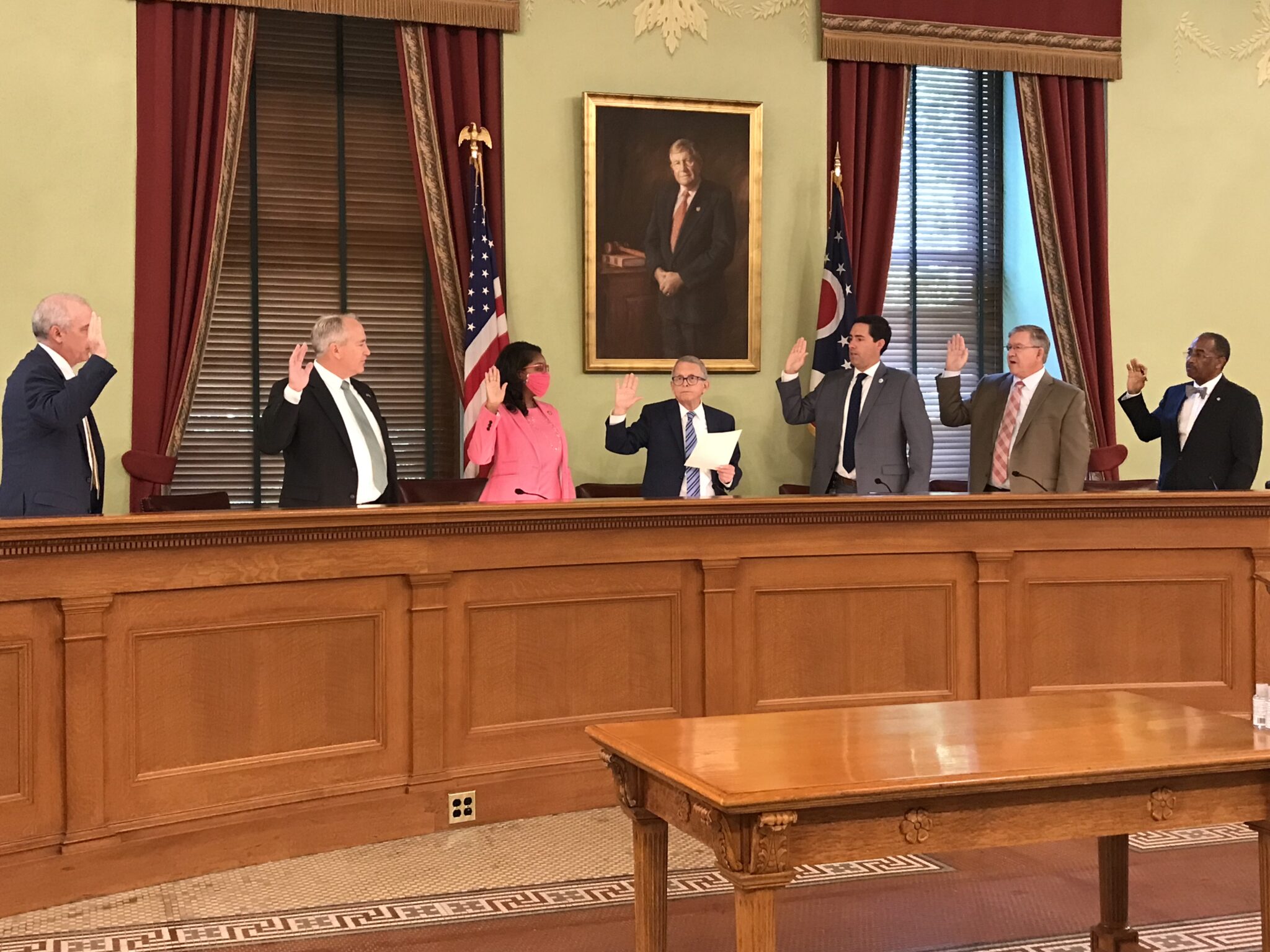
    Members of the Ohio Redistricting Commission are sworn in at the Ohio Statehouse. From left, Senate President Matt Huffman, state Auditor Keith Faber, House Minority Leader Emilia Sykes, Gov. Mike DeWine, Secretary of State Frank LaRose, House Speaker Bob Cupp and Sen. Vernon Sykes. Photo by Susan Tebben

    BY: and Ohio Capital Journal

    The ACLU has filed an expected lawsuit disputing the partisan legislative redistricting maps passed earlier this month by the Ohio Redistricting Commission.

    The Ohio and national chapters of the American Civil Liberties Union, along with law firm Covington & Burling, LLP, announced the lawsuit Thursday afternoon, accusing the Republican majority of “disrespecting the letter and spirit of the constitutional reforms passed overwhelmingly by Ohio voters in 2015.”

    The ACLU and Covington & Burling are presenting the lawsuit on behalf of the Ohio Chapter of the A. Philip Randolph Institute, unnamed individual plaintiffs and the League of Women Voters of Ohio.

    The parties in the court challenge contend that the maps violate the constitution by not accounting for the “partisan balance of House and Senate districts correspond closely to the statewide preferences of the voters of Ohio.”

    “This is an illegal map, plain and simple,” said Robert Fram, of Covington & Burling, in a statement.

    The lawsuit accuses the commission of a “brazen manipulation of district lines for extreme partisan advantage” that “doubly dishonors the honors of this state.”

    “After decades of working to end partisan gerrymandering in the Buckeye State, the League of Women Voters of Ohio asks the Ohio Supreme Court to defend the rights of everyday Ohioans to have legislative districts that serve and represent them rather (than) be rigged to favor the short-sighted and selfish interests of political parties and candidates,” said Jen Miller, president of the League of Women Voters said in a statement.

    A spokesperson for Senate President Matt Huffman, who presented the maps that were eventually approved by the redistricting commission on Sept. 16, said Senate Republicans “are confident the maps approved by the Redistricting Commission are constitutional and compliant.”

    Redistricting Commission co-chair state Sen. Vernon Sykes, one of the two Democrats to vote against the map said he, too, believes the maps are not constitutional.

    “Unfortunately, the maps adopted last week by the Republican members of the Redistricting Commission do not comply with those requirements,” he said in a statement. “They favor one political party and do not meet the litmus test of fairness and proportionality described by the Constitution.”

    A spokesperson for fellow co-chair and House Speaker Bob Cupp also defended the maps.

    “Lawsuits happen every time there is a new map,” said Aaron Mulvey deputy press secretary for the House GOP. “We knew this was coming, and the state will defend the constitutional maps approved by the Redistricting Commission.”

    If the Ohio Supreme Court finds the maps to be unconstitutional, they would return to the commission for a second time.

    The lawsuit comes as congressional redistricting is set to begin this month. If the state legislature can’t come to an agreement by Sept. 30, those maps will also go to the commission for consideration.

    Republican majority gerrymanders Ohio for another four years


    SUSAN TEBBEN is an award-winning journalist with a decade of experience covering Ohio news, including courts and crime, Appalachian social issues, government, education, diversity and culture. She has worked for The Newark Advocate, The Glasgow Daily Times, The Athens Messenger, and WOUB Public Media. She has also had work featured on National Public Radio.
  • House passes bill creating new criminal charges for protesters

    House passes bill creating new criminal charges for protesters

    Photo by Sam Smith for Loveland Magazine of racial justice rally in Inwood Park, Cincinnati – Sunday, March 31st, 2020

    By Jake Zuckerman and Ohio Capital Journal

    Ohio House Republicans passed legislation Friday that would expand the definition of “obstruction of justice” broadly enough to capture protest activity, according to social justice activists and civil rights advocates who testified against the bill. 

    The legislation would qualify failing to follow a “lawful order from a law enforcement officer” as the obstruction of justice.

    It also prohibits a person from interfering with or obstructing a police officer at work with “reckless disregard” as to whether the action diverts or obstructs the officer’s attention. This includes entering or placing an object somewhere that’s large enough that the officer cannot reach a person outside the area.

    Republicans said the legislation establishes basic protections for officers after a year of increasing violence and tumultuous social justice protests.

    Democrats said the legislation is unhelpful and divisive. Rep. Jeff Crossman, D-Parma, said it “fans the flame of culture wars and is yet another dog whistle about race.”

    Crossman offered an amendment to exempt anyone from charges who uses or threatens to use force against an officer if they’re “acting in good faith” to prevent death or serious bodily injury. The amendment failed on party lines. 

    Additionally, the legislation would prohibit a person from throwing any object or substance at an officer “with intent to distract.”

    The bill largely addresses conduct that’s already illegal under Ohio law, according to analysis from the Legislative Service Commission. It provides prosecutors more charges they can impose on alleged violators.

    The expanded obstruction of justice charges would be second-degree misdemeanors, or fifth-degree felonies if they cause physical harm to a person. Second-degree misdemeanorconvictions can yield sentences up to 90 days. Fifth-degreefelonies yield sentences between six and 12 months.

    After a Minneapolis police officer murdered George Floyd, an unarmed black man suspected of using a fake $20 bill, on camera last summer, massive racial justice protests formed around the country. Activists criticized racial profiling and the excessive use of force from officers unto people of color.

    Some of the initial protests descended into violence and looting. However, researchers reviewed 2,400 demonstrations nationwide between May and August 2020 and found fewer than 220 (about 7%) turned violent.  

    Regardless, Republican-controlled legislatures around the U.S. have introduced and passed different proposals to expand on or build new charges that can be filed against protesters. A more extreme proposal in Ohio sought to expand citizens’ rights to shoot in perceived self-defense during a “riot” — a loosely defined term in Ohio law.

    “This bill is not an anti-peaceful protest bill,” said Rep. Shane Wilkin, R-Lynchburg, one of the lead sponsors. “The key word is peaceful.”

    The version of the bill advanced by the House Criminal Justice Committee on Thursday is significantly narrower than what was introduced. “Taunt[ing]”an officer would have qualified as the obstruction of justice under the original bill draft.

    Republican Reps. Jeff LaRe of Violet Twp. and Wilkin sponsored the proposal. In their written testimony to the committee, they denied any intent to infringe upon individuals’ rights to free speech and assembly. They said it’s about protecting law enforcement officers.

    “Peaceful protests have turned violent when bad actors who are not involved in a police matter begin to taunt, harass, and overall interfere with law enforcement officers performing their duties,” they wrote.

    Racial justice groups, public defenders, the ACLU, religious organizations focused on social justice and the libertarian Americans for Prosperity spoke out against the bill.

    “The language in this bill will prevent innocent bystanders from exercising their Sixth Amendment rights per the U.S. Constitution,” said Tom Roberts, president of the NAACP Ohio Conference.

    “With the excessive force issues among our law enforcement here in Ohio and across the country, the timing of this bill is inappropriate and insensitive to many communities of color.”

    Advocacy groups representing police and prosecutors testified in support of the bill. Preble County Sheriff Mike Simpson, representing the Buckeye State Sheriffs’ Association, claimed some people seized on the unrest last summer as “an avenue to promote violence.”

    House Bill 22, he said, would outlaw “diversionary tactics” from those seeking to distract, disrupt and impede law enforcement.

    Analysts with the Legislative Service Commission, which conducts policy research for lawmakers, found the legislation will increase the number of offenders being sentenced to prison and may lengthen some terms. This could increase annual prison costs by between $3,000 and $4,000 per offender.

    Thomas Quinlan — who formerly served as Columbus chief of police, including during the protests last summer — testified in support of the bill on similar lines.  

    In May, U.S. District Judge Algenon Marbley issued a blistering, 88-page opinion prohibiting Columbus police from using tear gas, pepper spray, batons and rubber bullets against nonviolent protesters. He found officers used force “indiscriminately” and without provocation.

    “This case is the sad tale of police officers, clothed with the awesome power of the state, run amok,” he wrote.

    Just seven proponents testified in support of the bill, compared to more than 100 who opposed it, as noted by Ohio Legislative Black Caucus President Rep. Thomas West, D-Canton, in a statement after the vote.

    He said the bill “further sows the seeds of fear” by attempting to criminalize the right to protest.

    “This bill, not to mention similar legislation pending before this body, takes Ohio in the opposite direction of progress,” he said. “HB 22 will not promote the safety and security of our officers and of individuals exercising their First Amendment rights. It will only create more tension and potential for conflict.”

    The bill now goes to the Senate for consideration.

  • Ohio judge adds COVID-19 vaccination as terms of probation

    Ohio judge adds COVID-19 vaccination as terms of probation

    By Jake Zuckerman and Ohio Capital Journal

    A Franklin County judge recently began including vaccination against COVID-19 as a condition of defendants’ terms of probation.

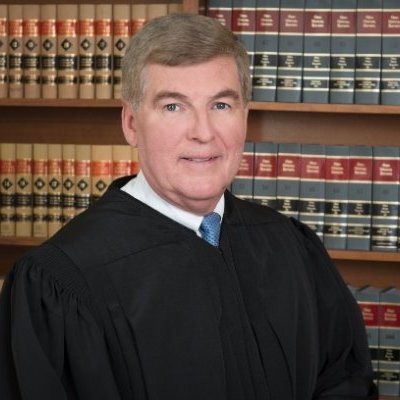
    Common Pleas Judge Richard Frye said Thursday he added the vaccine as a condition on three cases this week of the roughly 20 sentences he imposed.

    He said he discussed the matter in open court with the defendants, and they attributed their unvaccinated status to procrastination. None raised any philosophical, medical or religious objection.

    Judge Richard Frye

    “It occurred to me that at least some of these folks need to be encouraged not to procrastinate,” Frye said in an interview. “I think it’s a reasonable condition when we’re telling people to get employed and be out in the community.”

    He declined to “speculate” what would happen if a defendant raised a medical, religious or philosophical exemption to vaccination, but said this is a different situation entirely than people who have simply put the matter off.

    An example: a man named Cameron Stringer entered a guilty plea for one charge of improperly handling firearms in a motor vehicle, for which he was sentenced to two years of probation (“community control,” as it’s known in Ohio).

    Stringer must submit to random drug screening; avoid further legal trouble; return a firearm in question to its rightful owner; and obtain a COVID-19 vaccine within 30 days and provide proof to the Probation Department, court documents show.

    It’s unclear how widespread this judicial practice is. Frye said he didn’t know if any other judges were doing anything similar. A spokesman for the Supreme Court, which oversees lower courts, said he didn’t know of any judges doing anything similar. However, he sent a link to a media report about a judge offering to shorten probation stretches for those who obtain a vaccine. 

    Gary Daniels, a lobbyist with the ACLU, expressed concern about the practice Thursday, comparing it to Ohio judges who have ordered defendants convicted of crimes not to procreate

    “It doesn’t have any real relationship to community control,” Daniels said of Frye’s practice, in a brief interview. 

    “At a minimum, it appears to be problematic.”

    Frye’s practice comes in a period of stagnation in a vaccination campaign against a disease that has killed more than 600,000 Americans. Despite a skyscraping death and morbidity toll; five $1 million lottery drawings for people who get vaccinated; and more than 6 months of availability, fewer than 48% of Ohioanshave started the vaccination process against COVID-19.

    “I just wanted them to be safe in the community,” Frye said.

  • Coronavirus death toll surpasses 100 in Ohio prisons

    Coronavirus death toll surpasses 100 in Ohio prisons

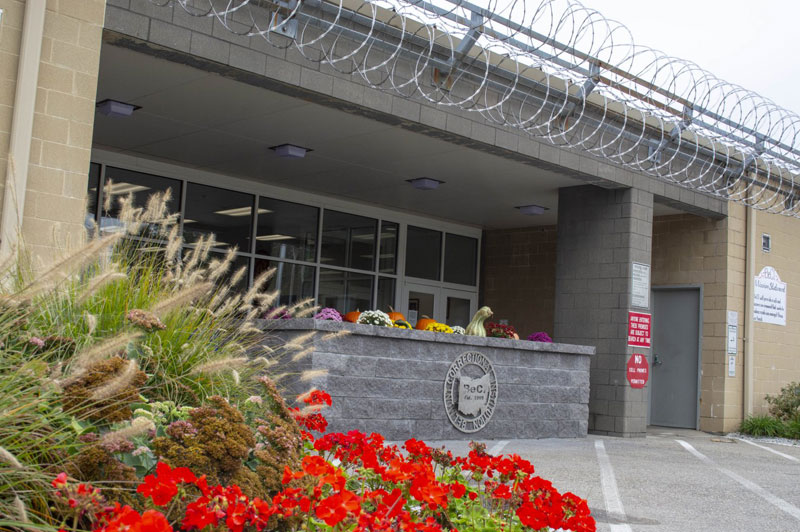
    Belmont Correctional Institution. Source: ODRC

    More than 100 inmates and workers in Ohio’s prison system have died from COVID-19, state data shows.

    Jake ZuckermanJake Zuckerman is a statehouse reporter. He spent three years chronicling the West Virginia Legislature for The Charleston Gazette-Mail after covering cops and courts for The Northern Virginia Daily.

    Five prison workers (three corrections officers and two nurses) and 96 inmates have died from the disease that has clobbered the Ohio Department of Rehabilitation and Correction since late March when it was first detected in the system.

    Nearly 6,200 inmates have contracted COVID-19, the disease caused by the new coronavirus, though the figure is likely an undercount. After mass testing at Marion and Pickaway correctional institutions detected infections in 80% of inmates, ODRC shifted its strategy away from blanket testing and toward symptom-based testing.

    An ODRC spokeswoman said 461 inmates with COVID-19 have been admitted to the hospital, but those people may have been admitted for other causes.

    The dead inmates were 66 years old, on average.

    At Marion, nearly 2,000 inmates have been infected, 12 of whom died.

    At Pickaway, nearly 1,400 inmates have been infected, 35 of whom died.

    The two prisons are the third and fourth largest COVID-19 clusters in the nation respectively, according to data from The New York Times.

    The virus hit prison workers in force as well, though with much lower morbidity rates. More than 1,100 prison workers were infected, and the union representing them alleged workers were provided insufficient protective equipment.

    Gary Daniels, a lobbyist for the ACLU, said there’s more than just a death toll. As more information emerges about long term damage from COVID-19, including “long haulers” who report debilitating symptoms even six months after infection, he questioned the health services ODRC is providing.

    According to the CDC, coronavirus infections can cause myocarditis (heart inflammation) among other long term symptoms. While the science is still emerging, the heart damage could explain reported long-term symptoms like shortness of breath, chest pain and heart palpitations.

    “How many people in Ohio prisons face this right now?” he said. “You’ve got these 100 people who have died, but that’s nowhere near the whole story.”

    The ACLU has pushed for a broad decarceration that would remove people convicted for drug possession or parole violations — at least temporarily.

    In February, there were nearly 49,000 inmates in Ohio prisons, which were populated well beyond their design capacity even before the pandemic. That figure decreased to slightly above 45,000 by August.

    “It does appear to have plateaued,” Daniels said. “Whether that continues, who knows. Our concern is that after a certain amount of time, we’re going to see that population rise.”

    In mid-May, four inmates filed a class action lawsuit in federal court seeking the forced depopulation of Ohio prisons.

    U.S. District Judge Edmund Sargus Jr., in a ruling last month, rejected motions to dismiss the lawsuit. In a blow to the inmates, however, he also struck down a request for a preliminary injunction. He has not ruled on the issue at large.

    Though it amounted to a loss for the inmates, Sargus signaled some sympathy for the conditions inside.

    “This Court agrees with the other district courts across the country who have found COVID-19 to be an objectively intolerable risk of harm to prisoners when it enters a prison,” Sargus wrote.

    Prisons and jails are near ideal places for the coronavirus to spread given the overcrowding, poor sanitation, and preexisting health complications inside.

    In April, the Ohio Supreme Court dismissed a lawsuit from an HIV-positive inmate who sought release due to COVID-19.

    At the time there were only 272 inmate infections. However, Justice Michael Donnelly wrote in an opinion that Ohio needs to take drastic action to prevent “catastrophe” looming down the line.

    “The whole of Ohio’s government needs to take serious, unprecedented steps to prevent the catastrophe of unmitigated spread of COVID-19 to the tens of thousands of prisoners in Ohio as well as to the tens of thousands of people who are prison employees along with those living in the households of prison employees,” he said.