Tag: air pollutants

  • “Unhealthy” air quality alert extended into Friday

    “Unhealthy” air quality alert extended into Friday

    Loveland, Ohio – The Southwest Ohio Air Quality Agency is extending the Air Quality Alert for FRIDAY, JULY 28 through 11:59 PM for Butler, Clermont, Hamilton, and Warren counties in Ohio; Boone, Campbell, and Kenton counties in Kentucky; and Dearborn County in Indiana.

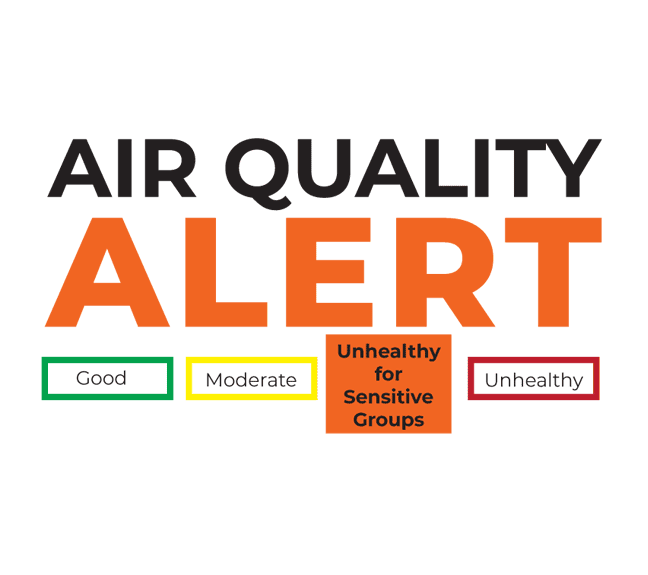
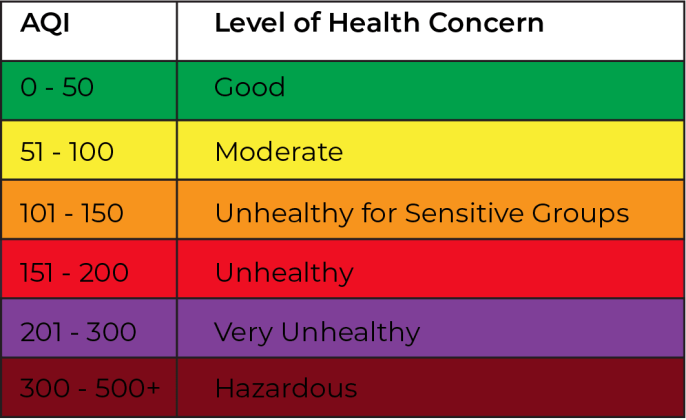
    The Agency expects to see levels of ozone in the “Unhealthy for Sensitive Groups” range on the Air Quality Index (AQI).

    Because there are two air pollutants with high concentrations, the general public is encouraged to limit their outdoor exertion, especially children, those with respiratory illnesses, and older adults. Refer to U.S. EPA’s health guide here.

    Code Orange days mean that pollution levels will be hazardous for children, the elderly, and those with pre-existing health conditions.
    Everyone can help reduce ozone formation by taking the following actions: 

    • Telecommute if your employer permits.
    • Do not idle your vehicle; exhaust contributes considerably to ozone formation.
    • Combine trips or eliminating unnecessary vehicle trips.

    What to Do During an Air Quality Alert

    • Take the buscarpool, bike or walk instead of driving
    • Refuel your vehicle after 6 p.m., do not top off when refueling and tighten the gas cap
    • Do not idle your vehicle
    • Combine trips or eliminate unnecessary vehicle trips
    • Keep your vehicle maintained with properly-inflated tires and timely oil changes
    • Avoid use of gasoline-powered lawn equipment on Air Quality Alert days
    • Avoid use of oil-based paints and stains on Air Quality Alert days
    • Never burn leaves or other yard trimmings
    • Always burn clean, seasoned wood in outdoor fire pits, fireplaces and wood stoves
    • Avoid using fire pits or fireplaces for non-essential home heating on Air Quality Alert days
    • Conserve electricity

    For more details on the Air Quality Index and its corresponding health messages, refer to AirNow. You may also choose to sign up for EnviroFlash, a free service and app that notifies you of daily air quality conditions based upon your personal settings that you control.
  • Air Alert extended into Thursday

    Air Alert extended into Thursday

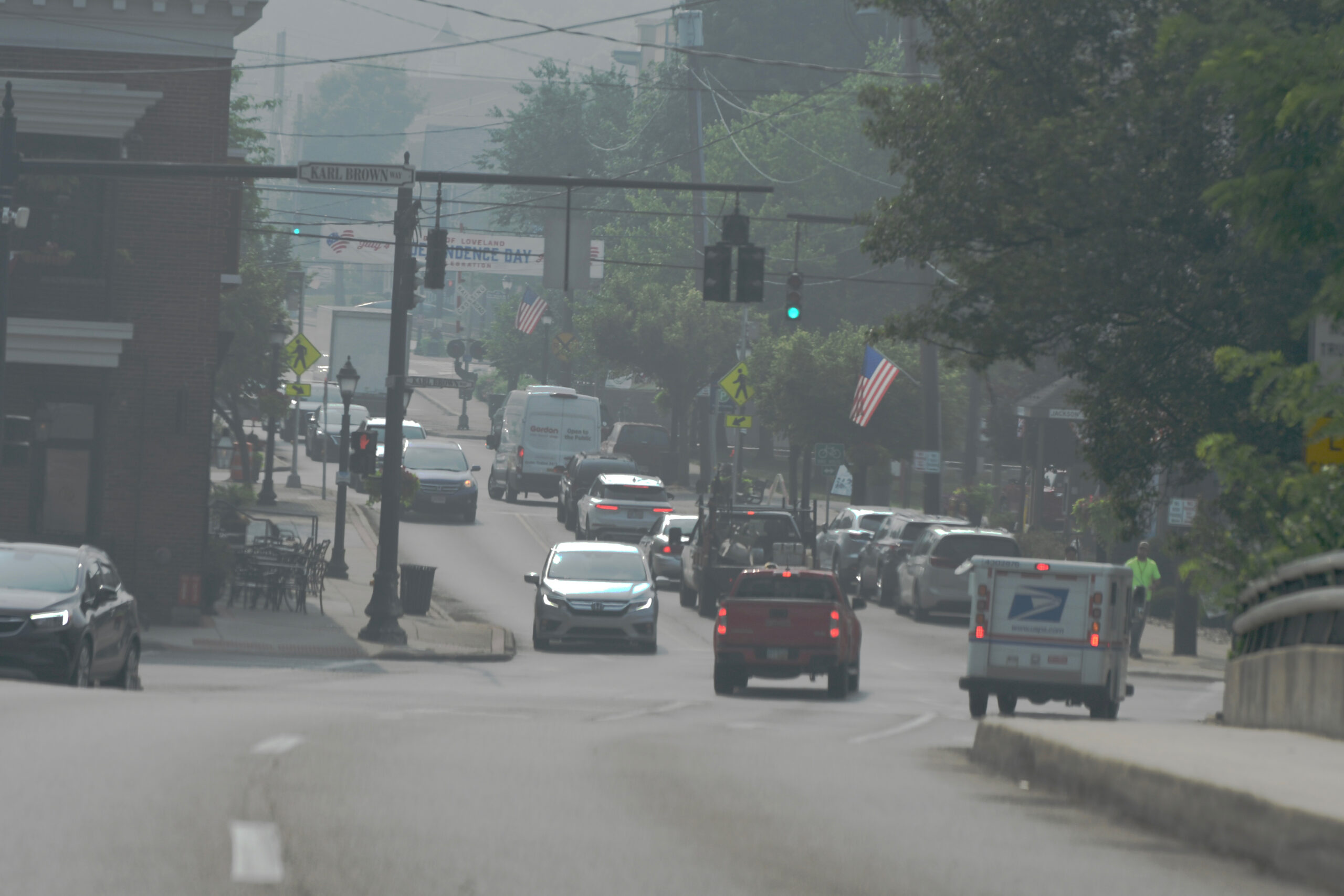
    Historic Downtown Loveland, Ohio on Wednesday afternoon (Photo by David Miller)

    Loveland, Ohio – The Southwest Ohio Air Quality Agency is extending the Air Quality Alert into Thursday, June 29 through 11:59 PM for Butler, Clermont, Hamilton, and Warren counties in Ohio; Boone, Campbell, and Kenton counties in Kentucky; and Dearborn County in Indiana.

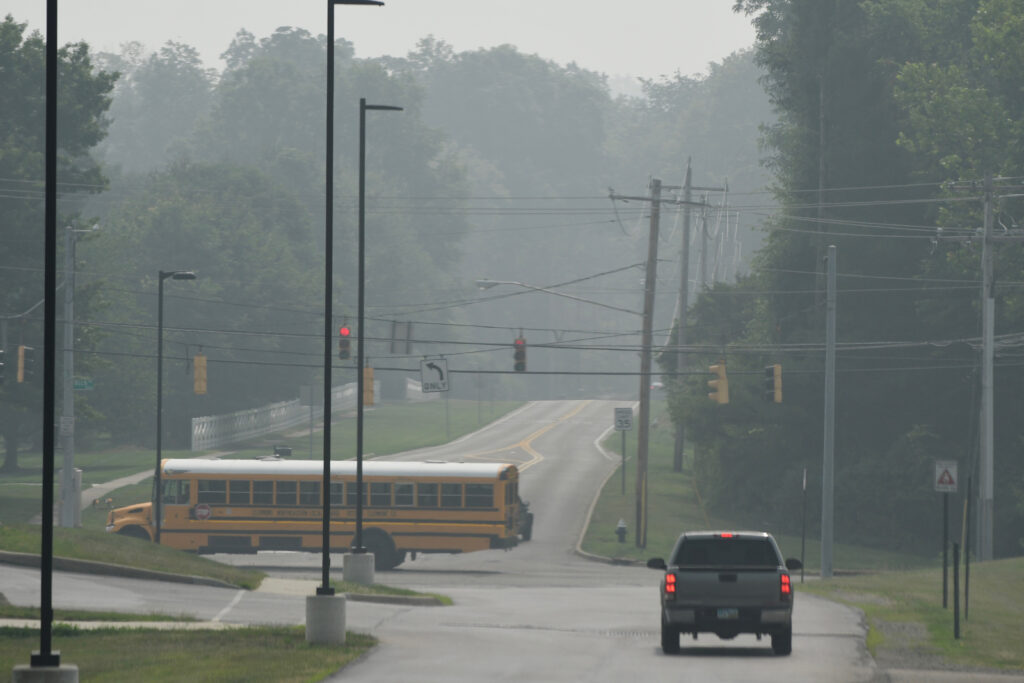
    The Agency expects to see levels of both ozone and PM2.5 (due to Canada wildfires) in the “Unhealthy” range on the Air Quality Index (AQI). Because there are two air pollutants with high concentrations, the general public is encouraged to limit their outdoor exertion, especially children, those with respiratory illnesses, and older adults. Refer to U.S. EPA’s health guide here.

    Everyone can reduce PM2.5 by following these guidelines:

    • Never burn leaves or other yard trimmings.
    • Suspend use of fire pits, campfires, and charcoal grills on Air Quality Alert days.
    The intersection of Rich and Fallis Roads on Wednesday afternoon from Loveland High School. (Photo by David Miller)

    Everyone can help reduce ozone formation by taking the following actions: 

    • Telecommute.
    • Do not idle your vehicle; exhaust contributes considerably to ozone formation.
    • Combine trips or eliminate unnecessary vehicle trips.
  • Air Quality Alert EXTENDED for Saturday, June 3 and Sunday, June 4

    Air Quality Alert EXTENDED for Saturday, June 3 and Sunday, June 4

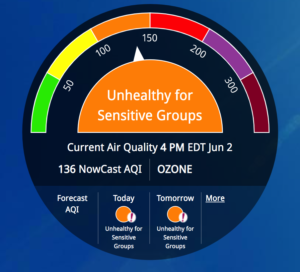
    The Loveland air quality was well into the “Unhealthy for Sensitive Groups” range at 4 PM Friday.

    Loveland, Ohio – The Southwest Ohio Air Quality Agency (Agency) has extended an Air Quality Alert for Saturday, June 3 and Sunday, June 4 through 11:59 PM for Butler, Clermont, Hamilton, and Warren counties in Ohio; Boone, Campbell, and Kenton counties in Kentucky; and Dearborn County in Indiana.

    The Agency expects to see levels of ozone in the “unhealthy for sensitive groups” range on the Air Quality Index (AQI).

    Use this SITE to track pollution levels in real time.

    “Sensitive Groups” refers to people with health issues that might be affected by pollution. This category includes:

      • Babies
      • Young children
      • Elderly people
      • People with respiratory disease
      • People with allergies
      • People with hypersensitivity

    For people with sensitivity issues, this could be bad enough to be affected. People with asthma will experience shortness of breath more often. Children and the elderly may suffer more coughing or allergic reactions. Long-term exposure may cause more serious damage.

    Children are at increased risk from air pollution primarily because they spend prolonged periods of time outdoors. What’s more, much of this time is spent playing sports or games, meaning children are not only exposed to unhealthy air for longer periods of time than adults, but also at higher rates. (The more strenuous the activity, the more air intake is required, thus the more unhealthy air that is breathed in.) Since kids’ lungs are still developing, high levels of pollutant exposure can go so far as to cause irreversible damage, including decreased lung-function growth. The fact that about 1 in 14 children (7%) have asthma also puts youth at increased risk. – Source: What “Unhealthy Air Quality for Sensitive Groups” Means (treehugger.com)

    On Air Quality Alert days, everyone can help reduce ozone formation by taking the following actions:

    • Take the bus, carpool, bike, or walk instead of drive.
    • Refuel your vehicle after 8 p.m.; do not top off when refueling and tighten the gas cap.
    • Do not idle your vehicle; exhaust contributes considerably to ozone formation.
    • Combine trips or eliminating unnecessary vehicle trips.
    • Keep your vehicle maintained with properly inflated tires and timely oil changes.
    • Avoid use of gasoline-powered lawn equipment on Air Quality Alert days.
    • Avoid use of oil-based paints and stains on Air Quality Alert days.
    • Never burn leaves or other yard trimmings.
    • Suspend use of fire pits, campfires and charcoal grills on Air Quality Alert days.
    • Conserve electricity by turning out lights and unplugging unused appliances and electronics.
  • Before You Light It… Know Ohio’s Open Burning Regulations

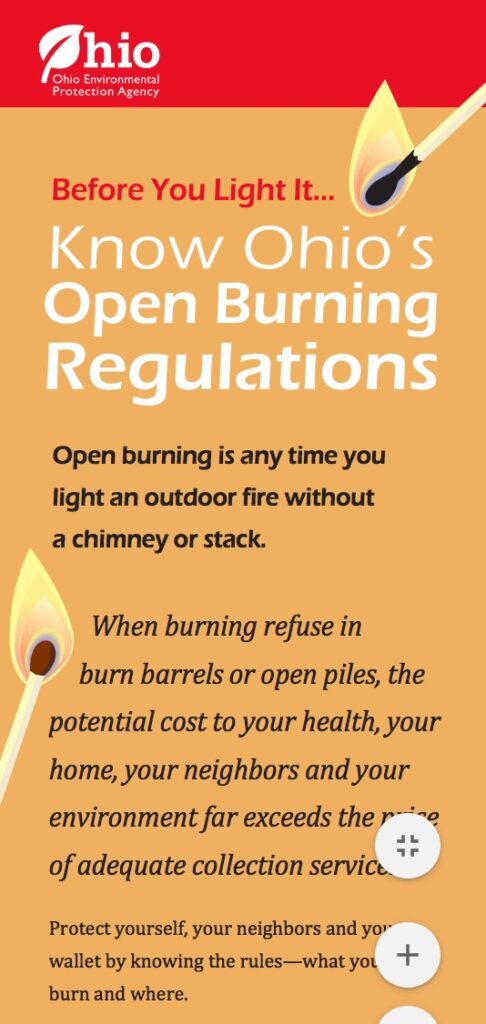
    Before You Light It… Know Ohio’s Open Burning Regulations

    Why is open burning a problem?

    Open burning can release many kinds of toxic fumes. Leaves and plant materials send aloft millions of spores when they catch fire, causing many people with allergies to have difficulty breathing.

    The pollutants released by open burning also make it more difficult to meet health-based air quality standards, especially in or near large cities. The gases released by open burning can also corrode metal siding and damage paint on buildings.
    Health Concerns

    Burning household waste produces many toxic chemicals and is one of the largest known sources of dioxin in the nation. Other air pollutants from open burning include particulate matter, sulfur dioxide, lead and mercury. These pollutants have been linked to several health problems, including asthma, respiratory illnesses, nervous system damage, kidney and liver damage, and reproductive or developmental disorders.

    Open burning is any time you light an outdoor fire without a chimney or stack. When burning refuse in burn barrels or open piles, the potential cost to your health, your home, your neighbors and your environment far exceeds the price of adequate collection services. Protect yourself, your neighbors and your wallet by knowing the rules—what you can burn and where.

    Open burning also adds co2 to the atmosphere and contributes to global climate change.

    Learn more in this Ohio EPA fact sheet…

    Loveland’s Fall Brush Pickup Program