Tag: Alana Johnson

  • Station of the cross and the very unpleasant thing God can ask sometimes

    Station of the cross and the very unpleasant thing God can ask sometimes

    [vc_row][vc_column][vc_column_text]

    The statue that wasn’t to be seen in Loveland

    It is wretched, distressing, tragic – and beautiful

    “The great Christian mystery of the crucifixion and the resurrection and the whole mystery of why we die, and why we die so miserably sometimes… In our time it’s a very unpopular story. – Trina Paulus

    David Miller is the Managing Editor of Loveland Magazine

    by David Miller

    Traveling to the Stations of the Cross, also known as the Way of the Cross or Via Crucis, is a Christian tradition to commemorate Jesus’s passion and death on the cross. The observance began as devote pilgrims traced Christ’s path to crucifixion through Jerusalem on the Via Dolorosa.

    Years before filming this interview and at the time of my first seeing Abraham and Isaac, I begged the Grailville folks to let me help them find a place where the father and son could be publicly displayed, however, I remember being told they determined it too controversial to do so. It was only “appropriate for mature audiences” and no one in Loveland was mature enough to see the old testament story depicted so threateningly and savagely real.

    Listening to artist Trina Paulus talk about her Abraham and Isaac and the essence of what she was conveying through the work of her sculpting hands and spiritual heart is still heartbreaking that the human soul was meant to struggle to understand such a contemptible subject.

    It had been stored temporarily for several years just outside of Loveland. Loveland Magazine Reporter Alana Johnson went with Paulus to an unlit garage at the Grailville Conference and Retreat Center in 2011 to see it. Paulus hadn’t seen her statue for several years.”
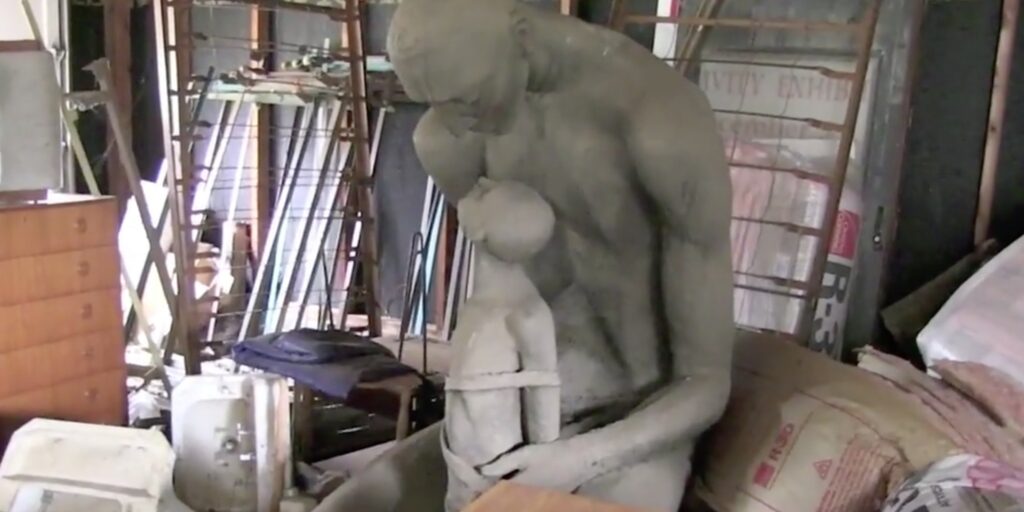
    Photo by David Miller © 2011


    During the interview, Paulus said, “Over here you will see a hand with the knife in it… and over here… you’ll see the hand with his son. I’ve done a lot of thinking about this over the years – the great Christian mystery of the crucifixion and the resurrection and… The very unpleasant thing is that God can ask everything of us sometimes… The whole mystery of why we die, and why we die so miserably sometimes… In our time it’s a very unpopular story.“[/vc_column_text][vc_column_text]

    The Very Unpleasant Thing: That God Can Ask Everything of us Sometimes

    [/vc_column_text][vc_video title=”“YouTube” src=”“https://www.youtube.com/embed/UEARzbQzah8“” width=”“560“” height=”“315“” frameborder=”“0“”][/vc_column][/vc_row]

  • [Grailville Archive] The Very Unpleasant Thing: That God Can Ask Everything of us Sometimes

    [Grailville Archive] The Very Unpleasant Thing: That God Can Ask Everything of us Sometimes

    David Miller is the Publisher and Editor of Loveland Magazine

    by David Miller

    The statue that wasn’t to be seen in Loveland

    Loveland, Ohio – In December of 2011, I hadn’t seen the statute of Abraham and Isaac by Trina Paulus since it was first brought back to Grailville, carefully on the bed of a pickup truck. I was invited to be there when the statute was returned to Grailville for safekeeping. So jumped at the chance to be there when she saw it again for the first time in many years. Seeing it for the first time, placed temporarily under a gazebo behind the House of Joy, it was in my opinion the most significant piece of art I had ever seen in Loveland, and I believe, still so.

    We met Trina with our video camera for an interview by Alana Johnson, an artist in her own right, at Grailville and went in Alana’s car from the House of Joy to another house on the Grailville property, one across the road – to see if we could find it. This video was shot on December 9, 2011.

    It is wretched, distressing, tragic – and beautiful.

    At the time of my first seeing Abraham and Isaac, I begged the Grailville folks to let me help them find a place where the father and son could be publicly displayed, however, they determined it too controversial to do so. I think if I remember correctly, it was only “appropriate for mature audiences” and no one in Loveland was mature enough to see the old testament story depicted so threateningly and savagely real.

    Relistening to Paulus talk about her Abraham and Isaac and the essence of what she was conveying through the work of her sculpting hands and spiritual heart, is still is heartbreaking that the human soul was meant to struggle to understand such a contemptible subject.

    They were right of course because seeing the statute naked, absent Trina Paulus telling the story, is utterly perilous.

    At the time, I wrote, “The Abraham and Isaac statue is a poignant and significant piece of art. It is wretched, distressing, tragic – and beautiful. It has been stored temporarily for several years just outside of Loveland. Loveland Magazine Reporter Alana Johnson went with Paulus to an unlit garage at the Grailville Conference and Retreat Center Wednesday morning to see it. Paulus hadn’t seen her statue for several years.”

    “Johnson, kicking aside weeds at the door, struggling to operate the key, brushing away cobwebs, and in the darkness, her eyes needed a few seconds to dilate… ‘Aah. Oh. Ooh,” each second, as more is revealed. “That’s incredible. It’s incredible.”

    During Johnson’s interview, Paulus said, “Over here you will see a hand with the knife in it… and over here… you’ll see the hand with his son. I’ve done a lot of thinking about this over the years – the great Christian mystery of the crucifixion and the resurrection and… The very unpleasant thing is that God can ask everything of us sometimes… The whole mystery of why we die, and why we die so miserably sometimes… In our time it’s a very unpopular story.

    View Loveland Magazine’s other stories in our Graville Archive:

    Because posterity may wish to know.

  • [Video Archive] The holy nature of Grailville for a teenage girl

    [Video Archive] The holy nature of Grailville for a teenage girl

    David Miller is the Editor and Publisher of Loveland Magazine

    Our continuing series about Grailville and its rich cultural past

    by David Miller

    Loveland, Ohio– This interview with artist Trina Paulus by Alana Johnson was 11 years ago and conducted during the Advent season. We are into Holy Week, however, this interview will give you a nice glimpse into Grailville at the time and a “Way-Back Machine” view. Not much is being said about the dining hall at Grailville, however, with its large open space and expansive glass wall it was the perfect place to showcase art and you will see some extraordinary art in this interview.

    Paulus came to Grailville in 1949 as a teenager. She said it was a magnificent change for her even though the living circumstances then were extremely simple and sometimes primitive. “The cultural experience was a high art form.” She now lives in Montclair, New Jersey, however, returned to Grailville for the Advent Season in 2011 to talk about her work, as well as Grailville’s collection of over forty Nativity scenes from around the world.

    In talking about that particular Christian Advent season, Paulus described the global time we were living in as a period of, “preparation for the great change that we know is coming, but cannot yet predict.” She called it, “The pregnant time – the fuller coming of God into our hearts and the fuller coming of God into our world”

    Paulus started sculpting at the age of eight in Cleveland Heights, Ohio with mud from the creek in her back yard. She won national awards as a high schooler. She is now 90 years old and doing well.

    In this LOVELAND MAGAZINE TV VIDEO, Reporter Alana Johnson interviews Paulus in the dining hall at Grailville where Paulus had many of her Advent sculptures on display as part of their International Creche Exhibit.

    Of particular interest in the interview is Paulus’ description of life at Grailville in 1949 and the spiritual life there. Paulus describes life on the Grailville farm as a magnificent change for her. She said it seemed she was living in the Chartres Cathedral. “Our cultural life was a high art form.”

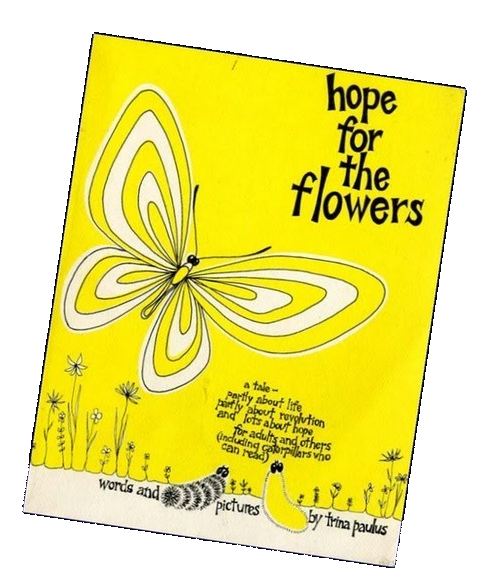
    In 1972, Paulus wrote the book, Hope for the Flowers. It is now translated into many languages and there are over two million copies in print.

    Grailville, just outside of Loveland was an environmental, education, and retreat center of The Grail, an international women’s movement. At the time of this interview, it was located on 300 acres, with organic gardens, hiking trails, woods, pastures, ponds, creeks, modest guest housing, and solitude.

    The Grailville Store featured fair-trade items, gifts, and specialty items from Grailville and Grail artists.

    To read more about the rich history of Grailville and its cultural significance check out Loveland Magazine’s:

    The Grailville ArchineBecause posterity may wish to know.