Tag: American Lung Association

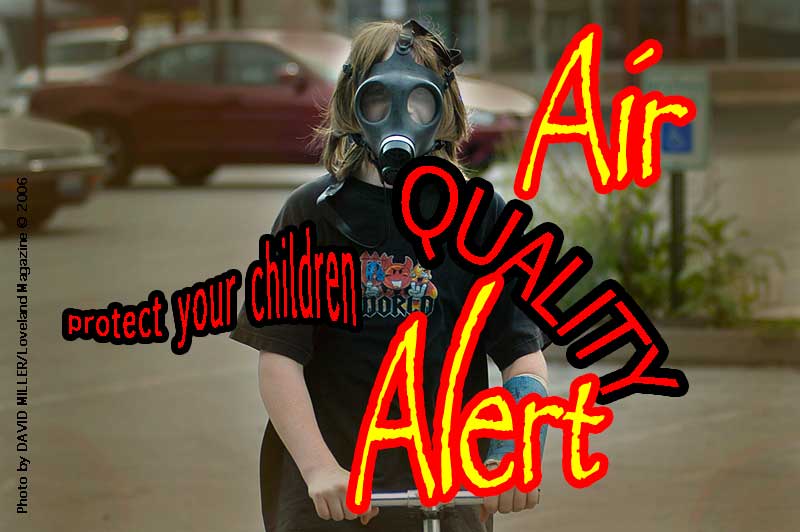
  • Children face special risks from today’s air pollution

    Children face special risks from today’s air pollution

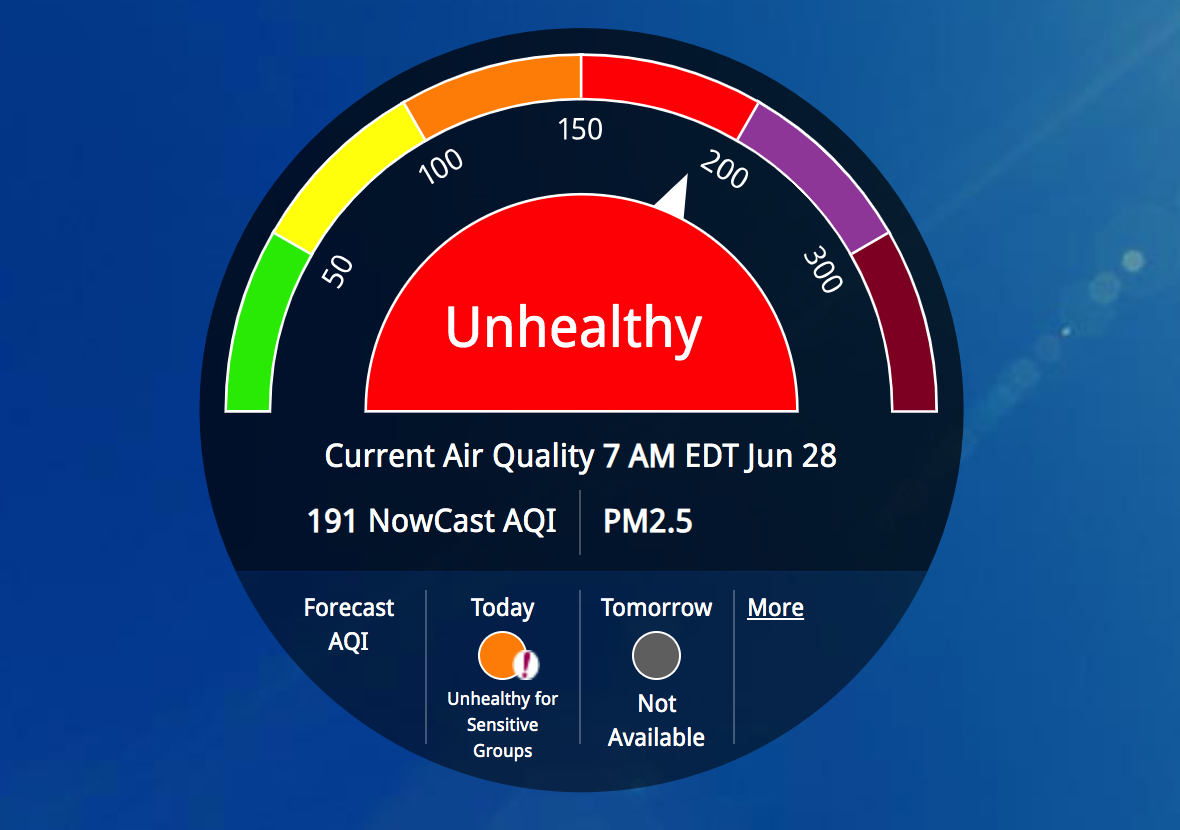
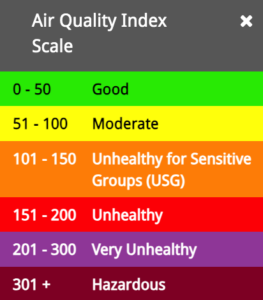
    The Air Quality Index for Loveland, Ohio was in the “Unhealthy” range at 8 AM this morning and approaching the “Very Unhealthy category.

    Do I need to be concerned?

    It’s always smart to pay attention to your air quality, but it’s especially true for people who may be at greater risk. They include:

    • People with heart disease.

    • People with lung disease, including asthma and Chronic Obstructive Pulmonary Disease (COPD).

    • Older adults.

    • Children and teenagers because their lungs are still developing, and they breathe more air per pound of body weight than adults.

    • Pregnant people.

    • Minority populations.

    • Outdoor workers

    Track real-time air quality measurements for Loveland, Ohio

    Loveland, Ohio – Children face special risks from air pollution because their lungs are growing and because they are so active and breathe in a great deal of air according to the American Lung Association.

    “Just like the arms and legs, the largest portion of a child’s lungs will grow long after he or she is born. Eighty percent of their tiny air sacs develop after birth. Those sacs, called the alveoli, are where the life-sustaining transfer of oxygen to the blood takes place. The lungs and their alveoli aren’t fully grown until children become adults. In addition, the body’s defenses that help adults fight off infections are still developing in young bodies. Children have more respiratory infections than adults, which also seems to increase their susceptibility to air pollution. Furthermore, children don’t behave like adults, and their behavior also affects their vulnerability. They are outside for longer periods and are usually more active when outdoors. Consequently, they inhale more polluted outdoor air than adults typically do.”
    Continuing reading from the American Lung Association

    Air Pollution Affects Children Before They Are Born

    Several studies have found air pollution linked to harm to children while they are still in the womb. A large study in California found that higher particle pollution levels increased the risk of preterm birth. Pregnant women exposed to even low levels of particle pollution had higher risk for preterm birth in a Boston study. Preterm births occurred more frequently when particle pollution spiked, as an Australian study found, even when they controlled for other risk factors.

    Air Pollution Limits Lung Growth in Children

    The Southern California Children’s Health study looked at the long-term effects of air pollution on children and teenagers. Tracking 1,759 children who were between ages 10 and 18 from 1993 to 2001, researchers found that those who grew up in more polluted areas face the increased risk of having reduced lung growth, which may never recover to their full capacity. The average drop in lung function was similar to the impact of growing up in a home with parents who smoked.

    Community health studies are pointing to less obvious, but serious effects from year-round exposure to ozone, especially for children. Scientists followed 500 Yale University students and determined that living just four years in a region with high levels of ozone and related co-pollutants was associated with diminished lung function and frequent reports of respiratory symptoms. Another earlier report from the Children’s Health study of 3,300 schoolchildren in Southern California found reduced lung function in girls with asthma and boys who spent more time outdoors in areas with high levels of ozone.

  • Smog Alert for Friday: Here is how you can help protect children and the elderly

    Smog Alert for Friday: Here is how you can help protect children and the elderly

    The Ohio EPA is predicting that the ozone level will be 130 on Friday.

    Predicted Air Quality Index (AQI) for the Loveland Area
    130
    Unhealthy for Sensitive Groups
     

    Health Message: Active children and adults, and people with lung disease, such as asthma, should reduce prolonged or heavy exertion outdoors.


    Steps you should take to protect you or your children’s health

    Reduce prolonged or heavy outdoor exertion. Take more breaks, do less intense activities. Watch for symptoms such as coughing or shortness of breath. Schedule outdoor activities in the morning when ozone is lower.

    People with asthma should follow their asthma action plans and keep quick relief medicine handy.


    Do Your Share!

    • Carpool, bike or walk instead of driving.
    • Use your most fuel efficient vehicle and drive gently.
    • Keep your motorcycle in the garage. They don’t have the pollution controls modern passenger vehicles do.
    • Refuel your vehicle after 8 PM; do not top off when refueling and tighten the gas cap.
    • Avoid idling your vehicle. (Avoid drive-thru windows.)
    • Combine trips and eliminate unnecessary vehicle trips
    • Do not use of gasoline-powered lawn equipment
    • Do not use of oil-based paints and stains
    • Never burn leaves or other yard trimmings.
    • Do not use fire pits.
    • Conserve electricity by turning off unnecessary lights.
    • Turn your air conditioner thermostat up and use room fans for cooling.
    • Save the power boating for another day.
    • Initiate an Air Pollution Alert Day policy where you work; whether that be a company you own, an employee, a local government agency you work for, or a school district.

    Sign up  for Enviroflash and Start Receiving Your Air Quality Forecast


    Children and Air Pollution

    Children face special risks from air pollution because their lungs are growing and because they are so active and breathe in a great deal of air.

    Just like the arms and legs, the largest portion of a child’s lungs will grow long after he or she is born. Eighty percent of their tiny air sacs develop after birth. Those sacs, called the alveoli, are where the life-sustaining transfer of oxygen to the blood takes place. The lungs and their alveoli aren’t fully grown until children become adults. In addition, the body’s defenses that help adults fight off infections are still developing in young bodies. Children have more respiratory infections than adults, which also seems to increase their susceptibility to air pollution.

    Furthermore, children don’t behave like adults, and their behavior also affects their vulnerability. They are outside for longer periods and are usually more active when outdoors. Consequently, they inhale more polluted outdoor air than adults typically do.

    Read on at The American Lung Association…


    Take advantage of special savings on energy efficient lighting and other products offered by Duke Energy

    LEDs use up to 90% less energy than traditional bulbs

    LEDs last at least 15 times longer than traditional bulbs


  • Air quality alert continues into Monday

    Air quality alert continues into Monday

    The Ohio EPA is predicting that the ozone level will be 125 on Monday.

    Predicted Air Quality Index (AQI) for the Loveland Area
    125
    Unhealthy for Sensitive Groups on Saturday
     

    Health Message: Active children and adults, and people with lung disease, such as asthma, should reduce prolonged or heavy exertion outdoors.


    Steps you should take to protect you or your children’s health

    Reduce prolonged or heavy outdoor exertion. Take more breaks, do less intense activities. Watch for symptoms such as coughing or shortness of breath. Schedule outdoor activities in the morning when ozone is lower.

    People with asthma should follow their asthma action plans and keep quick relief medicine handy.


    Do Your Share!

    • Carpool, bike or walk instead of driving.
    • Use your most fuel efficient vehicle and drive gently.
    • Keep your motorcycle in the garage. They don’t have the pollution controls modern passenger vehicles do.
    • Refuel your vehicle after 8 PM; do not top off when refueling and tighten the gas cap.
    • Avoid idling your vehicle. (Avoid drive-thru windows.)
    • Combine trips and eliminate unnecessary vehicle trips
    • Do not use of gasoline-powered lawn equipment
    • Do not use of oil-based paints and stains
    • Never burn leaves or other yard trimmings.
    • Do not use fire pits.
    • Conserve electricity by turning off unnecessary lights.
    • Turn your air conditioner thermostat up and use room fans for cooling.
    • Save the power boating for another day.
    • Initiate an Air Pollution Alert Day policy where you work; whether that be a company you own, an employee, a local government agency you work for, or a school district.

    Sign up  for Enviroflash and Start Receiving Your Air Quality Forecast


    Children and Air Pollution

    Children face special risks from air pollution because their lungs are growing and because they are so active and breathe in a great deal of air.

    Just like the arms and legs, the largest portion of a child’s lungs will grow long after he or she is born. Eighty percent of their tiny air sacs develop after birth. Those sacs, called the alveoli, are where the life-sustaining transfer of oxygen to the blood takes place. The lungs and their alveoli aren’t fully grown until children become adults. In addition, the body’s defenses that help adults fight off infections are still developing in young bodies. Children have more respiratory infections than adults, which also seems to increase their susceptibility to air pollution.

    Furthermore, children don’t behave like adults, and their behavior also affects their vulnerability. They are outside for longer periods and are usually more active when outdoors. Consequently, they inhale more polluted outdoor air than adults typically do.

    Read on at The American Lung Association…


    Take advantage of special savings on energy efficient lighting and other products offered by Duke Energy

    LEDs use up to 90% less energy than traditional bulbs

    LEDs last at least 15 times longer than traditional bulbs


  • Air quality remains dirty for Friday

    Air quality remains dirty for Friday

    Reduce prolonged or heavy outdoor exertion. Take more breaks, do less intense activities. Watch for symptoms such as coughing or shortness of breath. Schedule outdoor activities in the morning when ozone is lower.

    People with asthma should follow their asthma action plans and keep quick relief medicine handy.


    Air Quality Forecast for Friday, May 25

    (Click the Real-Time Air Quality link and watch in real-time as the pollution rolls across our region.)

    Air Quality Index (AQI)
    115
    Unhealthy for Sensitive Groups
    Health Message: Active children and adults, and people with lung disease, such as asthma, should reduce prolonged or heavy exertion outdoors.
    ACTION DAY


    Do Your Share!

    • Carpool, bike or walk instead of driving.
    • Use your most fuel efficient vehicle and drive gently.
    • Keep your motorcycle in the garage. They don’t have the pollution controls modern passenger vehicles do.
    • Refuel your vehicle after 8 PM; do not top off when refueling and tighten the gas cap.
    • Avoid idling your vehicle. (Avoid drive-thru windows.)
    • Combine trips and eliminate unnecessary vehicle trips
    • Do not use of gasoline-powered lawn equipment
    • Do not use of oil-based paints and stains
    • Never burn leaves or other yard trimmings.
    • Do not use fire pits.
    • Conserve electricity by turning off unnecessary lights.
    • Turn your air conditioner thermostat up and use room fans for cooling.
    • Save the power boating for another day.
    • Initiate an Air Pollution Alert Day policy where you work; whether that be a company you own, an employee, a local government agency you work for, or a school district.

    Sign up  for Enviroflash and Start Receiving Your Air Quality Forecast


    Children and Air Pollution

    Children face special risks from air pollution because their lungs are growing and because they are so active and breathe in a great deal of air.

    Just like the arms and legs, the largest portion of a child’s lungs will grow long after he or she is born. Eighty percent of their tiny air sacs develop after birth. Those sacs, called the alveoli, are where the life-sustaining transfer of oxygen to the blood takes place. The lungs and their alveoli aren’t fully grown until children become adults. In addition, the body’s defenses that help adults fight off infections are still developing in young bodies. Children have more respiratory infections than adults, which also seems to increase their susceptibility to air pollution.

    Furthermore, children don’t behave like adults, and their behavior also affects their vulnerability. They are outside for longer periods and are usually more active when outdoors. Consequently, they inhale more polluted outdoor air than adults typically do.

    Read on at The American Lung Association…


    Take advantage of special savings on energy efficient lighting and other products offered by Duke Energy

    LEDs use up to 90% less energy than traditional bulbs

    LEDs last at least 15 times longer than traditional bulbs


    Pottery Affaire in Loveland on Saturday, June 9th

    Whistle Stop Clay Works (WSCW) is hosting its first annual Pottery Affaire on Saturday, June 9th from 11am to 4pm. The show features unique,…