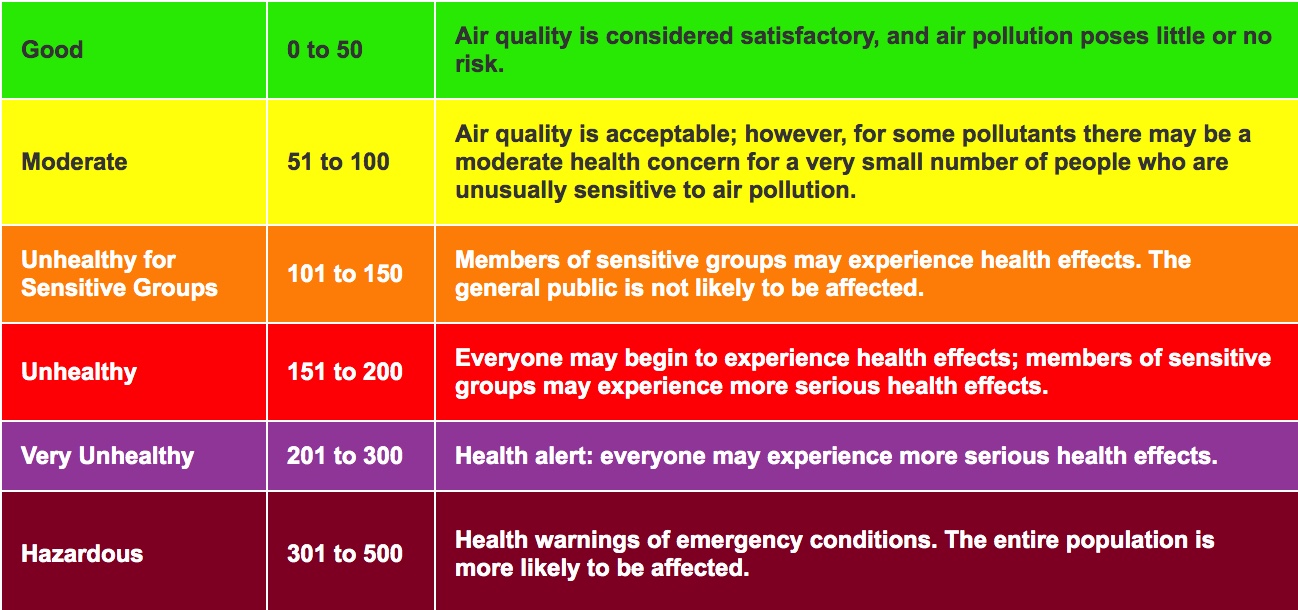
Loveland, Ohio – The Southwest Ohio Air Quality Agency expects to see levels of ozone in the “unhealthy for sensitive groups” range on the Air Quality Index (AQI).
Saturday, Aug 5
Unhealthy for Sensitive Groups
Ozone
This level of Ozone can be harmful to children, seniors, adults who are active outdoors (such as manual laborers), and people with heart disease, lung disease (such as asthma, emphysema, and bronchitis), or diabetes.
On Air Quality Alert days, everyone can help reduce ozone formation by taking the following actions:
Take the bus, carpool, bike, or walk instead of drive.
Refuel your vehicle after 8 p.m.; do not top off when refueling and tighten the gas cap.
Do not idle your vehicle; exhaust contributes considerably to ozone formation.
Combine trips or eliminating unnecessary vehicle trips.
Keep your vehicle maintained with properly inflated tires and timely oil changes.
Avoid use of gasoline-powered lawn equipment on Air Quality Alert days.
Avoid use of oil-based paints and stains on Air Quality Alert days.
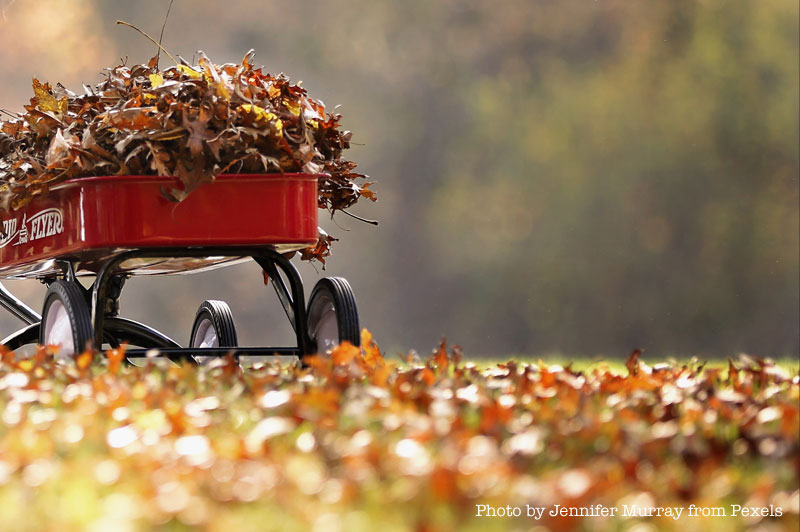
Never burn leaves or other yard trimmings.
Suspend use of fire pits, campfires and charcoal grills on Air Quality Alert days.
Conserve electricity by turning out lights and unplugging unused appliances and electronics.
Loveland, Ohio – The Southwest Ohio Air Quality Agency expects to see levels of ozone in the “unhealthy for sensitive groups” range on the Air Quality Index (AQI).
Friday, Aug 4:
108 AQI
Unhealthy for Sensitive Groups
Ozone
This level of Ozone can be harmful to children, seniors, adults who are active outdoors (such as manual laborers), and people with heart disease, lung disease (such as asthma, emphysema, and bronchitis), or diabetes.
On Air Quality Alert days, everyone can help reduce ozone formation by taking the following actions:
Take the bus, carpool, bike, or walk instead of drive.
Refuel your vehicle after 8 p.m.; do not top off when refueling and tighten the gas cap.
Do not idle your vehicle; exhaust contributes considerably to ozone formation.
Combine trips or eliminating unnecessary vehicle trips.
Keep your vehicle maintained with properly inflated tires and timely oil changes.
Avoid use of gasoline-powered lawn equipment on Air Quality Alert days.
Avoid use of oil-based paints and stains on Air Quality Alert days.
Never burn leaves or other yard trimmings.
Suspend use of fire pits, campfires and charcoal grills on Air Quality Alert days.
Conserve electricity by turning out lights and unplugging unused appliances and electronics.
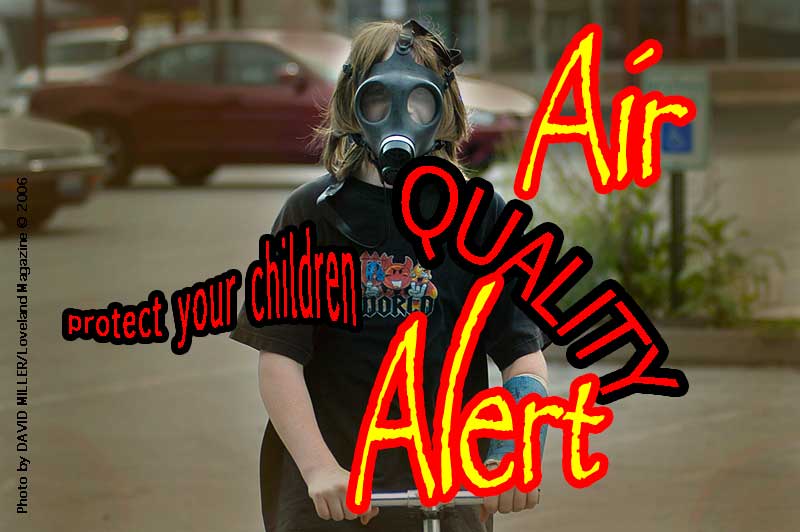
Loveland, Ohio – Children face special risks from air pollution because their lungs are growing and because they are so active and breathe in a great deal of air according to the American Lung Association.
“Just like the arms and legs, the largest portion of a child’s lungs will grow long after he or she is born. Eighty percent of their tiny air sacs develop after birth. Those sacs, called the alveoli, are where the life-sustaining transfer of oxygen to the blood takes place. The lungs and their alveoli aren’t fully grown until children become adults. In addition, the body’s defenses that help adults fight off infections are still developing in young bodies. Children have more respiratory infections than adults, which also seems to increase their susceptibility to air pollution. Furthermore, children don’t behave like adults, and their behavior also affects their vulnerability. They are outside for longer periods and are usually more active when outdoors. Consequently, they inhale more polluted outdoor air than adults typically do.”
Air Pollution Affects Children Before They Are Born
Several studies have found air pollution linked to harm to children while they are still in the womb. A large study in California found that higher particle pollution levels increased the risk of preterm birth. Pregnant women exposed to even low levels of particle pollution had higher risk for preterm birth in a Boston study. Preterm births occurred more frequently when particle pollution spiked, as an Australian study found, even when they controlled for other risk factors.
Air Pollution Limits Lung Growth in Children
The Southern California Children’s Health study looked at the long-term effects of air pollution on children and teenagers. Tracking 1,759 children who were between ages 10 and 18 from 1993 to 2001, researchers found that those who grew up in more polluted areas face the increased risk of having reduced lung growth, which may never recover to their full capacity. The average drop in lung function was similar to the impact of growing up in a home with parents who smoked.
Community health studies are pointing to less obvious, but serious effects from year-round exposure to ozone, especially for children. Scientists followed 500 Yale University students and determined that living just four years in a region with high levels of ozone and related co-pollutants was associated with diminished lung function and frequent reports of respiratory symptoms. Another earlier report from the Children’s Health study of 3,300 schoolchildren in Southern California found reduced lung function in girls with asthma and boys who spent more time outdoors in areas with high levels of ozone.
Loveland, Ohio – With sunny skies and temperatures expected to be in the mid-90s Tuesday through Thursday and likely associated dangerous levels of ground-level ozone (Smog), we’ve once again loaded our Ozone Alert widget to our homepage.
Loveland Magazine will continue providing our readers with information when air pollution alerts are issued for our area and this widget on our home page will allow readers the real-time information they need.
When alerts are issued for our local area we will provide tips you can use to do your share to avoid adding to the dangerous levels of Ozone both at home and at work.
Click below to give the widget a spin today:
Active hildren and the elderly are especially affected by high levels of Ozone that causes respiratory harm.
Ozone worsens asthma and COPD, and can cause early death from both short-term and long-term exposure.
Ozone can cause cardiovascular harm (e.g., heart attacks, strokes, heart disease, congestive heart failure) and may cause harm to the central nervous system. It may also cause reproductive and developmental harm.
Because children are so active during the Summer months and their lungs are still developing they are at particular risk when Ozone levels are elevated.
It may be hard to imagine that pollution could be invisible, but ozone begins that way. As ozone concentrates and mixes with other pollutants, we often call it by its older, more common name—smog. It is currently one of the least well-controlled pollutants in the United States.1 And it is also one of the most dangerous.
Scientists have studied the effects of ozone on health for decades. Hundreds of studies have confirmed that ozone harms people at levels currently found in the United States. In the last decade, we have learned that it can also be deadly.https://www.youtube.com/embed/7c2w1eATkro?rel=0
Breathing in ozone is like getting a sunburn on your lungs.
What Is Ozone?
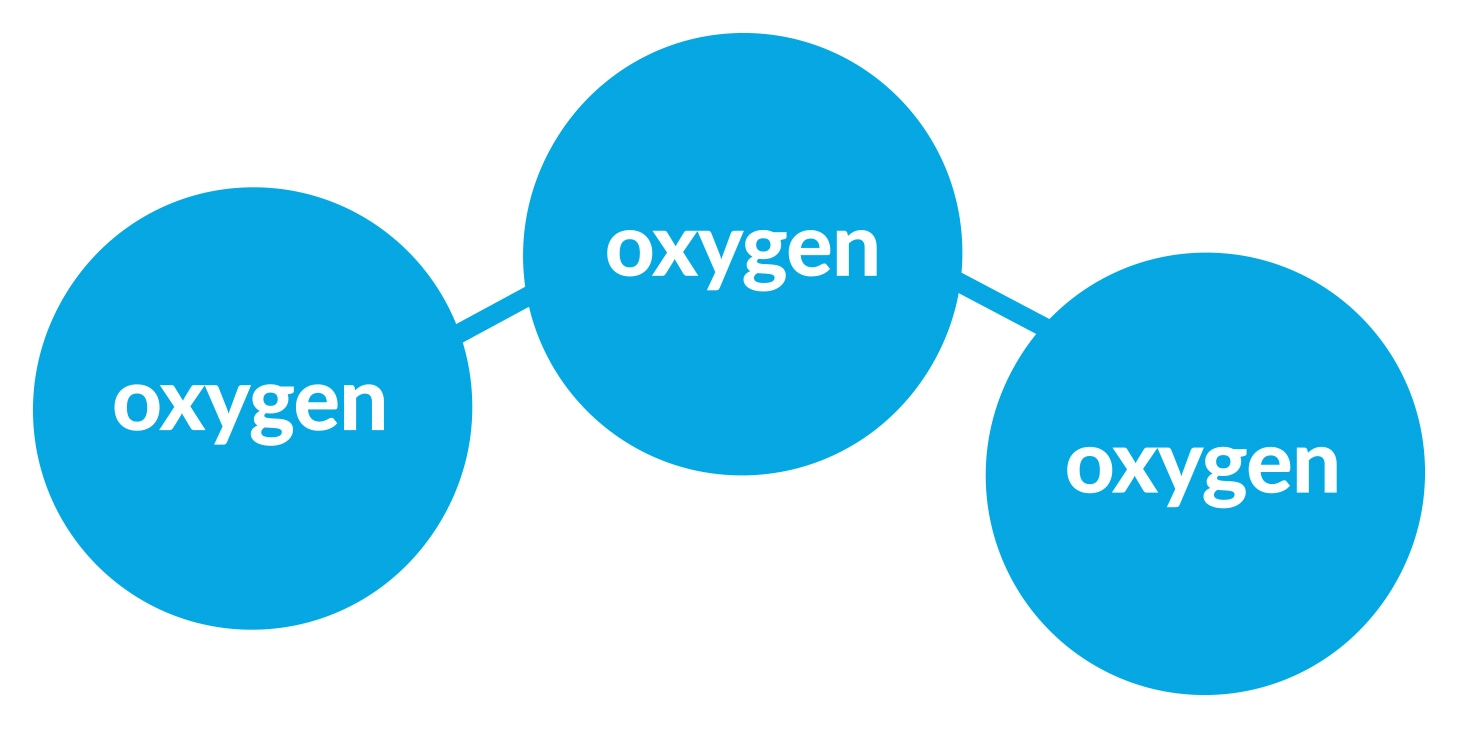
Ozone (O3) is a gas molecule composed of three oxygen atoms. Often called “smog,” ozone is harmful to breathe. Ozone aggressively attacks lung tissue by reacting chemically with it. When ozone is present, there are other harmful pollutants created by the same processes that make ozone.
The ozone layer found high in the upper atmosphere (the stratosphere) shields us from much of the sun’s ultraviolet radiation. However, ozone air pollution at ground level where we can breathe it (in the troposphere) causes serious health problems.
Where Does Ozone Come From?
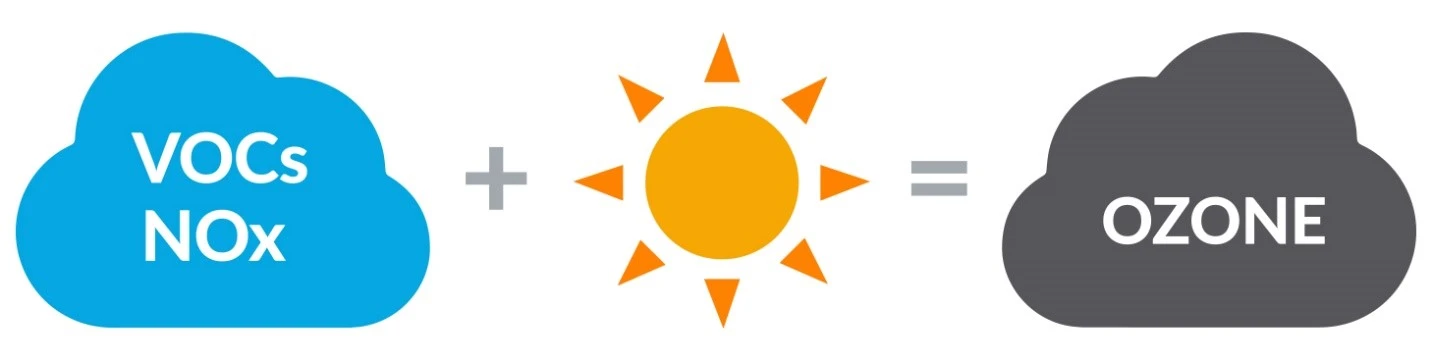
Ozone develops in the atmosphere from gases that come out of tailpipes, smokestacks and many other sources. When these gases come in contact with sunlight, they react and form ozone smog.
The essential raw ingredients for ozone are nitrogen oxides (NOx) and volatile organic compounds (VOCs). They are produced primarily when fossil fuels like gasoline, oil or coal are burned or when some chemicals, like solvents, evaporate. NOx is emitted from power plants, motor vehicles and other sources of high-heat combustion. VOCs are emitted from motor vehicles, chemical plants, refineries, factories, gas stations, paint and other sources.2
If the ingredients are present under the right conditions, they react to form ozone. Sunlight is key. And because the reaction takes place in the atmosphere, the ozone often shows up downwind of the sources of the original gases. In addition, winds can carry ozone far from where it formed, even internationally across borders and across the oceans.
You may have wondered why “ozone action day” warnings are sometimes followed by recommendations to avoid activities such as mowing your lawn or driving your car. Lawn mower exhaust and gasoline vapors contain nitrogen oxides (NOx) and volatile organic compounds (VOCs) that are key to the formation of ozone in the presence of heat and sunlight.
Who Is at Risk from Breathing Ozone?
Anyone who spends time outdoors where ozone pollution levels are high may be at risk. Four groups of people are especially vulnerable to the effects of breathing ozone:
children and teens;3
anyone 65 and older;4
people with existing lung diseases, such as asthma and chronic obstructive pulmonary disease (also known as COPD, which includes emphysema and chronic bronchitis5; and
people who work or exercise outdoors.6
In addition, some evidence suggests that other groups—including women, people who suffer from obesity and people with low incomes—may also face higher risk from ozone.7 More research is needed to confirm these findings.
The impact on your health can depend on many factors, however. For example, the risks are greater if ozone levels are higher, if you are breathing faster because you’re working or exercising outdoors or if you spend more time outdoors.
Again, the impact of even short-term exposure to ozone pollution on healthy adults was demonstrated in the Galveston lifeguard study. In addition to the harmful effects of particle pollution, lifeguards had greater obstruction of their airways at the end of the day when ozone levels were high.8
How Ozone Pollution Harms Your Health
Premature death. Breathing ozone can shorten your life. Strong evidence exists of the deadly impact of ozone from large studies conducted in cities across the U.S., in Europe and in Asia. Researchers repeatedly found that the risk of premature death increased with higher levels of ozone.9 Newer research has confirmed that ozone increased the risk of premature death even when other pollutants also are present.10
Immediate breathing problems. Many areas in the United States produce enough ozone during the summer months to cause health problems that can be felt right away. Immediate problems—in addition to increased risk of premature death—include:
shortness of breath, wheezing and coughing;
asthma attacks;
increased risk of respiratory infections;
increased susceptibility to pulmonary inflammation; and
increased need for people with lung diseases, like asthma or chronic obstructive pulmonary disease (COPD), to receive medical treatment and to go to the hospital.3,4,5
Long-term exposure risks. New studies warn of serious effects from breathing ozone over longer periods. With more long-term data, scientists are finding that long-term exposure—that is, for periods longer than eight hours, including days, months or years—may increase the risk of early death.
Examining the records from a long-term national database, researchers found a higher risk of death from respiratory diseases associated with increases in ozone.14
New York researchers looking at hospital records for children’s asthma found that the risk of admission to hospitals for asthma increased with chronic exposure to ozone. Younger children and children from low-income families were more likely than other children to need hospital admissions even during the same time periods.15
California researchers analyzing data from their long-term Southern California Children’s Health Study found that some children with certain genes were more likely to develop asthma as adolescents in response to the variations in ozone levels in their communities.16
Studies link lower birth weight and decreased lung function in newborns to ozone levels in their community.17 This research provides increasing evidence that ozone may harm newborns.
Breathing other pollutants in the air may make your lungs more responsive to ozone—and breathing ozone may increase your body’s response to other pollutants. For example, research warns that breathing sulfur dioxide and nitrogen oxide—two pollutants common in the eastern U.S.—can make the lungs react more strongly than just breathing ozone alone. Breathing ozone may also increase the response to allergens in people with allergies. A large study published in 2009 found that children were more likely to suffer from hay fever and respiratory allergies when ozone and PM2.5 levels were high.18
Research shows lower levels of ozone cause harm. EPA released their latest complete review of the current research on ozone pollution in February 2013.19 EPA had engaged a panel of expert scientists, the Clean Air Scientific Advisory Committee, to help them assess the evidence that was brought together by EPA; in particular, they examined research published between 2006 and 2012. The experts on the committee and EPA concluded that ozone pollution posed multiple, serious threats to health. Their findings are highlighted in the box below. Based on that review, EPA strengthened the official limit on ozone, called the National Ambient Air Quality Standard, in 2015.
However, new research provides evidence that ozone can cause serious harm even at much lower levels. In a 2017 scientific paper, researchers provided further evidence in a nationwide study that older adults faced a higher risk of premature death even when levels of ozone pollution remained well below the current national standard.20
EPA Concludes Ozone Pollution Poses Serious Health Threats (2013)
Open burning can release many kinds of toxic fumes. Leaves and plant materials send aloft millions of spores when they catch fire, causing many people with allergies to have difficulty breathing.
The pollutants released by open burning also make it more difficult to meet health-based air quality standards, especially in or near large cities. The gases released by open burning can also corrode metal siding and damage paint on buildings.
Health Concerns
Burning household waste produces many toxic chemicals and is one of the largest known sources of dioxin in the nation. Other air pollutants from open burning include particulate matter, sulfur dioxide, lead and mercury. These pollutants have been linked to several health problems, including asthma, respiratory illnesses, nervous system damage, kidney and liver damage, and reproductive or developmental disorders.
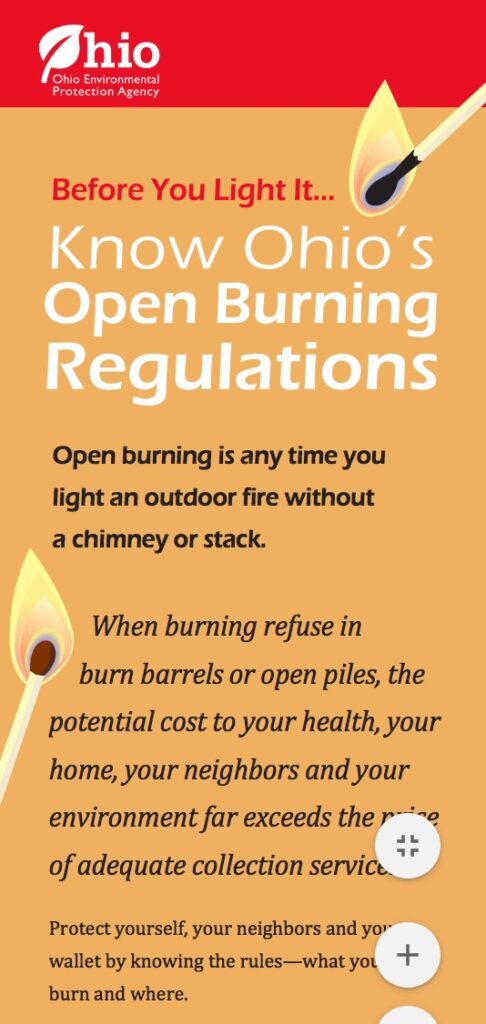
Open burning is any time you light an outdoor fire without a chimney or stack. When burning refuse in burn barrels or open piles, the potential cost to your health, your home, your neighbors and your environment far exceeds the price of adequate collection services. Protect yourself, your neighbors and your wallet by knowing the rules—what you can burn and where.
Open burning also adds co2 to the atmosphere and contributes to global climate change.
Jake Zuckerman is a statehouse reporter. He spent three years chronicling the West Virginia Legislature for The Charleston Gazette-Mail after covering cops and courts for The Northern Virginia Daily.
It started with a funeral.
Tina Maharath, a Democratic state senator from Canal Winchester, attended a wake Aug. 9 after her brother-in-law’s funeral, who died of non-COVID-19 illness.
Two of his family members, who Maharath said tested positive for COVID-19, came to the wake. Maharath described them as skeptical of the gravity of the COVID-19 pandemic.
“Slowly, one by one, we started getting the phone calls from each one of our family members,” she said in an interview.
Maharath comes from a big family — common, she said, among Laotians. Her husband has 19 siblings, she has 16. The new coronavirus, which causes COVID-19, left from the wake to invade 11 different family households, infecting 33 family members including a 9-month-old baby.
As of Thursday, two have died: Maharath’s 44-year-old sister-in-law, who had been battling brain cancer for a year, and her sister-in-law’s father-in-law.
Five family members were hospitalized, including one who Maharath said is likely to die soon from COVID-19. The five people hospitalized are between 34- and 76-years old. They were hospitalized anywhere from two to six weeks. Mahrath’s sister-in-law was ventilated for three weeks.
All five had underlying health conditions like asthma, high blood pressure and diabetes, all common conditions in Ohio.
The familial outbreak, Maharath said, is hopefully over. But uncertainty over longevity of symptoms or long term damage is frightening.
“We’re concerned because of the five people who were hospitalized, they still have lingering symptoms too, and another sister-in-law who was pregnant, she has lingering symptoms too,” Maharath said. “I don’t have underlying conditions, I’m not pregnant. So why do I have symptoms?”
Patient groups, calling themselves “long haulers,” have insisted they’ve been experiencing COVID-19 symptoms for month. The CDC has found COVID-19 can result in prolonged illness, even among younger and healthier adults.
Six weeks out from the positive test result, Maharath said she still feels COVID-19’s symptoms. She said she feels dehydrated, experiences coughing spells, and headaches.
Her lungs, she said, take most the heat.
“I just feel weak,” she said. “My lungs feel like something is just punching them. Randomly, it feels like something is just stabbing my lungs.”
Nearly 148,000 Ohioans have contracted COVID-19 according to state data, which officials believe to be an undercount. At least 4,715 have died.
Maharath’s diagnosis drew headlines in August. On Wednesday, however, Maharath shared the story of the outbreak through her family in a floor speech opposing Senate Bill 311.
The legislation, which Senate Republicans passed, would forbid the Ohio Department of Health from issuing anything like the stay-at-home order it issued in March, which closed “non-essential” businesses in an effort to slow the spread of the recently-detected coronavirus.
However, a COVID-19 diagnosis did not prove to be a proxy vote against the legislation.
Sen. Bob Peterson, R-Washington C.H., who contracted the disease earlier this month, voted in favor.
Sen. Frank Hoagland, R-Adena, did as well. He contracted a mild case of the disease in August. According to a Herald Star report, Hoagland’s wife was hospitalized with the disease as well. Both his wife’s parents reportedly died from COVID-19.
With what they hope to be the worst of the outbreak behind them, Maharath said her family is planning funerals for the deceased. They plan stricter social distancing and mask requirements.
Active children and adults, people with heart and lung disease, including asthma, and older adults should reduce prolonged or heavy outdoor exertion.
Air Quality Forecast is 105 AQI for Wednesday, July 15
The Southwest Ohio Air Quality Agency has issued an Air Quality Alert for Tuesday, July 15 for Butler, Clermont, Hamilton, and Warren counties in Ohio; Boone, Campbell, and Kenton counties in Kentucky; and Dearborn County in Indiana.
You can help protect those most vulnerable
• Take the bus, carpool, bike or walk instead of driving
• Refuel your vehicle after 8 p.m.; do not top off when refueling and tighten the gas cap
• Avoid idling your vehicle
• Combine trips or eliminate unnecessary vehicle trips
• Keep your vehicle maintained with properly inflated tires and timely oil changes
• Avoid use of gasoline-powered lawn equipment on Air Quality Advisory days
• Avoid use of oil-based paints and stains on Air Quality Advisory days
• Never burn leaves or other yard trimmings
• Always burn clean, seasoned wood in outdoor fire pits, fireplaces and wood stoves
• Do not use fire pits or fireplaces for non-essential home heating on Air Quality Advisory days
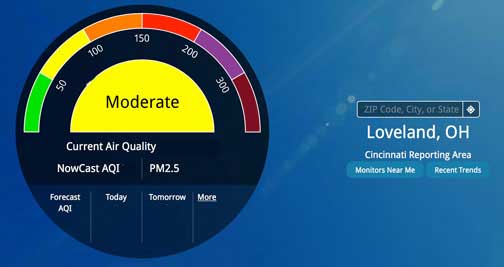
• Conserve electricityYou can check the current air quality by clicking on this image and entering a ZIP Code.
If you find that having this type of local news adds value to your quality of life, kindly consider contributing to the cost of producing it.
Active children and adults, people with heart and lung disease, including asthma, and older adults should reduce prolonged or heavy outdoor exertion.
Air Quality Forecast for Friday July 3 until Sunday July 5
The Southwest Ohio Air Quality Agency has issued an Air Quality Alert for Friday, July 3, 2020 through Sunday, July 5, 2020 for Butler, Clermont, Hamilton, and Warren counties in Ohio; Boone, Campbell, and Kenton counties in Kentucky; and Dearborn County in Indiana.
You can help protect those most vulnerable
You can help the situation locally by not using fire pits, lighting campfires, charcoal grills, or setting off fireworks.
If you conserve electricity by turning out lights and unplugging unused appliances and electronics during the alert it will reduce the demand for coal-burning power plants in our region.
Take the bus, carpool, bike, or walk instead of drive.
Refuel your vehicle after 8 p.m.; do not top off when refueling and tighten the gas cap.
Do not idle your vehicle; exhaust contributes considerably to ozone formation.
Combine trips or eliminating unnecessary vehicle trips.
Keep your vehicle maintained with properly inflated tires and timely oil changes.
Avoid use of gasoline-powered lawn equipment on Air Quality Alert days.
Avoid use of oil-based paints and stains on Air Quality Alert days.
Never burn leaves or other yard trimmings.
Suspend use of fire pits, campfires and charcoal grills on Air Quality Alert days.
Conserve electricity by turning out lights and unplugging unused appliances and electronics.
You can check the current air quality by clicking on this image and entering a ZIP Code.
If you find that having this type of local news adds value to your quality of life, kindly consider contributing to the cost of producing it.
Active children and adults, people with heart and lung disease, including asthma, and older adults should reduce prolonged or heavy outdoor exertion. on Sunday. Some particles less than 10 micrometers in diameter can get deep into your lungs and some may even get into your bloodstream.
Air Quality Forecast for 06/28/20
Loveland, Ohio – Based on forecasted weather conditions and the impacts of the Saharan dust plume, the Southwest Ohio Air Quality Agency has issued anAir Quality Alert for Sunday, June 28.
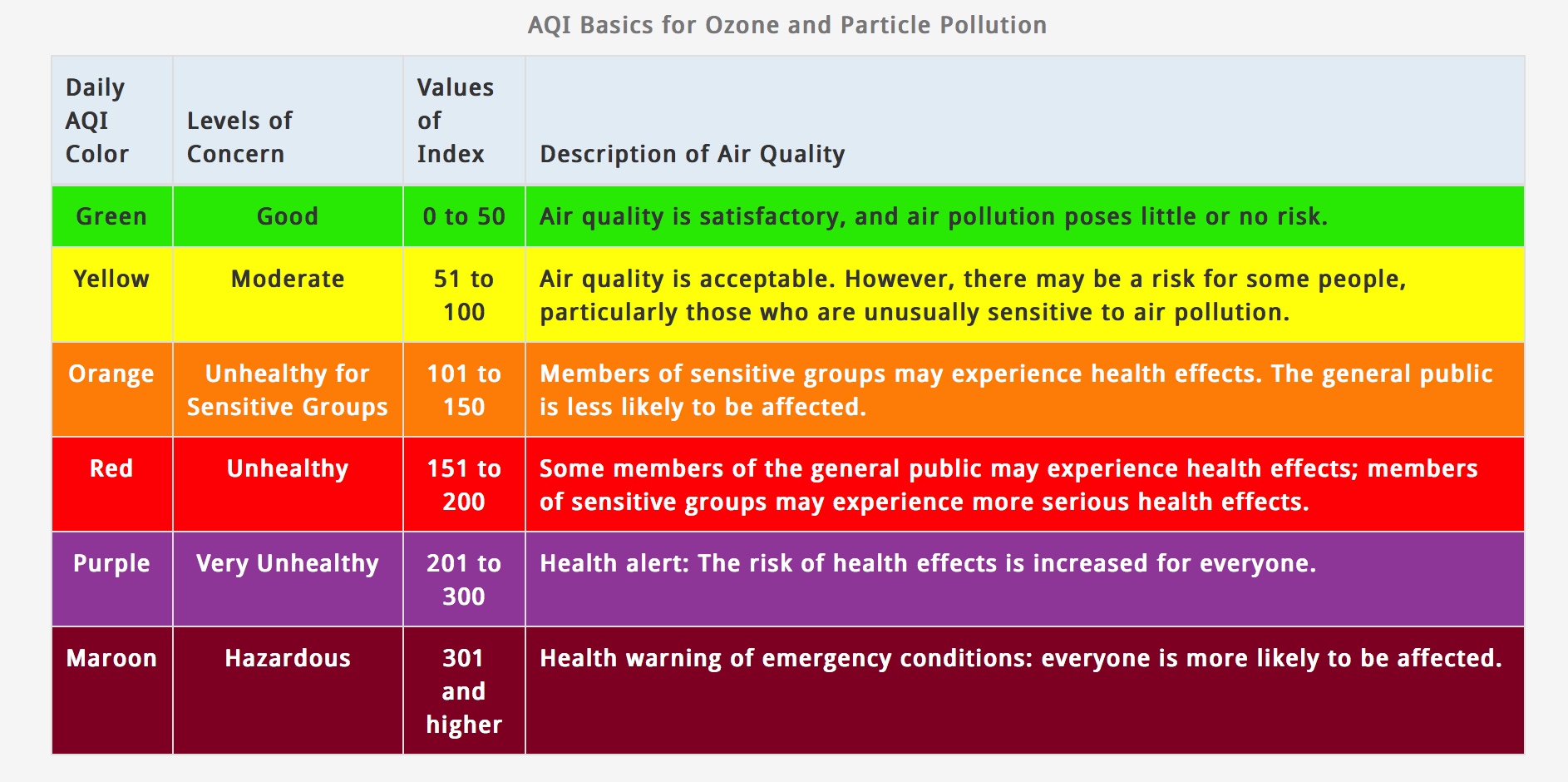
The Agency expects levels of particulate matter in the “Unhealthy for Sensitive Groups” range.
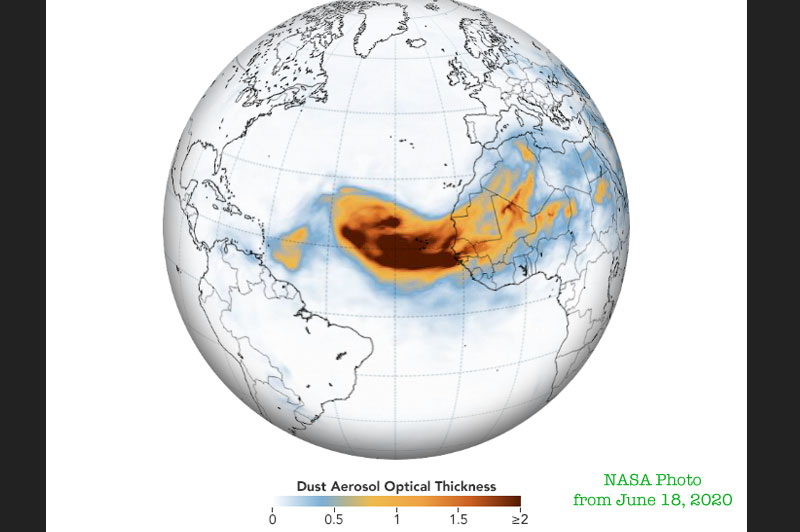
CBS news reports: What’s been called the most significant dust cloud in 50 years has now shrouded the U.S. Gulf Coast in a thick, dusty haze. The dust layer, which originated in the Sahara desert and drifted across the Atlantic, is forecast to continue moving north and east through the weekend, impacting areas from Texas and Florida all the way up to as far north as the Canadian border.
Both COVID 19 and the particulate matter from the Sahara attack the respiratory system. Those persons already considered part of the “vulnerable” population during the pandemic are most at risk, as well as infants and toddlers with developing lungs.
An expansive dust storm has been crossing the Atlantic Ocean, traveling from the Sahara Desert to Central America and the Gulf of Mexico. @NASA satellites can track tiny particles in the air — known as aerosols — such as dust. https://t.co/oo8XEfwUUxpic.twitter.com/QxM4eV4Llh
You can help the situation locally by not using fire pits, lighting campfires, charcoal grills, or setting off fireworks.
If you conserve electricity by turning out lights and unplugging unused appliances and electronics tomorrow it will reduce the demand for coal-burning power plants in our region.
If you must drive a vehicle and have a choice, consider an electric, hybrid, or gasoline-powered – over diesel. Diesel fuel is notorious for emitting dirty particulate emissions.
Use the vehicle that gets the best mileage and do not idle your vehicle.
Combine trips or eliminate unnecessary vehicle trips.
You can check the current air quality by clicking on this image and entering a ZIP Code.
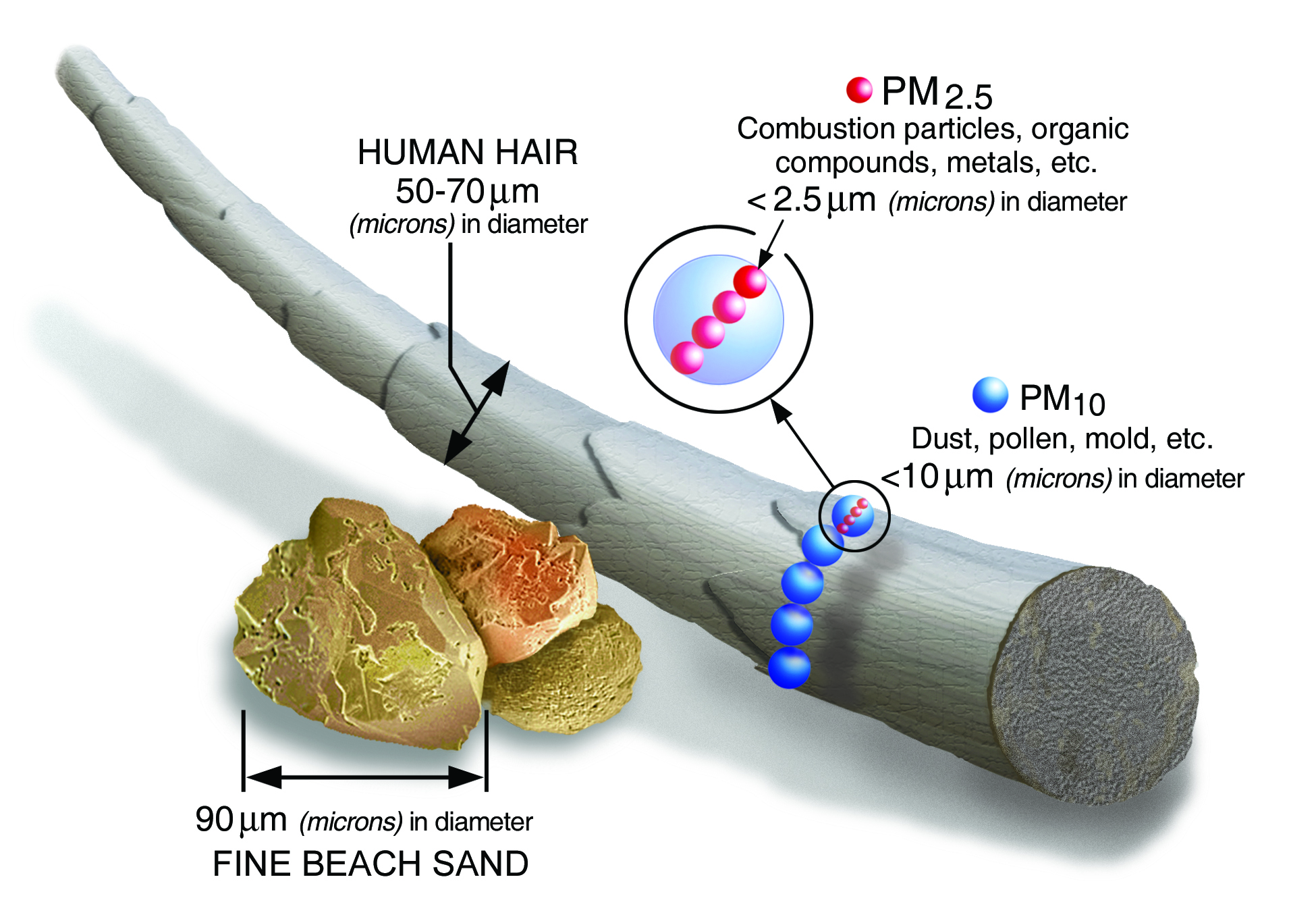
What is PM, and how does it get into the air?Size comparisons for PM particles
PM stands for particulate matter (also called particle pollution): the term for a mixture of solid particles and liquid droplets found in the air. Some particles, such as dust, dirt, soot, or smoke, are large or dark enough to be seen with the naked eye. Others are so small they can only be detected using an electron microscope.
Particle pollution includes:
PM10 : inhalable particles, with diameters that are generally 10 micrometers and smaller; and
PM2.5 : fine inhalable particles, with diameters that are generally 2.5 micrometers and smaller.
How small is 2.5 micrometers? Think about a single hair from your head. The average human hair is about 70 micrometers in diameter – making it 30 times larger than the largest fine particle.
Sources of PM
These particles come in many sizes and shapes and can be made up of hundreds of different chemicals.
Some are emitted directly from a source, such as construction sites, unpaved roads, fields, smokestacks or fires.
Most particles form in the atmosphere as a result of complex reactions of chemicals such as sulfur dioxide and nitrogen oxides, which are pollutants emitted from power plants, industries and automobiles.
What are the Harmful Effects of PM?
Particulate matter contains microscopic solids or liquid droplets that are so small that they can be inhaled and cause serious health problems. Some particles less than 10 micrometers in diameter can get deep into your lungs and some may even get into your bloodstream. Of these, particles less than 2.5 micrometers in diameter, also known as fine particles or PM2.5, pose the greatest risk to health.
Fine particles are also the main cause of reduced visibility (haze) in parts of the United States, including many of our treasured national parks and wilderness areas.
Health Message:Active children and adults, and people with lung disease, such as asthma, should reduce prolonged or heavy exertion outdoors.
ACTION DAY
Loveland, Ohio – The Southwest Ohio Air Quality Agency (Agency) has issued an Air Quality Advisory for Sunday, July 14 for Loveland, Butler, Clermont, Hamilton and Warren counties in Ohio; Boone, Campbell, and Kenton counties in Kentucky; and Dearborn County in Indiana. The Agency expects to see levels of ozone in the “unhealthy for sensitive groups” range on the Air Quality Index (AQI).
On Air Quality Advisory days, everyone can help reduce ozone formation by taking the following actions:
Take the bus, carpool, bike, or walk instead of drive.
Refuel your vehicle after 8 p.m.; do not top off when refueling and tighten the gas cap.
Do not idle your vehicle; exhaust contributes considerably to ozone formation.
Combine trips or eliminating unnecessary vehicle trips.
Keep your vehicle maintained with properly inflated tires and timely oil changes.
Avoid use of gasoline-powered lawn equipment on Air Quality Advisory days.
Avoid use of oil-based paints and stains on Air Quality Advisory days.
Never burn leaves or other yard trimmings.
Suspend use of fire pits, campfires and charcoal grills on Air Quality Advisory days.
Conserve electricity by turning out lights and unplugging unused appliances and electronics.



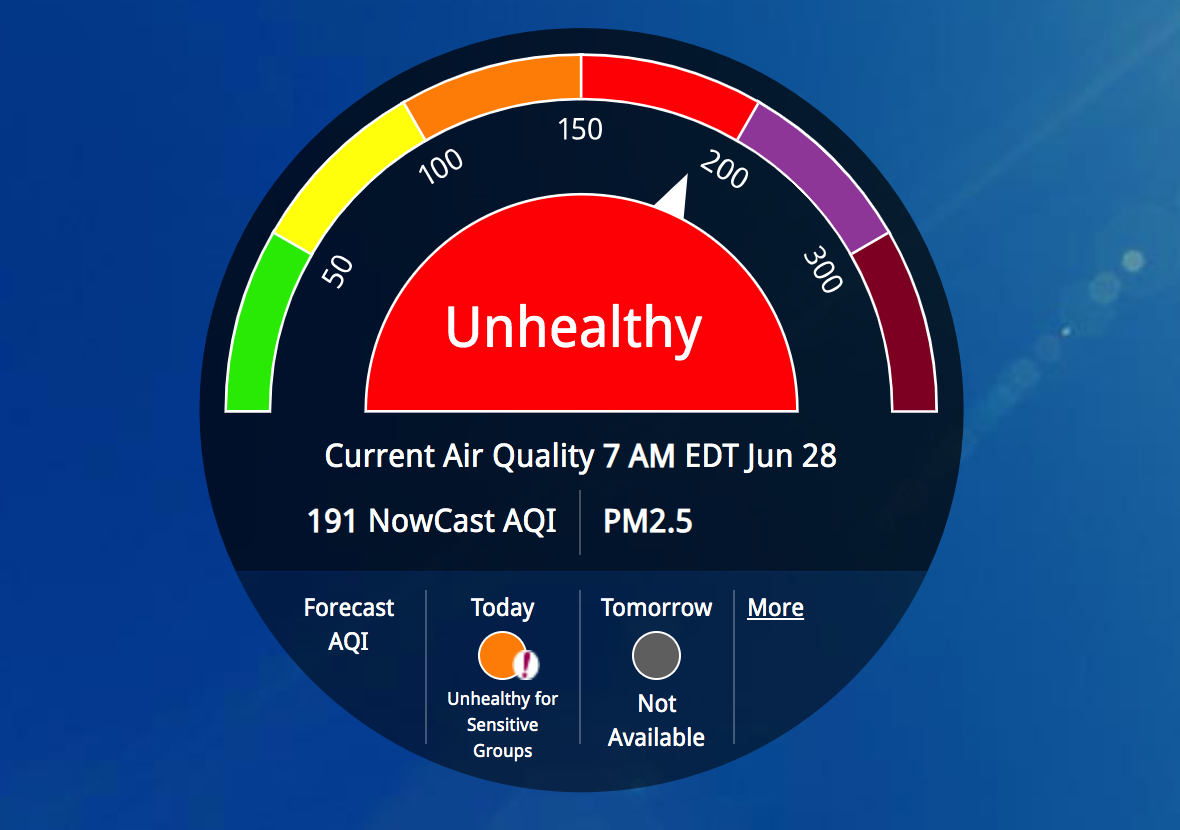
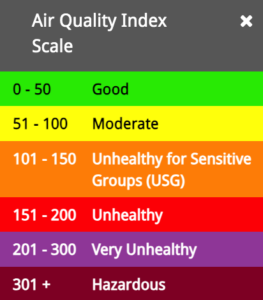 The Air Quality Index for Loveland, Ohio was in the “Unhealthy” range at 8 AM this morning and approaching the “Very Unhealthy category.
 The pollutants released by open burning also make it more difficult to meet health-based air quality standards, especially in or near large cities. The gases released by open burning can also corrode metal siding and damage paint on buildings.


 Jake Zuckerman is a statehouse reporter. He spent three years chronicling the West Virginia Legislature for The Charleston Gazette-Mail after covering cops and courts for The Northern Virginia Daily.
 You can help protect those most vulnerable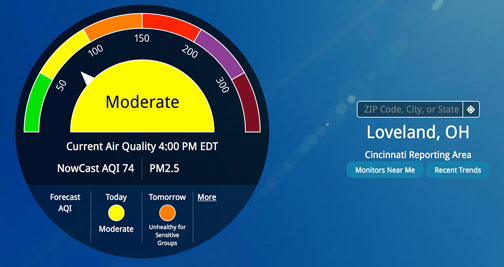


 Loveland, Ohio – Based on forecasted weather conditions and the impacts of the Saharan dust plume, the Southwest Ohio Air Quality Agency has issued an Air Quality Alert for Sunday, June 28.