Tag: Batavia

  • Clermont County Public Health: Exponential growth in the number of new COVID cases in Clermont County

    Clermont County Public Health: Exponential growth in the number of new COVID cases in Clermont County

    October 1 – 62 new cases per 100,000 residents

    November 12 – 410 new cases per 100,000 residents

    During the week of November 8-14, there was a 140 percent increase in the number of daily cases in Clermont County.

    The Loveland City School District reported 16 new COVID 19 CASES since last Wednesday.

    Batavia, Ohio – The number of new cases of COVID-19 in Ohio and Clermont County is increasing at an alarming rate according to a statement issued by the Clermont County health district today. The department reports a high of 186 new cases was reported in Clermont County on November 13 and the state of Ohio reported an all-time high of 8,071 new cases.

    As of November 12, when the latest public health advisory system numbers were released, Clermont County had a rate of 410 new cases per 100,000 residents. For comparison, on October 1, the county’s rate was only 62 new cases per 100,000 residents. During the week of November 8-14, there was a 140 percent increase in the number of daily cases in Clermont County.

    The exponential growth in the number of new cases in Clermont County has made it nearly impossible to keep up with disease investigation and contact tracing. “Up until this point, our goal has been to begin disease investigations within 24 hours of each new case being reported to us,” said Health Commissioner Julianne Nesbit.


    Warren County Health District “overwhelmed” with the rapid acceleration of new COVID-19 cases

    Loveland Magazine –  Nov 14, 2020


    a

    Disease investigations take time and involve a public health staff member calling each individual who has tested positive and get details like where they may have been exposed, every location they have been in the previous few days, and every person they may have been in contact with.

    After public health does their initial investigation, then they begin the process of contact tracing. That usually involves calling each person who was considered a close contact with the infected person and advising them to quarantine for 14 days from the date of exposure.

    “We have hired additional contact tracers, but it’s still not enough to keep up with the demand,” said Nesbit. “Our staff is doing everything we possibly can to keep up with the new cases, we are physically and emotionally exhausted, but we are continuing to do this important work to the best of our ability to protect our community.”

    “Our staff is doing everything we possibly can to keep up with the new cases, we are physically and emotionally exhausted

    “We have hired additional contact tracers, but it’s still not enough to keep up with the demand,” said Nesbit. “Our staff is doing everything we possibly can to keep up with the new cases, we are physically and emotionally exhausted, but we are continuing to do this important work to the best of our ability to protect our community.”

    In addition to hiring additional contact tracers, Clermont County Public Health (CCPH) has been using staff members from every other department to fill in the gaps and assist with contact tracing. CCPH also has a contract with the Ohio Department of Health for additional contact tracers that are being cross-trained to assist with disease investigations.

    Public Health has switched from making phone calls in some situations to sending emails to provide information on quarantine to save time. Now, with this many new cases, they have also begun mailing letters to each person that tests positive to save time. Phone calls are still being made when CCPH is aware of situations where there are a large number of contacts and the potential for further spread of the disease.

    The letters notify each person that tests positive what to do while they are in isolation and asks them to identify their contacts, who are advised to quarantine. “We are seeing so many new cases, we just cannot possibly keep up at this rate,” said Nesbit.

    “Local hospitals are already being stressed,” said Nesbit. “While all hospitals have surge plans in place where they can add more beds and take in more patients, they are going to run out of healthy, experienced workers to care for the sick patients, if this trend continues.”

    A summary of local hospital data can be found at https://www.cctst.org/covid19

    “We saw in the spring that we can flatten the curve, but we must be extra vigilant now, especially with the holidays coming up,” urged Nesbit.


    ccc

    The Loveland City School District reported 16 new COVID 19 CASES since last Wednesday.

    On 11/16/20, the district was notified that a student at the Loveland Early Childhood Center tested positive for COVID-19. This student was last at school on 11/12/20.

    On 11/16/20, the district was notified that a student at Loveland High School tested positive for COVID-19. This student was last at school on 11/09/20.

    On 11/16/20, the district was notified that a student at Loveland High School tested positive for COVID-19. This student was last at school on 11/13/20.

    On 11/16/20, the district was notified that a non-teaching staff member from Transportation and Loveland Primary School tested positive for COVID-19. This staff member was last at work / school on 11/12/20.

    On 11/13/20, the district was notified that a staff member at the Loveland Early Childhood Center tested positive for COVID-19. This staff member was last at school on 11/10/20.

    On 11/13/20, the district was notified that a Board of Education Central Office staff member tested positive for COVID-19. This staff member was last at work on 11/12/20.

    On 11/14/20, the district was notified that a staff member at Loveland High School tested positive for COVID-19. This staff member was last at school on 11/6/20.

    On 11/12/20, the district was notified that a student at Loveland High School tested positive for COVID-19. This student was last at school on 11/4/20.

    On 11/13/20, the district was notified that a student at Loveland Middle School tested positive for COVID-19. This student was last at school on 11/10/20.

    On 11/13/20, the district was notified that a student at Loveland High School tested positive for COVID-19. This student was last at school on 11/5/20.

    On 11/12/20, the district was notified that a student at Loveland High School tested positive for COVID-19. This student was last at school on 11/4/20.

    On 11/13/20, the district was notified that a student at Loveland Middle School tested positive for COVID-19. This student was last at school on 11/10/20.

    On 11/13/20, the district was notified that a student at Loveland High School tested positive for COVID-19. This student was last at school on 11/5/20.

    On 11/12/20, the district was notified that a student at Loveland Middle School tested positive for COVID-19. This student was last at school on 11/9/20.

    On 11/12/20, the district was notified that a student at Loveland High School tested positive for COVID-19. This student was last at school on 11/6/20.

    On 11/12/20, the district was notified that a staff member at Loveland High School tested positive for COVID-19. This staff member was last at school on 11/6/20.

    Loveland Schools COVID-19 Dashboard on 11-13-20

    The District does not publish quarantine data during the week, only on Fridays.
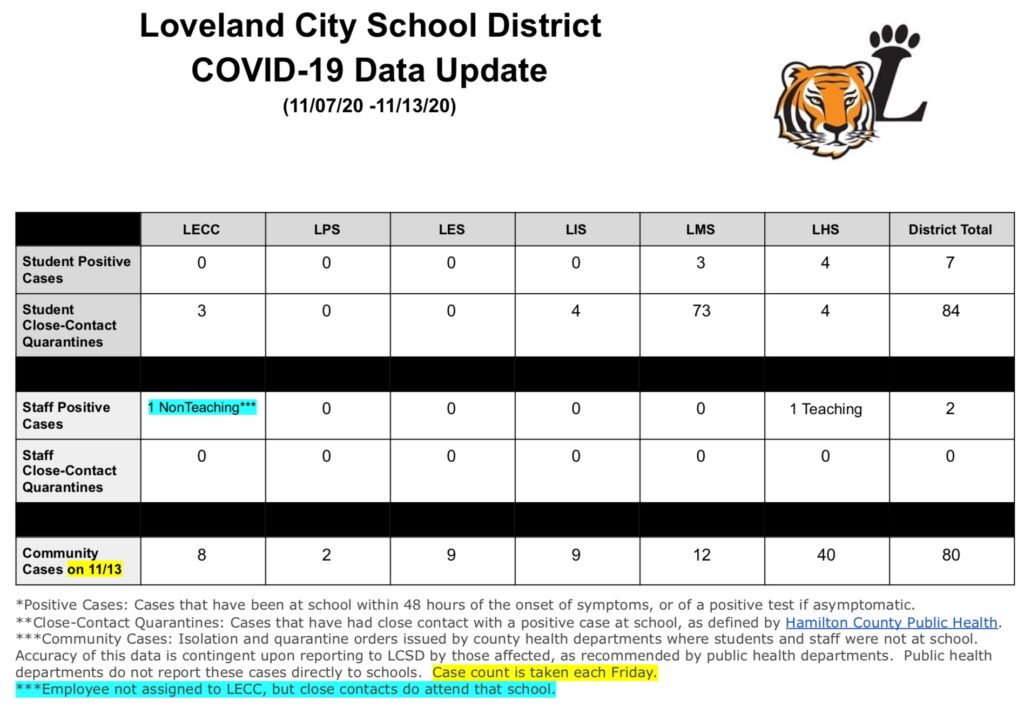
    Right-Click on the image and open in a new tab to see a larger view.


    What can you do to help?

    • Stay home if you are sick.
    • Quarantine yourself if you have been around someone who recently tested positive for COVID-19.
    • Wear a mask whenever you are in public.
    • Avoid large crowds.
    • Keep at least six feet of space between yourself and others.
    • Limit contact with people outside of your immediate household. If you are tested and receive a positive test result, you should:
      • Isolate yourself in your own home, away from others, as much as possible, for at least 10 days after your symptoms first appeared.
      • Notify each person you had direct contact with (defined as someone within six feet of you for a length of 15 minutes or longer within 24 hours) and ask them to quarantine in their house for 14 days after the potential exposure occurred. For more information or resources, visit the Ohio Department of Health’s coronavirus website at www.coronavirus.ohio.gov or Clermont County Public Health’s website at www.ccphohio.org.

  • Clermont authorities report increase in meth, cocaine and LSD after spring slowdown

    Clermont authorities report increase in meth, cocaine and LSD after spring slowdown

    Lt. Nick DeRose noted that the county also has experienced a rise in cocaine traffic – almost all laced with fentanyl – and LSD in recent weeks.

    Batavia, Ohio – Clermont County law enforcement and treatment specialists are noticing an uptick in methamphetamine (or meth) after a slowdown during the spring shutdown of the economy.

    The Clermont County Opiate Task Force touched base on drug and alcohol trends in the era of COVID-19 in an Aug. 13 meeting.

    For Help 24/7 Call: 528-SAVE (7283)

    Sheriff’s Office Lt. Nick DeRose, commander of the Clermont County Narcotics Task Force, said both volume and prices of meth have increased substantially in July and August. He noted that the county also has experienced a rise in cocaine traffic – almost all laced with fentanyl – and LSD in recent weeks.

    Fentanyl is a powerful synthetic opioid analgesic that is similar to morphine but is 50 to 100 times more potent. Lysergic acid diethylamide (LSD), also known colloquially as acid, is a hallucinogenic drug. Effects typically include altered thoughts, feelings, and awareness of one’s surroundings. Many users see or hear things that do not exist. Dilated pupils, increased blood pressure, and increased body temperature are typical, according to a news release issued by the County.

    “COVID slowed things down, but come June there was a major increase – mainly a mixture of meth with fentanyl,” said Lt. Matt Green of the Union Township Police Department. “Some are doing meth and cocaine and not knowing they’ve been laced with fentanyl.”

    The department has handled 40 overdoses in the past two months, Green said.

    The report also noted that people who use meth experience a roller coaster of emotions, members of the task force reported. Many meth users are fidgety with nervous energy. They often experience psychosis, with symptoms including delusions, hallucinations, talking incoherently, and agitation. The person with the condition usually isn’t aware of his or her behavior.

    Dr. Shawn Ryan of BrightView said meth causes the body to produce an amount of brain hormones “off the chart.” He added that it’s difficult to normalize the hormones as part of a treatment plan.

    Jamie Lutson of Clermont County Municipal Court Probation said she had noticed a big increase in females addicted to meth. “Some say they are using the drug to stay awake so they can work and take care of their children.”

    Lutson added that alcoholic relapses occurred more frequently as treatment programs “came to a screeching halt.”

    Lee Ann Watson, associate director of the Clermont County Mental Health & Recovery Board and co-chair of the Opiate Task Force, said the group will use the input to help target efforts to address the situation.

  • No detection of “forever chemicals” in Clermont County water system

    No detection of “forever chemicals” in Clermont County water system

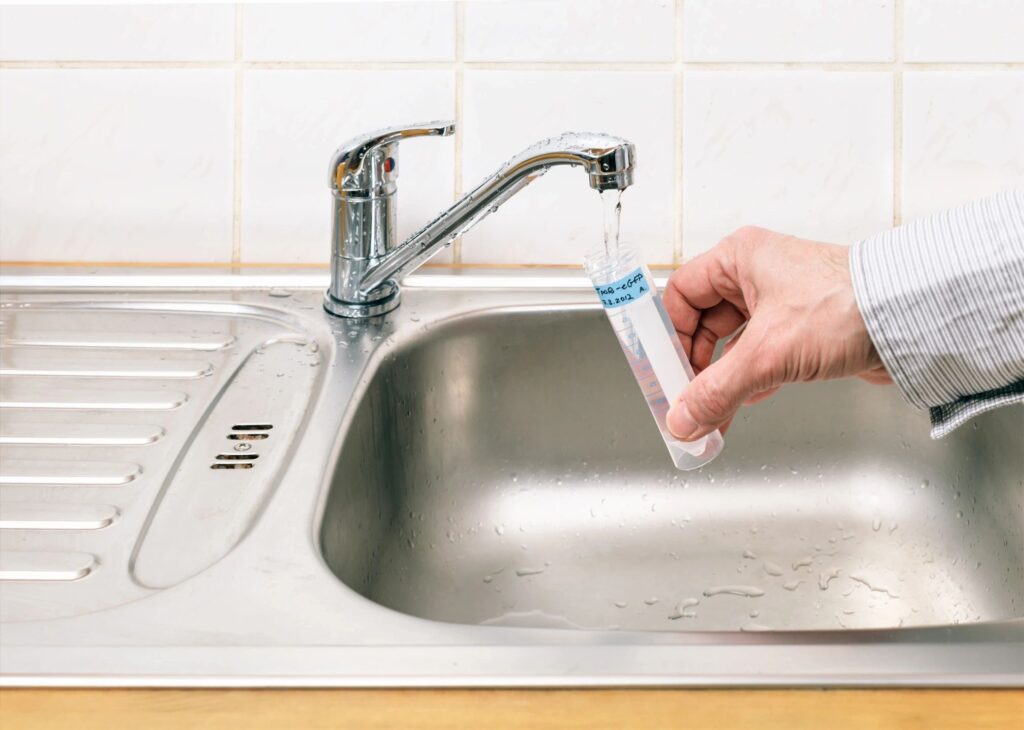
    Batavia, Ohio – A recent sampling of Clermont County’s water system for chemicals called Per and Polyfluoroalkyl Substances (PFAS) found no detection of harmful substances in our water. As a real-life parallel to the movie Dark Waters, which portrayed a town in West Virginia whose groundwater is contaminated by a neighboring chemical company, the Ohio Environmental Protection Agency (OEPA) has been sampling water systems across the state.

    “This is very good news,” said Lyle Bloom, Director of Clermont County Water Resources. “All three of Clermont County’s water treatment plants were sampled as part of Ohio’s Statewide PFAS Action Plan for Drinking Water and there was no detection of PFAS from the raw or finished water at any of our treatment facilities.”

    The Ohio Environmental Protection Agency (OEPA) has been sampling water systems across the state.

    The plan calls for Ohio EPA to gather data from public water systems statewide to determine if PFAS are present in drinking water. The water system was sampled for six individual PFAS contaminants: PFOA, PFOS, GenX, PFBS, PFHxS, and PFNA.

    PFAS are a group of man-made chemicals applied to many consumer goods to make them waterproof, stain resistant, or nonstick. PFAS are also used in products like cosmetics, fast food packaging, and a type of firefighting foam called aqueous film forming foam (AFFF) (which are used mainly on large spills of flammable liquids, such as jet fuel).  PFAS is also called the “forever chemical” because they are not easily broken down by sunlight or other natural processes. They may remain in the environment for many years.

    Recent sampling of Clermont County’s water system for chemicals called Per and Polyfluoroalkyl Substances (PFAS) found no detection of PFAS

    PFAS can enter drinking water at sites where they are made, used, disposed of, or spilled. Some, but not all, studies in humans with PFAS exposure have shown that certain PFAS may: affect growth, learning and behavior of infants and children; lower a woman’s chance of getting pregnant; interfere with the body’s natural hormones; increase cholesterol levels; affect the immune system; or increase the risk of certain cancers. Scientists are still learning about the health effects of exposures to mixtures of PFAS.

    In 2013, Clermont County performed sampling and analysis at all three of its water treatment plants. At that time, there was also zero detection of PFAS.  There are currently no national drinking water standards (Maximum Contaminant Levels or MCLs) established for PFAS compounds; however, OEPA adopted Action Levels ranging from 21 to 140,000 ng/L for various PFAS chemicals. Ohio EPA will be establishing response protocols for public water systems in Ohio when action levels are exceeded, including public notification and issuance of drinking water advisories.


    Ohio EPA also has a website dedicated to PFAS with additional information:https://epa.ohio.gov/pfas

  • Clermont County Commissioners approved a 2020 General Fund operating budget of $61.5 million

    Clermont County Commissioners approved a 2020 General Fund operating budget of $61.5 million

    Batavia, Ohio – Clermont County Commissioners approved a 2020 General Fund operating budget of $61.5 million at their Dec. 11 session. The non-operating budget of $9.7 million includes one-time expenses for capital and economic development projects within the General Fund.

    The General Fund is the largest discretionary source of funds in the county and finances 20 of 21 elected offices in Clermont County. The Engineer’s Office is funded through state gasoline taxes and driver license fees. Clermont County Commissioners also appropriated $199.2 million in 2020 for the other 114 special purpose funds under their budgetary control.

    As required by law, the budget is balanced, with expenses not exceeding projected revenues plus unobligated cash.

    Sales tax revenue, which provides nearly 47 percent of General Fund revenue, is estimated to be $30 million in 2020. The next two largest streams of revenue include charges for services ($10 million) and property taxes ($9 million)  included within the General Fund.

    In 2020, General Fund program areas will be funded as follows:

    Criminal justice: $26.8 million

    Judicial services: $14.7million

    General government: $12.3 million

    Public safety: $4.5 million

    Health and human services: $3.3 million

    Personnel costs account for the largest share of the total General Fund budget — $49.6 million, or 70% of the budget, with $21.6 million going to other expenses.

    For questions, contact Office of Management and Budget Director Mary Rains, mrains@clermontcountyohio.gov, 513.732.7988.


  • Changes to conservation program should appeal to farmers

    Changes to conservation program should appeal to farmers

    Lori Lenhart is the NRSC district conservationist for Brown and Clermont Counties.

    Batavia, Ohio – The USDA Natural Resources Conservation Service (NRCS) is now accepting Conservation Stewardship Program (CSP) applications to be considered for funding in fiscal year 2019.  Applications must be submitted by May 10.

    Lori Lenhart, NRSC district conservationist for Brown and Clermont Counties, said, “This program is a great way for agricultural producers to take conservation activities on their farm to the next level. While this program has not been as popular as other NRCS programs in the past, the 2018 Farm Bill made several changes to CSP which should increase interest.”

    The 2018 Farm Bill authorizes NRCS to accept new CSP enrollments from now until 2023, and made some important improvements to the program. These updates include:

    • NRCS now enrolls eligible, high-ranking applications based on dollars rather than acres. For fiscal 2019, NRCS can spend up to $700 million in the program, which covers part of the cost for producers implementing new conservation activities and maintaining their existing activities.
    • Higher payment rates are now available for certain conservation activities, including cover crops and resource conserving crop rotations.
    • CSP now provides specific support for organic and for transitioning to organic production activities and a special grassland conservation initiative for certain producers who have maintained cropland base acres.

    CSP is offered in Ohio through continuous sign-ups. The program provides many benefits including increased crop yields, wildlife habitat improvements, and increased resilience to weather extremes. Eligible land uses for CSP enrollment include cropland, pastureland and forested land.

    While applications are accepted throughout the year, interested producers should submit applications to their local NRCS office by May 10 to ensure consideration for 2019 funding. For more information, contact Lenhart atlori.lenhart@oh.usda.gov, or (513) 732-2181 ext. 3.


  • Investigation continues on Clermont County siren issues

    Investigation continues on Clermont County siren issues

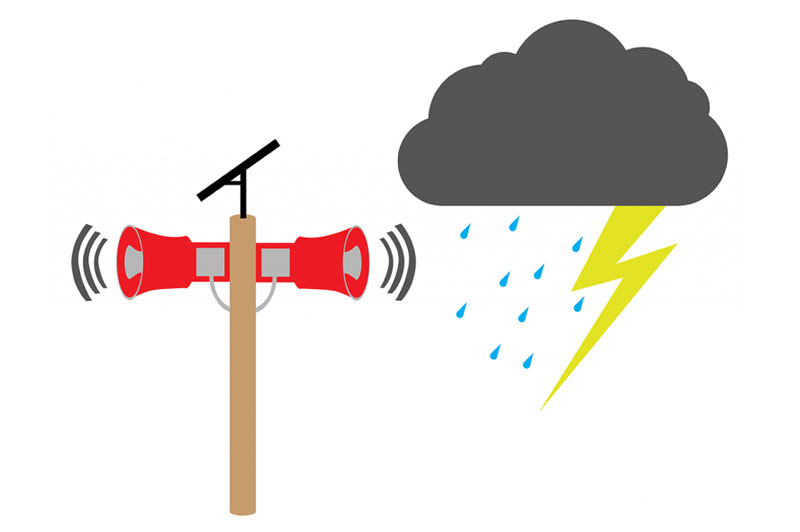
    Batavia, Ohio – The Clermont County Department of Public Safety Services is continuing to investigate what may have caused outdoor warning sirens to sound in Clermont County on Oct. 24 and Nov. 3. On both days, about half the sirens in the county went off at about the same time, 10:30 AM.

    Sirens in Clermont County are used in very limited circumstances, including when:

    • A tornado warning has been issued by the National Weather Service.
    • A funnel cloud is reported by credible source.
    • A chemical emergency has occurred and a shelter-in-place order has been issued.

    The sirens are tested once a month, at noon on the first Wednesday of the month.

    Clermont County has 74 sirens. They are located throughout the county to ensure that residents can hear them when they are outside.

    The sirens consist of reconditioned civil defense sirens, which receive a VHF signal for activation. The remainder are activated by a VHF/FSK signal (Frequency-Shift Keying) technology from the 1990s. Twice now the FSK sirens have been activated without human intervention. Investigations so far have not detected a cause for this random activation according to the County.

    After the activation on Saturday, a manual cutoff circuit was placed between the transmitter and the phone lines to prevent the signal from reaching the sirens. The sirens can still be manually activated if the need arises, said John Kiskaden, Director of Public Safety Services.

    American Signal, the manufacturer of the transmitter, is working with Clermont County to determine whether the transmitter is the issue and recommend solutions to resolve the random activation of the VHF/FSK sirens.

    “We understand the frustrations and confusion of our residents and we will find out why this is happening and do our best to ensure it does not happen again,” said Ed Humphrey, President of the Board of County Commissioners.

    “Inadvertent alarms are very concerning,” said Commissioner David Painter. “We will verify and reverify this system until we find out why this happened.”

    “Although residents are understandably confused by these false alarms, they should not ignore sirens,” said Pam Haverkos, Director of the Clermont County Emergency Management Agency. “If the sirens sound, seek shelter, tune into local media outlets for additional information, and take the appropriate action.”

    Residents are also encouraged to have multiple means of receiving weather-related alerts and warnings.  For more information go to:https://ema.clermontcountyohio.gov/emergency-notification/

    For more information on warning sirens, go to https://ema.clermontcountyohio.gov/outdoor-weather-sirens.


    Welcome to All About Kids We invite you to come visit one of our convenient locations, talk to our staff and teachers and learn why.


  • Per diem rates increase for some Clermont County foster care children

    Per diem rates increase for some Clermont County foster care children

    Batavia, Ohio – Clermont County Commissioners recently approved an increase to the per diem rate for therapeutic foster care children.

    The rate increased from $40 per day to $60 or $70 per day, depending on the number of children in the foster care home.

    There are children who are considered to have “therapeutic demonstrate behavior” that is considered from moderate to high risk, and may require psychiatric treatment. The child may be depressed, or have bouts of physical aggression, or frequent emotional outbursts.

    Commissioners also approved an increase in mileage rates.

    “The needs of these children place more demands on their foster parents,” said Sara Faison, Foster Care and Visitation Supervisor. “They may need to see a therapist on a regular basis, or require additional medical attention. The previous rate was $40 per day, and we did not think that was adequate to meet the particular needs of these children.” The rate was last increased in 2013, Faison said.

    One of the reasons Children’s Protective Services, which oversees the county’s foster care program, wanted to increase the therapeutic rate was to keep these children closer to their homes. “These children have often been placed in homes or centers outside the county,” Faison said. “We hope that by increasing the per diem rate, we can keep these children closer to their biological families, and keep them in the same school. This offers more stability to the child, which is so important.”

    The $60 per day rate is for families with one or two children in foster care, and applies only to the therapeutic child. The $70 per day rate is for families with three or more foster children, and again applies only to therapeutic children.

    Commissioners also approved an increase in mileage rates, from $.40 per mile to a standardized reimbursement rate listed by the U.S. General Services Administration, currently the rate is $.545 per mile. Foster parents are reimbursed for transporting children to approved medical and counseling appointments, and visitations with parents.

    For a complete list of current per diem rates for foster care children, which depend on the age of the child, whether the placement is considered an emergency, and other factors, click here:https://clermontforkids.org/clermont-county-foster-care-per-diem-rates/.

    “We would love to attract more foster care parents from Clermont County,” Faison said. “We are very supportive of our foster care parents, and they also support each other. It is far better for every child in foster care to stay as close as possible to their home so that the disruption they are experiencing isn’t worsened by a distant placement.”


      Accounting Plus–Bingaman Accounting and Tax Service, LLC is a tax preparation, payroll and bookkeeping company locally based in Loveland, OH.


  • Child Support Services offers amnesty for civil warrants

    Child Support Services offers amnesty for civil warrants

    Batavia, Ohio – Clermont County Child Support Services will offer amnesty during October to noncustodial parents who have outstanding civil warrants relating to a child support hearing. The amnesty does not include criminal cases that are filed in Common Pleas Court.

    During the month of October, parents who have failed to appear for a court hearing, or to report to jail to serve a sentence relating to child support only, should contact the Child Support Services.

    The child support agency will suspend or withdraw civil bench warrants for those parents who arrange to make payments toward their child support, who are employed or registered with Ohio Means Jobs, or who meet certain other criteria. There will be no fee for this service.

    “The goal of the amnesty program is to reduce the number of outstanding civil warrants and to try to get these parents back on track and heading in the right direction,” said Brenda Gilreath, assistant director of Child Support Services. “This amnesty program will allow the parents who have warrants an opportunity to reach a legal resolution by working on a compliance plan – and the resolution is at no cost for the service.”

    In March 2017, Child Support Services held an amnesty, and were encouraged by the response. One hundred twenty noncustodial parents had their warrants removed and began paying child support. “Our message then, and our message now, is that this is the right thing to do,” said Gilreath. “Parents who are in jail cannot hold a job, and cannot pay child support. If the parent is serious, we will do everything we can to help them so that they can help their children.”

    The child support program serves more children than any other public program in Ohio, second only to the Department of Education. In 2017, the Clermont County agency collected almost $36 million in child support. The agency currently has 719 civil warrants associated with child support cases, representing $10.3 million in past due support.

    To find out more, or to start arrangements, noncustodial parents can call the warrant caseworker at 513.732.7334 at any time (leave a voicemail after hours), or visit the Child Support  Office from 8 a.m. – 2 p.m. Monday through Thursday during the month of October. Appointments are not necessary during these hours but are encouraged.

    Noncustodial parents can also email shonna.johnson@jfs.ohio.gov. Find out more information on the Child Support Services website,  www.clermontsupportskids.org.

    Media: For more information, contact Theresa Bechtel Ellison, Lead Attorney, or Brenda Gilreath, Deputy Director, at 513.732.7429.


      Take Home Tano is about fresh, wholesome food for the frenzied family   Our goal is to meet the needs of busy families.
  • 1% increase in Clermont County lodging tax approved for FC Cincinnati

    1% increase in Clermont County lodging tax approved for FC Cincinnati

    Batavia, Ohio –  Clermont County Commissioners today approved a 1% increase in the countywide lodging tax. The revenue generated by the increase in the tax, approximately $223,000 a year, will be used to support a new training facility and youth academy for FC Cincinnati in the City of Milford, near Interstate 275 and U.S. 50.

    The vote was 2-1. Commissioners Ed Humphrey and David Uible voted in favor; Commissioner David Painter voted against the resolution.

    Taxes on hotel-motel rooms in Clermont County will increase from 6% to 7% after Oct. 1. Under an agreement among Clermont County, the City of Milford, and the Clermont County Convention & Visitors Bureau, the revenue generated by the lodging tax would be remitted by the CVB to the City of Milford to repay debt securities of $3.5 million used to help purchase the property.

    “I believe that the benefits from this deal far outweigh any tax incentives,” Ed Humphrey, President of the Board of County Commissioners, said. He noted that the City of Milford and the Milford School District were satisfied with their agreements with FC Cincinnati, and also that local police, fire and EMS said the new facility would not strain their resources, according to a press release issued by the County.

    Commissioner David Uible said that “as a businessman, I love this deal. Clermont County incentivizes the City of Milford to buy this property for FC with a 1% lodging tax. This will result in $7 million in additional spending each year … The clear winners are the City of Milford, the county as a whole, and all the citizens who call Clermont County home.”

    Commissioner David Painter, who voted against the resolution, said, “I didn’t think the return was high enough to fully represent the stakeholders of Clermont County, who are the citizens of Clermont County.”

    The total property purchase price was $5 million, of which Milford is paying $3.5 million and FC Cincinnati is paying $1.5 million. The 1% increase in the countywide lodging tax will “sunset” in 2038 or when the balance in the lodging tax account is sufficient to pay off the debt, whichever occurs first.

    The anticipated $30 million soccer complex will be built on 23.6 acres at the former Expressway Park location. FC Cincinnati hopes to complete the training facility by next summer.

    A study by Sports Facilities Advisory, a sports management consulting group based in Clearwater, Fla., estimated that the FC complex would generate almost 65,000 visitor days by out-of-town visitors and result in almost $7 million in direct spending annually, according to the press release.

    FC Cincinnati, whose owners were recently granted expansion status by Major League Soccer, will also build an estimated $200 million stadium in the West End of Cincinnati, which is expected to be open for the 2021 season . The team currently plays at Nippert Stadium at the University of Cincinnati.


      Take Home Tano is about fresh, wholesome food for the frenzied family   Our goal is to meet the needs of busy families
  • Representative from the Secretary of State’s office will be available in Batavia on September 7

    Representative from the Secretary of State’s office will be available in Batavia on September 7

    Ohio Secretary of State Jon Husted today announced that a representative from the Secretary of State’s office will be available in 17 counties around Ohio including Clermont.

    “Open office hours provide local residents an opportunity to stay connected with the Secretary of State’s office in an informal and accessible setting,” according to the press release.
    Those who visit open office hours may obtain voter registration forms and other election information. Additionally, an office representative will be on hand to answer questions about the various functions of the office and its many initiatives, such as the business services division, Ohio Business Profile and the Military Ready-to-Vote program.
    9/7/2018
    10 AM until Noon
    Batavia Branch Library
    180 South Third Street
    Batavia, Ohio 45103