
EDITOR’S NOTE: In reaction to this editorial, City Council voted on Tuesday, April 24 to have a public hearing on this proposal during the City Council meeting of May 9.
It’s past time City Hall start a dialogue with those most affected
 by David Miller, Publisher
Come take a walk with me while I tell you a story
It’s just my opinion, but I believe City Hall should start talking to people about this before it gets so far along people will need 1.6 million dollars worth of arguments against it. Once City Hall gets the funding for what they will describe as “Free Money” it will be extremely hard to turn council members to “No” votes. Residents should be given a fighting chance.
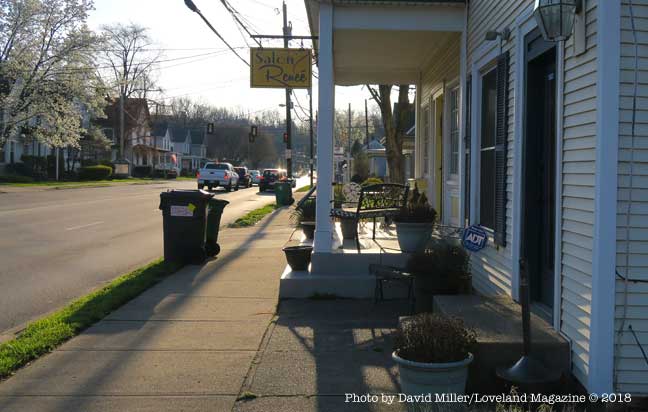
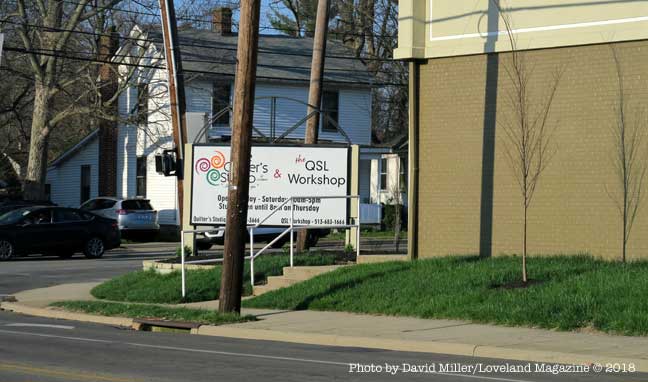
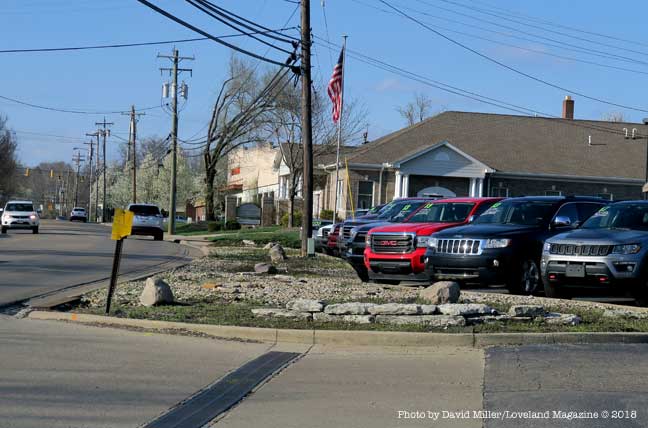
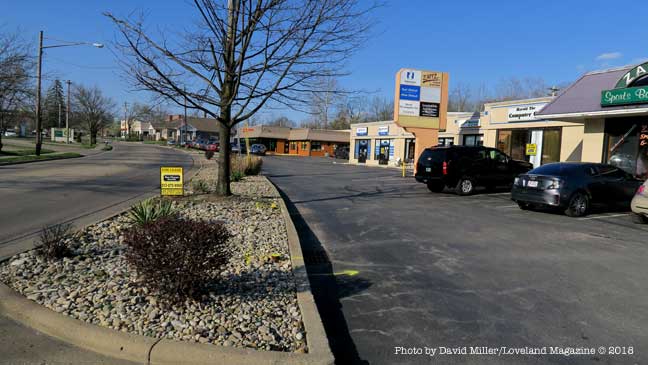
As the equivalent of a one-lane asphalt road that will cozy within feet of the front doors of homes and businesses in the West Loveland Historic District and along Loveland Madeira Road, and City Hall moves closer to securing funding, property, and homeowners have yet been asked their opinion. Almost all do not yet know the proposal has already been partially funded by Hamilton County and the Ohio, Kentucky, Indiana Council of Governments has committed their resources to finding 80 percent of the $1,623,000 and growing price tag for construction.
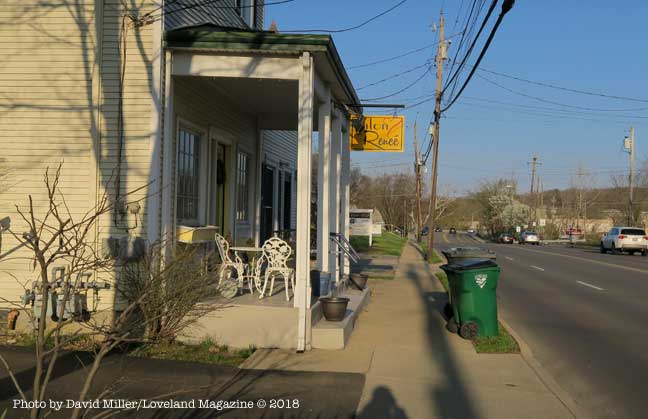
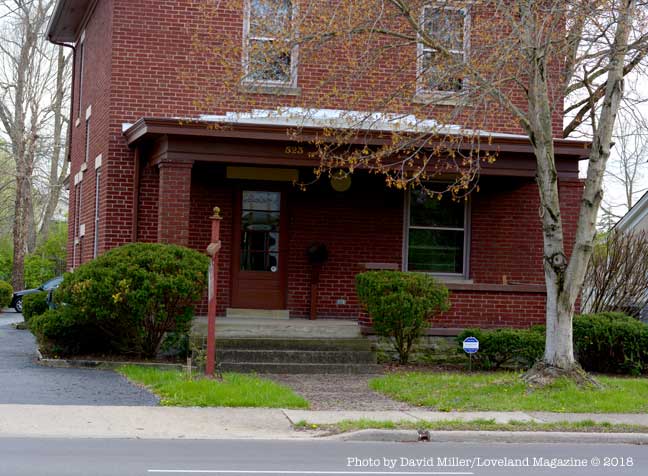
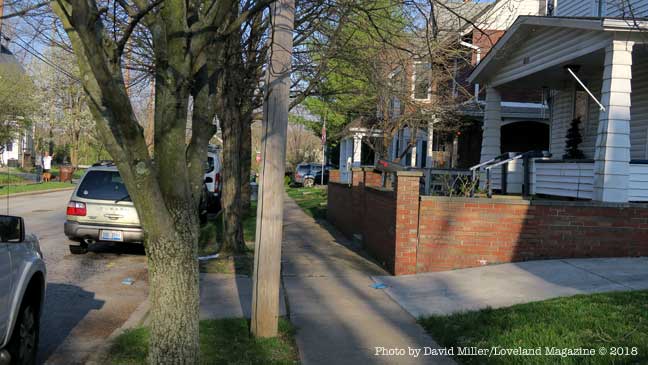
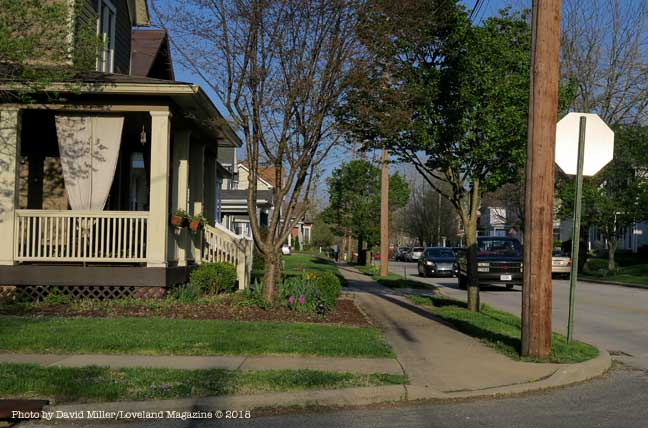
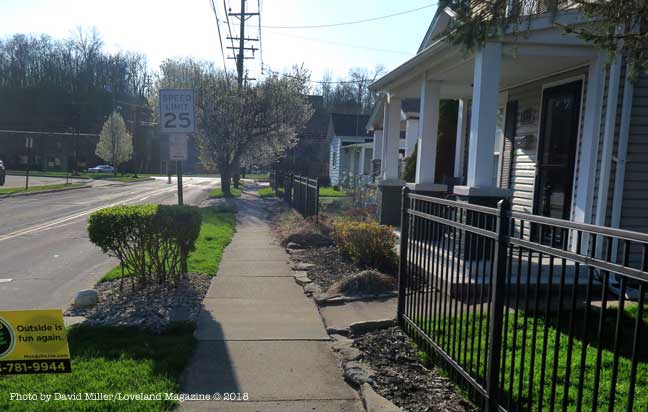
Some front porches would have to be removed to accommodate the 12’ wide asphalt bicycle road. The road will be reduced to 10’ wide only where construction proves difficult.
As the City Hall proposal gets yet more expensive and closer to fruition there is still no initiative from the Council table to ask the thoughts and suggestions of citizens, home-owners, affected businesses, property owners, or pertinent City Commissions and Committees.
As the City Hall proposal gets yet more expensive and closer to fruition there is still no initiative from the Council table to ask the thoughts and suggestions of citizens, home-owners, affected businesses, property owners, or pertinent City Commissions and Committees.
One property and business owner along the proposed route wrote to City Hall. Paul Elliott said, “I am under the impression that such a proposal ‘has legs’, and city officials are even seeking funding sources. First, as a taxpaying resident and longtime business/property owner on West Loveland Avenue, I am disappointed that no city official has approached either the public in general nor us property owners who may be affected by such a bike corridor.”
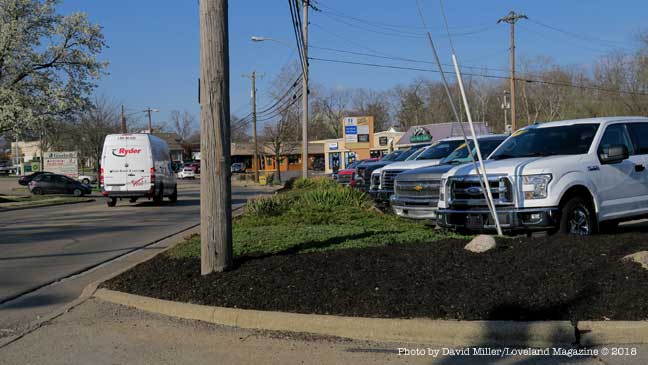
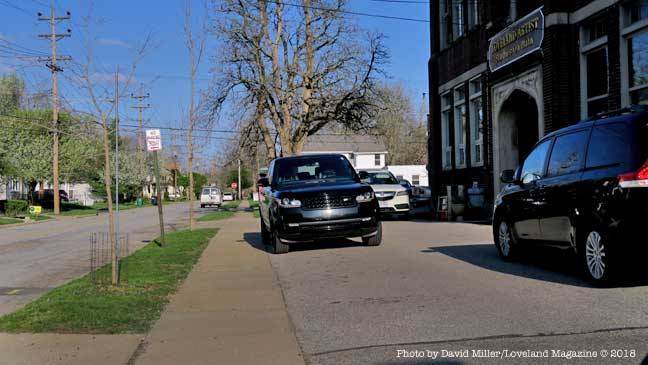
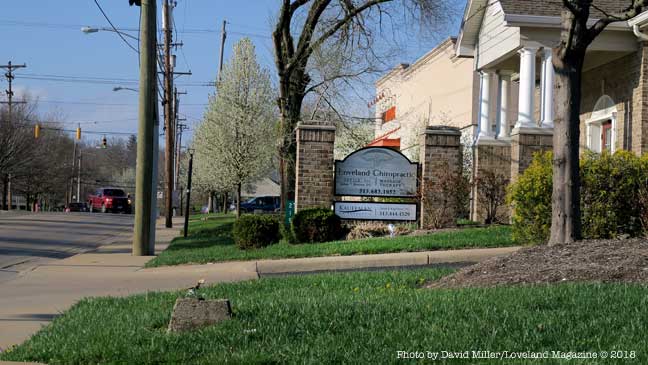
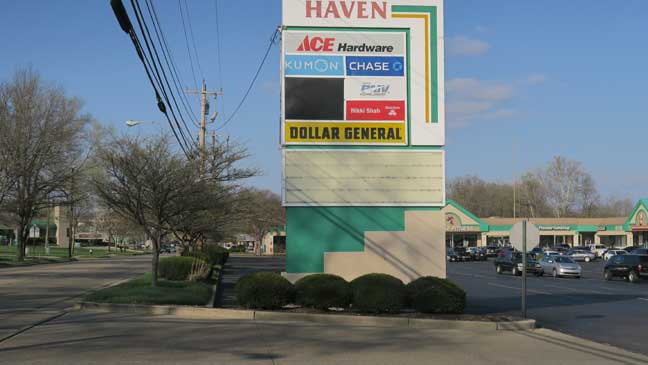
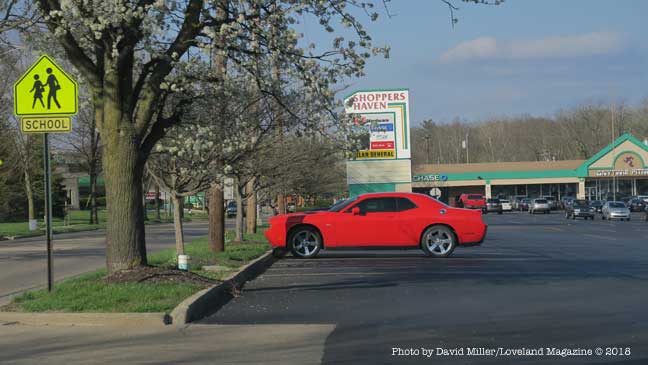
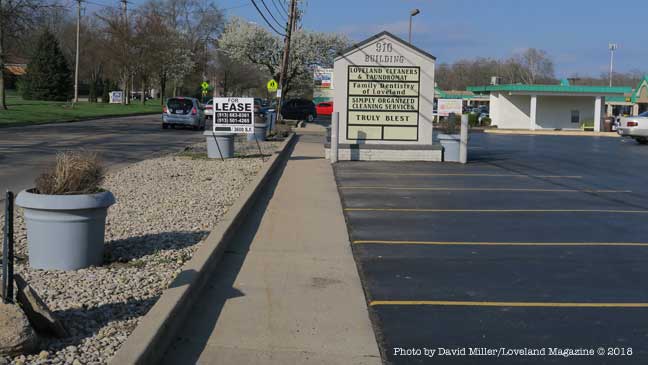
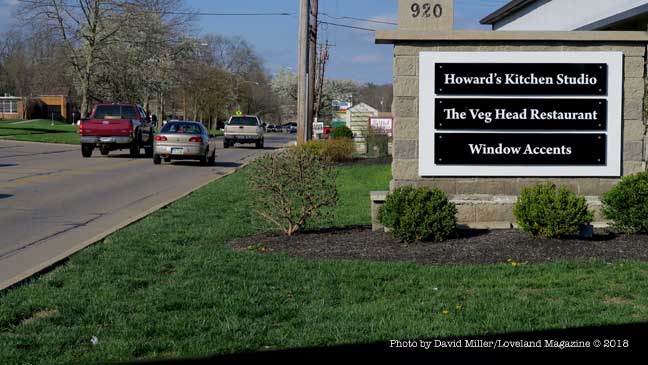
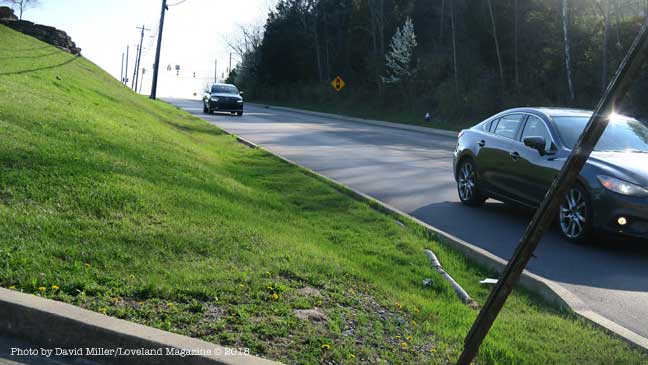
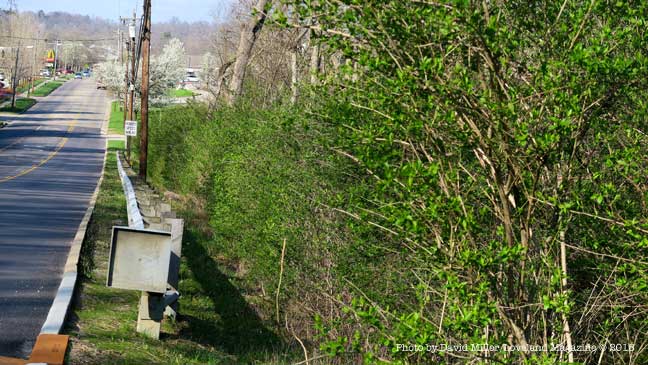
The project, called the Loveland Connector Trail, will be approximately 1.4 miles long and will begin at the Deer Ridge II Apartments being built next to New Hope Baptist Church. It will continue along Loveland Madeira Road to Main Street, to the southern part of Wall Street, then to West Loveland Avenue, crossing over the Little Miami River at the Col. Paxton Bridge ending in Historic Downtown.
“I am disappointed that no city official has approached either the public in general nor us property owners who may be affected by such a bike corridor.” – Resident and affected business owner, Paul Elliott.
The goal and impetus for the project are to reduce congested parking in the Downtown Historic District by encouraging Loveland Bike Trail users to park somewhere along the new bike road and ride their bikes into Historic Downtown.
City Manager, Dave Kennedy announced in February that he was confident he will find 80% of the $1,623,000 cost from the Federal Government. He has since announced changes that will raise the price tag an undetermined amount.
The study does not contain any data on the potential number of users, nor potential customers to Loveland Madeira Road businesses. The study also does not address any repercussions on the residential neighborhood of Main Street or the Business/Residential neighborhood on West Loveland Avenue. For instance, it does not address future maintenance or whether property owners will be responsible for snow and ice removal on a path that replaces their current sidewalks. It’s right to ask when residents are left without sidewalks, “When will the bike road be cleared of snow? Who will do it, with what type of equipment, and when will it happen?”
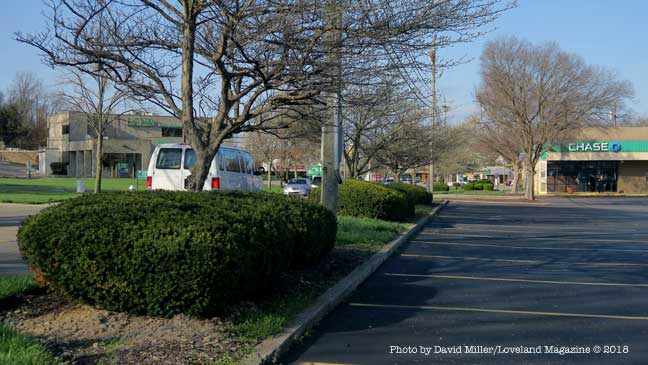
A close look at what is described as a “Detailed Cost Estimate” appears to be grossly underestimated in terms of things that are absent consideration such as acquiring private property, relocating business signs, and replacing private parking,
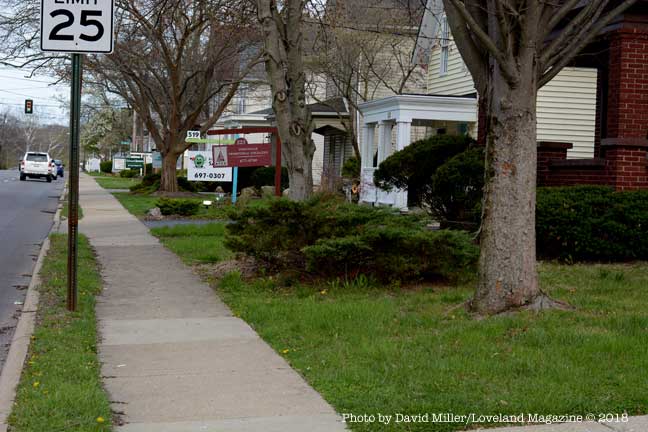
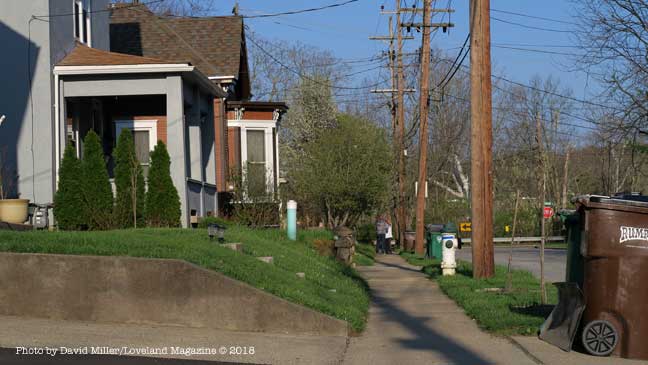
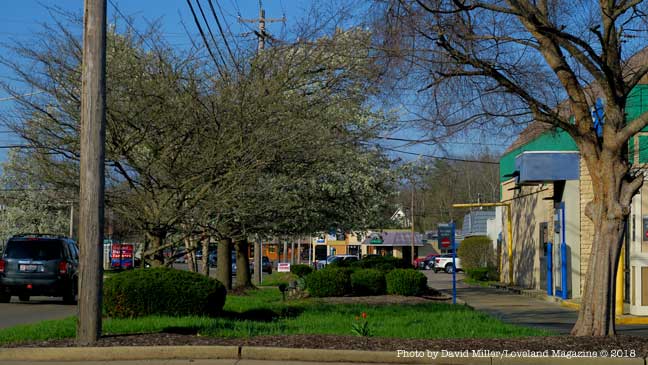
Light colored 4′ tree-shaded concrete sidewalks where children can walk without shoes, and people walk their dogs will be replaced with a 12’ barren swath of black, heat-absorbing asphalt the width of a one-lane road just feet from homes.
Light colored 4′ tree-shaded concrete sidewalks where children can walk without shoes, and people walk their dogs will be replaced with a 12’ barren swath of black, heat-absorbing asphalt the width of a one-lane road just feet from homes where owners will pay higher air-conditioning costs.
There has been no recommendation to forward the proposal to the Planning and Zoning Commission, Tree and Environment Committee, Beautification Committee, or Safety Service & Street Improvement Committee for review. No public hearings are scheduled. None have been suggested.
Phelps and City Manager Dave Kennedy have attended workshop/training on a Federal grant program along with a meeting with OKI officials to discuss the city’s project in more detail. While the updated cost estimate is being secured, the grant application is being reviewed and various needed documents are prepared. They plan to ask City Council in May to move forward seeking funding.
Phelps said that people who are using the bike trail are using too many of the downtown parking spots and using them for too long a period of time. “This is going to give them another place to get on the trail, better parking, easier on and off.” He believes the bike road will bring in new customers to Loveland Madeira Road businesses when they park nearby but head into Historic Downtown. The study does not contain any data on the potential number of users, nor potential customers to Loveland Madeira Road businesses. The study also does not address any potential negative repercussions on the residential neighborhood of Main Street or the Business/Residential neighborhood on West Loveland Avenue.
Some “Progressives” may love the idea, some may like it but believe it ill-considered given the impact on individuals who live or have invested in the impacted area. Some money conservatives may believe it an economic boon to both the Historic District and Loveland Madeira Road. Some money crunchers may ask, where is the cost-benefit analysis and just how many people will actually use it and spend money along Loveland Madeira Road. Some may ask if all costs factors have been included in the early estimate and if the price tag goes north after a grant is awarded – who will get stuck.
Elliott said his email to City Hall, that included the City Manager, Mayor and Council, the Planning and Zoning Commission, the Recreation Commission, and the Streets and Public Safety Committee was his attempt to open a dialogue between the decision makers, and those “of us” who will be financially and personally affected.
You can DOWNLOAD the full report HERE: Loveland Collector Trail Feasibility Study