Tag: black history month

  • ‘The power of showing up’: What this Black History Month means to 19th staff

    ‘The power of showing up’: What this Black History Month means to 19th staff

    This year’s celebration of our history and culture feels even more pressing, present and vital to many of us.

    This story was originally reported by The 19th. Meet the team and read more of The 19th’s reporting on gender, politics and policy.

    For the third year, a handful of Black staffers at The 19th have come together to reflect on what Black History Month means to us.

    For too many reasons to count, this year’s celebration of our history and culture feels even more pressing, present and vital to many of us.

    These feelings are represented in words and phrases that dot these powerful essays: unapologetically Black, rebellion, uplifting others, collective excellence, hope, motivation, nurturing and holding our ground.


    ‘Every month felt like Black History Month’

    Growing up, every month felt like Black History Month. Within our four walls, the Bunting household was unapologetically Black.

    It was required that my siblings and I understood our history — not just the highlights, but the depths. As Parliament-Funkadelic blasted through the house, my parents passionately explained why funk and soul were more than music — they were lifelines of culture, identity and rebellion. And, through their work and service, they showed us the power of showing up for our people and our community.
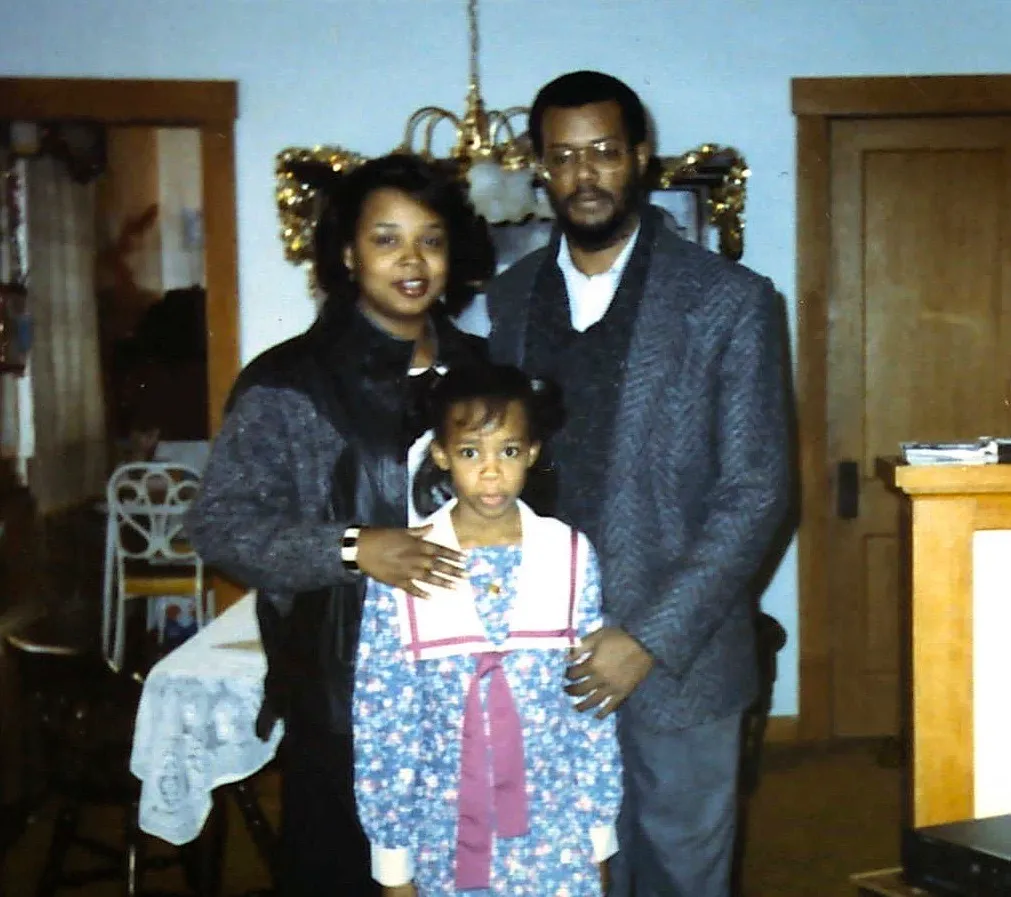
    A family of three poses together for a photo.
    (Courtesy of LaSharah S. Bunting)

    Yet it was the quiet, powerful way my mother and father carried themselves, with unwavering strength and dignity, that made the most impact. They instilled a deep level of pride and resilience that still lives with me every day.

    Today, at a time when our very existence as Black people feels like an act of defiance, I hold tight to those values and my parents’ belief in the beauty of who we are. Those lessons are my armor. My parents’ love is my legacy. And their hope is the fire that keeps me going. — LaSharah S. Bunting, vice president


    ‘Creating paths where none existed’

    Leadership has always been a lens through which I view the world, shaped by the extraordinary examples of my parents. As the child of two veterans, leadership wasn’t something pushed onto me but rather modeled with quiet consistency and purpose. My parents taught us to give our best in everything we did, to show up for others and to do so with integrity. I didn’t fully grasp the depth of these daily lessons until I watched my dad, 25 years older than my mom, set aside his passions and routines to support her career overseas.
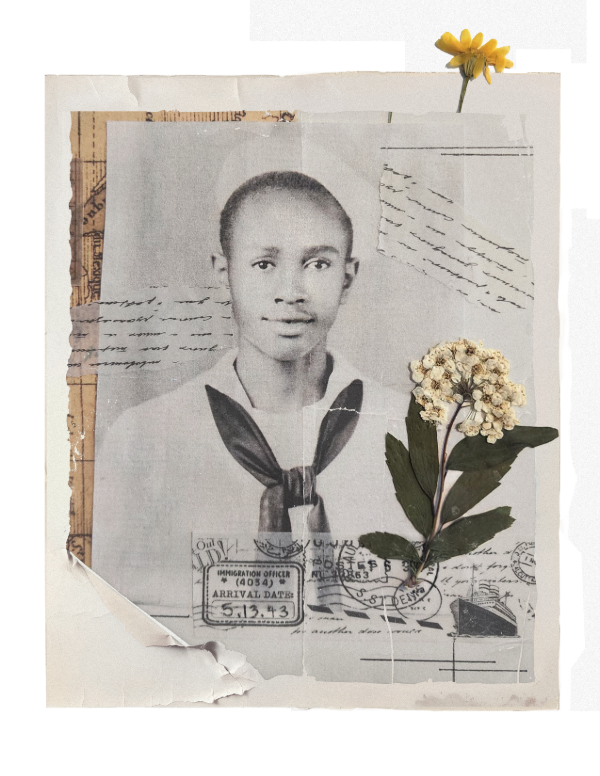
    A portrait of a Navy seaman.
    (Courtesy of Clarice Bajkowski)

    Recently, as I’ve reflected on his life and sifted through his personal effects, I’ve come to understand the profound depth of his leadership during his service in the U.S. Navy during World War II. He served with distinction, bravery and valor aboard ships like the U.S.S. Polana, U.S.S. General E.T. Collins and the USS Franklin, where he earned a Purple Heart for his courageous service on the most heavily damaged U.S. Navy vessel to survive the war. But his contributions extended far beyond his bravery in battle. He laid the groundwork for equity, advocating for wage and rank corrections for Black sailors, and worked to ensure that Black men and women could be seen and valued beyond the roles they were historically confined to, creating opportunities for those who came after him.

    Though he never sought leadership, it always found him. He lived it by standing up for others and creating paths where none existed. That same spirit carried into how he raised our family, showing up with resilience, purpose and quiet strength. His legacy, combined with my mother’s determination, shaped my understanding of leadership as service, advocacy and a commitment to uplifting others. My brother and I are the realization of their wildest dreams — a testament to their vision, sacrifice, and unwavering belief in our collective excellence. — Clarice Bajkowski, chief creative officer


    ‘They were determined to know freedom’

    I’m an Alabamian and my folks are from Montgomery and Lowndes counties, epicenters for the Civil Rights and Black Power Movements. I grew up listening to stories of my relatives, their childhood friends and neighbors committing acts of resistance in the Jim Crow South.

    Whether it was hosting civil rights leaders in their homes as they passed through town or integrating high school or sneaking out to march for justice or simply living full, beautiful lives in spite of such ugliness, they were determined to know freedom.

    Through direct action or through small acts of defiance, they resisted oppression at great personal risk and rebelled against laws that didn’t respect their dignity. They resisted the temptation to be completely consumed by fear and despair.

    I am shaped by their determination to find a way to live abundant lives in spite of the dangerous forces trying to derail their destiny. I carry that same courageous and resilient spirit. — Amethyst Holmes, product fellow


    ‘Continue to nurture our country for the better’

    I was not sure if I could write a Black History Month reflection this year. I didn’t think I would have anything interesting or inspiring to say less than two weeks after watching a U.S. president be inaugurated on Martin Luther King Jr. Day, and then hours later issue an executive order calling diversity, equity and inclusion work “illegal discrimination.”

    But, the same week as the inauguration, a trend started on TikTok with a group of (mostly Black women) professors and professionals teaching online courses about their areas of expertise. It began inadvertently when Dr. Leah Barlow at North Carolina Agricultural and Technical State University posted a now-viral video that was originally meant for students in her Intro to African American Studies class.
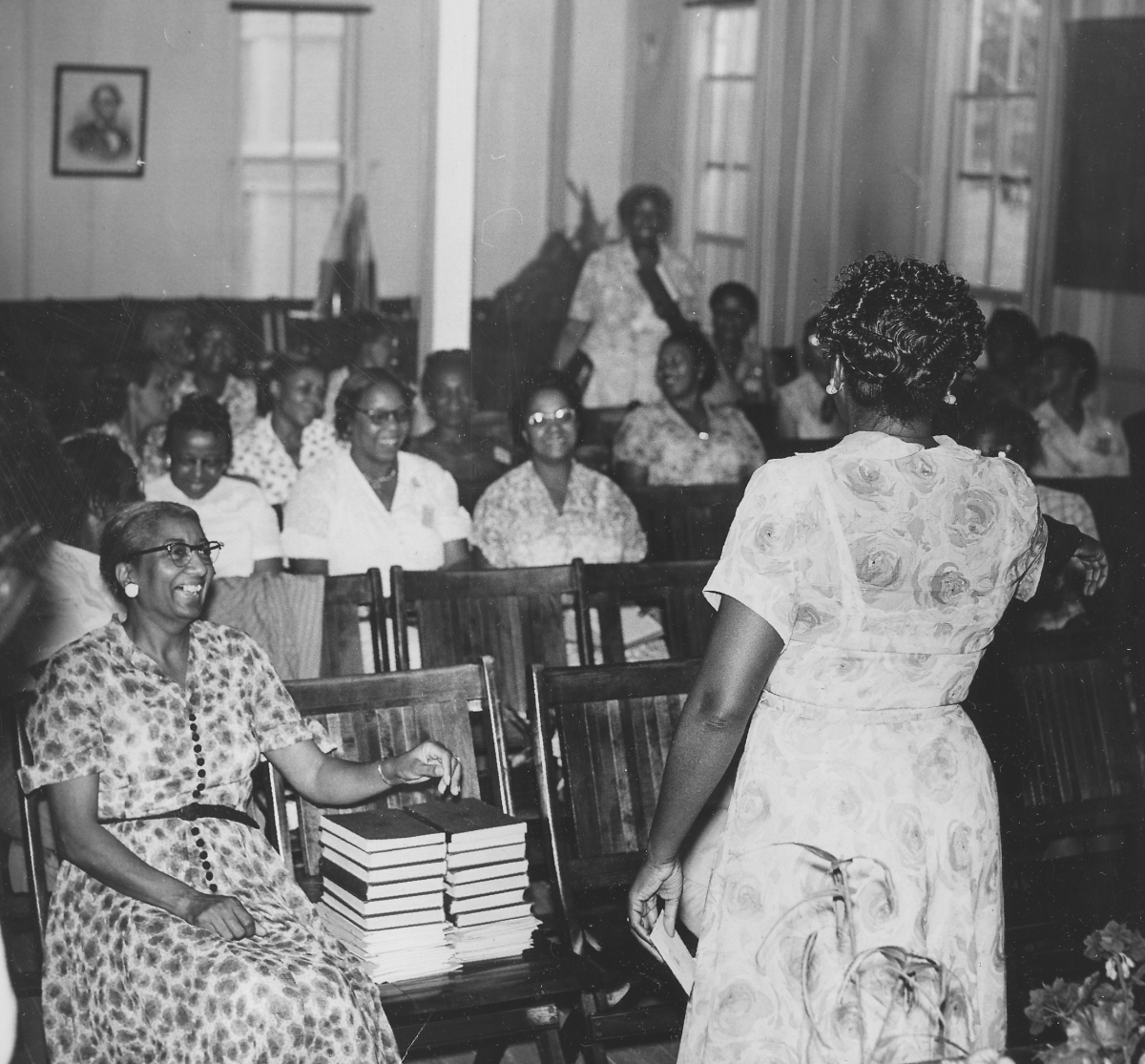
    A black and white image of a group of teachers smiling in a classroom.
    (Afro American Newspapers/Gado/Getty Images)

    Now, other professors are offering courses on racial disparities in health care, managing implicit biases, the history of U.S. education, constitutional law and more. I am personally “enrolled” in a course analyzing the works of Octavia Butler taught by Dr. Briana Whiteside.

    During such a politically tumultuous time, it gives me hope and motivation to see the ways that Black women in particular continue to nurture our country for the better. — Candice Norwood, general assignment reporter


    ‘What happens when people aren’t curious about what they don’t know’

    No offense, Dorothy Hamill, but you weren’t my first choice.

    I was the only Black kid in advanced English in sixth grade. We were assigned to choose a famous person to profile, and I picked Billie Holiday. My father and uncle were musicians, and my grandfather had jazz on heavy rotation.

    I’ll never forget the blank look and dismissive shake of the head from my teacher in response. “Billie Holiday? I don’t know who that is.”

    So I slunk back to my desk, eventually picking the very White, very acceptable (to her) Hamill instead.
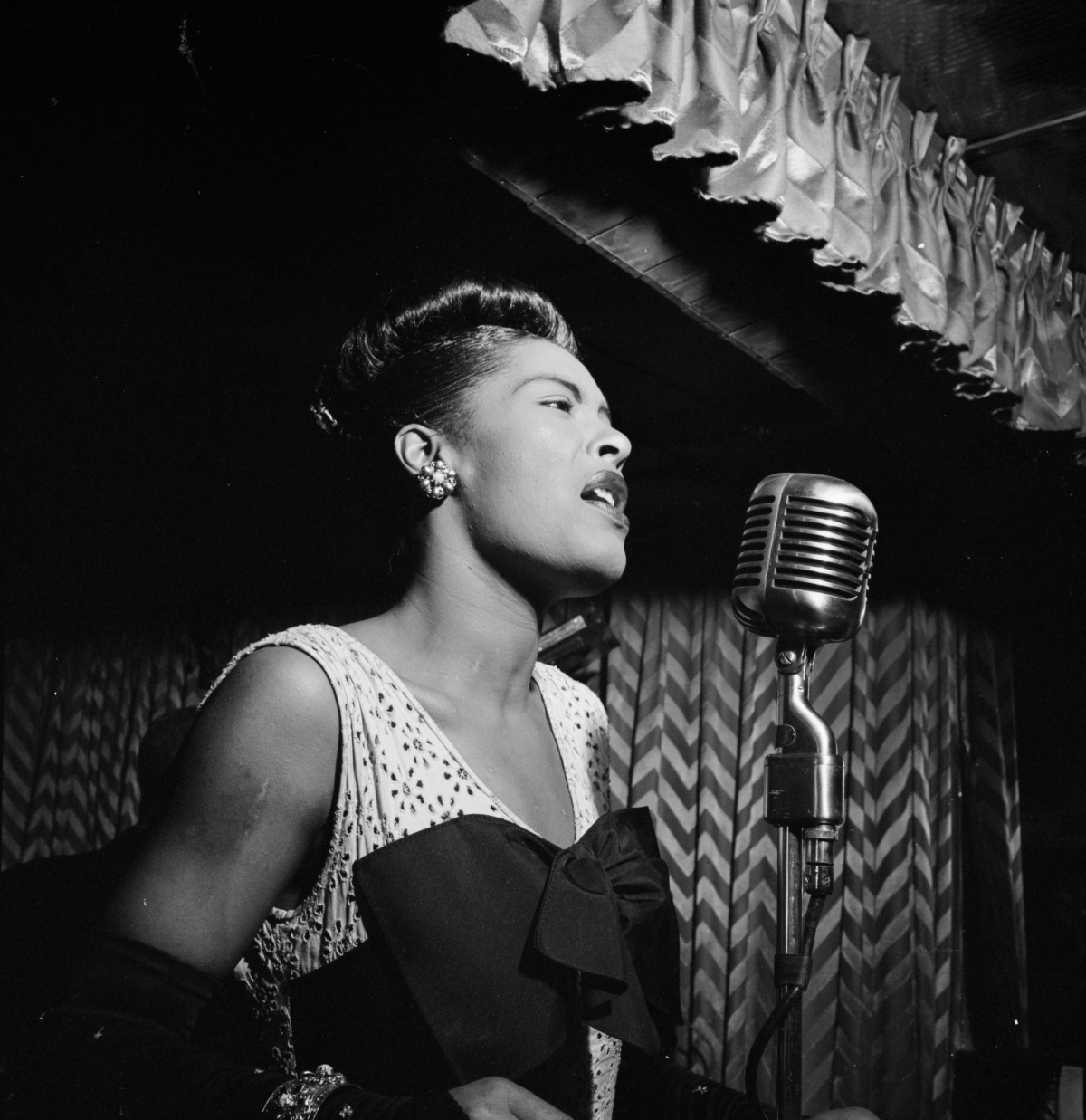
    A portrait of Billie Holiday.
    (Heritage Art/Heritage Images/Getty Images)

    This is what happens when people aren’t curious about what they don’t know. My teacher assumed that because she hadn’t heard of someone being mentioned by a little Black girl, the person wasn’t worthwhile.

    That memory has surfaced for me this Black History Month as we face the erasure of our stories and the weaponization of our identities. As people who think only their heroes matter amass power to make decisions for all of us.

    I gave in on Hamill, but I’ve held my ground ever since. And this month I’m putting Holiday back on heavy rotation. — Karen Hawkins, story editor
  • Public Tour at Cincinnati Art Museum: Celebrating Black Artists

    Public Tour at Cincinnati Art Museum: Celebrating Black Artists

    Sundays from Sunday, February 2, 2025 to Sunday, February 23, 2025 from 2-3 p.m.

    A free public tour at the Cincinnati Art Museum highlighting the work, influence, and legacy of Black artists.

    Public tours are on Friday, Saturday and Sundays and change monthly.

    Public tours are always FREE and meet in the front lobby.

    Homeschool and school groups as well as groups of 10 or more people are not permitted on public tours. Please reach out to the Tour Coordinator and submit a tour request form to ensure the best possible tour for your group.


    If you need accessibility accommodations, contact the museum in advance at access@cincyart.org or fill out the accessibility request form.

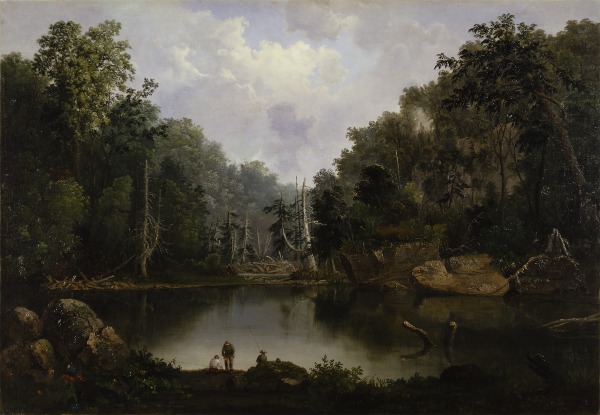
    Blue Hole, Flood Waters, Little Miami River by Robert S. Duncanson (1926.18)

  • Do you know: The man who used his wife’s fortune to fund the freedom of over 1,400 slaves.

    Do you know: The man who used his wife’s fortune to fund the freedom of over 1,400 slaves.

    by Barbara Kyles

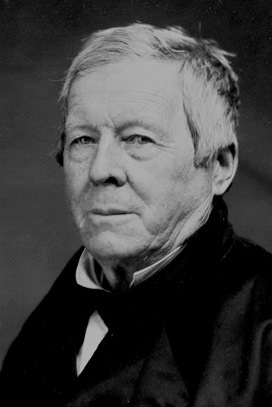
    Do you know that Thomas Garrett unabashedly gave life to his abolitionist ideals?

    Please read more about Garrett at Black Then…

    And read even more about this leader of abolitionism at Wikipedia, the free encyclopedia…

    Thomas Garrett ambrotype c1850 from Wikipedia

  • Do you know: DAVID RUGGLES, AN AGGRESSIVE ABOLITIONIST  WOULD FORCE HIS WAY INTO HOMES

    Do you know: DAVID RUGGLES, AN AGGRESSIVE ABOLITIONIST WOULD FORCE HIS WAY INTO HOMES

    by Barbara Kyles

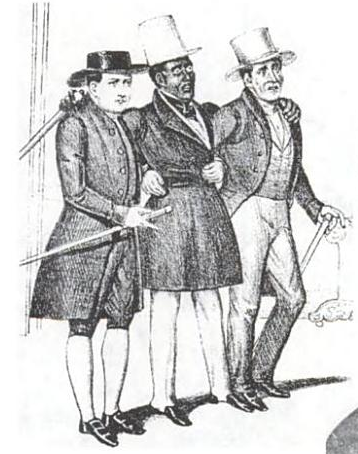
    Do you know that David Ruggles was an aggressive abolitionist who would force his way into homes to inform slaves that they were free?

    He also did his part by first opening a bookshop that was burned to the ground.

    Portrait of David Ruggles (center) with Isaac T. Hopper (left) and Barney Corse (right) confronting John P. Darg in 1838 (Artist unknown)

    Read more about Ruggles at Black Then – Discovering our history…

  • Do you know Josephine Garis Cochrane from Ashtabula invented first commercially successful automatic dishwasher

    Do you know Josephine Garis Cochrane from Ashtabula invented first commercially successful automatic dishwasher

    by Barbara Kyles

    Do you know that Cochrane exhibited her invention at the 1893 World’s Columbian Exposition in Chicago? She won the highest prize for “best mechanical construction, durability, and adaptation to its line of work”.

    https://www.facebook.com/RandomHistoryoftheDay/posts/2594464494187252
  • Do you know “Black” was in the Royal Family before Meghan Markle?

    Do you know “Black” was in the Royal Family before Meghan Markle?

    by Barbara Kyles

    Do you know?

    Take a look at this story and read more from Mr. Imhotepr

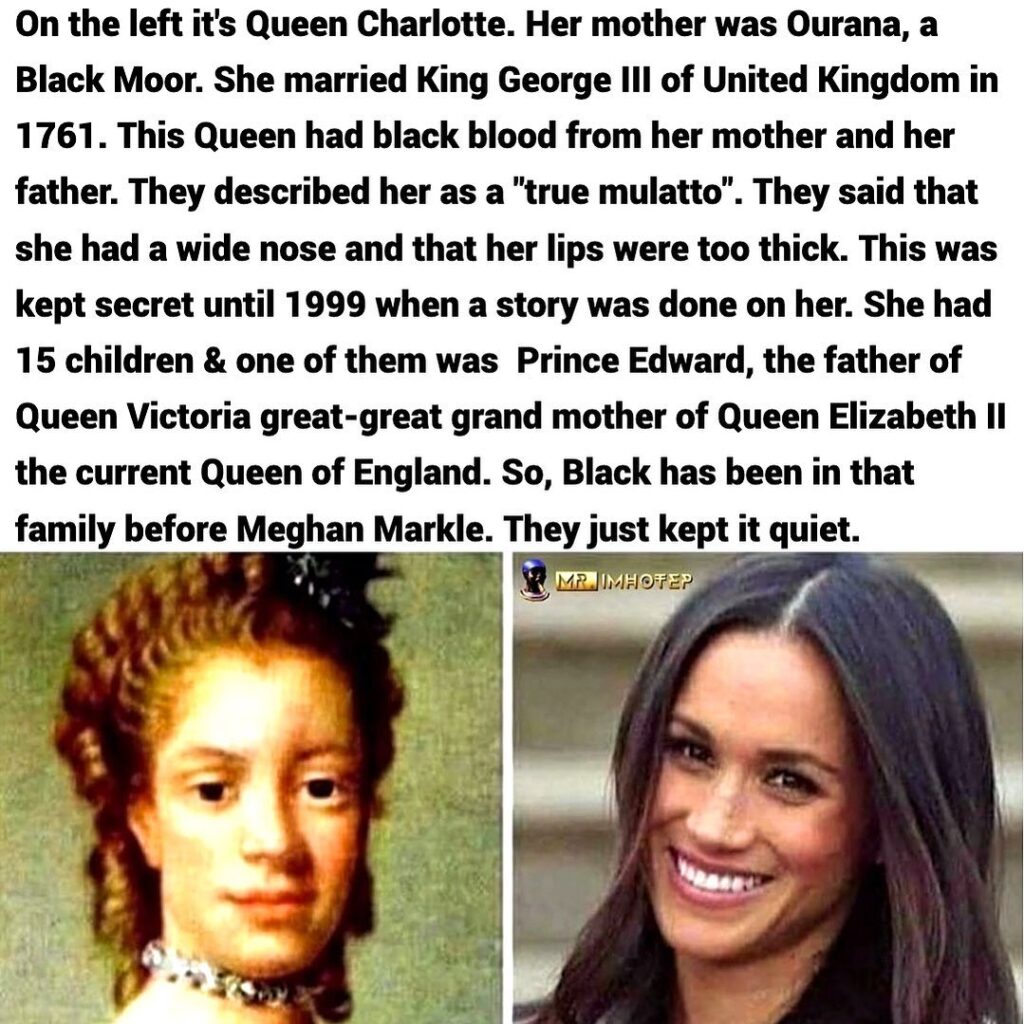
    Charlotte of Mecklenburg-Strelitz, originally named Sophie Charlotte was born on May 19, 1744. Queen Charlotte also held the titles of Electress of Hanover and Queen Consort of Hanover. Mecklenburg-Strelitz was a minute north German dukedom in the Holy Roman Empire.

    Queen Charlotte was the youngest daughter of Princess Elizabeth Albertine Saxe-Hildburghausen and Duke Charles Louis Frederick of Mecklenburg-Strelitz, otherwise known as Prince of Mirow.

    Queen Charlotte is a descendant of a black branch of the Portuguese royal family; more specifically, Alfonso III and his concubine, Madragana, a black moor.

    This fact makes Queen Elizabeth II, Prince Charles and Prince William technically mixed race. Many historians have tried to cast doubt on the nature of Queen Charlotte’s heritage. But her personal physician has noted her “true mulatto face” and the public report released before Queen Elizabeth II’s coronation in 1953 acknowledges the monarchy’s African heritage.

    Africans don’t beg for royalty. We know we are the originals and we’ve been there before anyone else. They just hide it but we remember and we will teach it to our children. Don’t forget to get your copies of My African Icons, I Love Africa and The Black Samurai to teach your children that their ancestors are the original royals and that they civilized the whole planet.

  • Do you know what the Harlem Renaissance was?

    Do you know what the Harlem Renaissance was?

    by Barbara Kyles

    Do you know?

    The Harlem Renaissance was an intellectual and cultural revival of African American music, dance, art, fashion, literature, theater and politics centered in Harlem, Manhattan, New York City, spanning the 1920s and 1930s.

    Take a look at this story from Historical African American Images and welcome to Black history…

    https://www.facebook.com/adoshistory/posts/119025793465904
  • Take a look: Do you know about Garrett Morgan

    Take a look: Do you know about Garrett Morgan

    by Barbara Kyles

    Do you know about the black inventor of traffic lights, gas masks & more…?

    The African History tells us that Garrett Morgan “was a groundbreaker for African American inventors with his patents, he invented many including hair straightening product, a breathing device, a revamped sewing machine and an excellent traffic signal.”

    Take a look and welcome to Black history…

    https://www.facebook.com/theafricanhistory/posts/245250230495132
  • Take a look: Cincinnati’s Black Brigade

    Take a look: Cincinnati’s Black Brigade

    by Barbara Kyles

    Do you know about the Cincinnati’s Black Brigade?

    The Voice of Black Cincinnati writes:

    A local judge, William Martin Dickson, visited the various regiments’ camps and removed the black men who had been seized. Organizing the men along military lines and christening them the Black Brigade.

    Take a look and welcome to Black history…

    https://www.facebook.com/thevoiceofyourcustomer/posts/10158255674812887
  • Did you know: Whites used to pay to throw balls at blacks at the circus

    Did you know: Whites used to pay to throw balls at blacks at the circus

    by Barbara Kyles

    Do you know?

    Below is a question posed in an exhibit at the Jim Crow Museum of racist artifacts in Big Rapids, Michigan.

    Question

    Somebody told me that whites used to pay to throw balls at blacks at the circus. Is this true?
    –Stephanie S. – Columbia, Missouri

    Answer

    African Dodger Ball

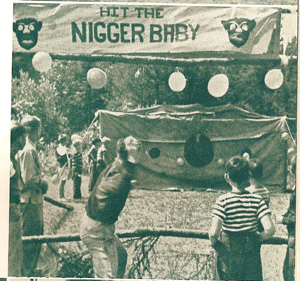
    At the end, thirty feet or so from the counter that closed the entrance, a grinning Negro face bobbed and grimaced through a hole in the back curtain painted to represent a jungle river. The Negro’s head came right out of the spread terrific jaws of a crocodile. “Hit the nigger in the head, get a good ten cent seegar,” the barker said. “Three balls for a dime, folks. Try your skill and accuracy. Hit the nigger baby on the head get a handsome cane and pennant” (Stegner, 1957, p. 47).

    The exhibit goes on to explain:

    This was a common chant at numerous carnivals, fairs, and circuses across the United States throughout the late 19th century until the mid 1940s, as Americans took part in one of their favorite pastimes, “African Dodger.” 

    The African Dodger, also known as “Hit the Nigger Baby” or “Hit the Coon” was as commonplace in local fairs, carnivals, and circuses as Ferris wheels and roller coasters are today.

    Please read and learn more about Americans and one of their favorite pastimes, “African Dodger and the complexities of relationships during the Jim Crow era

    Take a look and welcome to Black history…