Dear Editor,
I am writing to express my deep concern regarding the recent decision by Loveland City to deny the validity of case #2024-03: 200 Railroad Avenue HPPC Appeal based upon a 3rd party filing by a concerned Loveland resident. (Demolition of home in Loveland Historic District causing uproar)
Ironically, as we debate the future of historic buildings and the little yellow house on Railroad Avenue, a ten year anniversary of the groundbreaking on Loveland Station Apartments approaches (November 12, 2014).
Just barely a decade ago, Loveland residents woke up to a massive three-story apartment complex near the train crossing in our historic two-story whistle stop town, constructed even at the expense of losing our iconic train whistle. Transparency was nowhere to be found, and residents were left angered and baffled how it happened. Some even called to tear the buildings down.
As elected officials, Loveland City Council members are entrusted with the responsibility of representing the interests of all Loveland residents, especially when they show up at public meetings. We vote for them; at the very least, we expect transparent processes.
However, in the instance of the Board of Zoning Appeals Meeting on October 30th, we left silenced and frustrated, feeling fooled by the process. (BZA dismisses appeal making way for demolition of historic home)
We asked only for an appeal to a zoning decision to demolish this historic house in question. Yet the City, under solicitor Joe Braun, denied several concerned citizens at the scheduled public appeal meeting an opportunity to contribute factual evidence as to the historic value of the home. From our perspective, the process failed.
It is crucial that our elected officials remain responsive to the concerns of their constituents. By actively listening to the community and considering their input on historical and architectural significance of buildings to the city, the City Council can make informed decisions that benefit both present and future generations. But they didn’t listen at all.
The City’s decision to allow the appeal to precede so far as to set a specific date for the appeal review and then, at that meeting, subsequently invalidate the appeal on technical grounds was not only unfair but suggests strategic timing to obstruct an open process.
This action effectively limited the opportunity for other residents to submit further appeals prior to the deadline, undermining the very essence of a transparent and democratic processes.
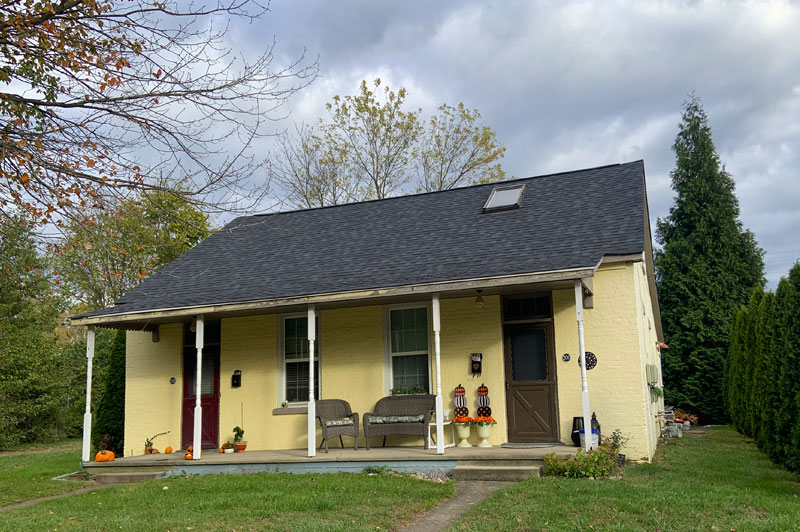
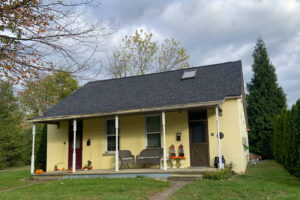 Residents showed up prepared because they believe the 200 Railroad Avenue building is a significant piece of Loveland’s history. Indeed, it was acknowledged by Council Member Neal Oury at the October 22nd Loveland City Council meeting that the original brick structure remains standing and sound.
In fact, it is the only remaining brick structure just a few yards from the Little Miami Railroad tracks on Railroad Avenue.
Residents who showed up to the appeal meeting wanted to know what we’re demolishing of our remaining history as a whistle stop town. They want thoughtful deliberation as part of a transparent process. Instead, the City appeared non-responsive.
It is essential that the City conducts public meetings in a fair and impartial manner. By disregarding the concerns of residents and limiting public participation in a zoning appeal process, the City has once more set itself up for hard questions reminiscent of seven years past.
This public doubt stems from the Loveland Station Apartments development followed by the era of Mayor Mark Fitzgerald and the attempt to replace the current Loveland City Hall with a FOUR story, multipurpose building in a public-private deal, as much as we would like to forget. Residents were angry, yes, and the city hall project was kicked aside—for now.
The maneuver to deny the appeal on October 30th, while deft, was strangely reminiscent of 2017 when failure of transparent process went so far that (then) resident Neal Oury called for a public recall of mayor Fitzgerald before announcing his own candidacy for a Loveland City Council seat. But it didn’t stop there. Transparent process failed so miserably that in 2017, a resident filed a sunshine lawsuit against the City of Loveland.
How can we take a step back?
A better way forward than denying the appeal process would have included 1) any council members with longterm friendship with the owner or developer recuse himself from votes on the question of demolition, and 2) residents given an actual opportunity to present their research findings at a newly scheduled Zoning Appeals Meeting.
Why not slow down and get it right? I urge the City Council to not dig in but instead to reverse its decision to deny the appeal on October 30th before razing the historic house.
Moving forward, I hope this latest pubic disappointment serves as a reminder to Council to prioritize transparency and open communication with residents, especially when making special zoning decisions that involve any plans for multi-unit buildings. (Six, three-story apartments proposed adjacent to Nisbet Park on Loveland Bike Trail)
By fostering a more inclusive and participatory decision-making process, Loveland City Council can better ensure that residents remain mutually supportive of their many hours of earnest public service.
Sincerely,
Halie Rebeccaschild


![[TONIGHT] Agenda and details of BZA hearing on six-unit, 3-story townhome](https://lovelandmagazine.com/wp-content/uploads/2025/03/hill-proposal.jpg)

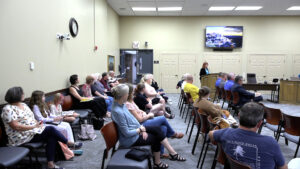 After the Loveland Historic Planing Commission gave a approval to demolish the house, Hazelbaker appealed the decision to the BZA. She was not allowed to make her case before the Board. Nine residents had signed up to speak about the demolition and were not allowed the opportunity to speak.