Tag: Capital Journal

  • Student loan repayment pause extended by White House amid legal battles over relief plan

    Student loan repayment pause extended by White House amid legal battles over relief plan

    BY: ARIANA FIGUEROA – Ohio Capital Journal

    The Department of Education announced on Tuesday it is extending the pandemic-era pause on federal student loan repayments until June 30 while legal challenges to the administration’s student debt relief program are fought over in the courts.

    The agency said if the student debt relief program has not been put in place by June 30, and if litigation is still tied up in the courts, student loan payments will begin 60 days after that.

    “Payments will resume 60 days after the Department is permitted to implement the program or the litigation is resolved, which will give the Supreme Court an opportunity to resolve the case during its current Term,” the department said in a statement.  “If the program has not been implemented and the litigation has not been resolved by June 30, 2023 — payments will resume 60 days after that.”

    Earlier the administration had said the pandemic-era pause would expire on New Year’s Eve. Two lawsuits blocking the Biden plan, including one brought by six GOP-led states, have been appealed by the Justice Department, but it’s unclear how long the legal process could take.

    “We’re extending the payment pause because it would be deeply unfair to ask borrowers to pay a debt that they wouldn’t have to pay, were it not for the baseless lawsuits brought by Republican officials and special interests,” U.S. Secretary of Education Miguel Cardona said in a statement.

    President Joe Biden, in a Tuesday tweet, said the extension will give “the Supreme Court time to hear the case in its current term.”

    “I’m confident that our student debt relief plan is legal,” he said on Twitter.

    Before the announcement, more than 200 advocacy groups had urged Biden to extend the pause.

    In a Monday letter, the groups argued that if student loan repayments restart, it would be a financial setback for borrowers, especially at a time of record high inflation.

    “We, the undersigned 225 organizations, urge you to immediately extend the payment pause until your Administration is able to fully implement debt relief for all eligible borrowers and to continue to use every legal authority at your disposal to make this relief real,” according to the letter.

    “We cannot allow these blatantly political lawsuits to throw millions of borrowers into financial catastrophe,” the letter said. “Throwing millions of borrowers back into repayment as the state of debt relief remains uncertain is a recipe for disaster and will result in widespread confusion and set borrowers up for failure.”

    Most of the organizations that signed onto the letter include labor groups like the AFL-CIO, legal organizations like the ACLU and NAACP, and debt cancellation advocacy groups such as the Debt Collective and Student Debt Crisis Center.

    Multiple extensions

    The Trump administration implemented the pause on student loan repayments due to the coronavirus pandemic and the Biden administration has extended it multiple times.

    A federal appeals court issued a nationwide injunction that barred the Biden administration from carrying out its student debt relief plan following the challenge by the six GOP-led states — Nebraska, Missouri, Arkansas, Iowa, Kansas and South Carolina.

    The Biden administration has asked the U.S. Supreme Court to vacate the nationwide injunction.

    “The Eighth Circuit’s erroneous injunction leaves millions of economically vulnerable borrowers in limbo, uncertain about the size of their debt and unable to make financial decisions with an accurate understanding of their future repayment obligations,” Solicitor General Elizabeth Prelogar wrote in the filing to the U.S. Supreme Court.

    In late August, Biden announced he would cancel up to $20,000 in federal student loan debt for Pell Grant borrowers and up to $10,000 for all other borrowers with an income of less than $125,000 for an individual and $250,000 for a household.

    The program would only apply to current borrowers, not future ones, and income levels for the 2020 and 2021 tax years would be considered. Student loan borrowers who have private student loans would not be eligible.

    The attorneys general from the states that launched the legal challenge argued that the loan relief program threatens those states’ future tax revenues and that the plan overrode congressional authority.

    ​​More than 43 million Americans have student loan debt, and the Federal Reserve estimates that the total U.S. student loan debt is more than $1.76 trillion.

    The three-panel judge from the 8th Circuit Court of Appeals in St. Louis put the injunction in place “until further order of this court or the Supreme Court of the United States.”

    Those judges are Bobby E. Shepherd and Ralph R. Erickson, both President George W. Bush appointees, and L. Steven Grasz, a President Donald Trump appointee.

    Following the decision, White House press secretary Karine Jean-Pierre said the White House believes it has the legal authority to carry out the program.

    “The Administration will continue to fight these baseless lawsuits by Republican officials and special interests and will never stop fighting to support working and middle class Americans,” she said in a statement.

    26 million applicants

    More than 26 million student loan borrowers have applied for the program, and 16 million have been accepted, according to the Department of Education.

    The nonpartisan Congressional Budget Office found that the program would add $400 billion to the national deficit over the span of 30 years. The agency found that the pause on federal student loan repayments has cost $20 billion from September to December 2022.

    Adam Looney, a senior fellow at the Brookings Institute — a left-leaning think tank — said while the cost seems high, for borrowers who qualify it comes out to a monthly average savings of about $59.

    Looney previously was a senior economist for public finance and tax policy with former President Barack Obama’s Council of Economic Advisers, and was an economist at the Federal Reserve Board.

    “It’s like a tax cut,” Looney said of student loan borrowers who would qualify for debt relief.

    Second lawsuit

    The Biden administration stopped accepting applications for student debt relief following a second decision from a federal judge in Texas who separately ruled the program was unlawful.

    In Fort Worth, U.S. District Judge Mark Pittman, an appointee of former President Donald Trump, ruled that the program was an “unconstitutional exercise of Congress’s legislative power.” He ruled in favor of two borrowers, backed by a conservative advocacy group, who brought the challenge.

    The Department of Justice has already filed an appeal to that ruling.

    Pittman wrote in his opinion that “[w]hether the Program constitutes good public policy is not the role of this Court to determine.”

    Sabrina Calazans, the outreach director at the Student Debt Crisis Center, said prior to Tuesday’s announcement that the Biden administration should resume its pause on student loan repayment. The center also signed onto the letter to the White House from the more than 200 organizations.

    “We’re advocating for an extension to the payment pause until student debt cancellation is applied to borrowers’ accounts,” she said. “We believe that borrowers should be able to get their debt canceled and not have to make any payments until that happens because they’ve been promised this relief.”

    Calazans, who has student loan debt herself — federal and private loans — and is a first-generation college student, said the pause on repayments has been a lifeline for her and her family. The pause did not include private loans, which she has, so she’s had to continue those payments throughout the pandemic.

    “Folks were struggling before the pandemic started,” she said of student loan debt. “This was already a crisis that people were dealing with beforehand, so this has been around for a long time, not just recently.”

    Calazans said those student loan borrowers who applied to the Department of Education for debt relief are starting to get emails that their applications for student debt cancellation were approved, but the lawsuits are blocking it.

    “Folks are excited about the prospect of having their debt canceled — whether it’s all of it or a portion of it — and now that hope that they had is now suddenly stopped for now because of the blocking of this plan,” she said. “Borrowers are in this limbo.”

    Emails sent out

    The Department of Education has sent out emails to student loan borrowers who applied, and were approved for the debt relief program with the subject line: “Your Student Loan Debt Relief Application Has Been Approved.”

    However, the body of the email reads: “Unfortunately, a number of lawsuits have been filed challenging the program, which have blocked our ability to discharge your debt at present.”

    “We believe strongly that the lawsuits are meritless, and the Department of Justice has appealed on our behalf,” according to the email. “We will keep your application information and will continue our review of your eligibility if and when we prevail in court. We will update you when there are new developments.”

  • House advances marijuana banking bill, though final passage uncertain

    House advances marijuana banking bill, though final passage uncertain

    BY: JENNIFER SHUTT – Ohio Capital Journal

    WASHINGTON — Cannabis dispensaries throughout the country came one step closer to using banks the way many other businesses can when the U.S. House on Friday cleared a bill with sweeping changes to banking regulations.

    Colorado Democrat Ed Perlmutter and Ohio Republican Dave Joyce, co-sponsors of the legislation, said Friday their proposal would allow medical and recreational marijuana businesses in states that have legalized use to move away from the cash-only business model they’ve been forced to use by U.S. banking laws.

    “We need to bring some sense to what is really dangerous right now in this space that so many states allow for dispensaries, for grow operations,” Perlmutter said. “There’s just a lot of cash and that cash can really pose problems.”

    While the federal government has mostly left marijuana business regulation and oversight to the states that have legalized it, the nation’s banking system is controlled at the federal level.

    The federal government’s classification of marijuana as a Schedule I illegal substance, by definition something with no medical use and a high potential for abuse, means that it’s difficult for cannabis businesses to use banks.

    Some marijuana businesses have hired armored vehicles and armed guards to transfer cash to banks, an arrangement that has worked sometimes, but one that comes with more risk than if they were able to use banks the way non-cannabis businesses do.

    Others have kept their operations as cash-only, a decision that Perlmutter and Joyce said Friday can lead to upticks in robberies and other crime, even though the businesses are acting within their state laws.

    The so-called SAFE Banking Act passed the House on Friday as part of a much larger, separate bill that is geared toward improving U.S. manufacturing and boosting competitiveness with China on several fronts, including semiconductors.

    The proposal will, however, need to survive the conference process between the House of Representatives and the Senate.

    At the moment neither Joyce or Perlmutter is sure that their provision will remain in the final package, given concerns from some Democrats, including Senate Majority Leader Chuck Schumer and New Jersey Democratic Sen. Cory Booker.

    Joyce and Perlmutter said Friday that they differ with the senators about how Congress passing the banking change would impact other marijuana legislation, including bills changing the tax code, changing the criminal justice approach to marijuana, or fully legalizing the plant.

    “Our philosophy has been that you need to have something to break the ice. And in the Senate they haven’t had a hearing on cannabis – maybe one half-hearted one – since 1971, much less legislation, much less the votes,” Perlmutter said. “So our job is to familiarize them with the subject and to get them to take some action.”

    Some of the Democratic senators, Perlmutter said, believe clearing banking changes will take the “wind out of the sails” on efforts to pass other changes to federal cannabis laws. So they want to broaden the legislation.

    But Joyce and Perlmutter said they believe the incremental approach is the best way to send bills to the Biden administration and are concerned that if the bill grows too much some lawmakers may no longer support its passage.

    “For every person you gain, you might lose three,” Joyce said. “And so that’s why you want to continue to have a smaller framework in which you can consistently have people adding to the bill versus getting off.”

    Getting the marijuana banking amendment added to the larger China competitiveness legislation represented a step forward for the 180 co-sponsors of the marijuana banking legislation, 26 of whom are Republicans. But it’s far from a guarantee.

    Backers of the legislation were able to get their language added last year as an amendment to the annual Defense Department policy bill, but it didn’t survive the conference process. The bill has also passed the House as stand-alone legislation.

    Perlmutter and Joyce said on Friday if they are blocked again in the Senate, they will keep advocating for the legislation, especially as an amendment to other must-pass bills.

    “Every one of these cannabis industries are running according to the laws and regulations that were put in place by that state,” Joyce said. “So why shouldn’t the banking system treat them the same.”

  • Ohioans spent $211 million subsidizing two coal plants over last two years

    Ohioans spent $211 million subsidizing two coal plants over last two years

    BY: JAKE ZUCKERMAN – Ohio Capital Journal

    Electric customers across Ohio collectively spent an estimated $211 million via add-on bill charges over the last two years to cover for losses from two coal-fired power plants that continue to bleed millions annually, according to new data from state regulators.

    The money to the Ohio Valley Electric Corp. (OVEC) — an entity comprised of several investor-owned utilities from multiple states that operates the plants — flows thanks to a 2019 state law now at the center of a criminal bribery prosecution.

    The Public Utilities Commission of Ohio began to allow three of the utilities that own and are contractually obligated to buy power from OVEC — American Electric Power (43% equity stake), Duke Energy (9%), and AES Ohio (4.9%) — to pass on their losses on OVEC to their customers, starting in the mid-2010s. The payments were originally only allowed through 2024. Through 2019, the three utilities’ customers were charged an estimated $159 million on OVEC.

    House Bill 6, a law passed in 2019 that’s now the focal point of what prosecutors have said is the largest political corruption investigation in state history, extended the subsidies through 2030 and spread the three utilities’ (AEP, Duke and AES) losses to electric customers of all Ohio utilities (not just those that own OVEC).

    In 2020, Ohio electric customers statewide paid $115 million to OVEC’s owners to cover their losses on the deal, according to data provided by a PUCO spokesman. In 2021, they paid about $97 million (July through December 2021 costs are estimates). Under the law, residential customers pay a maximum $1.50 per month to utilities to cover their OVEC losses. Industrial customers pay a maximum of $1,500.

    OVEC operates two 1950s-era coal plants in Cheshire, Ohio and Madison, Indiana, originally built to power the federal government’s uranium enrichment facilities near Portsmouth. That agreement ended in 2003. The utility companies that own OVEC last renegotiated their contract in 2011 extending its life through 2040.

    Technically, the OVEC plants could save utility customers money if OVEC could generate and sell electricity at below-market costs. However, a mix of market forces, environmental regulations and recently spending more than $1 billion on a “scrubber” system designed to limit emissions have left the plants selling electricity at costs well above those of PJM, an energy marketplace serving utilities in 13 states including Ohio.

    “[Our] analysis shows that at this time, the OVEC plants cost customers more than the cost of energy and capacity that could be bought on the PJM wholesale markets,” wrote London Economics International, a firm the PUCO commissioned to audit the subsidies, in December.

    A draft version of a 2020 PUCO-commissioned audit by the same firm found that “keeping the plants running does not seem to be in the best interests of the ratepayers.” The line was removed from the final version at the request of a PUCO staffer who asked the auditors to use a “milder tone and intensity of language,” according to emails obtained by the Ohio Consumers’ Counsel (OCC), which represents ratepayers in PUCO cases and has advocated ending the OVEC subsidies.

    In a 2018 bankruptcy filing, FirstEnergy disclosed losing $12 million per year due to its 4.85% equity stake in OVEC. As lawmakers considered HB 6, legislative analysts estimated Ohio utilities paid $94 million above wholesale market costs in 2018 alone to purchase OVEC-generated electricity.

    Along with the raw finances, Ohio consumers are subsidizing plants that have belched nearly 21 million tons of carbon dioxide, 21,000 tons of nitrogen oxide, and 12,000 tons of sulfur dioxide into the atmosphere since January 2020, plus smaller discharges of arsenic, lead, and mercury, according to data from the U.S. Environmental Protection Agency provided by the OCC.

    “Why the hell is this still in place?” said Neil Waggoner, an advocate with the Sierra Club’s Beyond Coal campaign. “I think that this is utility capture in practice. This is the utilities in this state having a death grip on the regulators and people in power to the point that they’re getting exactly what they want.”

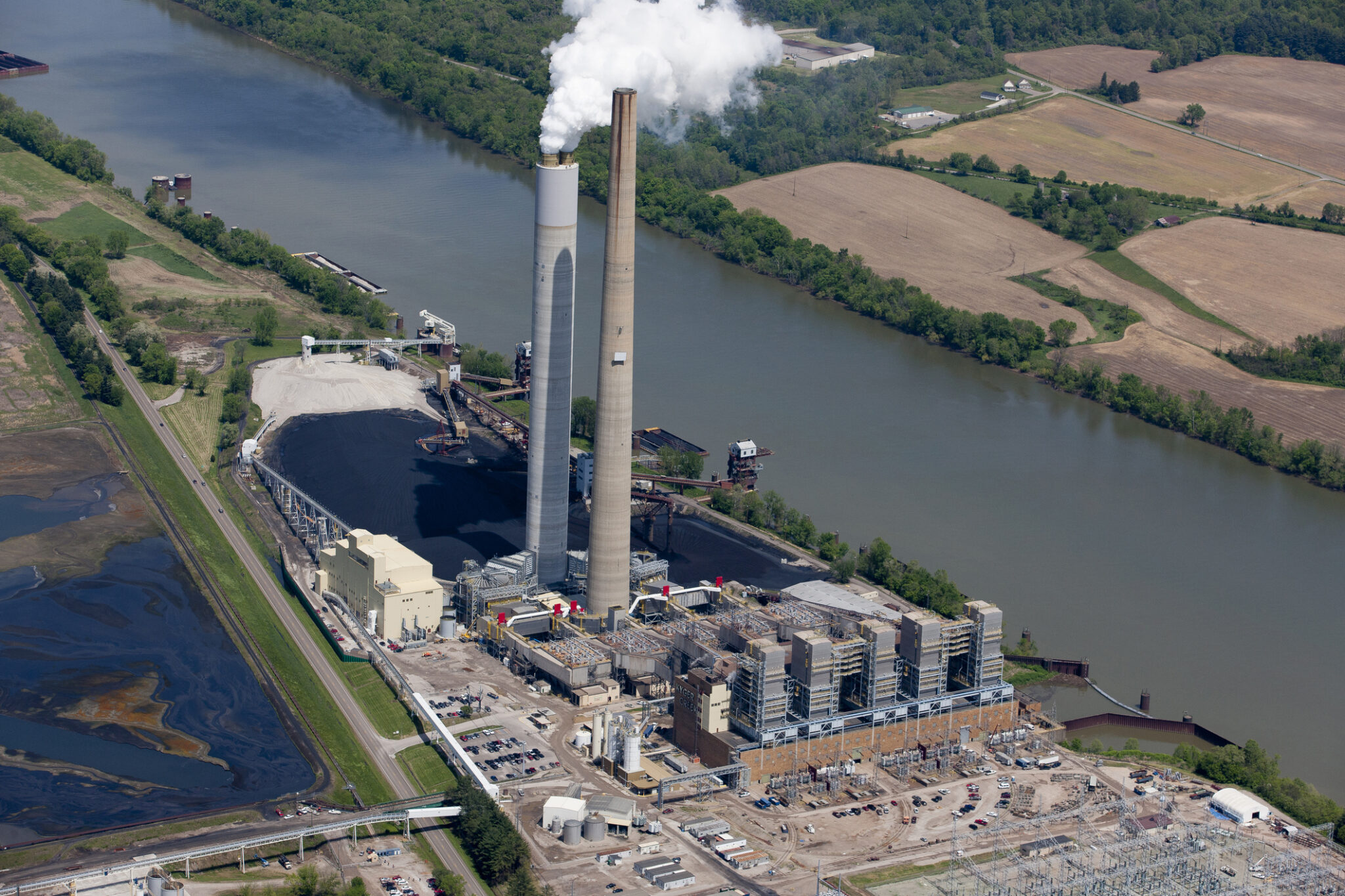
     The Clifty Creek Power Plant, in Madison, Indiana, which is operated by OVEC. Photo taken by Rep. Casey Weinstein, D-Hudson, who visited the plant and has called for a repeal of state law forcing Ohio ratepayers to subsidize it.

    A sticky bailout

    FirstEnergy Corp. admitted in July to paying more than $60 million to an account controlled by the former House Speaker and his allies to ensure passage of HB 6. The prosecutors’ allegations have focused in court documents on an estimated $1.3 billion nuclear bailout and other non-coal related provisions of the sweeping bill that are favorable FirstEnergy. Former speaker Larry Householder, accused of using the money to engineer passage of the bill and shore up his own political aims, has pleaded not guilty. Two Householder allies involved in the alleged scheme have pleaded guilty to racketeering.

    State lawmakers in early 2021 passed legislation repealing the nuclear bailout and “decoupling” provision (a ratepayer-backed revenue guarantee for FirstEnergy). However, the OVEC bailout was left intact.

    There are bipartisan efforts in the House and Senate to repeal the OVEC bailout from state law, and the narrower PUCO-approved bailout that preceded them. Neither has come up for a vote and the sponsors are pessimistic on their chances.

    Sen. Mark Romanchuk, R-Ontario, perhaps the plants’ most prominent critic and co-sponsor of the Senate legislation, said he is in negotiations with the utilities that own the plants and is not giving up. He declined an interview.

    “Not sure where things will go but we’re not giving up,” Romanchuk said.

    House Democrats have called for a repeal of the OVEC subsidies, though they only control 34 of 99 seats in the chamber. Rep. Jeff Crossman, a Parma Democrat who recently announced plans to run for attorney general, said the OVEC charges should be repealed but as much is unlikely.

    He said OVEC’s sponsors contribute tens of thousands in campaign contributions per year, mostly to Republicans. AEP, through a middleman, contributed $700,000 to Generation Now, the account prosecutors say Householder used to engineer passage of HB 6 in the first place.

    “There’s probably not a will to undo the OVEC charges,” he said. “They donate gobs of cash to the right folks. There’s just no other reason to support these plants.”

    House Speaker Bob Cupp, R-Lima, said in October he doesn’t believe there’s support in the House Republican caucus to repeal the coal bailout.

    House Majority Leader Bill Seitz, R-Green Twp., has told several state media outlets the bailouts aren’t going anywhere. He did not respond to written questions about the uneconomic nature of the plants, or why ratepayers should cover their owners’ losses on them.

    “We’ve beat this [OVEC] horse to death. It’s not going to change,” Seitz said to Cleveland.com in October. “They’ve introduced God knows how many bills — none of them are going anywhere, in my humble opinion.”

    Michigan takes action

    AEP is by far OVEC’s largest shareholder, with a roughly 43% equity stake in the company, and the two share several executives.

    While repeal efforts in Ohio are at a lull, other states have signaled resistance to allowing utilities to continue to pass OVEC’s owners’ losses to customers.

    The Michigan Public Service Commission in a November order noted that OVEC’s costs exceed the market price of electricity by tens of millions. It warned that AEP’s local utility may not be able to pass on all its OVEC losses to customers that are “incurred because of imprudent” decisions.

    “The order today put I&M [an AEP unit] on notice that the Michigan share of these excess costs are unlikely to be permitted without additional evidence that continuing to purchase power from the units was in the best interest of its customers,” the Michigan regulators said in a news release.

    AEP spokesman Scott Blake said in an email the OVEC plants are “critical resources that help ensure the reliability of the grid and offer protection from increases in the costs of other fuels.” He said AEP Ohio customers for decades benefitted from OVEC’s power via affordable electricity and good jobs. OVEC, he argued, insulates customers from cost spikes caused by things like a surge in natural gas prices or a shortfall of renewable energy supply.

    “AEP Ohio customers benefited for decades from the power provided by OVEC in the form of affordable electricity and good jobs,” he said. “While there may be years where power from OVEC is more expensive than the market, as generation from natural gas and other sources becomes more expensive, customers could see refunds from OVEC in the future.”

    Fitch Ratings determined OVEC’s outlook is “stable” in February — just one step above “speculative.” However, its analysts found that repealing HB 6 wouldn’t necessarily harm OVEC’s prospects. The analysts reasoned that for one, in the event of a repeal, AEP, Duke and AES would still be able to pass on their OVEC losses to customers. For two, the “sponsoring” utilities have already contractually agreed to purchase the power OVEC generates, regardless of who eats the losses.

    Meanwhile, in a Virginia appeal of a public service commission rate case, Virginia Attorney General Mark Herring accused OVEC of charging an AEP utility in Virginia well beyond market costs for electricity. The case is ongoing.

  • As if COVID wasn’t bad enough, experts warn of lingering symptoms

    As if COVID wasn’t bad enough, experts warn of lingering symptoms

    BY: MARTY SCHLADEN –  Ohio Capital Journal

    With nearly 5,000 new cases of COVID per day, Ohio and the rest of the world are still dealing with a pandemic that started nearly two years ago. What we’ve barely begun to deal with, two experts said last week, is the long hangover many experience as “long COVID.”

    That expression refers to a set of symptoms that linger for months after a person is infected with coronavirus. They include maladies of the lungs, heart, eyes, liver, brain, bladder, kidneys and pancreas. They also include problems of a less tangible nature, such as a loss of smell, chronic brain fog, headache and fatigue.

    And, according to an October study published by the Journal of the American Medical Association, many, many people are likely affected by long COVID. The review of 57 studies found that more than half of the coronavirus patients followed were still suffering from symptoms of long COVID more than six months after they were infected. 

    With 78% having been hospitalized with COVID, that group appeared to have suffered worse infections than did the general population. Conversely, people who are fully vaccinated are far less likely to be hospitalized, and 49% less likely to develop long COVID, according to a study conducted in the United Kingdom.

    Even so, the consequences of the condition are likely to be huge.

    Ohio, for example, has seen more than 84,000 COVID hospitalizations, so it seems plausible that well over 40,000 Ohioans have suffered — or are still suffering — long COVID.

    Nationally, “you’re talking about 30, 40, 70 million people,” Brett Giroir, who early in the pandemic was assistant secretary of the U.S. Department of Health and Human Services, said last week during a webinar organized by the National Institute for Healthcare Management Foundation. 

    As they were during the early days of the pandemic, policy makers are groping for ways to deal with long COVID without much in the way of scientific information to work with so far.

    “We’re unfortunately dealing with from a position of a real lack of knowledge,” Walter Koroshetz, director of the National Institutes of Health’s Institute of Neurological Disorders and Stroke, said during the webinar.

    “We’re really trying hard to understand what is the biological basis for the problems that people are experiencing and hoping to get some answers very quickly that can then be used to help patients,” Koroshetz added.

    Giroir now is working with the health consulting firm Leavitt Partners on several issues, including problems related to the pandemic. He offered a broad framework for dealing with long covid.

    “How do we organize the healthcare sector” in response to long COVID? he asked. “Do we have long COVID clinics. Do we have telehealth triage? How do we care for this 30 to 50% of 140 million people who potentially have long COVID?”

    Giroir is proposing several steps to deal with the issue. Among them are helping medically underserved populations through grants to federally qualified health centers and primary-care practices, a national survey on the condition and by working to raise public awareness of it.

  • Ohio School Boards Association ends affiliation with national group over request to probe threats

    Ohio School Boards Association ends affiliation with national group over request to probe threats

    National group has now apologized for requesting investigation of threats against local officials

    BY: ARIANA FIGUERO and Ohio Capital Journal

    The National School Boards Association is walking back its letter to President Joe Biden asking for federal help for school board members who have been harassed and threatened over masking requirements and discussions of race in public schools.

    The shift came after Republican members of Congress led by Iowa Sen. Charles Grassley raised strong objections to a Department of Justice investigation that was launched in response to the association’s letter. The Ohio School Boards Association (OSBA) announced Tuesday it would end its affiliation with the national group, saying it had no input into the original letter.

    GOP senators said that the government was trying to police the speech of parents, and it was “entirely inappropriate” for the association to ask for a review of whether crimes are being committed by parents or others under various statutes including the PATRIOT Act, which is aimed at deterring terrorism.

    Some conservative groups and local school boards also sharply criticized the DOJ investigation and the national association.

    “(The Ohio School Boards Association’s) decision to terminate membership and affiliation with the NSBA Association is a direct result of the letter sent by you to President Joe Biden late last month,” the Ohio board informed the national group in a letter Monday. “The letter purported to be sent on behalf of state associations and school board members across the nation. This assertion could not be further from the truth. OSBA was not notified of the letter, nor were we asked for our thoughts on the matter. If we had been consulted, we would have strongly disagreed with NSBA’s decision to request federal intervention as well as your claims of domestic terrorism and hate crimes.”

    In a memorandum dated Friday and provided to States Newsroom, NSBA’s Board of Directors wrote to its members that “we regret and apologize for the letter.” NSBA did not answer questions about the specific language the organization regretted.

    “As we’ve reiterated since the letter was sent, we deeply value not only the work of local school boards that make important contributions within our communities, but also the voices of parents, who should and must continue to be heard when it comes to decisions about their children’s education, health, and safety,” according to the memo.

    According to its website, NSBA’s Board of Directors includes John Halkias of the Plain Local School District in Ohio, Donald Hubler of Macomb Intermediate School District in Michigan, Steven Chapman of Tolleson Union High School District in Arizona, Kathy Gebhardt of Boulder Valley School District in Colorado, Kathryn Green of Austin Public Schools ISD 492 in Minnesota, Ronald Hopkins of Jefferson City Schools in Georgia and Beverly Slough of St. Johns County School District in Florida, among others.

    The six-page Sept. 29 NSBA letter to Biden asked for federal assistance and detailed, at length, threats and harassment that school board officials and teachers across the country are facing. It was signed by Viola M. Garcia, association president, and Chip Slaven, the interim executive director and CEO.

    “As these acts of malice, violence, and threats against public school officials have increased, the classification of these heinous actions could be the equivalent to a form of domestic terrorism and hate crimes,” the letter said.

    The vitriol stems from controversy surrounding teaching about the history of racism as well as requirements for students and staff to wear masks to mitigate the risk of spreading COVID-19.

    In the last year, conservative activists and some parents have targeted school board meetings, protesting “critical race theory,” which generally is not taught at the K-12 level and is instead an academic theory of the intersection of race and U.S. law that is studied in college.

    U.S. Attorney General Merrick Garland directed the FBI earlier this month to meet with local law enforcement officials to strategize how to deal with the threats.

    Garland is also set to appear before the U.S. Senate Judiciary Committee Wednesday during a hearing about the oversight of the Justice Department, where he will likely be asked questions about the DOJ and FBI’s handling of threats to school board officials.

    The memo from NSBA did not ask the Justice Department to end its investigation into threats.

    The OSBA said in a news release Tuesday morning that the association believes in the value of parental and community discussion at school board meetings, and “there is tremendous value in allowing and encouraging the public to have meaningful input into the decision-making process.”

    “However, that participation should not come at the expense of interfering with the board’s ability to conduct its business or subjecting individual board members to threats of violence, abuse, or harassment,” said OSBA Chief Executive Officer Rick Lewis. “But dealing with such interference should be dealt with at the local level, not by federal officials.”

    The NSBA had praised the decision to begin the investigation in an Oct. 4 press release. “The U.S. Department of Justice’s swift action in response to NSBA’s request is a strong message to individuals with violent intent who are focused on causing chaos, disrupting our public schools, and driving wedges between school boards and the parents, students, and communities they serve,” the association said in a statement.

    But Republicans in Congress criticized Garland’s decision to have the FBI look into the threats and called the move an attack on parents for exercising their right to free speech.

    “Violence and true threats of violence should have no place in our civic discourse, but parents should absolutely be involved in public debates over what and how our public schools teach their children, even if those discussions get heated,” according to a letter led by Grassley, the top Republican on the U.S. Senate Judiciary Committee.

    NSBA in its original letter cited disruptions at school board meetings in Georgia, Florida, Michigan, Ohio, New Jersey, Virginia, Wisconsin, Tennessee and Nevada.

    For example, in Florida, the Florida Phoenix reported that several school board members detailed threatening text messages, vandalism and harassment they continue to face over masking requirements amid the pandemic.

    “When these behaviors are ignored, when there’s no accountability for these actions, they become normalized and acceptable, and they get reinforced,” Brevard County School Board member Jennifer Jenkins said during a Monday Zoom conference, the Phoenix reported.

    Jenkins also detailed in a Washington Post opinion piece how someone outlined the letters “FU” in weedkiller on her front lawn and she said that someone falsified a report accusing her of abusing her child.

    “My 5-year-old daughter was on a play date last month when an investigator from the Florida Department of Children and Families sat at my kitchen table to question me about how I disciplined her, then accompanied me to the play date to check for nonexistent burn marks beneath her clothes,” Jenkins wrote.

    “Someone had falsely reported that I abused my child. The report was quickly dismissed, but this was the low point in the short time I have been a Brevard County School Board member.”

    The NSBA said in its  Friday memo that it would “do better going forward” and review its policies and procedures.

    “To be clear, the safety of school board members, other public school officials and educators, and students is our top priority, and there remains important work to be done on this issue. However, there was no justification for some of the language included in the letter. We should have had a better process in place to allow for consultation on a communication of this significance. We apologize also for the strain and stress this situation has caused you and your organizations,” the memo said.

  • ‘Backpack Bill’ sponsors seek new school voucher funding formula

    ‘Backpack Bill’ sponsors seek new school voucher funding formula

    BY: SUSAN TEBBEN AND OHIO CAPITAL JOURNAL

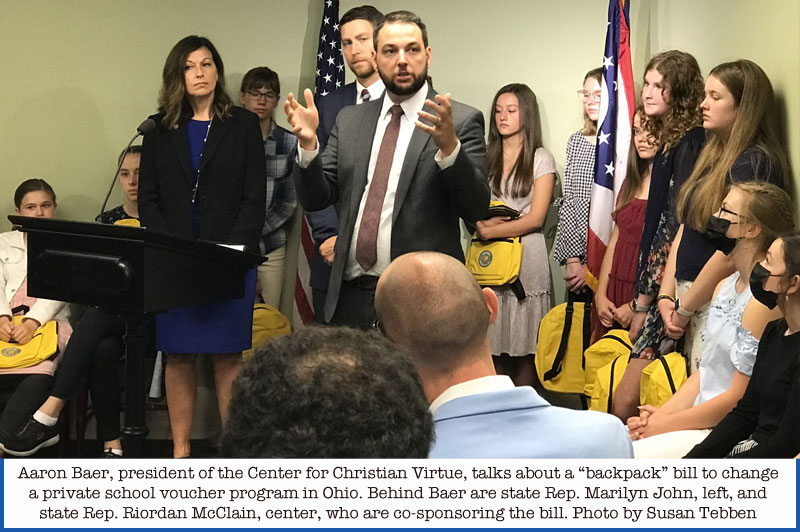
    The sponsors of a bill that would promote the use of private school vouchers and “school choice” came together on Wednesday with a religious lobby group to bring the bill back up.

    House Bill 290 was originally introduced in May as a “legislative intent” bill aiming to allow students to have the funding they need “follow them” to private schools of their choice, should parents decide the public school system is not working for them.

    “We want to fund students, not systems, and empower parents to make the best decision for their children,” said bill cosponsor state Rep. Riordan McClain, R-Upper Sandusky.

    The bill came before passage of the new budget bill, which included the Fair School Funding plan, an overhaul of the public school funding model.

    Under the new budget, EdChoice private school vouchers, along with the EdChoice expansion, the Cleveland Scholarship Program, the Jon Peterson Special Needs Scholarship Program and the Autism Scholarship Program, are all directly funded by the state, rather than being deducted from monies distributed to public school districts.

    “Ohio parents and students overwhelmingly want quality local public schools. They don’t want the radical defunding of public schools that this bill would likely cause.”

    Melissa Cropper, president of the Ohio Federation of Teachers

    In the new language being added to the bill, if a family applies to be a part of the private school voucher program, sponsors say the taxpayer money the state would use to fund EdChoice or Cleveland scholarships would be put in individual educational savings accounts for the students use.

    The bill’s other cosponsor, state Rep. Marilyn John, R-Richland County, said the bill isn’t meant to discredit public education, but to allow student who learn differently to be able to have different options.

    “One size fits all doesn’t work,” John said. “It certainly doesn’t work for education.”

    McClain said they don’t have an estimate of how many students would be impacted by the so-called backpack bill, though they don’t expect to see a mass exodus of students headed to private schools, more of a gradual upward trend.

    “It’s something that, once we set the agenda for where we want the future of the state to be, the hope is that that network gets built up and those opportunities are created,” McClain said.

    Included in the press conference was religious advocacy and lobbying group Center for Christian Virtue, which backs the bill because of its focus on school choice and to make public school districts perhaps think twice about instituting what they see as controversial policies.

    Aaron Baer, president of the Center for Christian Virtue, said amidst debate in the General Assembly on critical race theory — which CCV has called “a racist ideological grandchild of Marxism that’s being taught in schools across the state” in a fundraising email in support of anti-CRT legislation — parents should be able to take the lead in their student’s education.

    Baer also brought up the Upper Arlington school district, which tried to implement some bathrooms at their schools that were gender neutral, before the city of Columbus said that was against city code. The school district had said students who used the gender-neutral bathrooms had been doing so without incident.

    “A bill like this would be able to say: Look, Upper Arlington, if this is what you want to do, if this is the policy you want to have, okay,” Baer said. “But now…those families are allowed to go elsewhere and maybe you’re going to think twice about doing something that parents don’t like.”

    The bill was already spurned by education associations and public school advocates when it was introduced, but the new language has done nothing to change minds.

    “Ohio parents and students overwhelmingly want quality local public schools,” said Melissa Cropper, president of the Ohio Federation of Teachers. “They don’t want the radical defunding of public schools that this bill would likely cause.”

    The backpack bill current sits in the House Finance Committee, but has not been scheduled for a hearing.

  • Lawsuit accuses Ohio Redistricting Commission of violating constitution

    Lawsuit accuses Ohio Redistricting Commission of violating constitution

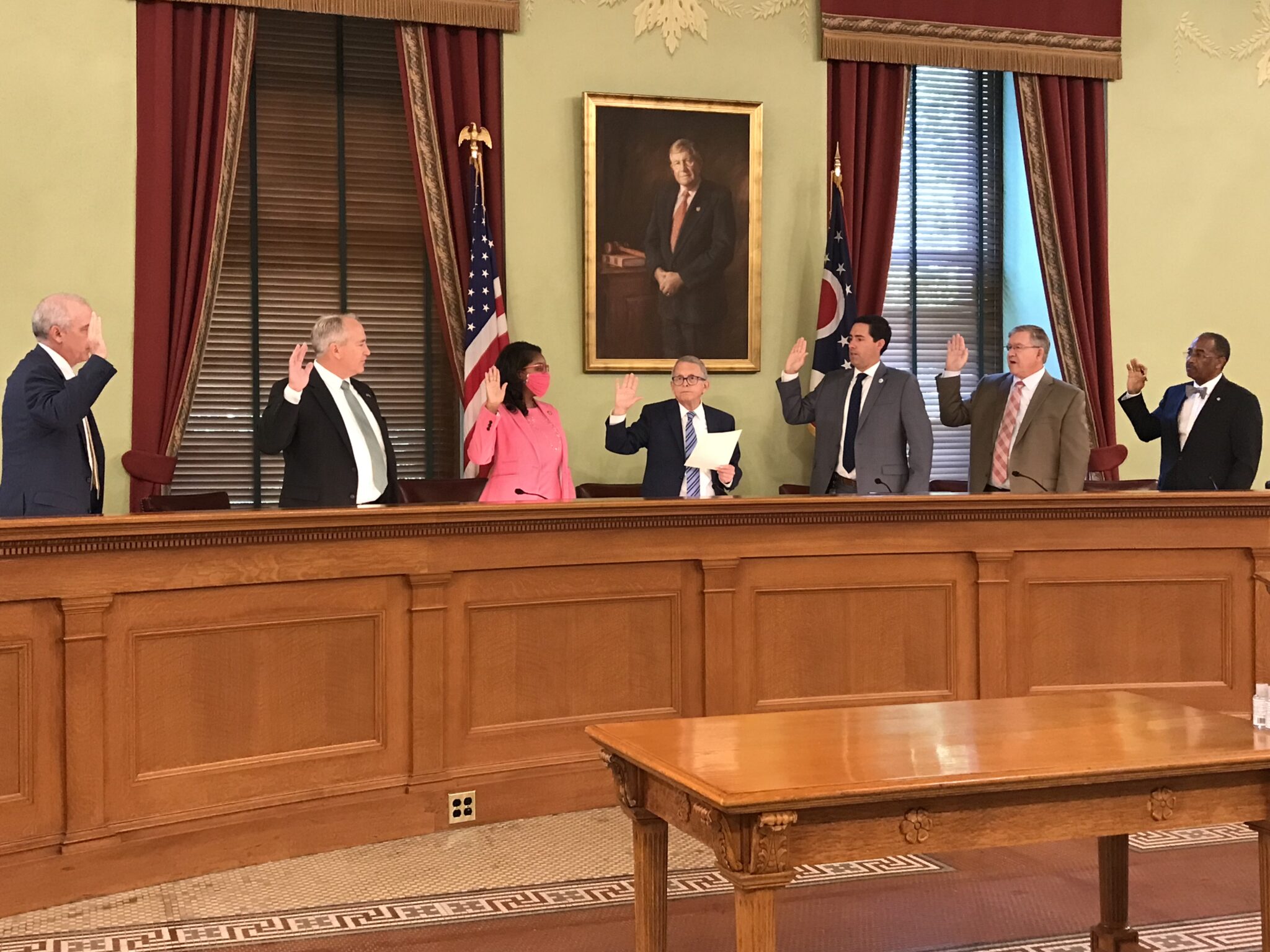
    Members of the Ohio Redistricting Commission are sworn in at the Ohio Statehouse. From left, Senate President Matt Huffman, state Auditor Keith Faber, House Minority Leader Emilia Sykes, Gov. Mike DeWine, Secretary of State Frank LaRose, House Speaker Bob Cupp and Sen. Vernon Sykes. Photo by Susan Tebben

    BY: and Ohio Capital Journal

    The ACLU has filed an expected lawsuit disputing the partisan legislative redistricting maps passed earlier this month by the Ohio Redistricting Commission.

    The Ohio and national chapters of the American Civil Liberties Union, along with law firm Covington & Burling, LLP, announced the lawsuit Thursday afternoon, accusing the Republican majority of “disrespecting the letter and spirit of the constitutional reforms passed overwhelmingly by Ohio voters in 2015.”

    The ACLU and Covington & Burling are presenting the lawsuit on behalf of the Ohio Chapter of the A. Philip Randolph Institute, unnamed individual plaintiffs and the League of Women Voters of Ohio.

    The parties in the court challenge contend that the maps violate the constitution by not accounting for the “partisan balance of House and Senate districts correspond closely to the statewide preferences of the voters of Ohio.”

    “This is an illegal map, plain and simple,” said Robert Fram, of Covington & Burling, in a statement.

    The lawsuit accuses the commission of a “brazen manipulation of district lines for extreme partisan advantage” that “doubly dishonors the honors of this state.”

    “After decades of working to end partisan gerrymandering in the Buckeye State, the League of Women Voters of Ohio asks the Ohio Supreme Court to defend the rights of everyday Ohioans to have legislative districts that serve and represent them rather (than) be rigged to favor the short-sighted and selfish interests of political parties and candidates,” said Jen Miller, president of the League of Women Voters said in a statement.

    A spokesperson for Senate President Matt Huffman, who presented the maps that were eventually approved by the redistricting commission on Sept. 16, said Senate Republicans “are confident the maps approved by the Redistricting Commission are constitutional and compliant.”

    Redistricting Commission co-chair state Sen. Vernon Sykes, one of the two Democrats to vote against the map said he, too, believes the maps are not constitutional.

    “Unfortunately, the maps adopted last week by the Republican members of the Redistricting Commission do not comply with those requirements,” he said in a statement. “They favor one political party and do not meet the litmus test of fairness and proportionality described by the Constitution.”

    A spokesperson for fellow co-chair and House Speaker Bob Cupp also defended the maps.

    “Lawsuits happen every time there is a new map,” said Aaron Mulvey deputy press secretary for the House GOP. “We knew this was coming, and the state will defend the constitutional maps approved by the Redistricting Commission.”

    If the Ohio Supreme Court finds the maps to be unconstitutional, they would return to the commission for a second time.

    The lawsuit comes as congressional redistricting is set to begin this month. If the state legislature can’t come to an agreement by Sept. 30, those maps will also go to the commission for consideration.

    Republican majority gerrymanders Ohio for another four years


    SUSAN TEBBEN is an award-winning journalist with a decade of experience covering Ohio news, including courts and crime, Appalachian social issues, government, education, diversity and culture. She has worked for The Newark Advocate, The Glasgow Daily Times, The Athens Messenger, and WOUB Public Media. She has also had work featured on National Public Radio.
  • Ohio AG Yost joins another national lawsuit, this time to overturn LGBTQ protections

    Ohio AG Yost joins another national lawsuit, this time to overturn LGBTQ protections

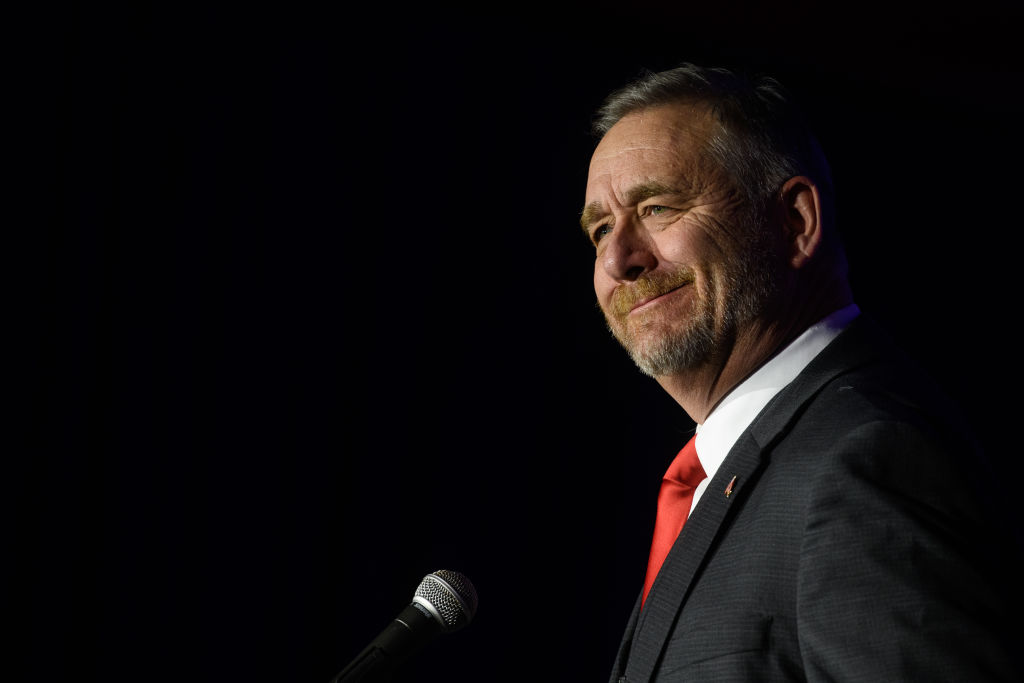
    Ohio Attorney General Dave Yost. (Photo by Justin Merriman/Getty Images)

    The state should be more focused on economic recovery than on lawsuits “fighting for the right to discriminate.”

    Equality Ohio

    BY: SUSAN TEBBEN and Ohio Capital Journal

    Joining 19 other state attorneys general, Ohio’s Dave Yost has jumped in on a lawsuit demanding that sexual orientation and gender identity not be included in discrimination protections.

    The complaint, filed in U.S. District Court for the Eastern District of Tennessee, argues “administrative agencies,” in this case the Biden administration, don’t have the power to change laws, but also challenges a recent U.S. Supreme Court ruling saying employers could not fire employees based on their sexual orientation or gender identity.

    “This case is not about the wisdom of the administration’s policy,” Yost said in a statement. “It is about power.”

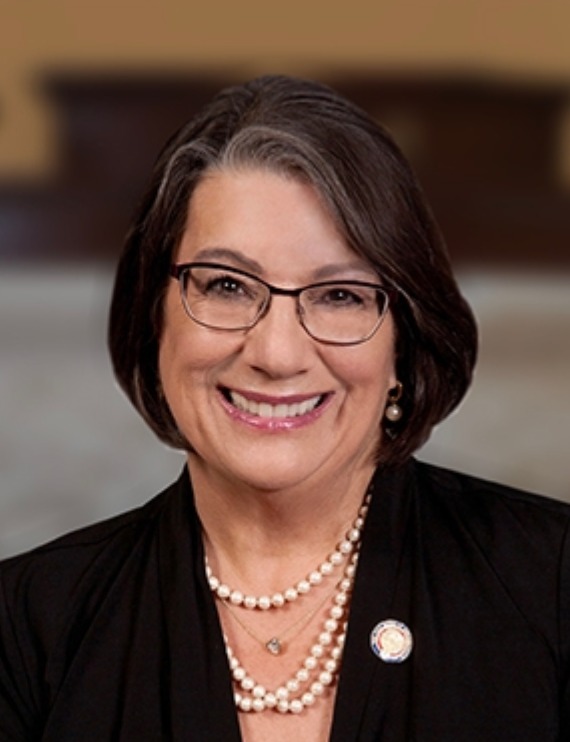
    State Sen. Nickie Antonio, D-Lakewood, sent a letter to Yost on Tuesday expressing her disappointment in his decision.

    State Sen. Nickie Antonio

    “It is the Attorney General’s duty as the state’s chief legal officer to protect our children and families, not to attack and malign hardworking Ohioans who happen to be from the LGBTQ community,” Antonio said in a statement.

    LGBTQ policy organization Equality Ohio said the state should be more focused on economic recovery than on lawsuits “fighting for the right to discriminate.”

    “AG Yost’s decision to participate in this misguided lawsuit against LGBTQ+ people pushes Ohio down the wrong path,” said Maria Bruno, public policy director for Equality Ohio.

    The Biden administration directed federal agencies through an executive order to review existing regulations, policies, and other directives for consistency with the U.S. Supreme Court decision.

    The lawsuit accuses the U.S. Department of Education and the Equal Employment Opportunity Commission of “flouting procedural requirements in their rush to overreach” by interpreting federal antidiscrimination law “far beyond what the statutory text, regulatory requirements, judicial precedent and the Constitution permit.”

    The attorneys general said guidance from the DOE and EEOC “concerns issues of enormous importance to the states,” according to court documents.

    “The guidance purports to resolve highly controversial and localized issues such as whether employers and schools may maintain sex-separated showers and locker rooms, whether schools must allow biological males (transgender females) to compete on female athletic teams and whether individuals may be compelled to use another person’s preferred pronouns,” the lawsuit states.

    With regard to the Supreme Court decision, the states say the court “narrowly held” that terminating an employee for being LGBTQ constituted sex discrimination, and the court “declined to consider whether employer conduct other than terminating an employee simply because the employee is homosexual or transgender — for example, ‘sex-segregated bathrooms, locker rooms and dress codes’” — would constitute discrimination.

    The states of Tennessee, Alabama, Alaska, Arizona, Arkansas, Georgia, Idaho, Indiana, Kansas, Kentucky, Louisiana, Mississippi, Missouri, Montana, Nebraska, Oklahoma, South Carolina, South Dakota and West Virginia are also represented in the lawsuit.

    Ohio’s legislature has brought its own movements — or lack thereof — on LGBTQ issues in the past few years. In June, the Ohio House pushed through a ban on transgender female athletes competing on the side that matches their gender identity. The Senate later rejected the addition, but the bill targeting the same goal remains up for consideration.

    A bill to add sexual orientation and gender identity to protected classes in the state, the Ohio Fairness Act, has been introduced multiple times, and has not made it past committee hearings.

  • COVID-19 booster shots to roll out starting next month

    COVID-19 booster shots to roll out starting next month

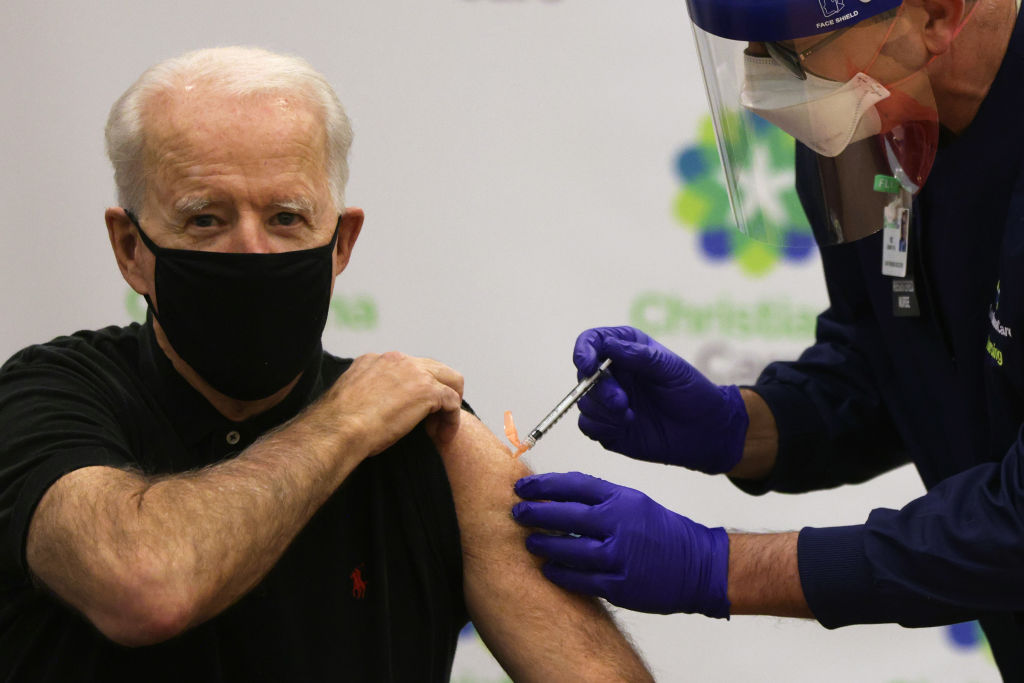
    President Joe Biden receives a covid vaccine. (Photo by Alex Wong/Getty Images)

    BY: LAURA OLSON and Ohio Capital Journal

    Top U.S. health officials announced a plan Wednesday to begin offering COVID-19 booster shots to Americans starting Sept. 20, with the scheduling of the additional shot to be based on when a person was fully vaccinated.

    The new round of jabs will be extended to those who received the two-dose vaccine from either Pfizer or Moderna, and can be taken eight months after an individual’s second dose.

    Dr. Vivek Murthy, the U.S. surgeon general, told reporters Wednesday that recent data makes clear that while the current COVID-19 vaccines have been highly effective against severe disease, hospitalization and death, the protection against mild and moderate disease has appeared to decrease over time.

    “This is likely due to both waning immunity and the strength of the widespread delta variant,” Murthy said, adding that health officials are concerned that the decline in immunity could reduce protection against severe disease and death in the months ahead.

    The more than 13 million Americans who received the one-dose shot from Johnson & Johnson may also need boosters, but will not yet be eligible.

    Federal health officials said they are awaiting data from J&J in the next few weeks before urging additional doses. The J&J shot wasn’t approved until March, so those who received it will not hit eight months past inoculation until November.

    The new booster rollout plan is subject to formal authorization from the Food and Drug Administration and the Centers for Disease Control and Prevention’s vaccine panel.

    Those agencies will hold public meetings before the booster rollout can begin. But officials said they were detailing the booster plan ahead of those meetings in part to give state and local health officials time to prepare for another wave of vaccination logistics.

    State and local health officials again under pressure

    The plan for offering a third shot puts yet another layer of pressure on state and local health departments that have carried out the massive vaccination campaign.

    Those officials are still seeking to boost vaccination rates that have lagged in certain regions amid skepticism and misinformation. Meanwhile, vaccine manufacturers are expected this fall to seek approval for administering shots to children under 12, who so far have not been eligible.

    During Wednesday’s news briefing, Dr. Rochelle Walensky, the CDC director, cited several new studies that tracked vaccine effectiveness, including among New Yorkers across age groups and another following case counts from nursing homes.

    Those studies have shown that protection against severe infection has held up but not against milder infections, she said, adding that other countries, such as Israel, also are starting to see “worsening outcomes.”

    “In the context of all of these studies, different cohorts, different settings across the country, and our international colleagues, we’ve made the decision to plan for these booster doses,” Walensky said.

    The booster shots will be available at roughly 80,000 sites nationally, including 40,000 local pharmacies. As with the other COVID-19 shots, the boosters will be free of charge.

    The CDC had already approved a third COVID-19 shot for some immunocompromised individuals, who may not have received strong protection from the initial doses of the vaccine.

    While the booster plan does not specifically mention other categories of individuals to receive a priority for boosters, the initial vaccine rollout did put certain groups first in line. So the first individuals to hit eight months after their second shot should be those in the earliest priority categories, such as health care workers and nursing home residents.

  • Ohio lawmakers reintroduce medically unproven ‘abortion reversal’ bill

    Ohio lawmakers reintroduce medically unproven ‘abortion reversal’ bill

    A study on the “reversal” method was suspended in 2019 after women had to be hospitalized for severe vaginal bleeding.

    By Susan Tebben and Ohio Capital Journal

    Ohio lawmakers are once again proposing that patients be made aware of a controversial and unproven “abortion reversal” method.

    State Reps. Kyle Koehler, R-Springfield, and Sarah Fowler Arthur, R-Ashtabula, are the main sponsors of a bill they are calling the “Abortion Pill Reversal Information Act.” Two-dozen Republicans in the Ohio House of Representatives have signed on as cosponsors.

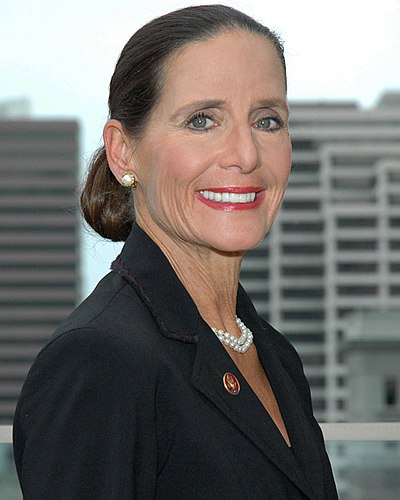
    Jean Schmidt (R-Loveland) is a co-sponsor of the Abortion Pill Reversal Information Act.

    “This bill does not require women to reverse their abortions,” Koehler said in a provided statement released alongside the Ohio Right to Life group. “Instead, this legislation provides scientific and proven medical information to mothers in crisis.”

    House Bill 378 involves the medication abortion drug mifepristone, which is used in conjunction with a drug called misoprostol, to end pregnancy. Physicians would be required to tell patients about a method that anti-abortion advocates say would “reverse” the abortion.

    State Reps. Kyle Koehler, R-Springfield, and Sarah Fowler Arthur, R-Ashtabula.

    The so-called “abortion pill reversal protocol,” the sponsors say, involves administering additional progesterone to counteract the progesterone-blocking effects of the first dose of the medication abortion drug.

    But the method has not been proven effective and has been criticized by medical professionals. A study on the “reversal” method was suspended in 2019 after women had to be hospitalized for severe vaginal bleeding. Ohio Right to Life’s executive director Stephanie Ranade Krider, serving as vice president at the time, called the study “at best morally questionable and worst, coercive of these women who no doubt needed support when facing an unplanned pregnancy.”

    Advocates like Jen Moore Conrow, executive director for the Cleveland nonprofit abortion clinic Preterm, say the method is “untested, unproven and potentially unsafe,” and so is intervening on conversations between a doctor and a patient.

    “Any law that dictates what physicians must say to patients really interferes with the doctor-patient relationship, particularly if physicians are forced to give false information,” Moore Conrow told the Ohio Capital Journal.

    Jean Schmidt (R-Loveland) is a co-sponsor of the Abortion Pill Reversal Information Act

    A bill with similar aims was approved by the Ohio Senate in 2019, but never made it out of a House committee.

    Similar bills have been introduced or passed in several other states, with limited success. A federal judge blocked North Dakota’s law in 2019, and Arizona repealed its “abortion reversal” law in 2015 after the state failed to provide experts to defend the law in court.

    The American Medical Association felt compelled to challenge the North Dakota legislation, which it said would provide “false, misleading, non-medical information about reproductive health.”

    The American College of Obstetricians and Gynecologists also spoke out against legislator-prescribed medical advice.

    “Claims regarding abortion ‘reversal’ treatment are not based on science and do not meet clinical standards,” ACOG stated on the method.

    Abortion is legal in Ohio up to 20 weeks gestation.

    The Ohio General Assembly is currently on break for the summer, so consideration of the bill will not take place until the fall. There is a separate abortion-regulation effort in the Senate, in which Republican sponsors are seeking to criminalize physician inaction during “botched” abortions — or abortions in which a baby is born alive, something that is statistically rare.