Tag: Cincinnati Children’s Hospital Medical Center

  • All Loveland schools now have “Project Adam” certification

    All Loveland schools now have “Project Adam” certification

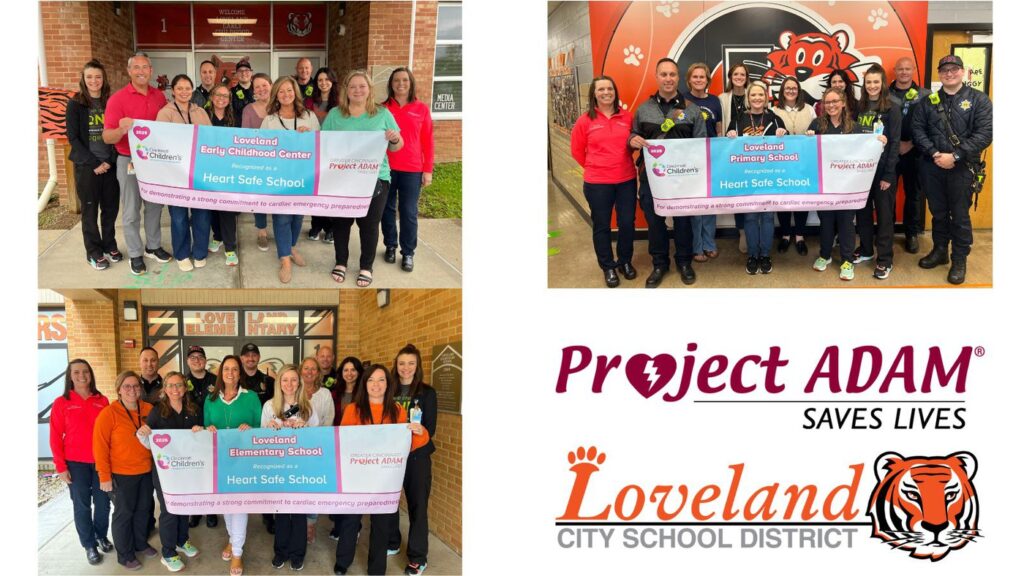
    Loveland, Ohio – “Project Adam” Heart Safe Schools have now been established at Loveland Early Childhood Center, Loveland Primary School, and Loveland Elementary School. This certification indicates that the campuses have the procedures, tools, and training necessary to guarantee a prompt reaction in the event of an unexpected cardiac attack.

    The whole Loveland City School District now holds the classification, joining previously certified Loveland Intermediate School, Loveland Middle School, and Loveland High School.

    According to the district, Loveland is just the second district in the region to get district-wide Project Adam certification. Loveland said it was made possible by the building leadership and nursing staff. They also said they are lucky to have a great relationship with the Loveland-Symmes Fire Department and Cincinnati Children’s Hospital Medical Center.

    In July of 2024, Ohio Governor Mike DeWine signed House Bill 47. The law required automated external defibrillators (AEDs) to be placed in every public and chartered nonpublic school in Ohio, as well as all municipally owned or operated sports and recreation locations.

    It also required schools to adopt emergency action plans for the use of automated external defibrillator devices (AEDs) and practice these plans quarterly, among other provisions.

    At the time Dewine signed the bill, Loveland High School Athletic Director Jayson Bruce told Loveland Magazine, “We have been extremely blessed to have been way ahead of this for many years here in Loveland. As a matter of fact, Loveland High, Middle and Intermediate schools are all certified as Heart Safe schools through Project ADAM. And as part of this certification, we had to create and execute plans to respond to heart emergencies. A huge part of these plans are the AED’s. Our High School and Middle/Intermediate school campuses are extremely well equipped with AED’s for not only the school day, but all of our athletic teams. The number one priority is and always will be safety. We are blessed to be able to provide access to AED’s to all of our sports teams.”

    Bruce said that on the High School campus their trainers have an AED with them at all times. There is also an AED mounted on the outside of the team room at Loveland High School Stadium. At Loveland High School, they have AED’s mounted outside of the gyms and the workout facility. Bruce added, “We also have backpack units that go along with our teams that train or participate off campus, like cross country, etc.”

    The Loveland Middle and Intermediate school campus is very similar to the High School. “We have AED’s mounted directly outside of each gym. The trainer, who is at football practices and games, always has an AED with them. Since we have teams that practice off campus as well, we send them with AED’s,” Bruce said.
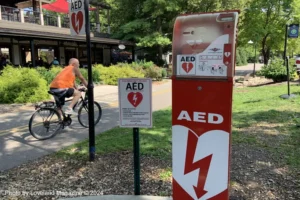
    The automated external defibrillator (AED) at the Loveland Town Clock (Loveland Magazine  2024 File Photo)

    Loveland City Manager Dave Kennedy told Loveland Magazine at the time that there is an AED at the Loveland Bike Trail next to the town clock at West Loveland Avenue and Railroad Avenue, Phillips Park, and McCoy Park. “We have cameras protecting the AED’s and if the alarms go off when accessed, the communication center will see them first hand.”

    Photos by Loveland Schools
    Project ADAM began in 1999 after the death of Adam Lemel, a 17-year-old Whitefish Bay, WI, high school student who collapsed and died while playing basketball. Adam suffered a Sudden Cardiac Arrest (SCA), in which ventricular fibrillation occurred, a condition in which the ventricles cannot pump blood into the body. Defibrillation, or an AED, could have saved his life. Adam’s parents, Patty Lemel and Joe Lemel, collaborated with Children’s Hospital of Wisconsin to create this program in Adam’s memory.

    In this video, learn a father’s perspective on the journey and importance of Project ADAM and the program mission to save lives.
    Project ADAM began in 1999 after the death of Adam Lemel, a 17-year-old Whitefish Bay, WI, high school student who collapsed and died while playing basketball after he suffered a sudden cardiac arrest (SCA). Project ADAM (Automated Defibrillators in Adam’s Memory) aims to prevent sudden cardiac death through helping schools and communities implement life-saving programs to maintain a practiced CPR/AED program and people confident to take action.
    Implementing a Heart Safe School Program

  • Mental health information session presented by MINT PTSA on February 6

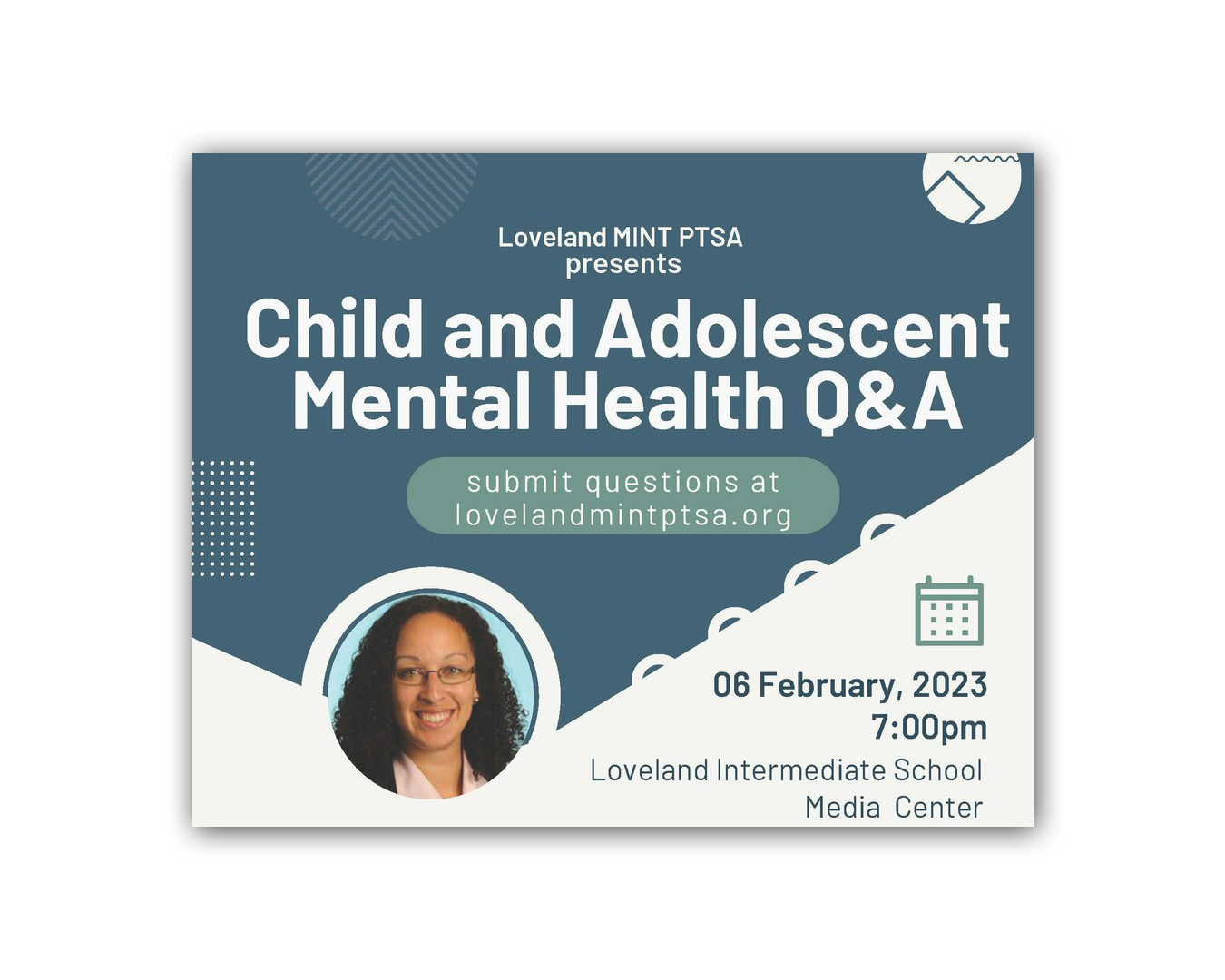
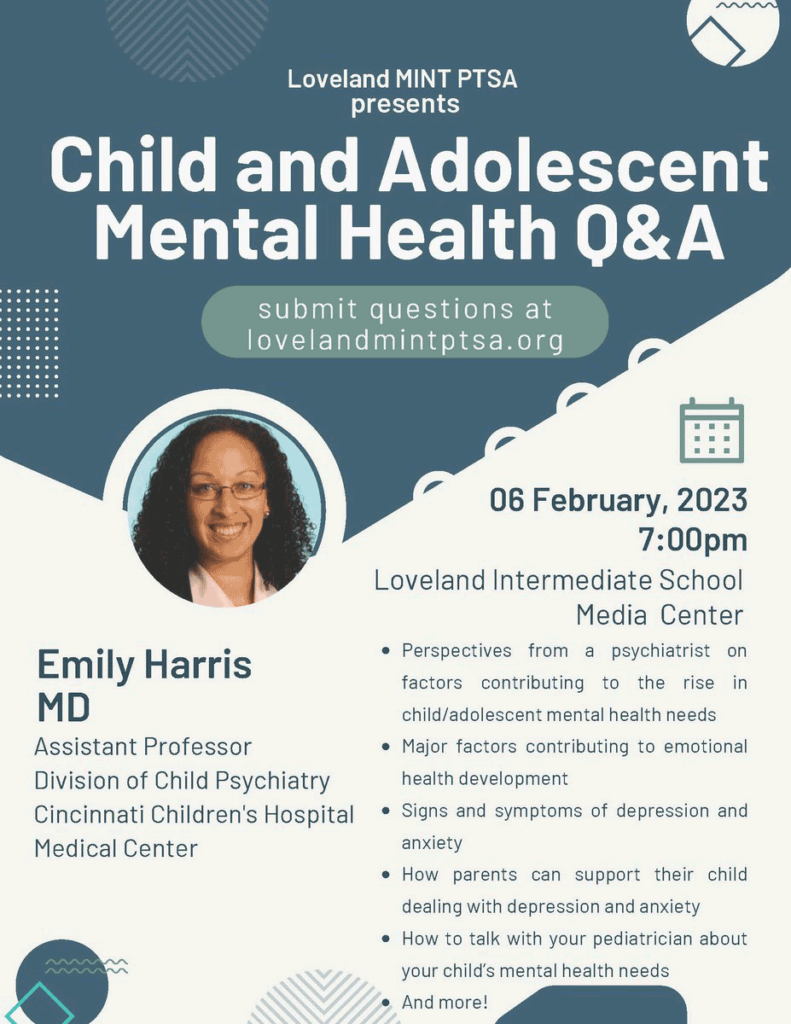
    Mental health information session presented by MINT PTSA on February 6

    Loveland, Ohio – The Loveland Middle/Intermediate School Parent Teacher Student Association (MINT PTSA) is hosting a Child and Adolescent Mental Health Q & A Session.

    Dr. Emily Harris from Cincinnati Children’s Hospital Medical Center’s division of Child Psychiatry will equip parents with information about childhood depression and anxiety. She will also be available to answer questions.

    The event will be in the Media Center at LIS Media Center on Monday, February 6, at 7 pm. Parents can submit questions ahead of time by following this link.

  • [Watch video] Ohio Children’s Hospital leaders briefing for school administrators – September 14, 2021

    [Watch video] Ohio Children’s Hospital leaders briefing for school administrators – September 14, 2021

    by David Miller

    The Ohio Children’s Hospitals Association made a direct appeal on Tuesday, September 14 to school superintendents to require masks for staff and students during the current surge of the coronavirus.

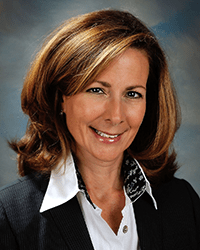
    Patty Manning, MD, is the Chief of Staff at Cincinnati Children’s Hospital Medical Center (Photo by CCHMC)

    Patty Manning, MD, Chief of Staff, Cincinnati Children’s Hospital Medical Center said, “Our inpatient numbers are the highest they’ve been. Our ICUs are caring for more patients than there’s ever been. More children are on ventilators than there has ever been. There are more children than ever entering our emergency departments and our urgent care centers. That impacts the care of all children, not just those that are COVID-19 positive.”

    The plea was made during a virtual meeting with superintendents and the clinical leadership from six Ohio children’s hospitals including Dayton Children’s Hospital, ProMedica Russell J. Ebeid Children’s Hospital, Cincinnati Children’s Hospital Medical Center, Nationwide Children’s Hospital, Akron Children’s Hospital, and University Hospitals Rainbow Babies & Children’s Hospital. 

    “The data are now clear that there is a higher level of COVID-19 in school districts where masks are not required,” said Governor DeWine. “If we want our schools to stay open, the best way to do that is for those 12 and over to get vaccinated. But because those under 12 are still too young to be vaccinated, we need students who come in to school to wear a mask until we get through this.” 

       The current policy of the Loveland City School District is that students in grades PreK-6 are required to wear a mask indoors. Students in grades 7-12 do not have to wear face coverings. All others, while in the buildings must wear masks.
    

    Efforts to reach Loveland Superintendant Mike Broadwater via email, asking him if he attended the virtual meeting and had any comment about it have not been successful securing an email response.

    In the background of this urgent plea is that State Reps. Jean Schmidt (R-Loveland/Miami Township) announced on August 25 she has introduced House Bill 400, which would prohibit public schools from mandating students to wear a mask. The bill introduction comes as statewide concerns from parents have heightened as several public schools, including the Loveland District have implemented school mask mandates for some of their students.

    Data that support this appeal according to a new release from the Ohio Children’s Hospitals Association include: 

    • Since August 15, 2021, there have been 29,823 Ohio school-aged kids ages 5 to 17 with confirmed and probable cases of COVID-19.
    • Cases among this age group increased 198 percent from the week of August 15th as compared to the week ending September 4.
    • As reported yesterday by the American Academy of Pediatrics, COVID-19 cases among children have increased 240 percent nationally since early July when the Delta variant began to surge. During that same period in Ohio, there has been a 2000 percent increase in cases among Ohio children.
    • COVID-19 cases are increasing at nearly twice the rate among school-aged kids as compared to the rest of the population. This past week Ohio saw a 44 percent increase among school-aged children and only a 17 percent increase among the rest of the population.
    • Over the two-week period ending September 4, 2021, there was an average of 909 cases per 100,000 school-aged Ohio kids versus 561 cases per 100,000 people comprising the rest of the population. 
    • The 16 days with the highest number of cases per day throughout the entire pandemic for kids aged 5 to 17 in Ohio have all been in the last 19 days. This includes every day except the three days of the Labor Day weekend.
    • In Ohio school districts where masks are optional, among school-aged kids, there are both higher case rates per 100,000 at 945.7 and a greater week-over-week increase in cases. School districts where masks are optional have seen a 54 percent week-over-week increase compared to a 34 percent increase in school districts where masks are either required for all or required for some (usually K-8th grade).

    Nick Lashutka, President and CEO of the Ohio Children’s Hospital Association
    “This is a perfect storm, and it’s impacting kids like it hasn’t before. It’s a combination driven by COVID-19 cases increasing, primarily driven by the Delta variant, increasing respiratory illnesses, more mental health challenges, and staffing challenges. Everyone can agree that our number one goal is to keep children in schools five days a week, and that’s what we shared with the state’s superintendents today.”

    Debbie Feldman, President and CEO of Dayton Children’s Hospitals
    “Ohio is truly blessed to have some of the best children’s hospitals in the country. We pride ourselves on meeting the needs of our kids. Our commitment is really threatened right now. For a long time, COVID-19 was perceived as a disease that didn’t impact children. That’s not the case anymore. Today, 25 percent of COVID-19 cases are in kids. We’re feeling that in our children’s hospitals.”

    Paula Grieb, DNP, RN, Chief Nursing Officer, ProMedica Russell J. Ebeid Children’s Hospital
    “In the city of Toledo and at Ebeid Children’s Hospital, we’ve seen significant in-patient and out-patient volumes, and we’ve seen a significant increase in kids with respiratory illnesses. We had a significant event occur last night in Lucas County. That means if a rescue squad responded to a 911 call and picked up a patient to take them to a hospital that was on EMS bypass, that rescue squad would not be allowed to stop at that hospital. The county EMS system would have to dispatch each call one at a time. That means a patient wouldn’t necessarily go to the hospital closest to them or best-suited to take care of the patients’ needs.”

    Rustin Morse, MD, CEO, Nationwide Children’s Hospital
    “We are in uncharted territory. Not just in children’s hospitals, but adult hospitals as well. The infrastructure is strained like it hasn’t been before. We are asking people to get vaccinated if they aren’t already, and we are asking them to wear masks.”

    Patty Manning, MD, Chief of Staff, Cincinnati Children’s Hospital Medical Center

    “Our inpatient numbers are the highest they’ve been. Our ICUs are caring for more patients than there’s ever been. More children are on ventilators than there has ever been. There are more children than ever entering our emergency departments and our urgent care centers. That impacts the care of all children, not just those that are COVID-19 positive.”

    CASE DATA/VACCINE INFORMATION

    Video of today’s full update, including versions with foreign language translation, can be viewed on the Ohio Channel’s YouTube page

    For more information on Ohio’s response to COVID-19, visit coronavirus.ohio.gov or call 1-833-4-ASK-ODH.

  • CANCERFREE KIDS APPOINTS THREE PROMINENT BUSINESS LEADERS TO TRUSTEE BOARD

    CANCERFREE KIDS APPOINTS THREE PROMINENT BUSINESS LEADERS TO TRUSTEE BOARD

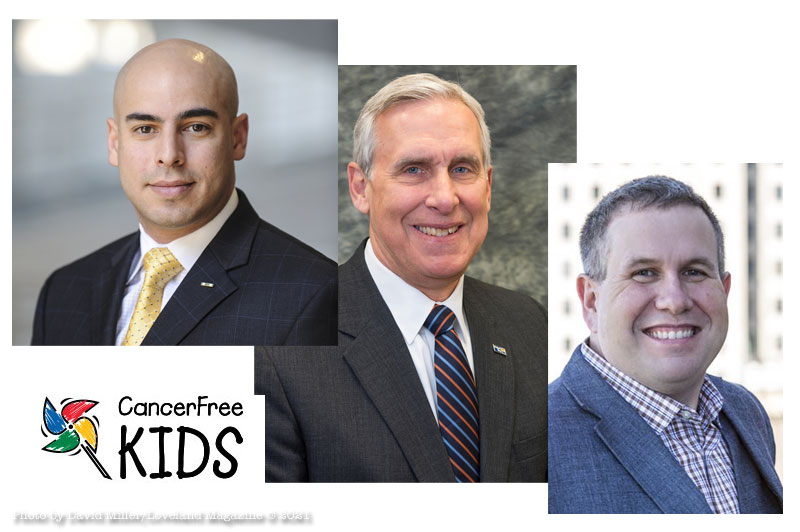
    Loveland, Ohio – CancerFree KIDS has appointed three new members to its Board of Trustees in a move to “grow more relationships with Greater Cincinnati’s business community and expand its impact in pediatric cancer research”.

    Tom Simpson, chief operating officer, Cincinnati Bell, Inc
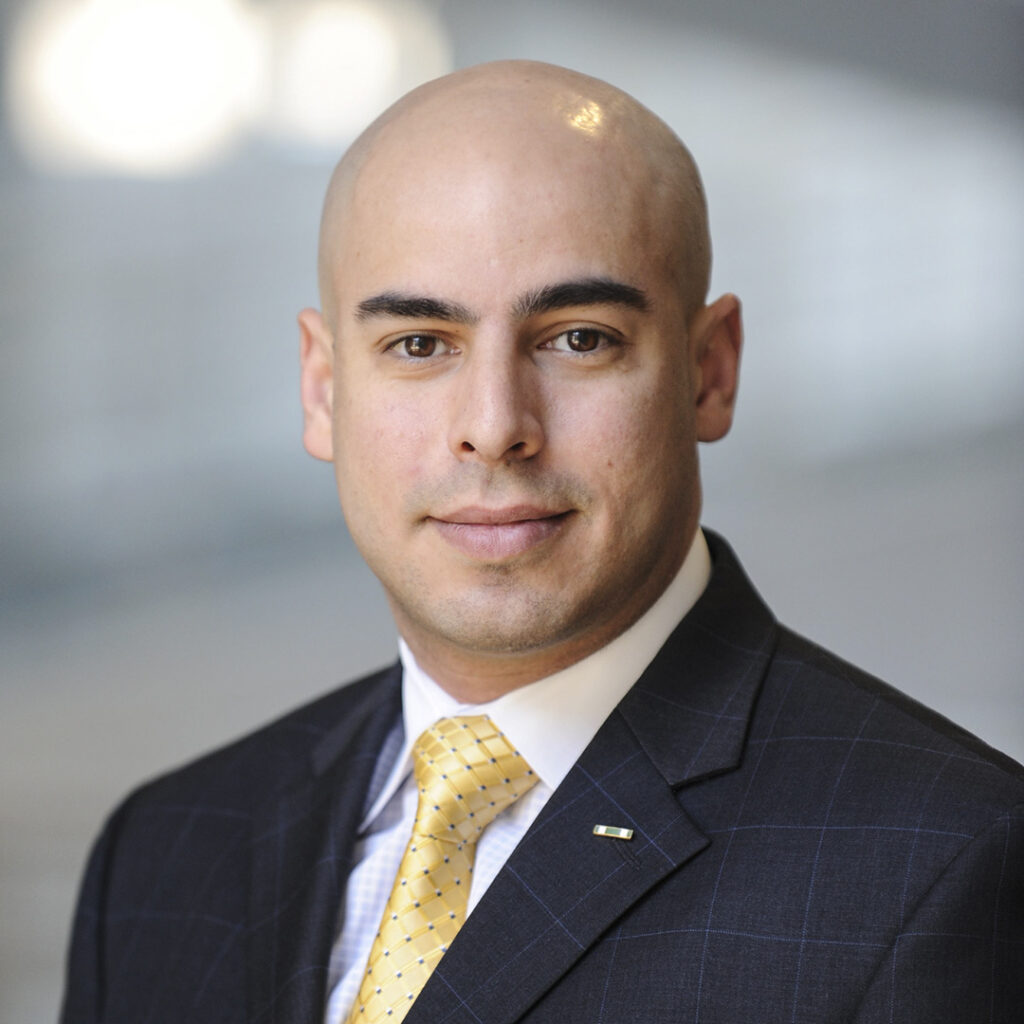
    Javier Diaz, vice president, Cancer & Blood Institute at Cincinnati Children’s Hospital Medical Center
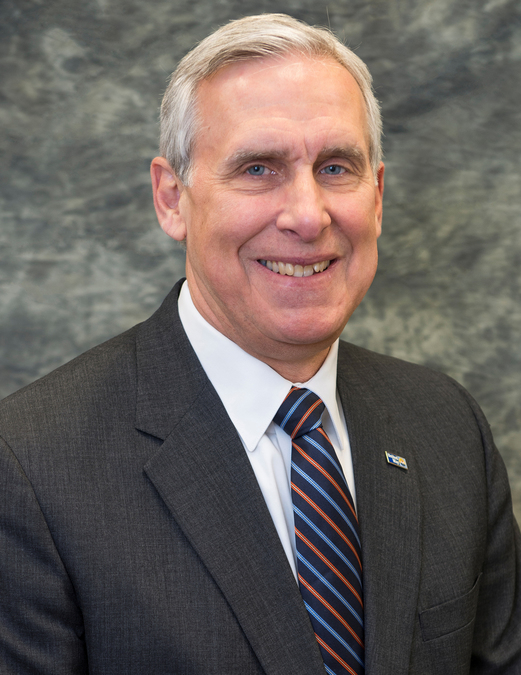
    Rob Reifsnyder, chief executive officer (retired), United Way of Greater Cincinnati

    “We are strategically putting the pieces together to help take CancerFree KIDS to the next level,” says Al Early, vice president and principal of consulting services, CBTS, and incoming board chair for CancerFree KIDS. “With Javier, Rob, and Tom, we can stay closely aligned with emerging research opportunities while reaching more of Cincinnati’s business leaders and growing the support for vital pediatric cancer initiatives.”

    Diaz, Reifsnyder, and Simpson join a board that has also recently seen a change in leadership.

    Al Early replaces CancerFree KIDS Founder Ellen Flannery as the new board chair.

    In addition to Early’s new role, Kelly Holden, partner, DBL Law has been named vice-chair and Greg Carroll, director, technical support center office of ground water, U.S. Environmental Protection Agency has been named treasurer.

    “CancerFree KIDS is a tremendous partner to Ohio cancer researchers,” says Diaz. “I’m excited to join a team that is so clear in its mission to apply revolutionary research to cure high-risk and relapsed cancer in children. Thanks to CancerFree KIDS and the research it has funded, there are kids who are right now enjoying longer, happy lives. I am grateful for this opportunity to help CancerFree KIDS grow these important efforts.”

    Founded in 2002, CancerFree KIDS has invested more than $7 million since its inception to fund high-risk, high- reward research initiatives at Cincinnati Children’s Hospital Medical Center in Avondale and Nationwide Children’s Hospital in Columbus. The studies intend to find cures and gentler treatments to help children better cope with the pains and challenges of fighting cancer. In most cases, this research would go unfunded without the support of CancerFree KIDS.

    Visit www.cancerfreekids.org to learn more about the organization’s mission and work to fight childhood cancer.

  • Join the new child abuse awareness campaign – Safe and Sound @ Home Cincinnati

    Join the new child abuse awareness campaign – Safe and Sound @ Home Cincinnati

    Hamilton County Job & Family Services has been working for several months with people from Cincinnati Children’s Hospital Medical Center and Cincinnati Public Schools on some new ways to bring attention to the stress a lot of families are feeling these days – and to some things everyone can do to help. The new campaign is called Safe and Sound @ Home Cincinnati.

    Please take a look at these new public service announcement videos – there’s a 30-second version and a 60-second one – and share them.

    During a press conference announcing the collaboration, Interim Director Tim McCartney had this to say: 

    “Child abuse is already under-reported in normal times. During the shutdown, Children’s Services saw a 40% drop in calls about abuse and neglect. While reporting has increased since then, calls are still down from normal levels. Given the stress, anxiety and hardships surrounding the pandemic, we want to offer a collaborative approach to families by letting them know that we are here for them.” 

    To read more about the announcement, below is the text of a press release sent out announcing the work:

    With the school year underway, parents are facing many challenges. It is natural for them to feel stress. Maintaining routines, having fun and using positive language can be helpful. For parents who start to feel anxious, taking a deep breath and talking to trusted family members or friends are great first steps. But if the situation becomes overwhelming, there are resources to help.

    To better protect vulnerable children and families during the COVID-19 pandemic, Cincinnati Children’s Hospital Medical Center, Hamilton County Job & Family Services and Cincinnati Public Schools are collaborating on a new campaign called Safe and Sound @ Home Cincinnati. The goal is to raise awareness about parenting support and resources available to those in the community who may be struggling.

    Support systems are available that can provide help with a variety of services, including food, medical assistance, childcare, housing, utilities, employment, cash and legal aid. However, experts have found some parents have difficulty asking for public benefits.

    “Many people find themselves asking for help for the first time ever, and it can feel confusing and uncomfortable,” said Carley Riley, MD, attending physician in the division of Critical Care Medicine at Cincinnati Children’s. “There is no right or wrong way to feel when navigating your way through public assistance. We want to stress there’s no shame in asking for help. Taking care of your family is courageous. It shows strength and resilience.”

    Resource guides on who to call for help have been available for the last several months at Cincinnati Public Schools food distribution sites. Public service announcements for Safe and Sound @ Home Cincinnati have also been released recently.

    “This collaboration further solidifies the investment we all have in the health and well-being of children,” said Carrie Bunger, PhD, Director of Positive School Culture & Safety at Cincinnati Public Schools. “By working together to support vulnerable families, we can increase the community safety net—especially for those at risk during these challenging times.”

    CCHMC also keeps a comprehensive list of resources available for parents and children.


    Local Help for Parents and Children

    To better protect vulnerable children and families during the COVID-19 pandemic, Cincinnati Children’s, Hamilton County Job & Family Services and Cincinnati Public Schools are collaborating on a campaign called Safe and Sound @ Home Cincinnati. The goal is to raise awareness about parenting support and resources available to those in the community who may be struggling.

    • Child abuse and domestic violence are under-reported in normal times. During these stressful times, children and their caregivers are at greater risk. 

    Steps to Take | Spanish

    • There are places in the Cincinnati area that provide help with food or medical assistance, child care, housing and utilities, cash and employment and legal aid.

    Look for Help | Spanish

    • It’s natural for parents to feel stress, anxiety and worry right now. 

    Get Parenting Tips | Spanish


    Take care of your mental health during COVID-19 quarantine.

    Coping with COVID-19


    Social distance greeting during COVID-19.

    Practicing Self-Care

    • Keeping Your Distance to Stay Safe: A guide from the American Psychological Association (APA) to engaging in physical distancing during the COVID-19 pandemic.
    • Coping with Stressful News: Seven crucial research findings that can help people deal with COVID-19, from the American Psychological Association, a translation of psychological science on coping with stressful news, and how that can help people to deal with COVID-19.
    • Sleep Hygiene: Tips and tricks for getting quality sleep from the Centre for Clinical Interventions.

    Practice self-nurturing during COVID-19.

    Taking Care of Your Mental Health: Coping with Anxiety & Depression


    Tips for parenting during COVID-19 to help family's mental health.

    Parenting during the Pandemic


    Where to call for a coronavirus emergency.

    Hotlines / Emergency

  • Mayo Clinic, Cincinnati Children’s announce rare congenital heart defect collaboration

    Mayo Clinic, Cincinnati Children’s announce rare congenital heart defect collaboration

    Cincinnati, Ohio –  Mayo Clinic’s Todd and Karen Wanek Family Program for Hypoplastic Left Heart Syndrome (HLHS) and Cincinnati Children’s Hospital Medical Center have announced their collaboration within the nationwide HLHS Consortium to provide solutions for patients with hypoplastic left heart syndrome.

    Hypoplastic left heart syndrome is a rare and complex form of congenital heart disease in which the left side of the heart is severely underdeveloped. Infants born with HLHS undergo a series of three surgeries to support the right side of the heart, which must work doubly hard to pump blood to the lungs and the rest of the body. The consortium’s regenerative research continues to look for safe and effective new therapies to further strengthen these young patients’ hearts, with the hope of delaying or eliminating the need for a heart transplant later in life.

    The consortium aligns regional “medical centers of excellence” and advocacy groups with the shared goal of finding solutions for people affected by congenital heart disease, including HLHS. The consortium, which was developed by Mayo Clinic’s Todd and Karen Wanek Family Program for Hypoplastic Left Heart Syndrome, works to sustain a continuous pace of research and innovation by bringing clinical trials and expertise to patients across the country.

    With a 135-year history serving pediatric patients, Cincinnati Children’s will participate in future HLHS Consortium clinical trials under the guidance of James Tweddell, M.D., executive co-director of the Heart Institute and director of cardiothoracic surgery at Cincinnati Children’s.

    “We’re excited to collaborate with Dr. Tweddell and the team at Cincinnati Children’s,” says Tim Nelson, M.D., Ph.D., director of the Todd and Karen Wanek Family Program for Hypoplastic Left Heart Syndrome. “They are not only a center of excellence for the early-stage HLHS surgeries, but they also provide high-quality, comprehensive care for teens and adults with congenital heart disease. We’re proud to work together with them to find new ways to strengthen the hearts of people with HLHS.”

    “A large portion of the patients that we care for have a single pumping chamber, and decreased function continues to plague a subset of our patients with single ventricle anatomy,” says Dr. Tweddell. “Dr. Nelson and the Wanek family have developed a cutting-edge research program into the use of autologous stem cells for maintenance and improvement of single ventricle function.”

    Dr. Nelson and his colleagues have developed techniques to isolate and amplify stem cells from umbilical cord blood, Dr. Tweddell explains. Then the cells are injected into the myocardium of single ventricle patients at the time of the second staged surgery.

    “Preliminary studies have shown the stem cell injections to be safe, and future studies will build on this experience while looking at the benefits of stem cell therapy. We are excited to collaborate with Mayo Clinic and the Wanek family on this important new strategy to improve the lives of some of our most challenging patients,” says Dr. Tweddell.

    Cincinnati Children’s is the ninth member of the HLHS Consortium, joining Mayo Clinic, Children’s Hospital of Philadelphia, Children’s Hospital Los Angeles, Children’s Minnesota, Children’s Hospital Colorado, The Children’s Hospital at OU Medicine, and Ochsner Hospital for Children, as well as the advocacy group Sisters by Heart.


  • #TigerCare: Summer support for students

    #TigerCare: Summer support for students

    There are many students who require summer support.

    By Eric Dool,

    How will my student’s mental-health needs be met when school is not is session?

    As summer vacation has arrived, thoughts for most naturally turn to rest, time with friends and family, travel, summer projects, professional development and so forth. For some, however, an extended break from school can lead to significant anxiety. Will my son or daughter retain the knowledge and skills needed to be successful at the start of next year? What can I do to better prepare my child for the increasing rigor faced as they progress from grade to grade?  How will my student’s mental-health needs be met when school is not is session? As has become quite clear through research and practical application, there are many students who require summer supports in order to continue to access, participate and progress at school, year to year. That being said, Tiger Care is not something that can end in May and begin in September – it MUST be on-going.

    Tiger Care is not something that can end in May and begin in September – it MUST be on-going.

    For Loveland City Schools, targeted Care supports are an essential part of how we do business. It is an extension of our practices throughout the school year. As such, in addition to the multitude of athletic, art, and enrichment opportunities we make available to students, Loveland offers more-intensive intervention supports for smaller groups of students, frequently in collaboration with well-known community providers. Three examples include: mental-health services through The Children’s Home of Cincinnati (CHOC); an ADHD Summer Treatment Program through the Cincinnati Children’s Hospital Medical Center (CCHMC); and Extended School Year (ESY) services for identified students with educational disabilities.

    Loveland offers more-intensive intervention supports for smaller groups of students.

    In March, I noted the on-going relationship Loveland has had with The Children’s Home of Cincinnati in providing mental-health services to students, inclusive of individual and family therapy, case management, and medication management services. For students involved, CHOC services will continue on-site throughout the summer – with little to no disruption in service. Arrangements for services are being handled through CHOC.

    In exchange for hosting the program in Loveland, a handful of Loveland students will be able to attend for free, or at a reduced cost for families.

    Loveland additionally will for the first time be partnering with the Cincinnati Children’s Hospital Medical Center to host their annual ADHD Summer Treatment Program. This intensive, seven-week-long program has proven to be highly effective in meeting the needs of some students with ADHD, and has been offered through CCHMC for several years at Xavier University through parent payment and minimal scholarship assistance. In exchange for hosting the program in Loveland, a handful of Loveland students will be able to attend for free, or at a reduced cost for families. School teams have worked to identify possible candidates for this program.

    And finally, approximately 120 students with educational disabilities will receive varied Extended School Year (ESY) summer services to prevent excessive loss of knowledge and skills during the summer months, loss typically taking excessively long periods of time to recoup in the fall. These services have been offered through Loveland for several years in a summer-school-like fashion, focused on intensive reading, mathematics, functional living, communication and sensory needs. For a few students, more individualized supports are provided.

    Eric Dool (dooler@lovelandschools.org) is Director of Student Services for the Loveland City School District

    In summary, Loveland recognizes its role in continuing to provide Care during extended absences from school. To that end, we recognize that it is our responsibility to work with families and community resources to ensure that all Tigers return to school in August ready to learn.


  • Loveland High School seniors Emily Kiehl and Radu Vasilescu receive $3,000 grant

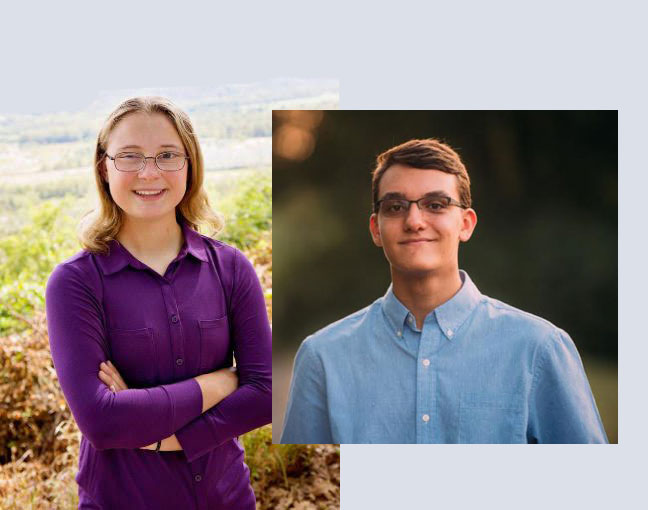
    Loveland High School seniors Emily Kiehl and Radu Vasilescu receive $3,000 grant

    The CEI Foundation awards grant to teens’ project using virtual reality to treat eye disorder

    Blue Ash, Ohio – The Cincinnati Eye Institute Foundation, the charitable foundation of Cincinnati Eye Institute, has awarded two seniors at Loveland High School a grant of $3,000. The Foundation’s Research Committee, chaired by Robert Sisk, M.D., made this IGNITE grant to fund an innovative treatment for children with amblyopia, also known as lazy eye. This grant will fund additional computer equipment that will allow children to use virtual reality glasses to play games while strengthening eye muscles.

    Emily Kiehl and Radu Vasilescu came up with the idea to use Oculus Rift virtual reality technology to simulate patching one’s eye and playing games filled with perspective and optical depth perspective on the eye needing therapy.

    Kiehl, who was born with amblyopia and was successfully treated for the condition, sees this as a potential treatment method. “Using the VR headset, we believe that children can force their brain to start using both eyes evenly,” Kiehl said.

    “By surpassing 40 plus college-level teams with our high school prototype, we proved our project is worthwhile and has recognized potential.” – Radu Vasilescu

    Kiehl and Vasilescu built a prototype of this design at the University of Cincinnati event “Revolution UC,” a 24-hour, team-based project development competition and won the first place prize awarded by a panel of IT professionals. They invested the winnings from this prize into development of the project.

    “By surpassing 40 plus college-level teams with our high school prototype, we proved our project is worthwhile and has recognized potential,” added Vasilescu.

    Kiehl and Vasilescu previously built a computer from scrap parts and a loaned graphics card. The computers will enable them to expand their research into the effectiveness of this approach.

    Kiehl and Vasilescu presented the idea to The Cincinnati Eye Institute Foundation and were awarded a $3,000 grant which they will use to purchase two high-powered computers needed to run the program. The students previously built a computer from scrap parts and a loaned graphics card. The computers will enable them to expand their research into the effectiveness of this approach.

    “We are happy to award Emily and Radu an IGNITE grant for their forward-thinking and entrepreneurial approach to help children born with amblyopia.” – Patrick Ward

    “We are happy to award Emily and Radu an IGNITE grant for their forward-thinking and entrepreneurial approach to help children born with amblyopia,” said Patrick Ward, president of The Cincinnati Eye Institute Foundation. “We support efforts for new treatments to help eye disorders, and know that this project has the ability to help many young children.”

    The team is hoping to involve students in the Loveland School District, as well as Cincinnati Children’s Hospital Medical Center in their project to help them test out the technology.

    Both Kiehl and Vasilescu will graduate from Loveland High School this spring and will pursue computer science degrees; Kiehl will attend the University of Cincinnati and Vasilescu will attend Duke University.

    Watch this video where Emily and Radu explain their invention and talk about what it does.

    Also read this story about Emily Kiehl and Radu Vasilescu:

    Loveland High School seniors Emily Kiehl and Radu Vasilescu receive $3,000 grant


    Wildflower House — where women & girls bloom!