

 by Julie Watson
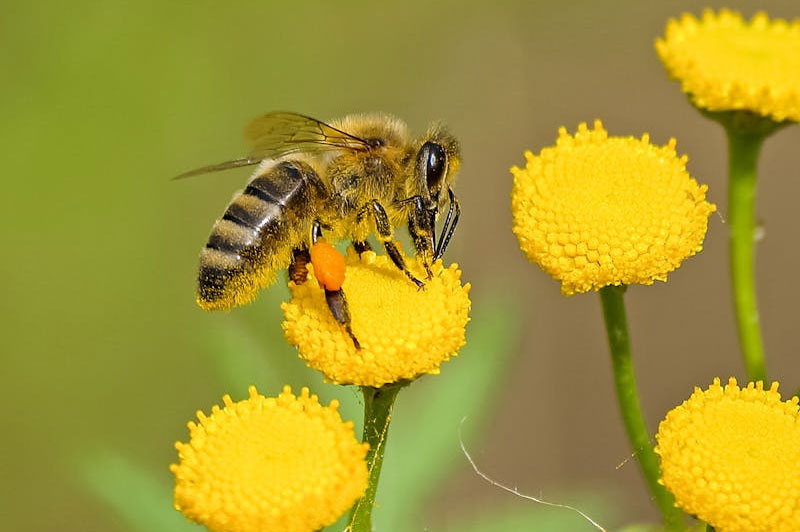
Save the Bees. I’m sure you’ve heard or seen such slogans increasingly over the past couple of decades. Of course, I’m all for saving any species, but some of the claims of activist groups on bee decline are a bit frightening. In trying to research the topic of bees and their necessity to humanity’s survival, I found varied and often contradictory reports. Sifting through the data, a few undeniable truths emerged.
First of all, honeybees are not native to North America. They were domesticated over 9,000 years ago which precedes the domestication of animals like chickens, pigs, and horses. Honeybees originated in either Asia or Africa and spread to Europe. European settlers brought honeybees to the east coast of North America approximately 400 years ago. They slowly began to make their way across the continent.
Secondly, although there are 4,000 species of bees native to North America, bees are not the only kind of insect pollinators. Other insects like ants, flies, butterflies, moths, wasps, and beetles do their fair share of pollinating too. Most of these undomesticated, native pollinators have seen sharp population declines since the turn of the century.
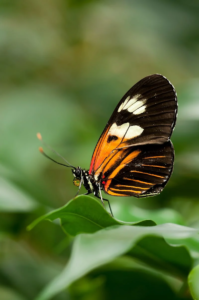 Thirdly, there are many factors contributing to pollinator decline. More study is needed to determine the exact causes of dwindling populations of pollinating insects. However, we do know that many of the world’s important agricultural crops, including most fruits, nuts, and vegetables, are dependent on insect pollinators.
At this stage of the game, all insect pollinators could use a little human help. Until researchers and scientists can agree on what is causing pollinator decline and how to stop it, what can you as a homeowner do about the situation?
There are some steps you can take that will make a difference. Some of them are simple. Most of them will have additional benefits for the planet, your person, and your wallet.
- Hold off on spring yard word until we’ve had at least 10 consecutive days of 50 degrees or higher. Many pollinators overwinter in the leaf piles and natural debris that accumulate before the snow begins to fly.
- Go chemical free. Avoid using man-made chemical pesticides on your lawn and around your home. Not only do they affect whatever they are targeted towards, they also contaminate ground water, affect air quality, and many have been proven to contribute to human health issues like cancer.
- Embrace early bloomers like dandelions and violets. These bright bursts of color in your yard provide much needed sustenance to pollinators emerging from winter hibernation.
- Plant pollinator-friendly plants and trees that are native to your area. Native species require less water and care, and they will attract native pollinators. If you don’t have much room, use pots, window boxes, or sprinkle them in among your garden plants. If you want to help on a large scale, replace your grass with flowering lawn alternatives (like clover or creeping thyme) or plant portions of your lawn as native meadows. Both will reduce long-term lawn care costs.
- Raise your mowing deck. Leaving the grass slightly longer than normal provides shelter and cover for all kinds of pollinators as well as natural pest eaters like lady bugs and lightning bugs. It also means less frequent mowing which can save both time and money.
- Provide pollinators with water and shelter. Insect pollinators benefit from shallow pans of water with rocks placed in them that extend above the water surface. This gives them an opportunity to drink without drowning. Pollinator houses, whether storebought or homemade, can provide safety from predators and weather. Many simple plans are available online.
Here are some resources to help you become a pollinator protector:
The Ohio Extension Service has a hotline (April 1st – October 31st) for questions about pollinators or gardening (330) 296-6432 or visit go.osu.edu/pchotline.
Ohio Pollinator Habitat Initiative https://www.ohiopollinator.org/
The Cincinnati Zoo has a pollinator program. https://cincinnatizoo.org/gardens/plant-for-pollinators/
Queen City pollinator Project offers education for grades 3 through adults https://www.queencitypollinatorproject.org/


 Information provided by the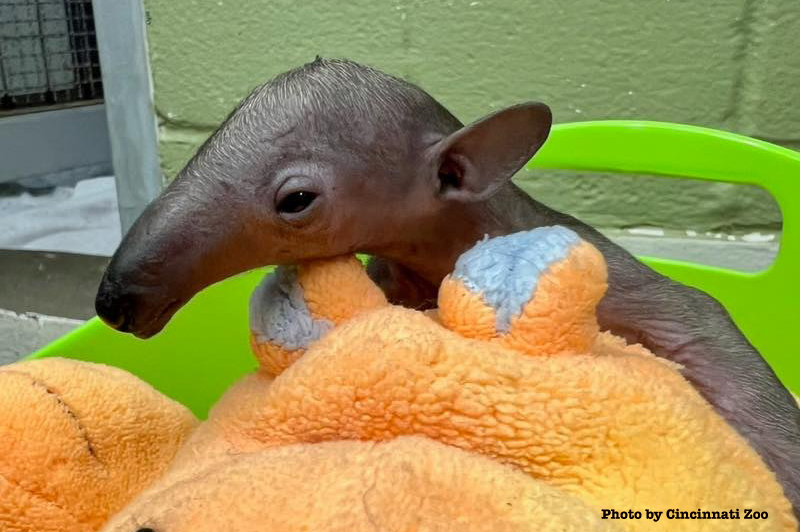




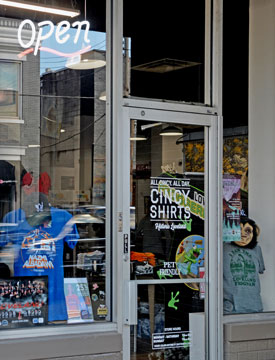 YOU KNOW Cincy Shirts is one of the largest local supporters of local charities? Cincy Shirts has raised 75,000 dollars for Devon Still’s Still Strong Foundation, 10,000 dollars for The Cure Starts Now, 80,000 for The Cincinnati Zoo’s Team Fiona Fund and regularly contributes to The Dragonfly Foundation, The ChiveOneThree Foundation and The Salvation Army. Cincy Shirts recently created a line of Cincy Strong T-shirts in light of the tragic mass shooting that occurred on September 6th. Proceeds from the t-shirt collection benefits the families affected by the incident, the Cincinnati Police Department and the first responders.
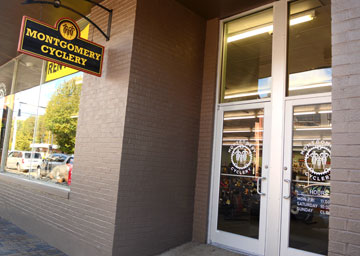 house clinics that cover a variety of bike related topics, the most recent clinic being, The Fix a Flat Clinic. In addition to providing clinics, Montgomery Cyclery runs a group ride program in which the staff organizes a bike ride that anyone can join. The rides range in distance, difficulty and of course time of day. According to the cyclery website, rides are currently being held on Sunday mornings, beginning at 9 a.m., and Sunday afternoons, beginning at 1 p.m. Last but certainly not least Montgomery Cyclery provides guests opportunities to participate in their Demo Program. This program is for riders to experience mountain biking before making the investment. Riders can either rent a demo bike any day for 50 dollars or they can attend a Montgomery Cyclery Demo Event to test ride a demo for free. The next Demo Event is set to be on November 3rd from 3 p.m. to 7 p.m. at Devou Park.
 opened its new 3 story location featuring rooftop dining just a few weeks ago. Along with the new location Tano’s Loveland also launched a new dine in menu that includes Brunch and Dinner items, such as the Crab Omelet and the BoLT Salad, and a takeout menu that features Weekly Take Home Chef Specials, such as The Great Pumpkin and Matcha Cream Puffs. DID YOU KNOW Tano’s mission is to make wholesome food naturally and responsibly using primarily local purveyors? Tano only uses family farmers that grow rich vegetables using sustainable farming practice, select seafood according to the Seafood Watch standards, raise meat that has lived the best quality of life with no added growth hormones and provide clean, heirloom, stoneground chemical free grains. Some of Tano’s local purveyors are Loveland’s very own Blooms & Berries and Ohio Valley Food Connection located in Newport, Kentucky.