Clermont County, Ohio – Clermont County Water Resources’ 5-year Capital Improvement Plan calls for 63 waterworks projects totaling $42 million and 55 wastewater projects estimated at $72.7 million.
Water Resources Director Lyle Bloom reviewed the plan with the Board of County Commissioners on May 9. Commissioners approved the plan May 11.
Waterworks projects include 32 water main replacements ($25 million), eight water storage tank rehabilitation/removals ($4.3 million), eight water treatment plan renovations/upgrades ($4.7 million) and eight new water main extensions ($5.4 million).
Funding for the waterworks portion of the plan includes $3.4 million in American Rescue Plan Act (ARPA) funds and $813,000 in Ohio Public Works Commission (OPWC) money.
Wastewater projects include 14 sewer replacements ($25.1 million), 12 lift station upgrades/eliminations ($9.8 million), nine wastewater treatment plant projects ($19.1 million) and 13 new sanitary sewer main extensions ($16.4 million). Funding for the wastewater part of the plan includes $4.8 million in ARPA funds, $3 million in U.S. Department of Agriculture funds and $864,000 in OPWC money.
Batavia, Ohio – A recent sampling of Clermont County’s water system for chemicals called Per and Polyfluoroalkyl Substances (PFAS) found no detection of harmful substances in our water. As a real-life parallel to the movie Dark Waters, which portrayed a town in West Virginia whose groundwater is contaminated by a neighboring chemical company, the Ohio Environmental Protection Agency (OEPA) has been sampling water systems across the state.
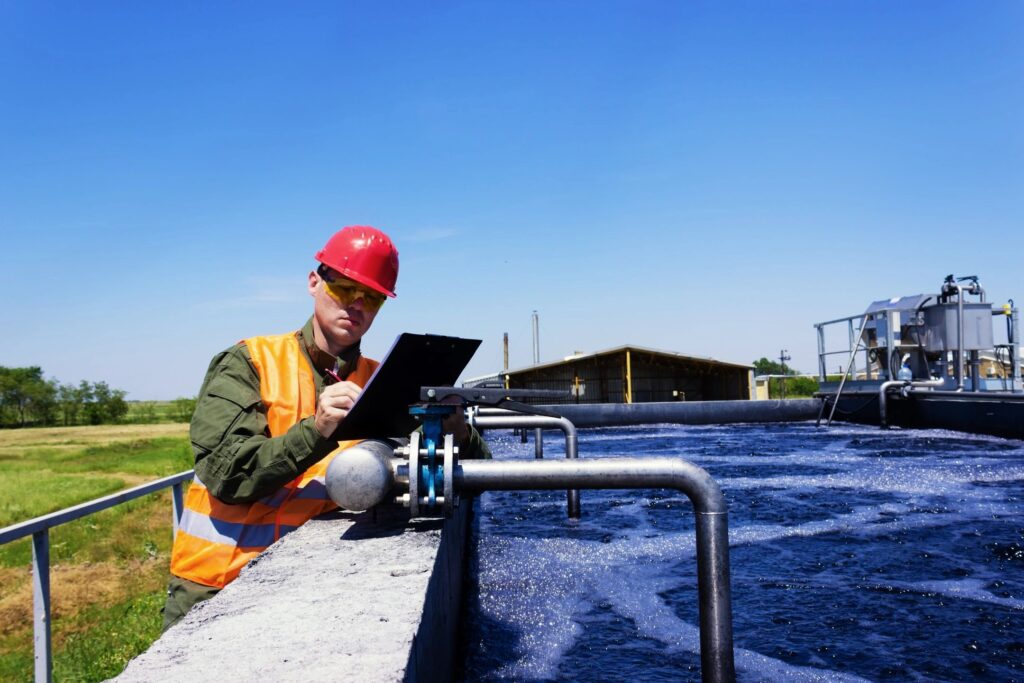
“This is very good news,” said Lyle Bloom, Director of Clermont County Water Resources. “All three of Clermont County’s water treatment plants were sampled as part of Ohio’s Statewide PFAS Action Plan for Drinking Water and there was no detection of PFAS from the raw or finished water at any of our treatment facilities.”
The Ohio Environmental Protection Agency (OEPA) has been sampling water systems across the state.
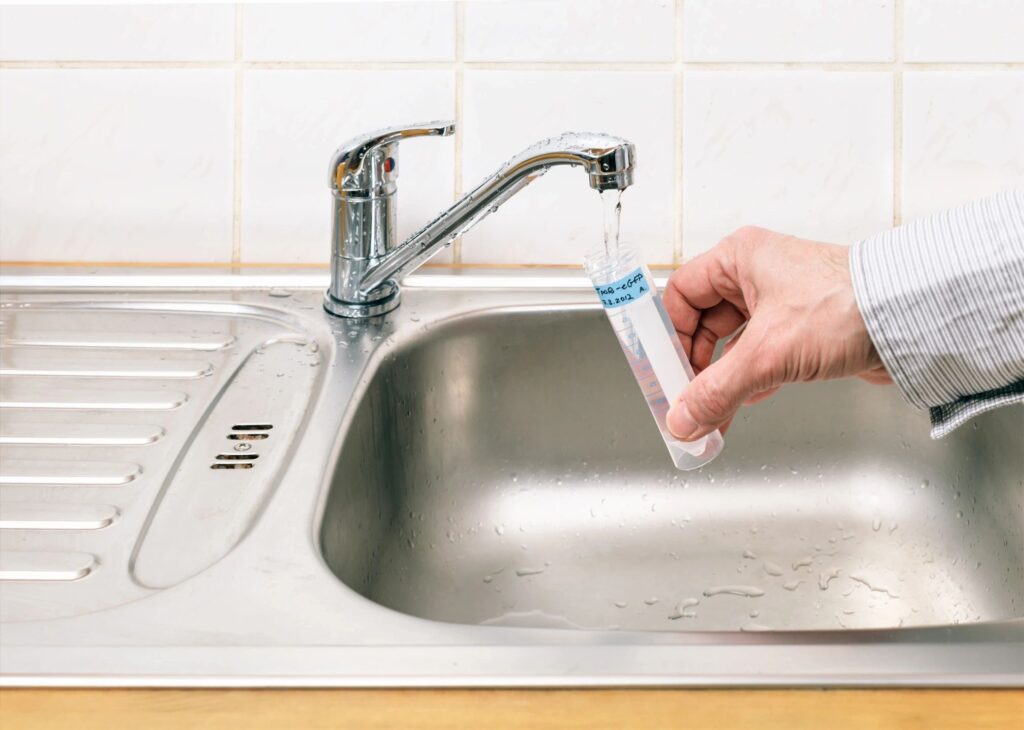
The plan calls for Ohio EPA to gather data from public water systems statewide to determine if PFAS are present in drinking water. The water system was sampled for six individual PFAS contaminants: PFOA, PFOS, GenX, PFBS, PFHxS, and PFNA.
PFAS are a group of man-made chemicals applied to many consumer goods to make them waterproof, stain resistant, or nonstick. PFAS are also used in products like cosmetics, fast food packaging, and a type of firefighting foam called aqueous film forming foam (AFFF) (which are used mainly on large spills of flammable liquids, such as jet fuel). PFAS is also called the “forever chemical” because they are not easily broken down by sunlight or other natural processes. They may remain in the environment for many years.
Recent sampling of Clermont County’s water system for chemicals called Per and Polyfluoroalkyl Substances (PFAS) found no detection of PFAS
PFAS can enter drinking water at sites where they are made, used, disposed of, or spilled. Some, but not all, studies in humans with PFAS exposure have shown that certain PFAS may: affect growth, learning and behavior of infants and children; lower a woman’s chance of getting pregnant; interfere with the body’s natural hormones; increase cholesterol levels; affect the immune system; or increase the risk of certain cancers. Scientists are still learning about the health effects of exposures to mixtures of PFAS.
In 2013, Clermont County performed sampling and analysis at all three of its water treatment plants. At that time, there was also zero detection of PFAS. There are currently no national drinking water standards (Maximum Contaminant Levels or MCLs) established for PFAS compounds; however, OEPA adopted Action Levels ranging from 21 to 140,000 ng/L for various PFAS chemicals. Ohio EPA will be establishing response protocols for public water systems in Ohio when action levels are exceeded, including public notification and issuance of drinking water advisories.



 In 2013, Clermont County performed sampling and analysis at all three of its water treatment plants. At that time, there was also zero detection of PFAS. There are currently no national drinking water standards (Maximum Contaminant Levels or MCLs) established for PFAS compounds; however, OEPA adopted Action Levels ranging from 21 to 140,000 ng/L for various PFAS chemicals. Ohio EPA will be establishing response protocols for public water systems in Ohio when action levels are exceeded, including public notification and issuance of drinking water advisories.