

Tag: clinical trials

  • Ohio receives remdesivir to be distributed statewide

    Ohio receives remdesivir to be distributed statewide

    Remdesivir has not yet been approved by the FDA as a treatment for COVID-19

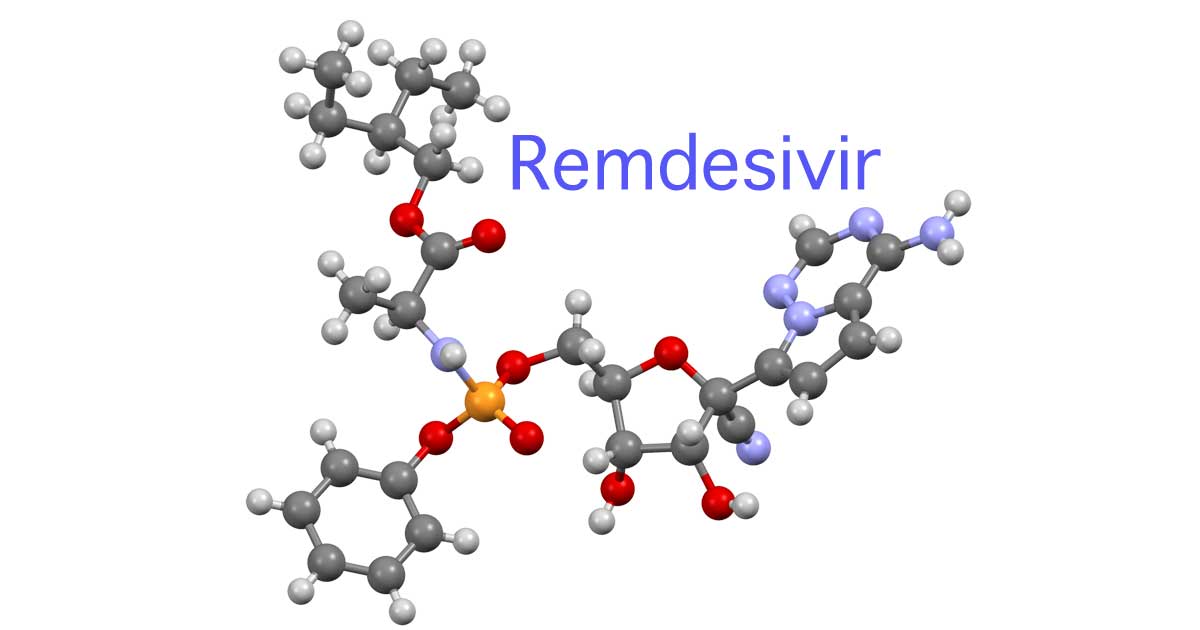
    Columbus, Ohio – The Ohio Department of Health (ODH), and the Ohio Hospital Association (OHA), will work together to distribute remdesivir across Ohio that was received from the federal government on Tuesday, May 12.

    Ohio’s allocation is not enough to treat all patients.

    The Food and Drug Administration (FDA), has issued an Emergency Use Authorization for remdesivir to allow it to be administered to patients. It is currently being studied in the treatment of COVID-19 in clinical trials and has been found to shorten the duration of disease from 15 to 11 days in patients being treated in-patient hospital settings.

    Ohio has received an allotment of 20 cases of remdesivir which is estimated for about 100 patients. How to distribute the drug was decided by the clinical leaders of the geographic zones that were created to help Ohio with this pandemic response. The decision-makers within each zone consisted of clinicians, pharmacists, public health officials, policymakers, ethicists, and other health disciplines that helped with the allocation amount to specific hospitals. The decision was based on the percentage of mechanically ventilated patients; which deems them to have the highest severity level.

    “This is not a cure, but early signs indicate that it can help in the treatment of COVID-19,” said ODH Director Amy Acton, M.D., MPH. “Ohio’s allocation is not enough to treat all patients, so we are working with medical experts to ensure distribution is based on clinical best practices.”

    “Ohio hospitals are committed to providing care and services to ensure the health and safety of our communities,” said Mike Abrams, President, and CEO, Ohio Hospital Association. “We appreciate the efforts of our policymakers and state leaders to secure resources and treatment to help in the delivery of care for patients impacted by COVID-19.”

    Individual hospitals will be responsible for using clinical justification on the distribution of the medication to specific patients.

    Remdesivir is administered intravenously and in two courses depending on the severity of the disease. Patients will receive either a 5-day (6-dose) course or a 10-day (11-dose) course, as clinically indicated.

    Individual hospitals will be responsible for using clinical justification on the distribution of the medication to specific patients. Whenever the number of patients in need of remdesivir exceeds the supply of the medication, hospitals will use internal processes appropriate for the allocation of scarce resources.

    Remdesivir is an investigational medication. While clinical trials indicate that the use of remdesivir has shortened the recovery time for some coronavirus patients, it has not yet been approved by the FDA as a treatment for COVID-19. The EUA and use of remdesivir for the treatment of COVID-19 is only due to the nature of the pandemic, the impact it has had on the population, and the fact that there is no adequate, approved, and available alternative to the emergency use of remdesivir for the treatment of COVID-19.



  • Mayo Clinic, Cincinnati Children’s announce rare congenital heart defect collaboration

    Mayo Clinic, Cincinnati Children’s announce rare congenital heart defect collaboration

    Cincinnati, Ohio –  Mayo Clinic’s Todd and Karen Wanek Family Program for Hypoplastic Left Heart Syndrome (HLHS) and Cincinnati Children’s Hospital Medical Center have announced their collaboration within the nationwide HLHS Consortium to provide solutions for patients with hypoplastic left heart syndrome.

    Hypoplastic left heart syndrome is a rare and complex form of congenital heart disease in which the left side of the heart is severely underdeveloped. Infants born with HLHS undergo a series of three surgeries to support the right side of the heart, which must work doubly hard to pump blood to the lungs and the rest of the body. The consortium’s regenerative research continues to look for safe and effective new therapies to further strengthen these young patients’ hearts, with the hope of delaying or eliminating the need for a heart transplant later in life.

    The consortium aligns regional “medical centers of excellence” and advocacy groups with the shared goal of finding solutions for people affected by congenital heart disease, including HLHS. The consortium, which was developed by Mayo Clinic’s Todd and Karen Wanek Family Program for Hypoplastic Left Heart Syndrome, works to sustain a continuous pace of research and innovation by bringing clinical trials and expertise to patients across the country.

    With a 135-year history serving pediatric patients, Cincinnati Children’s will participate in future HLHS Consortium clinical trials under the guidance of James Tweddell, M.D., executive co-director of the Heart Institute and director of cardiothoracic surgery at Cincinnati Children’s.

    “We’re excited to collaborate with Dr. Tweddell and the team at Cincinnati Children’s,” says Tim Nelson, M.D., Ph.D., director of the Todd and Karen Wanek Family Program for Hypoplastic Left Heart Syndrome. “They are not only a center of excellence for the early-stage HLHS surgeries, but they also provide high-quality, comprehensive care for teens and adults with congenital heart disease. We’re proud to work together with them to find new ways to strengthen the hearts of people with HLHS.”

    “A large portion of the patients that we care for have a single pumping chamber, and decreased function continues to plague a subset of our patients with single ventricle anatomy,” says Dr. Tweddell. “Dr. Nelson and the Wanek family have developed a cutting-edge research program into the use of autologous stem cells for maintenance and improvement of single ventricle function.”

    Dr. Nelson and his colleagues have developed techniques to isolate and amplify stem cells from umbilical cord blood, Dr. Tweddell explains. Then the cells are injected into the myocardium of single ventricle patients at the time of the second staged surgery.

    “Preliminary studies have shown the stem cell injections to be safe, and future studies will build on this experience while looking at the benefits of stem cell therapy. We are excited to collaborate with Mayo Clinic and the Wanek family on this important new strategy to improve the lives of some of our most challenging patients,” says Dr. Tweddell.

    Cincinnati Children’s is the ninth member of the HLHS Consortium, joining Mayo Clinic, Children’s Hospital of Philadelphia, Children’s Hospital Los Angeles, Children’s Minnesota, Children’s Hospital Colorado, The Children’s Hospital at OU Medicine, and Ochsner Hospital for Children, as well as the advocacy group Sisters by Heart.