

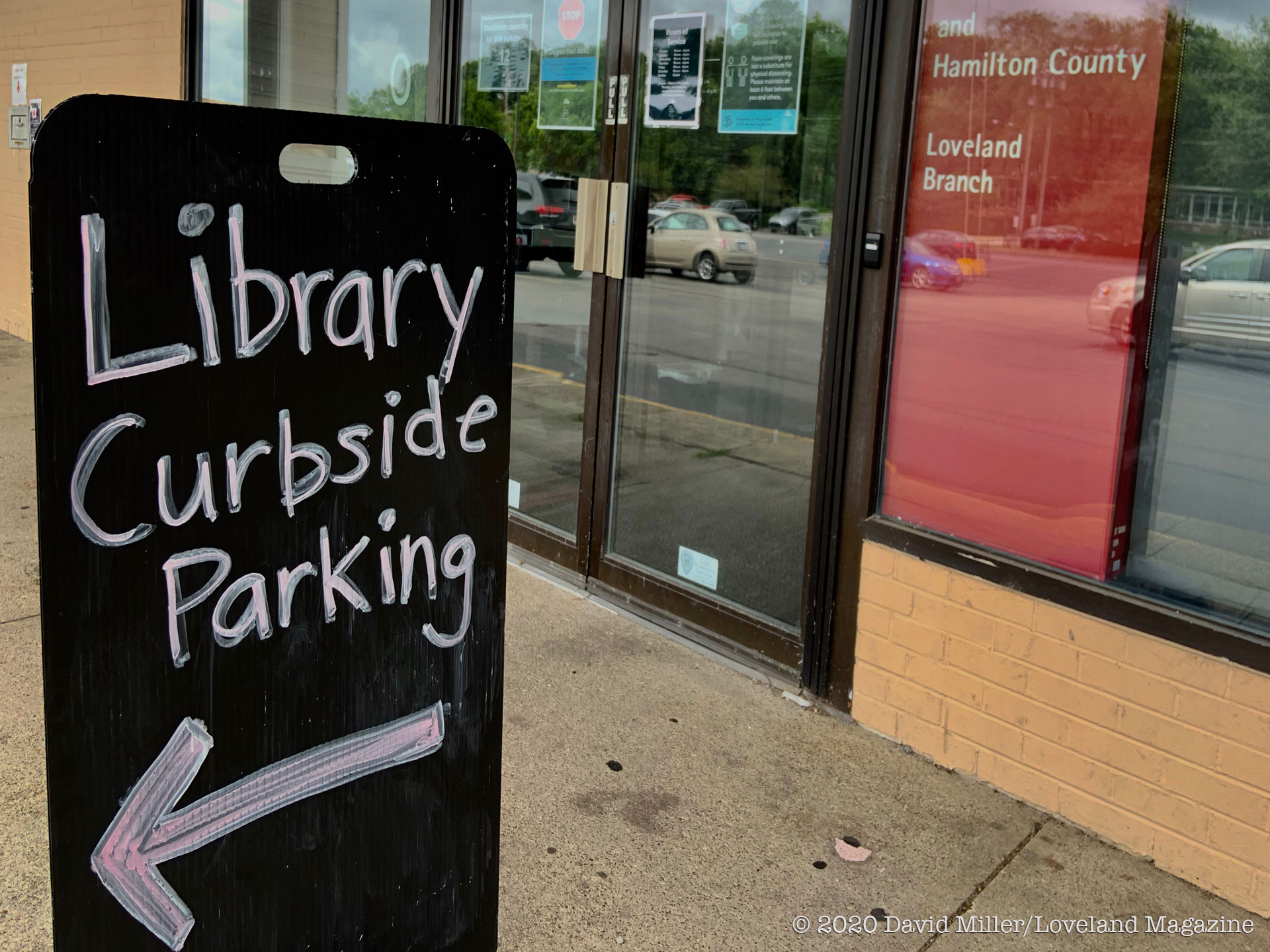
Loveland and Symmes open and also still offering curbside service
PHONE NUMBERS
LOVELAND – 513-369-4476
SYMMES – 513-369-6001
Loveland, Ohio – As part of the efforts to continue to serve the public, the Main Library has re-opened for limited in-person service.
All other locations have re-opened for in-person service on Monday, July 27, including the Loveland and Symmes Branch, with several exceptions:
- Mt. Healthy and Elmwood Place will begin curbside service on August 3.
- Greenhills will remain a curbside-only location until after Labor Day.
- North Central will remain a curbside location until their air conditioning is fixed.
- College Hill will remain closed to all service due to air conditioner repairs, with a scheduled reopening date of July 29.
- Price Hill is currently closed through the end of 2020 for a major renovation and expansion project.
In-Person Service Changes
At locations offering in-person service customers will notice the following changes:
-
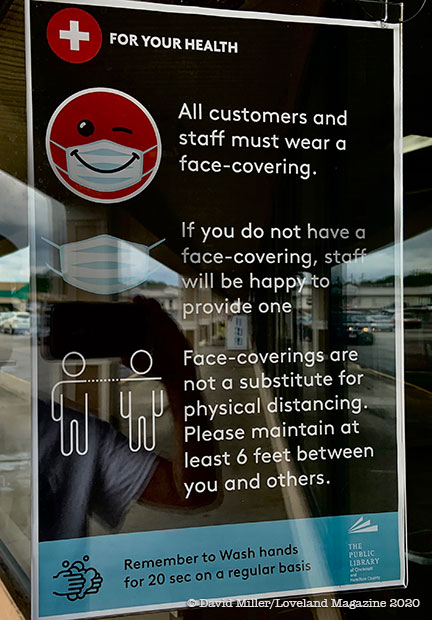
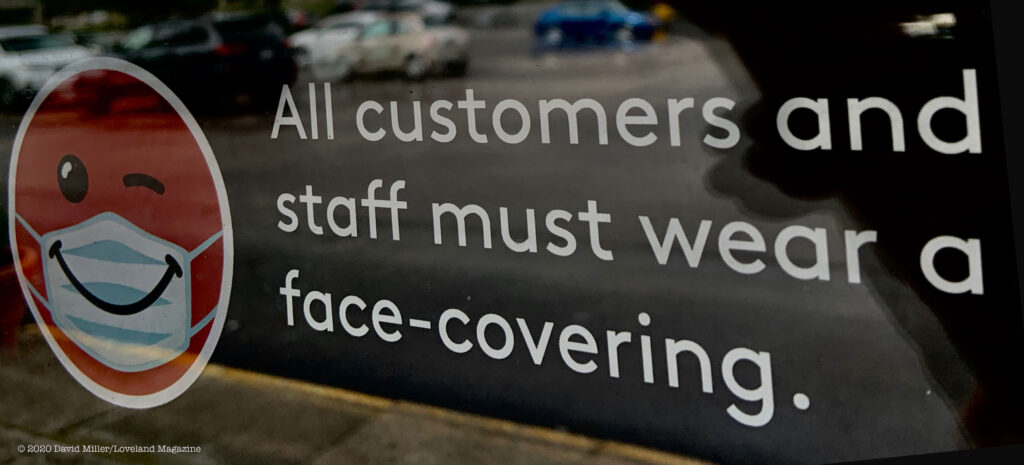
- The Library will provide a free mask if a customer needs one. A mask order is currently in effect for all of Hamilton County.
- Customers and staff are expected to practice physical distancing at all times. Furniture has been spaced out to accommodate this and items like plexiglass barriers have been installed.
- Each facility will have a lower maximum capacity.
- Customers will be asked to limit their visits to one hour.
- Customers will have access to computers, printers, and faxing, as well as the ability to browse and pick up holds.
- Increased cleaning and sanitizing protocols are in place. Hand sanitizer is available for customers and staff.
- HVAC system blowers have been increased to maximize airflow.
- The Library can not accommodate groups at this time, and are not offering in-person programs or events.
- Curbside and drive-thru service (where available) will still be offered at all currently activated in-person locations.
- Special hours for vulnerable populations will be held Wednesdays, Thursdays, and Fridays from 10 AM until noon.
Hours of Service
All open locations are now operating from 10 a.m. to 6 p.m., Mondays through Saturdays.
Book Drops
All locations are accepting returns through their book drops, except Price Hill. Materials are being quarantined for four days before being checked-in, so it will be a few days before you see any changes reflected on your account.
Curbside Service
The Loveland Branch has reserved parking spaces for curbside service
The following locations are open for Curbside Service: Avondale, Blue Ash, Bond Hill, Cheviot, Clifton, Corryville, Deer Park, Delhi, Forest Park, Greenhills, Green Township, Hyde Park, Loveland, Madeira, Madisonville, Mariemont, Miami Township, Monfort Heights, Mt. Washington, North Central, Northside, Norwood, Oakley, Pleasant Ridge, St. Bernard, Sharonville, Symmes, Walnut Hills, Westwood, West End, and Wyoming
Scheduled appointments are not required for curbside service, but calling ahead will make the process more efficient for you, especially if you need to do something other than pick up a hold.
When you arrive at your location for curbside pick-up, look for the curbside service sign, park, and call the branch at the number on the sign.
Drive-Thru Service
Scheduled appointments are not required for drive-thru service, but calling ahead will make the process more efficient for you, especially for curbside service, or if you need to do something other than pick up a hold. Find phone numbers for all branches on this web page.
 Holds/Borrowing Items
If you would like to borrow an item from the Library, search the catalog, find the item you want, place a hold on it, and choose which location you’d like to pick up the item from. Or you can call and place the hold.
When the item is ready, you will receive an email notice. You can pick it up anytime between 10 AM and 6 PM, Monday through Saturday. If you’d like, you can call the location and schedule a time for pick-up.
Online and on the Phone
-
- The eBranch is always open, and is continuing to provide events like storytimes online on a regular basis. Check the calendar for more information.
- Call, email or chat with seven days a week for help with job searching, finding health information, getting assistance with a library resource, and more.
For the latest Library service updates and resources, visit COVID-19 resource page.
![[SHORT SURVEY] Do Ohio parents believe that humans or computers should grade their children’s written essays on Standardized tests?](https://lovelandmagazine.com/wp-content/uploads/2017/10/qtq80-9M10FP.jpeg)
 One of the leading proponents of AES is Mark D. Shermis, Dean and Professor, School of Education,
  standardized testing scoring: the parents of those students who take the tests, whose educational paths may be affected by the scoring outcomes. While research has shown that parents have had differences of opinion as to whether their children benefit from standardized tests in general, there is virtually no research documenting how parents feel about the prospect of computers grading their children’s written essays.