Tag: contact tracing

  • CDC issues new detailed strategy for safely reopening K-12 schools

    CDC issues new detailed strategy for safely reopening K-12 schools

    By Ariana Figueroa and Ohio Capital Journal

    Washington, DC – The Centers for Disease Control and Prevention on Friday released updated guidance to provide educators a science-based plan for reopening K-12 schools.

    The agency said it cannot force schools to reopen but can only stress that steps such as wearing masks and physical distancing of at least six feet are key to mitigating the spread of coronavirus.
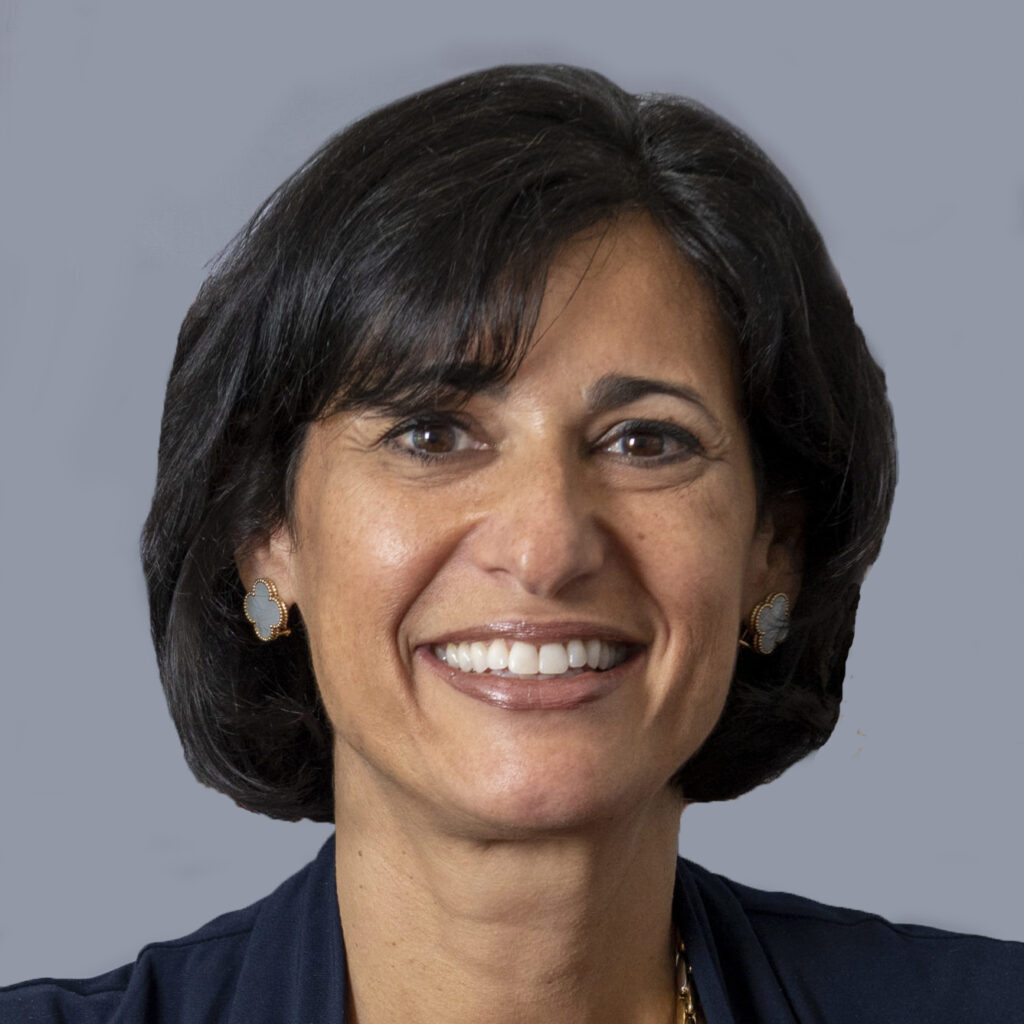
    CDC Director Dr. Rochelle Walensky

    “CDC is not mandating that schools reopen,” CDC Director Dr. Rochelle Walensky said during a briefing with reporters.

    Walensky added that educators should be considered front-line workers in any vaccine rollout. Teachers unions have made similar demands before returning to the classroom.

    “We strongly encourage states to prioritize teachers and other school staff to receive vaccinations,” she said.

    Walensky said that the agency found that in-school learning can take place when proper measures are taken such as mask wearing and social distancing. The agency also said that frequent hand washing, proper cleaning of classroom surfaces and ventilation, along with contact tracing and available rapid testing, are all steps that schools can take to limit outbreaks.
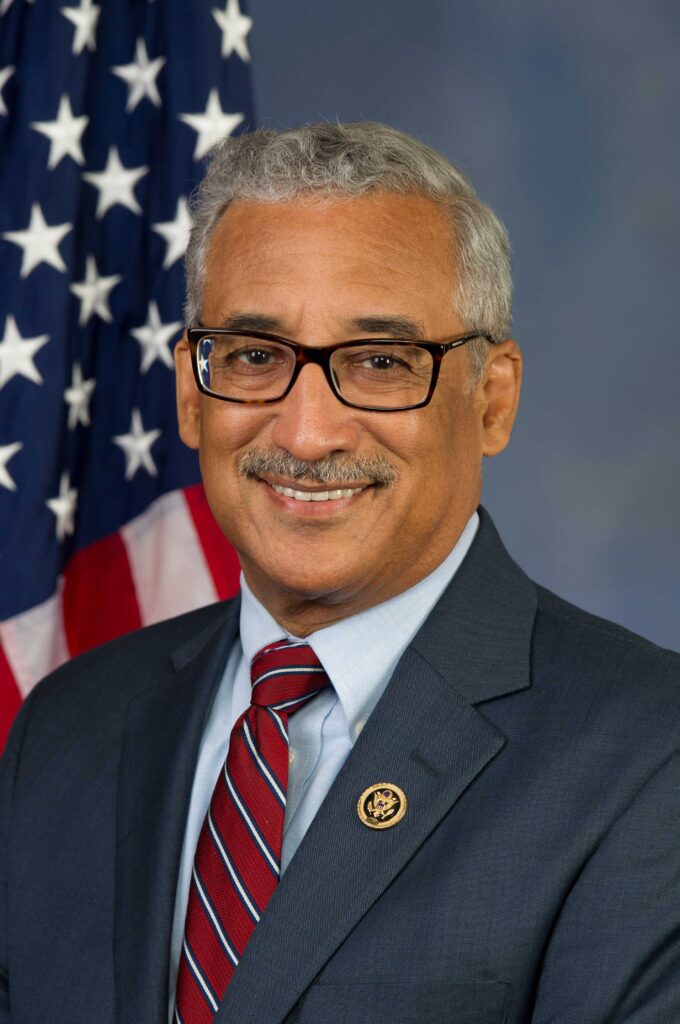
    House Education and Labor Chairman Bobby Scott (D-Va.)

    House Education and Labor Chairman Bobby Scott (D-Va.) said in a statement that in order for schools to implement the CDC guidance, they need funding from the Biden administration’s $1.9 trillion coronavirus relief package. Congress is working to pass the plan and Scott’s committee has included $130 billion for schools to safely reopen.

    “Maintaining physical distancing, updating and repairing ventilation systems, purchasing personal protective equipment, and other important safety measures all cost money that schools do not have,” Scott said. “This is particularly true for schools in low-income areas that lacked adequate funding well before the pandemic.”

    Similarly, the Department of Education released a handbook to coincide with the guidance released by the CDC.

    Walensky said that most COVID-19 clusters that occurred in school settings occurred because there was a breach in wearing a mask.

    The CDC stressed that the safest way for schools to reopen is for there to be a low level of coronavirus infection in the community. The guidance uses a color-coding system to recommend if schools should reopen or continue remote learning.

    Schools are recommended to open if they are in blue areas, which means there are low transmission rates of the virus,  and yellow areas, which means there is moderate transmission.

    If the community is in an orange zone, then the CDC recommends that schools implement a hybrid model or reduce attendance. And a red zone indicates that schools should consider virtual learning for middle and high school students.

    In red zones, elementary schools can continue with a hybrid learning model, the CDC said.

    The recommendations follow President Joe Biden’s efforts to get K-8 students back to in-person learning within his administration’s first 100 days.

    In a statement, Biden acknowledged his ambitious goal of reopening K-8 schools and said those schools will need funding to follow the guidance laid out by the CDC.

    “To meet these guidelines, some schools will need more teachers and support staff to ensure smaller class sizes, more buses and bus drivers to transport our kids safely, more spaces to conduct in-person instruction, and more protective equipment, school cleaning services, and physical alterations to reduce the risk of spread of the virus,” he said.
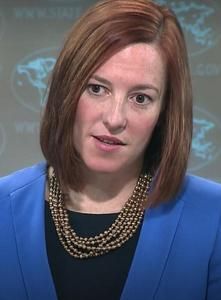
    White House Press Secretary Jen Psaki

    At a Friday briefing, White House Press Secretary Jen Psaki said that Biden’s nominee to lead the Education Department will work to reopen schools. Miguel Cardona, a longtime educator is waiting for a full Senate vote for his confirmation.

    “When Secretary Cardona is confirmed, you know, this will be his top priority and we will leave it to him and his team at the Department of Education, working in close partnership with the CDC and others, to determine how quickly and efficiently” schools can be reopened, Psaki said.

    American Federation of Teachers President Randi Weingarten said in a statement that she felt confident the CDC’s guidance will help schools safely reopen.

    “For the first time since the start of this pandemic, we have a rigorous road map, based on science, that our members can use to fight for a safe reopening,” she said.

  • Clermont County Public Health: Exponential growth in the number of new COVID cases in Clermont County

    Clermont County Public Health: Exponential growth in the number of new COVID cases in Clermont County

    October 1 – 62 new cases per 100,000 residents

    November 12 – 410 new cases per 100,000 residents

    During the week of November 8-14, there was a 140 percent increase in the number of daily cases in Clermont County.

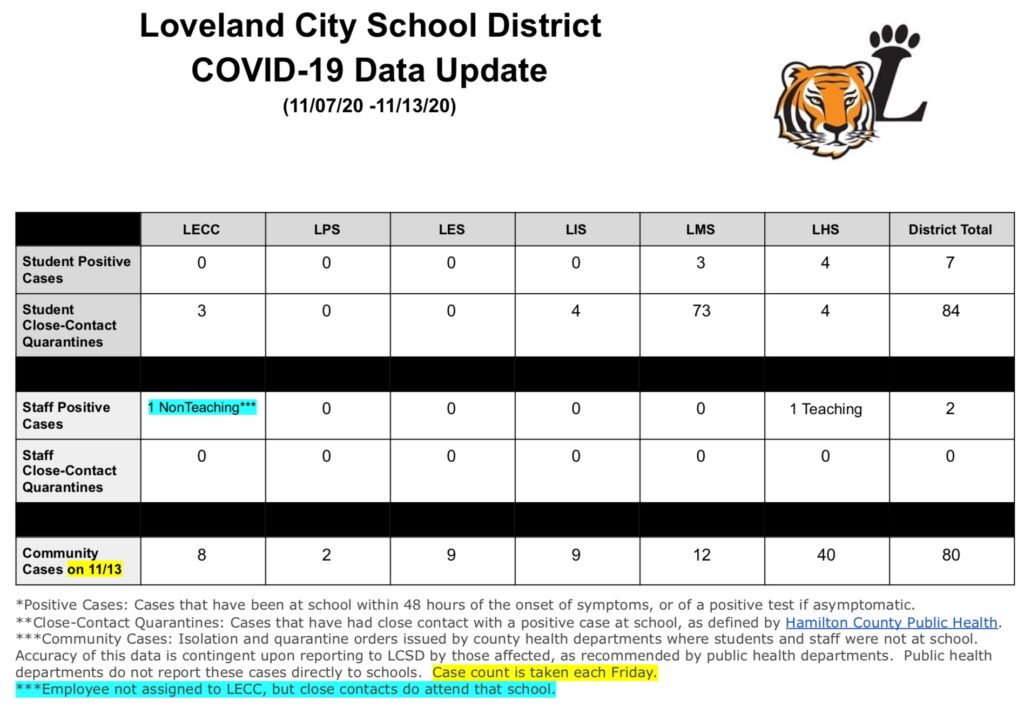
    The Loveland City School District reported 16 new COVID 19 CASES since last Wednesday.

    Batavia, Ohio – The number of new cases of COVID-19 in Ohio and Clermont County is increasing at an alarming rate according to a statement issued by the Clermont County health district today. The department reports a high of 186 new cases was reported in Clermont County on November 13 and the state of Ohio reported an all-time high of 8,071 new cases.

    As of November 12, when the latest public health advisory system numbers were released, Clermont County had a rate of 410 new cases per 100,000 residents. For comparison, on October 1, the county’s rate was only 62 new cases per 100,000 residents. During the week of November 8-14, there was a 140 percent increase in the number of daily cases in Clermont County.

    The exponential growth in the number of new cases in Clermont County has made it nearly impossible to keep up with disease investigation and contact tracing. “Up until this point, our goal has been to begin disease investigations within 24 hours of each new case being reported to us,” said Health Commissioner Julianne Nesbit.


    Warren County Health District “overwhelmed” with the rapid acceleration of new COVID-19 cases

    Loveland Magazine –  Nov 14, 2020


    a

    Disease investigations take time and involve a public health staff member calling each individual who has tested positive and get details like where they may have been exposed, every location they have been in the previous few days, and every person they may have been in contact with.

    After public health does their initial investigation, then they begin the process of contact tracing. That usually involves calling each person who was considered a close contact with the infected person and advising them to quarantine for 14 days from the date of exposure.

    “We have hired additional contact tracers, but it’s still not enough to keep up with the demand,” said Nesbit. “Our staff is doing everything we possibly can to keep up with the new cases, we are physically and emotionally exhausted, but we are continuing to do this important work to the best of our ability to protect our community.”

    “Our staff is doing everything we possibly can to keep up with the new cases, we are physically and emotionally exhausted

    “We have hired additional contact tracers, but it’s still not enough to keep up with the demand,” said Nesbit. “Our staff is doing everything we possibly can to keep up with the new cases, we are physically and emotionally exhausted, but we are continuing to do this important work to the best of our ability to protect our community.”

    In addition to hiring additional contact tracers, Clermont County Public Health (CCPH) has been using staff members from every other department to fill in the gaps and assist with contact tracing. CCPH also has a contract with the Ohio Department of Health for additional contact tracers that are being cross-trained to assist with disease investigations.

    Public Health has switched from making phone calls in some situations to sending emails to provide information on quarantine to save time. Now, with this many new cases, they have also begun mailing letters to each person that tests positive to save time. Phone calls are still being made when CCPH is aware of situations where there are a large number of contacts and the potential for further spread of the disease.

    The letters notify each person that tests positive what to do while they are in isolation and asks them to identify their contacts, who are advised to quarantine. “We are seeing so many new cases, we just cannot possibly keep up at this rate,” said Nesbit.

    “Local hospitals are already being stressed,” said Nesbit. “While all hospitals have surge plans in place where they can add more beds and take in more patients, they are going to run out of healthy, experienced workers to care for the sick patients, if this trend continues.”

    A summary of local hospital data can be found at https://www.cctst.org/covid19

    “We saw in the spring that we can flatten the curve, but we must be extra vigilant now, especially with the holidays coming up,” urged Nesbit.


    ccc

    The Loveland City School District reported 16 new COVID 19 CASES since last Wednesday.

    On 11/16/20, the district was notified that a student at the Loveland Early Childhood Center tested positive for COVID-19. This student was last at school on 11/12/20.

    On 11/16/20, the district was notified that a student at Loveland High School tested positive for COVID-19. This student was last at school on 11/09/20.

    On 11/16/20, the district was notified that a student at Loveland High School tested positive for COVID-19. This student was last at school on 11/13/20.

    On 11/16/20, the district was notified that a non-teaching staff member from Transportation and Loveland Primary School tested positive for COVID-19. This staff member was last at work / school on 11/12/20.

    On 11/13/20, the district was notified that a staff member at the Loveland Early Childhood Center tested positive for COVID-19. This staff member was last at school on 11/10/20.

    On 11/13/20, the district was notified that a Board of Education Central Office staff member tested positive for COVID-19. This staff member was last at work on 11/12/20.

    On 11/14/20, the district was notified that a staff member at Loveland High School tested positive for COVID-19. This staff member was last at school on 11/6/20.

    On 11/12/20, the district was notified that a student at Loveland High School tested positive for COVID-19. This student was last at school on 11/4/20.

    On 11/13/20, the district was notified that a student at Loveland Middle School tested positive for COVID-19. This student was last at school on 11/10/20.

    On 11/13/20, the district was notified that a student at Loveland High School tested positive for COVID-19. This student was last at school on 11/5/20.

    On 11/12/20, the district was notified that a student at Loveland High School tested positive for COVID-19. This student was last at school on 11/4/20.

    On 11/13/20, the district was notified that a student at Loveland Middle School tested positive for COVID-19. This student was last at school on 11/10/20.

    On 11/13/20, the district was notified that a student at Loveland High School tested positive for COVID-19. This student was last at school on 11/5/20.

    On 11/12/20, the district was notified that a student at Loveland Middle School tested positive for COVID-19. This student was last at school on 11/9/20.

    On 11/12/20, the district was notified that a student at Loveland High School tested positive for COVID-19. This student was last at school on 11/6/20.

    On 11/12/20, the district was notified that a staff member at Loveland High School tested positive for COVID-19. This staff member was last at school on 11/6/20.

    Loveland Schools COVID-19 Dashboard on 11-13-20

    The District does not publish quarantine data during the week, only on Fridays.

    Right-Click on the image and open in a new tab to see a larger view.


    What can you do to help?

    • Stay home if you are sick.
    • Quarantine yourself if you have been around someone who recently tested positive for COVID-19.
    • Wear a mask whenever you are in public.
    • Avoid large crowds.
    • Keep at least six feet of space between yourself and others.
    • Limit contact with people outside of your immediate household. If you are tested and receive a positive test result, you should:
      • Isolate yourself in your own home, away from others, as much as possible, for at least 10 days after your symptoms first appeared.
      • Notify each person you had direct contact with (defined as someone within six feet of you for a length of 15 minutes or longer within 24 hours) and ask them to quarantine in their house for 14 days after the potential exposure occurred. For more information or resources, visit the Ohio Department of Health’s coronavirus website at www.coronavirus.ohio.gov or Clermont County Public Health’s website at www.ccphohio.org.

  • Reopening begins for Ohio’s colleges: Here’s how it looks

    Reopening begins for Ohio’s colleges: Here’s how it looks

    Susan Tebben

    By Susan Tebben – The Ohio Capital Journal

    Some of Ohio’s colleges and universities have begun moving students in, but the navigation of a school year amid a pandemic is still a balancing act.

    For Miami University, classes began this week, with all undergraduate courses online or remote. The plan is to keep it that way until at least Sept. 21, according to the plan posted to the school’s website. 

    “When we began planning last spring, we had hoped that the COVID-19 pandemic would be in significant decline before classes were scheduled to begin,” Miami president Greg Crawford told students. “Instead, cases are rising in many states. With 40% of our Oxford students coming from outside Ohio, we’ve been monitoring the situation closely.”

    Those that are on campus are required to wear masks, and as students come back, they can be reported to the Office of Community Standards if they repeatedly refuse to comply with an instructor’s direction to use a mask or face covering.

    Mask requirements are the norm among Ohio’s public colleges and universities, as are 14-day quarantines for students coming from states considered COVID-19 hotspots. 

    Also the norm this school year are phased reopenings, like those at The Ohio State University, Ohio University, Kent State University, Shawnee State University, Cleveland State University, and the University of Cincinnati.

    The first move-in dates for UC, Aug. 14 and 15 were considered “drop-off only,” meaning students could bring their stuff to campus, but then had to return home until the 16th. 

    Another regular part of public colleges’ and universities’ schedules is a return to at least some form of in-person class instruction that ends after Thanksgiving break. The last two weeks, including final exams, will be taken remotely at OSU, Central State University, UC, KSU and Wright State University, among others.

    Kent State and the University of Toledo have eliminated their fall break to allow students to receive a full semester despite adjusted opening dates.

    Toledo said they adjusted their Fall semester “based on the possibility of having a second wave of COVID-19 in late fall,” taking into account CDC data on the pandemic and state recommendations for higher education.

    Bowling Green State University went so far as to cancel their Winter 2021 session and provide a $1,500 credit for the first 2,000 students who cancelled their housing assignment before the school year began this week. 

    “It is important you understand that we are HIGHLY encouraging you not to live on campus this fall,” information on the university’s COVID-19 plan page stated.

    BGSU started their staggered move-in this week for those that had no other option than to take up residence, and are set to begin classes on Aug. 31. Students there will also be online only beginning Nov. 30. 

    OU phased in their reopening by allowing certain graduates and undergraduates “in a carefully selected set of academic programs” to begin their time on campus. Most students will begin remotely on Aug. 24, but students like third-year students in the College of Health Sciences and Professions’ nursing program and juniors and seniors in the Army Reserve Officer Training Corps (ROTC) are eligible to participate in the university’s first phase of schooling. 

    Universities throughout the state sticking with in-person instruction have instituted class-size reductions, along with “hybrid-remote” forms of teaching. Central State spelled out a “cohort attendance” model in its reopening plan, which would break large classes into groups, with the cohorts attending classes on alternating days. This model goes along with a 50% reduction in class sizes, something Wright State anticipates as part of its plan as well.

    “At this time, the university conservatively estimates that one-third of classes will have in-person components while the majority of in-person classes will also deliver all content remotely to provide flexibility to students who are unable or do not feel comfortable returning to campus,” said Wright State president Susan Edwards in a letter to the university community.

    Many of Ohio’s public higher education institutions have also created pledges for students connected to prevention of coronavirus, and in some cases can spur disciplinary action if not signed. 

    Testing and contact tracing for COVID-19 are a regular part of all public school plans, though the ways in which the testing is done vary from school to school

    The spring semester plan is still to be determined for most schools. The University of Akron plans to continue hybrid online and in-person instruction into the spring, but others are still watching the success of their fall semesters to plan for the future.

    “Decisions are forthcoming,” stated the UC reopening plan.


    Susan Tebben

    Susan Tebben is an award-winning journalist with a decade of experience covering Ohio news, including courts and crime, Appalachian social issues, government, education, diversity and culture. She has worked for The Newark Advocate, The Glasgow Daily Times, The Athens Messenger, and WOUB Public Media. She has also had work featured on National Public Radio.