Tag: Developmental Disabilities

  • New Communication Devices Give Children a Chance to Find Their Voice

    New Communication Devices Give Children a Chance to Find Their Voice

    [vc_row][vc_column][vc_column_text]

    This story is republished with the permission of the Butler County Board of Developmental Disabilities.
    Part of Loveland Magazine’s coverage of Developmental Disabilities Awareness Month

    [/vc_column_text][vc_column_text]

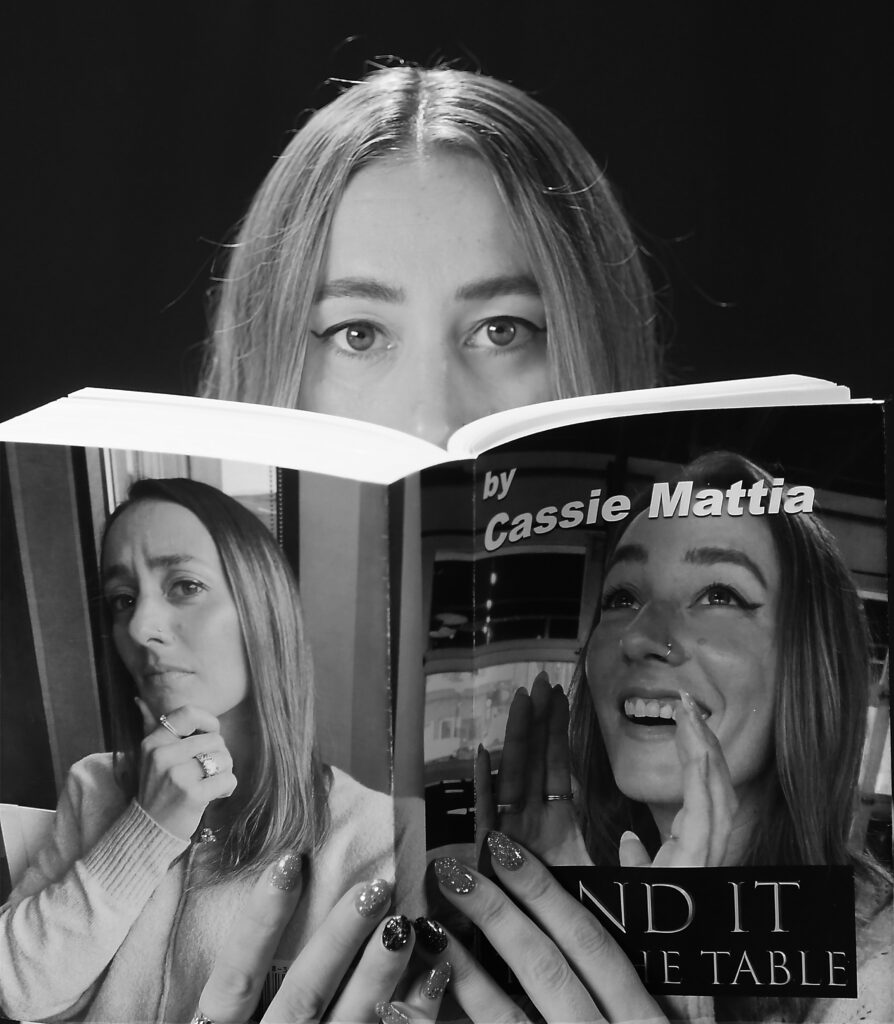
    Cassie Mattia

    by Cassie Mattia

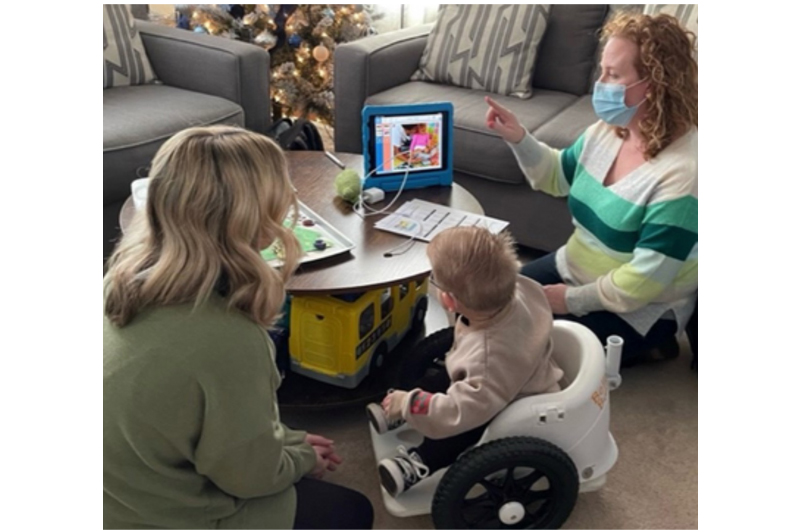
    Since the inception of Ohio’s Technology First Initiative, new and improved devices that help with two-way communication or provide step-by step assistance has helped many families and individuals with developmental disabilities overcome daily obstacles. For children with developmental disabilities, communication devices are often one of the most important parts of their growth and development. Butler County Board of Developmental Disabilities (BCBDD) Early Intervention Speech-Language Pathologist, Bree Lanham, began learning about Augmentative and Alternative Communication devices in college and knew that with her expertise she could implement what she had learned into the BCBDD Early Intervention program and immediately impact the children and families a part of the program.
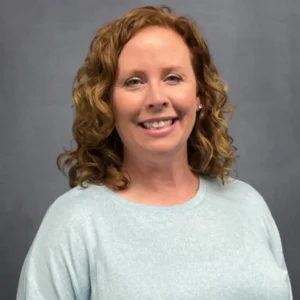
    Bree Lanham

    “Since joining the board, I saw an opportunity for increasing awareness of Augmentative and Alternative Communication (AAC) to be used in Early Intervention. There are many myths associated with using AAC in young populations and I really wanted to make it my mission to reveal the truth about AAC and how it can benefit birth to 3,” Bree said.

    Bree, who has been a Speech-Language Pathologist (SLP) for 14 years, began learning about low-tech and high-tech AAC devices at Arizona State University where she gained her degree in Communication Disorders (Speech Pathology). Bree’s undergraduate degree in Special Education allowed her to explore the world of AAC devices and use various forms of the devices to give the children she worked with access to language surrounding curriculum in the classroom. “I’ve lived all over the US and had experience working with families and children not only in Early Intervention (EI), but schools and clinics as well. I have found that the earlier a child has access to a robust system of communication, the earlier they can begin integrating their skills with family and friends across environments and building lifelong relationships,” Bree said.

    What is an AAC device?

    Augmentative and alternative communication encompasses the communication methods used to supplement or replace speech or writing for those with impairments in the production or comprehension of spoken or written language. In simpler terms, AAC means ALL of the ways that someone communicates besides talking. Anyone at any age can use AAC to help with speech and language skills. AAC devices fall into two categories, no or low-tech, meaning a physical aid or tool is not required, and high-tech, which utilizes technology. No or low-tech includes gestures and facial expressions, writing, sign language, drawing, spelling words by pointing to letters, and pointing to photos, pictures, or written words. High-tech most often uses an app on an iPad or tablet to communicate. High-tech may also include using a computer with a speech-generating device.

    Who should use AAC devices?

    AAC devices work well for children who are pre-verbal, those with developmental delays such as Autism or Down Syndrome as well as children who are difficult to understand such as those with severe phonological impairments or Childhood Apraxia of Speech. High-tech AAC devices allow children to build on their language skills; quickly going from single words to short sentences in a matter of months. High-tech AAC devices gives children a voice to request their favorite food, favorite toy or to tell their parents and caregivers about an important need or want. AAC devices can be a huge help to kids who are learning verbal speech alongside their device and promotes speech and language development.

    Bree quickly recognized the need for AAC devices in the BCBDD EI program and as a result of her efforts, the EI department procured several iPads with five apps (Proloquo2Go, TouchChat, TD Snap, Snap Scene and Cough Drop) to use for expressive communication. The iPads are available through a budding lending library for EI families to now learn the possibilities of what is out there and how AAC devices can help their child develop and grow to the best of their potential. Since the introduction of AAC devices to the EI program, the Butler County Educational Service Center has provided an additional 8 iPads to help grow the lending library.

    “It’s great to work for an organization where employees feel empowered to reach out when they see a need. Bree approached us with an opportunity to enhance our services to the children we serve. Of course, we quickly made that opportunity a reality for our families and can now add AAC as another option for our families,” said Sherry Dillon, BDBDD Community Services Director.
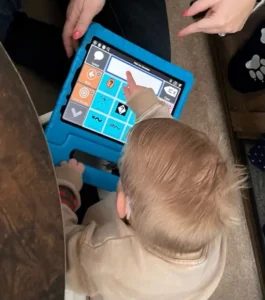
    2-year-old Leo Davis using an AAC device

    BCBDD EI Therapists are trialing the AAC apps with several kids in the EI program to use across daily routines such as playtime and mealtime. “Our plan is to figure out which app best fits their needs and work to complete an AAC Evaluation to provide these children with permanent devices to supplement expressive language. I feel that all children should have access to robust language from an early age to promote developmentally and/or age-appropriate communication skills,” Bree explained.

    The use of AAC devices in the BCBDD EI program has already begun to make a huge difference in Kasey Davis’ life, whose 3-year-old son Connor is using an AAC device to model language.

    “Having access to the device has been amazing for our family,” said Kasey. “It’s allowed our son to explore expressive communication in new ways we didn’t think was possible. Although we are still learning the different apps, he’s picking it up quickly and is engaged when using it. Having a ‘tailor made’ device that we can customize to our needs has made the experience even better. We’re so grateful for the opportunity to work with the program and use the device as a tool for our son.”

    The benefits of AAC can be endless when introduced early on, according to Bree.

    “Our Early Intervention program is unique. We have access to low and high-tech AAC for all children. Families will need to work with their therapists to obtain the right fit and explore all options. Typically, a child will be working with a therapist for a period of time to determine the best fit for AAC. High-tech AAC devices can and should be implemented early but are often not the first strategy or system that we use. This may be due to various factors including need or fit for the family and child. Essentially, it’s a complex process of determining what is the best fit for a child and family long-term. This is why a family’s Speech Language Pathologist should work together with the family to determine the most appropriate fit that meets the current need and also allows the child to push to the next level of development,” Bree said.

    Bree says that when working with a SLP or therapist it is critical in determining the need for high-tech devices as not all children and families will need them. “Asking your SLP or therapist questions is the best way to learn more about what we have to offer and which program on the device will fit their needs. It’s also critical to work with your therapist to learn the device and how to implement it in daily routines to reduce device abandonment long-term,” Bree added.

    AAC devices can lead to other benefits in a child’s future!

    According to AssistiveWare.com, AAC devices can offer a child many social, physical, and emotional benefits including:

    • stronger friendships and deeper relationships
    • richer, more frequent social interactions
    • deeper social roles
    • increased autonomy and decision-making power over their own life
    • increased independence
    • more respect from others
    • greater participation in their family lives and communities
    • improved information sharing with physicians
    • improved personal safety in a variety of care settings, such as hospitals or long-term facilities
    • more employment and volunteer opportunities
    • improved physical and mental health

    With the implementation of AAC devices in the BCBDD EI program and the proven success rate with families currently trialing the devices, BCBDD Superintendent, Lisa Guliano couldn’t be happier about offering more assistive technology options to children and families.

    “I appreciate Bree’s initiative in pursuing use of Augmentative and Alternative Communication as an option for children and families being served through Early Intervention,” Lisa said. “These efforts align with our statewide Technology First plan and our agency’s goal to increase the number of people using assistive technology across the lifespan. I’m excited to see the outcomes for children and families as they explore the options available.”

    The new BCBDD AAC system in the EI program is something Bree believes all organizations that serve children with communication delays and disorders would benefit from. “All children should be provided a system of communication as early as possible, and this can range from pictures and signs to a high-tech device,” said Bree. “I’ve always felt that my job as an SLP is not to ‘make a child talk’ but to teach a child to communicate and AAC is another tool in my toolbelt that can support a child in their development of communication skills.”

    AAC Myths vs. Facts

    • Myth: Using AAC or high-tech device will prevent a child from talking. Fact: Using AAC or a high-tech device can help to promote verbal speech.
    • Myth: AAC is a “last resort” in speech-language intervention. Fact: There are no pre-requisites for providing AAC and it can be used in tandem with traditional speech-language intervention.
    • Myth: Only children with certain cognitive abilities will benefit from AAC or high-tech devices. Fact: No, the opposite is true. Emerging research is showing that devices can actually promote communication and cognitive development including increasing social skills, facilitating communicative intent and aiding in learning symbolic representation.
    • Myth: Children need to trial low-tech devices before high-tech devices such as PECS. Fact: There are no pre-requisites for providing a robust system of communication. Each child should be evaluated independently and provided access to the system of communication that will grow with them. Speech-Language Pathologists specialize in assisting families with making these decisions.

    To find out more about access to BCBDD AAC devices through the EI program contact your Developmental Specialist or email info@butlerdd.org.[/vc_column_text][vc_separator border_width=”10″][vc_message]

    Columnist Cassie Mattia is a resident of Historic Downtown Loveland and the Public Relations Coordinator at the Butler County Board of Developmental Disabilities. Cassie was awarded the Little Miami River Chamber Alliance 2021 Young Business Professional of the Year. Cassie is very active in the Loveland community and will often be seen helping plan and volunteering at the Little Miami Chamber Alliance and City of Loveland events. Cassie also enjoys supporting the local restaurants and businesses in Loveland as well as making guest barista appearances at Mile42 Coffee. To see what Cassie is up to follow her on Facebook and Instagram!

    You can reach Cassie at cmattia12@gmail.com[/vc_message][/vc_column][/vc_row]
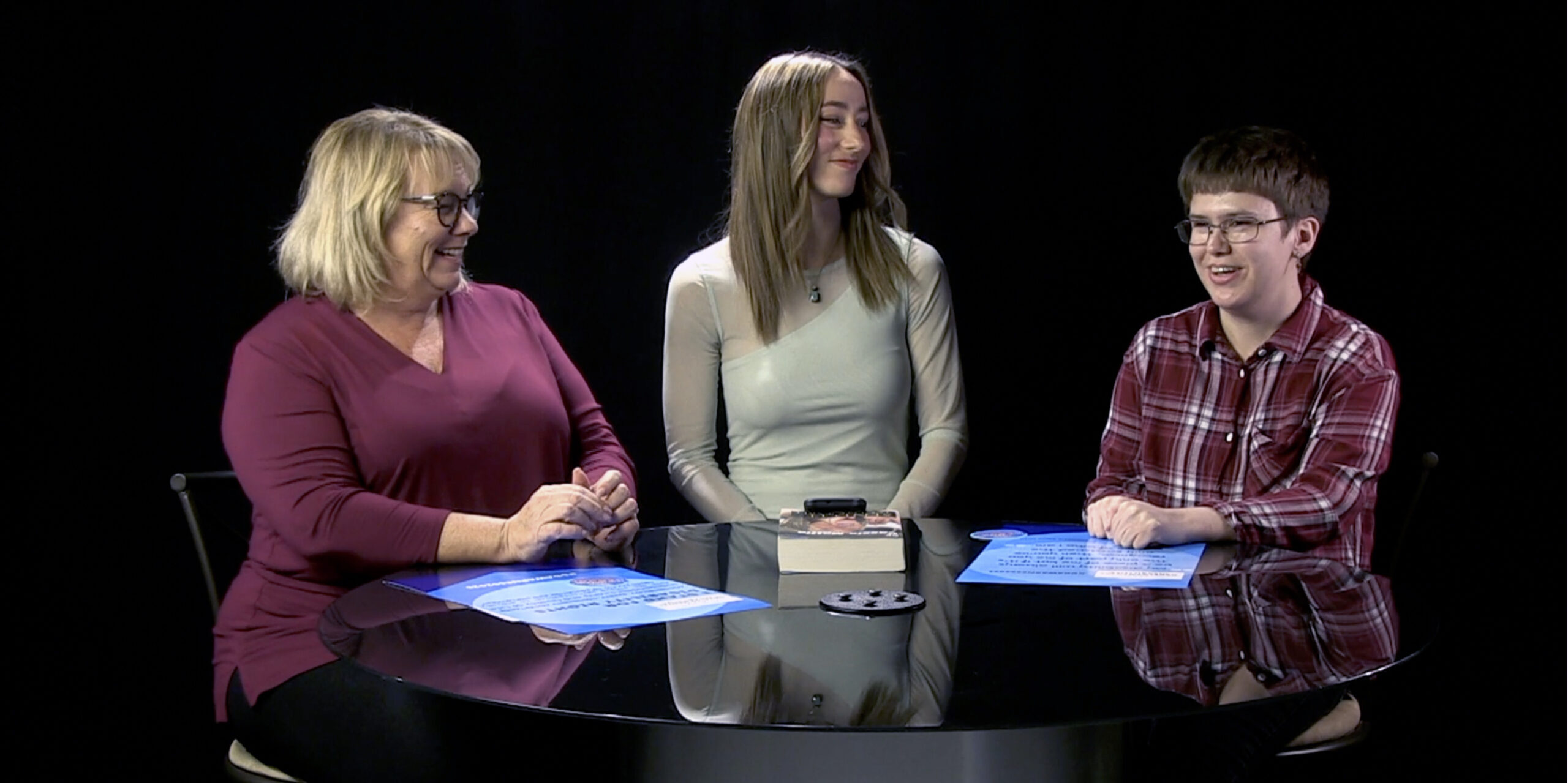
  • The Table of Discussions Celebrates Developmental Disabilities Awareness Month

    The Table of Discussions Celebrates Developmental Disabilities Awareness Month

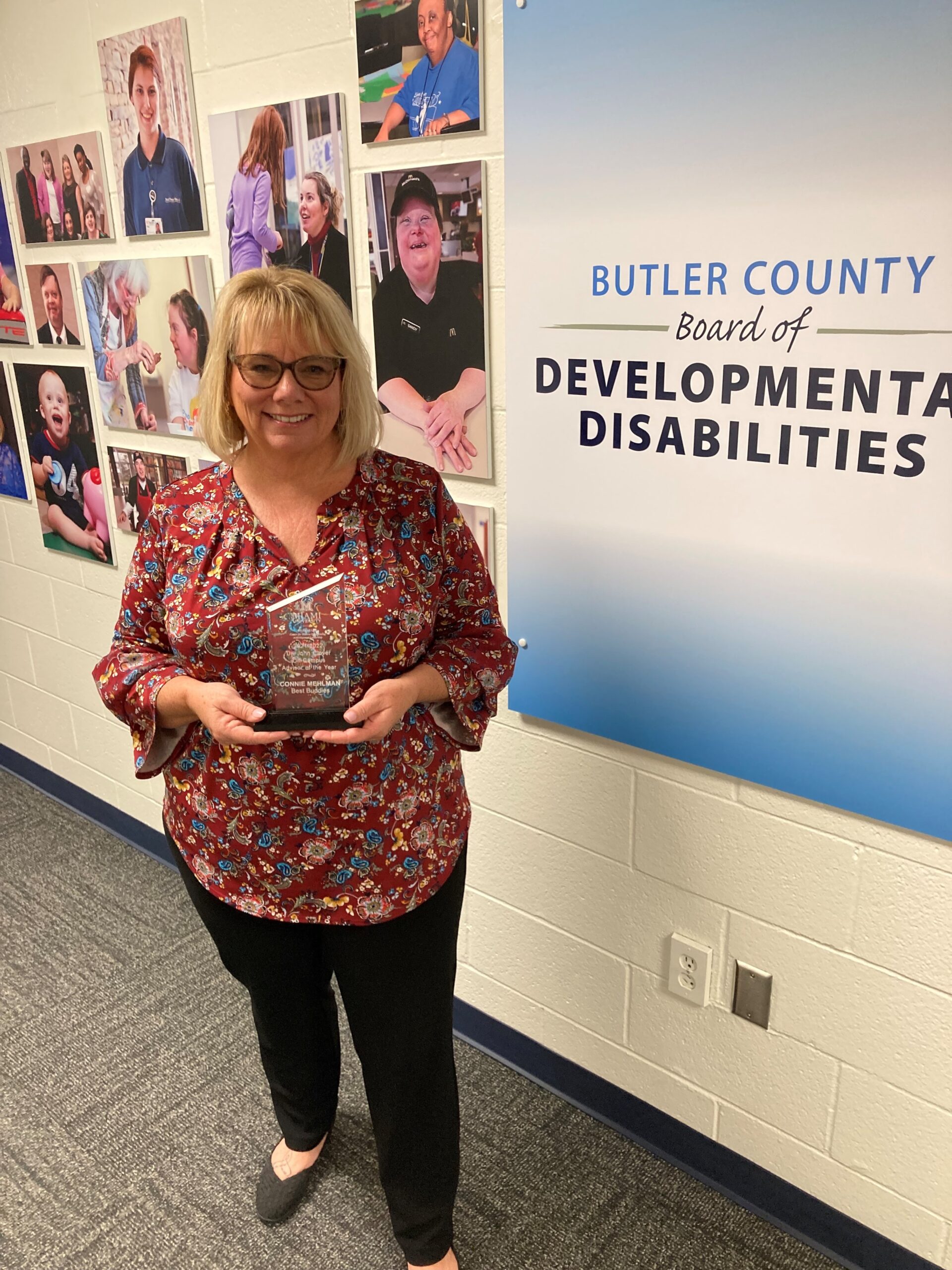
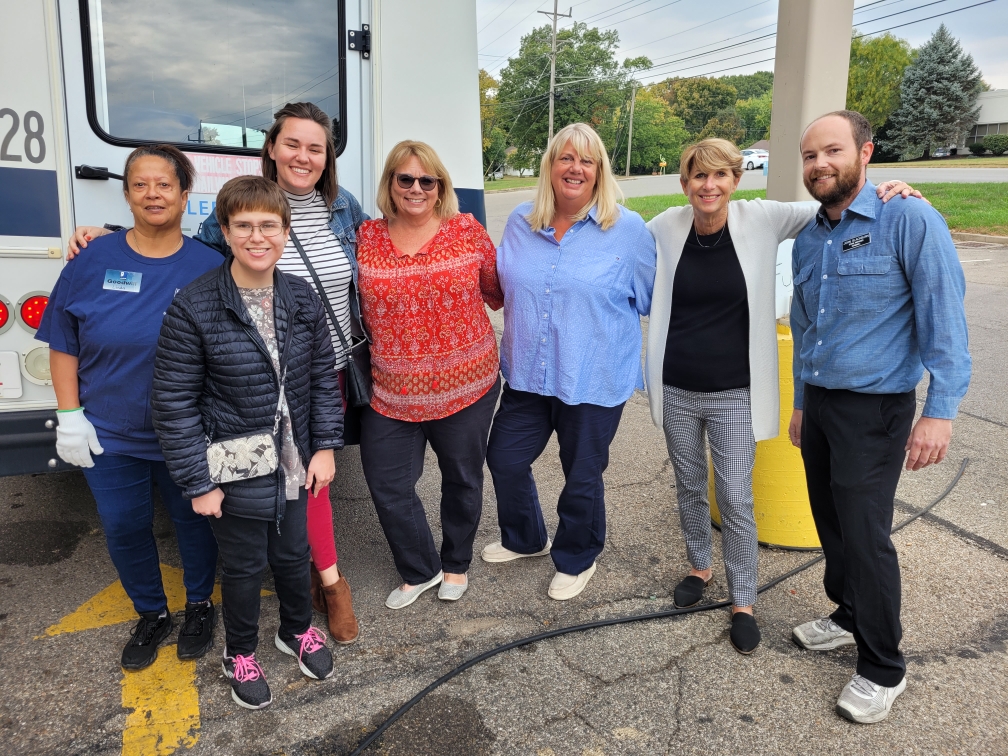
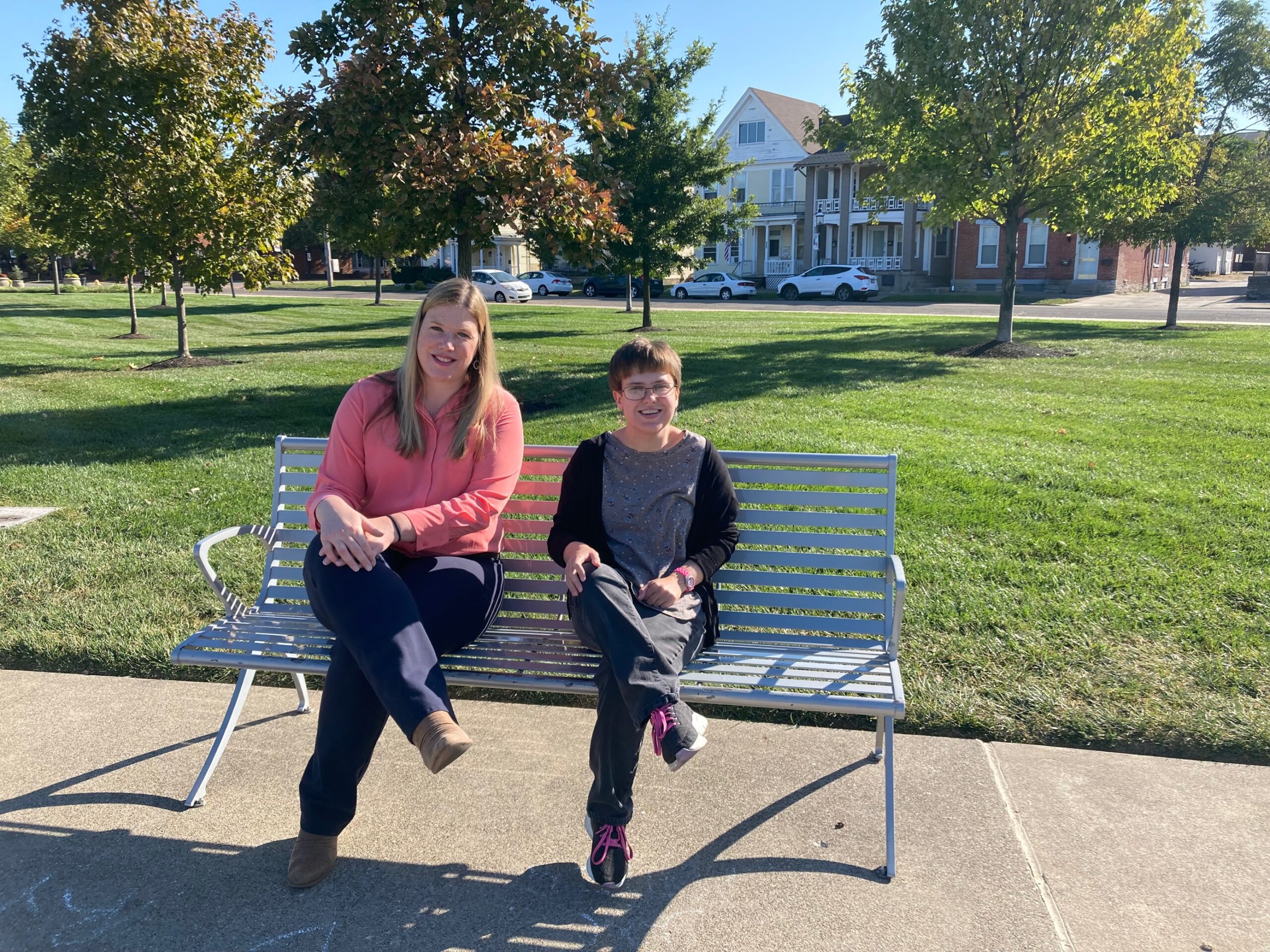
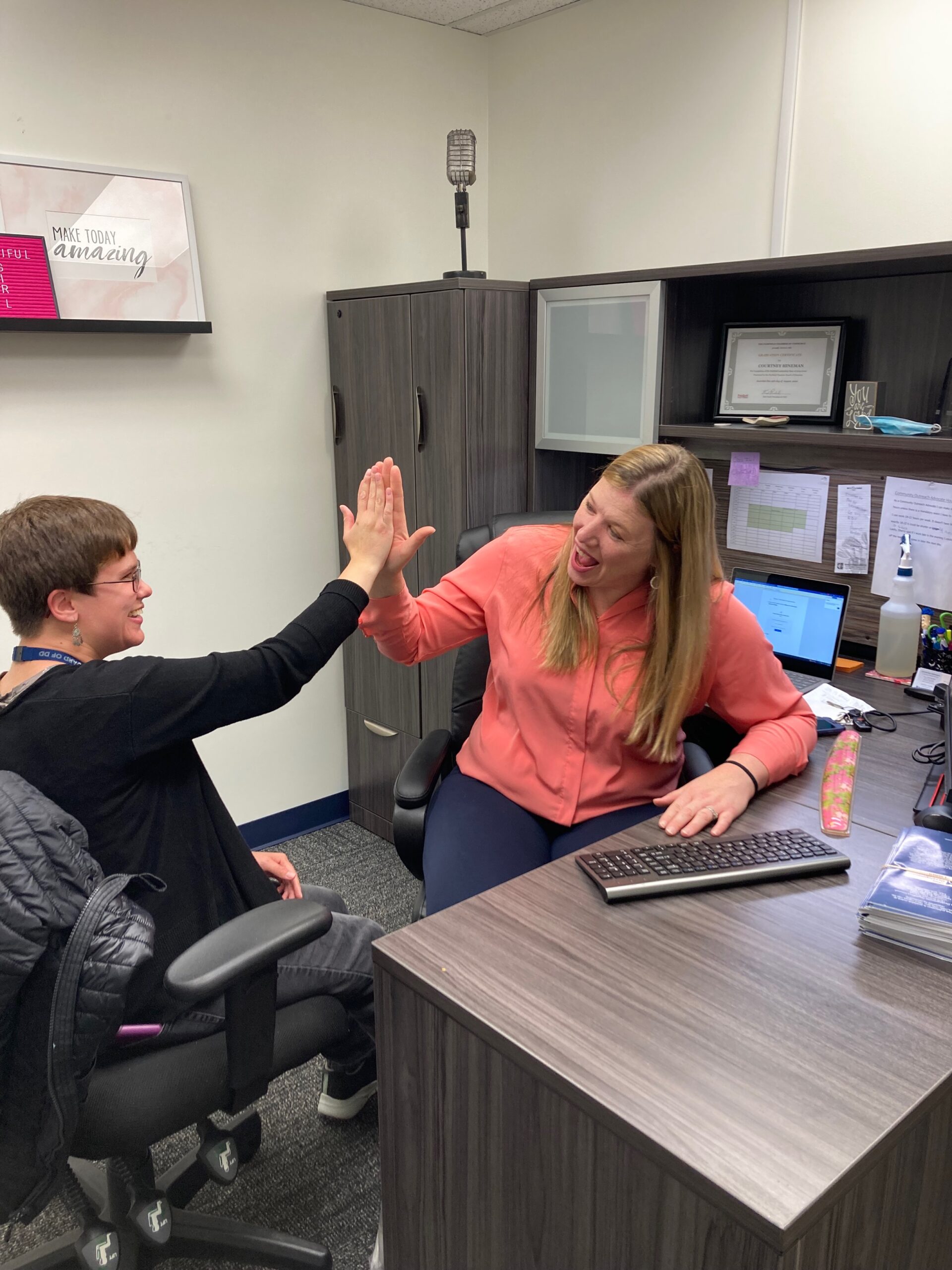
    Connie Mehlman • Cassie Mattia • Courtney Hineman
    by Cassie Mattia

    Loveland, Ohio – Did you know more than 6 million Americans have one or more developmental disabilities (DD)? That means about 15 percent of the United States population is living with DD. Over the few past decades, individuals with DD and DD advocates have been fighting for inclusion and equal opportunities within their communities and the workforce. Without help from leaders and social reformers like Dorothy Dix, Helen Keller, Eleanor Roosevelt, Martin Luther King Jr., Ronald Reagan, and George Bush, to name a few, both National Developmental Disabilities Month and the Americans with Disabilities Act wouldn’t exist.

    “It’s just basic human needs not special needs.”Courtney Hineman

    In 1987, President Ronald Reagan made a public announcement asking Americans to provide individuals with DD “the encouragement and opportunities they need to lead productive lives and to achieve their full potential.” Reagan’s powerful message not only established the month of March as National DD Awareness Month, but his advocacy also led to the Americans with Disabilities Act (ADA) being passed in 1990 by George Bush. The ADA officially made it illegal to discriminate against individuals with disabilities.

    Once the ADA passed, DD advocates across the world began to take a stand, using their own experiences and success stories to promote equal rights. Although progress has been made in the DD community there are still many obstacles’ individuals with DD face every day. This is why National DD Awareness Month is a time to celebrate the achievements of those with DD and take the time to educate yourself and those surrounding you on the importance of including individuals with DD in all aspects of community life!

    In light of this very special March celebration, I decided to invite two of the most respected DD advocates in Ohio, Community Connection Coordinator Connie Mehlman and Community Outreach Advocate Courtney Hineman, both with the Butler County Board of Developmental Disabilities to my Loveland Magazine TV Table of Discussions! Connie and Courtney have paved the way for inclusion and equality within the DD community giving them both a plethora of knowledge when it comes to educating others about how they too can advocate for individuals with DD.

    I am pleased to present my latest Table of Discussions episode featuring Connie Mehlman and Courtney Hineman! Happy DD Awareness Month!


    Check out Episode 1 of Courtney’s BCBDD VLOG, “Courtney Explains It All!”


    The video below features Courtney as she discusses Neurodiversity with the BCBDD staff!


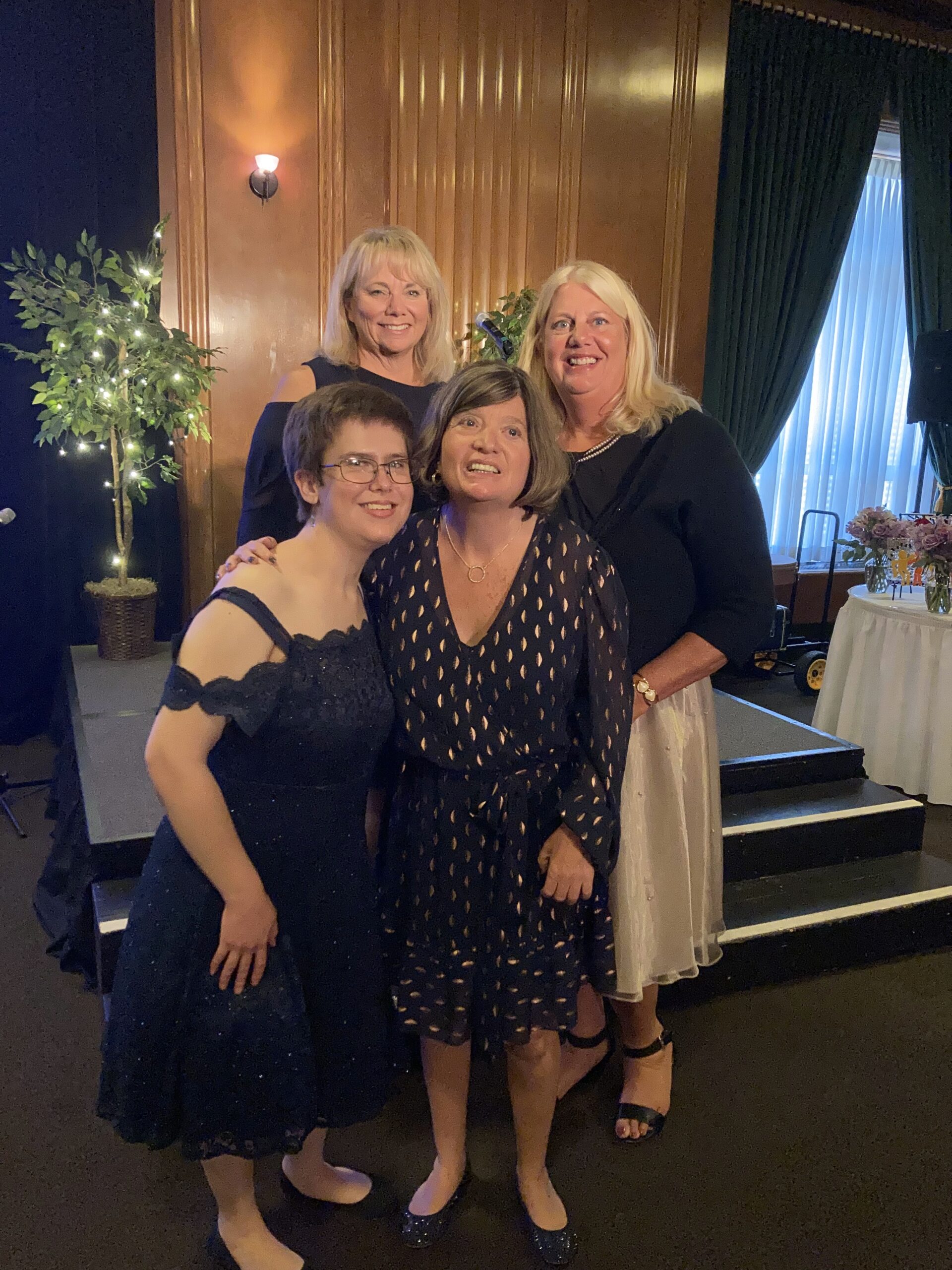
    Below Courtney was invited to be the keynote speaker at the Best Buddies Ohio Annual Gala!


    In celebration of National Developmental Disabilities Month, Courtney wrote an Opinion Editorial about what it’s like to live with developmental disabilities and how the community created equal opportunities for her.

    Click here to read Courtney’s Op Ed, “I want others with disabilities to have opportunities like I had!”

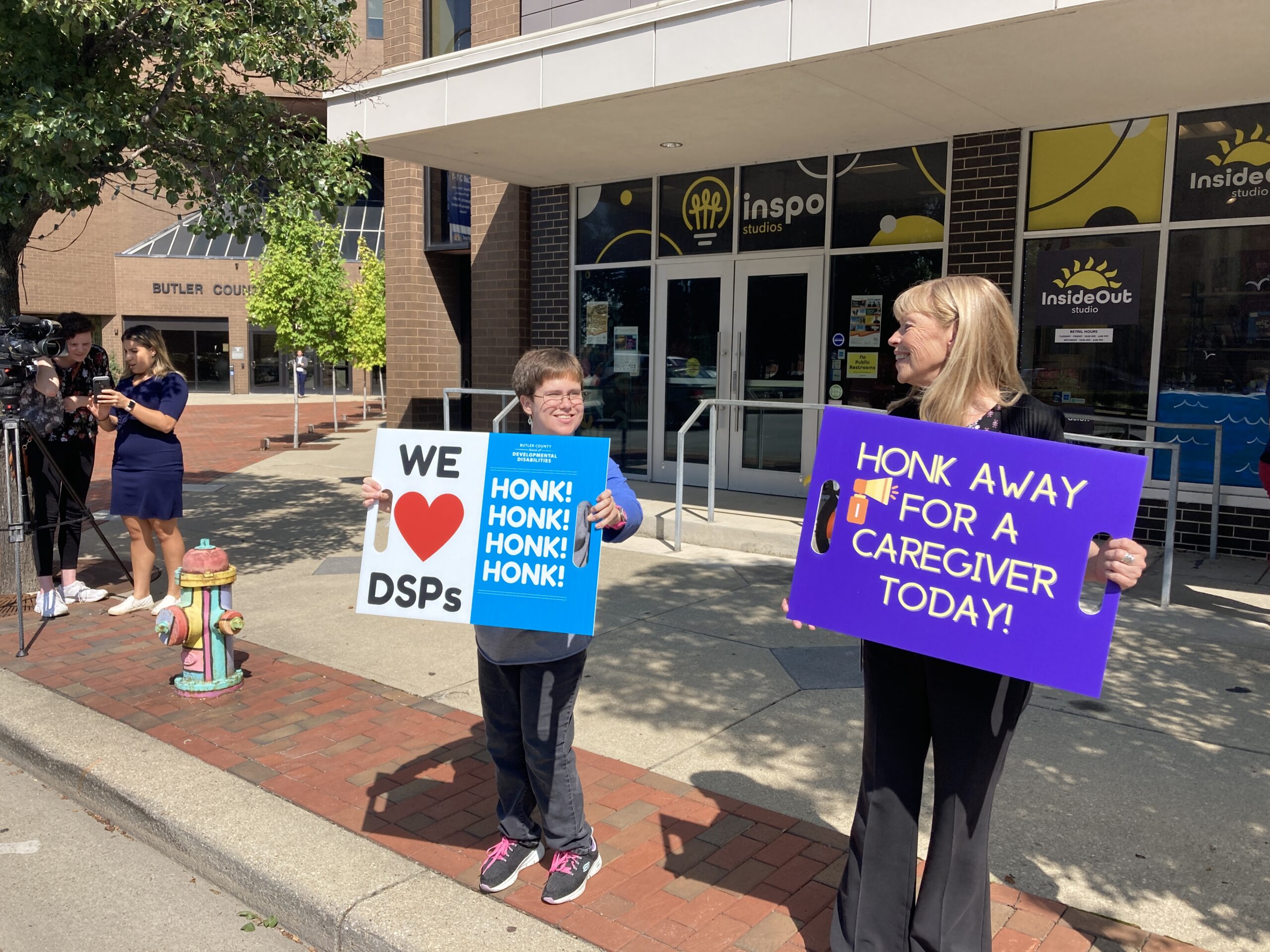
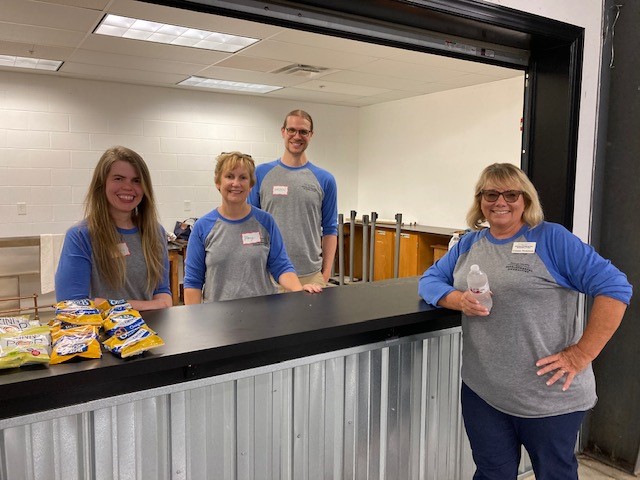
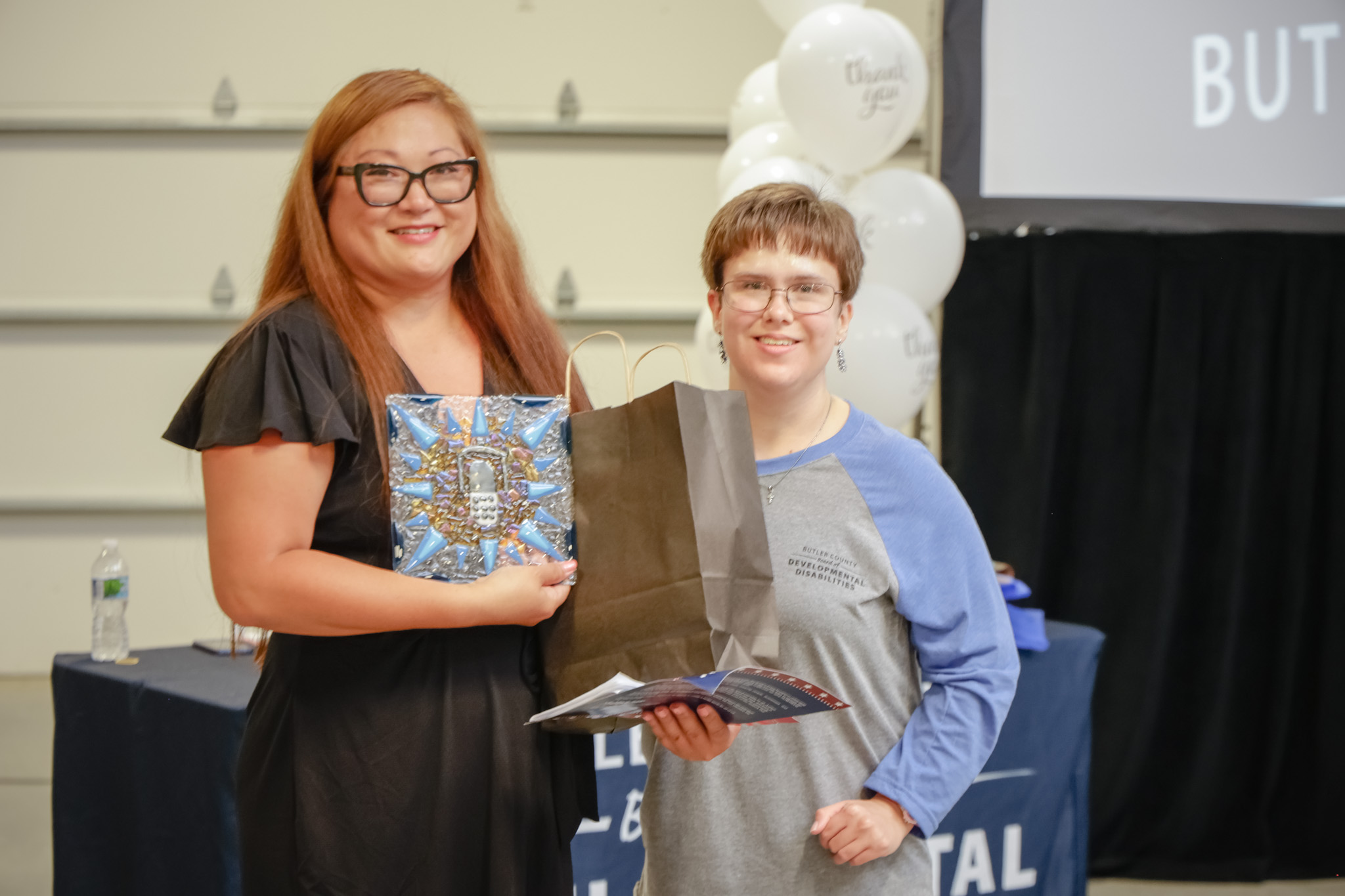
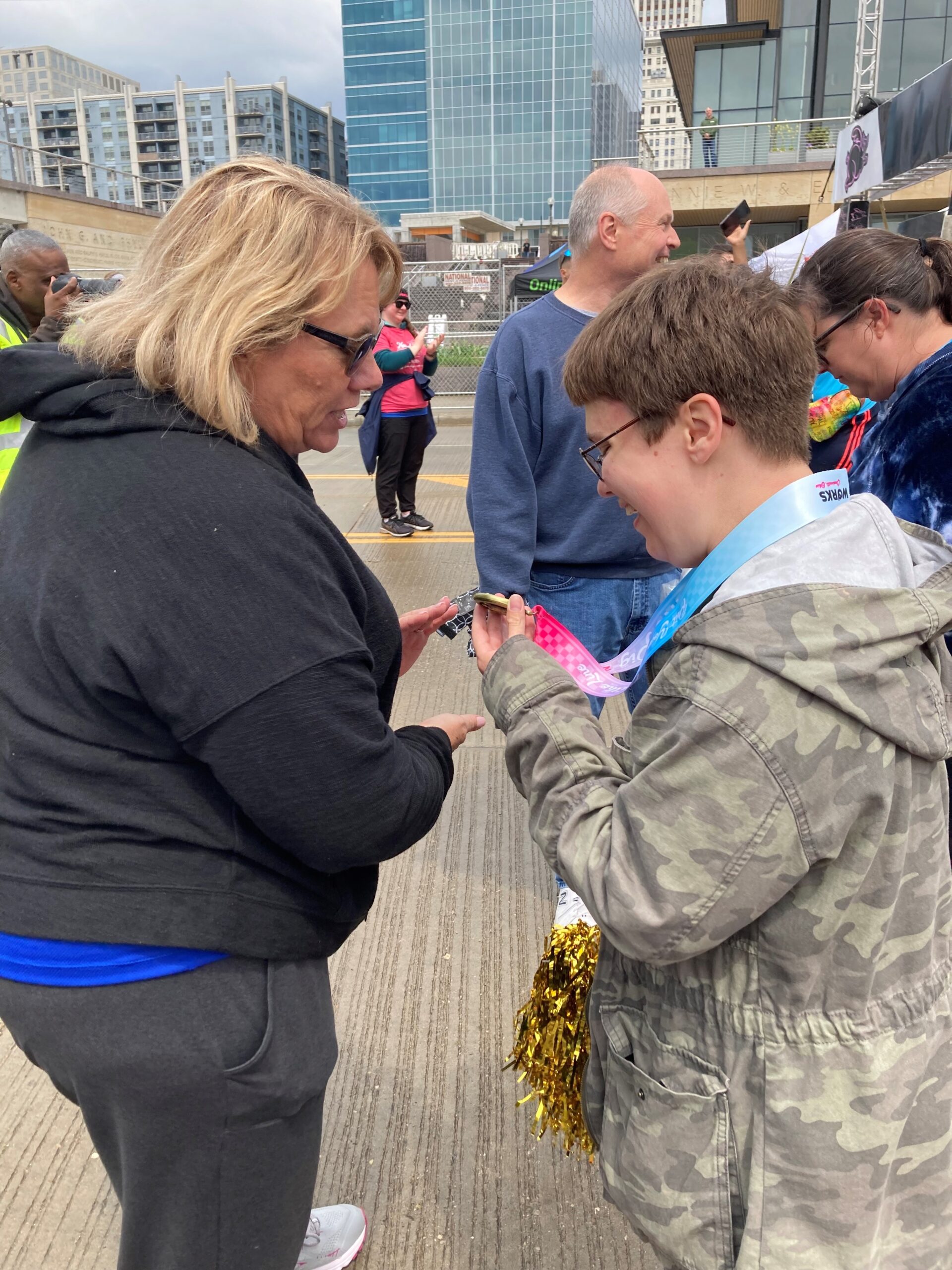
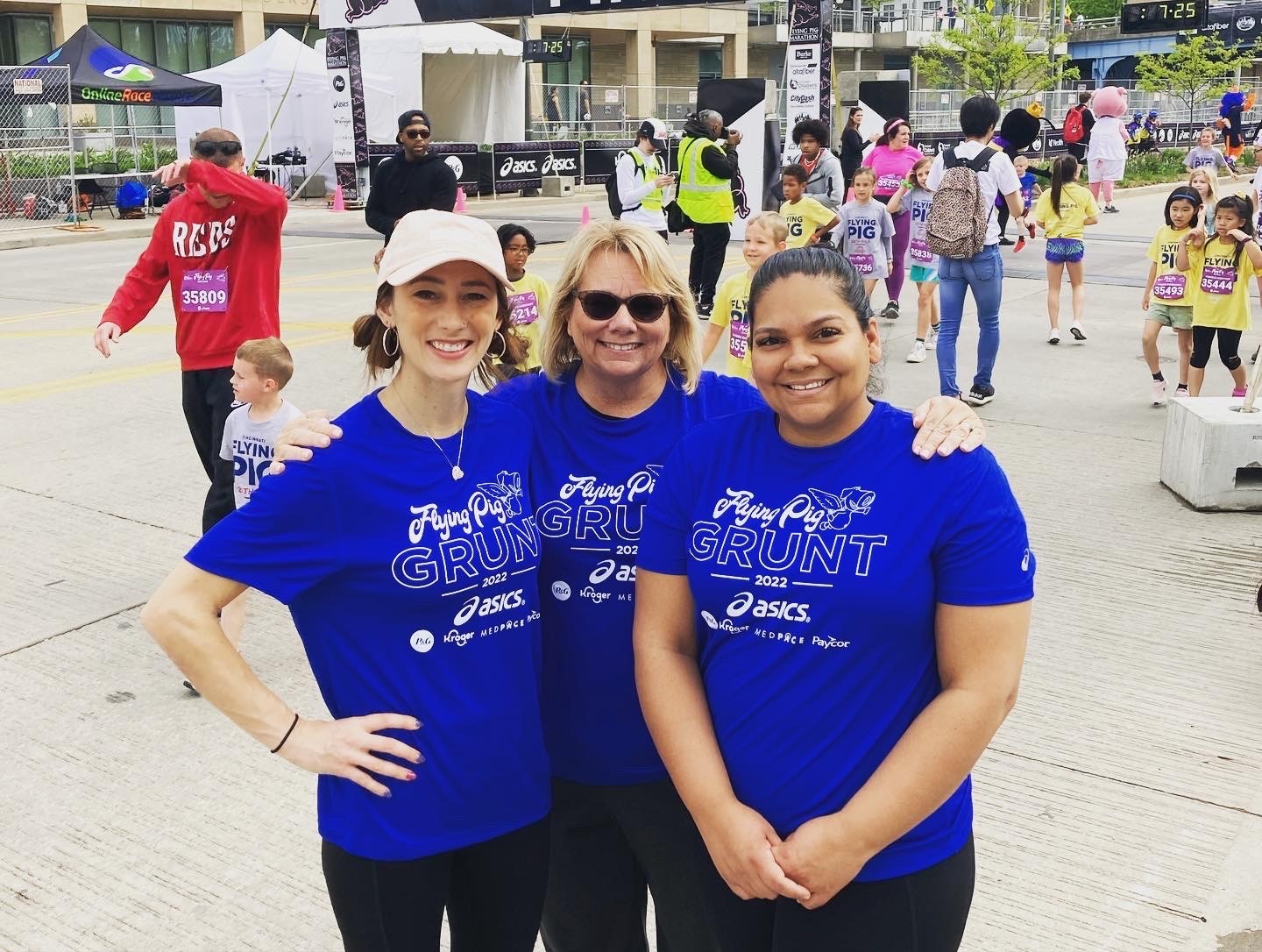
    The gallery of photos below was provided by the Butler County Board of DD and Cassie Mattia.

    What is the Americans with Disabilities Act (ADA)?


  • Supporting people with developmental disabilities incredibly increases our value as a society

    Supporting people with developmental disabilities incredibly increases our value as a society

    Developmental Disabilities Awareness Month is the right time to talk about it

    by Lisa Guliano

    Before the 1950s, Ohio residents with developmental disabilities were often sent to institutions or kept at home, isolated and hidden from the public. Thanks to the advocacy efforts of parents who wanted better for their children, change was brought about. In 1952, parents in Butler County formed what would later become the Butler County Board of Developmental Disabilities (BCBDD).

    With such a start, BCBDD has always had a hand in advocating for people with developmental disabilities and despite progress, there are many ways that advocacy is still needed to this day.

    In 1986, the Ohio Legislature signed into law a Bill of Rights for people with developmental disabilities.  The statute includes 24 rights to legally reinforce the freedom to choose and experience life.  These are basic rights such as:  the right to participate in decisions that affect their lives; the right to social interaction with members of either sex; the right to food adequate to meet accepted standards of nutrition; and the right to privacy, including periods of privacy and places of privacy to name some examples. 

    It has always been difficult for me to accept that people with disabilities needed additional protection under the law to simply be treated equally as all citizens. 

    Given that reality, our Board’s mission focuses on supporting people to live, work and learn in their community.  What that looks like is different for every person depending on their goals and dreams for their future – just like you and me.  Our role as advocates is an honorable one — it is vitally important given the history of people with disabilities living in institutions and being hidden from the community for being different. 

    Supporting people with disabilities to access opportunities to develop their full human potential – language also included in the Bill of Rights – incredibly increases our value as a society.  Each person realizing their goals and dreams has an exponential effect on all of us. 

    If you’re trying to think of examples of what our mission looks like in the community, I’d encourage you to look at yourself, possibly your family members and even your friends.  Haven’t we all worked on a plan for our lives and accessed support from others along the way?  Are there times when you or someone you know faced challenges, or even barriers because of being different or not fitting a “typical profile?”  As you’ve walked your path in life, recall the times where your opportunities led you to reaching goals, getting closer to your full potential, contributing to your sense of worth, your family and your community. 

    Diversity doesn’t look all that different for people with disabilities as they focus on living their best lives – not defined by us – but supported by us.  We celebrate Developmental Disabilities awareness month in March and I’m challenging you to focus on the abilities, not the disabilities of people in our community, recognizing the unique ways all of us contribute to society.

  • Talented artist, cook, and advocate leads by example!

    Talented artist, cook, and advocate leads by example!

    by Cassie Mattia and the Butler County Board of Developmental Disabilities

    Everyone experiences challenges in their lives whether it’s having a not-so-great work week, overcoming an illness, or getting into an argument with someone you care about. In the grand scheme of things, those challenges are often ones you can quickly overcome and grow from! Some obstacles in life can be so challenging that when one overcomes them it is not only inspirational to see but also serves as a beautiful example for those experiencing the same obstacles. Meet Kathryn (Kat) Feldmann, a 21-year-old who has not only never backed down from a challenge but has also been a source of motivation for others in the developmental disability community to pursue their dreams.

    Kat, who lives with her mom, Kristen, her dad, Kurt, and her brother, Konrad in Liberty Township has overcome a lot of medical challenges in her life. As a baby, Kat was diagnosed with an Atrial Septal Defect that was eventually corrected through surgery. Kat was also diagnosed with autism, Pierre Robin Sequence, anxiety, Craniofacial Anomalies, and a speech delay. Though Kat deals with challenges daily due to her disabilities, she has successfully managed to not only exceed her goals, but also receive many awards/honors along the way for her outstanding achievements.

    Kat, as a very young girl, loved being involved in the community and supporting organizations that she truly believed in.

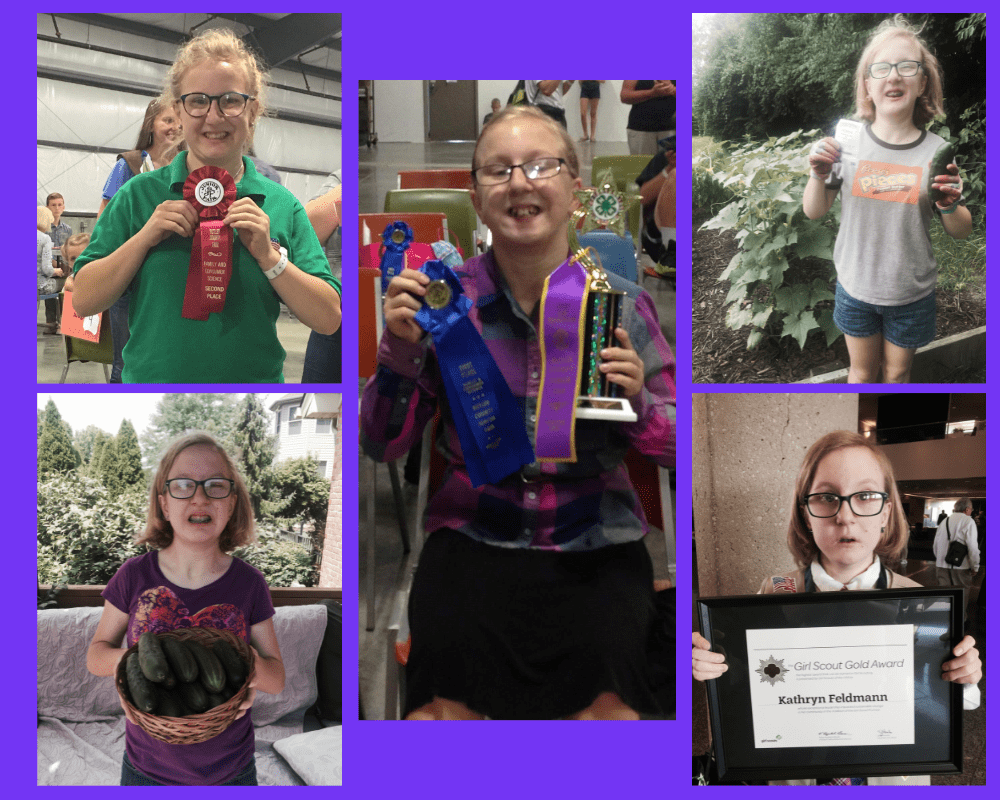
    “Throughout her school age years, she participated in Butler County 4H doing mostly food and nutrition projects and even competed at the state fair twice,” Kat’s mother Kristen said. “Kat was also involved in Girl Scouts since first grade and earned the Girl Scout Gold award.  For this, she earned a multiyear grant from Katie’s Krops and grew a garden from which she donated her entire harvest to a local food pantry. She also identified and printed recipes to donate alongside the produce so that the recipients would have a better idea of how to cook it.”

    A collage of photos of a woman winning different awards
    Kat and her many accomplishments, awards, and honors!

    Kat’s determination and dedication to the environment, her community, and cooking delicious, healthy, fresh food earned her multiple 4H awards and a trip to Washington DC where she served as the “Citizens Focus” Club’s Treasurer. Little did Kat realize she was becoming one of the biggest local advocates for those with developmental disabilities!

    As time went on, Kat began to really enjoy researching things that interested her, often watching YouTube videos to learn as much as she could about topics that she was passionate about. This led to Kat diving into many hobbies such as collecting American Girl Dolls, reading books, cooking, music, dancing, spending time with her Siamese cats, and art.

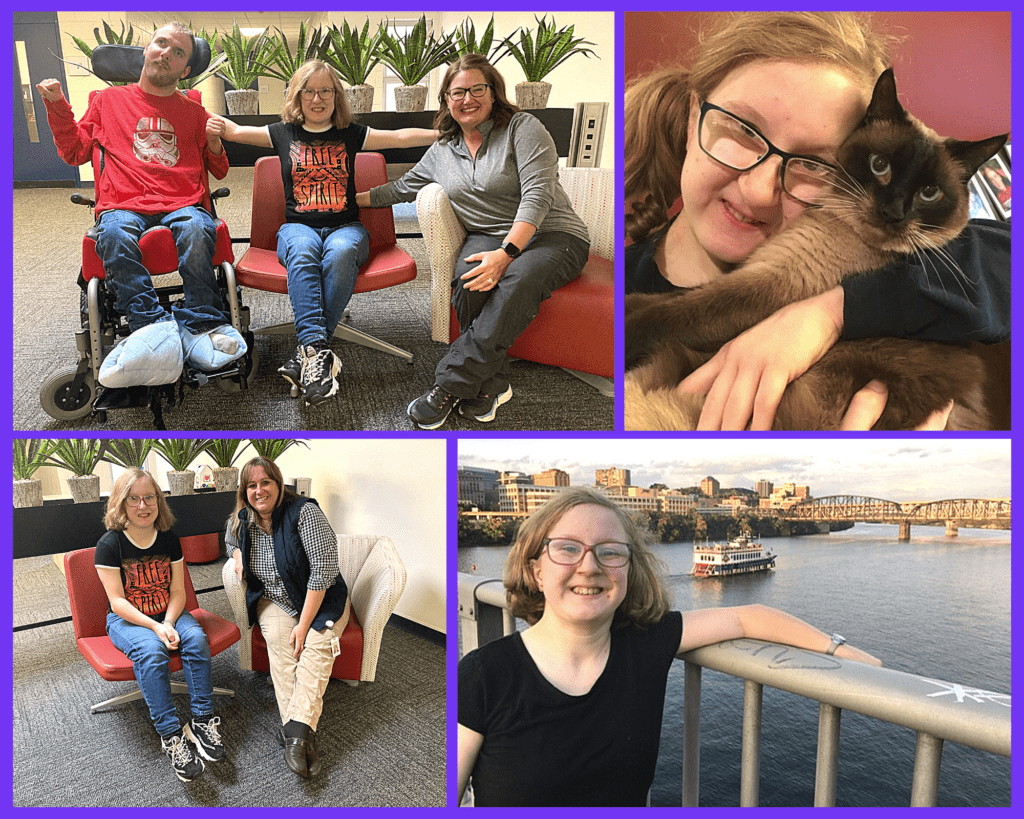
    A collage of photos of a woman with her family, her cat, her SSA, and on a family trip
    Kat, her brother Konrad, and her mother Kristen (Photo top left), Kat and 1 of her 3 Siamese cats (Photo top right), Kat and her SSA, Teresa Rouff (Photo bottom left), Kat in Pittsburgh (Photo bottom right).

    Kat successfully graduated from Lakota East and shortly after became a part of Butler Tech’s Project Life, a comprehensive, multi-year transition program where students develop, practice, and strengthen skills that increase adult independence and successful integrated employment in the community, and Butler Tech’s Project Search, a school-to-work program for students with disabilities who are serious about working hard and getting a job.

    “Kat completed both Project Life and Project Search in May of 2022. For Project Search she completed rotations in the emergency department and the lab at West Chester Hospital,” Kristen explained. “She is now working with Opportunities for Ohioans with Disabilities (OOD) to secure employment in the future.”

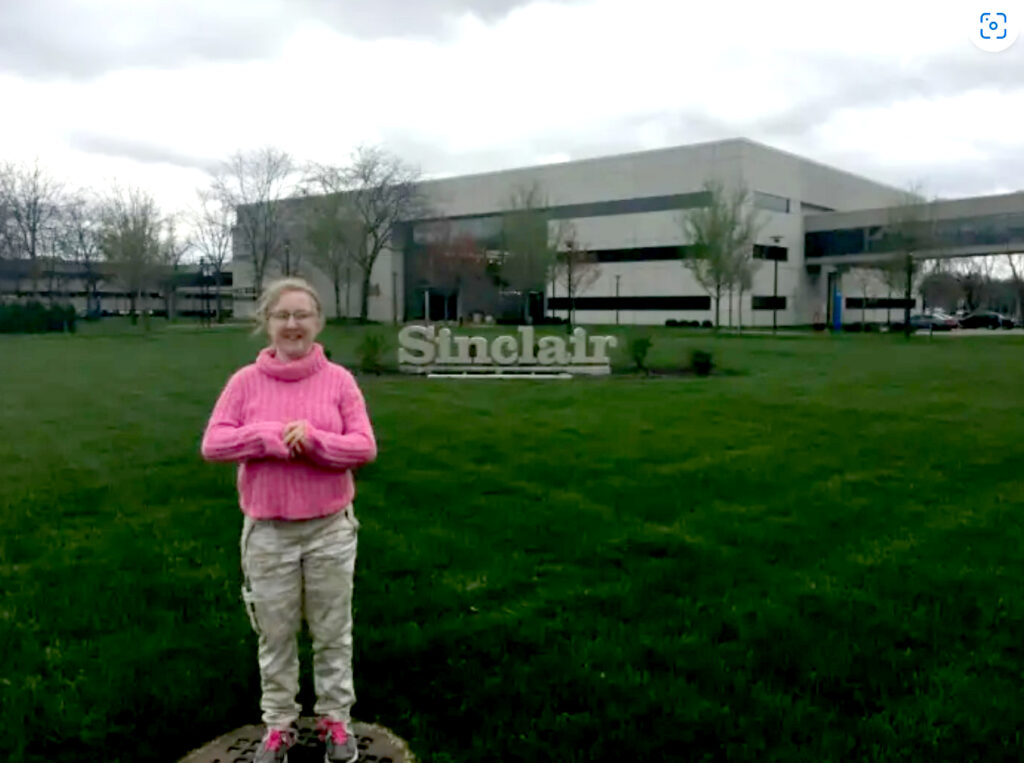
    Once Kat finished Project Search she realized she had an interest in Hospitality which led her to enrolling in the Tartan TOPS program at Sinclair College, an educational/career pathway program for part-time students who have an intellectual disability.

    Kat in front of Sinclair College, where she currently takes classes in the Tartan TOPS program.

    BCBDD Service and Support Administrator (SSA), Teresa Rouff, began working with Kat in April and couldn’t be more impressed with Kat’s progress!

    “On top of all the amazing things Kat is doing, she recently began a vocational habilitation program at InsideOut Studio where she creates various art pieces,” Teresa said. “She loves art and is VERY talented. She has a few pieces for sale on the InsideOut Studio website that show how gifted she is at art!”

    Kat enjoys all aspects of art and is currently working with fiber and crocheting knits at InsideOut Studio. Kat said she hopes to sell some of her creations through the online store.

    “Kat is also involved in SpeakUp and was recently matched with a buddy through Best Buddies and looks forward to fun times ahead with her new friend,” Kristen said. SpeakUp is a BCBDD self-advocacy group and Best Buddies is a non-profit organization that offers one-on-one friendship and leadership development programs for individuals with intellectual and developmental disabilities.

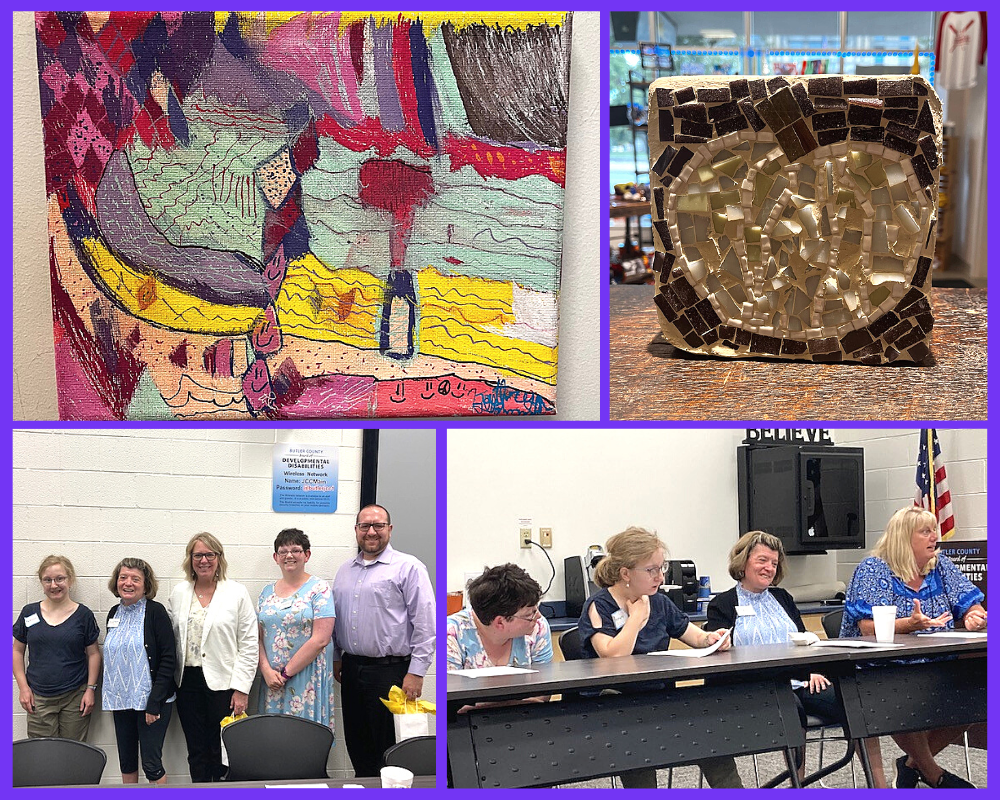
    a collage of photos that show an art canvas, a glass pumpkin, and 2 photos of a group of people inside standing together.
    Kat’s “Happiness” acrylic on canvas that she created at InsideOut Studio (Photo top left), Kat’s white pumpkin garden stone that she created at InsideOut Studio (Photo top right), Kat with advocate Jodi Mann, Director Kimberly Hauck from the Ohio Department of Developmental Disabilities (DODD), advocate Cassie Sullivan, and Steve Beha, the Chief Policy Officer for the DODD, Kat was on an advocate panel when DODD’s Director Hauck visited the BCBDD (Bottom right photo).

    Kat says her main hope and dream is to become as independent as possible and to live with roommates and friends for socialization. She says she would like to get a job that allows her to make a difference in the world and continue doing what she’s passionate about!

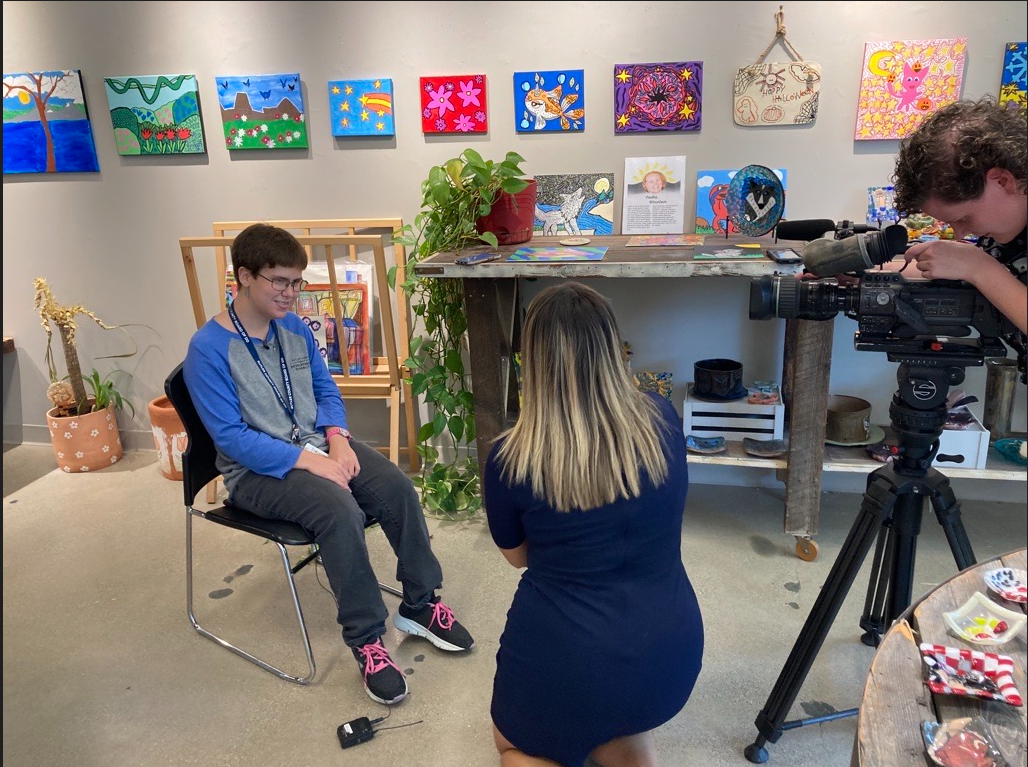
    Watch the on-camera interview with Kat Feldmann, BCBDD SSA Teresa Rouff, and Kat’s mother Kristen Feldmann below!

  • COVID-19 Was Leading Killer Of People With Developmental Disabilities

    COVID-19 Was Leading Killer Of People With Developmental Disabilities

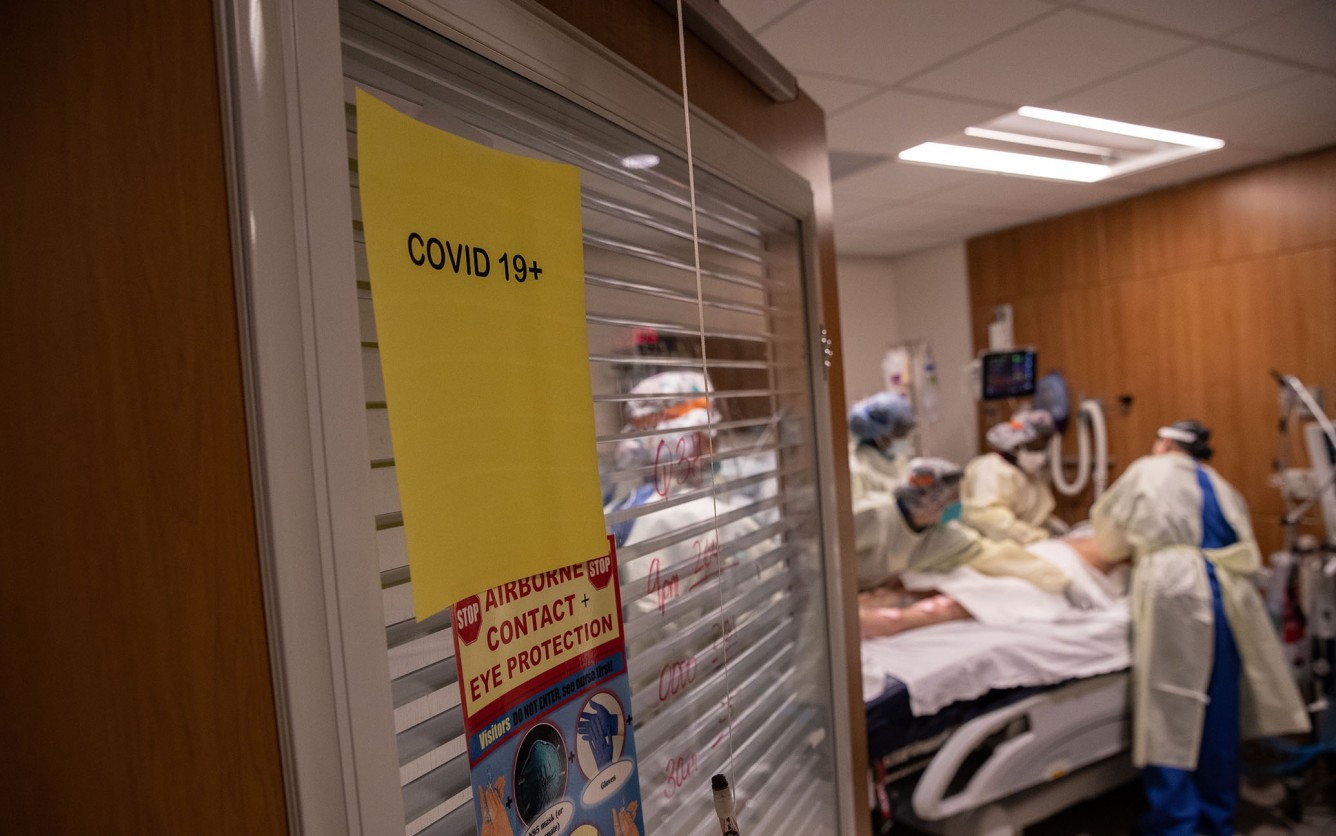
    A “prone team,” wearing personal protective equipment, prepares to turn a COVID-19 patient onto his stomach in a hospital intensive care unit in Stamford, Conn. (John Moore/Getty Images/TNS)

    by Shaun Heasley | September 26, 2022 – disabilityscoop.com

    New research finds that people with developmental disabilities were much more likely to die from COVID-19 at the height of the pandemic than others.

    A review of death certificates nationwide for 2020 shows that COVID-19 was the top cause of death among people with intellectual and developmental disabilities.

    By comparison, the virus was the third leading cause of death following heart disease and cancer for those without such disabilities.

    “Even when we adjusted for age, sex and racial-ethnic minority status, we found that COVID-19 was far deadlier for those with IDD than those without,” said Scott Landes, an associate professor of sociology at Syracuse University and lead author of the study published this month in the Disability and Health Journal. “Furthermore, people with IDD were dying at much younger ages.”

    Read on at disabilityscoop.com...

  • October kicks off “Developmental Disabilities Employment Awareness Month”

    October kicks off “Developmental Disabilities Employment Awareness Month”

    October kicks off “Developmental Disabilities Employment Awareness Month” and in celebration of recognizing outstanding employees with developmental disabilities, we wanted to share a video brought to you by Silfies Media via the Butler County Board of Developmental Disabilities.

    We hope that employers all throughout Ohio will take the time to watch this video and realize the incredible value of hiring individuals with developmental disabilities!

  • Ohio Developmental Disabilities Council Accepting Applications for New Members

    Ohio Developmental Disabilities Council Accepting Applications for New Members

    The Ohio Developmental Disabilities Council is seeking applications from advocates to become a part of the Governor-appointed board that works to create change that improves independence, productivity and inclusion for people with developmental disabilities and their families in community life.

    The Ohio Development Disabilities Council (DD Council) is recruiting new membership for the following categories:

    • Individual with a developmental disability,
    • Parent or guardian of a child with a developmental disability, and
    • An immediate relative or guardian of an institutionalized or previously institutionalized individual with a developmental disability or an individual with a developmental disability who resides or previously resided in an institution.

    The Ohio DD Council consists of at least 30 members appointed by the governor. Members are people with developmental disabilities, parents and guardians of people with developmental disabilities, representatives from concerned state agencies, and nonprofit organizations and local agencies providing services to people with developmental disabilities.

    If you are interested in becoming a member, go to the New Member Application page for more information. You may apply online or download documents to complete and mail to the office. Deadline to apply is May 28, 2021.

  • Local Election Results: Nov. 5, 2019

    Local Election Results: Nov. 5, 2019

    If you find value in reading these Election Results and the expense involved in putting it together, please…These results have been posted after the Clermont, Hamilton, and Warren County Boards of Elections have published their “Unofficial Results” and all precincts have reported 100% unless noted as of 12:30 AM. Official results must be certified by the various Boards in the coming weeks.

    Local School Taxes

    Loveland City School District

    Combined Operating and Bond Levy

    Clermont Co.

    YES – 1219

    NO – 4101

    Hamilton Co.

    YES – 1185

    NO – 4394

    Warren Co.

    YES – 43

    NO – 139

    TOTAL

    YES – 2447

    NO –  8634

    Goshen Local School District

    Bond Levy 5.24 mills – 34 years

    Warren Co.

    YES – 91

    NO – 106

    Clermont Co

    YES – 1264

    NO – 1668

    TOTAL

    YES – 1355

    NO – 1774


    Kings Local School District

    4.96 mills Bond Levy

    YES – 3508

    NO –  3675

     Sycamore School (34 of 36 precincts)

    4 mills Bond Issue

    YES –  6067

    NO – 3758

    Lebanon City Schools

    Additional Levy 4.99 mills for 4 years

    YES – 5522

    NO –  4389

    Local Candidates

    Loveland City Council at Large – 3 elected to a 4-year term

    Pat Ahr

    Clermont Co. – 249

    Hamilton Co. – 866

    Warren Co. – 68

    TOTAL – 1183

    Kathy Bailey

    Clermont Co. – 659

    Hamilton Co. – 1840

    Warren Co. – 143

    TOTAL – 2642

    Andy Bateman

    Clermont Co. – 581

    Hamilton Co. – 1493

    Warren Co. – 116

    TOTAL – 2190

    Kent G. Blair

    Clermont Co. – 481

    Hamilton Co. – 1290

    Warren Co. – 102

    TOTAL – 1873

    Cory O’Donnell

    Clermont Co. – 216

    Hamilton Co. – 509

    Warren Co. – 44

    TOTAL – 769

    Angela L. Settell

    Clermont Co. – 243

    Hamilton Co. – 931

    Warren Co. – 73

    TOTAL – 1247

    Loveland Board of Education – 2 elected to a 4-year term

    Arthur R. Jarvis

    Clermont Co. – 2631

    Hamilton Co. – 2241

    Warren Co. – 81

    TOTAL – 4953

    Kathryn Lorenz

    Clermont Co. – 2931

    Hamilton Co. – 2611

    Warren Co. – 85

    TOTAL – 5627

    Symmes Township Trustee – 1 elected to a 4-year term

    Phil Beck – 2459

    CJ Carr – 1745

    Symmes Township Fiscal Officer – 1 elected to a 4-year term

    Joseph C. Grossi – 2968

    Milford Council at Large – 4 elected to a 4-year term

    Edward J. Haskins – 670

    Kyle Mitchell – 626

    Benjamin Redman – 600

    Sandra Russell – 753

    Milford School Board – 2 elected to a 4-year term

    Emily Chestnut

    Clermont Co. – 3659

    Hamilton Co. – 0

    TOTAL – 3659

    Mike Durkee

    Clermont Co. – 1789

    Hamilton Co. – 0

    TOTAL – 1789

    Dave Meranda

    Clermont Co. – 3572

    Hamilton Co. – 0

    TOTAL – 3572

    James Rhodes

    Clermont Co. – 1606

    Hamilton Co. – 0

    TOTAL – 1606


    Goshen Township Trustee

    Bob Hausermann – 1999

    Bill Pitman – 953

    Goshen Township Fiscal Officer

    Laura Engled – 2449

    Goshen School Board – Full term – 2 elected

    John Benthien – 

    Warren Co. – 142

    Clermont Co – 1323

    TOTAL – 1465

    Julie Casey – 

    Warren Co. – 106

    Clermont Co. – 1709

    TOTAL – 1815

    Derrick Holmes – 

    Warren Co. – 37

    Clermont Co. – 1116

    TOTAL – 1153

    Goshen School Board (unexpired term) – 1 to be elected

    Deborah S. Gray – 

    Warren Co. – 152

    Clermont Co. – 2308

    TOTAL – 2460

    Miami Township (Clermont County) Trustee

    Ken Tracy – 6356

    Miami Township (Clermont County) Fiscal Officer

    Eric C. Ferry – 6249

    Judge of Hamilton County Municipal Court – 1 to be elected per district – 6-year term (District 5) (93.46% precincts reporting)

    Kari L. Bloom – 10014

    Heather S. Russell – 17396

    Local Issues

    Loveland Revised Charter

    Clermont Co. –

    YES – 697

    NO – 281

    Hamilton Co. –

    YES – 1909

    NO – 1044

    Warren Co. –

    YES – 165

    NO – 59

    TOTAL

    YES – 2771

    NO – 1384

    Milford City

    Renewal with an Increase 17 mills – for Fire & EMS – for 5 years

    For – 915

    Against – 310

    Hamilton County

    Tax Levy (Renewal) – .34ml 5yr – Family Services & Treatment Programs

    For – 111,399

    Against – 48,980

    Tax Levy – (Renewal) – 4.13ml 5yr – Developmental Disabilities

    For – 121,513

    Against38,881

    Hamilton Township Fire Levy Additional 1.0 mill CPT.PDF

    For – 3922

    Against2370

    Hamilton Township Police Levy Additional 1.0 mill CPT.PDF

    For – 3082

    Against2239


    Helpful Links and to view results of ALL area issues and candidates:

    Clermont County Board of Elections

    Hamilton County Board of Elections

    Warren County Board of Elections

    Ohio Secretary of State

    League of Women Voters

    League of Women Voters of Cincinnati Area

    Smart Voter


    If you find value in reading these Election Results and the expense involved in putting it together, please…