Tag: diabetes

  • Nurse’s Notes: Preventative Healthcare

    Nurse’s Notes: Preventative Healthcare

    Every month, the staff nurses at the Butler County Board of Developmental Disabilities share important health updates. This month, their nurses are talking about preventative healthcare!

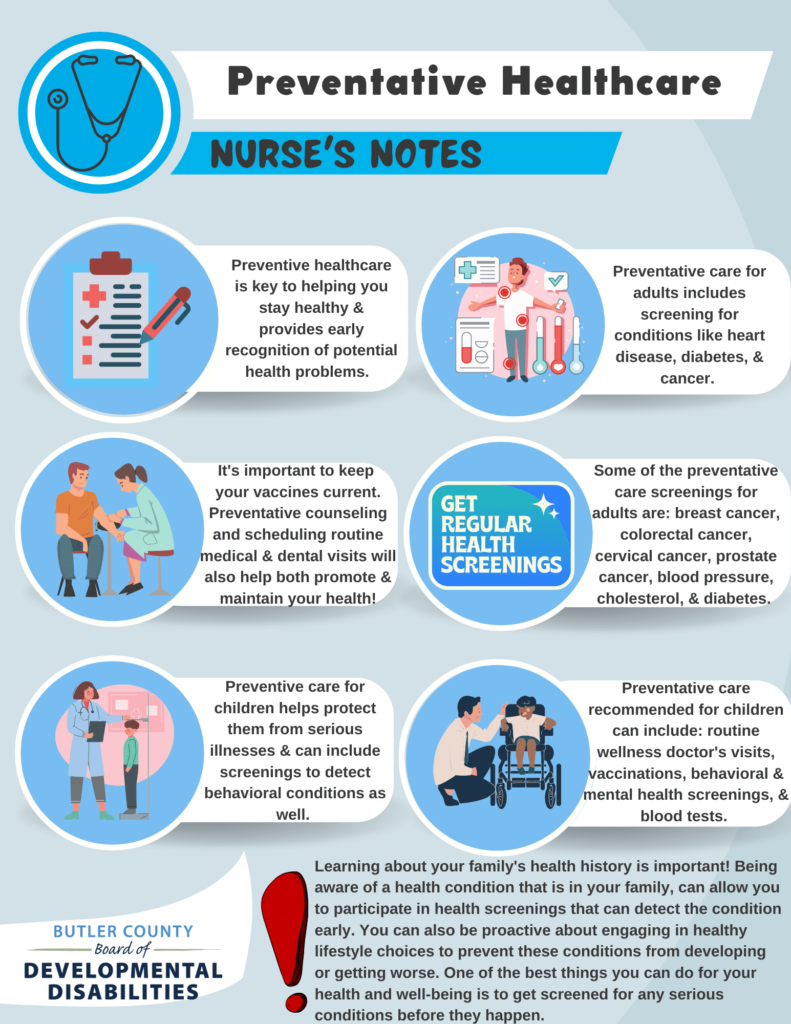
    Preventive healthcare is key to helping you stay healthy and provides early recognition of potential health problems. Seeking preventative healthcare can help you live a longer, healthier life!

    Preventative care for adults typically includes screening for conditions like heart disease, diabetes, and cancer. This also includes counseling and receiving appropriate patient teaching on healthy eating and life habits.

    What are some of the screenings recommended for adults? (Please note that these screenings are recommended based on age and family history).

    • Screenings for breast cancer, colorectal cancer, cervical cancer, and prostate cancer: These types of cancers are affecting men and women the most and early detection can stop or slow the spread and allow early treatment.
    • Screenings for blood pressure, cholesterol, and diabetes: These screenings can detect common conditions that can be treated with basic lifestyle changes and or medications. If left untreated or diagnosed, they can lead to serious diseases and early death.
    • Immunizations: Not only children need vaccines, but adults should also stay on top of their vaccines as well.  Annual flu shots, COVID-19 vaccines and any necessary boosters can help you prevent illness and diseases. Visit the CDC for guidelines on vaccines.
    • Preventative Counseling: Preventative counseling and patient teaching is useful to help us make ongoing positive health related changes to promote a healthy lifestyle.
    • Scheduling routine medical and dental visits:  Annual physicals and routine dental care is valuable to maintain general health and ensure necessary recommended screenings are performed.

    Preventive care for children helps protect them from serious illnesses and can include screenings to detect behavioral conditions as well. Preventive healthcare can help children stay healthy when they’re young and promote healthy decision making as they grow older.

    What preventative care is recommended for children?

    • Well-child visits: Routine visits every few months when your child is an infant, and yearly after that.  Routine immunizations and screenings are also conducted during these visits.
    • Vaccinations: Vaccinations for children protect them from serious diseases now and in the future.
    • Behavioral and mental health screenings: Pediatricians routinely screen children for conditions like autism, depression, and developmental delays.
    • Blood tests: Various blood test screenings can be conducted throughout childhood to detect various diseases.

    Why is knowing your family history important?

    Learning that you have a family history of a serious health condition can be discouraging and stressful, but knowledge is power. When you are aware of a health condition that is in your family, you can participate in health screenings that can detect the condition early, so that treatment is more effective and can be started early on. You can also be proactive about engaging in healthy lifestyle choices to prevent these conditions from developing or getting worse.

    One of the best things you can do for your health and well-being is to get screened for any serious conditions before they happen. That’s what preventive health is about, and why medical experts recommend that all adults and children participate in routine tests, screenings, and immunizations.
    If you have any questions about preventive care and what screenings you or your children should get, be sure to talk with your doctor or healthcare professional. Check to see if you are up to date on your preventative care! 
    The Butler County Board of Developmental Disabilities supports over 3,700 people to live, work, and learn successfully in their community. Supports and services are available life-long through contracts with partner agencies or directly provided by our Board.
    Please visit the website of the Butler County Board of Developmental Disabilities often for more great information about the services that they provide, many of which go beyond the walls of their facilities and take place in the greater community.

    Look for, and subscribe to their newsletters!
  • Biden administration chooses first 10 drugs for Medicare price negotiations

    Biden administration chooses first 10 drugs for Medicare price negotiations

    BY:  Ohio Capital Journal

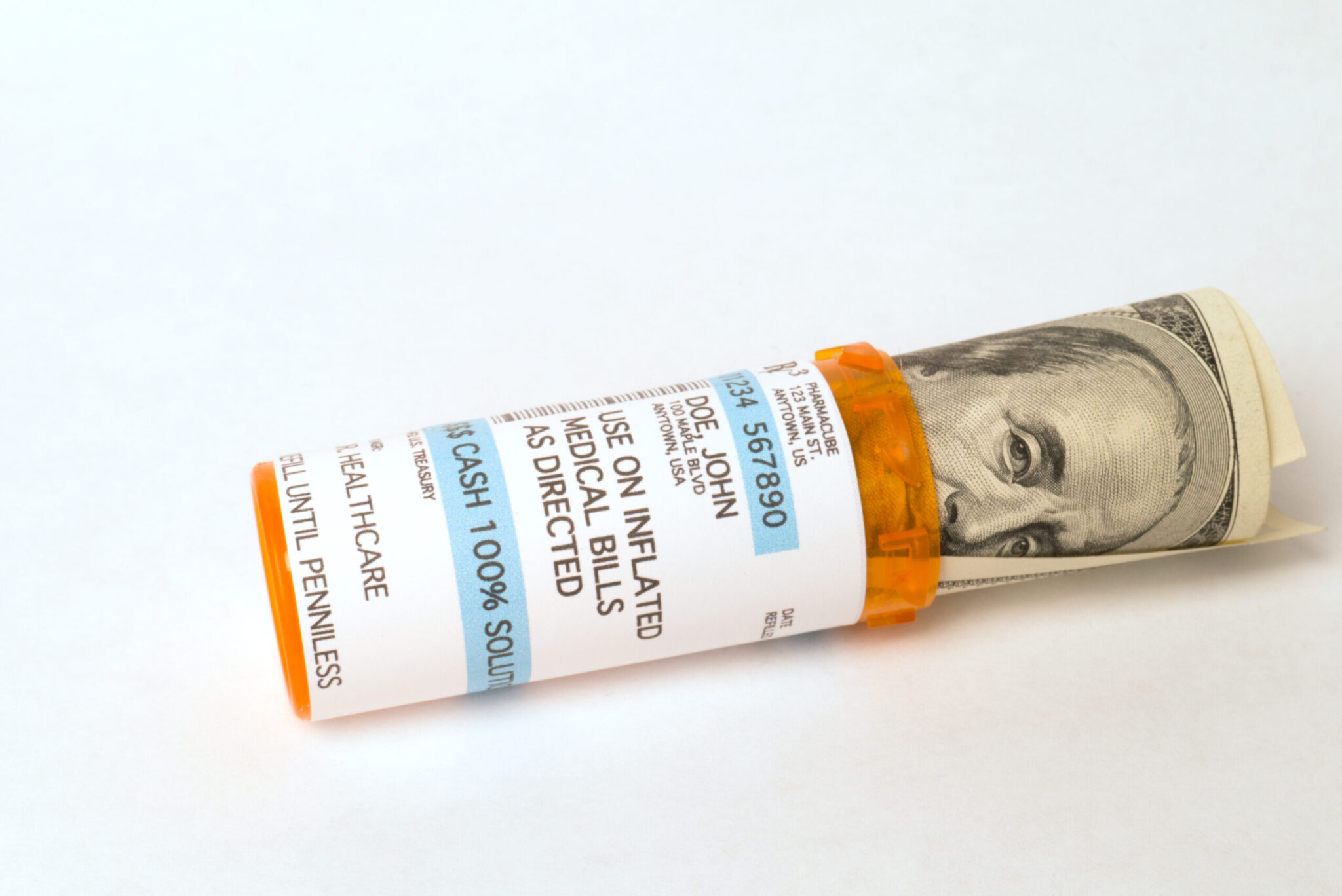
    WASHINGTON — Medicare can now negotiate lower prices for 10 common high-price drugs, cutting out-of-pocket costs for an estimated 9 million seniors and saving taxpayers billions, the Biden administration said Tuesday.

    Medicare will begin this year to negotiate with the manufacturers of popular medications used to treat blood clots, diabetes, heart disease, rheumatoid arthritis, chronic kidney disease, psoriasis, blood cancers, Crohn’s disease, and ulcerative colitis.

    Enrollees will begin to see lower prices in 2026.

    The prescription drug negotiations are a result of last year’s Inflation Reduction Act, a massive spending package that contained measures to reduce prescription drug prices, subsidize climate change reduction technology and adjust the corporate tax rate.

    “For far too long, Americans have paid more for prescription drugs than any major economy. And while the pharmaceutical industry makes record profits, millions of Americans are forced to choose between paying for medications they need to live or paying for food, rent, and other basic necessities. Those days are ending,” President Joe Biden said in a statement Tuesday.

    About 9 million enrollees in Medicare’s Part D prescription drug coverage program spent $3.4 billion out of pocket in 2022 on the 10 drugs selected for negotiation, according to a report released Tuesday by the U.S. Department of Health and Human Services.

    The 10 drugs are: Eliquis, Enbrel, Entresto, Farxiga, Imbruvica, Januvia, Jardiance, multiple Fiasp and NovoLog insulin products, Stelara and Xarelto.

    Democrats hailed the announcement of the selected drugs. The party held majorities in both the House and Senate when Congress passed the Inflation Reduction Act along party lines in August 2022.

    “For years politicians promised to take on the big drug companies and empower Medicare to negotiate lower drug prices for consumers. With the Inflation Reduction Act Democrats have delivered. Soon millions of Americans will see lower prices on some of the most expensive and widely used prescription drugs,” Senate Majority Leader Chuck Schumer of New York said in a statement Tuesday.

    Sen. Jon Tester, a Montana Democrat, said in a statement that his constituents “should never have to make the choice between life-saving medication or putting food on the table.”

    “I am proud to have stood tough against large pharmaceutical corporations and successfully demand that they stop unnecessarily jacking up prices on folks across the state. Montanans sent me to Washington to deliver results, and I will continue to take on anyone to lower costs,” he said.

    Of the nearly 66 million Americans enrolled in Medicare, 52 million are enrolled in the Part D prescription drug coverage plan, according to the Centers for Medicare and Medicaid Services enrollment dashboard.

    The Inflation Reduction Act also made common adult vaccines, including shingles and TDAP, free for certain Medicare enrollees. Monthly insulin costs for Medicare enrollees were also reduced to $35 for Part D beneficiaries as part of the IRA, and beginning in 2025 annual out-of-pocket prescription drug costs will be capped at $2,000.

    The law’s prescription drug provisions, including the government’s new ability to negotiate what it pays for certain drugs, is expected to reduce the federal deficit by $129 billion by 2031, according to a Congressional Budget Office analysis.

    The government will choose 15 additional Part D-covered drugs in 2025 to negotiate lower prices beginning in 2027. Several more Part D and Part B drugs will be phased in for negotiations through 2029.


    Ashley Murray
    ASHLEY MURRAY

    Ashley Murray covers the nation’s capital as a senior reporter for States Newsroom. Her coverage areas include domestic policy and appropriations.

    MORE FROM AUTHOR

  • Air Quality Alert has been extended into Saturday

    Air Quality Alert has been extended into Saturday

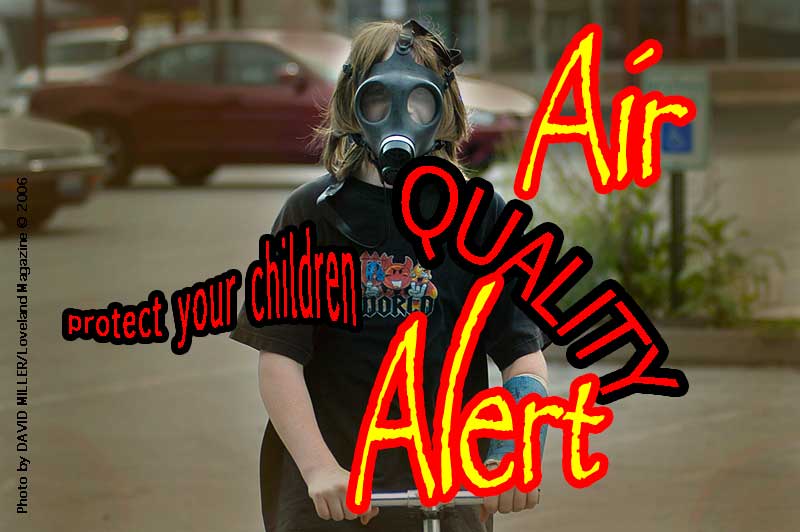
    Loveland, OhioThe Southwest Ohio Air Quality Agency expects to see levels of ozone in the “unhealthy for sensitive groups” range on the Air Quality Index (AQI).

    Saturday, Aug 5 Unhealthy for Sensitive Groups Ozone


    This level of Ozone can be harmful to children, seniors, adults who are active outdoors (such as manual laborers), and people with heart disease, lung disease (such as asthma, emphysema, and bronchitis), or diabetes.

    On Air Quality Alert days, everyone can help reduce ozone formation by taking the following actions:

    • Take the bus, carpool, bike, or walk instead of drive.
    • Refuel your vehicle after 8 p.m.; do not top off when refueling and tighten the gas cap.
    • Do not idle your vehicle; exhaust contributes considerably to ozone formation.
    • Combine trips or eliminating unnecessary vehicle trips.
    • Keep your vehicle maintained with properly inflated tires and timely oil changes.
    • Avoid use of gasoline-powered lawn equipment on Air Quality Alert days.
    • Avoid use of oil-based paints and stains on Air Quality Alert days.
    • Never burn leaves or other yard trimmings.
    • Suspend use of fire pits, campfires and charcoal grills on Air Quality Alert days.
    • Conserve electricity by turning out lights and unplugging unused appliances and electronics.
  • Air Quality Alert has been declared for Loveland on Friday

    Air Quality Alert has been declared for Loveland on Friday

    Loveland, OhioThe Southwest Ohio Air Quality Agency expects to see levels of ozone in the “unhealthy for sensitive groups” range on the Air Quality Index (AQI).

    Friday, Aug 4: 108 AQI Unhealthy for Sensitive Groups Ozone


    This level of Ozone can be harmful to children, seniors, adults who are active outdoors (such as manual laborers), and people with heart disease, lung disease (such as asthma, emphysema, and bronchitis), or diabetes.

    On Air Quality Alert days, everyone can help reduce ozone formation by taking the following actions:

    • Take the bus, carpool, bike, or walk instead of drive.
    • Refuel your vehicle after 8 p.m.; do not top off when refueling and tighten the gas cap.
    • Do not idle your vehicle; exhaust contributes considerably to ozone formation.
    • Combine trips or eliminating unnecessary vehicle trips.
    • Keep your vehicle maintained with properly inflated tires and timely oil changes.
    • Avoid use of gasoline-powered lawn equipment on Air Quality Alert days.
    • Avoid use of oil-based paints and stains on Air Quality Alert days.
    • Never burn leaves or other yard trimmings.
    • Suspend use of fire pits, campfires and charcoal grills on Air Quality Alert days.
    • Conserve electricity by turning out lights and unplugging unused appliances and electronics.
  • COVID-19 is causing more type 1 diabetes in kids, who will be saddled with high insulin prices

    COVID-19 is causing more type 1 diabetes in kids, who will be saddled with high insulin prices

    Commentary

    by Jennifer Schuerman – Ohio Capital Journal

    As nurses, my husband and I witnessed truly awful and devastating things treating patients on the frontlines of this pandemic. Hundreds of thousands of Americans have died, while the millions who survived, now faced with disability, are left to grapple with the harsh realities of long COVID-19.

    Among those millions of people living with long-term health impacts is our son Carter.

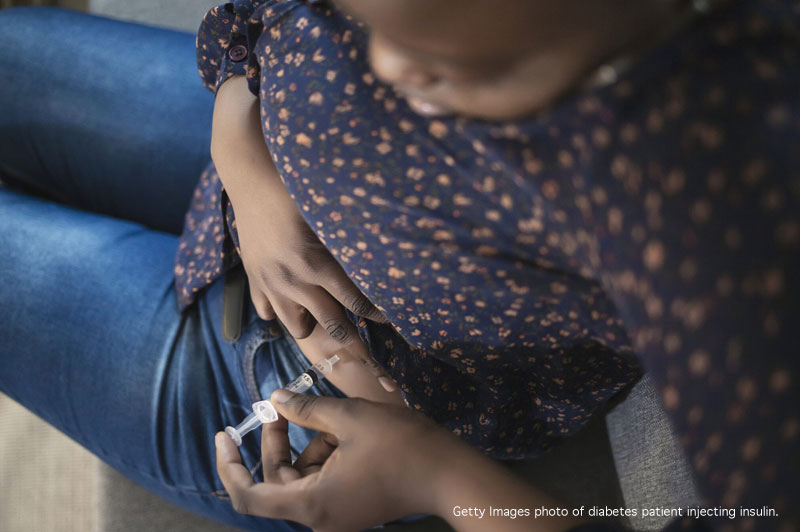
    Four days before the COVID-19 vaccine was available for kids under 12, my 11-year-old son Carter tested positive for COVID-19. He had the common symptoms for the first few days, but as those subsided, I began noticing new ones like extreme thirst and frequent urination. In my gut, I knew it was diabetes. And sure enough, a mother always knows: Twelve days after his COVID-positive test, Carter was officially diagnosed with Type 1 diabetes.

    In less than a month, everything about our lives changed. We don’t have any family history of any type of diabetes, so Carter’s diagnosis came out of nowhere, and we were not prepared. Our days now revolve around his blood sugar levels. Meal times are planned around insulin doses, mornings and evenings have a new medicine routine. Even as nurses, my husband and I could have never anticipated the severity of impact this diagnosis would have on our family.

    I hear fellow nurses say there are more kids coming into the hospital and leaving with a diabetes diagnosis. Many of the newly diagnosed diabetics often had a recent COVID-19 infection. When a recent CDC report found children under 18 infected with COVID-19 are 2.66 times more likely to develop diabetes, it only confirmed the trend I witnessed in my hospital.

    Carter was prescribed two different kinds of insulin, Humalog and Basaglar. Only a couple months into his treatment, our insurance decided it would no longer cover Humalog beginning in January of this year. We had just enough to last us through March. We cannot afford the out-of-pocket costs to keep Carter on the same kind of insulin, so we will need to switch him to a new kind of insulin before his body has even adapted to the current regimen.

    We lose sight of the human cost when we ignore insulin price gouging. At the end of the day, we are putting a price on human life — on a child’s life.

    I realize we are extremely lucky to have health insurance that keeps insulin costs manageable for our family. Since becoming part of the diabetes community, I’ve learned how rare it is to have sufficient insurance coverage and be able to afford insulin at all. As I read the heart-breaking posts from parents pleading for insulin donations in online communities, I think about how one unfortunate diagnosis can send a family to economic ruin through no fault of their own.

    So, when the House passed the Affordable Insulin Now Act last week, I felt like Congress finally listened to the pleas of Americans with diabetes. The bill will cap insulin copays at $35 a month — reducing insulin costs by hundreds each year. In America, around 1 in 4 diabetics have rationed their insulin due to high costs. With nearly 60% of Americans under 17 having been infected with COVID-19, some of them may develop type 1 diabetes. It is more important than ever to do something about insulin prices.

    By lowering the price of insulin and passing other federal prescription drug reforms, we can help existing diabetics and prevent newly diagnosed diabetics, especially kids, from being forced to ration life-saving medication.

    I couldn’t imagine going through this emotional journey with the added stress of not being able to afford the one thing you need to keep your child alive. Type 1 diabetes is a lifelong condition; my son will never escape this. It’s not his fault he caught COVID-19. It’s not his fault that COVID-19 may have caused his diabetes. But he will be forever burdened by the price of insulin.

    We are fortunate to be able to afford Carter’s insulin and supplies. But what about the families who aren’t so lucky? What happens to all of the kids who will eventually age off of their parents’ insurance, and their plans barely cover insulin? We lose sight of the human cost when we ignore insulin price gouging. At the end of the day, we are putting a price on human life — on a child’s life.

    I would do whatever I could to get my child what he needs. I would give up my house, I would give up everything to keep him alive. I don’t know any parent who wouldn’t do the same. Our leaders in Congress must do everything they can, so people with diabetes and their caretakers aren’t left with such impossible choices. Now, it’s up to our representatives in the Senate to stand with parents like me and stop hiding behind the donations of pharmaceutical companies.

    This commentary was first published in the Arizona Mirror.

  • How an Ohio state senator and 33 family members caught COVID-19

    How an Ohio state senator and 33 family members caught COVID-19

    Senator Tina Maharath (Ohio Senate photo)

    Jake ZuckermanJake Zuckerman is a statehouse reporter. He spent three years chronicling the West Virginia Legislature for The Charleston Gazette-Mail after covering cops and courts for The Northern Virginia Daily.

    It started with a funeral.

    Tina Maharath, a Democratic state senator from Canal Winchester, attended a wake Aug. 9 after her brother-in-law’s funeral, who died of non-COVID-19 illness.

    Two of his family members, who Maharath said tested positive for COVID-19, came to the wake. Maharath described them as skeptical of the gravity of the COVID-19 pandemic.

    “Slowly, one by one, we started getting the phone calls from each one of our family members,” she said in an interview.

    Maharath comes from a big family — common, she said, among Laotians. Her husband has 19 siblings, she has 16. The new coronavirus, which causes COVID-19, left from the wake to invade 11 different family households, infecting 33 family members including a 9-month-old baby.

    As of Thursday, two have died: Maharath’s 44-year-old sister-in-law, who had been battling brain cancer for a year, and her sister-in-law’s father-in-law.

    Five family members were hospitalized, including one who Maharath said is likely to die soon from COVID-19. The five people hospitalized are between 34- and 76-years old. They were hospitalized anywhere from two to six weeks. Mahrath’s sister-in-law was ventilated for three weeks.

    All five had underlying health conditions like asthma, high blood pressure and diabetes, all common conditions in Ohio.

    The familial outbreak, Maharath said, is hopefully over. But uncertainty over longevity of symptoms or long term damage is frightening.

    “We’re concerned because of the five people who were hospitalized, they still have lingering symptoms too, and another sister-in-law who was pregnant, she has lingering symptoms too,” Maharath said. “I don’t have underlying conditions, I’m not pregnant. So why do I have symptoms?”

    Patient groups, calling themselves “long haulers,” have insisted they’ve been experiencing COVID-19 symptoms for month. The CDC has found COVID-19 can result in prolonged illness, even among younger and healthier adults.

    Six weeks out from the positive test result, Maharath said she still feels COVID-19’s symptoms. She said she feels dehydrated, experiences coughing spells, and headaches.

    Her lungs, she said, take most the heat.

    “I just feel weak,” she said. “My lungs feel like something is just punching them. Randomly, it feels like something is just stabbing my lungs.”

    Nearly 148,000 Ohioans have contracted COVID-19 according to state data, which officials believe to be an undercount. At least 4,715 have died.

    Maharath’s diagnosis drew headlines in August. On Wednesday, however, Maharath shared the story of the outbreak through her family in a floor speech opposing Senate Bill 311.

    The legislation, which Senate Republicans passed, would forbid the Ohio Department of Health from issuing anything like the stay-at-home order it issued in March, which closed “non-essential” businesses in an effort to slow the spread of the recently-detected coronavirus.

    It would also allow lawmakers — who have repeatedly expressed skepticism about the virus, ODH’s data tracking the virus, and non-pharmaceutical interventions to control the virus like masks and social distancing — to rescind ODH orders.

    However, a COVID-19 diagnosis did not prove to be a proxy vote against the legislation.

    Sen. Bob Peterson, R-Washington C.H., who contracted the disease earlier this month, voted in favor.

    Sen. Frank Hoagland, R-Adena, did as well. He contracted a mild case of the disease in August. According to a Herald Star report, Hoagland’s wife was hospitalized with the disease as well. Both his wife’s parents reportedly died from COVID-19.

    With what they hope to be the worst of the outbreak behind them, Maharath said her family is planning funerals for the deceased. They plan stricter social distancing and mask requirements.

    Maharath said she’s not planning to attend.