

Tag: diet

  • The Eastern Coyote: Ohio’s newest mammal

    The Eastern Coyote: Ohio’s newest mammal

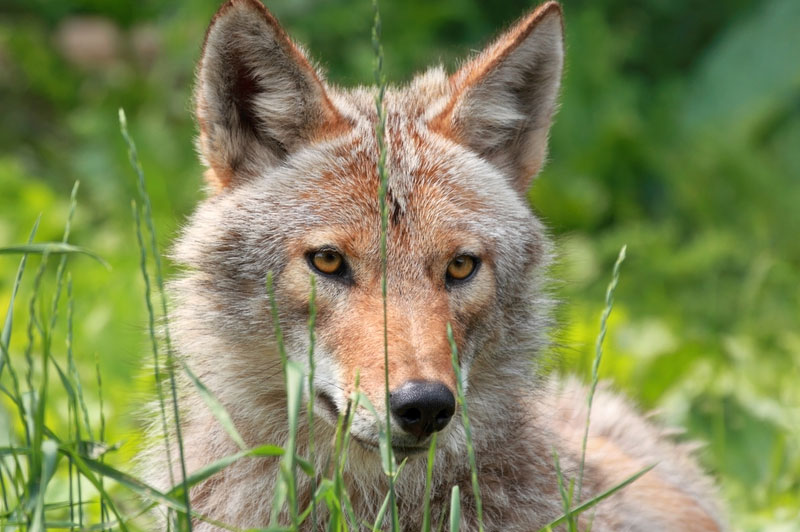
    Interbreeding between western coyotes and the remnant gray wolf populations of the Great Lakes region gave birth to a new species: the eastern coyote

    Guest Column by Chris Glassmeyer

    As the early settlers of the U.S. forged westward, their main priority was finding a place to call home. However, as they began to inhabit our country, not only did they affect the animals who lived here first, they affected where these creatures lived. The natural predators that called Ohio’s landscape home – the black bear, the bobcat and the eastern wolf – drastically reduced in size with colonization. Prior to the mid-1800s, coyotes were only found in the western U.S.  But as people colonized states, and populations grew, native predators became more and more scarce. Species native to other parts of the U.S. began traveling across the country to find a new home.

    The eastern coyote came about from interbreeding between western coyotes and the remnant gray wolf.

    With Ohio being void of apex predators, a vital niche was left unfulfilled.  That is, until the coyotes arrived. Before Europeans settled the new world, coyotes (Canis latrans) were only found in the American west. Then, in the 1940s, western coyotes started moving east into the northern Great Lakes region after the extirpation of the gray wolf. Interbreeding between western coyotes and the remnant gray wolf (Canis lupus) populations of the Great Lakes region gave birth to a new species: the eastern coyote (Canis latrans × Canis lycaon [or Canis latrans var.]). Being masters of opportunity, the eastern coyote soon swarmed Ohio and other eastern states. They quickly adapted and claimed the once-empty title of apex predator in Ohio.

    Chris Glassmeyer is the Conservation and Parks Manager for Great Parks of Hamilton County 

    One of the most notable differences between the eastern and the western coyote is size. Eastern coyotes can grow to be 30-40 pounds on average. (For comparison, the western coyote has an average weight of 20-30 pounds.) Female eastern coyotes weigh roughly 21 percent more than their male western counterparts. This size difference is largely because of the interbreeding of eastern coyotes with wolves of the Great Lakes region. The western coyote, however, has shown no interbreeding with wolves.

    The opportunistic behavior of the eastern coyote makes them adaptable to many environments, including urban and suburban areas. Their diet varies, and is largely based on the time of the year. Small rodents, such as mice, rabbits and voles, are a staple in the coyote’s diet.

    The opportunistic behavior of the eastern coyote makes them adaptable to many environments, including urban and suburban areas. Their diet varies, and is largely based on the time of the year. Small rodents, such as mice, rabbits and voles, are a staple in the coyote’s diet. Though, eastern coyotes have been known to consume larger animals, such as deer. However, because they are opportunistic feeders, eastern coyotes are both hunters and scavengers. Meaning they don’t regularly kill deer, but typically feed on the carrion deer leave behind. Coyotes have been known to eat deer during the winter months. Other food sources such as berries, vegetables and nuts are regularly consumed as an easy meal.

    Loveland Sweets is a purveyor of hand-crafted chocolates, caramels, marshmallows, and ice creams. Our house-made candies are prepared in small batches


    The cunningness and adaptability of the eastern coyote has brought them a little too close to home for many people. Coyotes are now common in city and suburban environments, as it has proven to be a bountiful food source for this resourceful predator. Those who are fearful of coyotes should take precautions against attracting them. Removing pet food and garbage, and cleaning up around outdoor grills are a good start to prevent coyotes from getting too close to your home. Small mammals make up a majority of the coyote’s diet. If you’re worried about your pet, keep small dogs and cats indoors, or supervising them while outdoors, is a good way to deter predation. Coyotes are particularly fearful of humans, so your presence can deter a problem before it arises.

    If you’re worried about your pet, keep small dogs and cats indoors, or supervising them while outdoors, is a good way to deter predation. Coyotes are particularly fearful of humans, so your presence can deter a problem before it arises.

    Predators are a necessary part of any ecosystem. Without them, the checks and balances that keep our natural areas functioning are nonexistent. We must move past the inherent fear of predators and work toward a lifestyle that embraces them in a spirit of coexistence. Humans, after all, are the greatest predator that this world has ever seen. And like the coyote, we’re working to adapt and survive.



      Loveland chiropractor Douglas Portmann, DC at Wards Corner Chiropractic & Sports Rehab is one of the best chiropractors in the Loveland area.
  • Summer food tips to improve heart and overall health

    Summer food tips to improve heart and overall health

    Joe Higgins photo
    Joe Higgins

    By Joe Higgins,

    Looking to add some healthy variety to your diet this summer? Look no further!

    Ohio University’s College of Health Sciences and Professions (CHSP) offers six nutritious tips all yours for the tasting.

    1. Grilled fish

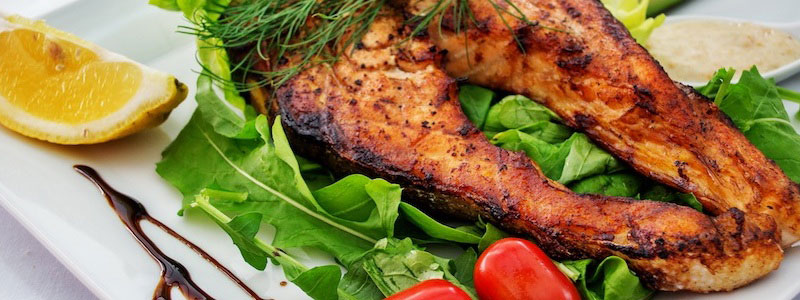
    The sun is shining and the grill is hot. Now it just needs some salmon!

    Selena Baker, MS, RDN, LD, a nutrition counselor at CHSP’s WellWorks, suggests lining the grill with a piece of parchment paper and placing your salmon on top to keep the dish moist.

    “Spread it with some Dijon mustard, fresh garlic and cracked black pepper,” she said. “The vinegar in the mustard will neutralize the mildly fishy smell if you’re sensitive to that. Lemon juice and malt vinegar have the same effect. Once it’s done, unwrap your packet and you’ve got super moist salmon on the grill!”

    2. More fish!

    Tuna steaks marinated in avocado oil can add more of the coveted Omega-3 heart-healthy fatty acid to the menu. Baker said avocado oil has a similar fatty acid profile to olive oil but can take the heat better due to a higher smoke point. She also suggests a simple lunch using white albacore tuna.

    “Open your white albacore, drain it, throw it directly in a Tupperware-type container and add olive oil or avocado oil mayonnaise. It has heart-healthy fat and half the fat of regular mayo. Add in some Mrs. Dash (the garlic blend) and you have lots of flavor ready to go,” said Baker. “If you have time, mince in some onion, carrots, celery or whatever you want.”

    3. Let’s get nuts

    Vegetarians or vegans looking for Omega-3 benefits can try walnuts. Baker said eating a 1-ounce portion of nuts most days of the week is a good goal and added that walnuts also contain fiber, potassium, protein and other heart-healthy fats.

    4. The power of tomatoes

    Scientific results are still mixed when it comes to lycopene in tomatoes but Baker said there are definitely some positive links between lycopene and good prostate health.

    Lycopene isn’t destroyed by cooking and tomatoes are also a good source of potassium which plays a role in healthy blood pressure.

    “Try a whole wheat pasta salad,” said Baker. “Lightly steam, sauté or grill a bunch of veggies and toss on some vinaigrette or whatever dressing you like. Dice up some sundried tomatoes and you’ll get that concentrated flavor, sweetness and unique texture which is great in a pasta salad along with some marinated artichokes and sautéed zucchini.”

    5. Lentil Sloppy Joes

    “Lentils are so good. I love the lentil sloppy joes served on a whole wheat bun with a slice of swiss cheese,” said Baker. “If you want to explore a family-friendly plant protein, lentils are a great, fast-cooking option.”

    (A recipe for this delicious dish is listed below the article.)

    6. MIND your diet

    Along with a healthy body, a healthy mind is desirable. Baker recommends trying the MIND diet — a take on the popular Mediterranean Diet and the Dietary Approaches to Stop Hypertension Diet. The MIND diet is associated with a lower risk of Alzheimer’s disease and calls for: more than six servings per week of green leafy vegetables, one serving per day of other vegetables, five servings per week of nuts, two servings per week of berries, three meals of beans per week, three servings per day of whole grains, one meal per week of fish, two meals per week of poultry and the use of olive oil as the primary cooking oil along with one glass of wine per day.

    Finally, Baker offers the reminder that with the hot sun and all the summer fun, it’s important to stay hydrated!


    Lentil Sloppy Joe (credit sparkpeople.com)

    1 cup uncooked lentils

    4 cups water

    1 tbsp olive oil

    1 medium yellow onion, small dice

    1 green bell pepper, small dice

    2 cloves garlic, minced

    3 tbsp chili powder

    2 tsp salt

    1 (8-oz) can tomato sauce

    ¼ cup tomato paste

    2-3 tbsp maple syrup

    1 tbsp prepared yellow mustard

    Pour lentils and water into small saucepan. Cover and bring to boil. Lower heat and simmer for 20 minutes or until lentils are soft. Drain and set aside.

    About 10 minutes before lentils are ready, preheat a medium-sized saucepan over medium heat. Sauté onion and pepper in the oil for seven minutes or until softened. Add garlic and sauté for one minute more.

    Stir in the cooked lentils, chili powder, oregano and salt. Add the tomato sauce and tomato paste and cook for 10 minutes. Add maple syrup and mustard and heat.

    Turn off the heat and let the pot sit on the warm burner for about 10 minutes to allow flavors to meld.

    Serves five people at 142 calories per serving.

    Selena Baker offers healthy cooking classes throughout the year at WellWorks. For more information visit ohio.edu/wellworks or call 740.593.2093.