

Loveland, Ohio
About This Naloxone Program
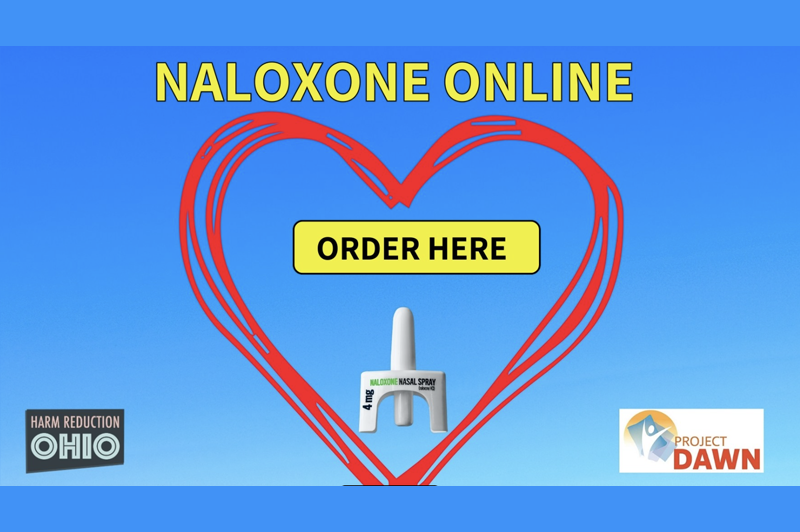
Twenty-thousand Ohio residents died from drug overdoses from 2020 through 2023. Harm Reduction Ohio provides the overdose-reversing drug naloxone to any Ohio residents at no charge. You can order online. We mail orders within 24 hours from our main office in Granville.
This service is made possible by the Ohio Department of Health’s Project DAWN program, using federal State Opioid Response funds approved by Congress.

Ohio Department of Health
What drugs in Ohio may contain fentanyl?
All illicit drugs in Ohio — except marijuana — may contain the opioid fentanyl or a fentanyl analog that can cause a potentially fatal overdose. Half of fentanyl overdoses deaths are caused by mixtures with stimulants (meth, cocaine). High doses of prescription opiates — such as oxycodone, fentanyl, hydrocodone and morphine — may cause overdoses, too.
Who should order at this site?
Ohio residents who may be in a position to reverse an overdose should consider carrying naloxone. This is especially true for family members, friends, co-workers, neighbors and service providers in contact with people who use drugs other than marijuana. People who stimulants and non-opioid drugs (other than cannabis) are at significant risk of fentanyl overdose and should carry naloxone, as should people in contact with people who use drugs.
Can I order fentanyl test strips?
Yes. Please request them in the comment section when ordering naloxone. Fentanyl test strips will be added soon as an option to our online form.
Other questions? Email narcan@harmreductionohio.org
HRO-Naloxone-Nasalv2 from Jumpstart Video on Vimeo.
Xylazine Wound Care Guide
Harm Reduction Ohio’s partner NEXT Distro of New York City prepared this Xylazine Wound Care Guide, which can be found here and below.
Harm Reduction Ohio published a study January 4, 2024, on xylazine’s frequency in Ohio’s drug supply. That study can be found here. The charts and data from the study is here.
The study found xylazine in 37.3% of fentanyl. Other key findings:
- Xylazine is paired with fentanyl in nearly every case.
- Xylazine is almost non-existent in the supply of cocaine, methamphetamine, benzodiazepines, psychedelics and other drugs, except when fentanyl is also present.
- Xylazine is found across Ohio without significant regional variations.
- Xylazine frequency was consistent throughout the nine months studied, indicating the drug was well-established in Ohio’s fentanyl supply before 2023 and is not currently increasing or decreasing in frequency.
Caring for Xylazine Wounds

Source: National Library of Medicine
The NEXT Distro wound care guide offers this guidance.
- Xylazine wounds should be kept clean with soap and water. Using alcohol and peroxide is NOT suggested for these wounds.
- Moisturized with antibacterial ointment like A&D or even a thin layer of vaseline.
- Covered with clean bandages.
- Manuka honey (Medihoney) has been found to be very useful and effective for its wound healing and antibacterial properties.
[pdf-embedder url=”https://lovelandmagazine.com/wp-content/uploads/2024/04/XylazineWoundCare.pdf”]

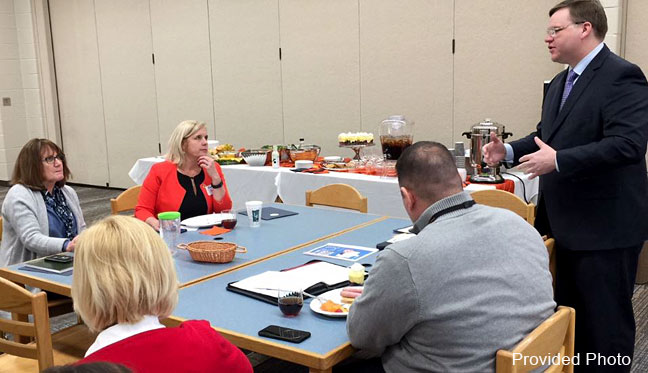
 “Governor Kasich’s work to fight drug abuse and addiction began even before he took office, and over the last seven years, Ohio has put in place one of the nation’s most aggressive and comprehensive approaches to fighting opiate addiction and drug overdoses,” said Stephen Caraway, regional liaison to the Governor. “Ohio continues to provide tools and resources to local communities to help combat addiction and drug abuse and it is imperative that communities collaborate with those on the frontlines of this battle and put the resources to work in neighborhoods. The Governor’s Regional office appreciated the opportunity to hear about the important work of the LEAAD organization, and we encourage anyone to contact our office if they would like to have someone from Start Talking! give a presentation.