Tag: #fashion

  • Versace Spring 2021: Diversity, CGI and Starfish

    Versace Spring 2021: Diversity, CGI and Starfish

    By Mihaela Manova

    In a time of empty seats and face masks, a schedule of runway livestreams awaited the fashion fan as well as the front row regular.

    As in-person fashion shows were excluded from New York and London Fashion Week, Milan presented something new, residing in Versace’s new collection.

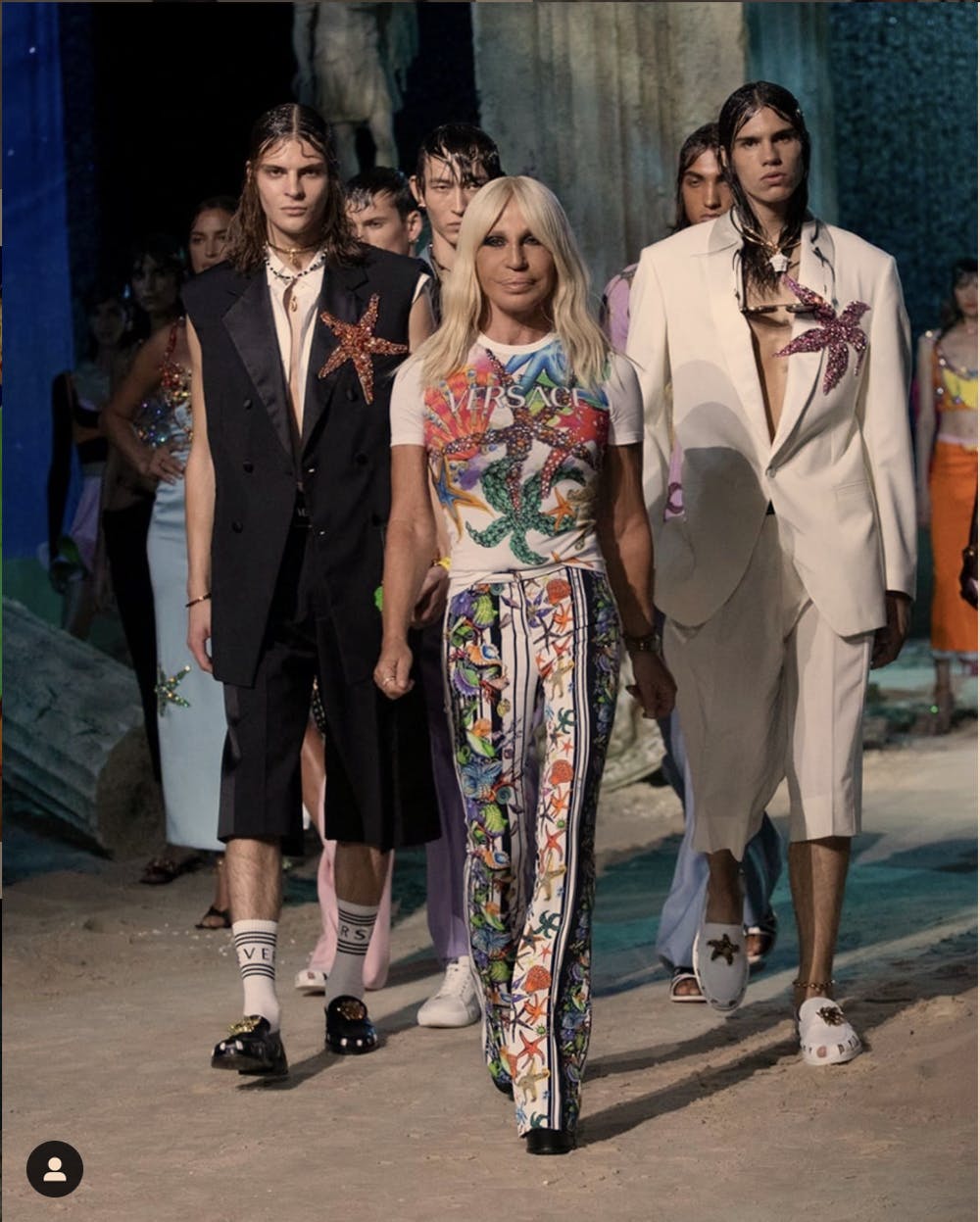
    Livestreamed with an audience of only staff members, Donatella Versace presented her new ready-to-wear collection with a nostalgic and electric underwater theme. “Versacepolis,” as introduced by Donatella on Youtube, focuses on the banishment of Medusa by Athena and in turn creates a new world for the Gorgon.

    “I wanted to create something disruptive, something that could be in tune with what has changed inside all of us,” said Versace in the description of her show. “To me that meant dreaming of a new world in which we can all coexist peacefully.”

    A writer for Women’s Wear Daily wrote that Versace’s inspiration was “out of yearning for nature, escape, and fantasy.”

    This collection featured a modern twist on one of their previous collections from the 90s, the Tresor De la Mer collection, with bursts of green, orange and blue neons alongside muted shades of pale pink.

    This show also saw Versace reveal a major change in casting diversity, with a group of models with a broad range of ethnic backgrounds, as well as three “plus-size” models. Viewers were pleasantly surprised to see models of color be represented, not just sporadically placed.

    Ellie Krug, president of Miami University’s Fashion & Design club (MUF&D), weighed in on the subject.

    “I think the fashion industry is making great strides when it comes to the diversification of their models and the people they represent on the runway and in print,” she said. “I think we have a long way to go, but I believe the industry is definitely heading in the right direction.”

    Donning the Versace pieces, curvy models Alva Claire, Precious Lee and Jill Kortleve were praised by many for leading the way in diverse sizing.

    “I think it is important for designers and companies to represent everybody in their advertising and in their runway shows,” Krug said. “I would love to see a more diverse variation of height, size, skin color, hair color and ethnicity on the runway, and I have faith that we will be seeing all of those things in the near future.”

    This ready-to-wear collection was presented on a runway lightly dusted with sand, while Greek columns and statues made up the background of a sunken Versacepolis.

    Heavily influenced by marine aesthetics, a variety of sea creatures appeared throughout the collection. Either printed on clothing or featured by brooches, starfish took the lead and tiny sea turtle accents could also be found on necklaces.

    The bedazzled clamshell bustiers were the focus of the night, appearing in various blues, neon multicolor — even a sunset-like gradient.

    Pinstripe suits also made an appearance. The opening look worn by Mica Arganaraz featured an oversized blazer, while Sacha Quenby’s look incorporated pinstripe bottoms with a subtle hip cutout.

    The “star” look of the show featured an embellished starfish gown, worn by supermodel Irina Shayk.

    Both the female and male models looked as if they had just emerged from the ocean, with drenched hair clinging to glistening faces. The women’s makeup varied from glowy and neutral, to bold and eccentric, varying in shades of electric pink, orange and red on the lips.

    Alongside the fashion, a new member of the Versace family was introduced. Video content featuring a computer generated image (CGI) of an octopus named Churro appeared on the Twitter feeds of fashion fans, “sliding” across the roads and rushing to enter the show.

    Many viewers were wondering why the octopus was introduced at the end of the runway show, when Churro popped up from the sand and glided across the runway, closing Versace’s collection.

    As CGI was newly introduced into the fashion industry, most designers have not taken the leap to include it in a show. In 2018, CGI influencer Noonoouri starred in a Dior Beauty Campaign, prompting the brand’s followers to call the collaboration “absurd.”

    On the contrary, Krug thinks the Versace octopus is an innovative idea.

    “I think this CGI octopus is the coolest thing ever, and I have never seen anything like it,” she says. “I love that technology like this is being introduced to the industry, and I think it will open a lot of doors for future innovation and interaction.”

    Similarly, members of Twitter’s high fashion community expressed mixed reactions. User @DECOUTURIZE tweets, “can’t stop thinking about the Versace octopus,” while @modavitalita writes, “I feel personally attacked by the Versace octopus.”

    In the end, as the last livestreams of fashion month approach, viewers wonder what surprises the next season will bring. Besides awaiting new pieces to be unveiled by their favorite designers, viewers will also be awaiting more diversity and representation on the runway.

    With that said, as this fashion month comes to a close, a new age of inclusion and innovation begins.

    manovamd@miamioh.edu

    (This story was originally published to The Miami Student

  • Sustainable fashion: the other side

    Sustainable fashion: the other side

    Loveland Magazine is one of the 400 news outlets worldwide, with a combined audience of over 2 billion people “Covering Climate Now”, a global journalism initiative committed to bringing more and better coverage to the defining story of our time.
    The initiative, was co-founded by The Nation and Columbia Journalism Review

    Mihaela Manova is “Covering Climate Now” in Loveland, Ohio as an editor for Loveland Magazine

    Part 3 of this series

    As much as we have talked about the need to better our habits into becoming more sustainable, we must acknowledge the other side. In the beginning, this article was going to suggest the brands and new materials that can replace unsustainable goods. But during this climate, we must acknowledge that not everyone has the luxury to shop sustainably.

    Read Part 1 – Your introduction to sustainable fashion/ Covering Climate Now

    Read Part 2 – The dark side of fast fashion/ Covering Climate Now


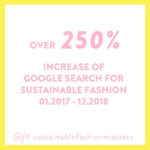
    Sustainability has grown more popular in the social media spheres as more consumers are pushing for a positive change in the environment and people’s working conditions.

    Take for example the 8.1 million photos on Instagram with the tag #sustainablefashion, videos on YouTube giving life hacks on the subject, and the 230 tweets written in the past hour with the hashtag, #Sustainability.

    This word has not only gained popularity online, but is pushing stores like Ikea in turning away from unsustainable practices and replacing them with more eco-friendly choices.

    But with the making of more sustainable and ethical products, prices seem to skyrocket in comparison to its fast fashion counterpart.

    Most often, sustainable clothing is made with quality materials and fair labor practices, thus giving more time to craft the garment. With having it ethically produced, the price escalates as the quantity of those garments becomes lower. Many shops order small batches and sell those, limiting the quantity of exports and making them more “limited edition.” 

    Even though sustainability is marketed as something that we must perfect and be 100% ready to switch all of our clothing and items for, that is actually far from the truth. As social media can be pressuring for this change of lifestyle, we must take it step by step. 

    Consequentelly, we must first begin with practices that will encourage sustainability, even with the items that we have at home.

    When it comes to our seasonal wardrobe one must first consider what they need and don’t need. Decluttering and donating to thrift stores seems like a given, yet we forget the other options.

    If you have younger siblings, cousins, family members, consider putting some stuff aside for them. Even giving away clothing to friends, or prom dresses to organizations like Cinderella’s Boutique can ease your wardrobe while still practicing sustainability.

    If you have clothes or designer items that you want to sell, consider making an account on apps like Depop, Poshmark, or making a separate Instagram account to sell your pieces to your friends.

    Any other things (accessories, jackets, etc.) you may feel like you want to give away, consider women/men’s shelters. Any extra gloves, hats, and jackets can help people in those shelters survive in the approaching chilling months.

    As this article marks an end to this series, we must remember that a single person can indeed contribute a lot to the environment regardless of where they live, who they are, or what they have. When individuals begin sustainable practices, they have the power to influence family members and friends to do the same, and make a greater impact in multiple numbers.

    So begin today, you have the power to make it happen.

    Master list of affordable and sustainable brands/stores:

    For the home:

    • Brandless – a company based no having brands for their products – at a cheap price, includes personal care and household items
    • Viva Terra – chic decor at reasonable prices, ranges from kitchen items to seasonal decor
    • Gardener’s Supply Company– a B-Corp company (balancing business and profit). They also give away 8% of their profit to support local organizations that focus on community gardening and farming.

    Clothing:

    Places to give away your clothes/things/services:

    Apps for selling your clothing/goods:


  • Your introduction to sustainable fashion/ Covering Climate Now

    Your introduction to sustainable fashion/ Covering Climate Now

    Loveland Magazine is one of the 400 news outlets worldwide, with a combined audience of over 2 billion people “Covering Climate Now”, a global journalism initiative committed to bringing more and better coverage to the defining story of our time.
    The initiative, was co-founded by The Nation and Columbia Journalism Review

    Mihaela Manova is “Covering Climate Now” in Loveland, Ohio as an editor for Loveland Magazine