The action paves the way for the life-saving medication to reverse an opioid overdose to be sold directly to consumers in places like drug stores, convenience stores, grocery stores, and gas stations, as well as online.
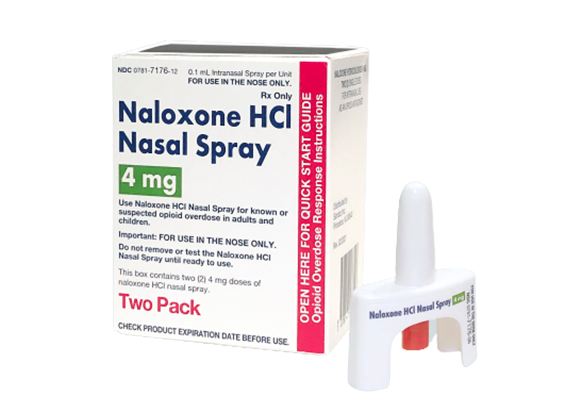
The U.S. Food and Drug Administration has approved Narcan, 4 milligram (mg) naloxone hydrochloride nasal spray for over-the-counter (OTC), nonprescription, use – the first naloxone product approved for use without a prescription.
Naloxone is a medication that rapidly reverses the effects of opioid overdose and is the standard treatment for opioid overdose. The action paves the way for the life-saving medication to reverse an opioid overdose to be sold directly to consumers in places like drug stores, convenience stores, grocery stores, and gas stations, as well as online.
The timeline for availability and price of this OTC product is determined by the manufacturer. The FDA will work with all stakeholders to help facilitate the continued availability of naloxone nasal spray products during the time needed to implement the Narcan switch from prescription to OTC status, which may take months. Other formulations and dosages of naloxone will remain available by prescription only.
Drug overdose persists as a major public health issue in the United States, with more than 101,750 reported fatal overdoses occurring in the 12-month period ending in October 2022, primarily driven by synthetic opioids like illicit fentanyl.
“The FDA remains committed to addressing the evolving complexities of the overdose crisis. As part of this work, the agency has used its regulatory authority to facilitate greater access to naloxone by encouraging the development of and approving an over-the-counter naloxone product to address the dire public health need,” said FDA Commissioner Robert M. Califf, M.D. “Today’s approval of OTC naloxone nasal spray will help improve access to naloxone, increase the number of locations where it’s available and help reduce opioid overdose deaths throughout the country. We encourage the manufacturer to make accessibility to the product a priority by making it available as soon as possible and at an affordable price.”
Narcan nasal spray was first approved by the FDA in 2015 as a prescription drug. In accordance with a process to change the status of a drug from prescription to nonprescription, the manufacturer provided data demonstrating that the drug is safe and effective for use as directed in its proposed labeling. The manufacturer also showed that consumers can understand how to use the drug safely and effectively without the supervision of a healthcare professional. The application to approve Narcan nasal spray for OTC use was granted priority review status and was the subject of an advisory committee meeting in February 2023, where committee members voted unanimously to recommend it be approved for marketing without a prescription.
The approval of OTC Narcan nasal spray will require a change in the labeling for the currently approved 4 mg generic naloxone nasal spray products that rely on Narcan as their reference listed drug product. Manufacturers of these products will be required to submit a supplement to their applications to effectively switch their products to OTC status. The approval may also affect the status of other brand-name naloxone nasal spray products of 4 mg or less, but determinations will be made on a case-by-case basis and the FDA may contact other firms as needed.
The use of Narcan nasal spray in individuals who are opioid dependent may result in severe opioid withdrawal characterized by body aches, diarrhea, increased heart rate (tachycardia), fever, runny nose, sneezing, goose bumps, sweating, yawning, nausea or vomiting, nervousness, restlessness or irritability, shivering or trembling, abdominal cramps, weakness and increased blood pressure.
“Naloxone is a critical tool in addressing opioid overdoses and today’s approval underscores the extensive efforts the agency has undertaken to combat the overdose crisis,” said Patrizia Cavazzoni, M.D., director of the FDA’s Center for Drug Evaluation and Research. “The FDA is working with our federal partners to help ensure continued access to all forms of naloxone during the transition of this product from prescription status to nonprescription/OTC status. Further, we will work with any sponsor seeking to market a nonprescription naloxone product, including through an Rx to OTC switch, and encourage manufacturers to contact the agency as early as possible to initiate discussions.”
The FDA has taken a series of measures to help facilitate access to naloxone products. In November 2022, the agency announced its preliminary assessment that certain naloxone products, such as the one ultimately approved today, have the potential to be safe and effective for over-the-counter use and encouraged sponsors to submit applications for approval of OTC naloxone products. The agency previously announced in 2019 that it had designed, tested, and validated a model naloxone Drug Facts Label (DFL) with easy-to-understand pictograms on how to use the drug to encourage manufacturers to pursue approval of OTC naloxone products. The model DFL was used to support the approved application along with the results of a simulated use Human Factors validation study designed to assess whether all the components of the product with which a user would interact could be used safely and effectively as intended.
The FDA granted the OTC approval of Narcan to Emergent BioSolutions.[/vc_column_text][/vc_column][/vc_row]
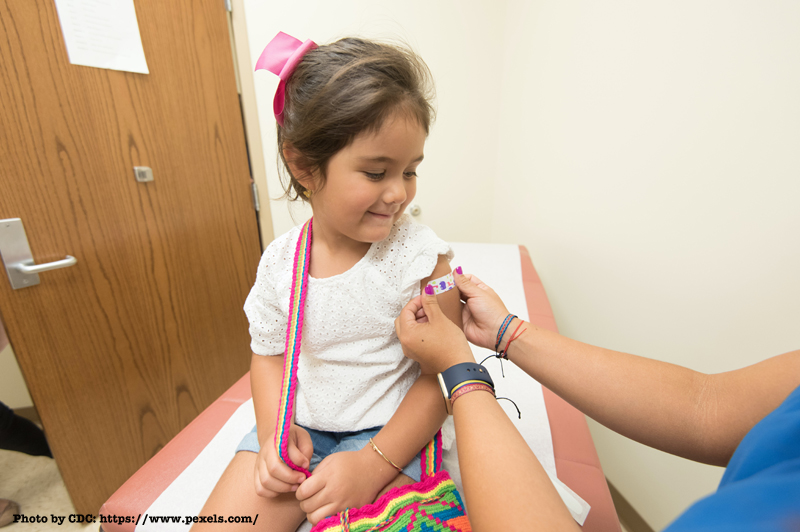
Today, the U.S. Food and Drug Administration amended the emergency use authorizations (EUAs) of the updated (bivalent) Moderna and Pfizer-BioNTech COVID-19 vaccines to include use in children down to 6 months of age.
“More children now have the opportunity to update their protection against COVID-19 with a bivalent COVID-19 vaccine, and we encourage parents and caregivers of those eligible to consider doing so – especially as we head into the holidays and winter months where more time will be spent indoors,” said FDA Commissioner Robert M. Califf, M.D. “As this virus has changed, and immunity from previous COVID-19 vaccination wanes, the more people who keep up to date on COVID-19 vaccinations, the more benefit there will be for individuals, families and public health by helping prevent severe illnesses, hospitalizations, and deaths.”
What parents and caregivers need to know:
Children 6 months through 5 years of age who received the original (monovalent) Moderna COVID-19 Vaccine are now eligible to receive a single booster of the updated (bivalent) Moderna COVID-19 Vaccine two months after completing a primary series with the monovalent Moderna COVID-19 Vaccine.
Children 6 months through 4 years of age who have not yet begun their three-dose primary series of the Pfizer-BioNTech COVID-19 Vaccine or have not yet received the third dose of their primary series will now receive the updated (bivalent) Pfizer-BioNTech COVID-19 vaccine as the third dose in their primary series following two doses of the original (monovalent) Pfizer-BioNTech COVID-19 Vaccine.
Children 6 months through 4 years of age who have already completed their three-dose primary series with the original (monovalent) Pfizer-BioNTech COVID-19 Vaccine will not be eligible for a booster dose of an updated bivalent vaccine at this time. Children in this age group who already completed their primary series would still be expected to have protection against the most serious outcomes from the currently circulating omicron variant. The data to support giving an updated bivalent booster dose for these children are expected in January. The agency is committed to evaluating those data as quickly as possible.
The Moderna and Pfizer-BioNTech bivalent COVID-19 vaccines include an mRNA component corresponding to the original strain to provide an immune response that is broadly protective against COVID-19 and an mRNA component corresponding to the omicron variant BA.4 and BA.5 lineages to provide better protection against COVID-19 caused by the omicron variant.
Individuals who receive the updated (bivalent) vaccines may experience similar side effects reported by individuals who received previous doses of the original (monovalent) mRNA COVID-19 vaccines.
The fact sheets for both bivalent COVID-19 vaccines for recipients and caregivers and for healthcare providers include information about the potential side effects, as well as the risks of myocarditis and pericarditis.
“Vaccines remain the best defense against the most devastating consequences of disease caused by the currently circulating omicron variant, such as hospitalization and death. Based on available data, the updated, bivalent vaccines are expected to provide increased protection against COVID-19,” said Peter Marks, M.D., Ph.D., director of the FDA’s Center for Biologics Evaluation and Research. “Parents and caregivers can be assured that the FDA has taken a great deal of care in our review, and we encourage parents of children of any age who are eligible for primary vaccination or a bivalent COVID-19 vaccine booster dose to consider seeking vaccination now as it can potentially help protect them from COVID-19 during a time when cases are increasing.”
Moderna COVID-19 Vaccine, Bivalent
The monovalent Moderna COVID-19 Vaccine is authorized as a two-dose primary series in individuals six months of age and older and as a third primary series dose for individuals 6 months of age and older who have been determined to have certain kinds of immunocompromise. With today’s authorization, the Moderna COVID-19 Vaccine, Bivalent is now authorized for administration in individuals 6 months through 5 years of age as a single booster dose at least 2 months after completion of primary vaccination with the monovalent Moderna COVID-19 Vaccine. The Moderna COVID-19 Vaccine, Bivalent is also authorized for use in individuals 6 years and older as a single booster dose at least two months after completion of either primary vaccination with any authorized or approved COVID-19 vaccine, or receipt of the most recent booster dose with any authorized or approved monovalent COVID-19 vaccine.
For the authorization of a single booster dose of the Moderna COVID-19 Vaccine, Bivalent for children 6 months through 5 years of age, the FDA relied on immune response data that it had previously evaluated from a clinical study in adults of a booster dose of Moderna’s investigational bivalent COVID-19 vaccine that contained a component corresponding to the original strain of SARS-CoV-2 and a component corresponding to the omicron lineage BA.1.
In addition, the FDA conducted an analysis of data from a clinical study that compared the immune response among 56 study participants 17 months through 5 years of age who received a single booster dose of monovalent Moderna COVID-19 Vaccine at least six months after completion of a two-dose primary series of the vaccine to the immune response among approximately 300 study participants 18 through 25 years of age who had received a two-dose primary series of monovalent Moderna COVID-19 Vaccine in a previous study which determined the vaccine to be effective in preventing COVID-19. The immune response to the booster dose of monovalent Moderna COVID-19 Vaccine in the 17 months through 5 years age group was comparable to the immune response to the two-dose primary series in the adult participants.
The safety of a single booster dose of the Moderna COVID-19 Vaccine, Bivalent for children 6 months through 5 years of age is supported by safety data from a clinical study which evaluated a booster dose of Moderna’s investigational bivalent COVID-19 vaccine (original and omicron BA.1), safety data from clinical trials which evaluated primary and booster vaccination with the monovalent Moderna COVID-19 Vaccine, and postmarketing safety data with the monovalent Moderna COVID-19 Vaccine and Moderna COVID-19 Vaccine, Bivalent.
In one clinical study, the safety of a single booster dose of monovalent Moderna COVID-19 Vaccine was evaluated in 145 clinical study participants 6 months through 5 years of age who received a booster dose of monovalent Moderna COVID-19 Vaccine at least six months after completion of the monovalent Moderna COVID-19 Vaccine two-dose primary series. The most commonly reported side effects after a booster dose of the monovalent Moderna COVID-19 Vaccine across this age group included pain, redness and swelling at the injection site, swelling/tenderness of the lymph nodes of the injected arm or thigh, and fever. In clinical study participants 17 months through 36 months of age, other commonly reported side effects included irritability/crying, sleepiness, and loss of appetite. In clinical trial participants 37 months through 5 years of age, other commonly reported side effects included fatigue, headache, muscle pain, joint pain, chills, and nausea/vomiting.
The data accrued with the investigational Moderna bivalent COVID-19 vaccine (original and omicron BA.1) and with the monovalent Moderna COVID-19 Vaccine are relevant to the Moderna COVID-19 Vaccine, Bivalent because these vaccines are manufactured using the same process.
Pfizer-BioNTech COVID-19 Vaccine, Bivalent
With today’s authorization, children 6 months through 4 years of age who have not yet received the third dose of the three-dose primary series with the monovalent Pfizer-BioNTech COVID-19 Vaccine will now receive the Pfizer-BioNTech COVID-19 Vaccine, Bivalent as the third dose of the primary series. The Pfizer-BioNTech COVID-19 Vaccine, Bivalent is also authorized for administration in individuals 5 years of age and older as a single booster dose at least two months after completion of either primary vaccination with any authorized or approved COVID-19 vaccine, or receipt of the most recent booster dose with any authorized or approved monovalent COVID-19 vaccine.
With today’s action, the monovalent Pfizer-BioNTech COVID-19 Vaccine is no longer authorized for use as the third dose of the three-dose primary series in children 6 months through 4 years of age. The monovalent Pfizer-BioNTech COVID-19 Vaccine remains authorized for administration as the first two doses of the three-dose primary series in individuals 6 months through 4 years of age, as a two-dose primary series for individuals 5 years of age and older, and as a third primary series dose for individuals 5 years of age and older who have been determined to have certain kinds of immunocompromise.
The authorization of the Pfizer-BioNTech COVID-19 Vaccine, Bivalent for administration as the third dose of a three-dose primary series following two doses of the monovalent Pfizer-BioNTech COVID-19 Vaccine in children 6 months through 4 years of age is supported by the FDA’s previous analyses of the effectiveness of primary vaccination with the monovalent Pfizer-BioNTech COVID-19 Vaccine in individuals 16 years of age and older and individuals 6 months through 4 years of age, and previous analyses of immune response data in adults greater than 55 years of age who had received a two-dose primary series and one booster dose with the monovalent Pfizer-BioNTech COVID-19 Vaccine and a second booster dose with the investigational Pfizer-BioNTech bivalent COVID-19 vaccine (original and omicron BA.1).
The safety of the Pfizer-BioNTech COVID-19 Vaccine, Bivalent for administration as the third dose of a three-dose primary series following two doses of the monovalent Pfizer-BioNTech COVID-19 Vaccine in children 6 months through 4 years of age is based on safety data from a clinical study which evaluated a booster dose of Pfizer-BioNTech’s investigational bivalent COVID-19 vaccine (original and omicron BA.1) in individuals greater than 55 years of age, safety data from clinical trials which evaluated primary vaccination in individuals 6 months of age and older with the monovalent Pfizer-BioNTech COVID-19 Vaccine, safety data from clinical trials which evaluated booster vaccination in individuals 5 years of age and older with the monovalent Pfizer-BioNTech COVID-19 Vaccine and postmarketing safety data with the monovalent Pfizer-BioNTech COVID-19 Vaccine and the Pfizer-BioNTech COVID-19 Vaccine, Bivalent.
The data accrued with the investigational Pfizer-BioNTech bivalent COVID-19 vaccine (original and omicron BA.1) and with the monovalent Pfizer-BioNTech COVID-19 Vaccine are relevant to the Pfizer-BioNTech COVID 19 Vaccine, Bivalent because these vaccines are manufactured using the same process.
The amendments to the EUAs were issued to Moderna TX Inc. and Pfizer Inc.
The virus that causes COVID-19 changes over time. Keep your protection against COVID-19 up to date by getting a bivalent COVID-19 vaccine booster dose.
The bivalent COVID-19 vaccines include a component of the original virus strain to provide broad protection against COVID-19 and a component of the omicron variant to provide better protection against COVID-19 caused by the omicron variant. These are called bivalent COVID-19 vaccines because they contain these two components. A bivalent COVID-19 vaccine may also be referred to as “updated” COVID-19 vaccine booster dose.
COVID-19 vaccines can help protect against severe illness, hospitalization and death from COVID-19. As the virus changes and your immunity naturally decreases over time, you may lose some of that protection.
Search in your zip code to find a location where a bivalent COVID-19 vaccine booster dose is available near you.
What bivalent COVID-19 vaccines has FDA authorized for use as a booster dose?
Video: Why should I get the updated COVID-19 vaccine now? [1:35]
The FDA authorized bivalent formulations of the Moderna and Pfizer-BioNTech COVID-19 vaccines for use as a single booster dose.
The Moderna COVID-19 Vaccine, Bivalent is authorized for use as single booster dose in children 6 months through 5 years of age at least two months after completion of a primary series with the monovalent Moderna COVID-19 Vaccine. It is also authorized for use as a single booster dose in individuals 6 years of age and older at least two months after completion of either primary vaccination with any authorized or approved COVID-19 vaccine, or receipt of the most recent booster dose with any authorized or approved monovalent COVID-19 vaccine.
The Pfizer-BioNTech COVID-19 Vaccine, Bivalent is authorized for use as a single booster dose in individuals 5 years of age and older at least two months after completion of either primary vaccination with any authorized or approved COVID-19 vaccine or receipt of the most recent booster dose with any authorized or approved monovalent COVID-19 vaccine.
Am I eligible for an updated (bivalent) COVID-19 vaccine booster?
Eligibility for a booster depends on:
Your age
When you completed your primary vaccination OR
When received your most recent booster dose of a monovalent COVID-19 vaccine
If eligible, consider getting a bivalent COVID-19 vaccine booster dose.
Video: Are the new bivalent COVID-19 vaccines safe? [1:57]
A single booster dose with an updated bivalent COVID-19 vaccine provides broad protection against COVID-19 and is expected to provide better protection against COVID-19 caused by the currently circulating Omicron variant.
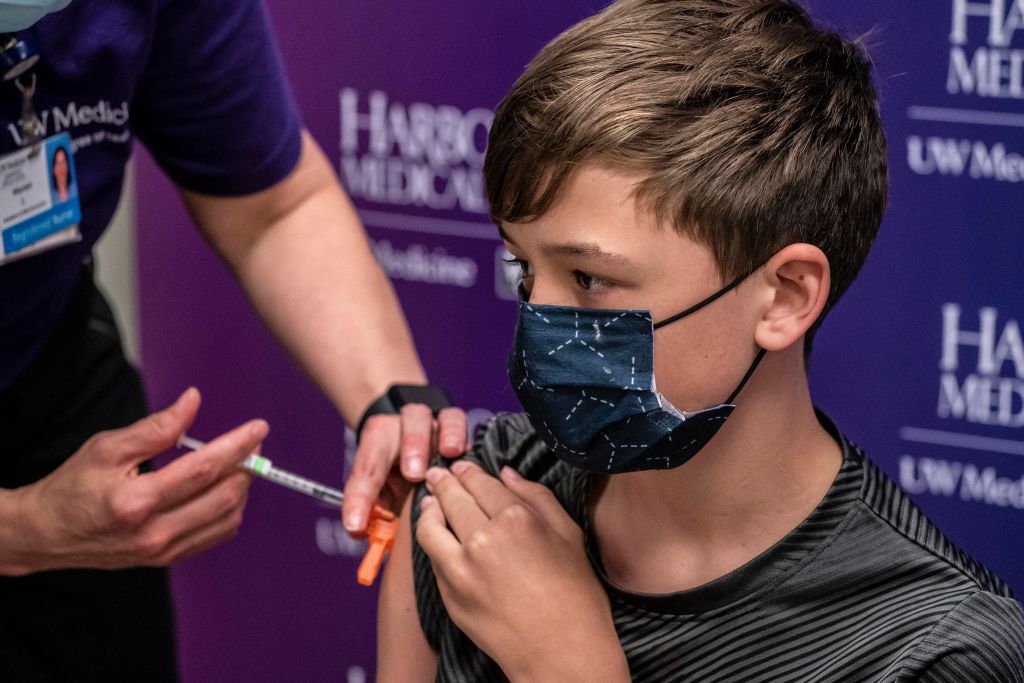
Gavin Smits receives a first dose of the Pfizer COVID-19 vaccine at Harborview Medical Center on May 13, 2021 in Seattle, Washington. (Photo by David Ryder/Getty Images)
WASHINGTON — The federal government on Wednesday recommended an updated COVID-19 booster for kids between 5 and 11, expanding use of the new bivalent shots beyond people 12 and older.
The U.S. Food and Drug Administration first authorized the updated vaccines use in the morning before the Centers for Disease Control and Prevention recommended them in the afternoon, completing the two-step process needed before shots could begin
CDC Director Rochelle Walensky announced her recommendation in a tweet, saying it’s “a critical step in our fight against COVID-19.”
“An updated vaccine can help bolster protection for our children this winter,” she added, encouraging parents to talk to their child’s healthcare provider.
The announcement Wednesday for kids between 5 and 11 follows the FDA authorizing and the CDC recommending the bivalent booster dose for people 12 and older in early September.
“While it has largely been the case that COVID-19 tends to be less severe in children than adults, as the various waves of COVID-19 have occurred, more children have gotten sick with the disease and have been hospitalized,” Peter Marks, director of the FDA’s Center for Biologics Evaluation and Research, said in a statement.
“Children may also experience long-term effects, even following initially mild disease,” Marks added.
The shot is updated to provide protection against the latest omicron variants of COVID-19, known as BA.4 and BA.5.
The move comes as public health officials are monitoring new variants that could cause disruptions this winter during the annual cold and flu season.
Winter surge in cases possible
White House COVID-19 Response Coordinator Ashish Jha said Tuesday during a press briefing that everyone eligible for the latest booster should get it as soon as they can, though he declined to list any goals for the new shot.
Jha then warned that a surge of COVID-19 cases could be on the horizon this winter.
“We have seen an increase in COVID infections, hospitalizations, and deaths each of the last two winters. And we are carefully monitoring the rise of several subvariants that are evolving rapidly and emerging around the world, including ones that evade some of our treatments,” Jha said.
The Biden administration, he said, is tracking COVID-19 variants that “either have a lot more immune invasiveness or they render many of our treatments ineffective.”
The good news, however, is that the variants public health officials are tracking come from omicron strains BA.2 and BA.5, Jha said.
“That means our updated bivalent vaccines should provide a much higher degree of protection than the original prototype vaccine would have,” he said. “Obviously, we’re going to do the studies to figure out how much protection, but I’m confident that our vaccines will continue to work very well.”
No vaccine goals set
Despite encouraging everyone eligible for the updated COVID-19 bivalent booster dose to get vaccinated, Jha said the White House hasn’t set any goals for how many people it wants to get the shot.
“We’re not setting targets,” Jha said. “We are focused on driving deaths down, getting more people vaccinated.”
The U.S. Centers for Disease Control and Prevention’s website shows that 11.5 million people have received the updated booster dose, a fraction of those eligible.
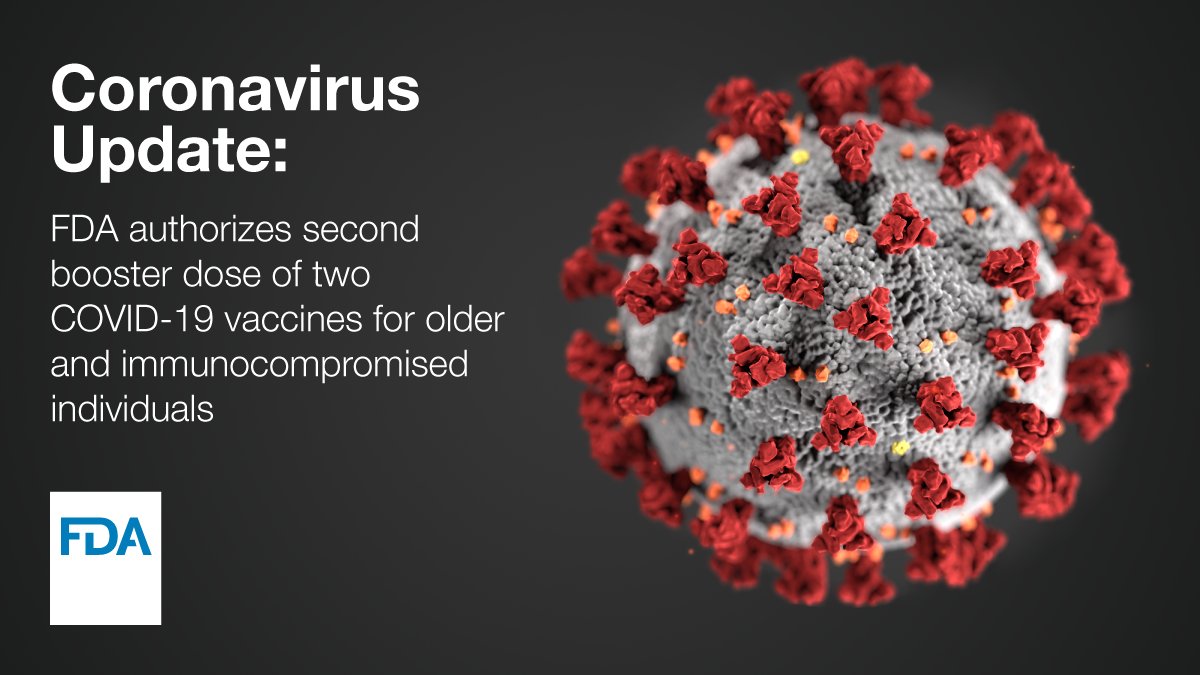
Today, the U.S. Food and Drug Administration (FDA). authorized a second booster dose of either the Pfizer-BioNTech or the Moderna COVID-19 vaccines for older people and certain immunocompromised individuals. https://bit.ly/3NuxvY6
They previously authorized a single booster dose for certain immunocompromised individuals following completion of a three-dose primary vaccination series.
This action will now make a second booster dose of these vaccines available to other populations at higher risk for severe disease, hospitalization and death according to a FDA news release.
The emergency use authorizations was amended as follows:
A 2nd booster dose of the Pfizer-BioNTech or Moderna COVID-19 vaccines may be administered to people 50+ years old at least 4 months after receipt of a 1st booster dose of any authorized or approved COVID-19 vaccine.
A 2nd booster dose of the Pfizer-BioNTech COVID-19 Vaccine may be administered to people 12+ years old with certain kinds of immunocompromise at least 4 months after receipt of a 1st booster dose of any authorized or approved COVID-19 vaccine.
A 2nd booster dose of the Moderna COVID-19 Vaccine may be administered at least 4 months after the 1st booster dose of any authorized or approved COVID-19 vaccine to people 18+ years old with the same certain kinds of immunocompromise.
Today’s announcement applies only to the Pfizer-BioNTech and Moderna COVID-19 vaccines, and the authorization of a single booster dose for other age groups with these vaccines remains unchanged.
WASHINGTON — A COVID-19 vaccine for young children will be delayed by at least two months as Pfizer and BioNTech gather more information on a three-dose regimen.
The disappointing news for many parents came after the Biden administration earlier had announced it was preparing to get the vaccines out to states as soon as it could following federal approval.
The pharmaceutical companies and the Food and Drug Administration released separate statements Friday saying a review of the vaccine for children under 5 years old will likely not take place until early April.
“Based on the agency’s preliminary assessment, and to allow more time to evaluate additional data, we believe additional information regarding the ongoing evaluation of a third dose should be considered as part of our decision-making for potential authorization,” the FDA said in a statement.
The FDA said it would postpone the Vaccines and Related Biological Products Advisory Committee meeting scheduled for Tuesday to “give the agency time to consider the additional data, allowing for a transparent public discussion as part of our usual scientific and regulatory processes for COVID-19 vaccines.”
Pfizer and BioNTech began submitting data to the FDA on a two-dose regimen for children under 5 earlier this month at the request of the agency.
Pfizer Chairman and Chief Executive Officer Albert Bourla said at the time the company would submit data on a two-dose regimen while it continued researching a three-dose regimen.
“Ultimately, we believe that three doses of the vaccine will be needed for children 6 months through 4 years of age to achieve high levels of protection against current and potential future variants,” he said on Feb. 1.
The Biden administration immediately began getting ready for approval of the emergency use authorization request. White House Coronavirus Response Coordinator Jeffrey Zients said the next day the federal government was preparing to ship the vaccine to states as soon as it was approved.
“Following FDA authorization, we would immediately begin packing and shipping doses to states and health care providers,” Zients said, noting the federal government had already “secured ample doses and the necessary needles and supplies” designed for this age group.
The White House was also preparing to work with local and state health officials as well as pediatricians to distribute information about the vaccine, including to hesitant parents.
That process now won’t get underway until at least April, as Pfizer and BioNTech gather more data on what will likely be a three-shot vaccine.
“Given that the study is advancing at a rapid pace, the companies will wait for the three-dose data as Pfizer and BioNTech continue to believe it may provide a higher level of protection in this age group,” the companies said in a statement. “The companies expect to have three-dose protection data available in early April.”
WASHINGTON — Pfizer and BioNTech on Tuesday asked the federal government to begin the approval process for a two-dose COVID-19 vaccine for children under 5.
The companies said in a joint statement they began the rolling submission process for an emergency use authorization at the request of the Food and Drug Administration “in response to the urgent public health need in this population.”
While the approval process is underway for the two-dose regimen, the company will continue researching a third dose that would likely be given at least eight weeks after a child receives the second dose.
Pfizer Chairman and Chief Executive Officer Albert Bourla said in the statement that increasing infections and hospitalizations of young children led the two companies to begin the approval process.
“As hospitalizations of children under 5 due to COVID-19 have soared, our mutual goal with the FDA is to prepare for future variant surges and provide parents with an option to help protect their children from this virus,” Bourla said.
“Ultimately, we believe that three doses of the vaccine will be needed for children 6 months through 4 years of age to achieve high levels of protection against current and potential future variants.”
Bourla said that if the FDA authorizes the two doses, that would allow parents to begin vaccinating their young children while waiting on approval of a third dose.
The submission announcement on Tuesday comes sooner than previously expected.
In mid-December, Pfizer and BioNTech announced they were modifying their trial to include a third dose of the vaccine for children between 2 and 4 years old after the two-dose approach didn’t lead to the type of immune response researchers sought. The trial did, however, produce the levels desired in children between six months and 2 years old.
The company said at the time that if the three-dose trial was successful, it would likely submit its emergency use request to the federal government in the first half of 2022.
Dr. Anthony Fauci, director of the National Institute of Allergy and Infectious Diseases, then said last week that parents needed to be patient in waiting for approval of the vaccine for younger children.
“I don’t think we can predict when we will see an [emergency use authorization] with that because the company is still putting the data before the FDA,” Fauci said during a White House briefing on the pandemic.
A poll released Tuesday by the Kaiser Family Foundation indicated about 31 percent of parents would get their small children vaccinated immediately.
Another 29 percent said they would wait and see while 12 percent said only if required and 26 percent of respondents said they definitely would not give their young child the vaccine.
From a press release by the U.S. Food and Drug Administration
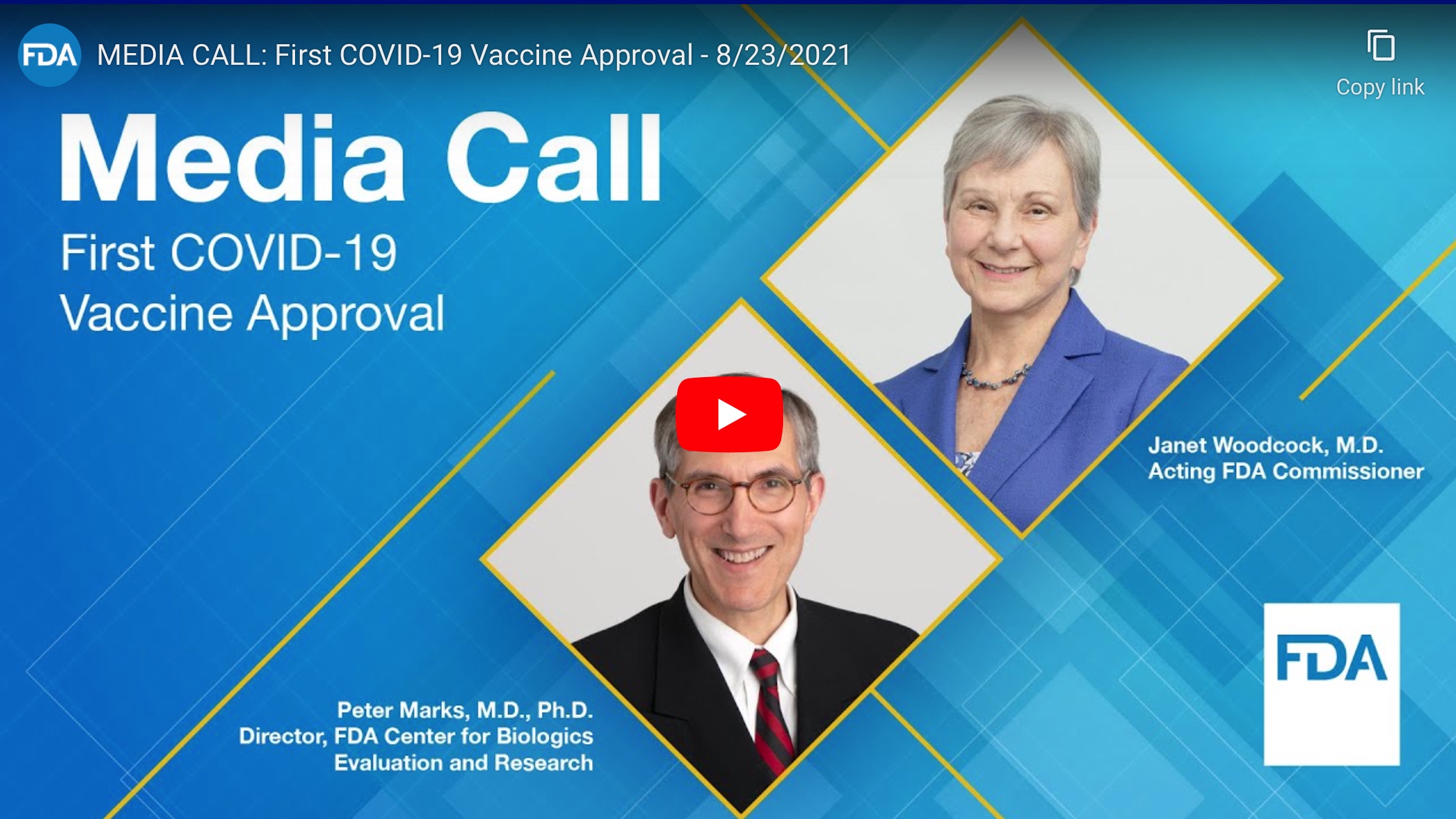
Today, the U.S. Food and Drug Administration approved the first COVID-19 vaccine. The vaccine has been known as the Pfizer-BioNTech COVID-19 Vaccine, and will now be marketed as Comirnaty (koe-mir’-na-tee), for the prevention of COVID-19 disease in individuals 16 years of age and older.
The vaccine also continues to be available under emergency use authorization (EUA), including for individuals 12 through 15 years of age and for the administration of a third dose in certain immunocompromised individuals.
“The FDA’s approval of this vaccine is a milestone as we continue to battle the COVID-19 pandemic. While this and other vaccines have met the FDA’s rigorous, scientific standards for emergency use authorization, as the first FDA-approved COVID-19 vaccine, the public can be very confident that this vaccine meets the high standards for safety, effectiveness, and manufacturing quality the FDA requires of an approved product,” said Acting FDA Commissioner Janet Woodcock, M.D. “While millions of people have already safely received COVID-19 vaccines, we recognize that for some, the FDA approval of a vaccine may now instill additional confidence to get vaccinated. Today’s milestone puts us one step closer to altering the course of this pandemic in the U.S.”
Watch Acting FDA Commissioner Dr. Janet Woodcock and FDA Center for Biologics Evaluation and Research Director Dr. Peter Marks participate in a media call to discuss FDA’s approval of the first COVID-19 vaccine.
Since Dec. 11, 2020, the Pfizer-BioNTech COVID-19 Vaccine has been available under EUA in individuals 16 years of age and older, and the authorization was expanded to include those 12 through 15 years of age on May 10, 2021. EUAs can be used by the FDA during public health emergencies to provide access to medical products that may be effective in preventing, diagnosing, or treating a disease, provided that the FDA determines that the known and potential benefits of a product, when used to prevent, diagnose, or treat the disease, outweigh the known and potential risks of the product.
FDA-approved vaccines undergo the agency’s standard process for reviewing the quality, safety and effectiveness of medical products. For all vaccines, the FDA evaluates data and information included in the manufacturer’s submission of a biologics license application (BLA). A BLA is a comprehensive document that is submitted to the agency providing very specific requirements. For Comirnaty, the BLA builds on the extensive data and information previously submitted that supported the EUA, such as preclinical and clinical data and information, as well as details of the manufacturing process, vaccine testing results to ensure vaccine quality, and inspections of the sites where the vaccine is made. The agency conducts its own analyses of the information in the BLA to make sure the vaccine is safe and effective and meets the FDA’s standards for approval.
Comirnaty contains messenger RNA (mRNA), a kind of genetic material. The mRNA is used by the body to make a mimic of one of the proteins in the virus that causes COVID-19. The result of a person receiving this vaccine is that their immune system will ultimately react defensively to the virus that causes COVID-19. The mRNA in Comirnaty is only present in the body for a short time and is not incorporated into – nor does it alter – an individual’s genetic material. Comirnaty has the same formulation as the EUA vaccine and is administered as a series of two doses, three weeks apart.
“Our scientific and medical experts conducted an incredibly thorough and thoughtful evaluation of this vaccine. We evaluated scientific data and information included in hundreds of thousands of pages, conducted our own analyses of Comirnaty’s safety and effectiveness, and performed a detailed assessment of the manufacturing processes, including inspections of the manufacturing facilities,” said Peter Marks, M.D., Ph.D., director of FDA’s Center for Biologics Evaluation and Research. “We have not lost sight that the COVID-19 public health crisis continues in the U.S. and that the public is counting on safe and effective vaccines. The public and medical community can be confident that although we approved this vaccine expeditiously, it was fully in keeping with our existing high standards for vaccines in the U.S.”
FDA Evaluation of Safety and Effectiveness Data for Approval for 16 Years of Age and Older
The first EUA, issued Dec. 11, for the Pfizer-BioNTech COVID-19 Vaccine for individuals 16 years of age and older was based on safety and effectiveness datafrom a randomized, controlled, blinded ongoing clinical trial of thousands of individuals.
To support the FDA’s approval decision today, the FDA reviewed updated data from the clinical trial which supported the EUA and included a longer duration of follow-up in a larger clinical trial population.
Additionally, the FDA conducted a rigorous evaluation of the post-authorization safety surveillance data pertaining to myocarditis and pericarditis following administration of the Pfizer-BioNTech COVID-19 Vaccine and has determined that the data demonstrate increased risks, particularly within the seven days following the second dose. The observed risk is higher among males under 40 years of age compared to females and older males. The observed risk is highest in males 12 through 17 years of age. Available data from short-term follow-up suggest that most individuals have had resolution of symptoms. However, some individuals required intensive care support. Information is not yet available about potential long-term health outcomes. The Comirnaty Prescribing Information includes a warning about these risks.
Ongoing Safety Monitoring
Specifically, in the FDA’s review for approval, the agency analyzed effectiveness data from approximately 20,000 vaccine and 20,000 placebo recipients ages 16 and older who did not have evidence of the COVID-19 virus infection within a week of receiving the second dose. The safety of Comirnaty was evaluated in approximately 22,000 people who received the vaccine and 22,000 people who received a placebo 16 years of age and older.
Based on results from the clinical trial, the vaccine was 91% effective in preventing COVID-19 disease.
More than half of the clinical trial participants were followed for safety outcomes for at least four months after the second dose. Overall, approximately 12,000 recipients have been followed for at least 6 months.
The most commonly reported side effects by those clinical trial participants who received Comirnaty were pain, redness and swelling at the injection site, fatigue, headache, muscle or joint pain, chills, and fever. The vaccine is effective in preventing COVID-19 and potentially serious outcomes including hospitalization and death.
The FDA and Centers for Disease Control and Prevention have monitoring systems in place to ensure that any safety concerns continue to be identified and evaluated in a timely manner. In addition, the FDA is requiring the company to conduct postmarketing studies to further assess the risks of myocarditis and pericarditis following vaccination with Comirnaty. These studies will include an evaluation of long-term outcomes among individuals who develop myocarditis following vaccination with Comirnaty. In addition, although not FDA requirements, the company has committed to additional post-marketing safety studies, including conducting a pregnancy registry study to evaluate pregnancy and infant outcomes after receipt of Comirnaty during pregnancy.
The FDA granted this application Priority Review. The approval was granted to BioNTech Manufacturing GmbH.
While the world anxiously awaits the day a vaccine becomes available to help prevent COVID-19, I wanted to take a moment for a more general vaccine discussion.
xxx
As has been evidenced through the COVID-19 pandemic, vaccination is perhaps the most valuable public health tool available. Some of us are old enough to remember friends, relatives and classmates stricken by polio. Many of us remember chicken pox, mumps and measles – the disease staples of childhoods past.
xxx
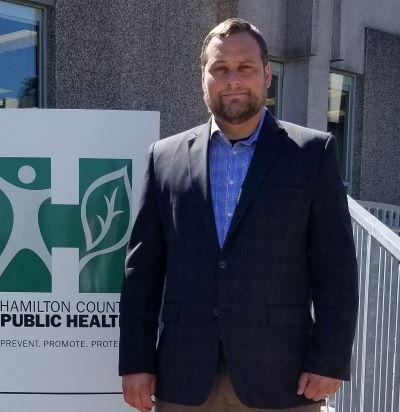
Greg Kesterman is the Hamilton County Health Commissioner
xxx
When is the last time you heard about a child with polio? For young parents, how many of you have comforted your sick children through chicken pox, mumps or measles. My guess is that there are not many parents, if any at all, who have had to deal with these issues in the last 25 years.
xxx
The reason we hear so little about these diseases today is simple – immunization has significantly reduced these illnesses in the United States. However, without continued immunization programs, these diseases, many of which are still prevalent in less-developed countries, can quickly return.
xxx
That is what makes our current trend of vaccinations disturbing. Hamilton County Public Health has experienced a decline of more than 50 percent in the number of vaccines administered in our clinics as compared to the same time period last year. Our trend mirrors current national vaccination numbers.
For the upcoming influenza (flu) season, influenza vaccination will be more important than ever.
xxx
Efforts to reduce transmission of COVID-19, such as stay-at-home and shelter-in-place orders, have led to decreased use of routine preventive medical services, including immunizations. Ensuring that routine vaccination is maintained during the COVID-19 pandemic is essential for protecting individuals and communities from vaccine-preventable diseases and outbreaks. Routine vaccination prevents illnesses that lead to unnecessary medical visits, hospitalizations and further strain the healthcare system.
xxx
For the upcoming influenza (flu) season, influenza vaccination will be more important than ever to reduce the impact of respiratory illnesses in the population and resulting burdens on the healthcare system during the COVID-19 pandemic.
Vaccination is most effective when the majority of a community receives it.
xxx
Many parents are concerned about vaccine safety. After all, if these diseases are truly things of the past, why do we need to vaccinate our children? Vaccination is most effective when the majority of a community receives it. No vaccine is 100 percent effective and for this reason, immunization of the majority of a community helps prevent communicable disease from spreading. This theory is called “herd immunity” and is particularly effective in protecting the most vulnerable in our society, such as infants and those with compromised immune systems.
xxx
There has also been considerable misinformation about potential side effects of various vaccines. According to the Centers for Disease Control and Prevention (CDC), the United States has the safest vaccine supply in its history. The United States’ long-standing vaccine safety system ensures that vaccines are as safe as possible. It detects problems rapidly and allows us to respond.
xxx
Please make certain vaccinations for you and your children are up-to-date.
The U.S. Food and Drug Administration (FDA) ensures the safety, effectiveness, and availability of vaccines for the United States. Before the FDA licenses (approves) a vaccine, the vaccine is tested extensively by its manufacturer. FDA scientists and medical professionals carefully evaluate all the available information about the vaccine to determine its safety and effectiveness.
xxx
As we enter the fall, back-to-school season and of course, flu season, I urge everyone to get a flu shot. In addition, please make certain vaccinations for you and your children are up-to-date. Need help with vaccination? We can help those either under-insured or with no insurance, as well as those on Medicaid or in a Medicaid HMO to get properly immunized. Call us at 513-946-7882 for information.
There are 4 vaccines recommended for preteens. These vaccines can prevent very serious diseases like meningitis and HPV cancers.
Call the Hamilton County Public Health Clinic at 513-946-7600
Immunizations play an important role in the health of children and adults. Vaccines help prevent diseases that were once common in this country, including polio, measles and whooping cough. The Centers for Disease Control and Prevention (CDC) estimates that each year, 43,000 U.S. adults die from vaccine-preventable diseases.
Hamilton County Public Health holds immunization clinics across the county. No one is turned away based on ability to pay.
Hamilton County, Ohio – Jamie Higley, the Administrator of Food Safety Programs at the Ohio Department of Health and Mike Samet the Public Information Officer for Hamilton County Public Health issued the following FDA Advisory this morning.
FDA advises consumers not to use hand sanitizer products manufactured by Eskbiochem
FDA advises consumers not to use hand sanitizer products manufactured by Eskbiochem
[6/19/2020] FDA advises consumers not to use any hand sanitizer manufactured by Eskbiochem SA de CV in Mexico, due to the potential presence of methanol (wood alcohol), a substance that can be toxic when absorbed through the skin or ingested. FDA has identified the following products manufactured by Eskbiochem:
All-Clean Hand Sanitizer (NDC: 74589-002-01)
Esk Biochem Hand Sanitizer (NDC: 74589-007-01)
CleanCare NoGerm Advanced Hand Sanitizer 75% Alcohol (NDC: 74589-008-04)
Lavar 70 Gel Hand Sanitizer (NDC: 74589-006-01)
The Good Gel Antibacterial Gel Hand Sanitizer (NDC: 74589-010-10)
CleanCare NoGerm Advanced Hand Sanitizer 80% Alcohol (NDC: 74589-005-03)
CleanCare NoGerm Advanced Hand Sanitizer 75% Alcohol (NDC: 74589-009-01)
CleanCare NoGerm Advanced Hand Sanitizer 80% Alcohol (NDC: 74589-003-01)
Saniderm Advanced Hand Sanitizer (NDC: 74589-001-01)
FDA tested samples of Lavar Gel and CleanCare No Germ. Lavar Gel contains 81 percent (v/v) methanol and no ethyl alcohol, and CleanCare No Germ contains 28 percent (v/v) methanol. Methanol is not an acceptable ingredient for hand sanitizers and should not be used due to its toxic effects.
Consumers who have been exposed to hand sanitizer containing methanol should seek immediate treatment, which is critical for potential reversal of toxic effects of methanol poisoning. Substantial methanol exposure can result in nausea, vomiting, headache, blurred vision, permanent blindness, seizures, coma, permanent damage to the nervous system or death. Although all persons using these products on their hands are at risk, young children who accidently ingest these products and adolescents and adults who drink these products as an alcohol (ethanol) substitute, are most at risk for methanol poisoning.
On June 17, 2020, FDA contacted Eskbiochem to recommend the company remove its hand sanitizer products from the market due to the risks associated with methanol poisoning. To date, the company has not taken action to remove these potentially dangerous products from the market. Therefore, FDA recommends consumers stop using these hand sanitizers and dispose of them immediately in appropriate hazardous waste containers. Do not flush or pour these products down the drain.
FDA reminds consumers to wash their hands often with soap and water for at least 20 seconds, especially after going to the bathroom; before eating; and after coughing, sneezing, or blowing one’s nose. If soap and water are not readily available, the Centers for Disease Control and Prevention (CDC) recommend consumers use an alcohol-based hand sanitizer that contains at least 60 percent ethanol.
FDA remains vigilant and will continue to take action when quality issues arise with hand sanitizers. Additionally, the agency is concerned with false and misleading claims for hand sanitizers, for example that they can provide prolonged protection such as 24-hours against viruses including COVID-19, since there is no evidence to support these claims.
To date, FDA is not aware of any reports of adverse events associated with these hand sanitizer products. FDA encourages health care professionals, consumers and patients to report adverse events or quality problems experienced with the use of hand sanitizers to FDA’s MedWatch Adverse Event Reporting program:
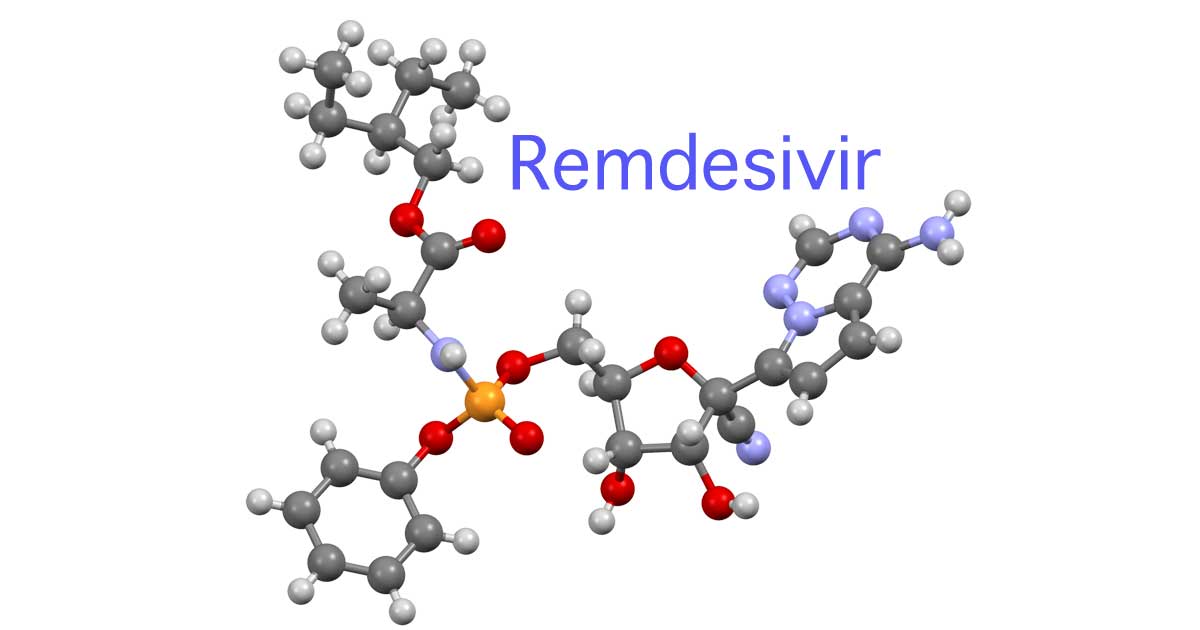
Remdesivir has not yet been approved by the FDA as a treatment for COVID-19
Columbus, Ohio – The Ohio Department of Health (ODH), and the Ohio Hospital Association (OHA), will work together to distribute remdesivir across Ohio that was received from the federal government on Tuesday, May 12.
Ohio’s allocation is not enough to treat all patients.
The Food and Drug Administration (FDA), has issued an Emergency Use Authorization for remdesivir to allow it to be administered to patients. It is currently being studied in the treatment of COVID-19 in clinical trials and has been found to shorten the duration of disease from 15 to 11 days in patients being treated in-patient hospital settings.
Ohio has received an allotment of 20 cases of remdesivir which is estimated for about 100 patients. How to distribute the drug was decided by the clinical leaders of the geographic zones that were created to help Ohio with this pandemic response. The decision-makers within each zone consisted of clinicians, pharmacists, public health officials, policymakers, ethicists, and other health disciplines that helped with the allocation amount to specific hospitals. The decision was based on the percentage of mechanically ventilated patients; which deems them to have the highest severity level.
“This is not a cure, but early signs indicate that it can help in the treatment of COVID-19,” said ODH Director Amy Acton, M.D., MPH. “Ohio’s allocation is not enough to treat all patients, so we are working with medical experts to ensure distribution is based on clinical best practices.”
“Ohio hospitals are committed to providing care and services to ensure the health and safety of our communities,” said Mike Abrams, President, and CEO, Ohio Hospital Association. “We appreciate the efforts of our policymakers and state leaders to secure resources and treatment to help in the delivery of care for patients impacted by COVID-19.”
Individual hospitals will be responsible for using clinical justification on the distribution of the medication to specific patients.
Remdesivir is administered intravenously and in two courses depending on the severity of the disease. Patients will receive either a 5-day (6-dose) course or a 10-day (11-dose) course, as clinically indicated.
Individual hospitals will be responsible for using clinical justification on the distribution of the medication to specific patients. Whenever the number of patients in need of remdesivir exceeds the supply of the medication, hospitals will use internal processes appropriate for the allocation of scarce resources.
Remdesivir is an investigational medication. While clinical trials indicate that the use of remdesivir has shortened the recovery time for some coronavirus patients, it has not yet been approved by the FDA as a treatment for COVID-19. The EUA and use of remdesivir for the treatment of COVID-19 is only due to the nature of the pandemic, the impact it has had on the population, and the fact that there is no adequate, approved, and available alternative to the emergency use of remdesivir for the treatment of COVID-19.