Tag: Federal Court

  • Ohio Attorney General Dave Yost jumps into Florida abortion fight

    Ohio Attorney General Dave Yost jumps into Florida abortion fight

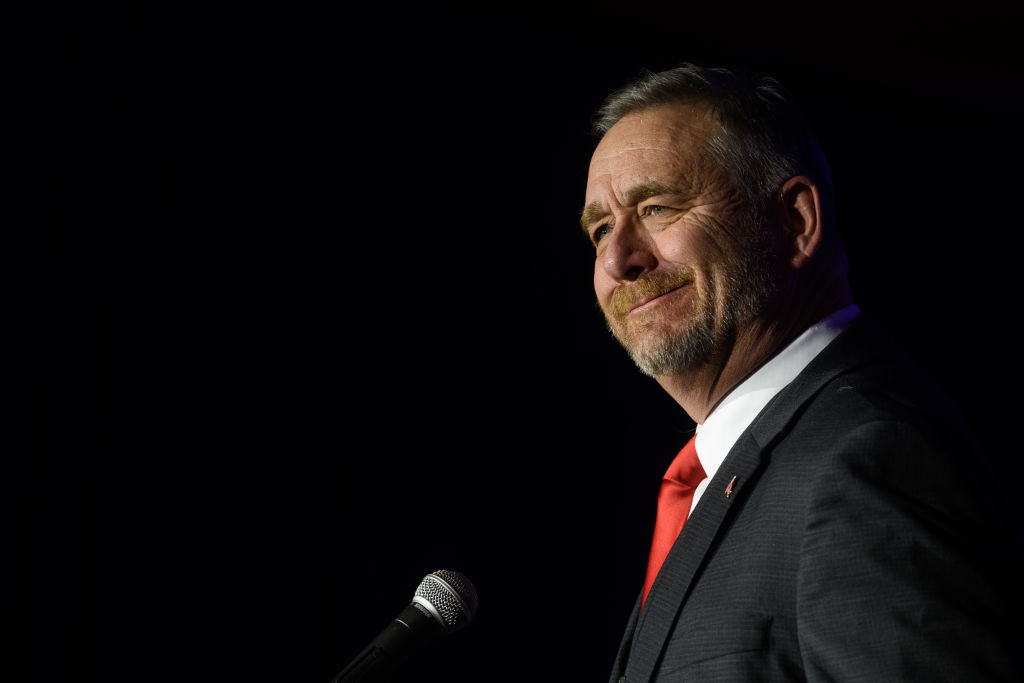
    Ohio Attorney General Dave Yost. (Photo by Justin Merriman/Getty Images)

    Question hinges around whether local prosecutors can be removed for saying they won’t bring charges under abortion bans

    BY:  – Ohio Capital Journal

    Ohio Attorney General Dave Yost and 14 other attorneys general are arguing in federal court that Florida Gov. Ron DeSantis was within his powers when he removed a local prosecutor who had spoken out against the state’s restrictive new abortion law.

    But the group that represents Ohio’s local prosecutors doesn’t seem comfortable with that claim, expressing worries that the Florida case threatens the principle of “prosecutorial discretion” — that faced with many possible crimes and limited time and resources, prosecutors need great latitude to decide which cases are most wisely brought.

    Yost said his friend-of-the-court brief doesn’t violate that principle. He said that he doesn’t want to impinge on prosecutors’ decisions about individual cases, but only to allow for their removal when they make blanket statements that they won’t enforce laws they don’t agree with.

    “This case is about a ‘prosecutor’s veto’ — the nullification of a democratically passed law by the act of an executive,” Yost said in an email Thursday. “The application of discretion to a single case is proper; the application of discretion to every case arising under a statute eliminates the legislative act itself, the core function of a democratically elected government.”

    Sunshine State spat

    Yost on Wednesday led the Republican attorneys general in filing a friend-of-the-court brief with the 11th U.S. Circuit Court of Appeals in Atlanta. It argues that DeSantis — who is widely thought to be seeking the Republican presidential nomination — had the power to remove Hillsborough County prosecutor Andrew Warren last August over positions Warren took regarding the state’s new abortion law and other matters.

    Warren, whose jurisdiction includes Tampa, signed declarations by a group of progressive prosecutors opposing charging people under laws restricting abortion and transgender care, the Florida Phoenix reported. DeSantis also objected to a Warren policy that his office usually would not bring low-level cases arising from bike or pedestrian stops in which a disproportionate number of minorities have historically been prosecuted, the Phoenix reported.

    Warren sued DeSantis in U.S. district court in an attempt to be reinstated.

    Judge Robert Hinkle found that DeSantis violated Warren’s First Amendment rights and separate provisions in the Florida Constitution by removing Warren. But, the judge ruled, the 11th Amendment to the U.S. Constitution barred him from reversing the removal because it was based solely on state law. In making the ruling, the judge looked past the First Amendment violation, saying DeSantis would have removed Warren even if he hadn’t violated the prosecutor’s free-speech rights.

    Warren appealed to the 11th Circuit, arguing that Judge Hinkle’s reasoning was “perverse.”

    “DeSantis’s violation of one (of Warren’s rights) cannot be permitted to excuse the violation of the other,” said a friend-of-the-court brief signed by Warren’s attorney. “The district court erred by ignoring the deeply intertwined nature of these protections. The decision below contributed to the disenfranchisement of Hillsborough County voters and allowed the governor to censor the speech of another duly elected official.”

    Separation of powers

    In their brief, Yost and the other Republican AGs argued that Warren and prosecutors like him jeopardize another constitutional principle when they say they’re not interested in bringing cases under laws with which they don’t agree — the separation of powers between the legislative and judicial branches of government. As part of the executive branch, it’s not a prosecutor’s job to decide which laws have force and which don’t, they said.

    The attorneys general of Alabama, Arkansas, Georgia, Kentucky, Louisiana, Mississippi, Missouri, Montana, Nebraska, South Carolina, South Dakota, Texas, Utah and West Virginia joined Yost in signing the brief. All of the states have some abortion restrictions on the books and most have laws that the Guttmacher Institute rates as “very restrictive” or “most restrictive.”

    Local prosecutors can’t unilaterally decide not to enforce those or other laws, the amicus brief said.

    “Those prosecutors have considerable discretion to decide whether to prosecute violations in particular cases,” the brief said. “They do not have the power to effectively repeal laws by categorically suspending enforcement.”

    It added, “The states can properly remove from office prosecutors who make non-prosecution pledges. These pledges violate the traditional separation of powers between government branches.”

    However, there are some devilish details involved. For example, how do you define “pledge” and how do you reconcile removing prosecutors for signing such documents with their right to free speech?

    Lou Tobin, executive director of the Ohio Prosecuting Attorneys Association, slammed prosecutors who make such pledges.

    He singled out Philadelphia District Attorney Larry Krasner, who survived an impeachment attempt after Krasner said the office would no longer prosecute marijuana possession, would slash prosecutions of sex workers, sought reduced sentences for other crimes and called to abolish Pennsylvania’s death penalty. Tobin also slammed Los Angeles County District Attorney George Gascon, who survived a recall attempt that started just when he took office. Like Krasner, Gascon did things like slash marijuana prosecutions and worked to end cash bail.

    But perhaps tellingly, Tobin didn’t mention the Florida prosecutor DeSantis removed and he said such an action is exceedingly grave.

    “Ohio has processes in place for the removal of public officers who refuse or willfully neglect to enforce the laws or to perform any official duty imposed by law,” Tobin said in an email Thursday. “It is a process that has been in place since before the General Code became the Revised Code in 1953, it does not involve the attorney general, it should not involve the attorney general, and it is a process that should be used rarely and with extreme caution.”

    Tobin also seemed to call out DeSantis for acting out of political motives.

    “Threats to unilaterally and summarily remove prosecutors from office are just as damaging to the justice system as people like Larry Krasner and George Gascon,” Tobin said. “We’re heading down a very dangerous road when those threats are made to score political points.”

    More than abortion

    In entering the dispute, Yost is again wading into national abortion politics. Last year, just after rushing to enact Ohio’s strict six-week abortion ban, the attorney general went on Fox News to question the existence of a 10-year-old rape victim who reportedly had to go to Indiana for an abortion. Days later, her existence was confirmed when Columbus police made an arrest in the case.

    While the Ohio law was in effect, obstetricians and maternal fetal medicine doctors said that aspects of it sometimes conflicted with what was in the best interest of their patients. DeSantis signed a similar law in Florida earlier this month.

    But Yost said that in filing the brief in the Florida case he wasn’t trying push local prosecutors to charge doctors every time they think abortion laws might have been violated. He was asked if he thought prosecutors should be able to bring a strong violent-crime or public-corruption case over a weak abortion case if they don’t have the resources to bring both.

    “Of course,” Yost replied. “… this is a case about one politician’s arrogance to cancel an entire category of criminal prohibition that was enacted by the elected Legislature. If you don’t see the danger in that, imagine your own most hated politician — whomever that might be — vowing that they will not prosecute Clean Water Act violations because it’s a violation of private property rights. Should such arrogance be without redress? Of course not.”

    Yost and his colleagues are arguing that prosecutors who say they won’t enforce abortion restrictions and other laws are abusing their power. But some critics argue that many of the post-Dobbs restrictions are themselves abuses of power. A majority of Americans don’t support them and many — such as Ohio’s six-week ban — were passed by gerrymandered legislatures.

    But Yost said his effort isn’t solely about enforcement of Ohio’s abortion law, under which doctors could be charged with felonies.

    “This is not an argument about abortion, although that was the individual motivation of the prosecutor who was removed,” he said. “But this same principle applies to prosecutors (who) would refuse to prosecute all thefts under a $1,000, or those who refuse to prosecute any firearms offense. Prosecutors do not get to make up the law, or revoke it — they only get to enforce it.”

    ____________________
    MARTY SCHLADEN
    Marty Schladen has been a reporter for decades, working in Indiana, Texas and other places before returning to his native Ohio to work at The Columbus Dispatch in 2017. He’s won state and national journalism awards for investigations into utility regulation, public corruption, the environment, prescription drug spending and other matters.

    MORE FROM AUTHOR

  • Householder denies D.C. dinners, tying donations to legislation

    Householder denies D.C. dinners, tying donations to legislation

    BY: MARTY SCHLADEN – Ohio Capital Journal
    Former House Speaker Larry Householder, R-Glenford. Source: Ohio General Assembly.

    CINCINNATI — Former Ohio House Speaker Larry Householder on Wednesday claimed that he never promised any legislative action to FirstEnergy in exchange for the tens of millions the company paid into a 501(c)(4) dark money group he controlled.

    He also denied attending dinners in Washington, D.C., during Donald Trump’s inauguration during which other witnesses said he met with top FirstEnergy executives. 

    And the former speaker denied that he demanded unquestioning loyalty from lawmakers whose elections he worked for. Instead, he said, he wanted them to be independent thinkers.

    After sitting through federal court testimony since Jan. 23, Householder on Wednesday took the witness stand in his own defense. That’s considered by many lawyers to be a risky strategy because he will be subject to cross examination by prosecutors who are eager to catch the former speaker in a lie.

    Householder, a Republican from Glenford, and former Ohio GOP chair Matt Borges are being tried on accusations of racketeering in a case that federal prosecutors have said is likely the biggest bribery and money laundering scandal in Ohio history. 

    Householder is accused of masterminding a scheme to use $61 million in utility money to elect House members who would vote to make him speaker at the beginning of 2019. He led the effort to pass a $1.3 billion ratepayer bailout of failing nuclear and coal plants the following July and then protected it from a repeal campaign that failed in October 2019. Prosecutors say the bailout was explicitly tied to FirstEnergy’s contributions.

    On the stand, Householder introduced himself as a guy from Appalachia who had worked for years to protect Ohio’s energy independence. But he also made a number of statements prosecutors are likely to challenge.

    One is that as it neared passage, the bailout law, House Bill 6, became the object of “misinformation” in commercials that he said were financed by the American Petroleum Institute. The nuclear reactors the law would subsidize couldn’t compete with natural gas, which Householder said the petroleum institute supported instead of nuclear power.

    However, in his testimony, Householder didn’t point to anything specific that the group had misstated. Similarly, he complained of misinformation in a Cleveland Plain Dealer editorial, but he didn’t point to anything specific, nor did he say whether he asked for a correction.

    At the same time, the former speaker seemed guilty of some misinformation of his own.

    Householder said one of the chief goals of House Bill 6 — dubbed the “Ohio Clean Air Program” — was to lower carbon emissions. But the bill provided hundreds of millions in subsidies to coal-burning plants owned by FirstEnergy subsidiary FirstEnergy Solutions and other Ohio utilities.

    Householder’s claimed concern for carbon emissions also seems to clash with earlier statements he made on the stand. He testified that he was president of a group that owned an Alabama coal mine and that during an earlier stint in the Ohio House, he worked to subsidize coal production.

    Householder also tried to soften his image after three former House Republicans portrayed the former speaker as a heavy-handed autocrat who demanded loyalty at all times. He pointed out that even though they didn’t vote to make him speaker and they voted against HB 6, he didn’t remove Reps. Laura Lanese and Dave Greenspan from their leadership positions.

    In secret FBI recordings played earlier in the trial, lobbyist Neil Clark described Householder as ruthless and said he told Greenspan that because the lawmaker had opposed HB 6, Householder would never allow legislation Greenspan wanted to move forward. What Householder wanted, witnesses testified, were “casket carriers” — people so loyal that they would stay with him until he died and then lower his casket into the ground.

    But Householder on Tuesday said he didn’t want blind loyalty, he wanted independence. As for wanting casket carriers, that meant “I didn’t want enemies. I wanted friends,” Householder testified.

    Householder also disputed some of the basic factual allegations that had been made against him. 

    He denied testimony from former aide Jeffrey Longstreth that in an Oct. 10, 2018 meeting, lobbyist Robert Klaffky slid a $400,000 check from FirstEnergy Services across a conference table and under Householder’s hand. It was a FirstEnergy Services employee who gave him the check and there was no conference table to slide it across, Householder said.

    Even if that’s true, it’s hard to square that account with other parts of Householder’s testimony.

    At issue in the case is whether Householder pushed the bailout legislation in exchange for all the millions he received from FirstEnergy. He said he had little involvement in Generation Now, the main 501(c)(4) dark money group the company paid into and which supported Householder-friendly candidates and ferociously attacked their opponents.

    Householder said his understanding was that Generation Now was “a vehicle that would educate the public on issues that were important to Ohio.”

    But on Wednesday, Householder said he accepted a $400,000 check from FirstEnergy Solutions that was made out to Generation Now, which was created and controlled by Longstreth, his underling. The former speaker conceded that it was a huge contribution — and the jury might find it hard to credit that he played such a passive role in the group’s activities.

    Householder also denied Longstreth’s account of a dinner during Trump’s 2017 inaugural. Longstreth testified that he sat at one end of a long table in a crowded steakhouse with FirstEnergy Vice President Michael Dowling, while Householder sat at the other with CEO Chuck Jones. Longstreth said he couldn’t hear the conversation at the other end of the table, but he did hear Dowling instruct him to set up an organization that could accept “undisclosed and unlimited contributions” from FirstEnergy and its subsidiary. 

    Householder testified that he went to the inaugural with his wife and several of his sons and only briefly saw Jones and Dowling, but didn’t dine with them. Instead, he and his family went to the inauguration, the parade that followed and attended functions where they were photographed with such luminaries as former Indiana University basketball coach Bob Knight, Householder said.

    However, Householder said he and one of his sons flew to D.C. and back on a FirstEnergy jet. 

    The former speaker testified that on March 29, 2019 — more than two months later — he wrote a check for $2,647 reimbursing the company for the flight. But he didn’t say why it took him that long to make the payment or what prompted him to do so.

    In addition, paying for flights on private jets crashed pretty hard against another bit of Householder’s testimony Wednesday — that he is very frugal.

    “Anybody who’s been around me knows I’m cheap,” Householder said. “I drive a 2001 GMC Sonoma and I don’t like to spend money.”

  • Ohio House Speaker says no primary election legislation coming soon

    Ohio House Speaker says no primary election legislation coming soon

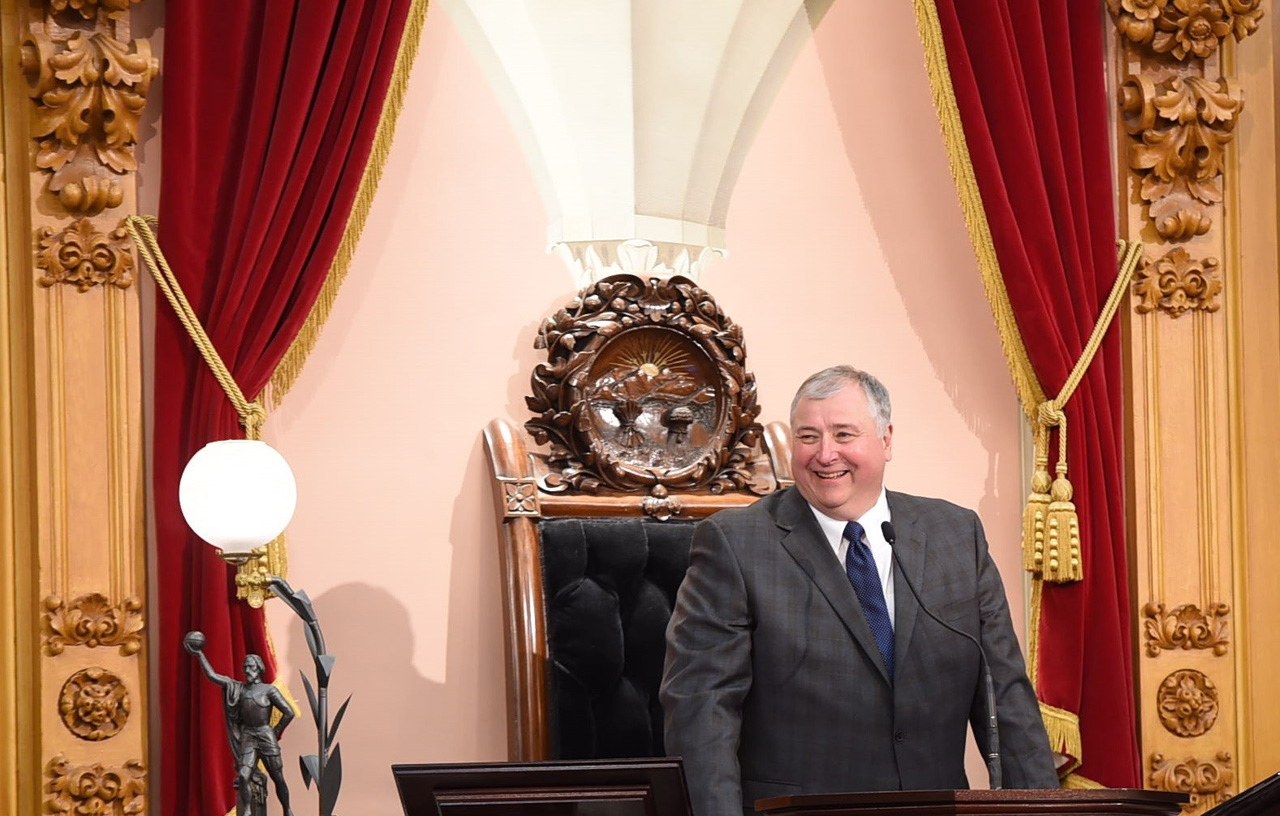
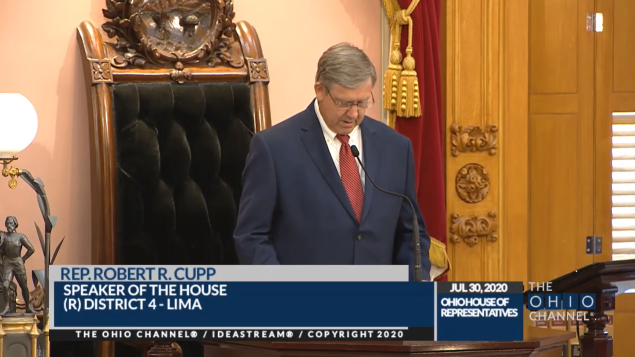
    Speaker of the House Bob Cupp addresses the chamber.

    BY: SUSAN TEBBEN – Ohio Capital Journal

    Ohio’s House Speaker said Wednesday legislation is not coming to change the May primary date.

    Speaker Bob Cupp said the process was “in the hands of the federal court,” despite various court documents in which he argued that the election is a legislative issue and any changes should be made in the General Assembly.

    The Ohio Capital Journal asked Cupp directly to confirm the House had no plans for legislation to set a new primary date in the next two weeks.

    “That is correct, we’re not in session,” Cupp said during a gaggle after Wednesday’s House session.

    He was asked about potential changes to the election earlier in the press gathering, and he deferred the job.

    “We’ll let the federal court process proceed,” Cupp said.

    federal lawsuit was filed by GOP voters earlier this year, claiming voters are losing their right to vote with the chaos surrounding redistricting. Originally, the plaintiffs, including Ohio Right to Life leader Michael Gonidakis, asked for the third map adopted by the Ohio Redistricting Commission to be forced into use by a three-judge panel of the U.S. District Court.

    That map was rejected by the Ohio Supreme Court before the federal lawsuit was filed, but the process of adopting a fourth version of legislative districts had not come to fruition.

    The fourth map ended up being a near-copy of the third, rejected version, with Senate President Matt Huffman acknowledging as he moved for its approval that the map had “97%” similarity to the third version.

    Because the process, which started in September, has taken so long, the Secretary of State’s Office was forced to remove legislative races from ballots for the May 3 primary, all but assuring a split primary.

    Lawsuits have been filed with the Ohio Supreme Court asking for the fourth map to be invalidated for many of the same reasons the third map was, and map challengers have also asked the court to hold GOP commission members in contempt for violating court orders.

    Cupp and Senate President Matt Huffman argued in previous court filings that the power for elections and drawing maps lies solely with the redistricting commission and legislators, seemingly contrary to Cupp’s Wednesday statements.

    “It is the commission and the general assembly who solely possess the legislative authority to create legislative and congressional districts,” attorneys for the legislative leaders wrote in a court filing for lawsuits on congressional districts.

    Secretary of State Frank LaRose in more recent court filings urged the judicial system to stay out of the process. In his filing countering objections to the most recent maps, he posited that the Ohio Redistricting Commission has more time to figure out legislative maps.

    “More importantly, there is still time for the legislature to take steps to extend the time within which such a decision must be made,” LaRose said. “This court should not give up on the constitutional process even if the petitioners have.”

    The federal court has chosen twice not to intervene in the state process to give it time to come to a resolution. The first time the court withheld judgment was just before the March 28 deadline for the commission to complete new maps.

    At a hearing before Chief Judge Algenon Marbley, Judge Benjamin Beaton and Judge Amul Thapar last Wednesday, parties from the Secretary of State’s Office gave Aug. 2 as a potential date for a second primary to include the legislative races.

    The judges entertained the idea of not just the third map, but also the map drawn by independent mapmakers during the latest redistricting commission hearings, and also debated whether or not the 2010 map could be used for one more year.

    They decided to give the state until April 20 to come up with an official map and to give the state’s highest court time to make its rulings. A status conference was scheduled for April 11.

    Jake Zuckerman contributed to this report.

  • Leader of Oath Keepers and 10 Other Individuals Indicted in Federal Court for Seditious Conspiracy and Other Offenses Related to U.S. Capitol Breach

    Leader of Oath Keepers and 10 Other Individuals Indicted in Federal Court for Seditious Conspiracy and Other Offenses Related to U.S. Capitol Breach

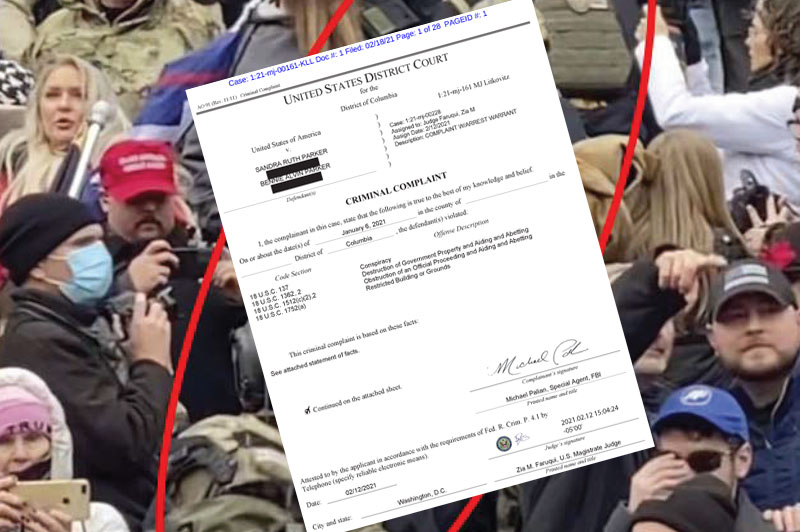
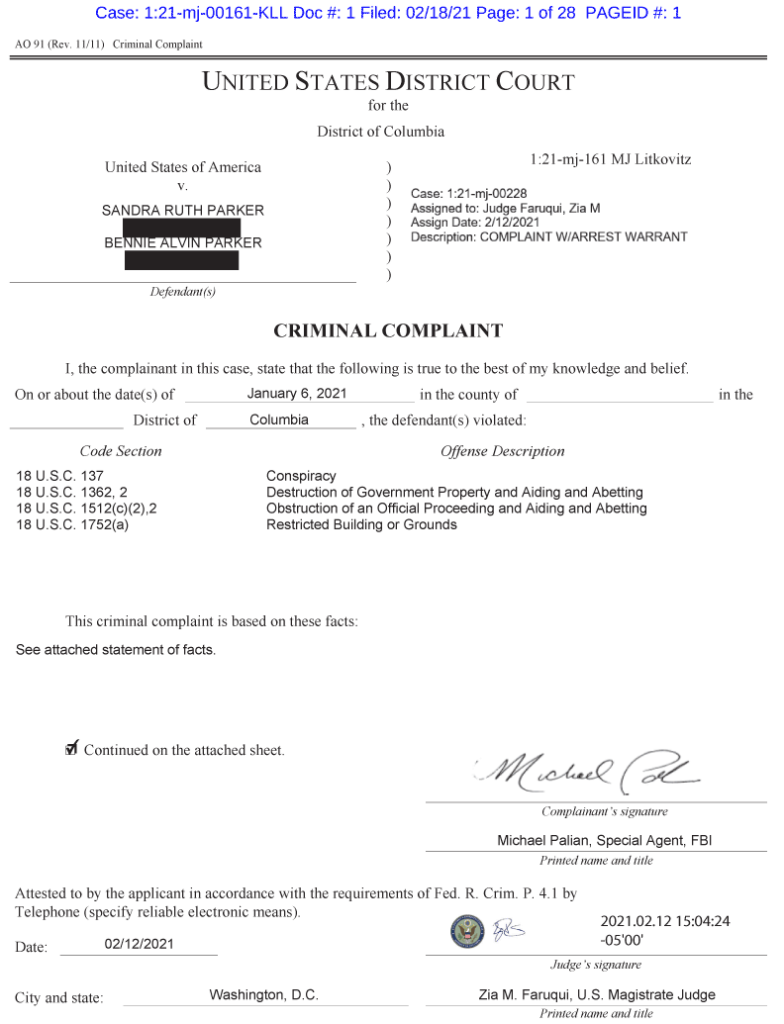
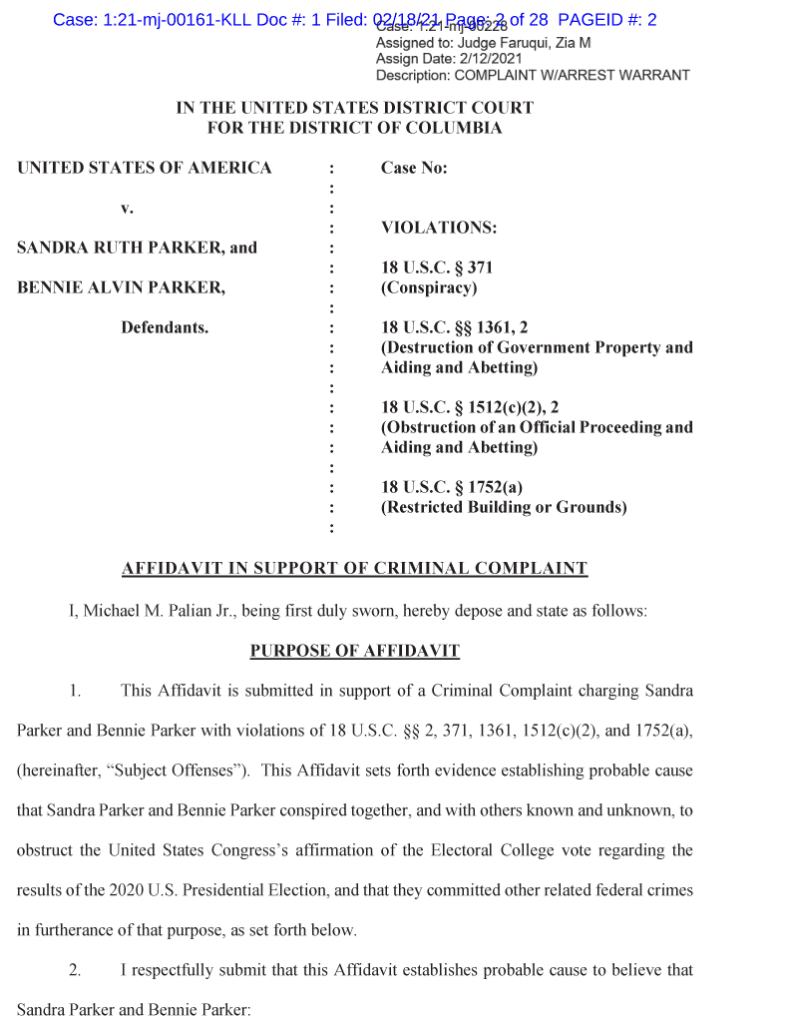
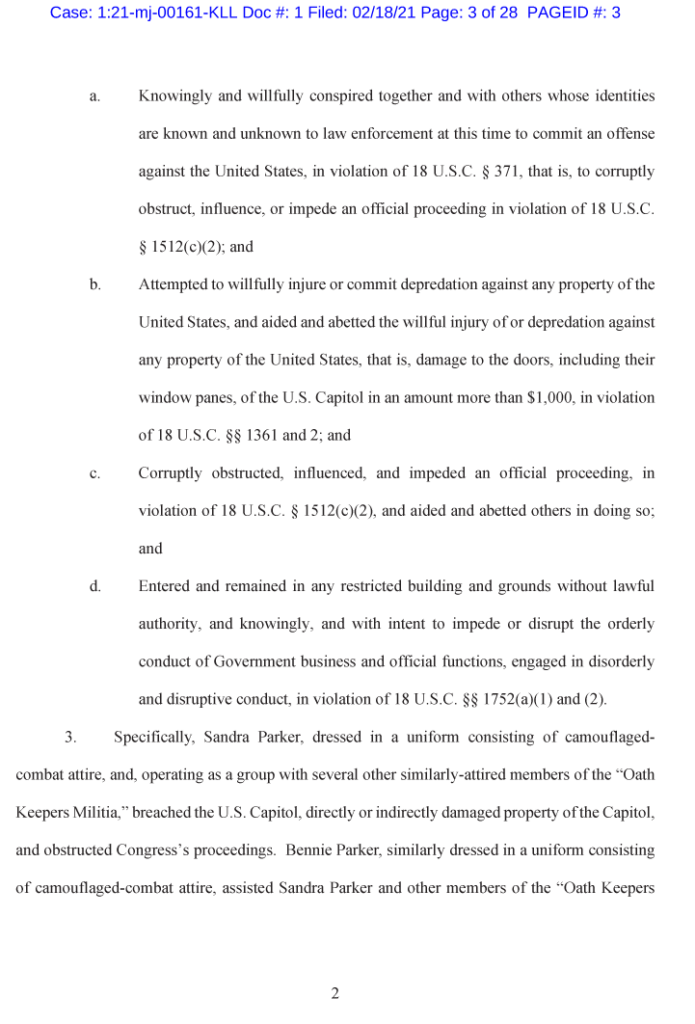
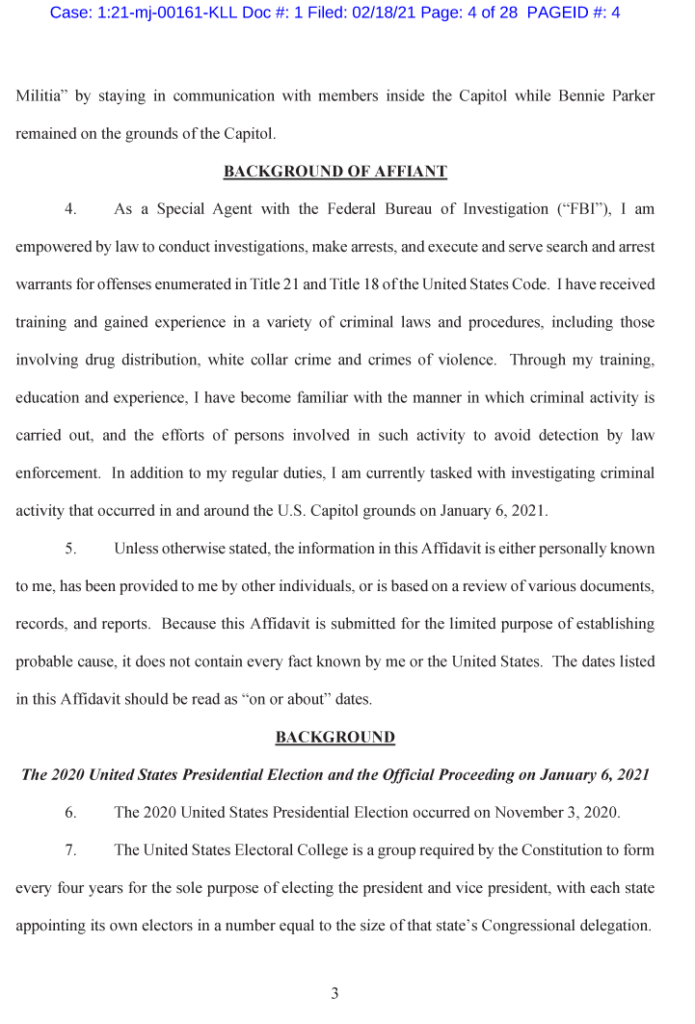
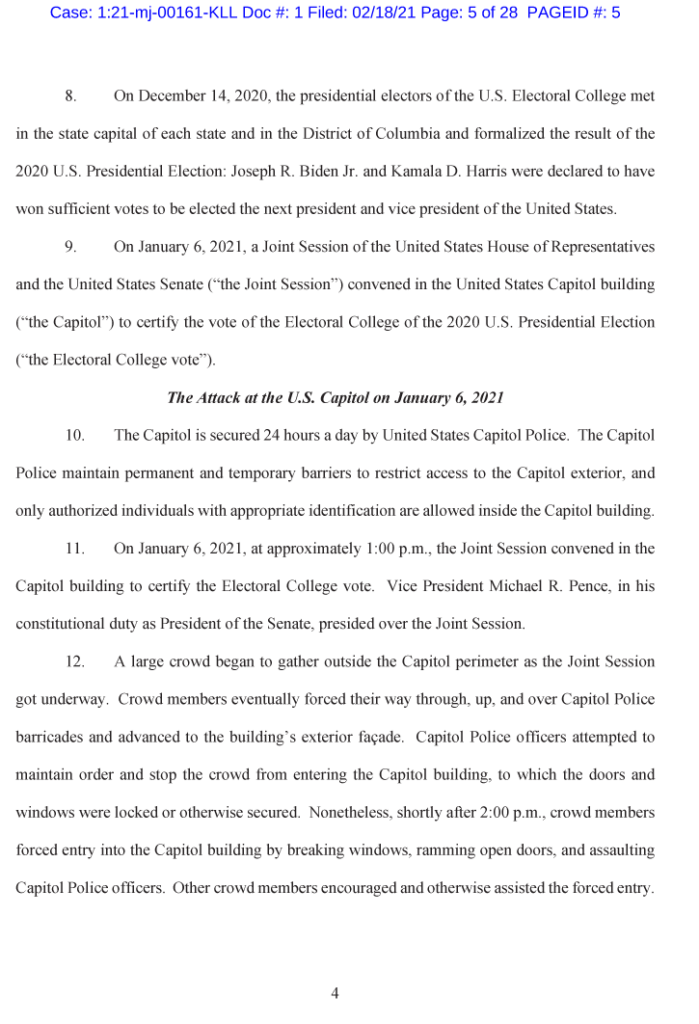
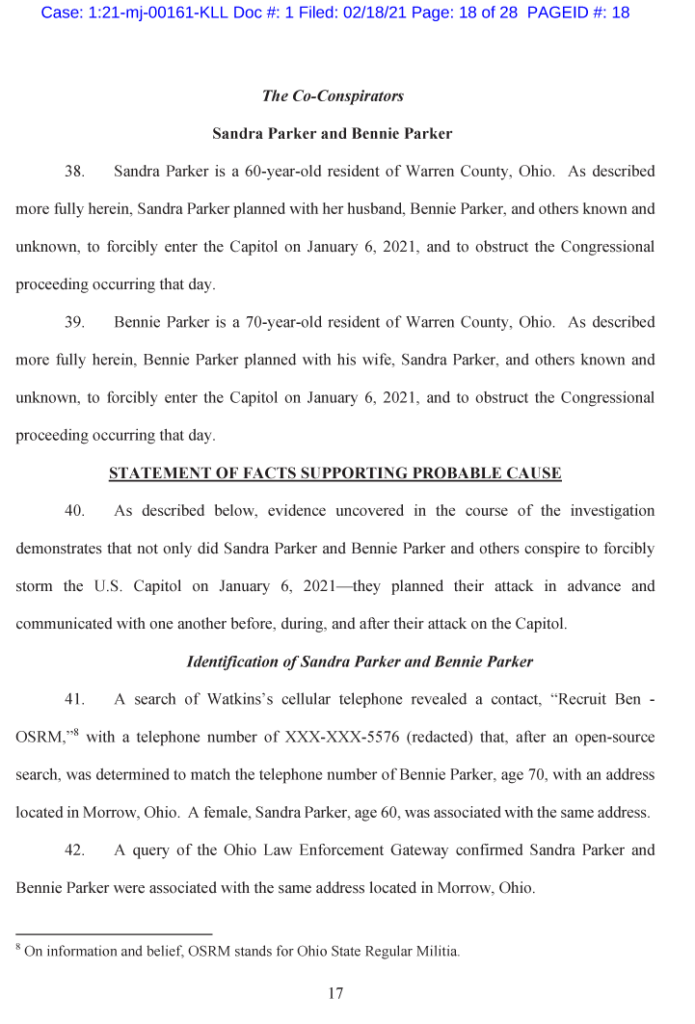
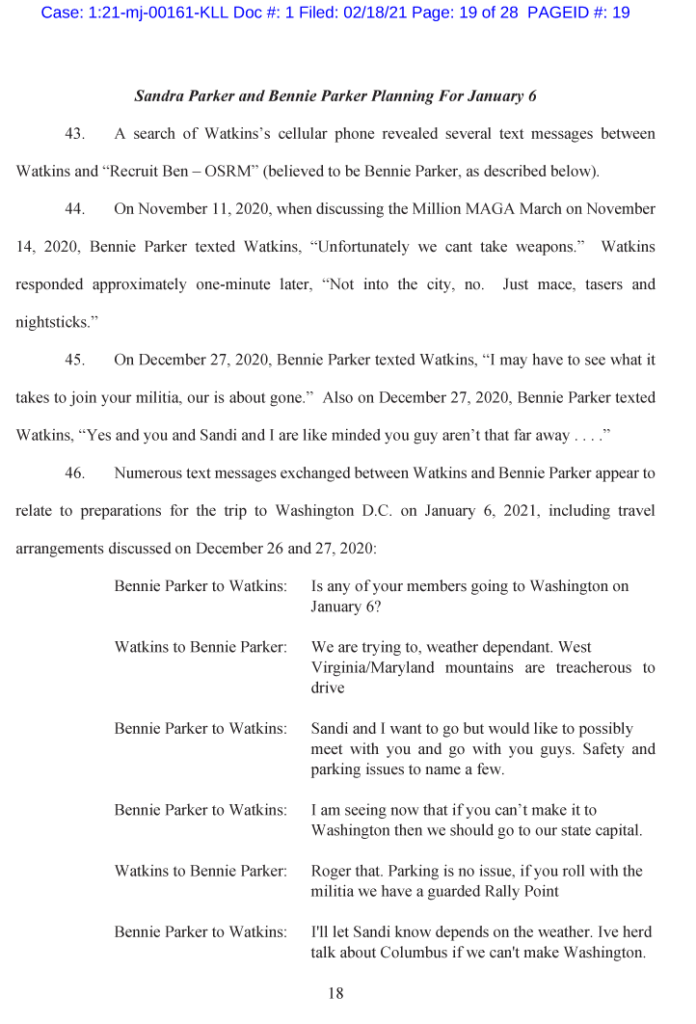
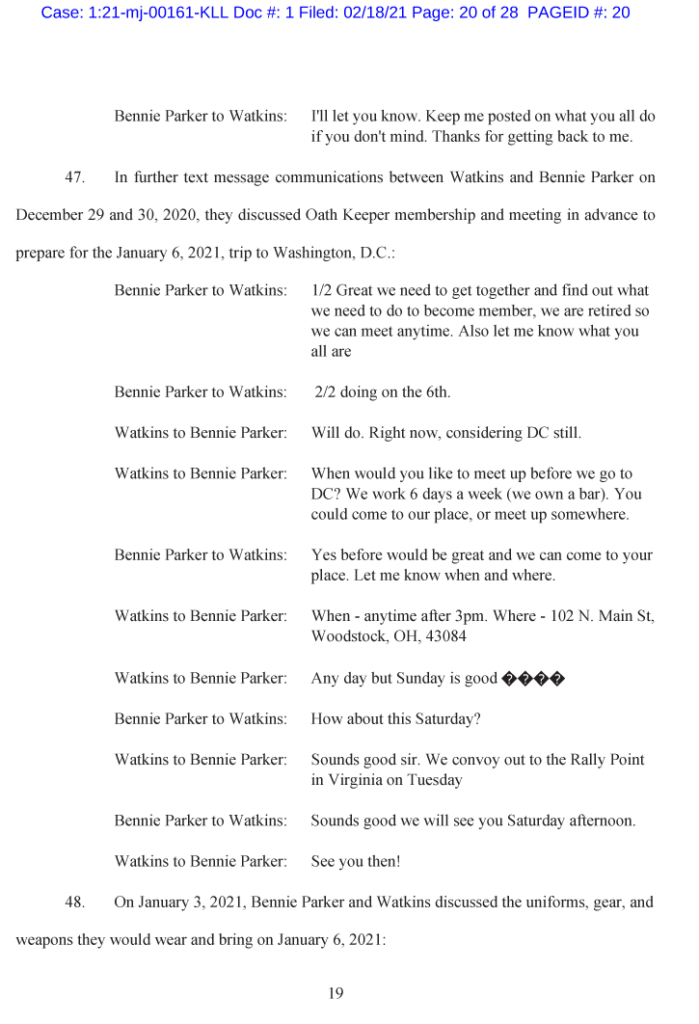
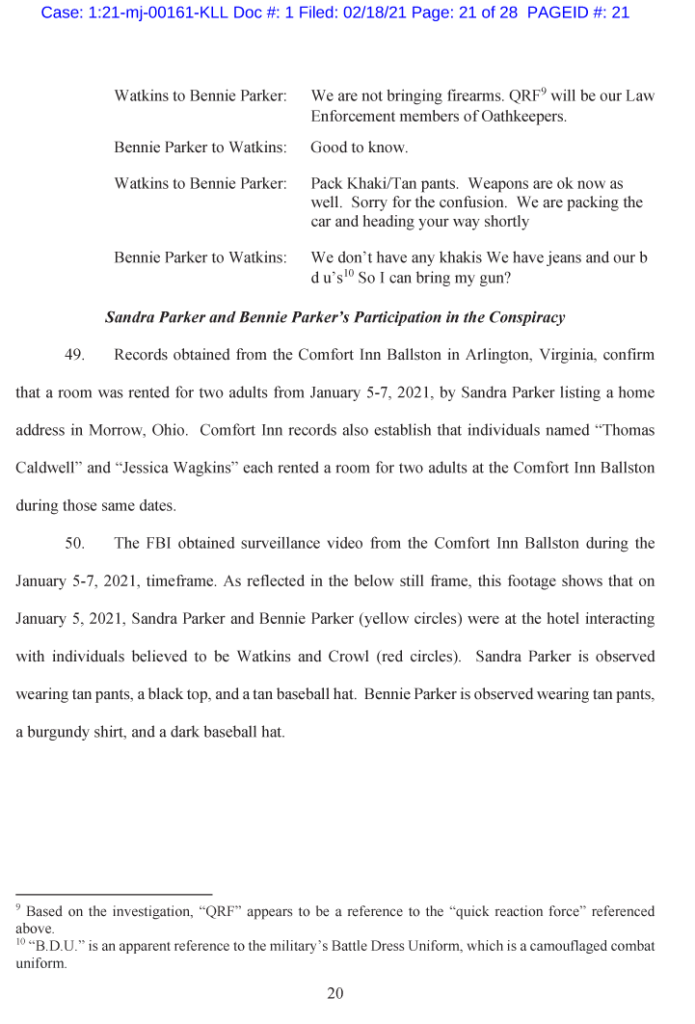
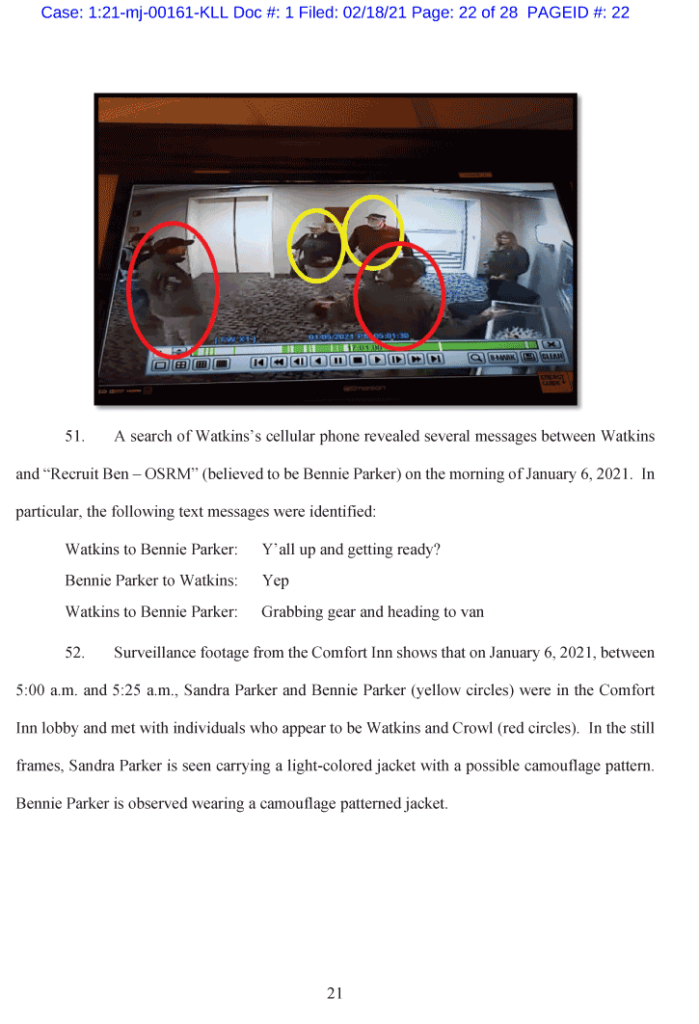
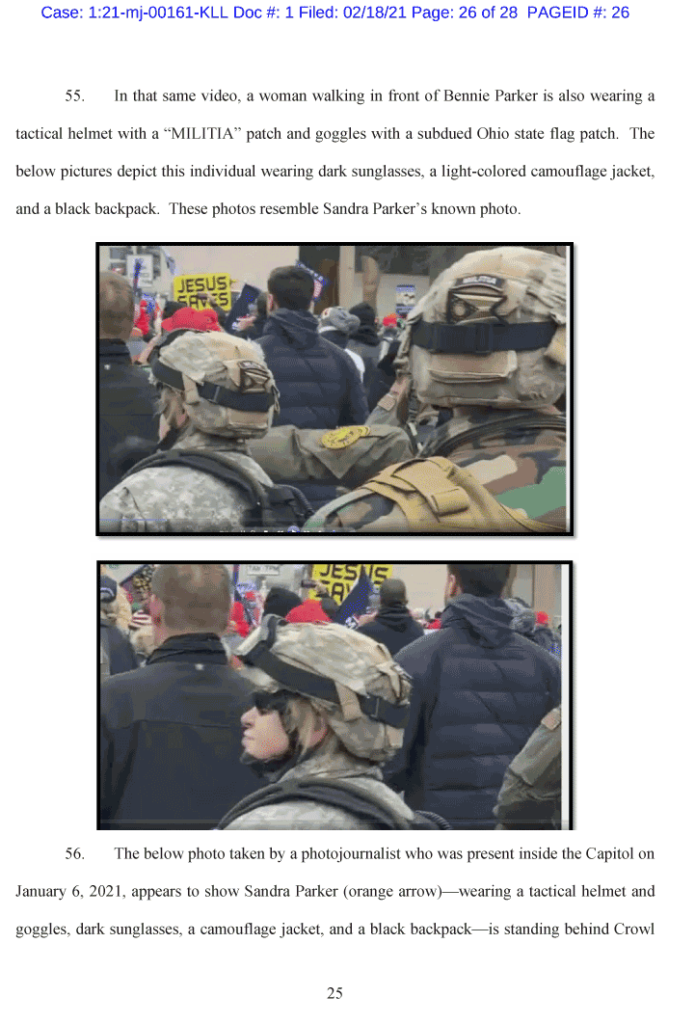
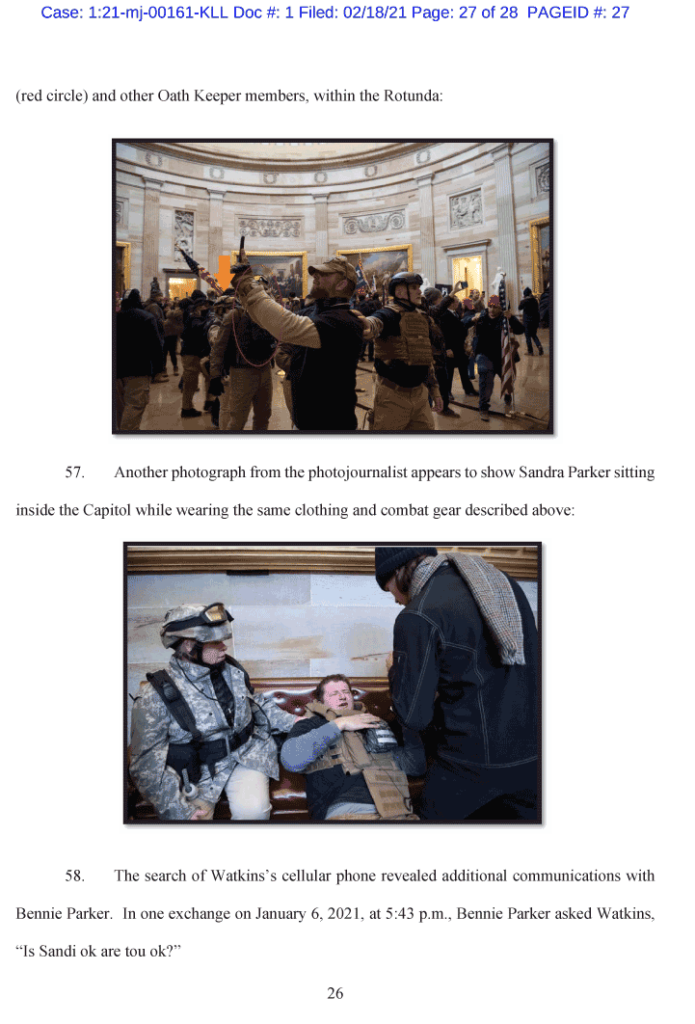
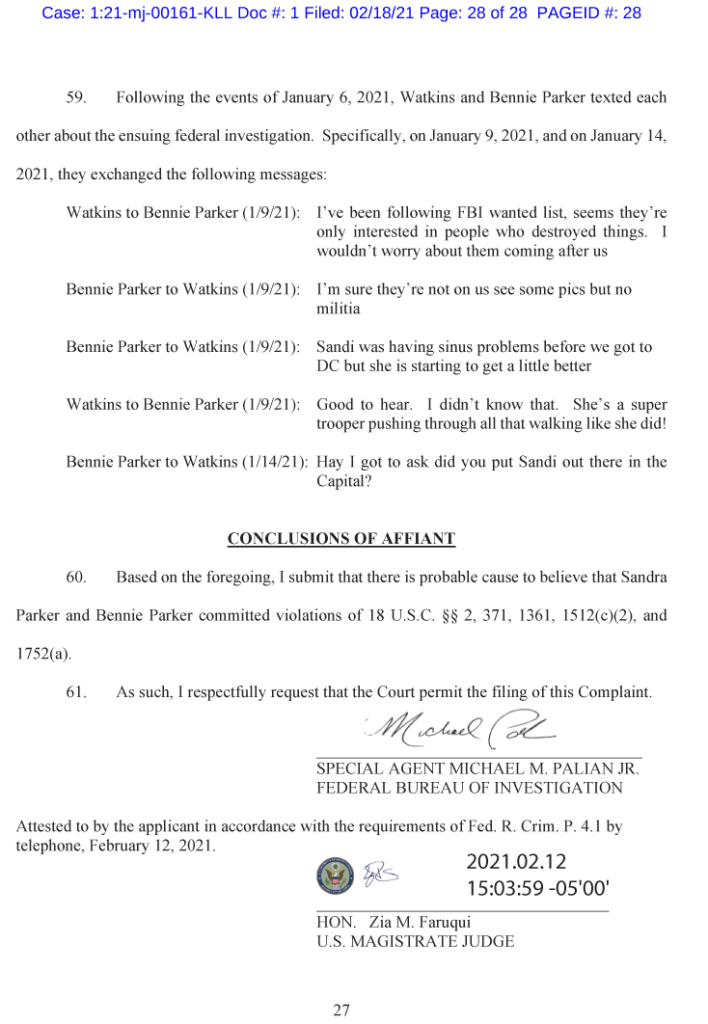
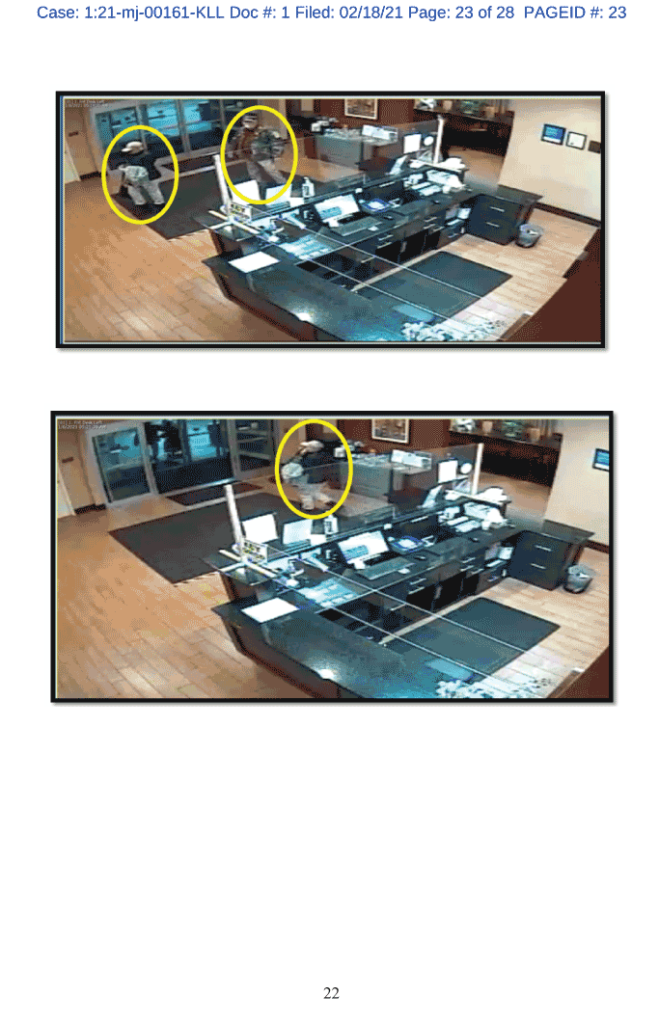
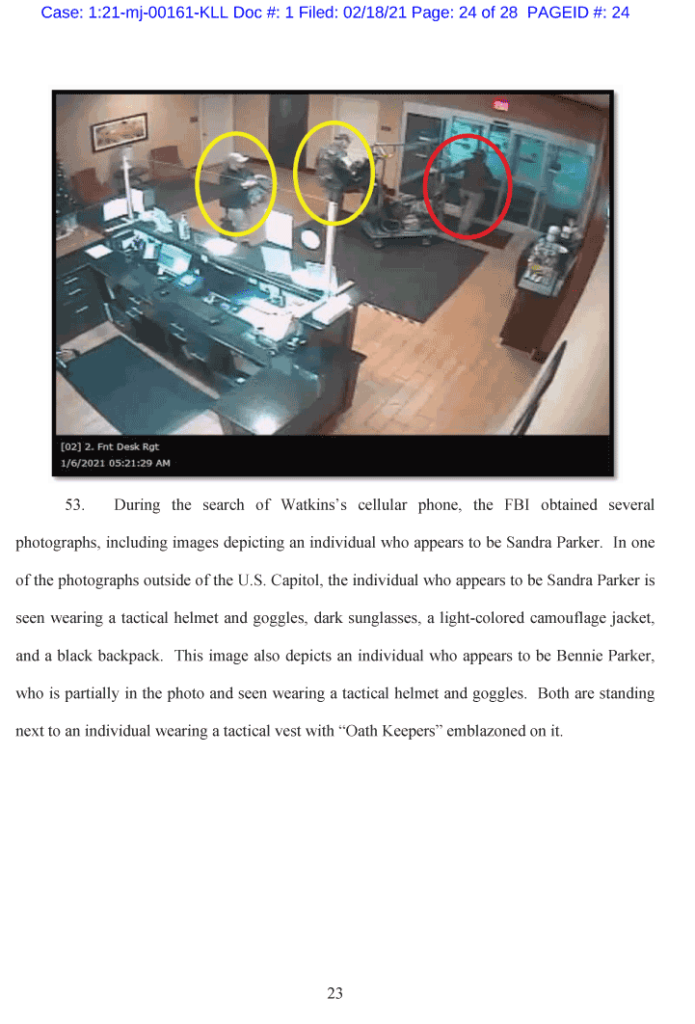
    The original superseding charges remain pending against Sandra and Bernie Parker of Morrow, Ohio (Read the complaint below)

    Washington, DC – A federal grand jury in the District of Columbia returned an indictment yesterday, which was unsealed today, charging 11 defendants with seditious conspiracy and other charges for crimes related to the breach of the U.S. Capitol on Jan. 6, which disrupted a joint session of the U.S. Congress that was in the process of ascertaining and counting the electoral votes related to the presidential election.

    According to court documents, Elmer Stewart Rhodes III, 56, of Granbury, Texas, who is the founder and leader of the Oath Keepers; and Edward Vallejo, 63, of Phoenix, Arizona, are being charged for the first time in connection with events leading up to and including Jan. 6. Rhodes was arrested this morning in Little Elm, Texas, and Vallejo was arrested this morning in Phoenix.

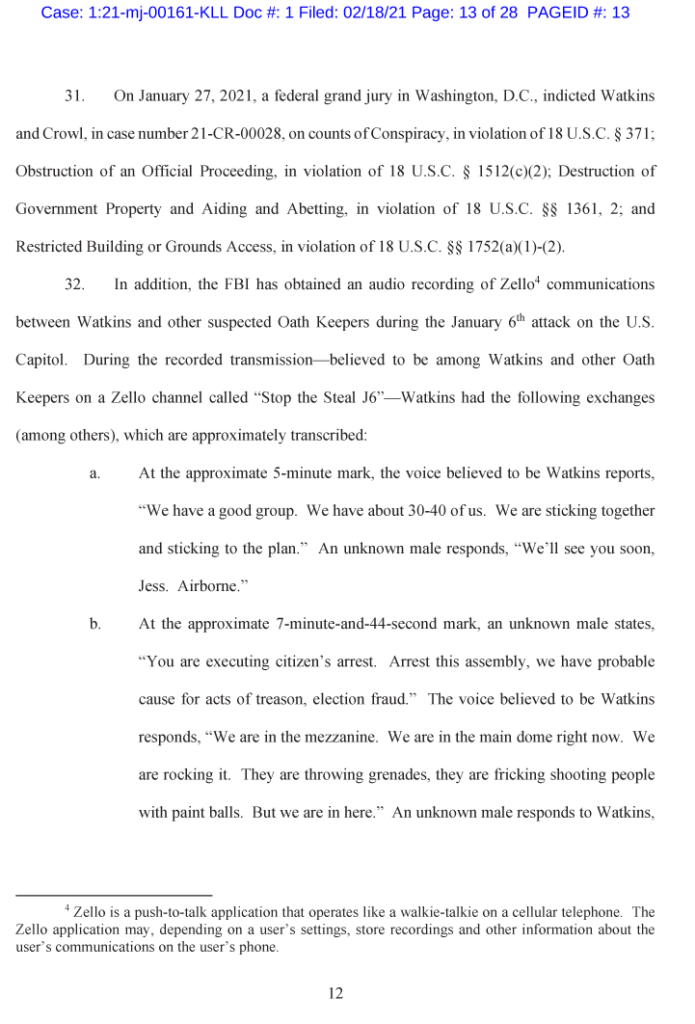
    In addition to Rhodes and Vallejo, those named in the indictment include nine previously charged defendants: Thomas Caldwell, 67, of Berryville, Virginia; Joseph Hackett, 51, of Sarasota, Florida; Kenneth Harrelson, 41, of Titusville, Florida; Joshua James, 34, of Arab, Alabama; Kelly Meggs, 52, of Dunnellon, Florida; Roberto Minuta, 37, of Prosper, Texas; David Moerschel, 44, of Punta Gorda, Florida; Brian Ulrich, 44, of Guyton, Georgia and Jessica Watkins, 39, of Woodstock, Ohio. In addition to the earlier charges filed against them, they now face additional counts for seditious conspiracy and other offenses.

    Eight other individuals affiliated with the Oath Keepers, all previously charged in the investigation, remain as defendants in two related cases. All defendants – except Rhodes and Vallejo – previously were charged in a superseding indictment. The superseding indictment has now effectively been split into three parts: the 11-defendant seditious conspiracy case, a seven-defendant original case, and a third case against one of the previously charged defendants.

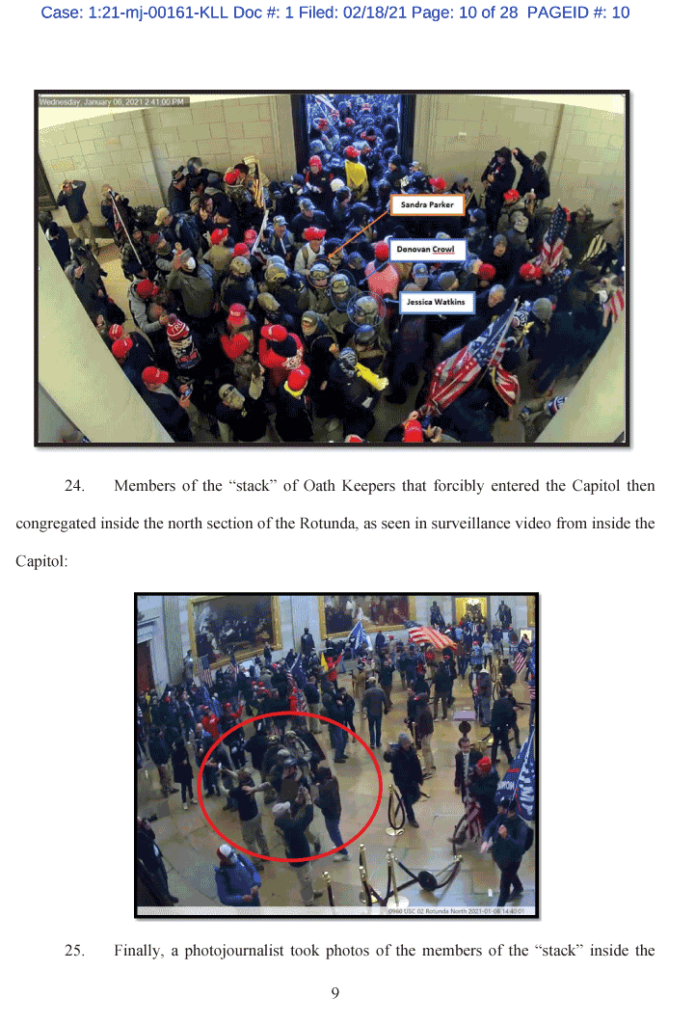
    In one of the related cases, the original superseding indictment, charges remain pending against James Beeks, 49, of Orlando, Florida; Donovan Crowl, 51, of Cable, Ohio; William Isaacs, 22, of Kissimmee, Florida; Connie Meggs, 60, of Dunnellon, Florida; Sandra Parker, 63, of Morrow, Ohio; Bernie Parker, 71, of Morrow, Ohio, and Laura Steele, 53, of Thomasville, North Carolina. The other case charges Jonathan Walden, 57, of Birmingham, Alabama.

    The three indictments collectively charge all 19 defendants with corruptly obstructing an official proceeding. Eighteen of the 19 defendants – the exception is Walden – are charged with conspiring to obstruct an official proceeding and conspiring to prevent an officer of the United States from discharging a duty. Eleven of the 19 defendants are charged with seditious conspiracy. Some of the defendants are also facing other related charges.

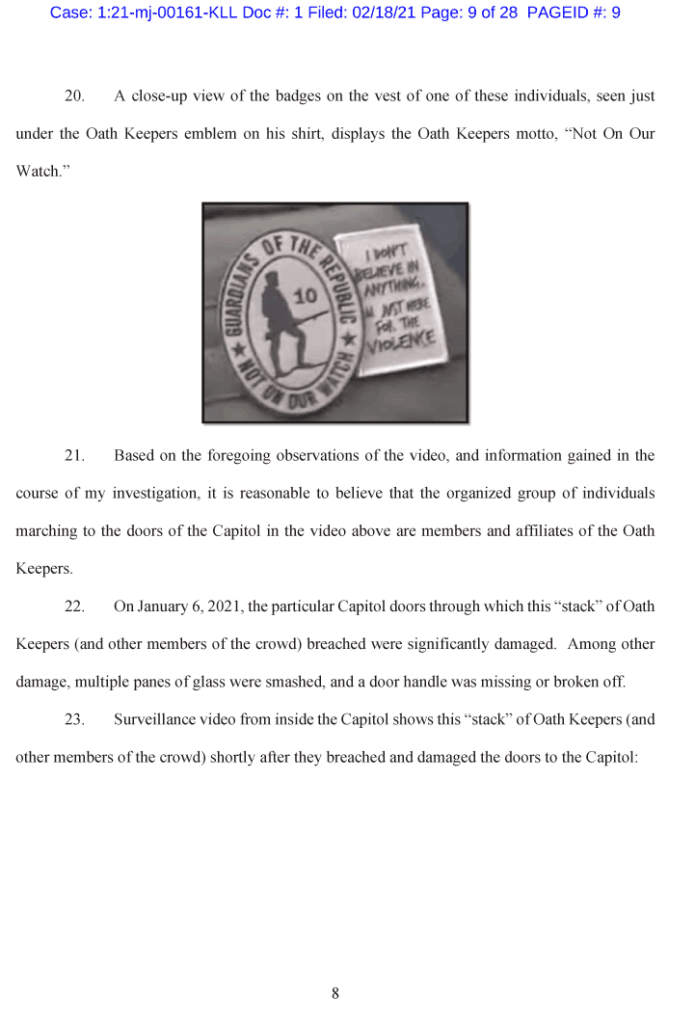
    As alleged in the indictments, the Oath Keepers are a large but loosely organized collection of individuals, some of whom are associated with militias. Though the Oath Keepers will accept anyone as members, they explicitly focus on recruiting current and former military, law enforcement and first-responder personnel. Members and affiliates of the Oath Keepers were among the individuals and groups who forcibly entered the Capitol on Jan. 6, 2021.

    The seditious conspiracy indictment alleges that, following the Nov. 3, 2020, presidential election, Rhodes conspired with his co-defendants and others to oppose by force the execution of the laws governing the transfer of presidential power by Jan. 20, 2021. Beginning in late December 2020, via encrypted and private communications applications, Rhodes and various co-conspirators coordinated and planned to travel to Washington, D.C., on or around Jan. 6, 2021, the date of the certification of the electoral college vote, the indictment alleges. Rhodes and several co-conspirators made plans to bring weapons to the area to support the operation. The co-conspirators then traveled across the country to the Washington, D.C., metropolitan area in early January 2021.

    According to the seditious conspiracy indictment, the defendants conspired through a variety of manners and means, including: organizing into teams that were prepared and willing to use force and to transport firearms and ammunition into Washington, D.C.; recruiting members and affiliates to participate in the conspiracy; organizing trainings to teach and learn paramilitary combat tactics; bringing and contributing paramilitary gear, weapons and supplies – including knives, batons, camouflaged combat uniforms, tactical vests with plates, helmets, eye protection and radio equipment – to the Capitol grounds; breaching and attempting to take control of the Capitol grounds and building on Jan. 6, 2021, in an effort to prevent, hinder and delay the certification of the electoral college vote; using force against law enforcement officers while inside the Capitol on Jan. 6, 2021; continuing to plot, after Jan. 6, 2021, to oppose by force the lawful transfer of presidential power, and using websites, social media, text messaging and encrypted messaging applications to communicate with co-conspirators and others.

    On Jan. 6, 2021, a large crowd began to gather outside the Capitol perimeter as the Joint Session of Congress got under way at 1 PM. Crowd members eventually forced their way through, up and over U.S. Capitol Police barricades and advanced to the building’s exterior façade. Shortly after 2 PM, crowd members forced entry into the Capitol by breaking windows, ramming open doors, and assaulting Capitol police and other law enforcement officers. At about this time, according to the indictment, Rhodes entered the restricted area of the Capitol grounds and directed his followers to meet him at the Capitol.

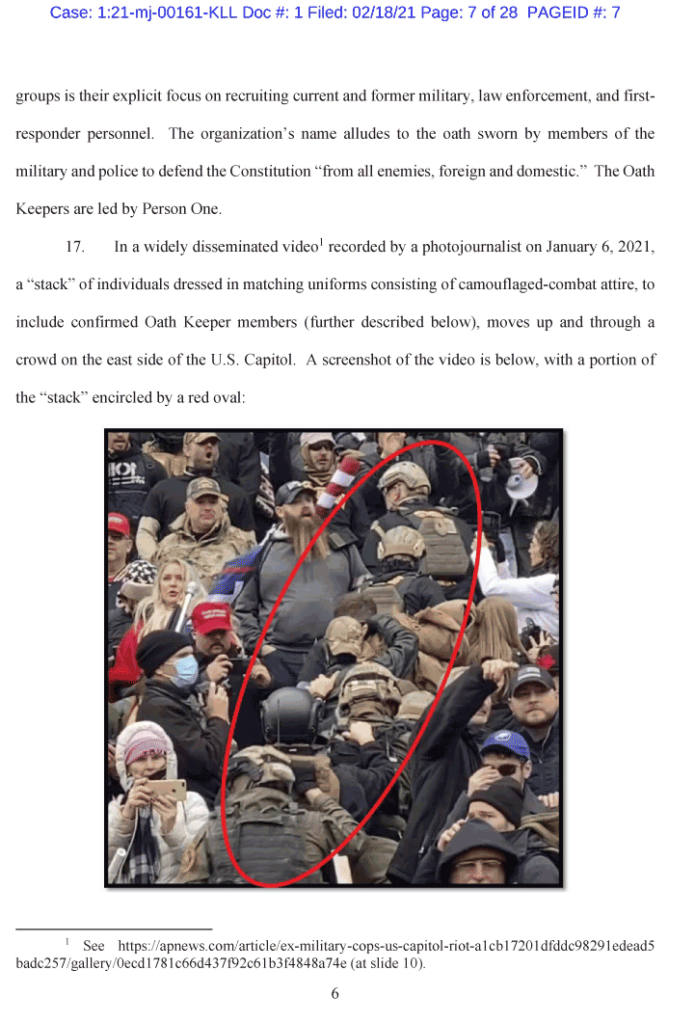
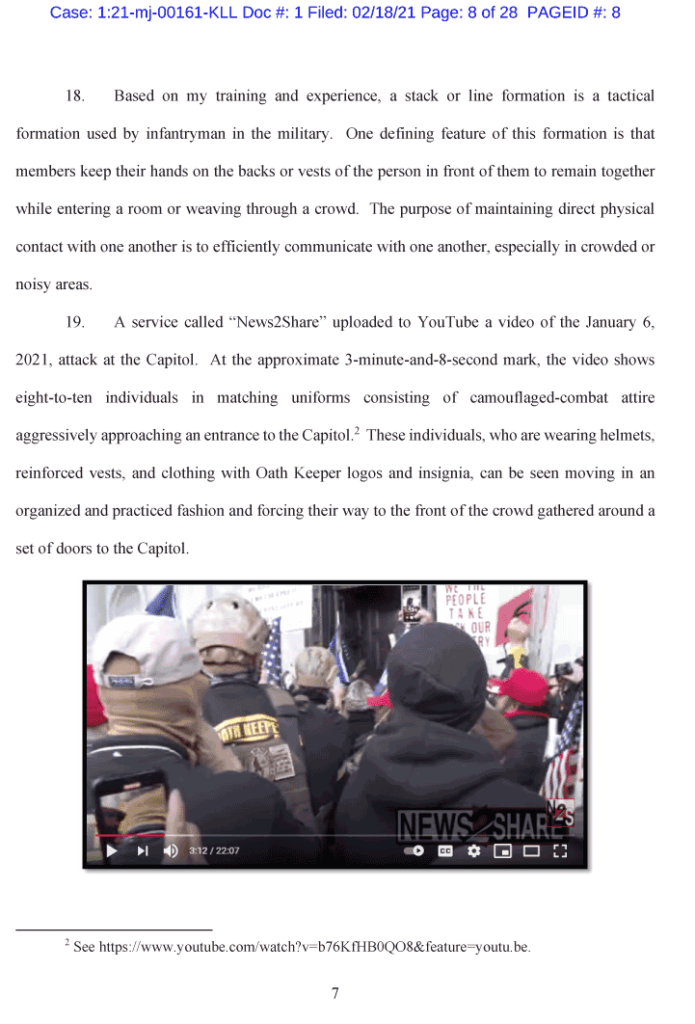
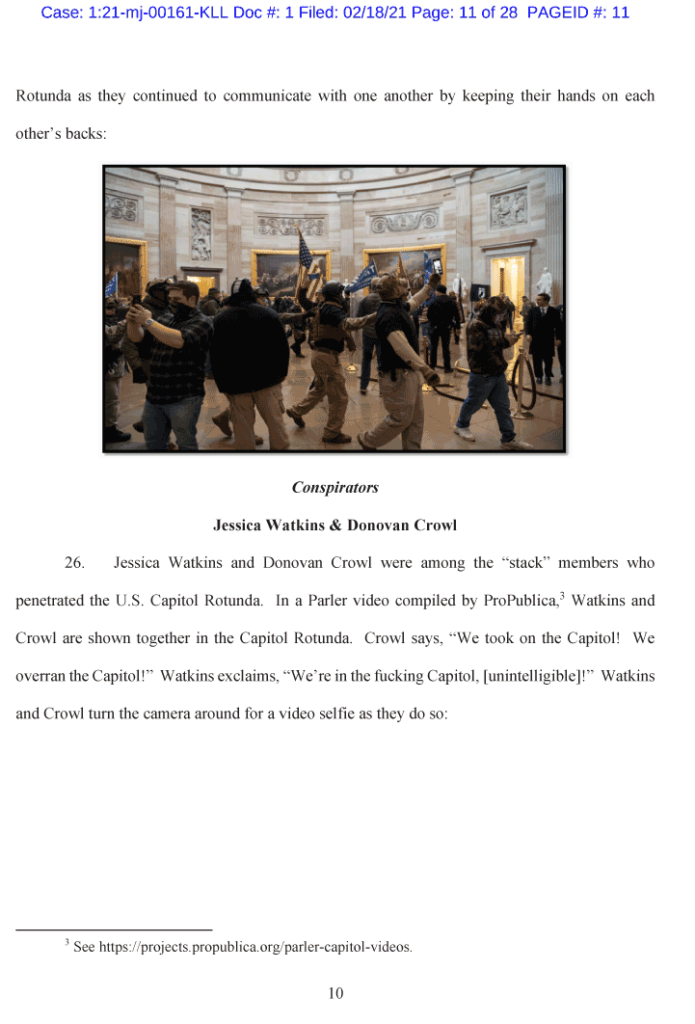
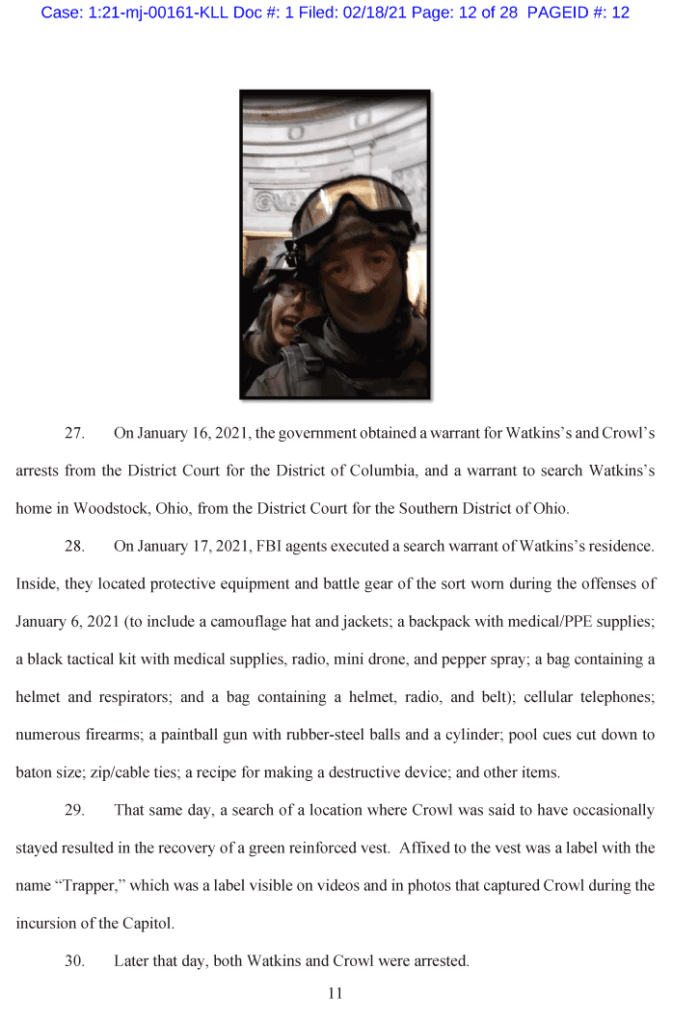
    At approximately 2:30 PM, as detailed in the indictment, Hackett, Harrelson, Meggs, Moerschel and Watkins, and other Oath Keepers and affiliates – many wearing paramilitary clothing and patches with the Oath Keepers name, logo, and insignia – marched in a “stack” formation up the east steps of the Capitol, joined a mob, and made their way into the Capitol. Later, another group of Oath Keepers and associates, including James, Minuta, and Ulrich, formed a second “stack” and breached the Capitol grounds, marching from the west side to the east side of the Capitol building and up the east stairs and into the building.

    While certain Oath Keepers members and affiliates breached the Capitol grounds and building, others remained stationed just outside of the city in quick reaction force (QRF) teams. According to the indictment, the QRF teams were prepared to rapidly transport firearms and other weapons into Washington, D.C., in support of operations aimed at using force to stop the lawful transfer of presidential power. The indictment alleges that the teams were coordinated, in part, by Caldwell and Vallejo.

    The charge of seditious conspiracy carries a statutory maximum penalty of 20 years in prison. A federal district court judge will determine any sentence after considering the U.S. Sentencing Guidelines and other statutory factors.

    This case is being prosecuted by the U.S. Attorney’s Office for the District of Columbia and the Department of Justice National Security Division’s Counterterrorism Section. Assistance was provided by U.S. Attorney’s Offices in the Northern District of Texas and the District of Arizona.

    The case is being investigated by the FBI’s Washington Field Office with assistance provided by the FBI’s Dallas and Phoenix Field Offices. These charges are the result of cooperation between agents and staff across numerous FBI Field Offices, including those in Florida, North Carolina, Ohio, Texas, Arizona, Alabama and Georgia, among other locations.

    In the one year since Jan. 6, more than 725 individuals have been arrested in nearly all 50 states for crimes related to the breach of the U.S. Capitol, including over 225 individuals charged with assaulting or impeding law enforcement. The investigation remains ongoing.

    Anyone with tips can call 1-800-CALL-FBI (800-225-5324) or visit tips.fbi.gov.

    An indictment is merely an allegation, and all defendants are presumed innocent until proven guilty beyond a reasonable doubt in a court of law.


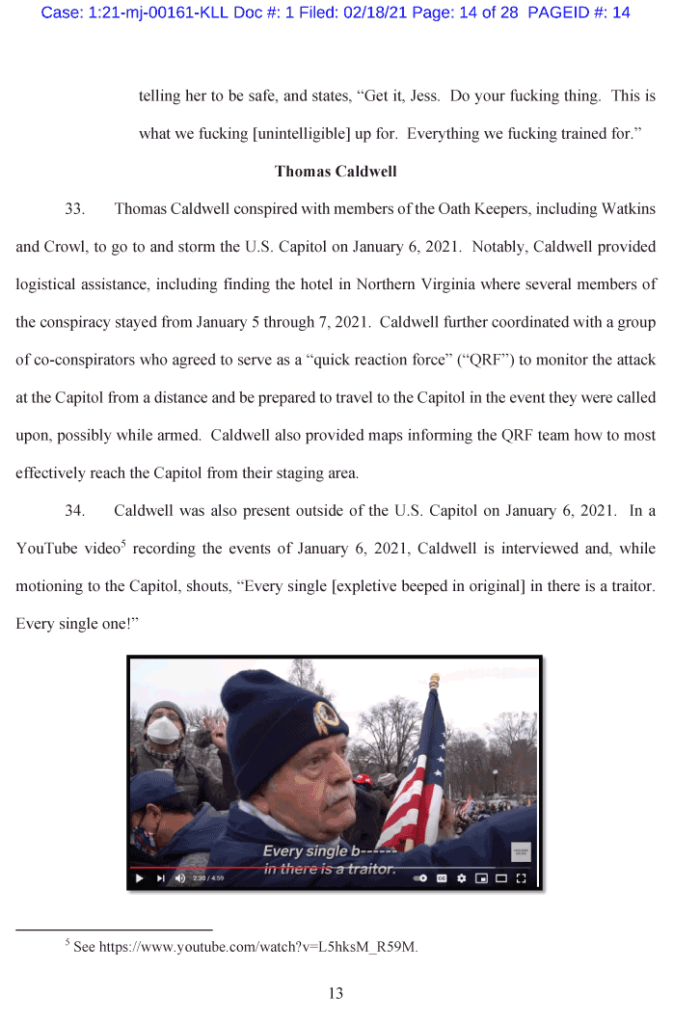
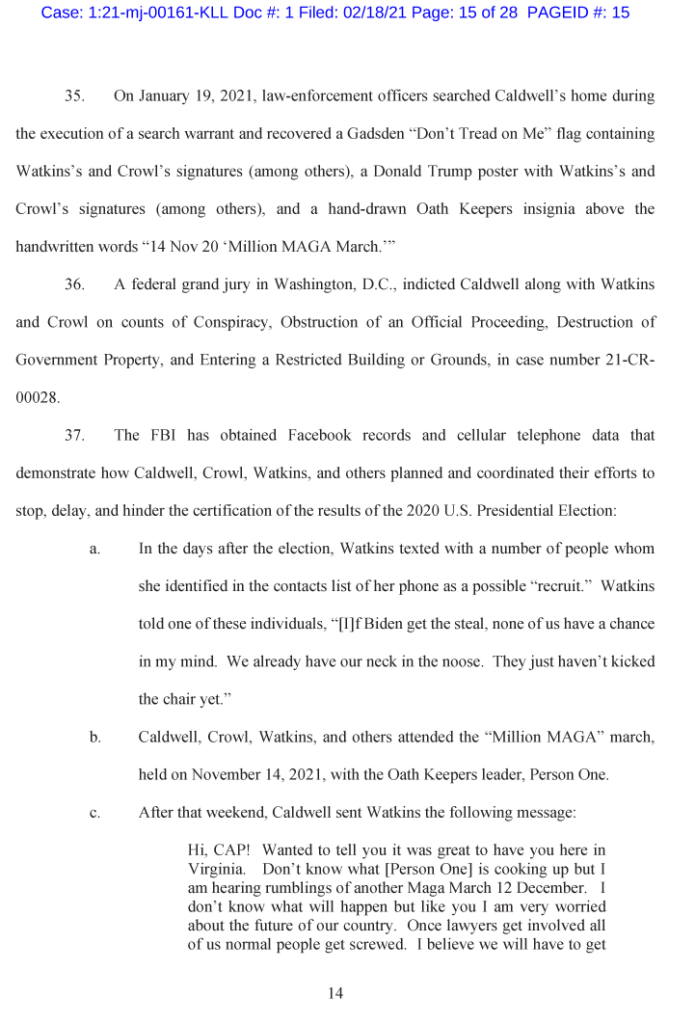
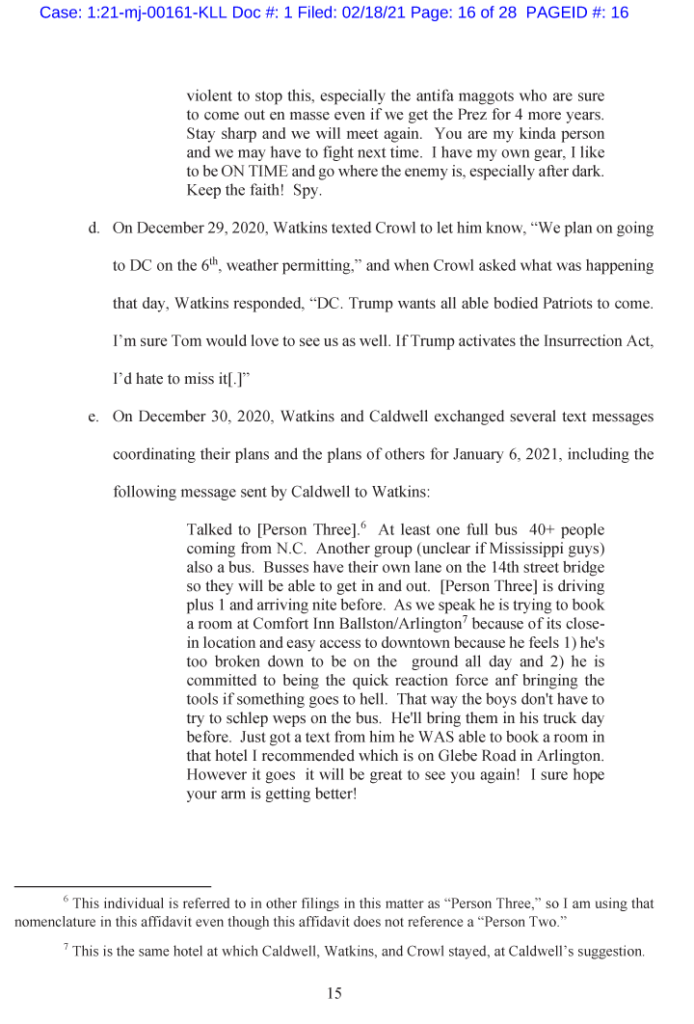
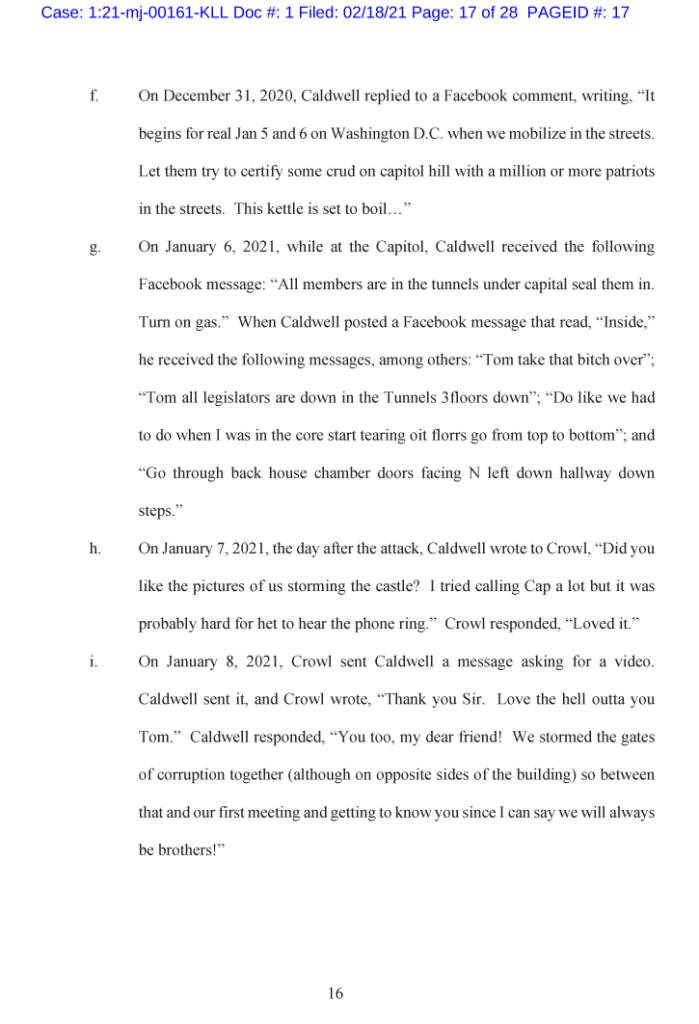
    Here is the Federal Criminal Complaint filed against Sandra Parker, 63 and Bernie Parker, 71, of Morrow, Ohio