Tag: funeral

  • [WATCH] Rosalynn Carter is eulogized before family and friends as husband Jimmy bears silent witness

    [WATCH] Rosalynn Carter is eulogized before family and friends as husband Jimmy bears silent witness


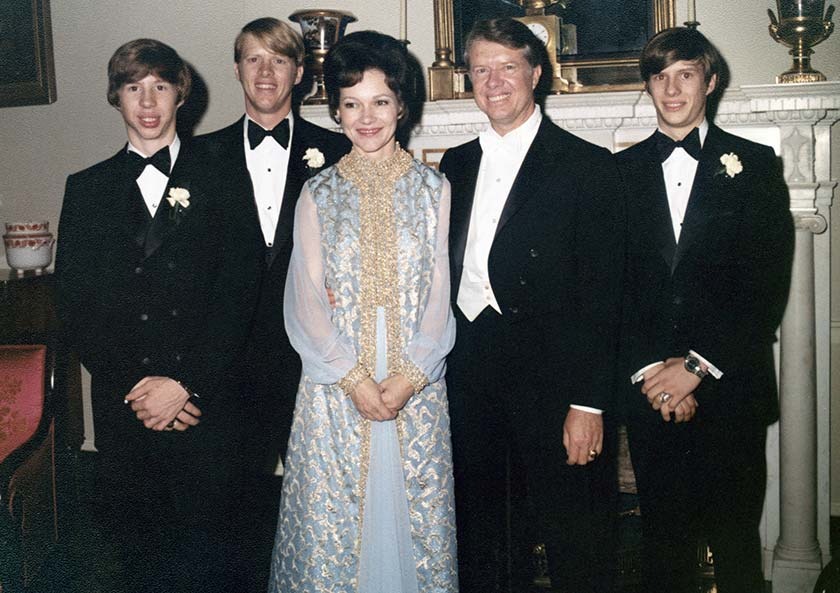
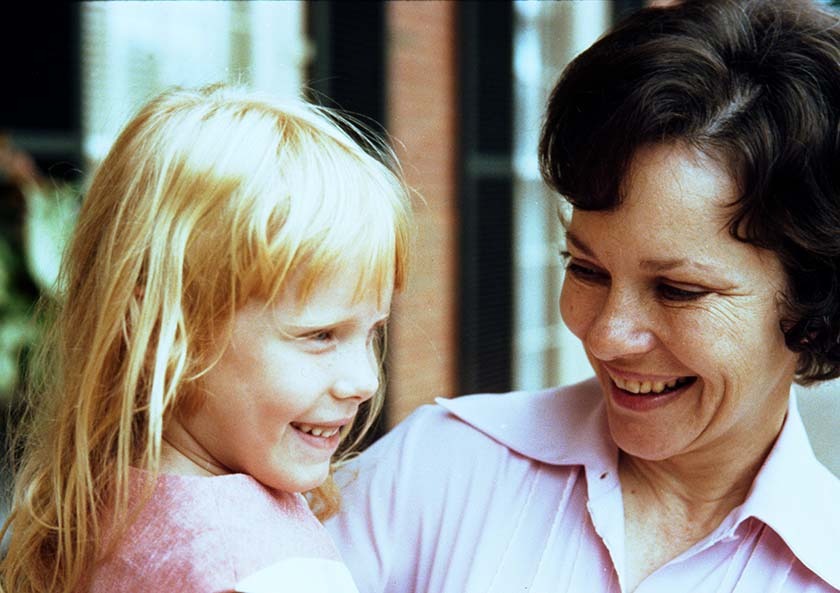
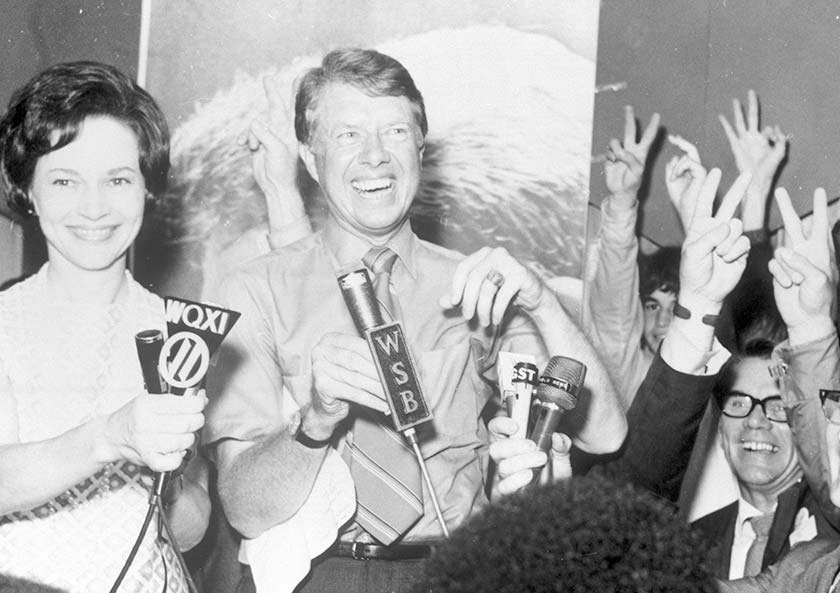
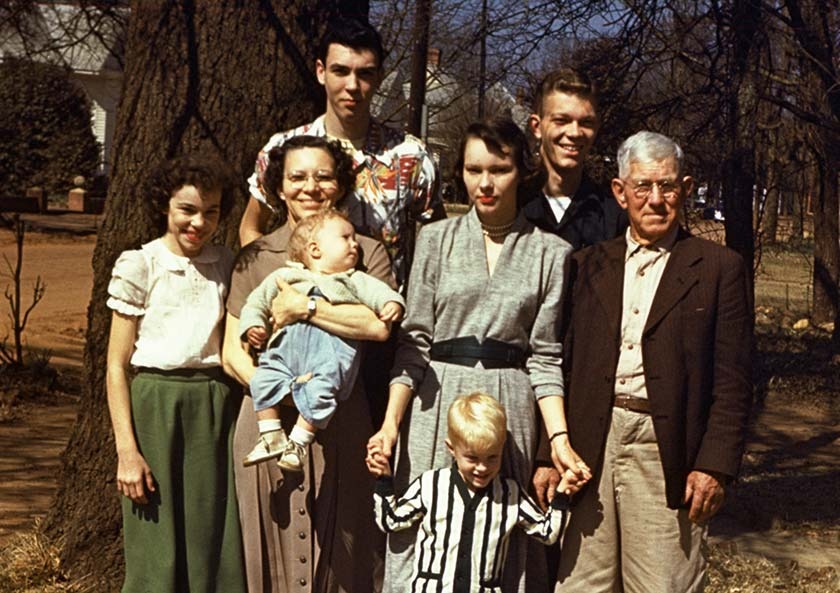
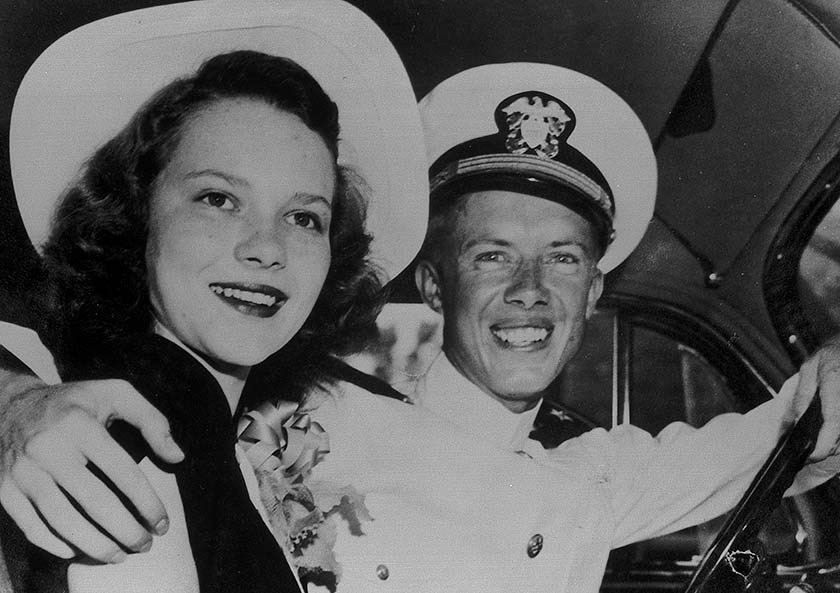
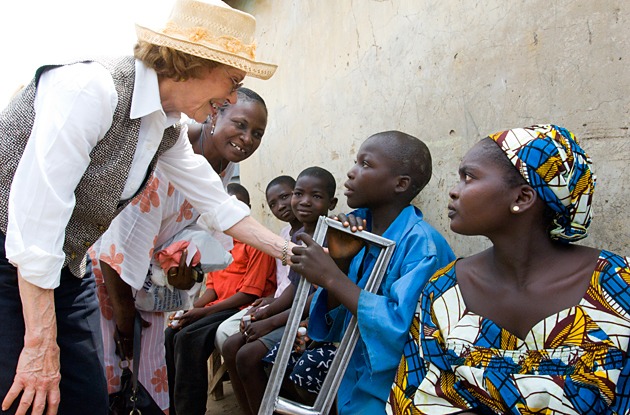
    PLAINS, Ga. (AP) — Her frail husband a silent witness, Rosalynn Carter was celebrated by her family and closest friends Wednesday in the same tiny town where she and Jimmy Carter were born, forever their home base as they climbed to the White House and traveled the world for humanitarian causes.

    The former first lady, who died Nov. 19 at the age of 96, had her intimate funeral at Maranatha Baptist Church in Plains, where she and her husband spent decades welcoming guests and where a wooden cross Jimmy Carter fashioned in his woodshop is displayed. Earlier tributes were held in nearby Americus and in Atlanta.

    The former president, now 99 and in hospice care, sat in a wheelchair next to Maranatha’s front pew, wearing a dark suit and tie to say goodbye to his wife of 77 years.

    Read on…

    Former First Lady Rosalynn Carter Passes Away at Age 96

    ATLANTA (Nov. 19, 2023) — Former First Lady Rosalynn Carter, a passionate champion of mental health, caregiving, and women’s rights, passed away Sunday, Nov. 19, at 2:10 p.m. at her home in Plains, Georgia, at the age of 96. She died peacefully, with family by her side.

    Mrs. Carter was married for 77 years to Jimmy Carter, the 39th president of the United States and the 2002 Nobel Peace Prize recipient, who is now 99 years old.

    “Rosalynn was my equal partner in everything I ever accomplished,” President Carter said. “She gave me wise guidance and encouragement when I needed it. As long as Rosalynn was in the world, I always knew somebody loved and supported me.”

    She is survived by her children — Jack, Chip, Jeff, and Amy — and 11 grandchildren and 14 great-grandchildren. A grandson died in 2015.

    “Besides being a loving mother and extraordinary First Lady, my mother was a great humanitarian in her own right,” said Chip Carter. “Her life of service and compassion was an example for all Americans. She will be sorely missed not only by our family but by the many people who have better mental health care and access to resources for caregiving today.”

    The schedule of memorial events and funeral ceremonies will be distributed as soon as possible to media and posted on www.rosalynncartertribute.org. This tribute website includes the family’s official online condolence book and opportunities for memorial gifts, as well as an official biography and downloadable photos.

    In lieu of flowers, the Carter family requests that you consider a contribution to the Carter Center’s Mental Health Program or the Rosalynn Carter Institute for Caregivers.

    Memorial Gift

    Carter Center Photos

  • David M. DelloStritto: June 15, 1976 – July 2, 2023

    David M. DelloStritto: June 15, 1976 – July 2, 2023

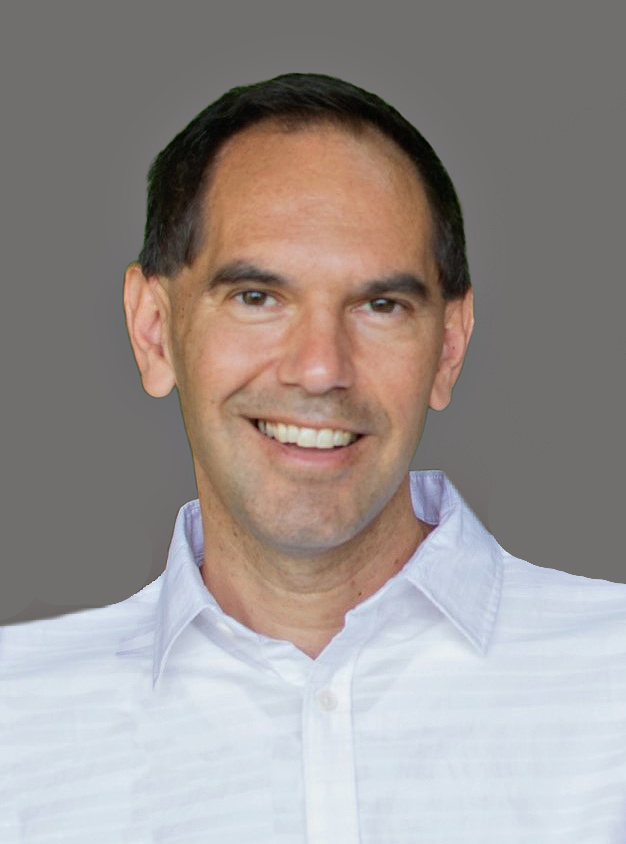
    It is with profound sadness that the family of David M. DelloStritto, 47, announce his passing on July 2, 2023, after a lengthy, courageous battle with colon cancer.

    David was born on June 15, 1976, to Dennis and Carol DelloStritto. He attended Howland Schools and graduated from Ohio University in 1998 with a BBA in Business Management/Operations. After college, he worked for ADP in Columbus, Ohio, where he met his wife, Amy. They were married on August 14, 2004. He eventually transferred to Cincinnati. He continued to work through most of his illness, most recently for SAP Concur, where he worked as a senior software sales executive. Through his career, Dave achieved great success and was able to travel the world.

    The pride and joy of his life was his daughter, Alexa and son, Colin. Together with Amy, he raised two incredibly intelligent, loving, compassionate, amazing children. Nothing gave him more happiness than watching Alexa play softball and volleyball and Colin play soccer, basketball, and football. He especially loved coaching Alexa in softball and Colin in basketball. Dave loved and was deeply devoted to his family and treasured every memory made with them. His family will carry these beautiful memories with them for the rest of their lives.

    Dave is survived by his wife Amy, daughter Alexa (16), and son Colin (12), his parents; sister Danielle (Nate) Mailach and niece Mallory; Father-in-law Tom (Dawn) Freeman; brother-in-law Thomas (Cami) Freeman and nephews Thomas and Mathias; many loving aunts, uncles, and cousins; and many cherished friends.

    Dave wished to leave these words to his adored family and friends: “If ever there is a tomorrow when we are not together, there is something you must always remember. You are braver than you seem and smarter than you think. But the most important thing is, even if we’re apart…I’ll always be with you.”

    Per Dave’s wishes, no services will be held. A private family Celebration of Life will be held at his home.

    In lieu of gifts or flowers, donations may be made in his memory to Hospice of Cincinnati, C/O Bethesda Foundation, Inc., P.O. Box 633597, Cincinnati, OH, 45263, or online at www.hospiceofcincinnati.org. His family wishes to thank the amazing doctor, nurses, hospice aides, staff, and volunteers who provided such excellent, compassionate care to us.

    He was deeply loved and will be forever missed by all who knew him.

  • Why Arcade Fire’s “The Suburbs” is all That and a Bag of Chips!

    Why Arcade Fire’s “The Suburbs” is all That and a Bag of Chips!

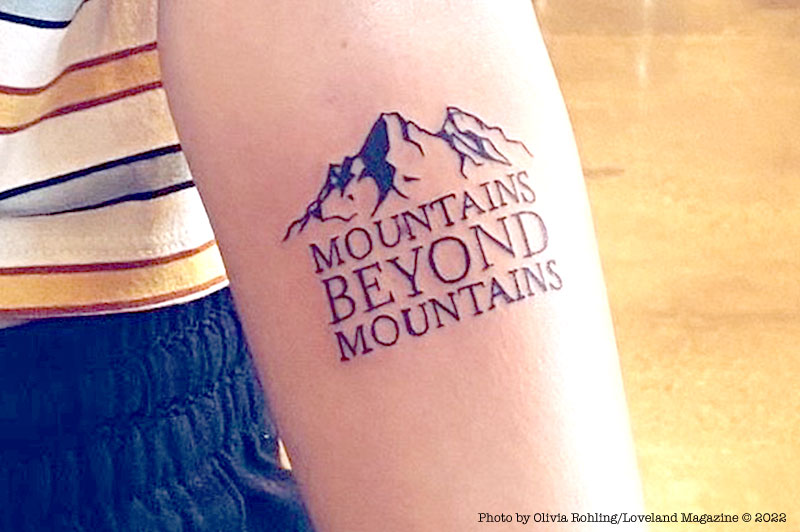
    The tattoo on my left forearm is inspired by the 15th song on the album, “Sprawl II (Mountains Beyond Mountains).”
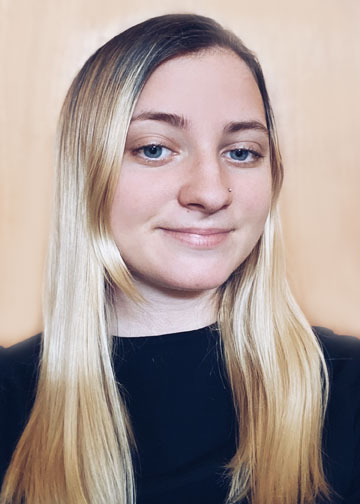
    Olivia Rohling

    by Olivia Rohling

    We all have a favorite album. You know the one I’m talking about. It’s that one album that you can listen to for days on end and never get sick of it. For me, that album is Arcade Fire’s The Suburbs. 

    This is the third album released by the Canadian Indie-rock band, following Funeral (2004) and Neon Bible (2007). Arcade Fire is made up of husband-and-wife duo Win Butler and Régine Chassagne, Win’s younger brother, William Butler, Richard Reed Parry, Tim Kingsbury, and Jeremy Gara. 

    The Suburbs speaks to what it’s like growing up living in suburbia, and how comforting yet isolating that feeling can be. 

    “Will and I were born in a really small town in Northern California, kind of near the Nevada border,” Win Butler said in an  NPR interview, “Like you know maybe 50 people on the side of a mountain. We moved to the suburbs of Houston when we were young.” 

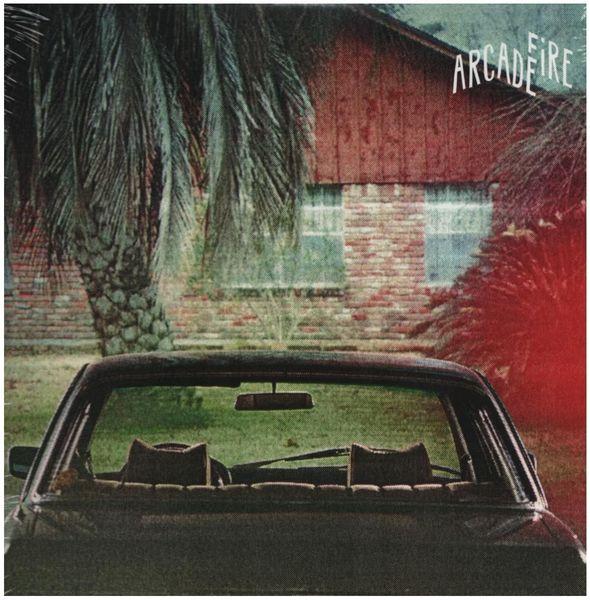
    Arcade Fire’s The Suburbs is the third album released by the Canadian Indie-rock band, following Funeral (2004) and Neon Bible (2007.) Image courtesy of The Alternative.

    The album begins with the song, “The Suburbs,” which talks all about suburban living. Key lyrics such as, “In the suburbs, I learned to drive,” and “But in my dreams, we’re still screaming and running through the yard,” allow the listener a chance to feel what it’s like to live a “suburban” lifestyle. Not to mention the ending of “The Suburbs” blends seamlessly into the beginning of the next song, “Ready to Start” which is just plain awesome sauce! The song is sure to give your eardrums butterflies!

    Many songs on the album seem to purposely blend into one another. “Empty Room” blends into “City with No Children,” “Half Light I” blends into “Half Light II (No Celebration),” “Month of May” blends into “Wasted Hours,” and “We Used to Wait” blends into “Sprawl I (Flatland).” Talk about satisfying! The album is so well done that you won’t get sick of listening to all 5,316 minutes of it over and over again like I continue to do to this day (thanks, Spotify Wrapped)! 

    “Sprawl II (Mountains Beyond Mountains)” is my personal favorite song on the album. My proof of loving the song is located right on my left arm where I have a tattoo that says, “Mountains Beyond Mountains.” The song really is just that good! Arcade Fire’s Régine Chassagne is Haitian, so the band strategically used the term “Mountains Beyond Mountains” because it comes from a Haitian proverb that means “beyond mountains, there are more mountains.” I look at the Haitian term on my arm and it always gives me the feeling that opportunities are inexhaustible and when you surmount one great obstacle in your life you merely gain a clearer view of the next one. 

    In “Sprawl ll,” Régine sings “Sometimes I wonder if the world’s so small, can we ever get away from the Sprawl?” This lyric goes back to the theme of growing up in suburban sprawl and wondering if there is more to life than suburbia. 

    If you would like to not only listen but feel the meaning of “Sprawl ll (Mountains Beyond Mountains)” you can listen to the band’s 2011 Coachella performance of this song below. Disclaimer: every time I watch this performance it brings me tears!

    The Suburbs by Arcade Fire puts suburban living into music form and does so in a way that will make you want to get up and dance! That, my friends, is why this album really is all that and a bag of chips. 

    My top three favorites songs from The Suburbs:

    1. “Sprawl II (Mountains Beyond Mountains)” 
    2. “Deep Blue”
    3. “Modern Man”
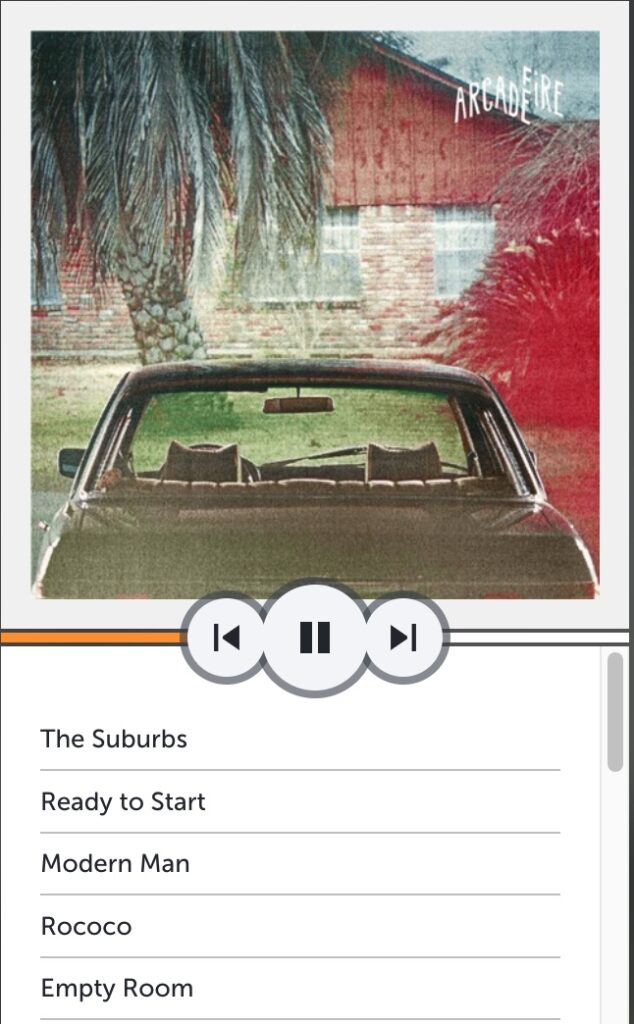
    Click this image to hear samples of my three favorite songs on the album.
  • Read the revised health order to limit mass gatherings in Ohio

    Read the revised health order to limit mass gatherings in Ohio

    Loveland, Ohio – On Monday, Governor Mike DeWine announced that Ohio Department of Health Interim Director Lance Himes signed a revised health order to limit mass gatherings in Ohio. 

    “Despite the health order that limited mass gatherings to 10 people that was signed in April remaining in effect, we have seen rampant spread of the virus as a result of banquets, wedding receptions, and social gatherings following funerals,” said Governor DeWine.  “We have seen great tragedy associated with such events.  It’s not the ceremonies causing the problem.  It’s the party afterward.”  

    In order to minimize the spread of COVID-19 through airborne particles passing between people in close contact, wedding receptions, funeral repasts, and other events at banquet facilities are subject to the following restrictions:

    • No socializing or activities in open congregate areas and no dancing. 
    • Guests must be seated at all times. Traditional wedding reception events such as first dance, toasts, tossing the bouquet and cutting the cake are permitted.
    • If serving food and beverages, guests must be served at their seats. No self-serve buffets and no self-serve bar areas permitted.
    • Masks must be worn at all times unless actively consuming food or beverages.
    • No more than 10 people should be seated at a table and those individuals must be from the same household.

    This order does not apply to religious observances; First Amendment protected speech, including petition or referendum circulators, and any activity by media; and to governmental meetings which include meetings that are required to be open to the public.

    This order went into effect November 17, 2020 at 12:01 AM.

  • Judy Leever Owned a Thousand Pairs of Shoes

    Judy Leever Owned a Thousand Pairs of Shoes

    At least one pair belonged to you

    She always slipped back into her own

    by David Miller

    A reoccurring theme rang at the visitation, funeral, and two nights of Shiva for Loveland resident Judy Leever.

    This is a reprint of an Editorial Published in Loveland Magazine on October 17, 2012. October 12 is the anniversary of Judy Leever’s passing

    Judy always made us see things from the perspective of others, and we all tried to plant in our subconscious, the lessons of her life and vowed to attempt to spend our remaining days living a life wearing HER shoes.

    Judy owned a thousand pairs of shoes, nearly all belonging to other people. She possessed an uncanny ability to make these shoes fit our own feet  as well.

    We wore each other’s shoes three weeks ago, during our mourning time. We listened to one another’s other’s sadness at her too early passing at age 59 on September 29, 2012 after battling breast cancer and its drugs – because we were sure she had more to teach us. Truth be told however was that if we were listening and watching – her life was one lived, always… with certitude and steadfastness. She had nothing more to teach, because Judy wasn’t going to change and suddenly teach a more profound lesson. She had already lived her quite profound life. She saw life’s complexities and confusion, it’s conundrums, its needs filled, from the perspective of others.

    About 400 family and friends, standing room for the late arrivers, attended the service, at midweek, a mid-morning service at Congregation Beth Adam, just outside of Loveland. A hundred or more helped bury her humble poplar coffin; waiting in silence until a entire mound of earth was put back in place by family and friends shoveling, not departing until finished by a backhoe at the United Jewish Cemetery in Montgomery.

    Later, hundreds gathered in the side yard at her downtown home in Loveland for two nights of Shiva. Prayers, and songs on the bank of a popular stream. Lovers holding hands. On one side O’Bannon Creek. On one side the “Loveland Bike Trail”. A fitting setting now decorated for Judy with homegrown flower bouquets, brought by mourners and adorers in simple household jars scattered about and placed on any available ledge, garden rock, or garden table. Loud crashing walnuts thumped to the earth on this late summer evening looking to get to the earth and begin a new life – punctured the sometimes silence like drumbeats. From the not to distant Nisbet Park, children sounds of late summer evening play. Muffled chinwag from couples walking nearby. Runners, joggers, and bicyclists along the Little Miami Scenic Trail, most unaware of the contributions Judy made to preserve its natural beauty and oblivious to the sadness nearby.

    During prayer, “It’s a dangerous thing to love what death will take away.”

    Six stacked canoes on top of one another nearby. A bicycle leaning against a tree. A clothes line with faded brownish grey pins. Sparks from the fire pit near the creek aided conversation. Wooden garden cart. A weeping willow. A hammock tied to Maples starting to turn. A sitting bench also. All of it spoke to the family lifestyle. Absent her home was a TV. Inside the home was now packed almost beyond capacity as mourners filled plates of potluck. Two by two faces, memories shared until they had to again go outside to make room for others. Outside again… resumed these intimate, quiet, two on two conversations. The downtown chimes on top of the nearby, old water works plant wept sentiment. Newborns clenched to mother’s breasts.

    Judy’s mate was her husband Bruce. They shared a real estate business. They lived in a passive solar home they crafted in Maineville before moving to Loveland in 1994. The Leever family once spent the entire summer living in a modest tent in their back yard in Maineville, to “teach their children well.” They were married for 32 years. Three tall proud successful sons, Glen, Will, and Michael. A brother Robert from Silver Spring Maryland. And, a cast of thousands of close friends and acquaintances; recipients of her generosity of devoted personal time, a gentler community because of her console, a cleaner river, cleaner drinking water, green space that condo projects and “progress” once threatened, food on the food bank shelves.

    She welcomed teens into her home. She loved and nurtured her close religious community, helped organize concerts in the park and celebrations of Martin luther King Day in Loveland. She sang in the Martin Luther King Chorus in Cincinnati’s celebration.

    We were recipients of her grace as she lost the fight with her disease.

    Was Judy the community weaver? Didn’t she straighten our fibers? Did she stretch our seams?

    The town cobbler?

    All that aside, even though more than enough public service for ten long lifetimes, Judy left behind shoes to fill. What was it about Judy? How did she so often see that you would fit into the shoes of others if only given some of her wise second thoughts? No one quite had the answer to “How” but, non-the-less it was the subject of most of the conversation, because most knew it was her most inspiring legacy – that should be imitated in a fair, just, town… for raising children and growing old in.

    Judy genuinely loved the outdoors… loved walking errands, walking on the grounds of Grailville several times a week. Walked 400 miles of the Appalachian Trail. It felt as if she belonged on the ground some how or another. Rode her bike to the library and Kroger.

    Judy made you feel at home in her own house as if you belonged. “Yes. Yes.” She was well grounded.

    Judy hosted meet the candidate nights for presidential campaigns, locals, and judges – and grant writing workshops for non-profits.

    She was active in fermenting plans for “Heartland Eco Village” at Grailville. She wrote the first prospectus for what may some day be a worldwide example of self sustainable community living. She volunteered in the organic Grailville Gardens.

    She wrote the 501-C-3 the application for the Loveland Farmers Market and often volunteered on market day.

    She and family were early members of Leaves of Learning, a cooperative home school network. Her sons were home schooled, or “unschooled” until they entered high school. Each son has since graduated with honors from prestigious liberal arts colleges. Judy earned a teaching degree in Special Education from the University of Maryland, and a Masters Degree from the University of Cincinnati in Special Education. She taught middle school in Maryland for three years, and at Mason Middle School for four years. She was born in Hyattsville, Maryland, near D.C.

    When Loveland’s annual Martin Luther King Day celebration seemed faltering, Judy dove head long. When efforts to save the Simpson Farm from a condo project seemed faltering, Judy put on muck boots and got muddy. She was that kind of person. She would change shoes – jump in anywhere she was needed. A doer.

    Judy was a faithful volunteer with the Shalom Initiative (now the Loveland Initiative) opening her house to their Teen Group for meetings, games, and just relaxing. She served them a Passover meal one year, teaching them her Jewish traditions. One of those young teens, Judy placed under her wings as she graduated high school; helping her apply for college and financial aid, continuing to mentor into young adulthood. Sobbing uncontrollably now with the reality of moving on without Judy. She said, “Judy was like a mother to me. I always wanted to live here with her family. I will miss her so much.”

    Years ago Judy taught GED classes for adults at the Shalom Initiative. She recently jumped in again when the Initiative was going through a difficult transition.

    She served as a Trustee for Little Miami Inc., for twenty-years. The Little Miami is 125 miles long. A lot of property owners, swimmers, canoers, kayackers, fishers and hunters benefit from the work of Judy Leever. A lot of birds, critters, and fish as well. We drink cleaner water along those 125 miles because of Judy. She participated in annual river cleanup programs adopting the river banks nearest her home. In the early 90’s, she brought regional attention to areas around the Peters Cartridge site along the Little Miami Scenic Trail and adjacent to Kings Island, that was contaminated with hazardous waste. It was her first foray fighting city halls, township commissions, county commissioners, the EPA, and the Army Corps of Engineers. The men who scoffed, eventually crowded before TV cameras to be aside the truth teller because they were now wearing Judy’s shoes. A few weeks before her death, the site was at last placed on the USEPA’s Super Fund Priorities List for cleanup.

    Judy was active in the Loveland Greenbelt Community Council’s establishment of the East Loveland Nature Preserve.

    Her house was opened for a week to “Open House” an international Jewish, Arab, and American teen exchange program.

    Judith Barbara Leever, nee Ginsberg often spoke about community issues at city council meetings, and was on city committees that directed downtown development. She was passionate about keeping downtown comfortable for existing residents. She wanted more housing downtown not overshadowed by boutiques and bars. Leaders listened to her because she wore all of our shoes in these roles, seeing each perspective through the eyes of a diverse community and its needs.

    When people went to Judy seeking personal advice about a community problem, she always made the person see the problem through the eyes of the perceived problem maker. She said in her insightful way, “Try to put the other fella’s shoes on for a moment.” When leaving, your own shoes felt more comfortable, because she stretched them a bit for you.

    Late after Shiva, the basketball court in the Cul-de-Sac again filled with young people.

    Judy could put a businessman’s shoes on a housewife. Put the renter’s shoes on the landlord. Put the water drinker’s shoes on the polluter. Because she did these things, she lived a life of extreme optimism.