Tag: Great Parks of Hamilton County

  • The Inside Garden

    The Inside Garden

    Nature Interpreter Allyson Ernst knows it’s still cold outside, but spring is on its way! With a little ingenuity and a window, spring can start inside long before winter’s end. Learn how you can begin your own inside garden with these gardening tips from Allyson and Great Parks of Hamilton County.

    “Despite the forecast, live like it’s spring.” – Lilly Pulitzer

    I know it’s still cold.

    I know the nights are still well below freezing.

    I know that there still might be snow on the way.

    I know it’s cloudy and miserable and dreary.

    But you know what else?

    I’m living like it’s spring!

    I work at Glenwood Gardens in the Highfield Discovery Garden and my specialty is vegetables. This year, the garden started in February. Now I can just hear the complaints, “But Allyson, you can’t grow vegetables in February! What are you doing!? You’ll kill the plants!” Hold your horses until you’ve heard my side of the story, OK? You’re right, you just can’t be throwing seeds into snow banks, but with a little ingenuity and a window, spring can start inside long before winter’s end.

    The Seeds

    Three different seed packets, okra, snap peas and spinach
    Several different types of seeds from different seed companies.
    The back descriptions of two seed packets, okra and snap peas.
    Some seed companies provide more information than others. Make sure you always do your research!

    Without seeds, you have nothing. Full stop. So go pick out some of them! You can stop by a nursery, a big box store or order online.

    Once you have seeds, read the seed packet. They have a lot of useful information on growing suggestions and starting dates on the back of the packet. Now, I will admit, some seed companies put more information on the packets than others, so do a little research if need be. A great tool I use for getting starting dates is this online date calculator.

    The Growing Medium

    Seeds need something to grow in, so while you’re out picking up seed, buy a bag of potting soil. If you have a compost pile, you can skip buying a bag and just use what you have. Make sure the compost is well rotted, fairly fine (you can run it through a sieve to get out any large chunks) and smells like soil, not rotten food scraps.

    A hand holds a pile of dirt and compost.
    Compost straight from the garden!

    We use compost here at Glenwood Gardens, because it’s free and we know what went into making it. We do get the occasional odd weed in it, but for the most part, if the compost pile has been done right, weeds shouldn’t be much of a problem.

    The Pot & Pan

    Now you can buy seed starting trays fairly cheaply at most places that sell soil and seed, but what’s the fun in that?

    Clean yogurt and pudding cups make excellent pots and all they need is a few holes poked in the bottom. Clear plastic containers with lids make great mini-greenhouses, as they help hold the moisture. Just leave the lid cracked or poke a hole in it so the plants can breathe. Find the appropriate sized pot for your plants and they will be quite happy! A good rule of thumb is that the longer you will be keeping your plants inside, the bigger the pot you should put them in.

    Potted succulents are lined up on an old boot tray.
    Not only can you grow vegetables this way, but other plants as well. Notice that the pan for these plants is actually an old boot tray.

    The pan is what the pot is set into to catch the water that drains out the bottom. You can set pots in saucers, trays or anything really, as long as it holds water. Make sure you empty the pan every other day or so, so that your plants are not constantly sitting in water.

    The Light

    Commercial growers use special grow lights to provide light for seedlings. We have four of them at Glenwood Gardens, and by all means, you can use them if you want to, but they’re not essential.

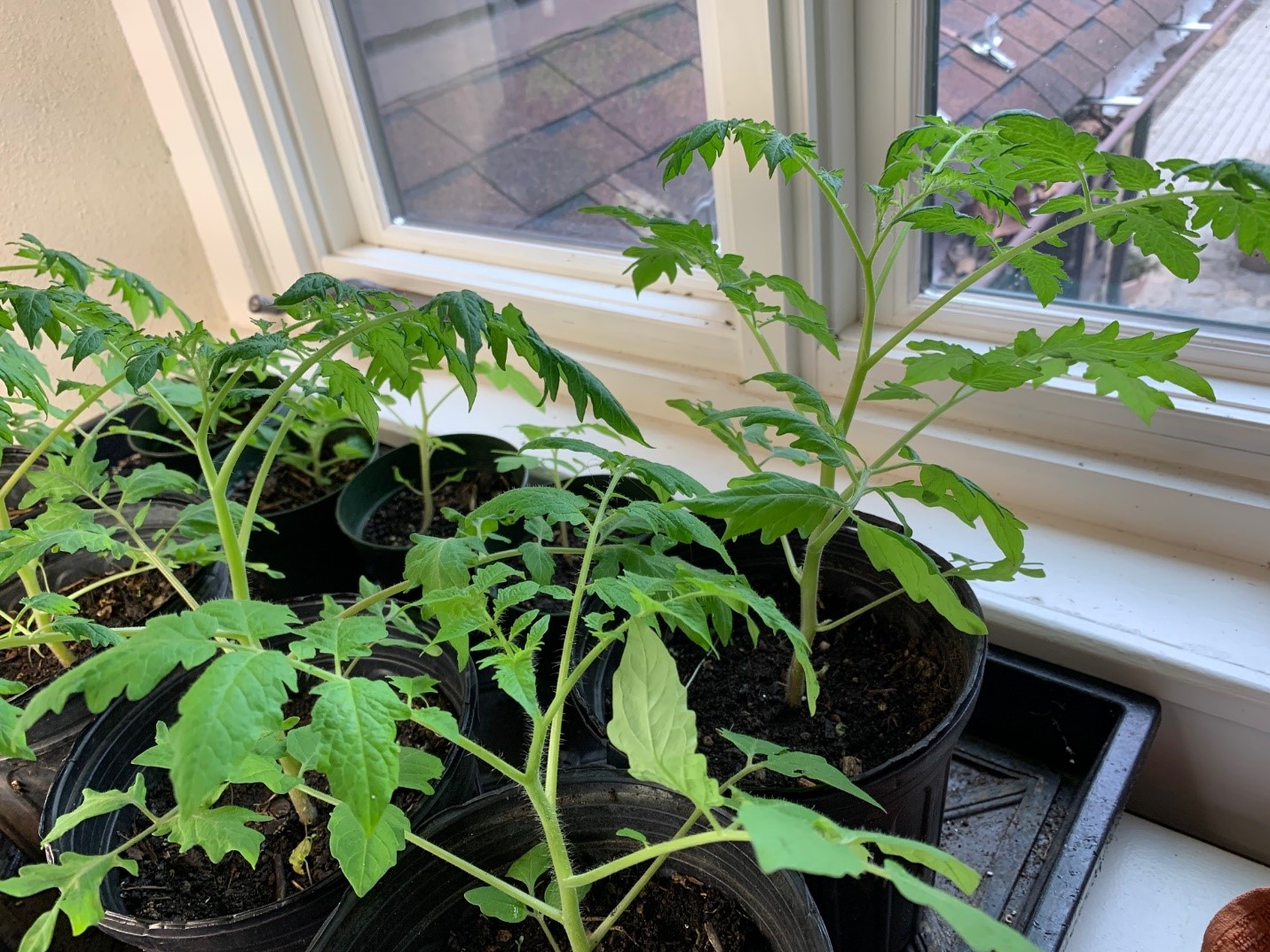
    Tomato plants sit in front of a window and are beginning to bloom.
    These tomatoes are quite happy in a window.

    A sunny window, (preferably south-facing if you are in the northern hemisphere and north-facing if you are in the southern hemisphere) is really all you need. Yes, it may take a little longer to grow than under lights, just because of cloudy days, but it will get the job done.

    Putting it All Together

    Now that all the supplies are gathered let’s get growing!

    In an area that you are OK with getting dirty, fill all the pots, trays or yogurt cups with pre-moistened growing medium. Set the pots in their pans and then place the seeds in a hole as deep as the seed itself (i.e., if you have 1/2-inch seed, place it in a 1/2-inch deep hole) and cover gently with growing medium. I like to put 2–3 seed per container if the container is only going to have one plant, but if your pot will hold multiple plants without overcrowding, place more seeds with a little extra. Why the extra seeds? Not every seed will germinate, so it’s nice to hedge your bets.

    Little pots are full of dirt. Some of them have small plants beginning to bloom.
    When it all comes together.

    Place the pots and pans in that sunny window. Water when you feel that the soil is dry. I like to use a watering can with a sprinkler attachment or a spray bottle when the seeds are very small so I don’t wash them away if the water comes out with any force. Transplant outside when the seedlings are ready for the outdoors.

    So yes, I know it’s cold outside.

    Yes, I know it may still snow.

    Yes, I know it’s been gray and miserable.

    But despite the forecast, I’m going to continue to live like it’s spring, even if it’s just on the inside.


    Allyson Ernst
    Nature Interpreter, Glenwood Gardens

  • Loveland volunteers needed for habitat restoration of Little Miami and O’Bannon Creek

    Loveland volunteers needed for habitat restoration of Little Miami and O’Bannon Creek

    Ohio River Foundation begins area’s largest habitat restoration

    Loveland, Ohio – The Ohio River Foundation (ORF) is embarking on the largest habitat restoration project ever undertaken in Southwest Ohio. The project, made possible by a $50,000 grant from Coors Seltzer and its Change the Course partnership, will restore six miles of riverbank along three Ohio River tributaries: The Little Miami River, Great Miami River, and O’Bannon Creek.

    ORF will plant 10,000 to 15,000 native trees and shrubs along those riverbanks. Phase one of the project begins this month and involves harvesting live stakes – taking cuttings from native trees that grow in riparian areas during their winter dormancy. Those “live stakes” will then be planted on riverbanks once the weather warms up in March.

    “The Ohio River is a source of drinking water for more than 5 million people. But because of pollution from urban runoff, agriculture, sedimentation, and industrial pollution, many sections of the Ohio River do not meet water quality standards,” said Rich Cogen, Ohio River Foundation’s executive director.

    Recreation is an important part of the economic sustainability of Loveland along the National and State Scenic and Wild Little Miami River.

    The Little Miami is the source of drinking water for Loveland, Milford, and Indian Hill. O’Bannon Creek empties into the Little Miami in Historic Downtown and Loveland folks know this creek because they so often cross over it when heading north along the Loveland Bike Trail from Nisbet Park.

    Plants along riverbanks improve water quality by keeping pollutants out of the water and by helping control erosion, thus reducing sedimentation. As they mature, these riparian plants also provide habitat for streamside birds and mammals and create shade that helps fish and other aquatic species thrive.

    Rich Cogen, Ohio River Foundation’s executive director

    “Restoring the habitats along these tributaries will go a long way toward improving their health, and it will reduce the amount of pollution that makes its way into the Ohio River,” Cogen said.

    Assisting ORF with this project are Great Parks of Hamilton County, Hamilton County Soil and Water Conservation District, Miami Township, Miami Conservancy District, Anderson Township, City of Loveland, Cincinnati Parks, Colerain Township, and Rivers Unlimited.

    Volunteers are needed for both phases of the project. Live stake harvesting will take place on:

    • Sunday, Feb. 28 (10 a.m.-1 p.m.) at Nisbet Park, 126 Karl Brown Way, Loveland, Ohio, 45140
    • Thursday, March 4 (10 a.m.-1 p.m.) at Miami Township West Community Park, 4063 E. Miami River Road, Cleves, Ohio, 45002
    • Sunday, March 7 (10 a.m.-1 p.m.) at Heritage Park, 11405 E. Miami River Road, Cincinnati, Ohio, 45252 Volunteers, who will be helping cut stakes, should dress for the weather, wear waterproof shoes, bring a mask and follow all COVID-19 recommendations. All tools, including boats needed to access some sites, will be provided. Advance registration is required; for more details, or to sign up, visit www.ohioriverfdn.org. Additional volunteer opportunities to help with spring stake planting will be announced at a later date. For more information, visit www.ohioriverfdn.org.

  • Loveland Teachers, do you want to bring your lessons to life?

    Loveland Teachers, do you want to bring your lessons to life?

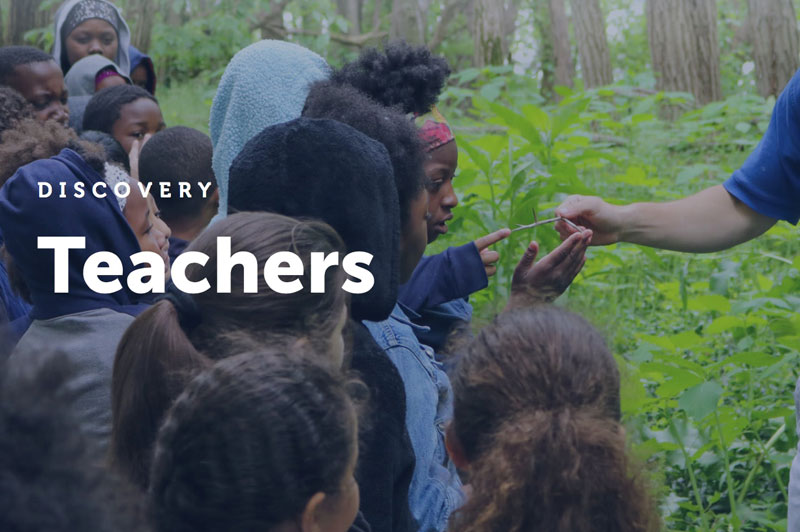
    Great Parks’ educators and certified staff members can ignite a passion for science and history in students of all ages.

    Great Parks of Hamilton County is Starting 2021 Virtually!

    Welcome to Great Parks of Hamilton County’s school program offerings for the 2020–2021 school year. They will bringing the best of nature to you, wherever your classroom may be.

    For an indefinite period, all school programs presented by Great Parks will be offered virtually as they are unable to present in-person programming at this time.

    All virtual programs address Ohio’s Learning Standards and respective content statements for kindergarten through fifth grade. See the listings below for year-round programs and topics that are already created for specific subjects and age groups. The staff can work with you to design custom programs for any grade. For more information, call 513-521-7275 or email.

    This program is funded in part by grants from The Andrew Jergens Foundation and the JOHN A SCHROTH FAMILY CHARITABLE TRUST, PNC Charitable Trust.

    Some of the programing:

    Like Me, Like You – It’s alive! … Or is it? A way to breathe, a way to eat and other key requirements help define the living from the nonliving. Investigate the survival basics of our plant and animal friends through screen-to-screen encounters.

    Animals in Winter – Explore the three strategies animals use to survive the bitter winter in Ohio.

    Unearthing Ancient Cultures – See the world through the eyes of an archeologist. Use ancient artifacts to construct a story of how these cultures not only survived, but thrived in the land we now call home.

    Built for Survival – Ohio’s wildlife are finely tuned to surviving in our local ecosystem. Let’s learn a

    Download the Course Offerings:

     2020–2021 School Program Guide Kindergarten 

    2020–2021 School Programs First Grade 

    2020–2021 School Programs Second Grade 

    2020–2021 School Programs Third Grade 

    2020–2021 School Programs Fourth Grade 

    2020–2021 School Programs Fifth Grade

  • Great Parks Hunt

    Great Parks Hunt

    This year, the regional Great Outdoor Weekend event is Great Outdoor Week, and they are letting you create your own outside adventure with a photo!
    They will be posting photo hints on their Instagram of secret locations all across Great Parks of Hamilton County. Teams of four or fewer will earn points for posting selfies at the secret locations with the hashtag #greatparkshunt. Prizes will be awarded to teams who accrue 25 points or more. The hunt begins Sept. 19 and goes through Sept. 27.

    Lake Isabella

    Lake Isabella is a quiet 76-acre lake that packs a big bite when it comes to fishing for feisty catfish.

    Enjoy a 28-acre pay lake that is stocked weekly March through October and offers fishing from the bank, dock or rental boat. Electric trolling motors are permitted. Personal watercraft, such as canoes and kayaks, are not permitted on the lake. Lake Isabella also has a full-service boathouse and reservable Chart Room, Riverside Lodge and Shady Elm Shelter for group outings. The park offers picnic areas, a playground and access to the Little Miami River.


  • The Eastern Coyote: Ohio’s newest mammal

    The Eastern Coyote: Ohio’s newest mammal

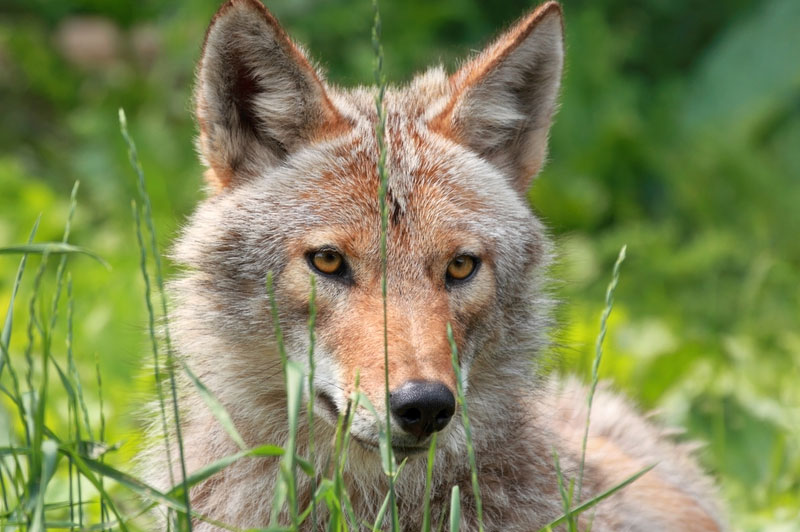
    Interbreeding between western coyotes and the remnant gray wolf populations of the Great Lakes region gave birth to a new species: the eastern coyote

    Guest Column by Chris Glassmeyer

    As the early settlers of the U.S. forged westward, their main priority was finding a place to call home. However, as they began to inhabit our country, not only did they affect the animals who lived here first, they affected where these creatures lived. The natural predators that called Ohio’s landscape home – the black bear, the bobcat and the eastern wolf – drastically reduced in size with colonization. Prior to the mid-1800s, coyotes were only found in the western U.S.  But as people colonized states, and populations grew, native predators became more and more scarce. Species native to other parts of the U.S. began traveling across the country to find a new home.

    The eastern coyote came about from interbreeding between western coyotes and the remnant gray wolf.

    With Ohio being void of apex predators, a vital niche was left unfulfilled.  That is, until the coyotes arrived. Before Europeans settled the new world, coyotes (Canis latrans) were only found in the American west. Then, in the 1940s, western coyotes started moving east into the northern Great Lakes region after the extirpation of the gray wolf. Interbreeding between western coyotes and the remnant gray wolf (Canis lupus) populations of the Great Lakes region gave birth to a new species: the eastern coyote (Canis latrans × Canis lycaon [or Canis latrans var.]). Being masters of opportunity, the eastern coyote soon swarmed Ohio and other eastern states. They quickly adapted and claimed the once-empty title of apex predator in Ohio.

    Chris Glassmeyer is the Conservation and Parks Manager for Great Parks of Hamilton County 

    One of the most notable differences between the eastern and the western coyote is size. Eastern coyotes can grow to be 30-40 pounds on average. (For comparison, the western coyote has an average weight of 20-30 pounds.) Female eastern coyotes weigh roughly 21 percent more than their male western counterparts. This size difference is largely because of the interbreeding of eastern coyotes with wolves of the Great Lakes region. The western coyote, however, has shown no interbreeding with wolves.

    The opportunistic behavior of the eastern coyote makes them adaptable to many environments, including urban and suburban areas. Their diet varies, and is largely based on the time of the year. Small rodents, such as mice, rabbits and voles, are a staple in the coyote’s diet.

    The opportunistic behavior of the eastern coyote makes them adaptable to many environments, including urban and suburban areas. Their diet varies, and is largely based on the time of the year. Small rodents, such as mice, rabbits and voles, are a staple in the coyote’s diet. Though, eastern coyotes have been known to consume larger animals, such as deer. However, because they are opportunistic feeders, eastern coyotes are both hunters and scavengers. Meaning they don’t regularly kill deer, but typically feed on the carrion deer leave behind. Coyotes have been known to eat deer during the winter months. Other food sources such as berries, vegetables and nuts are regularly consumed as an easy meal.

    Loveland Sweets is a purveyor of hand-crafted chocolates, caramels, marshmallows, and ice creams. Our house-made candies are prepared in small batches


    The cunningness and adaptability of the eastern coyote has brought them a little too close to home for many people. Coyotes are now common in city and suburban environments, as it has proven to be a bountiful food source for this resourceful predator. Those who are fearful of coyotes should take precautions against attracting them. Removing pet food and garbage, and cleaning up around outdoor grills are a good start to prevent coyotes from getting too close to your home. Small mammals make up a majority of the coyote’s diet. If you’re worried about your pet, keep small dogs and cats indoors, or supervising them while outdoors, is a good way to deter predation. Coyotes are particularly fearful of humans, so your presence can deter a problem before it arises.

    If you’re worried about your pet, keep small dogs and cats indoors, or supervising them while outdoors, is a good way to deter predation. Coyotes are particularly fearful of humans, so your presence can deter a problem before it arises.

    Predators are a necessary part of any ecosystem. Without them, the checks and balances that keep our natural areas functioning are nonexistent. We must move past the inherent fear of predators and work toward a lifestyle that embraces them in a spirit of coexistence. Humans, after all, are the greatest predator that this world has ever seen. And like the coyote, we’re working to adapt and survive.


      Loveland chiropractor Douglas Portmann, DC at Wards Corner Chiropractic & Sports Rehab is one of the best chiropractors in the Loveland area.