Many politicians — especially conservatives — are loath to approve anything that could be construed as a tax increase.
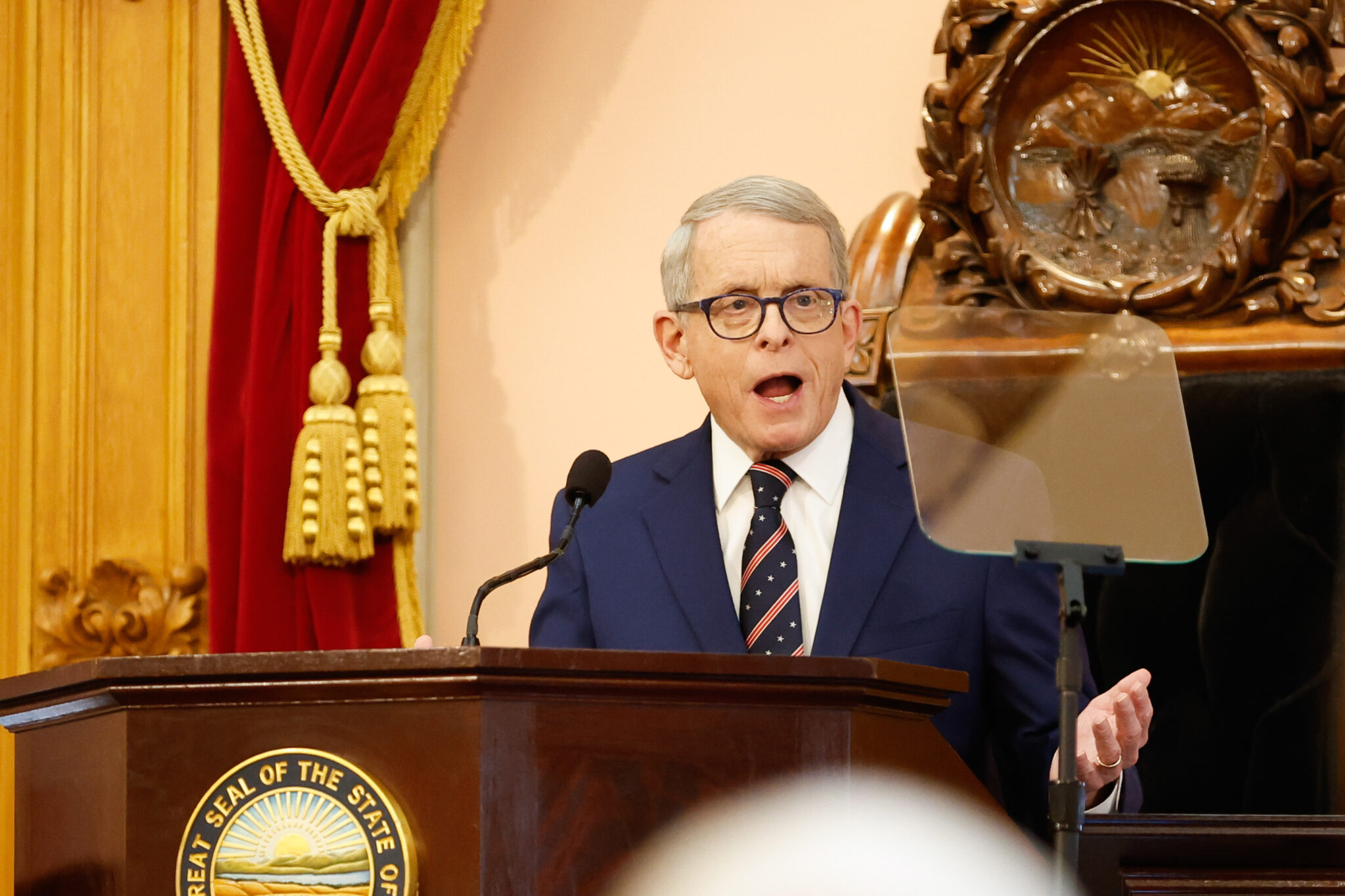
But since 2009, Ohio’s leadership has gone along with a number of questionable rate hikes demanded by regulated utilities. They’ve functioned in the same manner as tax increases — regressive ones with unsavory origins.
There were new state charges earlier this month in Ohio’s massive FirstEnergy bribery scandal. They brought new attention to the issue, but that scandal is hardly the only time Ohio utilities have been able to impose questionable rate increases on their unsuspecting customers.
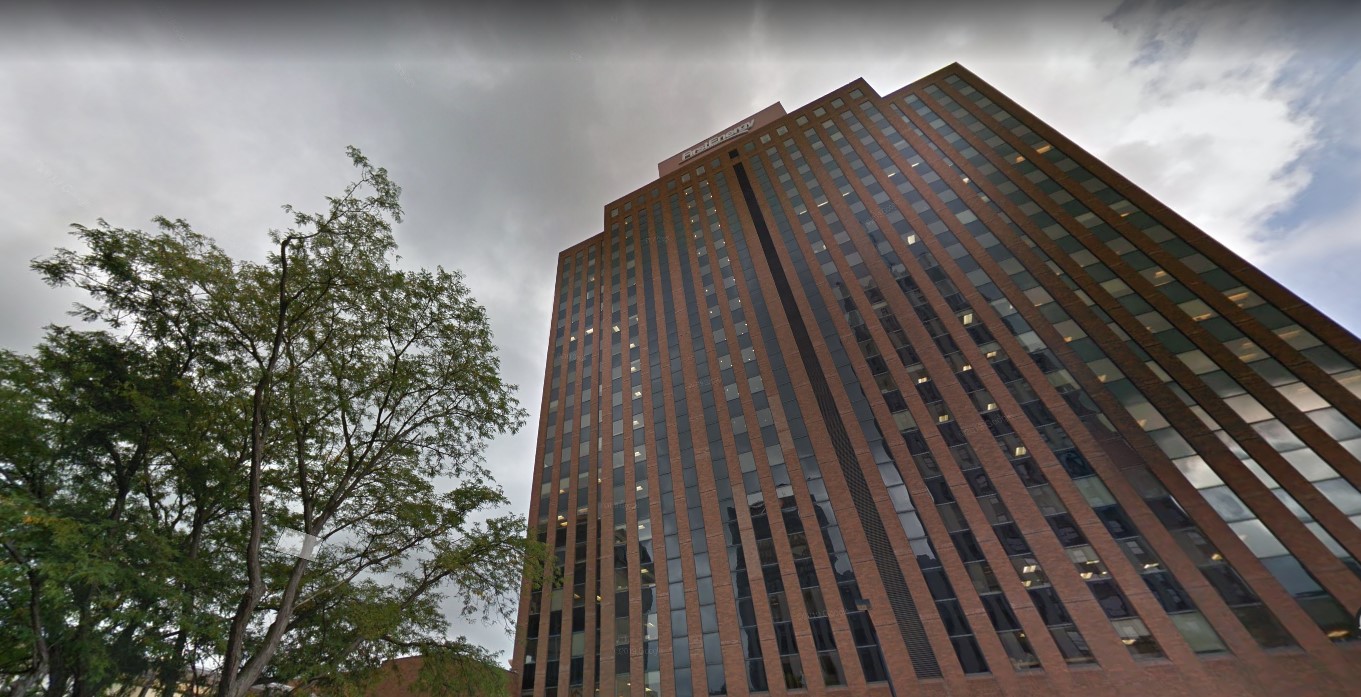
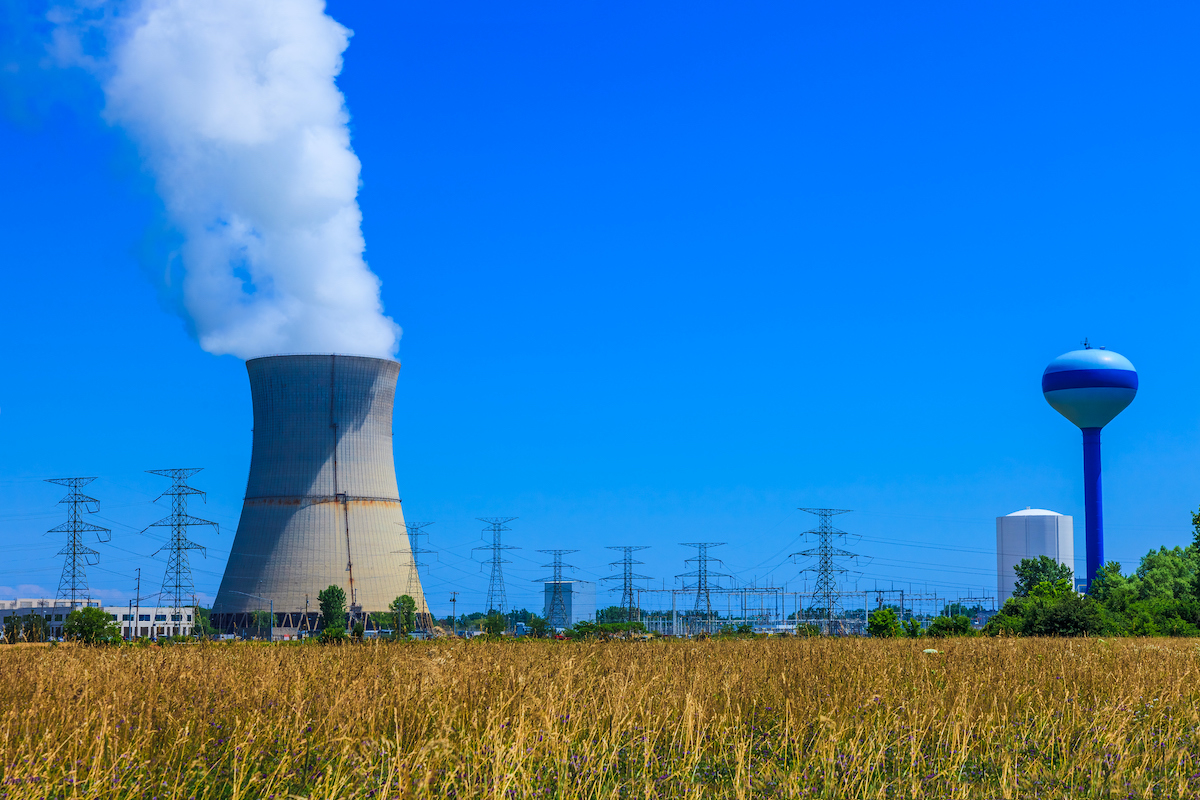
In the scandal, Akron-based FirstEnergy paid more than $61 million in bribes in exchange for the 2019 passage and protection of a $1.3 billion ratepayer bailout. As a consequence, former House Speaker Larry Householder, R-Glenford, is serving a 20-year federal prison sentence.
The state charges filed this month against two top FirstEnergy executives and the state’s top regulator pertain to those crimes. But they also describe more than a decade’s worth of additional shady increases in which payoffs played a central role.
They accuse Sam Randazzo — whom Ohio Gov. Mike DeWine later appointed to be top regulator — of secretly helping FirstEnergy make huge, secret payments to powerful energy users. In exchange, the charges say, the industrial users dropped their opposition to rate increases FirstEnergy wanted to impose on all its customers.
The payments might not have been illegal, but they functioned as kickbacks all the same.
The Columbus Dispatch on Sunday reported that in 2008 then-Gov. Ted Strickland, a Democrat, tried to negotiate an end to the shady practice, but then-House Speaker Jon Husted killed the attempt, a former aide to Strickland told the paper. Husted is now DeWine’s lieutenant governor and is said to be planning a run in the 2026 Ohio Republican primary to be governor in his own right.
Those increases are in addition to a whole slew of other rate hikes that Ohio’s erstwhile regulator has granted, but the state Supreme Court later ruled to be illegal. They total more than $1.5 billion worth altogether. Even though the gains have been ruled unlawful, utilities have gotten to keep them because the Public Utilities Commission of Ohio keeps granting such increases without building in a refund mechanism in the event they’re struck down.
Jenifer French, DeWine’s appointment to replace the disgraced Randazzo, has repeated PUCO staff claims that such refund mechanisms are illegal. But the legal case seems dubious and watchdogs and lawmakers from both parties dispute it.
So Ohio ratepayers have shelled out billions in illegal electric payments and untold millions more as the consequence of shady kickbacks to powerful companies. Those who allowed such payments are responsible for what is the functional equivalent of a tax increase, said Rob Moore, principal of Scioto Analysis, a Columbus firm that applies economics to questions of public policy.
One reason they work the same as a tax is because one has little choice in 2024 about paying for electrical service, he said.
“You can’t get away from it,” Moore said. “You’re going to have to pay something for electricity.” He later added, “That’s functionally no different from a tax.”
And it’s one that falls extra-hard on the poor.
Disconnected electricity and gas can destroy perishable food while also taking away the ability to cook it. For those who are struggling, finding money and getting to the store for one batch of food can already be a challenge. Having to do it again after arranging a reconnection can be even more difficult.
The news outlet reported that as part of a story about nearly 200,000 disconnections by Ohio electric utilities at the height of the coronavirus pandemic. Advocates asked the PUCO for relief, but the regulatory agency said it was powerless to act.
Moore said that if you view utilities as the practical equivalent of a tax, it’s a regressive one.
“In general, lower-income people pay more of their income on utilities than upper-income people,” he said.
Moore cited a 2013 report by the U.S. Energy Information Agency saying that households in the bottom 20% of incomes made 6% of their total expenditures on home energy, while those in the top 20% paid half that.
Energy-insecure households are likely to be poorer still. The agency last year reported that they paid 27% more in real terms than everybody else — $1.24 per square foot vs. 98 cents.
As with the state and local tax burden, the extra costs Householder, the PUCO and others have imposed on Ohio seem to be falling most heavily on those least able to pay it.
“Basically, he just levied a tax and lined his pockets with it,” Moore said of the former speaker.
MARTY SCHLADEN
Marty Schladen has been a reporter for decades, working in Indiana, Texas and other places before returning to his native Ohio to work at The Columbus Dispatch in 2017. He’s won state and national journalism awards for investigations into utility regulation, public corruption, the environment, prescription drug spending and other matters.
A coal company got roughly $12.6 million above market prices to supply one of the 1950s-era plants subsidized by Ohio House Bill 6. That’s roughly 50 times the amount the company gave to the dark money group at the center of that coal and nuclear bailout law, according to a new analysis from the Checks and Balances Project.
In other developments:
An evidentiary hearing about the reasonableness and prudence of the subsidized coal plants’ costs wrapped up last week. But it’s unclear when regulators might issue rulings.
In a separate FirstEnergy case, opponents want regulators to deny or limit more customer charges, saying the rider items should be considered in the company’s full rate case to be filed next May. The evidentiary hearing is expected to continue until Nov. 21.
Former Ohio House Speaker Larry Householder and lobbyist Matt Borges have appealed their criminal convictions but still haven’t filed their briefs. The Department of Justice has not yet filed additional criminal charges related to HB 6, either.
Coal company overpayments
A new report highlights how much Resource Fuels has collected for coal supplied to one of the two 1950s-era coal plants subsidized by HB 6 and run by the Ohio Valley Electric Company, or OVEC.
OVEC paid roughly $12.6 million to Resource Fuels in above-market charges for coal, said Ray Locker, executive director of the Checks and Balances Project, which produced the report. And as a result of HB 6’s coal subsidies, Ohio ratepayers have been paying utilities for their share of OVEC’s costs that exceed their revenue.
In 2018, Resources Fuels also sent $250,000 to Generation Now, the main dark money group in the HB 6 corruption scandal. The Energy and Policy Institute reported that wire transfer earlier this year and connected Resource Fuels to the Boich Companies, which the Columbus Dispatch had earlier identified as “Company C” in the 2020 criminal complaint against Householder and others.
So, Resource Fuels “donated $250,000 to Generation Now to facilitate everything for Larry Householder. And the excess money they’ve been paid on this coal contract is 50 times more,” Locker said.
To back up his calculations, Locker reviewed testimony statements filed with the Public Utilities Commission of Ohio by Elizabeth Stanton, an expert witness for the Office of the Ohio Consumers’ Counsel, and from John Seryak, an expert witness for the Ohio Manufacturers’ Association Energy Group. The case file also includes redacted audit reports from London Economics International.
Stanton’s testimony showed that Clifty Creek, one of the two HB 6-subsidized coal plants, paid about one-fifth more per million BTUs (units of heat value) for coal bought from Resource Fuels, compared to another supplier of coal from the same mine. The price per million BTUs paid to Resource Fuels was also more than that paid to companies providing coal with a higher average heat value.
The PUCO had let some utilities collect OVEC costs from ratepayers even before HB 6 passed. Seryak’s testimony said London Economics “repeatedly found that the cost under the Resource Fuels coal contracts is unusually high.” OVEC had a long-term deal with Resource Fuels, but it was neither prudent nor reasonable, he added. In his view, Ohio utilities have used the HB 6 coal subsidy riders “to recoup losses resulting from an unreasonable decision.”
Seryak’s testimony also connected Resource Fuels to the Boich Companies and discussed the HB 6 corruption scandal.
American Electric Power and Duke Energy both want the PUCO to strike parts of the testimony, arguing against Seryak’s point that the PUCO should not authorize recovery of the coal subsidies while the HB 6 investigations continue. They also want to keep out evidence about cost reviews of pre-HB 6 OVEC riders, which supports points made by Seryak and others.
The PUCO’s hearing examiners struck those parts of Seryak’s testimony on Nov. 6 without a written opinion. The Ohio Manufacturers’ Association Energy Group appealed that decision to the full PUCO on Nov. 13.
“That’s a total smokescreen to divert people from the details of these contracts,” Locker said. “The information is out there. And now they’re trying to stick the genie back in the bottle and say it doesn’t matter.”
Representatives of the Boich Companies did not provide comments in response to Energy News Network’s questions.
The PUCO wrapped up its evidentiary hearing on the 2020 OVEC charges about which Seryak and Stanton provided testimony on Nov. 6. The hearing started on Halloween and took less than one week. Besides the above-market payments to Resource Fuels, challengers contended that other spending by the OVEC coal plants was not reasonable and prudent, including costs related to times when it was uneconomic to run them.
Briefs and reply briefs are due Jan. 8 and Jan. 29, said Matt Schilling, spokesperson for the PUCO. After that, parties will wait for regulators to decide whether to disallow any costs that have already been passed through to ratepayers. Adjustments would presumably be reflected in future charges for the OVEC plants, which run through 2030.
Costs for the coal subsidies continue to mount. The Office of the Ohio Consumers’ Counsel estimates those subsidies have cost ratepayers nearly $221 million since 2020 began.
The PUCO began another evidentiary hearing on Nov. 7 in a FirstEnergy rider case with roughly $1.4 billion at stake. The PUCO currently expects that hearing to continue through Nov. 21, Schilling said.
Among other things, FirstEnergy wants to extend a “delivery capital recovery” charge. That DCR rider is involved in one of four cases the PUCO has put on hold since August 2022 while the Department of Justice considers more criminal charges related to HB 6. The new case also presents questions about possible side deals that may affect settlements. That issue was raised in another of the stayed cases.
Despite the parallels, regulators declared on Oct. 18 that the rider case and two grid modernization cases “are completely unrelated” and refused to lift the stay. The PUCO also refused to put the rider case on hold, because it also deals with charges for customers who don’t choose a competitive electricity supplier. The current tariff for that is due to expire, and Ohio law requires a plan for those customers to be in place, the order said.
The case “introduces various mechanisms aimed at ensuring the ongoing investment and maintenance of the distribution system,” FirstEnergy spokesperson Lauren Siburkis said, talking about the case’s charges for all customers. Those include the DCR rider and an advanced metering infrastructure rider, plus charges for vegetation management and storm mitigation.
The increase for a residential customer using about 750 kilowatt-hours per month of electricity would initially be $3.11 per month. But witnesses for multiple challengers want regulators to deny various riders.
For example, Justin Bieber, an expert for Kroger, said in a filed testimony statement that the DCR rider is improper “single-issue ratemaking.” Instead, he said, it should properly be considered in a full ratemaking case, which would look at all of a utilities’ revenues and expenses. He had a similar view about the vegetation management rider. FirstEnergy is due to file a full ratemaking case next May.
Greg Meyer, an expert for the Office of the Ohio Consumers’ Counsel, similarly challenged the DCR rider, along with the advanced metering rider and storm recovery rider. Aside from the single-issue ratemaking problem, he noted that a process already exists for utilities to recoup major storm costs if they show the costs would impact their total operations.
Colleen Shutrump, another expert for the Ohio Consumers’ Counsel, objected to a proposed energy efficiency rider, saying customers could get efficiency services in a competitive market.
If approved, the riders would last eight years, with some possible adjustments in next year’s ratemaking case. A hearing on charges in a separate grid modernization case is set for January.
Former Ohio House Speaker Larry Householder and lobbyist Matt Borges appealed their criminal convictions related to HB 6 this summer. Yet their lawyers have sought multiple extensions to file legal briefs on the trial court’s alleged errors.
The filings are currently due next month, with the government’s responses due in January. For now, both remain in federal prisons.
Meanwhile, Borges and Householder are still defendants in the state of Ohio’s HB 6 civil case, along with former PUCO Chair Sam Randazzo, FirstEnergy, Energy Harbor (formerly FirstEnergy Solutions), two former FirstEnergy executives and others.
Borges’ amended answer filed on Oct. 25 denies liability for the state’s claims under the Ohio Corrupt Practices Act. The filing also says he wouldn’t be liable anyway because of the legal doctrines of in pari delicto or unclean hands. Those doctrines basically say plaintiffs can’t recover on a civil claim if they themselves engaged in wrongdoing.
Borges’ lawyers did not respond to the Energy News Network’s request for comments about which state actors and what conduct they say supports those defenses.
More charges?
The Department of Justice has not yet filed charges against anyone other than Householder, Borges and others named in their July 2020 criminal complaint and indictment. (Three of the other defendants named have settled, and one has died.) As noted above, four FirstEnergy regulatory cases remain stayed, although various civil cases against the company continue to move ahead.
A Nov. 6 order in one of the shareholder cases calls for Ebony Yeboah-Amankweh, a former lawyer and ethics officer for FirstEnergy, to answer plaintiffs’ lawyers’ questions under oath in a pretrial process called a deposition. The company ended her employment a few months after the 2020 complaint came out.
A separate Nov. 6 order requires Randazzo to turn over documents and information which plaintiffs in that case have sought for months. Randazzo will also have to pay costs arising from the documents dispute.
People from regulatory agencies or utilities “should not get to have their lawyers pick and choose what discovery and subpoena requests they will respond to, and what documents they will turn over,” said Dave Anderson, policy and communications manager for the Energy and Policy Institute.
This article first appeared on Energy News Network and is republished here under a Creative Commons license.
KATHIANN M. KOWALSKI, ENERGY NEWS NETWORK
Kathi is the author of 25 books and more than 600 articles, and writes often on science and policy issues. In addition to her journalism career, Kathi is an alumna of Harvard Law School and has spent 15 years practicing law. She is a member of the Society of Environmental Journalists and the National Association of Science Writers. Kathi covers the state of Ohio.
A bipartisan proposal advancing in the Republican-controlled Ohio House would allow gas and electric utilities to reintroduce programs designed to help customers save energy.
Prior utility-run programs to reduce electricity use ended after Ohio’s energy efficiency standard was gutted as part of House Bill 6, the 2019 law at the heart of the state’s still unfolding bribery and corruption scandal.
House Bill 79 would let utilities bring back some of those programs, but on a voluntary basis with capped monthly charges and smaller expectations for energy savings.
The legislation is co-sponsored by House Majority Floor Leader Bill Seitz, a Cincinnati Republican who was a perennial critic of the programs before HB 6 passed in 2019.
“The wide support that this bill has received from both sides of the aisle, all utilities, and all the environmental groups is a testimony to the fact that we have built a better mouse trap as we reintroduce responsible energy efficiency programming targeted to those who most need it — residential customers and small businesses,” Seitz said.
The other lead sponsor is a Democrat, Rep. Bride Rose Sweeney of Westlake.
While the bill has broad support, it has critics, too, including customer advocates who worry the programs will lack accountability and become another cash grab for utilities.
What’s in the bill
Under the new legislation, utilities would get to choose whether to offer a portfolio of energy efficiency programs. Utilities would need approval from the Public Utilities Commission of Ohio before offering their group of programs for a period of up to five years.
Residential customers would automatically be included unless they opt out, and their monthly charges would be capped at $1.50. Small commercial customers would also be automatically included, with a cap on monthly charges of $7.50. Mercantile customers would be automatically excluded unless they take action in writing to opt in.
Any portfolio of programs must be cost-effective. In other words, the charges to participating customers must be less than the programs’ combined savings on energy costs, reductions in energy market prices from lower demands, and other quantifiable system benefits. Utilities would have to make yearly filings with the PUCO to show if their portfolios were in fact cost-effective.
Any portfolio offered under HB 79 would have to be designed to achieve at least 0.5% of yearly energy savings, based on the prior year’s retail sales to participating customers. But for HB 6, utility energy efficiency programs would have had to show 2% savings per year from 2021 through 2027.
Additionally, at least one program and 15% of the proposed costs for residential customers must be geared toward low-income residential customers.
“The bill offers a balanced approach to lower energy use and is the result of the hard work of many parties,” said Scott Blake, a spokesperson for AEP Ohio. HB 79 would help “lower energy use for individual customers and the overall cost of energy.” Beyond that, “it creates economic opportunities and jobs through selling and installing energy-efficient equipment and offers opportunities for efficient new construction.”
Energy efficiency after HB 6
The lower targets mean the overall program savings and emissions reductions would be less than what utilities would have had to do without HB 6, but more than what’s been achieved in the last four years. Although some argue that Ohio law still allows voluntary energy efficiency programs, the PUCO rejected a voluntary plan by Duke Energy in June 2020, and agency staff balked about a proposed AEP plan that was ultimately withdrawn.
In some ways, though, HB 79 would improve on earlier programs, said attorney Rob Kelter of the Environmental Law & Policy Center. The bill would prohibit utilities from sending out energy savings kits to customers who don’t request them, and steps would be taken to avoid counting activities that customers would already take on their own.
“Moreover, HB 79 specifically emphasizes smart technologies that will help drive market changes,” Kelter said. In contrast to earlier programs that pushed customers to use different types of light bulbs, “today, the programs focus on innovative technologies that not only reduce overall usage, but reduce usage at peak times when prices are high.”
HB 79 would also complement federal rebates under the Inflation Reduction Act, said Nolan Rutschilling, managing director of energy policy for the Ohio Environmental Council Action Fund. For example, a 30% credit, subject to income restrictions, is already available for certain equipment, such as qualified heat pumps.
“Utility-run programs are easily accessible and navigable to consumers, establishing a ‘low hanging fruit’ that is necessary to create long-term buy-in,” Rutschilling said in his testimony on the bill. Without those programs, however, “only the most knowledgeable and experienced homeowners will enjoy the household benefits of efficiency.”
Critics are concerned about certain language in the bill and think the state should play a bigger role in connecting residents and businesses with efficiency funding and opportunities.
“Under the new federal programs, Ohio is receiving huge grants to administer its own programs,” attorney Thomas Hays said in his testimony for the Northwest Ohio Aggregation Coalition. “These programs are voluntary, the customer keeps every penny of the rebate or tax credit, and no charge is added to any electric bill.”
Rep. Sean Brennan, D-Parma, is among a dozen lawmakers who signed on as additional co-sponsors to the bill, but he became concerned after hearing opponent testimony from the aggregation coalition and the Office of the Ohio Consumers’ Counsel and voted against the bill in committee. Among other things, the groups object to provisions for utilities to collect “utility incentives” and “lost distribution revenue.” Vagueness or loopholes in the bill could turn energy efficiency programs into profit centers at customers’ expense, the groups fear.
Seitz said the bill won’t let utilities get incentives if they merely facilitate participation in the new federal programs. And allowing weather-normalized decoupling or lost distribution revenue aims “to keep the utilities whole against the declining sale of electrons brought about by the programs.”
But loose definitions for terms like “behavioral energy savings” are a problem, testified Lindsey Short, director of public policy services for the Ohio Manufacturers’ Association. “Moreover, electric utilities are already guaranteed to recover all of their costs through base distribution rates.”
The bill’s language calling for plans to improve “utility control to reduce demand or impacts of intermittent resources on the grid” also “stands out as odd,” Short said, noting that some types of renewable energy are intermittent resources.
The legislation cleared the Ohio House Public Utilities Committee on June 21. The next step would be a full House vote. The timing depends on whether Speaker Jason Stephens, R-Kitts Hill, schedules a vote right after negotiations on Ohio’s two-year budget wrap up, or if he opts to wait until September.
This article first appeared on Energy News Network and is republished here under a Creative Commons license.
____________________
KATHIANN M. KOWALSKI
Kathi is the author of 25 books and more than 600 articles, and writes often on science and policy issues. In addition to her journalism career, Kathi is an alumna of Harvard Law School and has spent 15 years practicing law. She is a member of the Society of Environmental Journalists and the National Association of Science Writers. Kathi covers the state of Ohio.
Secretary of State Frank LaRose announces the referral of 117 cases of alleged voting and voter registration fraud stemming from the 2020 elections. Photo courtesy The Ohio Channel.
Ohio Secretary of State Frank LaRose on Wednesday offered another rationale for making it much more difficult for voters to amend the Ohio Constitution. Now he’s saying it’s needed to fight a possible power grab like one that grew out of a massive bribery and money-laundering scandal.
But LaRose didn’t mention in his op-ed that his name came up repeatedly in a criminal trial related to the scandal and that he appeared to be in close communication with some of its central figures.
Nor did his office respond when asked whether LaRose ever spoke out against the corrupt utility bailout before the FBI started arresting people in July 2020.
Slippery explanations
The secretary of state — who is said to be eyeing a run for U.S. Senate next year — has been pushing to increase the portion of votes needed for a citizen-initiated amendment from 50% to 60%. As he and his allies have, they’ve given a shifting set of reasons for why that’s needed.
Last November, during a lame-duck session of the legislature, LaRose and state Rep. Brian Stewart, R-Ashville, held a press conference saying that the change was necessary to prevent wanton amendments to the Ohio Constitution by monied special interests. But they didn’t point to any examples of how that had happened in the past.
Many suspected an ulterior motive.
LaRose sat on a Republican-dominated redistricting commission that last year ignored seven Ohio Supreme Court rulings saying that the legislative and congressional maps the commission produced violated anti-gerrymandering amendments overwhelmingly approved by Ohio voters. That prompted Maureen O’Connor, the outgoing Republican chief justice, to urge Ohioans to pass new, more-tightly written amendments this year.
Ohio was also roiled when a highly restrictive abortion law took effect last June just after the U.S. Supreme Court overturned Roe v. Wade and horror stories poured out of abortion clinics and hospitals. An effort quickly started to get an amendment on the ballot protecting abortion rights after other protections easily passed in other states.
But at last year’s presser, LaRose denied that his goal was to block anti-gerrymandering or abortion-rights amendments. The constitutional change he was advocating was a long-term, fundamental one that he didn’t seek to block such short-term disputes, he claimed.
Just weeks later, however, Stewart, LaRose’s sidekick at the presser, sent a letter to his GOP colleagues in the House explaining the real reasons for making it harder for Ohioans to amend their constitution: to stop abortion-rights and anti-gerrymandering amendments that appear to be favored by strong majorities of Ohioans.
[/vc_column_text][vc_raw_html]JTNDYmxvY2txdW90ZSUyMGNsYXNzJTNEJTIydHdpdHRlci10d2VldCUyMiUzRSUzQ3AlMjBsYW5nJTNEJTIyZW4lMjIlMjBkaXIlM0QlMjJsdHIlMjIlM0VIZXJlJTI2JTIzMzklM0JzJTIwdGhlJTIwZnVsbCUyMGxldHRlci4lMjBJdCUyMGFsc28lMjB0aWVzJTIwdGhlJTIwaXNzdWUlMjB0byUyMHJlZGlzdHJpY3RpbmclMjByZWZvcm0lMkMlMjBhbmQlMjByZXNwb25kcyUyMHRvJTIwdGhlJTIwb3JnYW5pemVkJTIwbGFib3IlMjBncm91cHMlMjB0aGF0JTIwcmFsbGllZCUyMGF0JTIwdGhlJTIwT2hpbyUyMFN0YXRlaG91c2UlMjB5ZXN0ZXJkYXkuJTIwJTNDYSUyMGhyZWYlM0QlMjJodHRwcyUzQSUyRiUyRnQuY28lMkZpbGhXTFBpV00wJTIyJTNFcGljLnR3aXR0ZXIuY29tJTJGaWxoV0xQaVdNMCUzQyUyRmElM0UlM0MlMkZwJTNFJTI2bWRhc2glM0IlMjBBbmRyZXclMjBUb2JpYXMlMjAlMjglNDBBbmRyZXdKVG9iaWFzJTI5JTIwJTNDYSUyMGhyZWYlM0QlMjJodHRwcyUzQSUyRiUyRnR3aXR0ZXIuY29tJTJGQW5kcmV3SlRvYmlhcyUyRnN0YXR1cyUyRjE2MDMxMzAzODQ3NDQ1MzQwMTYlM0ZyZWZfc3JjJTNEdHdzcmMlMjU1RXRmdyUyMiUzRURlY2VtYmVyJTIwMTQlMkMlMjAyMDIyJTNDJTJGYSUzRSUzQyUyRmJsb2NrcXVvdGUlM0UlMjAlM0NzY3JpcHQlMjBhc3luYyUyMHNyYyUzRCUyMmh0dHBzJTNBJTJGJTJGcGxhdGZvcm0udHdpdHRlci5jb20lMkZ3aWRnZXRzLmpzJTIyJTIwY2hhcnNldCUzRCUyMnV0Zi04JTIyJTNFJTNDJTJGc2NyaXB0JTNF[/vc_raw_html][vc_column_text]The attempt to rush a bill through lame duck last year failed.
Now Stewart, LaRose and their allies are trying to pass it through Ohio’s now-unconstitutionally gerrymandered legislature. If it passes, it would put the measure requiring 60% of the vote to amend the state constitution on the ballot. And, since the vote would be under the existing rules, it would require just 50% of the vote to pass.
Also on the pile of accusations that it’s a naked power grab is that LaRose, Stewart and their allies want to put the measure on the ballot in a low-turnout August election. They’re doing so just months after passing a bill that had LaRose’s support to eliminate such elections as costly and unnecessary — and three months before the abortion amendment is expected to hit the ballot.
A new reason
While he’s being accused of attempting a power grab, LaRose says he’s trying to stop them.
On Tuesday, The Columbus Dispatch published an op-ed in which he furnished yet another reason to make it harder for voters to change the state Constitution. He cited an attempt by former House Speaker Larry Householder to pass an amendment changing the state’s term limits so Householder could stay speaker for another 16 years.
It was part of a breathtaking scheme in which Householder and his allies took more than $61 million from Akron-based FirstEnergy and other utilities, used the money to make him speaker in January 2019, and then pass and protect a $1.3 billion ratepayer bailout that mostly went to FirstEnergy.
Fresh off the passage of the bailout, Householder raised millions in early 2020 from FirstEnergy and AEP for his scheme that would allow him to stay longer in office. But it died with his arrest that July.
It might seem ironic that LaRose would use a corruption scandal to gut a 1912 reform measure that was aimed at curbing corrupt, unresponsive government, but that’s what he argued. He said all it takes to change the Constitution now “is a well-funded, dishonest political campaign and a simple majority vote.”
LaRose added that Householder planned to call his tenure-extension scheme “Ohioans for Legislative Term Limits, a deceptive name for a constitutional amendment that would more than double his term in office. It should come as no surprise that FirstEnergy Corporation, the company at the center of Householder’s racketeering scandal, agreed to bankroll the amendment campaign.”
Significant omissions
While he accused his opponents of “hysterical hyperbole” as he tries to make it 20% harder for voters to succeed in the already difficult process to amend the Ohio Constitution, there were some important things LaRose didn’t say in his Op-Ed.
For starters, FirstEnergy didn’t only bankroll Householder in 2018 as the now-convicted former speaker elected a team of lieutenants who would hand him the speaker’s gavel. The utility also bankrolled LaRose to the tune of $25,000 that year as he ran for secretary of state.
It was part of nearly $50,000 that the energy company — which signed a deferred prosecution agreement in the Householder scandal — has given LaRose, the campaign-finance tracker FollowTheMoney.org reports.
And while LaRose is decrying the bailout now that there have been arrests and convictions, there was reason to know there was something wrong with it well before they took place.
Insiders knew that somebody was burying Capitol Square in cash throughout the 2019 passage of House Bill 6, the corrupt utility bailout. That was especially true as FirstEnergy dumped what the FBI later determined was $36 million into a blatantly-dishonest-but-successful fight to beat back a repeal.
Because the funds were non-disclosable 501(c)(4) dark money, it was impossible for the public to know exactly where they were coming from until the feds stepped in and used subpoenas and other special powers to find out.
But HB 6 was such bad legislation and the campaign to stop the repeal so over-the-top that there was plenty of reason to suspect that somebody was being bought off to pass it. It was a massive corporate bailout that Householder and others were trying to officially declare a tax. Republican lawmakers who didn’t want to cast such a damaging vote described withering pressure from House leadership.
Former friends
LaRose’s office didn’t answer Wednesday when asked if the secretary of state ever spoke out against HB 6 before the FBI started making arrests.
In the Cincinnati corruption trial that ran from late January to mid-March, federal prosecutors presented several communications to the jury that might indicate that LaRose was actually sympathetic to the effort to pass and protect the corrupt bailout.
On July 23, 2019, as the repeal effort got underway, text messages flew between two prominent figures in the scandal: Matt Borges, the former Ohio Republican Party chairman who was convicted along with Householder; and Juan Cespedes, a lobbyist who pleaded guilty and cooperated with prosecutors.
Borges told Cespedes he had received “a message from the secretary of state on the ballot-measure issue.”
The men were hoping for help from LaRose. He’s chairman of the Ohio Ballot Board, which, along with Attorney General Dave Yost, has to approve the language of constitutional amendments before they’re circulated for the hundreds of thousands of needed voter signatures — and before they’re placed on the ballot.
In the case of the HB 6 repeal, Yost initially sent the language back for revisions, then he and the ballot board approved it. But that wasn’t before the original 90 days opponents had to gather the signatures was whittled down to 53.
In the end, time ran out before opponents could gather them. But at the beginning of the effort, Borges seemed to be talking to LaRose about what LaRose needed in exchange for his help.
“LaRose is expecting us to be publicly supportive of him,” Borges said. “Apparently petitioners (for the repeal of HB 6) are going to call on him to step down from the ballot board because of ‘conflicts.’ He can be our friend in this process, so let’s be prepared to speak for him.”
Continuing communication
Later in the repeal fight, FirstEnergy’s two top executives discussed asking LaRose’s help with Yost. In addition to hamstringing the petition effort, supporters of the corrupt bailout wanted to have it officially declared a tax, and thus legally exempt from repeal.
“I’ve been asked by (subsidiary FirstEnergy Solutions) to call Frank LaRose to get Frank to call Dave Yost,” Vice President Michael Dowling texted CEO Chuck Jones, according to messages put into evidence by prosecutors. “If Frank tells Yost that he believes HB 6 is a tax, Yost will come out publicly and say it, which (FirstEnergy Solutions) thinks helps with the Supreme Court. Frank is reluctant to make the call. I have a call in to Frank and I will ask him to do it.”
LaRose may have been reluctant about making that call. But he apparently wasn’t reluctant to keep talking to the people who funded the scandal he’s now condemning and using as a reason to make it harder for voters to amend the Ohio Constitution.
In October 2019 — shortly before the repeal effort failed — Jones sent a text to John Kiani, the chairman of the FirstEnergy subsidiary that was to receive $1 billion of the bailout. It indicated that both LaRose and Householder had been providing the FirstEnergy CEO with “private” information on the repeal effort.
“For what it’s worth, LaRose and Householder think it’s game over,” Jones told Kiani. “But that is a private conversation unless they’ve told you the same thing. And Householder has a ‘quick fix’ anyway.”
And then in November 2019 — just after the repeal failed — other messages indicated that LaRose wanted to cement a relationship with Kiani, the hard-charging former Enron executive whom Cespedes testified stood to make $100 million off the sale of FirstEnergy’s bailed-out nuclear and coal plants.
Borges texted Cespedes that LaRose, “told me he wants to get to know Kiani, and I said, ‘Are you sure about that?’”
Cespedes replied, “He will live to regret that.”[/vc_column_text][/vc_column][/vc_row]
____________________________________
MARTY SCHLADEN
Marty Schladen has been a reporter for decades, working in Indiana, Texas and other places before returning to his native Ohio to work at The Columbus Dispatch in 2017. He’s won state and national journalism awards for investigations into utility regulation, public corruption, the environment, prescription drug spending and other matters.
In October 2019, as a battle raged over an attempt to repeal a $1.3 billion utility bailout, a FirstEnergy executive worked to keep the name of a senior aide to Gov. Mike DeWine off of a $10 million infusion of corporate cash into the fight.
The executive, Vice President Michael Dowling, did so even after an assistant told him it would violate IRS rules to not list the DeWine aide on the transaction, according to text messages presented Tuesday in the federal corruption trial of former Ohio House Speaker Larry Householder and lobbyist Matthew Borges. The men are accused of racketeering in a scheme to use $61 million from FirstEnergy in exchange for the massive bailout, most of which went to prop up the company’s failing nuclear and coal plants in order to make them attractive to buyers.
The governor appointed as chairman of the Public Utility Commission of Ohio a former FirstEnergy consultant who was paid $4.3 million by the utility just before taking his seat on the commission. Even though he was supposed to be regulating the utility, the official, Sam Randazzo, played a role in writing the bailout legislation, according to documents released by the Ohio House.
In early 2019, DeWine also appointed FirstEnergy lobbyist Dan McCarthy to be his legislative affairs director, meaning McCarthy was in charge of representing DeWine’s interests before the General Assembly.
Just after that, McCarthy formed a 501(c)(4) group called Partners for Progress. Also known as a “dark money” group, it received $5 million from FirstEnergy within a few weeks of when McCarthy founded it.
In an affidavit supporting Householder’s arrest, FBI Special Agent Blane Wetzel said Partners for Progress was “designed to conceal the nature, source, ownership, and control of the payments” from FirstEnergy and associated companies. Through the rest of 2018, McCarthy continued as president of Partners for Progress as it pumped FirstEnergy money into a Householder-controlled dark money group and funded the effort to make Householder speaker.
The following year, McCarthy resigned that role to work for DeWine in the legislature as Householder shepherded the bailout legislation, House Bill 6. When a final version passed in July 2019, DeWine signed it the same day.
But opponents quickly started a campaign to circulate petitions to put a repeal on the ballot. That prompted FirstEnergy to pump even greater sums into a “decline to sign” campaign aimed at thwarting the petitions.
It funded xenophobic mailers and broadcast ads claiming without evidence that the repeal effort was a Chinese plot.
“Who is knocking at your door?” began a mailer read in court Tuesday. “Foreign enemies have infiltrated our energy grid,” it added and said, ominously, that circulators of repeal petitions “are asking for your information.”
In October 2019, executives with FirstEnergy and its generation-owning subsidiary seemed panicked that the repeal effort might succeed and they were planning to pump $10 million more into the effort to stop it — through Partners for Progress, the dark money group started by McCarthy, who was now a DeWine aide.
Dowling, the FirstEnergy vice president, seemed to think it wouldn’t be a good look for the name of a DeWine official to show up on paperwork accompanying the huge transaction.
“Please make sure Dan McCarthy’s name is not on the filing,” Dowling said in a text message to Partners for Progress Treasurer Michael Vanburen that was presented in court Tuesday.
Vanburen replied that even though McCarthy was no longer president of the dark money group, IRS rules required that his name be on the filing. Dowling didn’t accept that.
“There must be a creative way to handle this,” he said. “It’s important that (McCarthy’s) name not be listed.”
Asked if DeWine asked that McCarthy’s name not be used in paperwork regarding the money transfers, Press Secretary Dan Tierney in an email said, “No. Dan McCarthy resigned from Partners for Progress in December 2018. Dowling’s comments, as you have relayed them to me, do not match the timeline of McCarthy’s affiliation with Partners for Progress.”
DeWine seems to have been in touch with FirstEnergy executives around the time of the repeal effort. Later in October 2019, FirstEnergy CEO Jones texted Vice President Dowling to say, “DeWine’s on board. I talked to him on Wednesday.”
According to Jones, they talked about whether the repeal HB 6 effort would gather enough valid signatures to get the measure on the ballot.
“He said their valid rate was less than 30%,” Jones said of DeWine.
For his part, Tierney said, “The Governor does not have any recollection of such a conversation.”
In a later text conversation, Jones said he’d received similar assurances from Secretary of State Frank LaRose.
After arrests were made in the House Bill 6 scandal, DeWine staunchly defended McCarthy and kept him in his administration for more than a year, until Sept. 24, 2021.
In another trial-related matter, U.S. District Judge Timothy Black on Tuesday said that he had released a second juror, this time for testing positive for COVID. An earlier juror had been released for refusing to wear a mask.
That brings the number of alternate jurors to two for a trial that is expected to last into early March.
CINCINNATI — In June of 2019, Ohio Attorney General Dave Yost thought a proposed utility bailout was a bad law, but he didn’t publicly oppose it because of support he’d received from the bailout’s primary beneficiary, FirstEnergy, according to lobbyists’ text messages displayed in court on Friday.
Prosecutors displayed the messages as part of the racketeering trial of former House Speaker Larry Householder and Matt Borges, a former Ohio Republican Party Chairman who was acting as a lobbyist at the time the utility bailout was debated and passed. They are accused in a scheme to use $61 million to make Householder speaker in 2019 so he could pass and protect a $1.3 billion bailout that mostly went to protect FirstEnergy’s failing nuclear and coal plants.
“Corruption doesn’t happen on an industrial scale like this without cash,” he said in a press conference. “And it’s incredibly important at this moment in our state’s history to send a message that the Ohio political system, the Ohio law-making system, the regulatory environment is not for sale. If you shut off the money spigot, the corruption withers.”
But behind the scenes 15 months earlier — according to text messages between Borges and lobbyist Juan Cespedes — Yost was pulling his punches on the bailout. Borges said Yost was doing so partly because of $24,000 he received from FirstEnergy and Borges in the cycle leading up to the 2018 election and the subsequent legislative session during which the bailout was passed.
Cespedes has pleaded guilty in the scandal and is expected to testify soon in the Householder trial.
But according to Borges, who had run earlier campaigns for Yost, the FirstEnergy money spigot helped guide the attorney general’s conduct as the bailout was making its way through the legislature. Text messages indicate that Borges was assigned to try to enlist Yost’s help with the bailout.
The legislation, House Bill 6, passed the Ohio House on May 29, 2019, and by the time of the June 26, 2019, text conversation between Borges and Cespedes, opposition to the bailout was growing as it was being debated in the Senate.
One source of opposition was from outside groups that were planning a ballot initiative to repeal HB 6 if it passed. Borges and Cespedes discussed trying to make it exempt from repeal by treating it as a revenue bill and calling it a tax — based on a $1 subsidy built into the measure.
Cespedes asked Borges what the attorney general thought.
“He’s sympathetic, but he wants to go back and look at the law,” Borges replied.
As they discussed the matter further, Borges said “Don’t repeat this,” but Yost believed the bailout was a bad law.
Yost “‘would be out front (in opposition) if not for (FirstEnergy) support and your involvement,’” Borges quoted Yost as saying.
As attorney general, Yost also would have to approve any repeal language before it went on the ballot. The AG also wanted to help with that if he could, Borges said.
“If there’s any way the law will allow him to reject the language, he will do it,” Borges texted.
“He was subpoenaed to potentially be a witness in this case,” the spokeswoman, Bethany McCorkle, said in an email. “At this time it is inappropriate for him to comment.”
A judge who oversees utility cases was involved in writing a coal and nuclear bailout now at the center of what prosecutors have described as the largest public corruption case in Ohio history, subpoenaed documents show.
That same judge, Greg Price, is presiding over multiple regulatory cases in which a government watchdog agency is trying to investigate that same corruption. His orders, spanning 18 months, have blocked investigations into a utility at the center of the scandal on multiple fronts.
One ruling barred the agency from deposing a witness who worked on a FirstEnergy Corp. audit — an audit that the company’s CEO said in a text message that former PUCO chairman Sam Randazzo helped conceal. Another allowed FirstEnergy to attest to regulators its own innocence, as opposed to hiring an independent auditor to review the company’s practices after it was accused in court documents of participating in a bribery scheme.
As an attorney examiner at the Public Utilities Commission of Ohio, Price hears cases involving disputes between utility companies, residential interests, industrial interests, and others. Examiners — essentially administrative judges — preside over PUCO case hearings, issue procedural orders like what evidence must be turned over between parties in a case, and influence the five-member commission on final orders.
The records show Price helped draft the legislative text, received regular updates about its legislative progress, formally reviewed HB 6 for the PUCO, and was briefed on its status as lawmakers launched efforts to repeal it after the FBI arrested the Ohio House speaker and four alleged co-conspirators.
The legislation, among other provisions, provided $1 billion from ratepayers to bail out two nuclear plants owned at the time by a FirstEnergy subsidiary; subsidized two coal plants jointly owned by several utility companies for an estimated $700 million from ratepayers; and allowed FirstEnergy to “decouple” its revenue from its energy sales, which its CEO said would “recession-proof” the company.
Prosecutors charged former House Speaker Larry Householder in July 2020 with using $60 million secretly provided by FirstEnergy to pass the bill, enriching himself personally and politically. FirstEnergy in 2021 entered into a deferred prosecution agreement with the DOJ, admitting to bribing not only Householder but former PUCO chairman Sam Randazzo. The company says it paid Randazzo $4.3 million for regulatory favors just before he was appointed.
Householder has pleaded not guilty and awaits trial. Randazzo has not been charged with a crime and has maintained his innocence. FirstEnergy paid a $230 million penalty and is cooperating with the investigation in an effort to avert a charge of honest services wire fraud.
Alongside the criminal probes, the PUCO has four open cases regarding FirstEnergy and House Bill 6. These have put Price in charge of answering questions about what kind of evidence FirstEnergy must turn over to outside investigators. Ashley Brown, a former PUCO commissioner and current executive director of the Harvard Electricity Policy Group, said this poses a conflict of interest for Price.
“It’s very, very strange to me that he would be both involved at the policy level and adjudicating those same policy issues later on,” Brown said. “If it were me, I’d recuse myself.”
In a brief phone call, Price declined to answer questions about the subpoenaed records or his role in the passage of HB 6. Matt Schilling, a PUCO spokesman, declined to answer written questions or make officials available for interviews, citing open PUCO cases and pending criminal investigations.
However, he defended Price’s apparent involvement in drafting HB 6.
“It is not unusual for the PUCO or its subject matter experts to be asked to review and share their expertise regarding legislation pertaining to public utility and commercial transportation law,” Schilling said.
Utility law is complex and requires specialized industry and legal knowledge to practice. But an administrative law judge like Price is supposed to be neutral and his actions transparent, said Neil Waggoner, an environmental advocate with the Sierra Club.
“The PUCO, especially under Randazzo’s tenure, showed itself to be neither of those things,” he said. “We need a full accounting of exactly what input and involvement PUCO commissioners and staff had in regard to HB 6 and repeal efforts, as well as an accounting for how that may or may not have impacted ongoing proceedings.”
Then-PUCO Chair Sam Randazzo testifies as an interested party regarding House Bill 6 on May 7, 2019. Source: Ohio Channel.
Requests denied
Householder was arrested July 21, 2020. The PUCO, somewhat inexplicably, didn’t launch any investigation into FirstEnergy until Sept. 15 of that year.
When it finally did, it rejected requests from the Ohio Consumers’ Counsel to hire an independent auditor to determine whether the company broke any laws in the passage of the bill. Instead of bringing in a disinterested investigator, Price ordered a FirstEnergy official to answer to the PUCO whether it did so. The FirstEnergy official denied wrongdoing at the time.
Randazzo resigned as chairman in November 2020 after the FBI raided his condo and FirstEnergy first disclosed the $4.3 million payment to him. The company said it identified the payment via an internal investigation ordered by its board of directors after Householder’s arrest.
In September 2021, Price presided over a hearing over whether FirstEnergy would have to turn over that same internal investigation to the Ohio Consumers’ Counsel, a state-funded watchdog agency that represents residential consumers’ interests before the PUCO. Price ordered the company to give it to the PUCO to review privately, before ruling whether it should be turned over.
“We’ve heard a lot about this internal investigation, but we are in no position to make any rulings as to whether or not it’s privileged sight unseen,” Price said.
After review, the PUCO found the report to be protected by attorney client privilege and ruled it didn’t need to be released.
Around that same time, Price ruled FirstEnergy didn’t need to provide the Ohio Consumers’ Counsel with the documents it gave federal regulators who sought to investigate the HB 6 episode. Price denied the request until the Federal Energy Regulatory Commission issued its audit.
“If and when a public audit is released by FERC, we can revisit this issue at that time,” he ruled in August 2021, according to a hearing transcript.
FERC’s audit, released earlier this month, found FirstEnergy improperly used $71 million to lobby for the passage of HB 6 and ordered the company to develop a plan to refund customers. The Ohio Consumers’ Counsel has since asked Price to honor his word. The matter awaits a ruling.
Larry Householder addresses reporters June 16 after lawmakers voted to expel him from the General Assembly. He has pleaded not guilty to a racketeering charge and awaits trial. Photo by Jake Zuckerman.
‘Burning’ an audit
Before utility companies can add extra fees to users’ bills, they need the PUCO’s permission.
FirstEnergy in 2017 got that permission to apply a “Distribution Modernization Rider” (DMR) fee to its customers. Over the objections of the Consumers’ Counsel, the PUCO denied a request to attach a refund mechanism to the charge. The commissioners called adding a refund mechanism “counterproductive.”
Two years, one lawsuit, and $458 million collected from customers later, the Ohio Supreme Court deemed the charge unlawful and cut it off. The judges found the PUCO allowed the charge without making sure FirstEnergy uses the money to modernize the grid (despite the name). However, state law prohibits the court from demanding refunds unless PUCO explicitly creates such a mechanism.
When the PUCO allowed the charge, it hired Oxford Advisors to serve as a third-party monitor and file a final report auditing the funds. Oxford, through PUCO staff, requested a delay on its deadline to file the report. The commissioners, with Randazzo at the helm one year into his chairmanship, instead determined the audit would be “moot” and dismissed the case on Feb. 26, 2020.
Less than two weeks later, FirstEnergy CEO Chuck Jones sent a text to another company executive (the text was later obtained by the Consumers’ Counsel via records request).
In the text, Jones said Randazzo “will get it done for us but cannot just jettison all process.” He lists several favorable regulatory decisions, including “burning the DMR final report has a lot of talk going on in the halls of PUCO about does he work there or for us?”
In December 2020 and under heavy public scrutiny, the PUCO ordered a different firm, Daymark Energy Advisors, to resurrect the audit and determine how FirstEnergy used the money.
Citing the text as an impetus, the Ohio Consumers’ Counsel asked the PUCO to issue a subpoena for any draft version of the final Oxford audit, and to compel an Oxford employee to testify about it.
Price, in a ruling earlier this month, denied the requests relating to that final audit. He said the Counsel’s reliance on the text message shows its “obvious interest in investigating potential wrongdoing” admitted to by FirstEnergy “rather than investigating what the Commission actually has jurisdiction over investigating, which is whether [FirstEnergy] improperly used DMR funds.”
He ordered the auditor to testify at a PUCO hearing, but only about an earlier filing — not the report that was allegedly covered up.
Daymark’s final audit, released in January, could not trace the outcome of the DMR money because FirstEnergy commingled it with revenue from all 11 of its utilities. The auditors said they were unable to determine both whether the money was spent on modernizing the grid and whether it was spent on HB 6 lobbying.
However, Price, defending the decision to reject the Ohio Consumers’ Counsel’s subpoena, said the second audit “appears to fully address whether [FirstEnergy] properly expended the DMR funds.”
The Consumers’ Counsel has since appealed the case to the five commissioners on the PUCO, emphasizing the “extraordinary” nature of the case. The Counsel asked the PUCO’s legal director — not Price — to certify the appeal and sent to the full commission to overrule Price.
“To paint issues pertaining to the use of DMR funds as outside the PUCO jurisdiction is just plain wrong,” the Ohio Consumers’ Counsel wrote.
‘Nicely done Greg’
The most explicit reference in the subpoenaed records of Price working on HB 6 comes in the window between when law enforcement arrested Householder and when they raided Randazzo’s condo.
After the arrests, a state legislative committee considered a repeal of the bill. A state representative asked in writing whether Randazzo helped write or review the decoupling language in HB 6.
“We did make suggestions to mitigate some of the more objectionable language that, as I recall, would have given the PUCO limited/no discretion,” Randazzo said in an email to Scott Elisar, his former law partner who he hired as PUCO’s policy director.
“Tammy and Greg Price were involved I think. I do recall saying that it should be removed because it was going to be confusing when blended with other issues as well as the difficulties people were having distinguishing between [FirstEnergy] and [FirstEnergy Solutions].”
Most of the records are less clear as to Price’s involvement. They show that starting on April 12, 2019, the day HB 6 was introduced, Price was regularly updated on the bill’s developments. When Randazzo sought help with his testimony before lawmakers in May 2019, PUCO’s legal director Angela Hawkins added Price to an email thread.
“Will make him available to assist if necessary on the below issue,” she saidon May 6, 2019.
On May 20, 2019, Randazzo thanked the head of the Ohio Air Quality Development Authority, Christina O’Keeffe, for a visit to discuss HB 6. Price and other staff are copied onto the email chain, though it’s not clear who attended.
When the bill passed the House on May 29, 2019, a legislative report from the governor’s office listed Price, Elisar and the PUCO’s Statehouse liaison as legislative and legal reviewers for the agency on the bill. A similar reportfrom when the bill passed the Senate listed the designation as well. Price was listed as a “required attendee” for the PUCO on a July 15, 2019 hearing and received a briefing on it afterward.
In late September 2020, another PUCO lawyer wrote a formal legal memoanalyzing legislation to repeal HB 6. The memo is addressed to Price and Randazzo.
But now that the second 501(c)(4) dark-money group, Generation Now, has pleaded guilty to being at the heart of one of the biggest bribery and money laundering scandals in Ohio history, Gov. Mike DeWine is refusing to discuss what one of his top aides was told when he formed the first dark money group, Partners for Progress.
Generation Now pleaded guilty earlier this month to being the major conduit of money between Akron-based FirstEnergy and related organizations and the effort to pass House Bill 6, a $1.3 billion bailout that mostly went to two nuclear plants FirstEnergy started spinning off in 2016. DeWine signed the bill into law in 2019.
Last summer, federal authorities arrested then-Speaker Larry Householder and four associates as part of the scandal and two of the associates later pleaded guilty.
As he announced the arrests, U.S. Attorney David DeVillers stressed that the dark money made the massive scandal possible.
“I don’t see how (the conspiracy) could possibly have happened” without it, DeVillers said.
The feds haven’t accused DeWine’s aide, Legislative Affairs Director Dan McCarthy of wrongdoing, but they refer to his dark-money group in an affidavit supporting Householder’s arrest as “Energy Pass-Through.”
Among the activities Generation Now pleaded guilty to was engaging in transactions “designed to conceal the nature, source, ownership and control of the payments” from FirstEnergy and associated companies.
But DeWine and McCarthy don’t want to discuss whether McCarthy intended to obscure that FirstEnergy was bankrolling an effort to prop up nuclear plants it was spinning off.
Asked last week about the matter, DeWine Press Secretary Dan Tierney pointed to a statement McCarthy issued last summer when The Cincinnati Enquirer first reported that he’d started a dark money group that helped fund the HB 6 effort.
In it, McCarthy explained that in addition to his lobby work for FirstEnergy, he had also worked with people who had adversarial relationships with Householder and one of his indicted associates, Neil Clark, so “any insinuation I was involved in this disgusting scheme is without merit.”
But he didn’t explain why he founded Partners for Progress two days after the founding of Generation Now, or why a week later his dark money group got $5 million from FirstEnergy and within a month it was forwarding some of that money to Generation Now.
In early 2019, McCarthy stopped lobbying for FirstEnergy and resigned as president of Partners in Progress to become DeWine’s legislative affairs director. The following October, while McCarthy was advocating for HB 6 in that capacity, FirstEnergy and associates wired $20 million to McCarthy’s former money group and it forwarded $10 million of that to Generation Now the same month, the federal affidavit said.
Despite these and other revelations about DeWine appointees, DeWine on Tuesday declined to give a more complete explanation of what McCarthy believed he was doing when he started Partners for Progress and began funneling money into a now-guilty dark money group.
“As far as I know, Dan McCarthy has been well-respected for many, many years, long before he started working for me as our legislative director and I have faith in his integrity,” DeWine said.




 This
This 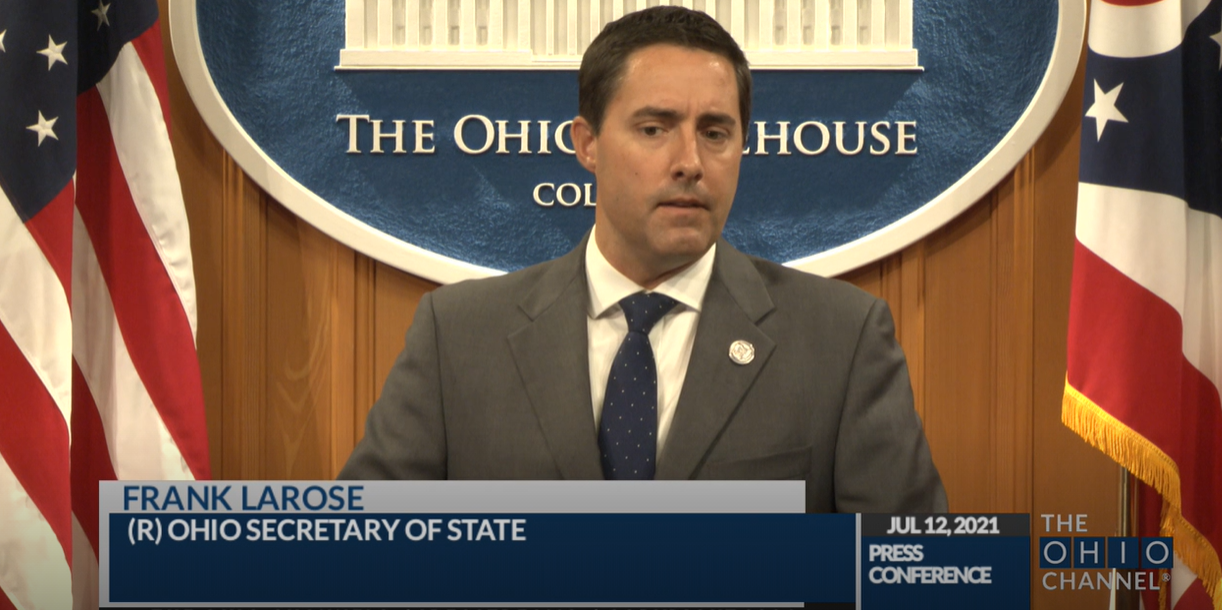
 MARTY SCHLADEN