Tag: HCPH

  • Hamilton County Public Health Achieves National Reaccreditation

    Hamilton County Public Health Achieves National Reaccreditation

    Loveland, Ohio – Hamilton County Public Health (HCPH) has announced it has successfully completed a review process to maintain national accreditation status through the Public Health Accreditation Board (PHAB). In maintaining its accreditation status for another five years, “HCPH has demonstrated that it meets PHAB’s quality standards and measures and has the capacity to continue to evolve, improve and advance to continue improving the health of the residents of Hamilton County.”

    According to a release by the HCPH, “Public health accreditation is a rigorous, multi-year process that represents the measurement of health department performance against a set of nationally recognized, practice-focused and evidence-based standards; the issuance of recognition of achievement of accreditation within a specified time frame by a nationally recognized entity; and the continual development, revision, and distribution of public health standards.”

    “We are proud of the ‘accredited’ designation,” says Hamilton County Health Commissioner Greg Kesterman.  “This recognizes the work this agency performs every day, as well as its ability to adapt and change based on community needs. While we’re certainly proud of this accomplishment, PHAB does not allow complacency, as the accreditation process is one of continuous quality improvement,” Kesterman adds.

  • Breaking News w/video discussion: COVID variant detected in Hamilton County

    Breaking News w/video discussion: COVID variant detected in Hamilton County

    Commonly known as the UK variant

    Loveland, Ohio –Hamilton County Public Health has been informed that surveillance discovered a COVID-19 variant in Hamilton County.  Officially labeled as B.1.1.7 lineage, the variant is commonly known as the UK variant.  Hamilton County is one of at least 11 Ohio counties known to have a variant detected.

    HCPH has completed contact tracing on the patient, who has resolved symptoms and cleared the standard isolation period.  The variant was detected during routine surveillance of tests submitted to the Center for Disease Control (CDC).  The actual test took place on January 30.

    According to the CDC:

    • This variant is estimated to have first emerged in the UK during September 2020.
    • Since December 20, 2020, several countries have reported cases of the B.1.1.7 lineage, including the United States.
    • This variant is associated with increased transmissibility (i.e., more efficient and rapid transmission).
    • In January 2021, scientists from UK reported evidence that suggests the B.1.1.7 variant may be associated with an increased risk of death compared with other variants.
    • Early reports found no evidence to suggest that the variant has any impact on the severity of disease or vaccine efficacy.

    “We’ve known about these variants for some time,” says Hamilton County Health Commissioner Greg Kesterman.  “From a prevention standpoint, the response remains the same:  wear a mask; maintain at least six feet of physical distance; wash hands often; and stay home when you are ill.  Also, consider taking vaccine when you are eligible.”  

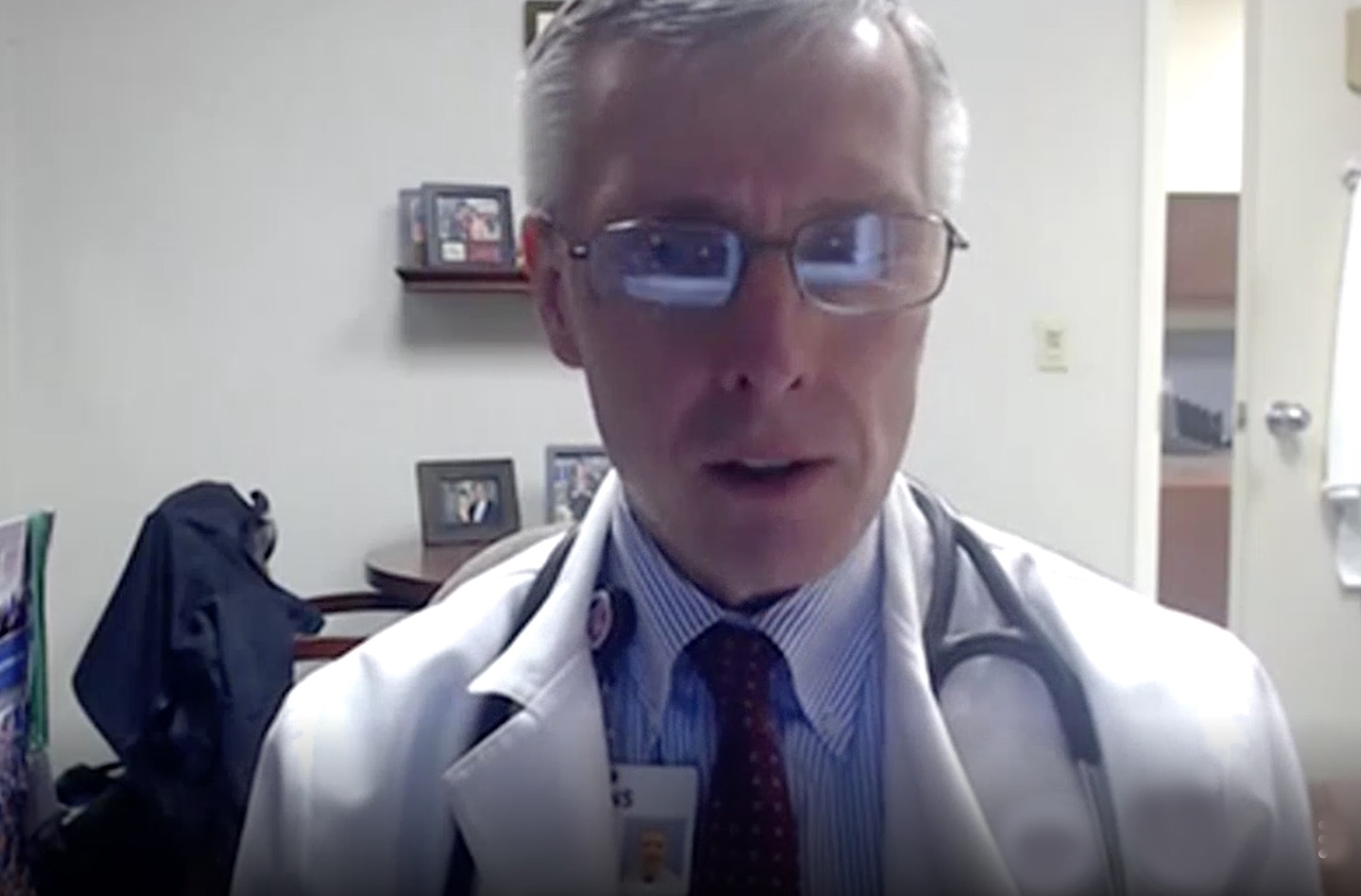
    Here is a discussion of the variant, its prevention, and treatment with Hamilton County Public Health Medical Director Dr. Stephen Feagins.

  • [BREAKING) Hamilton County Public Health Postpones Vaccine Clinics

    [BREAKING) Hamilton County Public Health Postpones Vaccine Clinics

    Loveland and Hamilton County, Ohio – Hamilton County Public Health is postponing its vaccine clinics for TUESDAY, FEBRUARY 16 because of the snow. 

    If you were scheduled to receive the vaccine at either the Hamilton County Board of Elections or the Anderson Center, HCPH has contacted you to reschedule. 

    If you were scheduled for vaccination Tuesday, February 16, your new appointment will be at the same location and the same time as originally scheduled on the following dates:

    • If you were scheduled for the 2nd Dose Clinic at the Anderson Center Tuesday, February 16, your new appointment will take place at the Anderson Center Monday, February 22;
    • If you were scheduled for the 1st Dose Clinic at the Hamilton County Board of Elections, your new appointment will take place at the Hamilton County Board of Elections Monday, February 22;
    • If you were scheduled for 2nd Dose Clinic at the Hamilton County Board of Elections, your new appointment will take place at the Hamilton County Board of Elections Tuesday, February 23.
  • Hamilton County Public Health Awarded HUD Grant to protect children and families from lead-based paint

    Hamilton County Public Health Awarded HUD Grant to protect children and families from lead-based paint

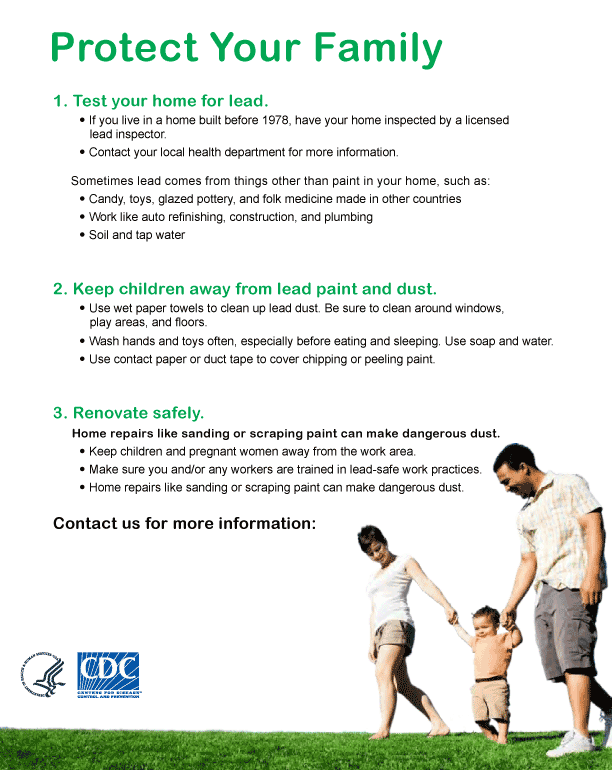
    Hamilton County, Ohio – The U.S. Department of Housing and Urban Development (HUD) has awarded $2 million to Hamilton County Public Health (HCPH) to protect children and families from lead-based paint and home health hazards.  HCPH was one of 44 state and local government agencies in 23 states to receive funding and one of only 15 first-time grantees.  Hamilton County, through its Community Development Block Grant funds, is adding another $300,000 in matching funds for the program.

    In announcing the award, HUD stated that it is providing these grants through its Lead Based Paint Hazard Reduction (LBPHR) Grant Program to identify and clean up dangerous lead in low-income families’ homes. These grant includes funds from HUD’s Healthy Homes Supplemental funding to help communities with housing-related health and safety hazards in addition to lead-based paint hazards.

    “Hamilton County has a considerable number of properties in need of remediation,” according to Hamilton County Health Commissioner Greg Kesterman.  “The age of housing, coupled with a lack of maintenance, contribute to the danger of childhood lead poisoning due to unmitigated lead-based paint hazards.”

    HCPH addresses lead poisoning through its Childhood Lead Poisoning Prevention Program (CLPPP). The CLPPP includes outreach, education, and case management for children under six years of age that have been lead poisoned. Without financial support, properties with outstanding lead hazard control orders stand vacant for years, contributing to further disrepair and blight in the community. The funding will allow HCPH to perform lead-based paint remediation and abatement in 97 units in HCPH’s jurisdiction over the 42-month grant period.

    Lead Poisoning Prevention

    Waste Management conducts investigations of reports of lead poisoning in children under 6 years of age. Certified Lead Risk Assessors inspect homes for potential lead risks from exposure to lead-based paint, dust, soil, or water.

  • Hamilton County Public Health modifies syringe  and harm reduction services during Covid-19 Pandemic

    Hamilton County Public Health modifies syringe and harm reduction services during Covid-19 Pandemic

    Clients can schedule an appointment to receive Narcan via a drive-through service.

    Hamilton County, Ohio – Before COVID-19 commanded the lion’s share of headlines, Hamilton County Public Health (HCPH) was in the midst of another battle — fighting the disease of addiction.

    “We have made some modifications to our program to ensure the health and safety of our clients and our harm reduction team.”

    “We certainly haven’t lost sight of those struggling with addiction,” says Greg Kesterman, interim health commissioner at Hamilton County Public Health. “But we have made some modifications to our program to ensure the health and safety of our clients and our harm reduction team.”

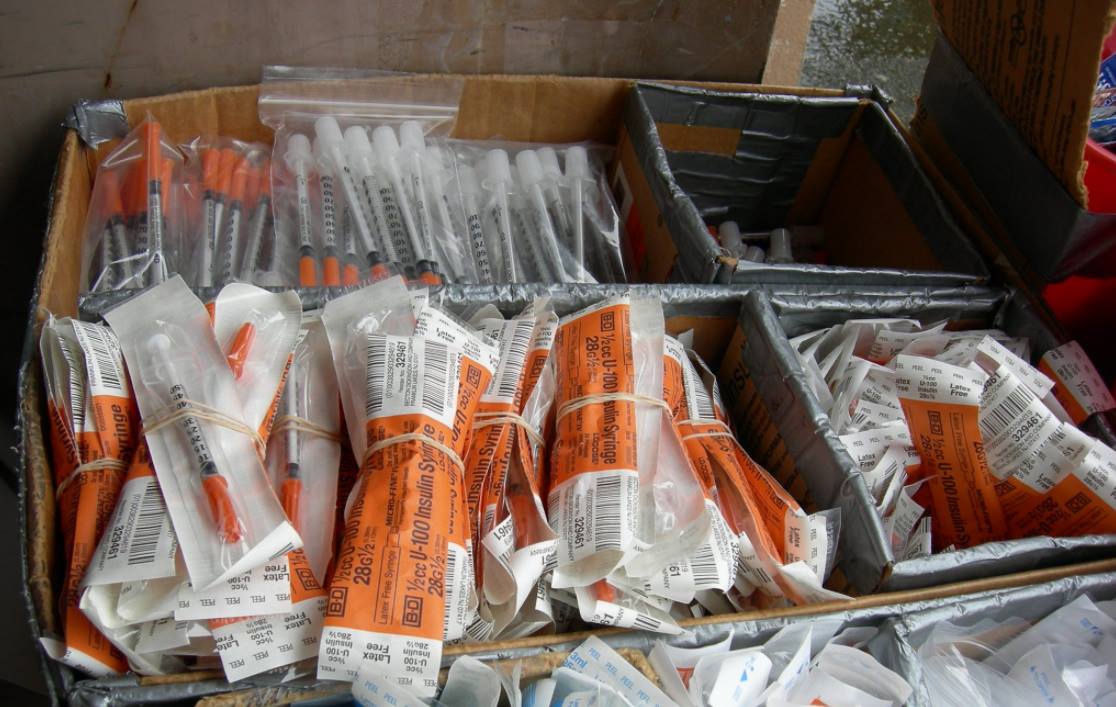
    Syringe services are now available only through an appointment.  Clients will receive a one-month supply of all items offered through the service. Clients can schedule appoints by phone, text, e-mail or through Facebook. Call or text 513-316-7725; log onto Facebook: @hc.xchange; or e-mail ExchangeProject@hamilton-co.org.

    These calls will help clients find healthcare, housing, food or other needed resources.

    In addition to syringe and other exchange service items, the HCPH team implemented a text service for its clients with alerts and messages covering a number of health and safety issues. The team is also reaching out through clients’ preferred communication mediums to check in during the stay-at-home order. These calls will help clients find healthcare, housing, food or other needed resources.

    The HCPH Harm Reduction team is also continuing its distribution of Narcan®.

    The HCPH Harm Reduction team is also continuing its distribution of Narcan®, the overdose-reversing drug. Clients can schedule an appointment to receive Narcan via a drive-through service. To schedule an appointment, call or text 513-946-7676; log on to Facebook: facebook.com/hc.narcan; or e-mail narcan@hamilton-co.org.

    The HCPH team is also working closely with the Hamilton County Justice Center to ensure inmates released from incarceration have the appropriate resources. Each inmate will receive resource information in their property bags upon release. Finally, addiction treatment providers are operating during the COVID-19 pandemic.  The HCPH team is available to help clients navigate the referral process to enter treatment.

    “These are difficult times for all of us, but certainly for those with additional medical challenges,” Kesterman adds.  “Even though we are all working to comply with stay-at-home requirements, our clients’ needs don’t go away. That’s what we’re here for.”


  • State and County statements on coronavirus (COVID-19)

    State and County statements on coronavirus (COVID-19)

    “Fortunately, we have had no confirmations of COVID-19.”

    HAMILTON COUNTY, OHIO– Hamilton County Public Health (HCPH), as one of 113 local health departments in Ohio, is part of a highly-organized prevention and response effort for the coronavirus, or COVID-19 outbreak.  The agency is in lockstep with the Ohio Department of Health (ODH) and the Centers for Disease Control and Prevention (CDC) in managing protocols for prevention and if necessary, mitigation of cases of COVID-19.

    “As of today, there are no confirmed cases of COVID-19 in Ohio,” says Greg Kesterman, interim health commissioner at HCPH.  “We are working diligently with resources at the local, state and federal levels to make sure our response plan is up-to-date, our partners are well-informed, and the healthcare community knows exactly how to handle any eventuality.”

    Symptoms of the COVID-19 in people who have been exposed can include fever, cough and shortness of breath. The symptoms may appear in as few as two days or as long as 14 days after exposure. Reported illnesses have ranged from people with little-to-no symptoms to people becoming severely ill and dying.

    Current responsibilities for local health departments are working together across Ohio to monitor individuals returning from travel in China and other countries.  ODH is informed of travelers returning to Ohio.  If a traveler returns to Hamilton County, HCPH is responsible for monitoring and quarantining those individuals for 14 days – the incubation period for COVID-19.  Monitoring includes daily temperature checks while the local health department is in constant communication with those quarantined.  If a person develops symptoms during the quarantine period, HCPH helps them get the care they need.

    “To date, we have been responsible for monitoring people who fit the travel criteria established by CDC,” Kesterman says.  “Fortunately, we have had no confirmations of COVID-19.”

    Another important public health responsibility is contact tracing.  If an individual develops symptoms, health department staff track and monitor individuals with whom they may have had contact.  These could include family members, friends, work colleagues or other individuals.

    HCPH and health departments across the State are in constant contact with ODH.  There are regular conference calls with the State and health care facilities to share current information and guidance and to stay on top of ever-changing challenges with the response to coronavirus.

    “The actions that we’re all taking are very similar to our work during the Ebola response in 2014,” Kesterman adds.  “What we’re doing is very typical public health work.  We update plans, track and monitor those potentially exposed and then put protocols into place to prevent the risk of spreading the virus.”

    According to the CDC, imported cases of COVID-19 in travelers have been detected in the U.S. Person-to-person spread of COVID-19 also has been seen among close contacts of returned travelers from Wuhan, China but at this time, this virus is NOT currently spreading in the community in the United States.  The potential public health threat posed by COVID-19 is high, both globally and to the United States.

    But individual risk is dependent on exposure.  For the general American public, who are unlikely to be exposed to this virus at this time, the immediate health risk from COVID-19 is considered low.  Under current circumstances, certain people will have an increased risk of infection, for example healthcare workers caring for patients with COVID-19 and other close contacts of persons with COVID-19.

    Flu is currently a greater threat to public health.  HCPH urges everyone to get a flu shot.  It’s not too late and at the very least, the vaccine can help lessen symptoms and reduce their duration.

    For more information on flu and COVID-19, visit: www.hcph.org; www.cdc.gov; or odh.ohio.gov.


    Ohio Governor DeWine and the Ohio Health Director released an update COVID-19 Prevention and Preparedness Plan

    Ohio Governor Mike DeWine was joined by Ohio Department of Health Director Amy Acton, MD, MPH; Cuyahoga County Health Director Terry Allan, MPH; and MetroHealth President and CEO, Akram Boutros, M.D., FACHE today gave an update on the state’s preparedness and education efforts to limit the potential spread of Coronavirus Disease 2019 (COVID-19). There are no confirmed cases of COVID-19 in Ohio nor anyone currently under investigation for the virus.

    “I want to be clear that the threat of Coronavirus in Ohio and the United States remains low,” said Governor Mike DeWine, “but this could change, and we have to be prepared.  I believe it is imperative that we are open with the public and are communicating information in real-time about the Coronavirus to both inform and educate our communities.  We will communicate what we know, when we know it.”

    COVID-19 is a respiratory virus strain that has only spread in people since December 2019. The Centers for Disease Control and Prevention (CDC) continues to consider the health risk from COVID-19 to be low among the general public in the U.S. However, COVID-19 continues to be an issue of concern internationally and there is potential for an eventual community person-to-person spread to occur in this country. 

    “Since the start of this outbreak, we’ve taken a proactive approach to prepare and carefully monitor potential cases and travelers about COVID-19 in Ohio,” said Dr. Acton. “As the CDC advised, we need to be prepared for community spread of COVID-19. We are working to make sure our healthcare partners, first responders, state agencies, and local health departments have the resources they need to respond.”

    Today Governor DeWine ordered the following action by state agencies:

    •     The Ohio Department of Transportation will post information from the Ohio Department of Health in all state rest areas on hand washing protocols including messages on Ohio Travel TV.
    •     The Departments of Rehabilitation and Corrections and Youth Services will increase frequency and use of disinfectant measures in all their state facilities to protect inmates, families, and staff.
    •     The Governor called on Ohio college and university leaders to urge every student and faculty member on their campuses who have not yet received a shot to get one at their health clinic immediately. 
    •     The Governor is asking our college and university leaders to prohibit college travel to nations where the CDC has recommended no travel, such as China and South Korea. 
    •     The Governor is asking college and universities to take appropriate action to accommodate students who are studying abroad and may need to come back to the United States. 
    •     The Governor is asking the Ohio Department of Aging to continue working with local aging networks to identify the most vulnerable older adults with the highest needs to make sure that plans are in place to meet their needs – whether that is providing additional meals or additional medication or other personal care needs.
    •     The Governor is asking local aging advocates across Ohio to go out into their communities to check on nursing care facilities to ensure that all illness prevention methods are in place.  
    •     The State of Ohio will also be paying aggressive attention to common areas in state-owned buildings, including significantly increased cleaning frequency of these areas and hand sanitizer stations in common lobbies and hallways.

    Governor DeWine announced that on Thursday of next week, the state will be convening a summit in Columbus for all of Ohio’s local public health departments and health commissioners and staff that will include members of the Governor’s Cabinet.   

    Symptoms of the COVID-19 in people who have been exposed can include fever, cough and shortness of breath. The symptoms may appear in as few as two days or as long as 14 days after exposure. Reported illnesses have ranged from people with little-to-no symptoms to people becoming severely ill and dying.

    “As this situation evolves, we will continually update Ohioans through our website, odh.ohio.gov, our Facebook page and our Twitter account,” said Dr. Acton “It’s important to remember that the most accurate and timely information regarding this outbreak is available through the Ohio Department of Health, as well as the CDC.”

    For information and updates related to COVID-19, visit the Ohio Department of Health website at www.odh.ohio.gov or coronavirus.ohio.gov


  • Lead and arsenic contamination found  at Taylor Creek Youth Organization fields

    Lead and arsenic contamination found at Taylor Creek Youth Organization fields

    Hamilton County Public Health (HCPH), working in conjunction with the U.S. Environmental Protection Agency (EPA), have discovered lead and arsenic contamination in fields at Taylor Creek Youth Organization.

    Taylor Creek Youth Organization (TCYO) is a non-profit sports organization located in Hamilton County’s Whitewater Township.  The organization’s sports complex, located at 8015 Furlong Road., provides baseball, softball and soccer fields. In addition, the complex hosts a weekly “turkey shoot” during the winter months.

    A citizen complaint was sent to the Ohio EPA with concern that lead from the turkey shoots could potentially contaminate playing fields. Children and other individuals using the playing fields might potentially be exposed to unsafe levels of lead.

    The Ohio EPA referred the case to Hamilton County Public Health. HCPH staff conducted a visual inspection of the field in closest proximity to the field used for the turkey shoots.  Visual inspection indicated debris from shotgun shells littering the field, as well as particles of a gray metallic substance. Inspectors suspected the substance was lead.

    A licensed lead risk assessor employed by HCPH took soil samples from the field. In addition, a water sample was collected from a hose fixture on the west side of the facility’s concession stand. Test results for soil were returned confirming soil contamination with lead and arsenic. Water sample results showed no contamination.

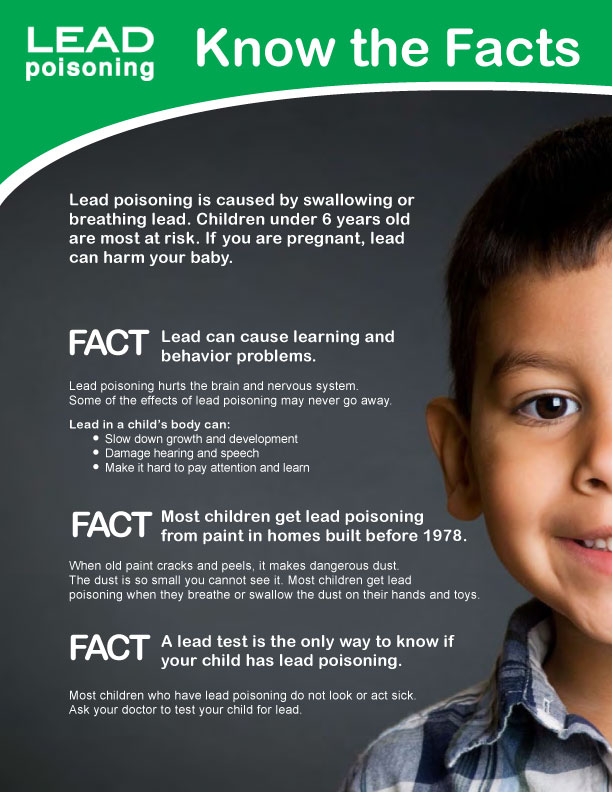
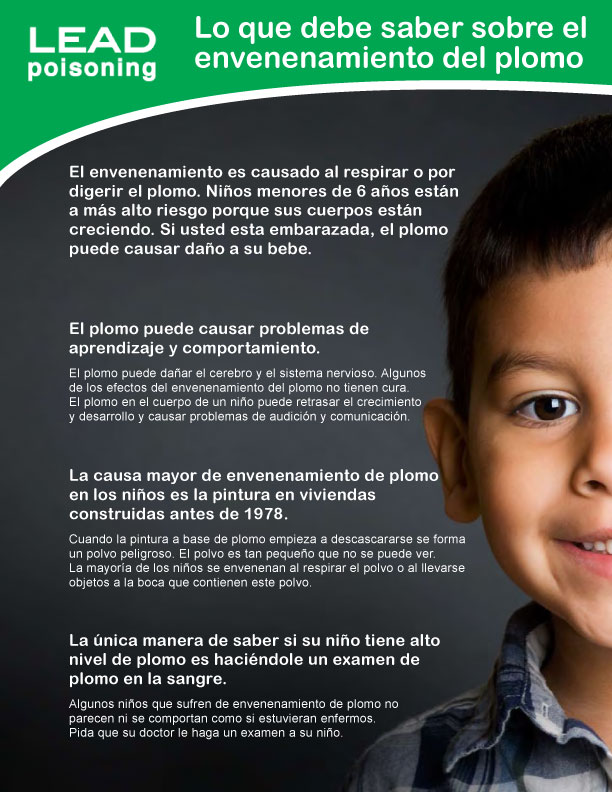
    Lead poisoning is caused by swallowing or breathing lead. Unborn babies and children under six years old are most at risk. Lead poisoning hurts the brain and nervous system and can cause learning and behavior problems.Some of the effects of lead poisoning may never go away. Lead in a child’s body can: slow down growth and development; damage hearing and speech; and make it hard to pay attention and learn.

    Arsenic occurs naturally in soil and minerals and may enter the air, water and land from wind-blown dust and may get into water from runoff and leaching. Breathing high levels of inorganic arsenic can give you a sore throat or irritated lungs.

    Swallowing arsenic can cause nausea and vomiting, decreased production of red and white blood cells, abnormal heart beat, damage to blood vessels, and a sensation of “pins and needles” in hands and feet.

    “While we feel that the potential risks to children who have played on these fields are small, we would advise anyone concerned to consult with their physician,” says Hamilton County Health Commissioner Tim Ingram. “Tests for both lead and arsenic exposure are readily available and easy to administer.

    “The staff at Taylor Creek Youth Organization has been extremely cooperative,” Ingram adds. “They obviously have great concern for the children and others who use the facility and we appreciate the cooperation.”

    Further soil sampling will be conducted to better understand the extent of the contamination. For more information on lead exposure, visit Hamilton County Public Health website at hcph.org and search “lead.”


    Wards Corner Chiropractic & Sports Rehab

      Loveland chiropractor Douglas Portmann, DC at Wards Corner Chiropractic & Sports Rehab is one of the best chiropractors in the Loveland area.