Tag: heart disease

  • Nurse’s Notes: Preventative Healthcare

    Nurse’s Notes: Preventative Healthcare

    Every month, the staff nurses at the Butler County Board of Developmental Disabilities share important health updates. This month, their nurses are talking about preventative healthcare!

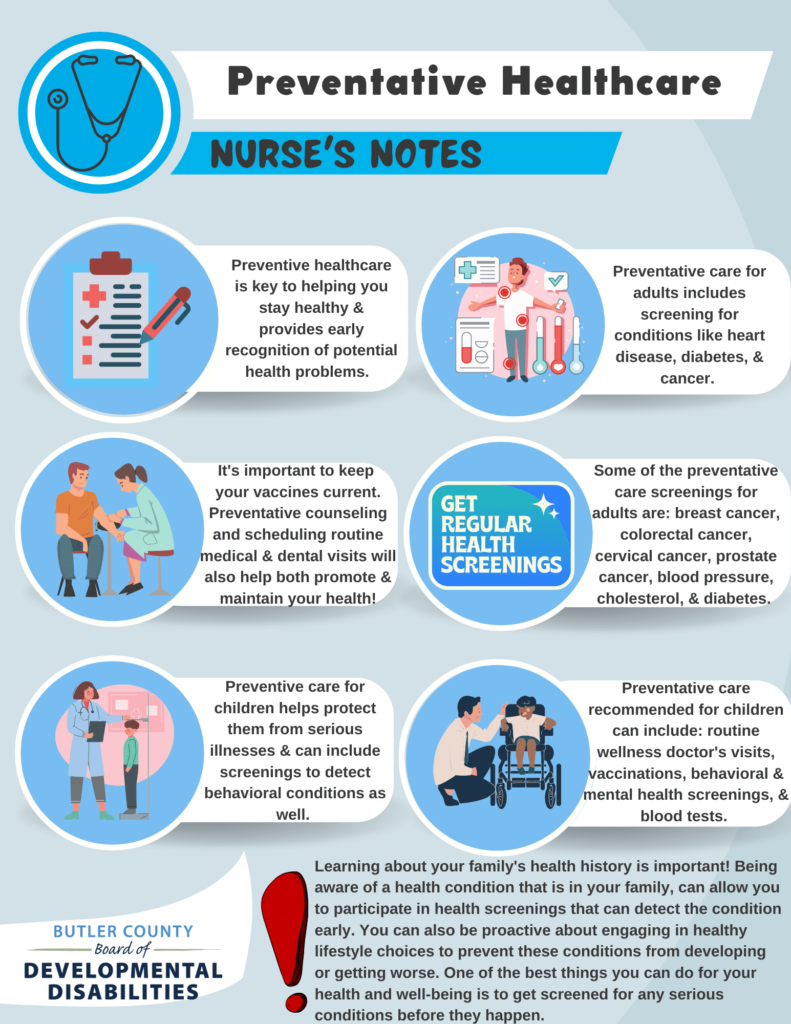
    Preventive healthcare is key to helping you stay healthy and provides early recognition of potential health problems. Seeking preventative healthcare can help you live a longer, healthier life!

    Preventative care for adults typically includes screening for conditions like heart disease, diabetes, and cancer. This also includes counseling and receiving appropriate patient teaching on healthy eating and life habits.

    What are some of the screenings recommended for adults? (Please note that these screenings are recommended based on age and family history).

    • Screenings for breast cancer, colorectal cancer, cervical cancer, and prostate cancer: These types of cancers are affecting men and women the most and early detection can stop or slow the spread and allow early treatment.
    • Screenings for blood pressure, cholesterol, and diabetes: These screenings can detect common conditions that can be treated with basic lifestyle changes and or medications. If left untreated or diagnosed, they can lead to serious diseases and early death.
    • Immunizations: Not only children need vaccines, but adults should also stay on top of their vaccines as well.  Annual flu shots, COVID-19 vaccines and any necessary boosters can help you prevent illness and diseases. Visit the CDC for guidelines on vaccines.
    • Preventative Counseling: Preventative counseling and patient teaching is useful to help us make ongoing positive health related changes to promote a healthy lifestyle.
    • Scheduling routine medical and dental visits:  Annual physicals and routine dental care is valuable to maintain general health and ensure necessary recommended screenings are performed.

    Preventive care for children helps protect them from serious illnesses and can include screenings to detect behavioral conditions as well. Preventive healthcare can help children stay healthy when they’re young and promote healthy decision making as they grow older.

    What preventative care is recommended for children?

    • Well-child visits: Routine visits every few months when your child is an infant, and yearly after that.  Routine immunizations and screenings are also conducted during these visits.
    • Vaccinations: Vaccinations for children protect them from serious diseases now and in the future.
    • Behavioral and mental health screenings: Pediatricians routinely screen children for conditions like autism, depression, and developmental delays.
    • Blood tests: Various blood test screenings can be conducted throughout childhood to detect various diseases.

    Why is knowing your family history important?

    Learning that you have a family history of a serious health condition can be discouraging and stressful, but knowledge is power. When you are aware of a health condition that is in your family, you can participate in health screenings that can detect the condition early, so that treatment is more effective and can be started early on. You can also be proactive about engaging in healthy lifestyle choices to prevent these conditions from developing or getting worse.

    One of the best things you can do for your health and well-being is to get screened for any serious conditions before they happen. That’s what preventive health is about, and why medical experts recommend that all adults and children participate in routine tests, screenings, and immunizations.
    If you have any questions about preventive care and what screenings you or your children should get, be sure to talk with your doctor or healthcare professional. Check to see if you are up to date on your preventative care! 
    The Butler County Board of Developmental Disabilities supports over 3,700 people to live, work, and learn successfully in their community. Supports and services are available life-long through contracts with partner agencies or directly provided by our Board.
    Please visit the website of the Butler County Board of Developmental Disabilities often for more great information about the services that they provide, many of which go beyond the walls of their facilities and take place in the greater community.

    Look for, and subscribe to their newsletters!
  • Biden administration chooses first 10 drugs for Medicare price negotiations

    Biden administration chooses first 10 drugs for Medicare price negotiations

    BY:  Ohio Capital Journal

    WASHINGTON — Medicare can now negotiate lower prices for 10 common high-price drugs, cutting out-of-pocket costs for an estimated 9 million seniors and saving taxpayers billions, the Biden administration said Tuesday.

    Medicare will begin this year to negotiate with the manufacturers of popular medications used to treat blood clots, diabetes, heart disease, rheumatoid arthritis, chronic kidney disease, psoriasis, blood cancers, Crohn’s disease, and ulcerative colitis.

    Enrollees will begin to see lower prices in 2026.

    The prescription drug negotiations are a result of last year’s Inflation Reduction Act, a massive spending package that contained measures to reduce prescription drug prices, subsidize climate change reduction technology and adjust the corporate tax rate.

    “For far too long, Americans have paid more for prescription drugs than any major economy. And while the pharmaceutical industry makes record profits, millions of Americans are forced to choose between paying for medications they need to live or paying for food, rent, and other basic necessities. Those days are ending,” President Joe Biden said in a statement Tuesday.

    About 9 million enrollees in Medicare’s Part D prescription drug coverage program spent $3.4 billion out of pocket in 2022 on the 10 drugs selected for negotiation, according to a report released Tuesday by the U.S. Department of Health and Human Services.

    The 10 drugs are: Eliquis, Enbrel, Entresto, Farxiga, Imbruvica, Januvia, Jardiance, multiple Fiasp and NovoLog insulin products, Stelara and Xarelto.

    Democrats hailed the announcement of the selected drugs. The party held majorities in both the House and Senate when Congress passed the Inflation Reduction Act along party lines in August 2022.

    “For years politicians promised to take on the big drug companies and empower Medicare to negotiate lower drug prices for consumers. With the Inflation Reduction Act Democrats have delivered. Soon millions of Americans will see lower prices on some of the most expensive and widely used prescription drugs,” Senate Majority Leader Chuck Schumer of New York said in a statement Tuesday.

    Sen. Jon Tester, a Montana Democrat, said in a statement that his constituents “should never have to make the choice between life-saving medication or putting food on the table.”

    “I am proud to have stood tough against large pharmaceutical corporations and successfully demand that they stop unnecessarily jacking up prices on folks across the state. Montanans sent me to Washington to deliver results, and I will continue to take on anyone to lower costs,” he said.

    Of the nearly 66 million Americans enrolled in Medicare, 52 million are enrolled in the Part D prescription drug coverage plan, according to the Centers for Medicare and Medicaid Services enrollment dashboard.

    The Inflation Reduction Act also made common adult vaccines, including shingles and TDAP, free for certain Medicare enrollees. Monthly insulin costs for Medicare enrollees were also reduced to $35 for Part D beneficiaries as part of the IRA, and beginning in 2025 annual out-of-pocket prescription drug costs will be capped at $2,000.

    The law’s prescription drug provisions, including the government’s new ability to negotiate what it pays for certain drugs, is expected to reduce the federal deficit by $129 billion by 2031, according to a Congressional Budget Office analysis.

    The government will choose 15 additional Part D-covered drugs in 2025 to negotiate lower prices beginning in 2027. Several more Part D and Part B drugs will be phased in for negotiations through 2029.


    Ashley Murray
    ASHLEY MURRAY

    Ashley Murray covers the nation’s capital as a senior reporter for States Newsroom. Her coverage areas include domestic policy and appropriations.

    MORE FROM AUTHOR

  • Children face special risks from today’s air pollution

    Children face special risks from today’s air pollution

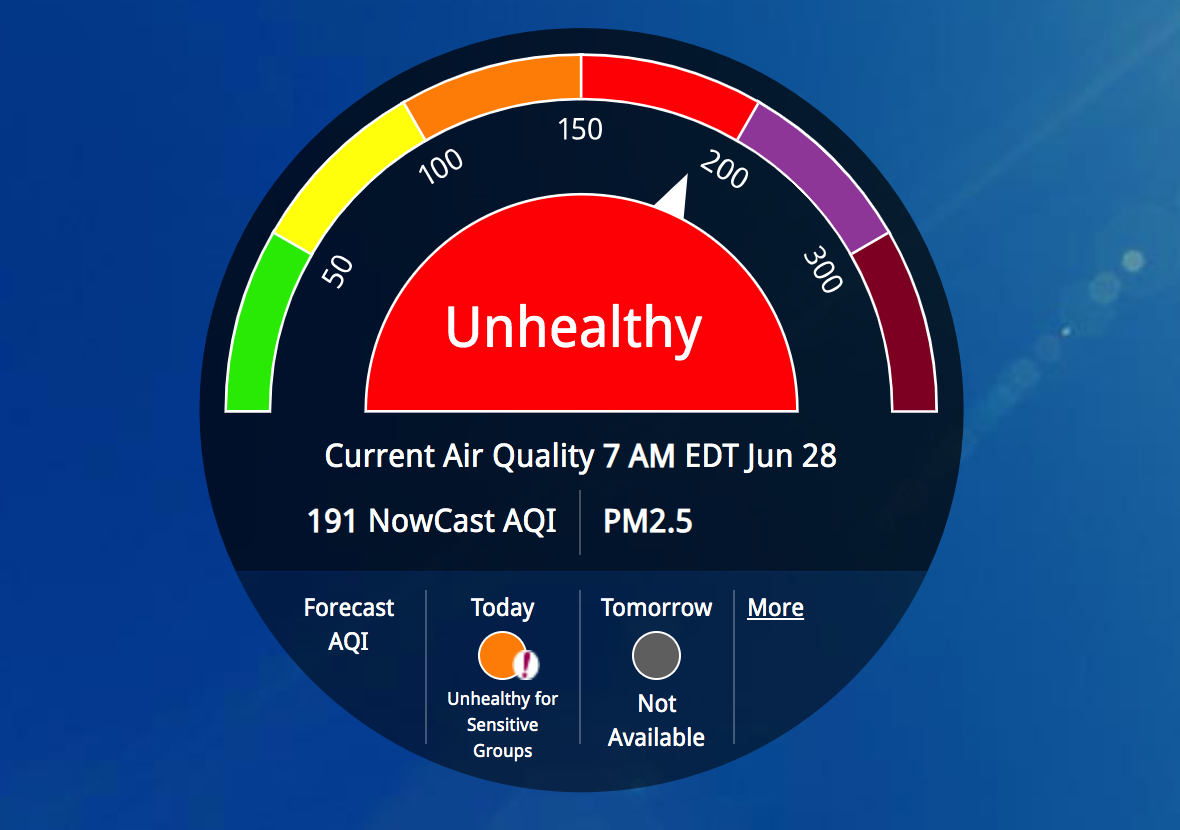
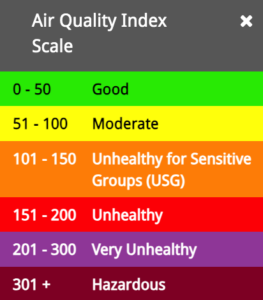
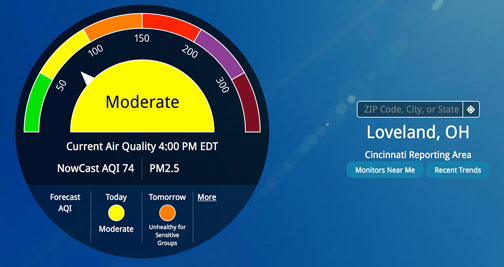
    The Air Quality Index for Loveland, Ohio was in the “Unhealthy” range at 8 AM this morning and approaching the “Very Unhealthy category.
    Do I need to be concerned?

    It’s always smart to pay attention to your air quality, but it’s especially true for people who may be at greater risk. They include:

    • People with heart disease.

    • People with lung disease, including asthma and Chronic Obstructive Pulmonary Disease (COPD).

    • Older adults.

    • Children and teenagers because their lungs are still developing, and they breathe more air per pound of body weight than adults.

    • Pregnant people.

    • Minority populations.

    • Outdoor workers

    Track real-time air quality measurements for Loveland, Ohio

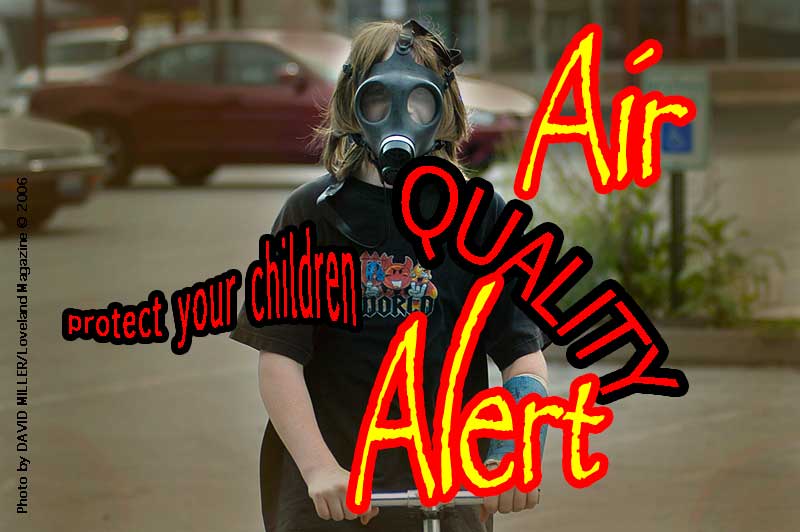
    Loveland, Ohio – Children face special risks from air pollution because their lungs are growing and because they are so active and breathe in a great deal of air according to the American Lung Association.

    “Just like the arms and legs, the largest portion of a child’s lungs will grow long after he or she is born. Eighty percent of their tiny air sacs develop after birth. Those sacs, called the alveoli, are where the life-sustaining transfer of oxygen to the blood takes place. The lungs and their alveoli aren’t fully grown until children become adults. In addition, the body’s defenses that help adults fight off infections are still developing in young bodies. Children have more respiratory infections than adults, which also seems to increase their susceptibility to air pollution. Furthermore, children don’t behave like adults, and their behavior also affects their vulnerability. They are outside for longer periods and are usually more active when outdoors. Consequently, they inhale more polluted outdoor air than adults typically do.”

    Continuing reading from the American Lung Association

    Air Pollution Affects Children Before They Are Born

    Several studies have found air pollution linked to harm to children while they are still in the womb. A large study in California found that higher particle pollution levels increased the risk of preterm birth. Pregnant women exposed to even low levels of particle pollution had higher risk for preterm birth in a Boston study. Preterm births occurred more frequently when particle pollution spiked, as an Australian study found, even when they controlled for other risk factors.

    Air Pollution Limits Lung Growth in Children

    The Southern California Children’s Health study looked at the long-term effects of air pollution on children and teenagers. Tracking 1,759 children who were between ages 10 and 18 from 1993 to 2001, researchers found that those who grew up in more polluted areas face the increased risk of having reduced lung growth, which may never recover to their full capacity. The average drop in lung function was similar to the impact of growing up in a home with parents who smoked.

    Community health studies are pointing to less obvious, but serious effects from year-round exposure to ozone, especially for children. Scientists followed 500 Yale University students and determined that living just four years in a region with high levels of ozone and related co-pollutants was associated with diminished lung function and frequent reports of respiratory symptoms. Another earlier report from the Children’s Health study of 3,300 schoolchildren in Southern California found reduced lung function in girls with asthma and boys who spent more time outdoors in areas with high levels of ozone.

  • High risk conditions for COVID-19 span far and wide in Ohio

    High risk conditions for COVID-19 span far and wide in Ohio

    Along with diseases known to increase risk, the CDC lists 12 other conditions that “might” increase the risk of people who have them. These include other massively common conditions like hypertension, liver disease, pregnancy, smoking and others.

    By Jake Zuckerman and Ohio Capital Journal Edited by Loveland Magazine

    cccccc

    The underlying health conditions that lay a path for severe COVID-19 complications are widespread in Ohio, potentially affecting as much as half the population, according to experts, state data and government research.  

    Take obesity: Ohio Department of Health 2017 survey data estimates that 34% of Ohioans are obese. Similarly, more than 74,000 Ohioans were diagnosed with cancer that same year.

    Dr. Peter Pronovost (Photo by University Hospitals)

    “The statistics are about 60% of the public has one or more chronic diseases,” said Dr. Peter Pronovost, a University Hospitals physician. “Four in 10 have two or more diseases.”

    The ubiquity of chronic disease in Ohio complicates any policy response when there’s no easy-to-draw line between people at low-risk for COVID-19 and those at higher risk levels.

    It also illuminates the reality of a “herd immunity” strategy, as reportedly offered by an influential adviser to President Donald Trump. This would entail allowing the virus to run its course through the population unimpeded, purportedly allowing healthier people to develop antibodies at a large enough volume to break down chains of transmission.

    The CDC lists eight diseases known to increase risk of severe illness from COVID-19. The list, coupled with data from the Ohio Annual Cancer Report, Behavioral Risk Factor Surveillance System annual report from 2018, and other state and federal sources, shows how deep chronic disease runs in the Buckeye state.

    • Cancer: 74,000 cases diagnosed in 2017
    • Chronic kidney disease: About 15% of U.S. adults have chronic kidney disease, per the CDC
    • COPD (chronic obstructive pulmonary disease): 8.3% of Ohio adults have COPD
    • Immunocompromised state from solid organ transplant: 1,916 Ohioans received organ transplants in 2019
    • Obesity: 34% of Ohio adults are obese. An additional 34% are overweight
    • Serious heart conditions: Heart disease is the leading cause of death in Ohio
    • Sickle cell disease: Not tracked population wide, but 181 newborns in 2019 tested for the disease, and another 3,444 newborns are carriers
    • Type 2 diabetes: 11.3% of Ohio adults are diabetic — about 1 million people

    According to recent CDC research analyzing survey data from more than 3,000 U.S. counties, nearly half the population had at least one condition placing them at high risk for COVID-19 complications.

    In rural counties, it’s even higher.  

    Dr. Nirav Vakharia (Photo by the Cleveland Clinic)

    “When we go beyond age as a risk factor … if we’re just thinking about these chronic diseases, they’re so prevalent, it’s hard to isolate a young, healthy cohort,” said Dr. Nirav Vakharia, a physician from the Cleveland Clinic.

    Health care groups in Ohio are undertaking different efforts to help residents with some of these conditions to stay at home.

    LifeCare Alliance, an in-home health care agency, has seen a spike in the number of meals it has delivered to the homes of its diabetic patients since the pandemic began.

    “If you have diabetes, the chances of you having a mild case of the coronavirus is much less — you’re gonna have a harder case, because your immune system just can’t fight it off,” said CEO Charles Gehring. “Patients have been scared to death by coronavirus.”

    Similarly, Pronovost, the chief clinical transformation officer with University Hospitals, said the health care network recently accelerated its efforts to provide proactive care for people with chronic diseases.

    He said staff is reaching out to patients to ensure they’re properly managing and controlling their diseases, like keeping insulin or blood pressure at healthy levels.

    “The idea is we want to make sure chronic disease people are doing all they can to avoid being hospitalized and avoid needing to go to the [emergency room],” he said.

    Early data shows the network reduced hospital admissions of certain chronic disease patients by 28%, and emergency visits by 79%, he said. 

    “The idea is we want to make sure chronic disease people are doing all they can to avoid being hospitalized and avoid needing to go to the [emergency room],” he said.

    Along with diseases known to increase risk, the CDC lists 12 conditions that “might” increase the risk of people who have them. These include other massively common conditions like hypertension, liver disease, pregnancy, smoking and others.

    As of Wednesday, COVID-19 has killed 4,176 Ohioans. The virus has infected nearly 120,000 state residents and put more than 13,500 in the hospital.

    Jake ZuckermanJake Zuckerman is a statehouse reporter. He spent three years chronicling the West Virginia Legislature for The Charleston Gazette-Mail after covering cops and courts for The Northern Virginia Daily.
  • Air Quality Advisory has been declared for Loveland, on Friday, Jul 17

    Air Quality Advisory has been declared for Loveland, on Friday, Jul 17

    Active children and adults, people with heart and lung disease, including asthma, and older adults should reduce prolonged or heavy outdoor exertion. 

    Air Quality Forecast is 105 AQI for Thursday, July 17

    The Southwest Ohio Air Quality Agency has issued an Air Quality Alert for Friday, July 17 for Butler, Clermont, Hamilton, and Warren counties in Ohio; Boone, Campbell, and Kenton counties in Kentucky; and Dearborn County in Indiana.

    You can help protect those most vulnerable
    • Take the bus, carpool, bike or walk instead of driving
    • Refuel your vehicle after 8 p.m.; do not top off when refueling and tighten the gas cap
    • Avoid idling your vehicle
    • Combine trips or eliminate unnecessary vehicle trips
    • Keep your vehicle maintained with properly inflated tires and timely oil changes
    • Avoid use of gasoline-powered lawn equipment on Air Quality Advisory days
    • Avoid use of oil-based paints and stains on Air Quality Advisory days
    • Never burn leaves or other yard trimmings
    • Always burn clean, seasoned wood in outdoor fire pits, fireplaces and wood stoves
    • Do not use fire pits or fireplaces for non-essential home heating on Air Quality Advisory days
    • Conserve electricity

    You can check the current air quality by clicking on this image and entering a ZIP Code.

    If you find that having this type of local news adds value to your quality of life, kindly consider contributing to the cost of producing it.