Tag: Impeachment

  • A tale of two countries and two parties

    A tale of two countries and two parties

    by Mark P. Painter

    In 2016 one country elected a narcistic, opportunist, bigoted, congenital liar, claiming populism but born to wealth and privilege, a cheating and mostly failed businessman, to head the party and the government. He proceeded to appoint grifters and incompetents to the cabinet, valued loyalty to himself above loyalty to the country. He lied to the country, his colleagues, courts, and then lied about the lies. He was clearly the worst and most dangerous leader the country ever had.

    But his party allowed, even encouraged, his behavior. Except for a very few righteous Republicans—who were drummed out—the party became his enablers, parroting his lies and excusing his behavior. Other enablers—corrupt media—also spread the lies as fact, duping many people.

    His party even had a chance to remove him, twice, to stop the harm. But they still abetted his designs. The whole party was trapped by the Orwellian Big Lies they helped spread.

    Even after he was defeated by a vote of the people, most party members backed his lies. In effect, they sanctioned his efforts to cling to power by subverting democracy. When he attempted to stage a coup—a rejection of democracy itself—those who could act stayed silent. Yes, a few criticized the leader for sedition—but they quickly backtracked and again swore fealty to an aspiring tyrant.  

    Now this country stands in danger of another coup attempt.

    Now this country stands in danger of another coup attempt. The danger is real—we are just now seeing the full and awful truth of January 6. And the leader, far from being disgraced, stands tall in his party still—and remains a threat to our very democracy.

    In 2019 another country, albeit through a different but democratic system, elected a narcistic, bigoted, congenital liar, claiming populism but born to wealth and privilege, to head the party and the government. He proceeded to appoint grifters and incompetents to the cabinet, valued loyalty to himself above loyalty to the country. He lied to everyone about everything. He broke laws and rules that he himself had enacted.  

    Some in his party criticized him. But not nearly enough. But he went too far—he lied to the legislature and was caught. About a month after that, leaders of his own party denounced him. They went to him and told him he must resign. And he did. He is now disgraced and no longer a danger to his country or the world.

    In three years, Great Britain ridded itself of a cancer.  In the United States, we still have ours after six. 

  • Ohio Secretary of State says he didn’t call for Supreme Court chief’s ouster

    Ohio Secretary of State says he didn’t call for Supreme Court chief’s ouster

    (Photo by Susan Tebben, OCJ.) 

    BY: MARTY SCHLADEN – Ohio Capital Journal

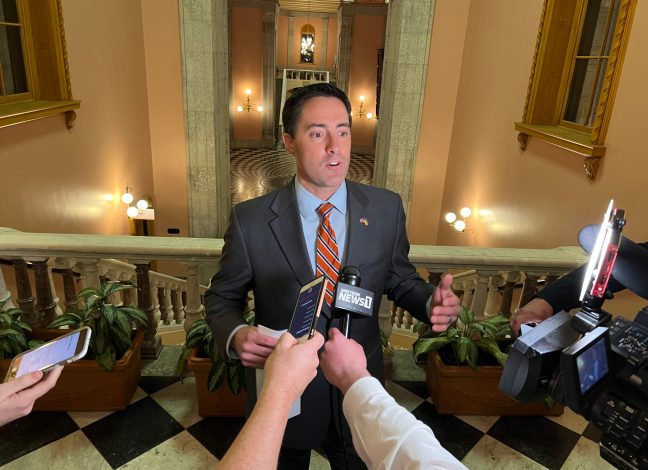
    Ohio Secretary of State Frank LaRose on Tuesday denied that he had called for the impeachment of Ohio Supreme Court Chief Justice Maureen O’Connor after she had repeatedly ruled against LaRose and the rest of her fellow Republicans on the Ohio Redistricting Commission.

    LaRose’s comments come four days  after he told a group of Union County Republicans that Justice O’Connor had “violated her oath of office” and that for the legislature to impeach her  “may be the right thing to do”.

    Audio obtained by the OCJ of Secretary Frank LaRose speaking at a Union County Republicans breakfast last week.

    The state’s top elections official was at the Franklin County Board of Elections on Tuesday as he kicked off early voting for most of this year’s primaries. It won’t include ballots for state legislative candidates because of a dispute over gerrymandering — a fracas over the boundaries of the districts in which members of the state House and Senate will run. 

    Tired, apparently, of partisan gerrymandering, Ohio voters in 2015 overwhelmingly approved a constitutional amendment that requires districts be drawn so that the partisan makeup of the legislature resembles the partisan breakdown in recent statewide elections. 

    That’s not how things stand now. Republicans have won recent elections with about 54% of the vote, but they control 65% of the seats in the state House and 78% of the state Senate.

    This year, using the new system for the first time, the five Republicans on the seven-member redistricting commission have passed four sets of maps that O’Connor and the three Democrats on the Supreme Court have ruled are too partisan.

    Republican Justice Pat DeWine has continued to sit in the case even though several ethics experts have said he has a clear conflict because his father, Gov. Mike DeWine, is a member of the redistricting commission. Justice DeWine has voted in favor of upholding the maps that his father and the other Republicans have passed.

    Meanwhile, Republican frustration with O’Connor, who will leave the court at the end of the year, has been boiling over. Some Republican members of the legislature last month floated the idea of impeachment.

    Gov. DeWine called the notion “extraordinary” and said it’s a bad idea to talk about removing judges whenever one disagrees with their decisions. But LaRose, the secretary of state, wasn’t so reticent on Friday when asked at a Union County Republican breakfast if O’Connor should be impeached.

    “I think that she has not upheld her oath of office, and that to me is a basic test of a public servant,” he said. “That’s up to the state legislature, whether they want to impeach the chief justice or not. I certainly wouldn’t oppose it.”

    LaRose stipulated that any impeachment would take so long that “it may feel really good, and it may be the right thing to do because she’s violated her oath of office by making up what she wants the law to say instead of interpreting what it actually says. But I don’t know if it would accomplish much, but I’d be fine with it if they did.”

    At Tuesday’s event, LaRose tried to draw a distinction between saying impeachment may be the right thing to do and actually calling for it.  

    “The thing that I did was not call for anybody to be impeached,” he said. “I answered a question that was asked at a little breakfast gathering where I was with a group of supporters in Union County and what I said was, ‘It’s up to the state legislature.’ There are 33 senators and 99 representatives. If they gather evidence and hold that trial for an impeachment, if they decide as the people’s representatives to do that, then I don’t oppose that.”

    LaRose and some legislative Republicans are not alone in being frustrated by the redistricting battle. For the second time, the Supreme Court has ordered members of the commission to show why they shouldn’t be held in contempt for failing to pass maps that comply with the court’s interpretation of the state Constitution. Responses were submitted on Monday.

    Some members have argued that they shouldn’t be held individually liable for the actions of a seven-member body they don’t control. And some have argued for the court to simply impose maps on the commission would overstep its powers as a judicial body.

    LaRose on Tuesday said holding contempt proceedings is another overreach.

    “It’s a ridiculous idea that a co-equal branch of government would be held in contempt for doing our job in a way that the court doesn’t like,” he said. “What we have attempted to do all throughout this process is follow the rules that are set out in the Constitution — and not just the one part of the Constitution that the court seems to be focusing on, but all of the line-drawing rules in the Ohio Constitution.”

    LaRose was asked if he was attacking a co-equal body by publicly saying that he, a statewide official, was OK with the impeachment of a Supreme Court justice who had ruled against him.

    “Certainly not,” he said. “The Constitution lays out the process for impeaching and removing a justice from the Ohio Supreme Court or other elected officials. That’s not a power I have. I can express my opinion as a citizen just like any of us can and what I was telling this group of supporters in Union County a couple days ago is that if the state legislature found evidence and carried out that process, then I wouldn’t stand in the way of that.

    “And I certainly have concerns that the court has delved into really the politics of this more than they should have. But that’s a choice up to the General Assembly and certainly not a choice I get to make. I was simply expressing my opinion,” he said.

    Democratic Secretary of State candidate Chelsea Clark said LaRose’s comments about O’Connor make him unfit for his office.

    “It’s now obvious to anyone that Frank LaRose can’t be trusted to administer organized elections and now when he’s called out for the chaos, he wants to blame the referees,” she said in an email. “To claim ‘it would feel good’ to impeach the chief justice because he disagrees with the court’s rendering is pathetic. For someone who claims to believe in separation of powers, Secretary LaRose has no problem trying to overturn the will of the people.”

    LaRose on Tuesday said primary elections for legislative seats most likely will take place in August.

  • House GOP leader on Justice Maureen O’Connor impeachment: ‘All options are on the table’

    House GOP leader on Justice Maureen O’Connor impeachment: ‘All options are on the table’

    BY: JAKE ZUCKERMAN AND NICK EVANS – Ohio Capital Journal

    Columbus, Ohio – A ranking House Republican left open the possibility of impeaching the chief justice of the Ohio Supreme Court, which this week rejected Republicans’ third proposed legislative redistricting map. 

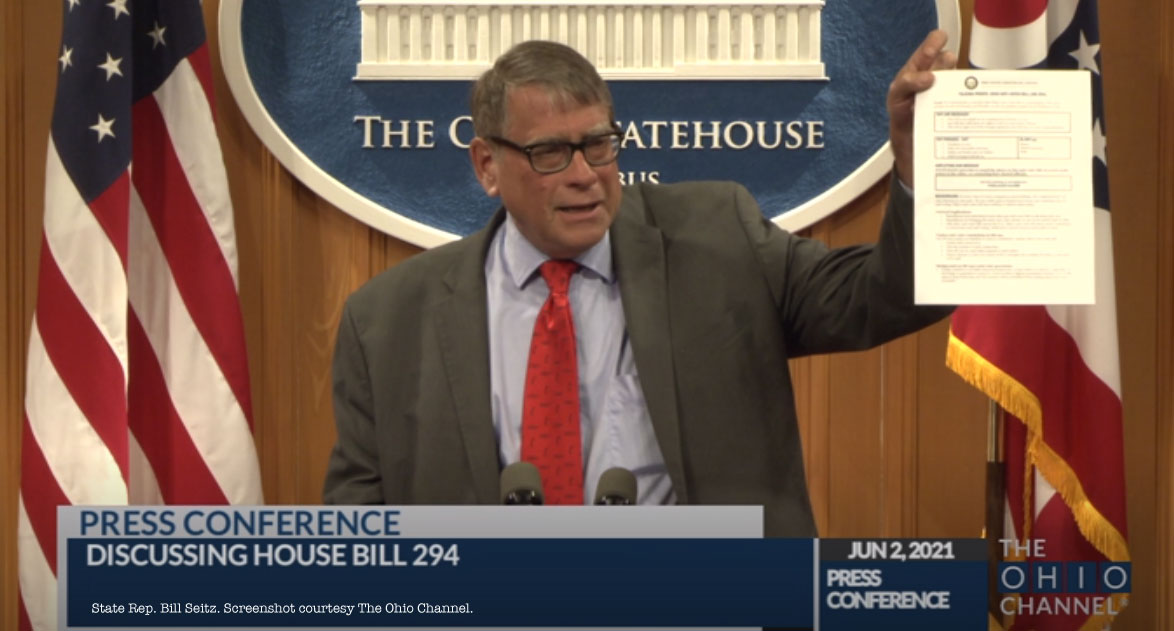
    During a private GOP caucus phone call Thursday, House Majority Leader Bill Seitz and Rep. Jon Cross voiced support for impeaching Justice Maureen O’Connor, according to a person on the call. O’Connor, also a Republican, has acted as a swing vote on two high-stakes redistricting cases and sided with Democrats on the bench finding the maps disproportionately favored Republicans in violation of the Ohio Constitution. 

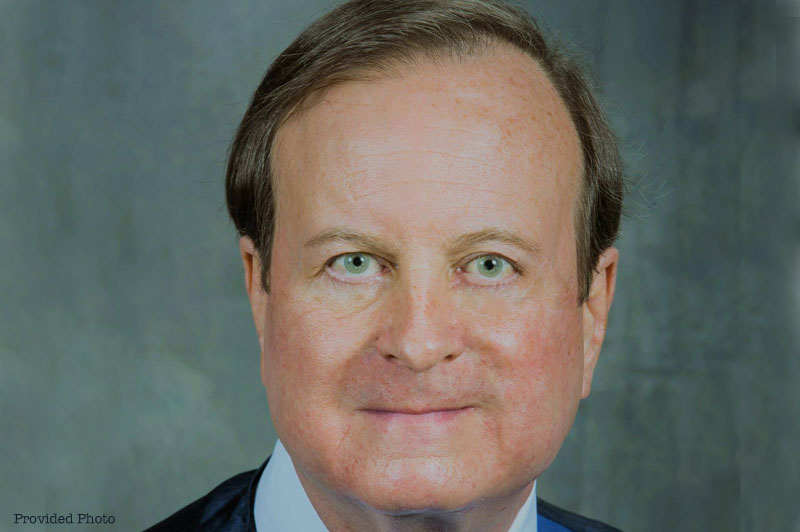
    Justice Maureen O’Connor

    Through a spokesman, Seitz, a longtime Cincinnati lawmaker and influential caucus member, declined to comment on caucus discussions but said Friday “nothing has been decided, and that all options are on the table.”

    Cross, a Kenton Republican, declined comment, noting “we (I) don’t comment about caucus meetings.”

    The call, held Thursday afternoon, lasted about 20 minutes, the source on the call said. In it, Seitz presented an argument that included old precedent for the House moving to impeach a justice after an unfavorable court decision. 

    When Cross offered what was described as a more fiery argument for impeachment, House Speaker Bob Cupp, R-Lima, ended the call, according to the source. Cupp’s office did not respond to requests for comment about the caucus call or his position on impeachment. 

    Cupp spent six years on the Ohio Supreme Court bench, serving alongside O’Connor for his entire tenure.

    On Facebook Thursday, hours before the caucus call, Cross wrote “enough is enough,” and that O’Connor had violated Ohio law related to altering the time, place or manner of an election.

    The claim about Seitz’ support marks the most senior legislator in favor of the possibility of impeaching O’Connor. Also Thursday, Rep. Scott Wiggam, R-Wooster, a committee chairman, said on social media “it’s time to impeach Maureen O’Connor now.

    https://twitter.com/Scott_Wiggam/status/1504496308584919044

    The hubbub comes in response to the court’s redistricting ruling late Wednesday evening. A four-justice majority found “beyond a reasonable doubt” that the most recent maps violated the constitution, particularly the provisions prohibiting partisan favoritism. While uncertainty remains, the ruling could force lawmakers to either move the May primary election date or create a second primary election date for non-statewide races. In a letter this week, Secretary of State Frank LaRose indicated the plan for now is to proceed with two separate primary elections.

    The decision on whether to pursue impeachment won’t be up to him, but Gov. Mike DeWine advised against the move Friday. 

    “This is an extraordinary measure to take,” he said. “I think we don’t want to go down that pathway, because we disagree with a decision by a court, because we disagree with a decision by an individual judge or justice. Not a good idea.”

    Three House Republicans publicly floated the concept of impeaching DeWine himself in 2020 for his COVID-19 response. The idea went nowhere. 

    The Supreme Court is currently reviewing a second, GOP-proposed congressional redistricting map after overturning the first effort on constitutional grounds. 

    Not long before the redistricting fiasco, O’Connor publicly broke from Republicans on judicial integrity. The Ohio Republican Party, with the 2020 presidential election looming, blasted a lower court’s ruling on election procedures and Franklin County Common Pleas Judge Richard Frye as a “partisan judge.” In an unusual move, O’Connor called the statement “disgraceful” and “deceitful” and emphasized the concept of judicial independence. 

    “This is a blatant and unfounded attack on the independence of the Ohio judiciary,” she wrote. 

    “To accuse a judge of deciding the matter before him on partisan politics and further accuse the judge of ‘obstruction of his judicial responsibility’ is without merit and is meant to further the false narrative that judges have no conscience, no legal responsibilities, and no capacity to decide what the law is beyond the raw politics of the issue.”

    An impeachment would be an extreme, though not unprecedented reaction. In fact, the Ohio Legislative Service Commission notes all eight impeachments in Ohio’s history were against judges. For instance, in 1808, members of the Ohio House grew angry enough at a ruling by Justice George Tod that they sought his impeachment. He survived via one vote in the state Senate, according to the court. Justice Calvin Pease was impeached and acquitted as well around the same time. 

    The Ohio Supreme Court gave state lawmakers until March 28 to submit a new proposal. The Ohio Redistricting Commission, a bipartisan panel of statewide and legislative officials, is scheduled to meet Saturday. 

    Morgan Trau contributed to this story.

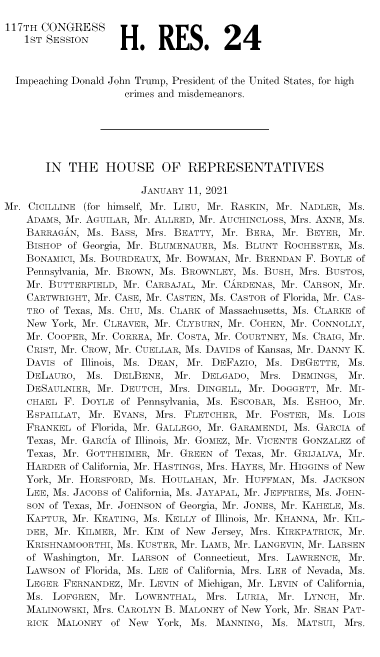
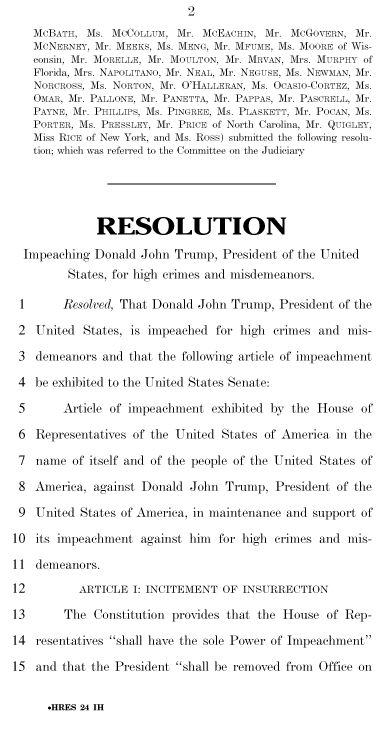
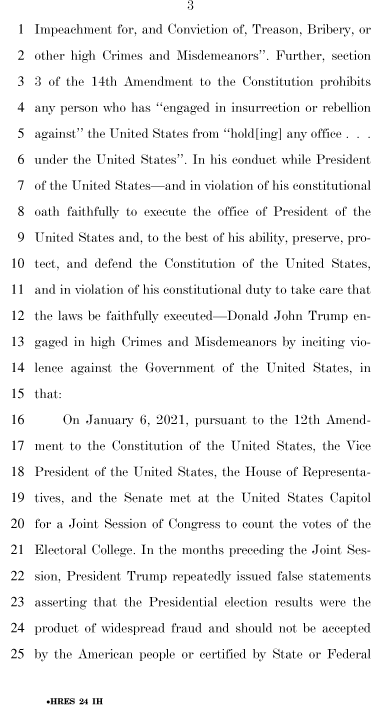
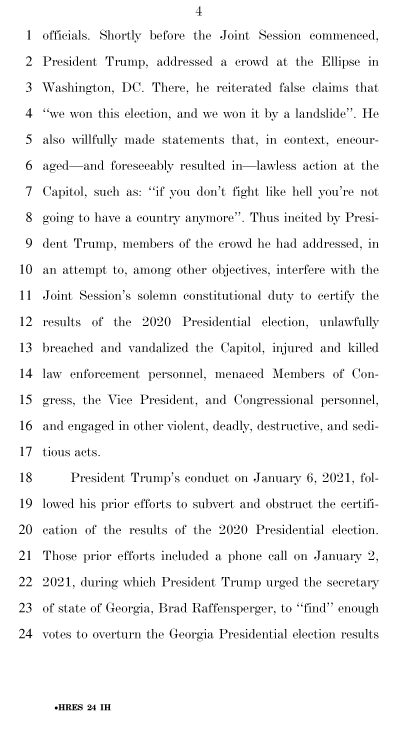
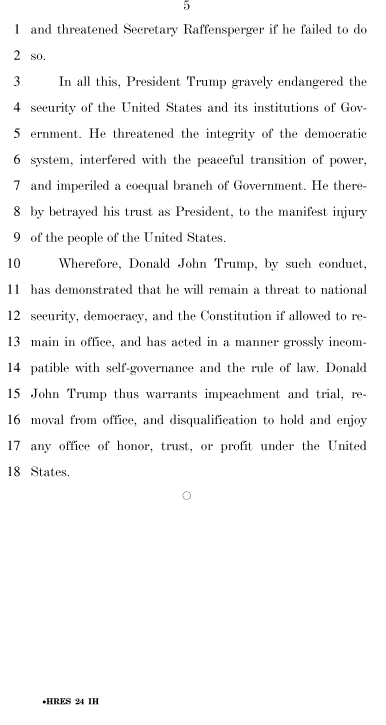
  • President impeached: Chabot and Wenstrup vote “NO”

    President impeached: Chabot and Wenstrup vote “NO”

    Loveland, Ohio – The Republican U.S. House members representing the Loveland area, Steve Chabot and Brad Wenstrup, voted today not to impeach President Donald Trump.

    The President was however impeached for the second time. Today’s vote was:

    231 YES

    197 NO

    5 NO VOTE

    Ten Republicans joined Democrats in voting for impeachment.

    Today’s vote was the second time in 14 months the Democratic-led U.S. House of Representatives has voted to impeach the president.

    Senate Leader, Mitch McConnell has said that he supported the impeachment, however he has neither said whether he will vote for removing the President from office or when he will allow a Senate vote.

    Chabot was one of the few Republicans who spoke today against impeachment during the House session. He did not address the allegations made against the President. He said he was against “snap impeachments”.

    Here are Chabot’s remarks:

    Wenstrup released the following statement after voting today against House Democrats’ articles of impeachment against President Trump:

    EDITOR’S NOTE AND CORRECTION (1/15/21 9 PM):

    Chris Krepich with Congressman Brad Wenstrup’s office contacted Loveland Magazine and informed us that the story we published “President impeached: Chabot and Wenstrup vote “NO” and dated 1/13/2021 “contains an old quote from Congressman Wenstrup regarding a different impeachment.” We apologize to the Congressman and our readers.

    Here is the correct statement:

    Washington, January 13, 2021

    WASHINGTON, D.C.—Today, Congressman Brad Wenstrup (OH-02) issued the following statement after voting against an article of impeachment against the President:

    “President-elect Joe Biden will be sworn in as the 46th President of the United States after running on a promise of uniting the country. Putting the country through another impeachment process in the last week of the President’s term in office will only further divide us. Public officials across the political spectrum need to collectively lower the temperature of our nation. We would best serve our constituents and the country by ensuring an orderly and peaceful transfer of power, rather than forcing through the House a rushed and inherently political impeachment.

    “Democratic leadership has stated they may delay transmitting the article of impeachment to the Senate for up to 100 days, and the Senate has already stated they cannot take up an impeachment trial until after President-elect Biden has been sworn in. Impeachment is a grave power; it must not be exercised in haste.

    “Investigations into the tragic events of January 6th are still ongoing. The facts of the day have not been fully uncovered. However, it is already clear that many came to Washington, D.C., prepared for violence before any words were spoken at the morning rally. It would be prudent to wait for all of the facts to come to light if we are to properly evaluate the gravity of the situation. If Members of Congress want to build a serious and credible case against President Trump, they should wait until we have a complete, factual understanding of what transpired. Given these concerns and limitations, I cannot support this impeachment that is markedly short of due process.

    “In the wake of these events, our nation – all of us – must take a deep breath and do some soul searching. Every individual American needs to take a long look in the mirror and examine what we say, how we say it, and the actions we take.

    “Last Wednesday’s extremely egregious events did not happen in a vacuum. Our country has seen escalating political violence in recent years, and individuals are responsible for the actions they take. Unfortunately, I am no stranger to that political violence, having survived the politically-motivated shooting by a far-left extremist inspired by Bernie Sanders on a baseball field four years ago. I chose then to not – and still do not – hold Senator Sanders responsible.

    “Ultimately, everyone is responsible for their own actions. I said that then, I said that during the riots of the past summer, and I say that again now.

    “Nobody should be encouraging or excusing violent riots of any sort, whether they gripped our cities last summer or infiltrated our Capitol last week. We cannot continue to say things like, ‘You create a crowd. And you push back on them’; ‘you have to go to the streets and be as violent as Antifa, BLM’; and, ‘People do what they do.’ Our words matter, and we cannot give encouragement or acceptance of violent behavior.

    “President Trump’s actions and words during the violence last Wednesday were inappropriate. He failed to quickly and unequivocally condemn the violence wrought upon the Capitol, which was bravely defended by our selfless Capitol Police Officers. Today, the President’s legacy is already entrenched in the minds of every American, as is the legacy of all those who have called for or committed violence in America.

    “The course we are on today will only cause more division rather than the unity we need. I will continue to work toward a more perfect union with peace, prosperity, liberty, and justice for all.”

    ###


    Tyler Buchanan with the Ohio Capital Journal said this afternoon that Chabot voted against certifying the Electoral College count of Pennsylvania, citing baseless claims that widespread fraud led President-elect Joe Biden to win that state. Chabot’s vote was made just a few hours after insurrectionists stormed the U.S. Capitol, a riot that left five dead.

    Marty Schladen reports in the Ohio Capital Journal that Ohio Gov. Mike Dewine called up the National Guard yesterday preparing for a possible attack on the Ohio Statehouse. Threats have been made that armed protests are planed for this Sunday and in conjunction with the Jan. 20 inauguration

    DeWine said he was activating 500 members of the Ohio Guard to protect the Statehouse and the U.S. Capitol. The Ohio Capital is currently being boarded up to prevent unauthorized entrance. The FBI reports that armed-protests are planned in all 50 states.

    You can report suspicious activities and crime by contacting your local FBI office 24 hours a day, seven days a week. You can also submit a tip electronically at tips.fbi.gov. You can contact the local FBI field office at:

    2012 Ronald Reagan Drive
    Cincinnati, OH 45236
    cincinnati.fbi.gov
    (513) 421-4310

    SUBMIT A TIP

    Schladen reports that DeWine said he would activate more members of the Guard if its commander recommends it or if Ohio mayors request a Guard presence in their cities. It “would certainly be our worst fear,” if Capitol Square in Columbus comes to resemble the scene in D.C. last week, the governor said.

    Contact your local FBI office or submit a tip electronically if you have information about:

    • Possible acts of terrorism, including violence, funding, or recruitment;
    • Persons sympathetic to terrorists or terrorist organizations;
    • Suspicious activities that you believe threaten national security, especially suspicious activities that involve foreign powers or foreign organizations;
    • Racial or hate crimes;
    • Organized crime activities;

  • How Trump could quickly be removed from office using the 25th Amendment

    How Trump could quickly be removed from office using the 25th Amendment

    By Laura Olson and Ohio Capital Journal

    A rapidly rising number of federal lawmakers are calling for President Donald Trump to be removed from office, either through a process outlined in the 25th Amendment or through impeachment.

    Democratic Ohio U.S. Sen. Sherrod Brown Thursday called for invocation of the 25th Amendment to hold the president accountable for Wednesday’s riots.

    “The cabinet and vice president should immediately invoke the 25th Amendment to remove him from office, to prevent him from doing more damage between now and Inauguration Day,” Brown said in a statement.

    The Democratic leaders of the U.S. House and Senate gave their support to calls for his removal that began Wednesday, after Trump incited the crowd of supporters that swiftly became a violent, destructive mob that ransacked the Capitol.

    House Speaker Nancy Pelosi on Thursday condemned Trump as having “committed an unspeakable assault on our nation,” and said that if the vice president and Cabinet officials do not seek to remove Trump, that Congress may begin another impeachment process.

    “That is the overwhelming sentiment of my caucus,” Pelosi said, calling it an “emergency of the highest magnitude.”

    Amid those mounting pressures for his removal, Trump released a video Thursday, finally acknowledging that “a new administration” will begin later this month and that he would focus on “ensuring a smooth, orderly, and seamless transition of power.”

    He did not acknowledge any responsibility for the riot, and told his supporters: “Our incredible journey is only just beginning.”

    Trump’s tenure is set to end in a matter of days, when President-elect Joe Biden is sworn in on Jan. 20. It’s not clear if House Democrats would be able to act before then to carry out articles of impeachment, but in theory, invoking the 25th Amendment could be done quickly.

    Seventeen Democrats on the House Judiciary Committee signed a letter urging Vice President Mike Pence to invoke the 25th Amendment. That group included Reps. Jamie Raskin of Maryland; Steve Cohen of Tennessee; Ted Deutch of Florida; Joe Neguse of Colorado; Mary Gay Scanlon and Madeleine Dean of Pennsylvania; Greg Stanton of Arizona; Cori Bush of Missouri; and Hank Johnson and Lucy McBath of Georgia.

    Here’s more on what the 25th Amendment says, and when it has been used before:

    Why was the 25th Amendment added?

    The 25th Amendment to the U.S. Constitution was approved in 1967, in the wake of President John F. Kennedy’s assassination. It was intended to clarify succession procedures in the event that the president dies, is removed from office, or is “unable to discharge the powers and duties of his office.”

    What exactly does the amendment say?

    It makes clear that the vice president becomes president if the president dies, resigns or is removed from office, and that a new vice president must be nominated.

    There’s also a section on temporarily transferring presidential authority to the vice president, intended for scenarios like the president undergoing anesthesia for surgery.

    A final section provides for transferring presidential power if the president is unable to fulfill his constitutional role but he or she cannot or will not step aside. That provision requires approval from the vice president and a majority of either the Cabinet or another body that Congress may designate. Congress has never created such a commission, though Raskin introduced legislation to do so.

    The number of Cabinet officials who could be involved in such a discussion shrunk by one Thursday, when Transportation Secretary Elaine Chao — who is married to Senate Majority Leader Mitch McConnell (R-Ky.) — resigned.

    When has the 25th Amendment been used? 

    President Ronald Reagan invoked it once, and President George W. Bush did twice when the men underwent medical procedures. They transferred authority to their vice presidents for a matter of hours, according to the National Constitution Center.

    What about impeachment?

    Trump already was impeached by the House in December 2019 on charges of abusing his power and obstructing Congress. The Senate acquitted him of those charges in February 2020.

    That process is legally complex and typically unfolds over a matter of weeks or months. And Pelosi declined on Thursday to offer a timeline on what comes next. If Trump were to be impeached and found guilty, it would prevent him from being eligible for public office in the future.

    Who has signed on to the efforts to remove Trump from office?

    A tally from CNN shows more than 30 congressional Democrats in support of removing Trump through the 25th Amendment or impeachment.

    Some Republicans have joined. U.S. Rep. Adam Kinzinger, (R-Ill.), has called for Trump’s removal. Maryland Gov. Larry Hogan, another Republican, told reporters Thursday that the country “would be better off” if Trump resigned or was removed.

    Even the president of the National Association of Manufacturers has urged Pence to invoke the 25th Amendment.

    Biden declined to address calls to invoke the 25th Amendment on Thursday, instead blaming the president for inciting a mob, and labeling the rioters as “domestic terrorists.”

  • GOP lawmaker Rep. John Becker wants to see if DeWine can be criminally charged

    GOP lawmaker Rep. John Becker wants to see if DeWine can be criminally charged

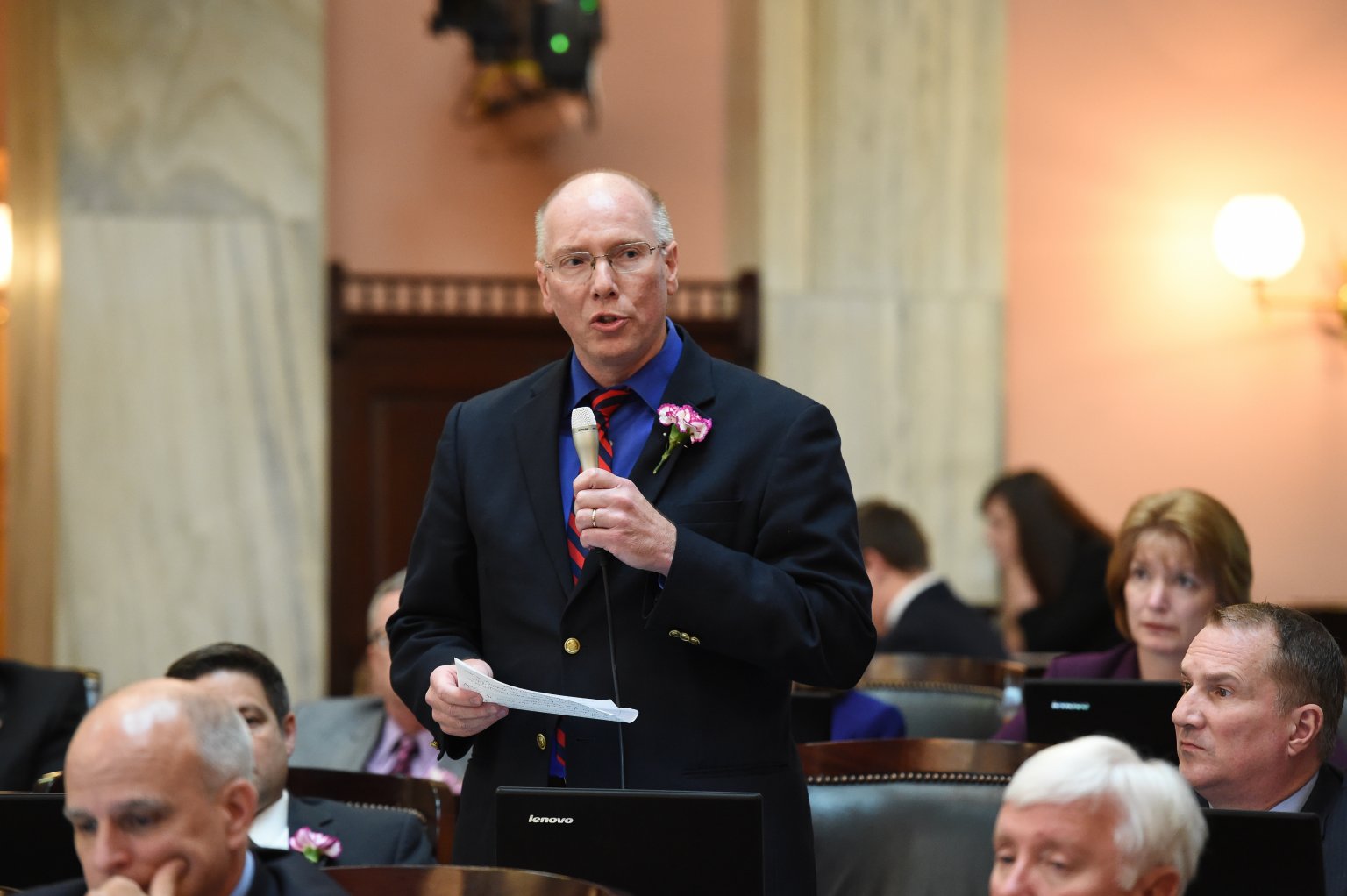
    State Rep. John Becker, R-Union Twp (Photo from Ohio House website)
    vvvv

    vvvv

    With his impeachment effort against the governor making little progress, state Rep. John Becker pulled up his email and brainstormed a late-night solution.

    It was almost 2 a.m. when Becker typed out a request to the Legislative Service Commission, a nonpartisan group that conducts law and policy research for lawmakers. 

    Becker is among the biggest critics of DeWine in the state legislature

    “I believe that Governor DeWine is in violation of (Ohio Revised Code) 2921.45,” Becker wrote in the Sept. 1 email. “What is the process for criminal charges to be filed? Can the (Attorney General) do that? Other options?”

    Still waiting for an answer, Becker sent another 2 a.m. request a few days later. He sought more “legislative history and legal case law” involving the 2921.45 section of code.

    The law states: “No public servant, under color of his office, employment, or authority, shall knowingly deprive, or conspire or attempt to deprive any person of a constitutional or statutory right.” Violators are guilty of a first-degree misdemeanor, punishable by up to 180 days in jail and a $1,000 fine. 

    Becker is among the biggest critics of DeWine in the state legislature and views the governor’s response to COVID-19 as amounting to a “constitutional crisis.” The decision to delay primary election voting, the temporary closure of some businesses, the mask mandate — to Becker, these are the instances of DeWine assuming “dictatorial powers” and violating Ohioans’ constitutional rights.

    Becker wants to see if DeWine can face criminal punishment for his pandemic response.

    “My goal is to get the state opened up and the abuse of power to come to an end,” Becker said to the Ohio Capital Journal.

    Impeachment and criminal charges?

    Throughout 2020, DeWine has relied on a separate section of state law which gives the Ohio Department of Health authority to make “special or standing orders … for preventing the spread of contagious or infectious diseases.” 

    On Aug. 24, Becker announced he had drafted articles of impeachment against DeWine. Three fellow Republican legislators immediately gave support for impeachment: Reps. Nino Vitale of Urbana, Candice Keller of Middletown and Paul Zeltwanger of Urbana.

    There have been a slew of lawsuits and legislative challenges to that authority. Becker sponsored one of the first bills seeking to limit the power of the state health director and many other Republican-sponsored bills have followed. DeWine has vowed to veto any such bill which interferes with the state’s pandemic response. 

    On Aug. 24, Becker announced he had drafted articles of impeachment against DeWine. Three fellow Republican legislators immediately gave support for impeachment: Reps. Nino Vitale of Urbana, Candice Keller of Middletown and Paul Zeltwanger of Urbana.

    “For my colleagues, it’s put up or shut up,” Becker said. 

    Becker claims there was support for impeachment from at least one Republican member who wound up not joining as a sponsor.  

    There was swift backlash from Ohio Republican leaders the day articles were drafted, which Becker thinks quashed any desire for others to join the effort.

    “Nobody wants to touch it,” Becker said. 

    Becker had planned to officially file the articles a week or so after drafting them, but instead is holding off. Once they are filed, no one else can sign on as a sponsor. He’s holding out hope that legislative sentiments may change before the end of 2020. 

    It would take a majority vote from the Ohio House of Representatives to impeach DeWine, then a two-thirds vote from the Ohio Senate to convict him. With only four representatives currently on board, they are 46 supporters short.

    Speaker of the House Bob Cupp, R-Lima, has come out against the impeachment effort, saying that policy disagreements do not rise to the level of removing the governor. 

    “For my colleagues, it’s put up or shut up,” Becker said.

    In a recent YouTube video, Becker acknowledged his colleagues believe the disagreements should be resolved legislatively rather through impeachment. 

    “Frankly I agree,” Becker said. “Legislation was the way to do it and we have tried that, and the governor has promised to veto everything that we’ve put out there attempting to roll back his power.”

    Beyond impeachment, Becker alleges the governor has committed a number of crimes. Among them: that DeWine illegally canceled and rescheduled the primary election.

    Hours before the polls were set to open Ohio Department of Health Director Dr. Amy Acton signed an order preventing the polling places from opening. DeWine and Acton feared holding an in-person election would lead to the virus spreading.

    Ohio primary election dates are set by the state legislature. Lawmakers unanimously approved a new primary election plan involving an all-mail vote conducted throughout all of April. Becker voted for that plan.

    Becker also alleges the mask mandates at churches, public places and businesses are in violation of Ohioans’ civil liberties.

    Becker also alleges the mask mandates at churches, public places and businesses are in violation of Ohioans’ civil liberties. 

    In May, the U.S. Supreme Court denied a request that it block a California law restricting crowd sizes at church services.

    Chief Justice John Roberts, an appointee of President George W. Bush, wrote in the majority opinion that the church restrictions were level with social distancing requirements at other public gatherings. Given the lack of treatment, cure, vaccine or sufficient knowledge about the new disease, he wrote, it’s too early to deem the restrictions unconstitutional.

    “Although California’s guidelines place restrictions on places of worship, the restrictions appear consistent with the Free Exercise Clause of the First Amendment,” he wrote.


    Tyler Buchanan

    Tyler Buchanan is an award-winning journalist who has covered Ohio politics and government for the past decade. A Bellevue native and graduate of Bowling Green State University, he most recently spent 6 1/2 years as a reporter and editor of The Athens Messenger and Vinton-Jackson Courier newspapers. He is a member of the BG News Alumni Society Board and was a 2019 fellow in the Kiplinger Program in Public Affairs Journalism.