Registration coming soon!
Tuesday, July 25, 9 a.m.
 Dr. Dewey Cornell, Professor at the University of Virginia and developer of the Comprehensive School Threat Assessment Guidelines, (CSTAG), will present on School Threat Assessment as a Safe Fair, and Effective Practice in Ohio Schools, which will describe how to implement best practices and resolve student threats, while maintaining a fair and equitable manner.
Tuesday, July 25, 2 p.m.
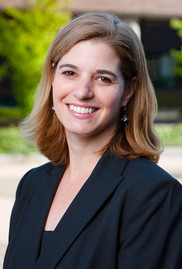 Dr. Amanda Nickerson, Professor and Director of the Alberti Center for Bullying Abuse Prevention at the University at Buffalo, the State University of New York, will speak about Bullying Prevention and Intervention, including solutions, strategies, and resources to promote a safe school climate.
Wednesday, July 26, 9 a.m.
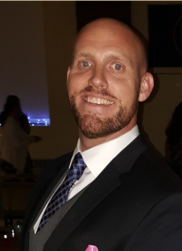 Sgt. William Chapman, a member of the Newtown, Conn. police department, uses his experiences as a Sandy Hook first responder and School Resource Officer to help school districts and law enforcement to develop best practices and will present on Navigating the Unthinkable: A First Responder’s Perspective.
Wednesday, July 26, 2:45 p.m.
Dr. Scott Poland, Professor and Director of the Suicide and Vi olence Prevention Office at Nova Southeastern University, will discuss School Crisis and Liability, including issues involving obtaining parental consent, failure to notify parents, and legal consequences of inadequate threat assessments in schools.
•••••••••••••••••••••••••••••••••••••
The MISSION of the Ohio School Safety Center (OSSC) is to support all Ohio schools and first responders in preventing, preparing for, and responding to threats and acts of violence, including self-harm, through a holistic, solutions-based approach to improving school safety. Using a cross-disciplinary approach, the OSSC will provide resources to schools to enhance their strategies for safety, security, and emergency plan development.
Our goal is total commitment in supporting all schools in ensuring the safety of students, employees, and visitors through effective policies and procedures, training, and community and interagency involvement.
There are four main components to our goal:
- Prevention/Mitigation: Schools can take action to increase the safety and wellbeing of their staff and students. To create a safe and supportive learning environment, schools may institute policies, positive behavior intervention supports, and prevention programs to improve the culture and climate of their building.
- Preparedness: School leaders should be equipped with all the vital resources, information, and expectations to create a comprehensive safety plan and response protocols for any emergency situation, including natural disasters, violent incidents, and terrorist acts – before, during, and after the event.
- Response: Assisting schools with the development of their all-hazards response plan is a key element of our goal. Safety and well-being in an emergency depends on how prepared students and staff are and on how everyone responds to a crisis. By being able to act responsibly and safely, school administrators will be able to protect students, staff and facilities. Our office will strive towards ensuring updates on school safety regulations, directives, policy, and deadlines will be communicated on a regular basis so schools can revise and implement the most current criterion and respond accordingly.
- Recovery: The primary objective of recovery is to provide a caring and supportive school environment so that staff and students can return to teaching and learning as quickly as possible. Creating a system of supports with community social service agencies and local first responders can reinforce the cycle of safety planning and restore the social, emotional and environmental needs of students and staff.