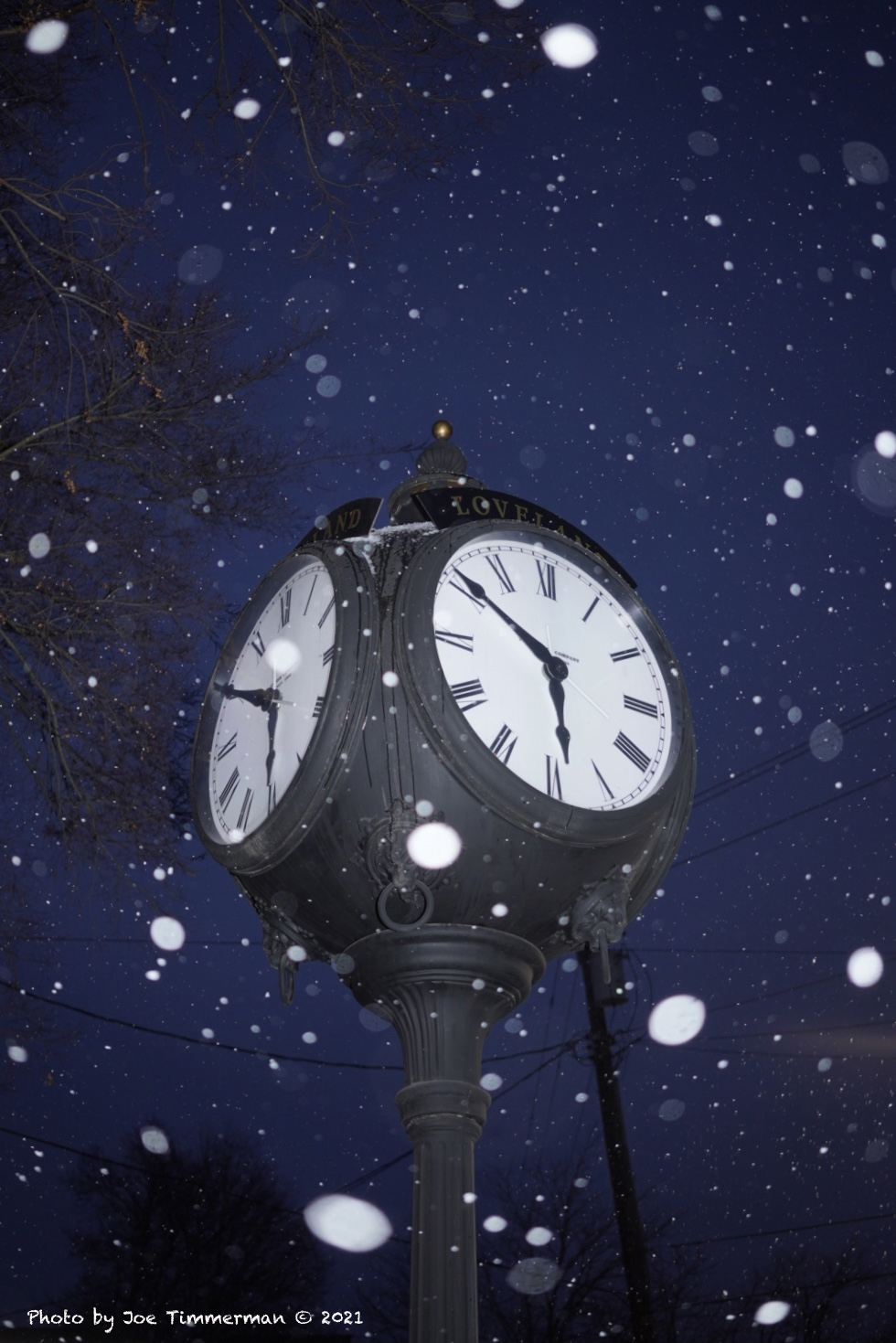
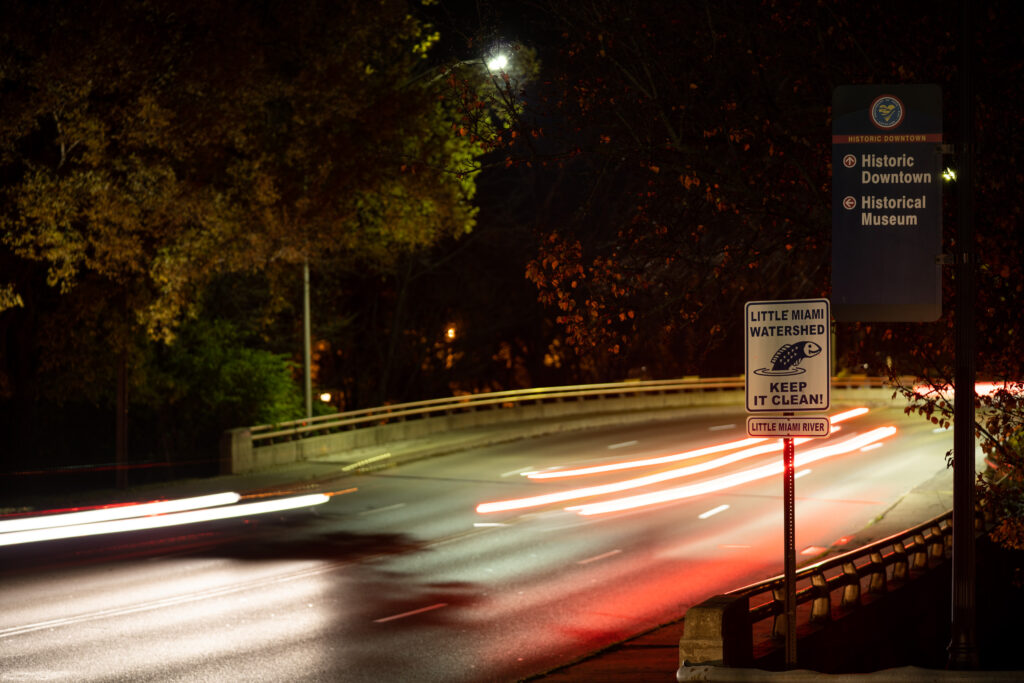
Loveland, Ohio – Joe Timmerman captured this image of the four-sided clock in Historic Downtown this evening. Joe frequently contributes writing and photography to Loveland Magazine.
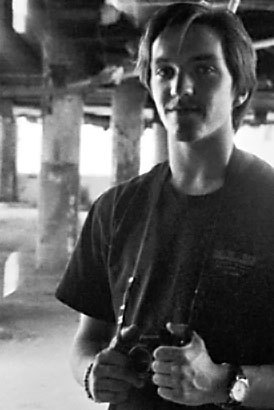
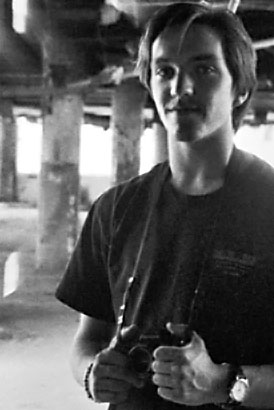
Joe is a Loveland native and graduate of Loveland High School. He is currently a sophomore journalism and photojournalism student at E.W. Scripps School of Journalism and the School of Visual Communications at Ohio University in Athens, Ohio.
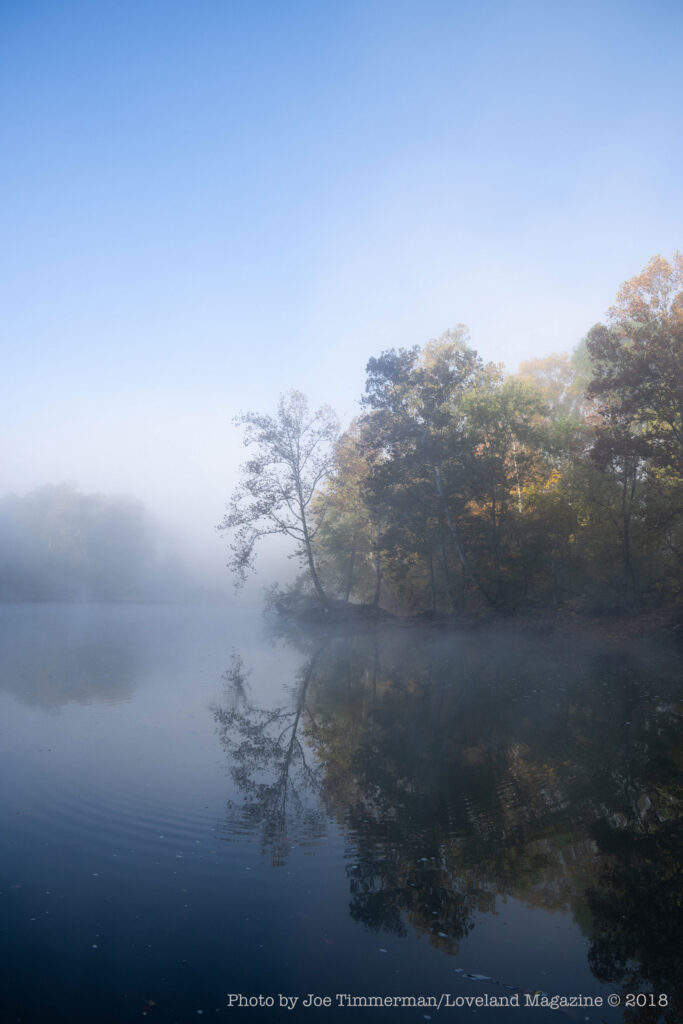
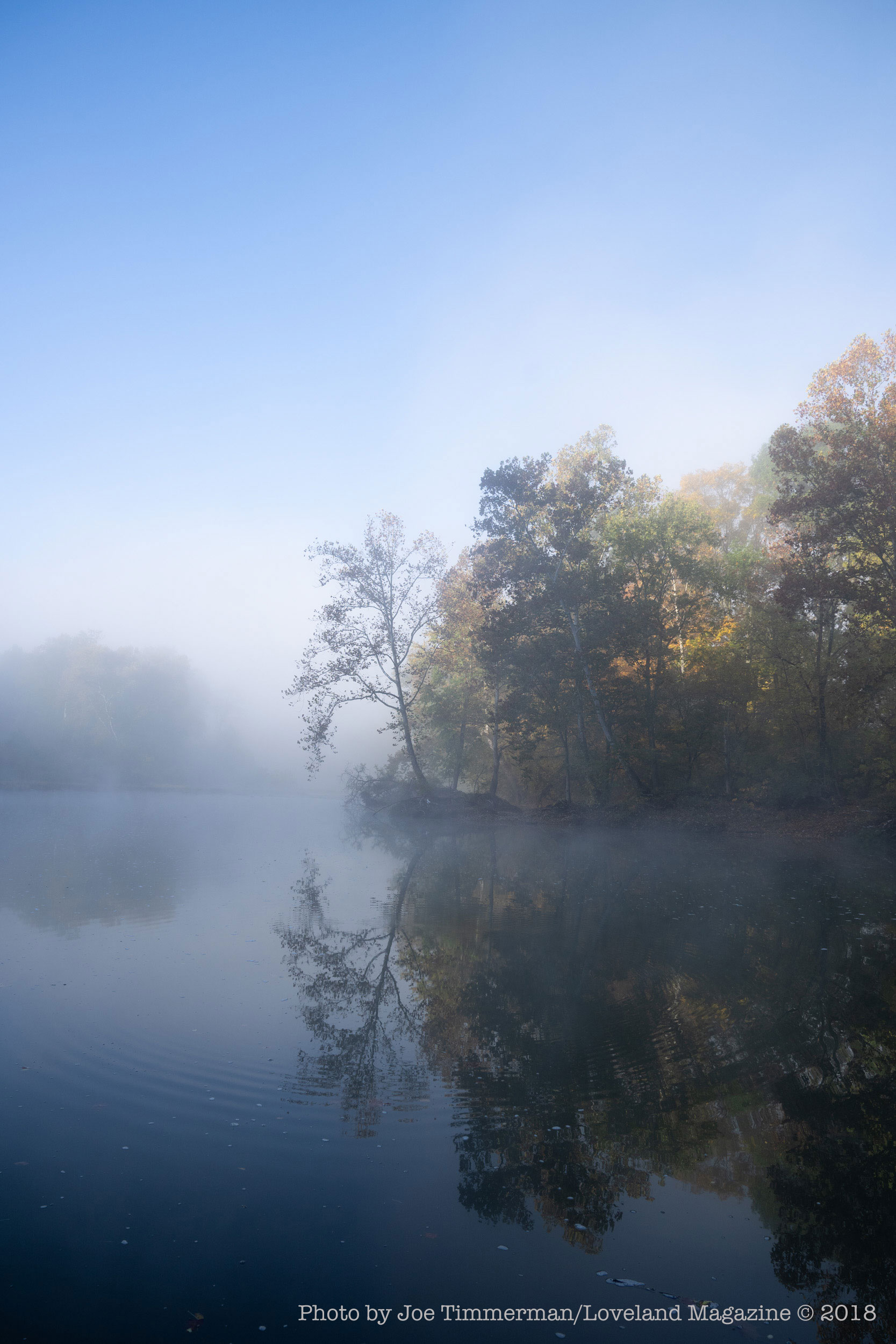
Joe’s photo of the Little Miami river is currently Loveland Magazine’s cover. Read his latest piece of writing…
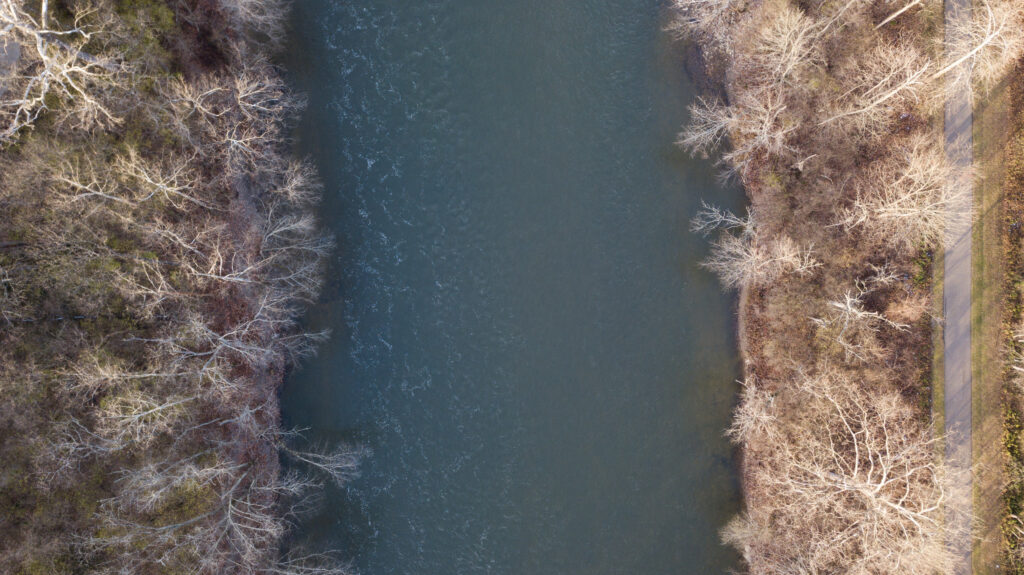
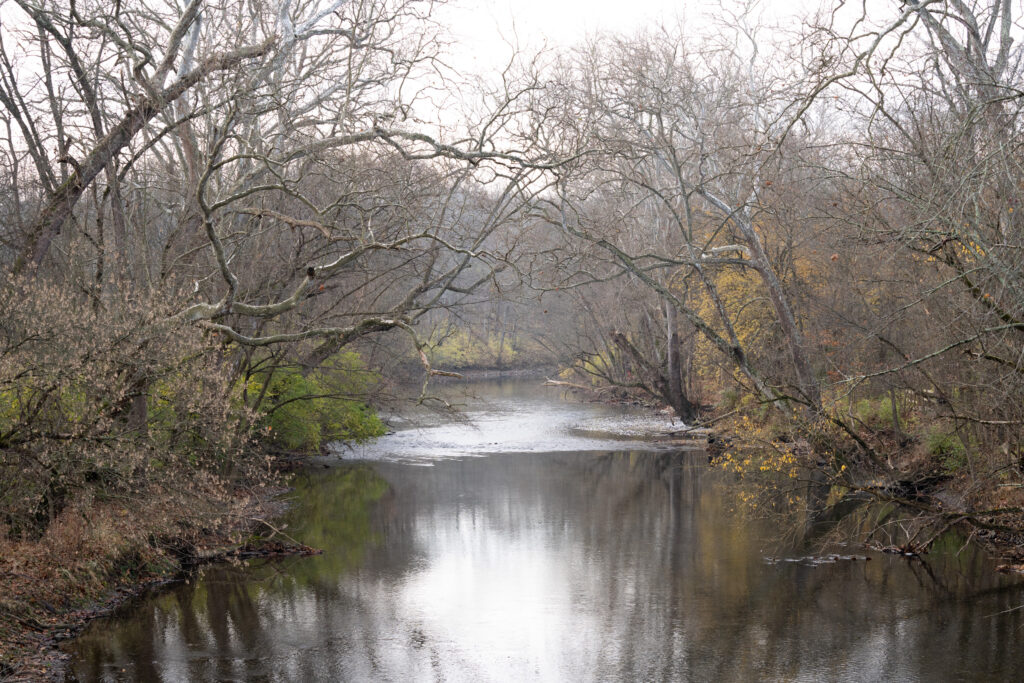
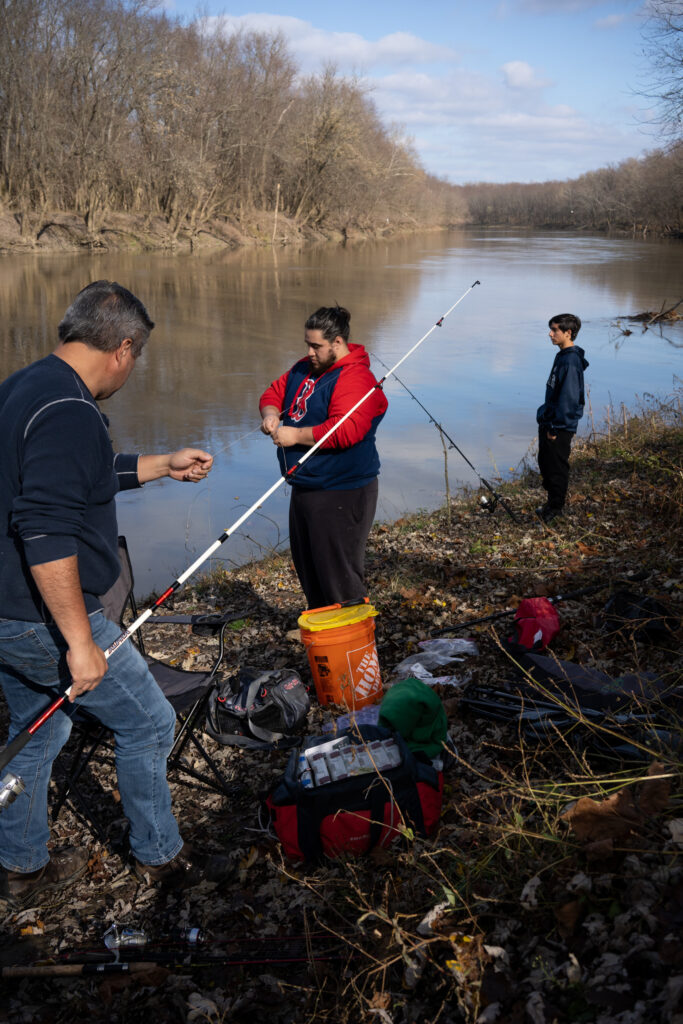
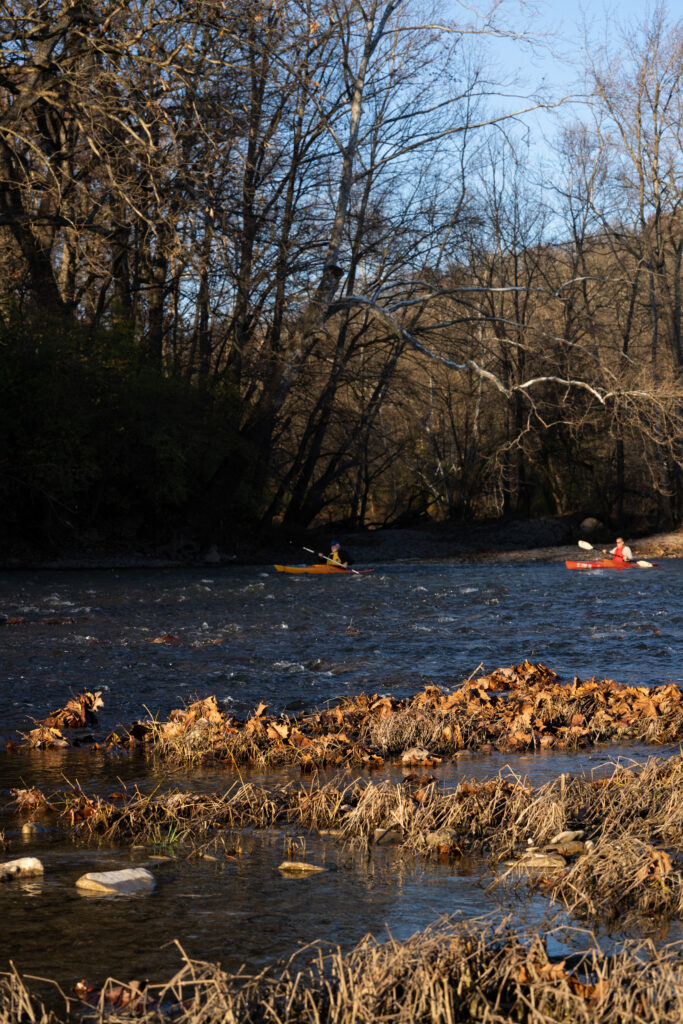
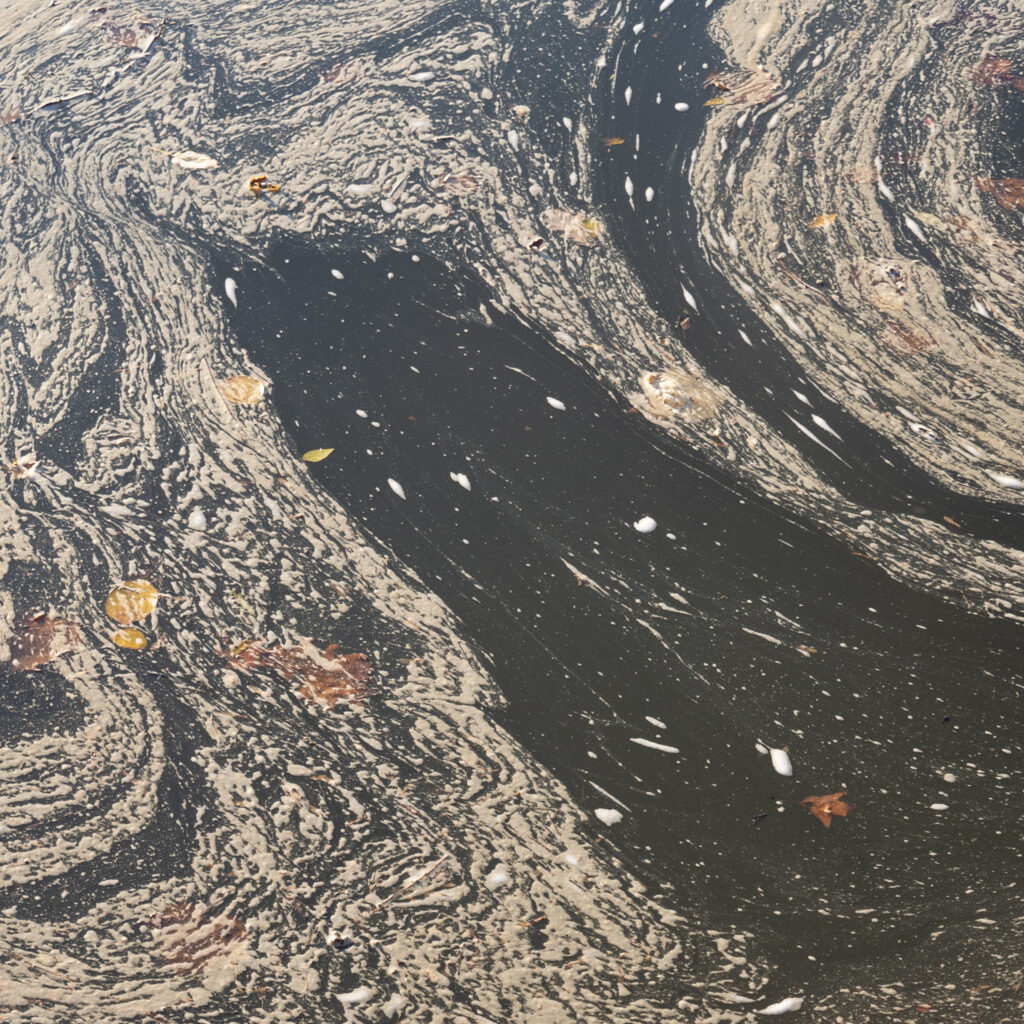
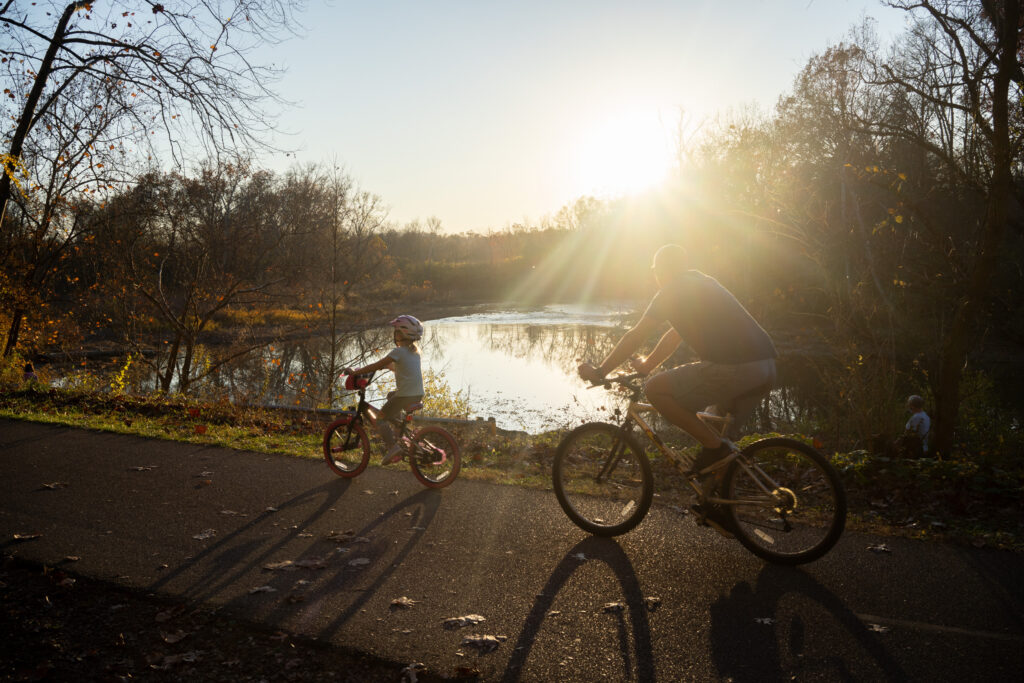
Few leaves are still falling off trees and down the ever-running water of the National Wild and Scenic Little Miami River, where they float through five counties and 111 miles of southwest Ohio, into the Ohio River and toward the Mississippi before eventually finding their way into the Gulf of Mexico. Today, these 111 miles of Little Miami River are the cleanest that they have been in the last 40 years, and as the world may seem largely disconnected due to the coronavirus pandemic, a connection between people over time is helping to create the river’s lasting sustainability.
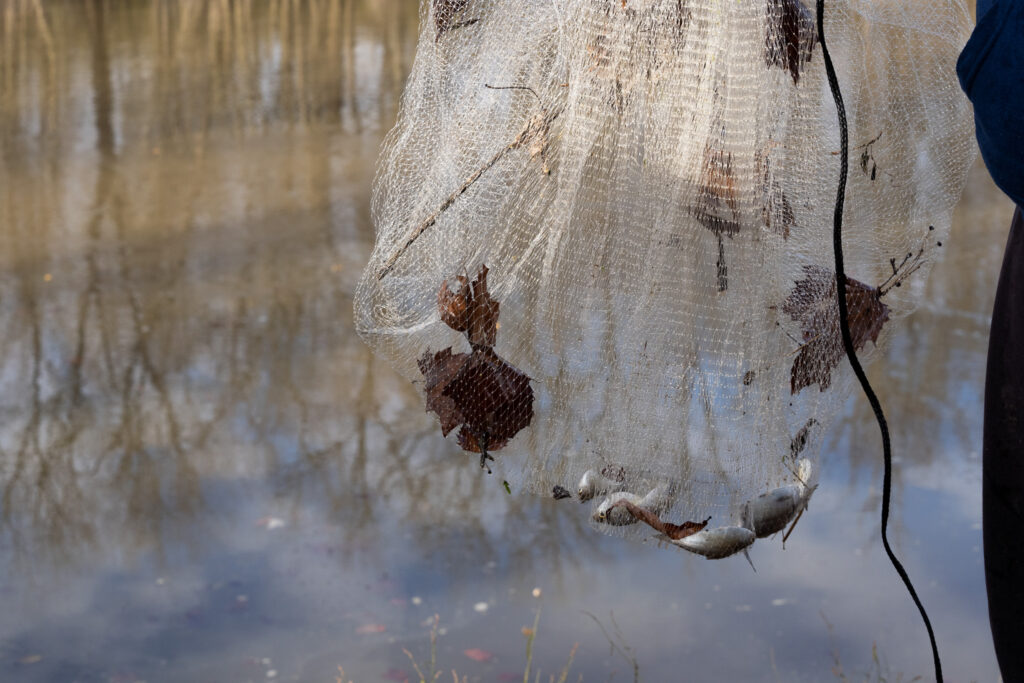
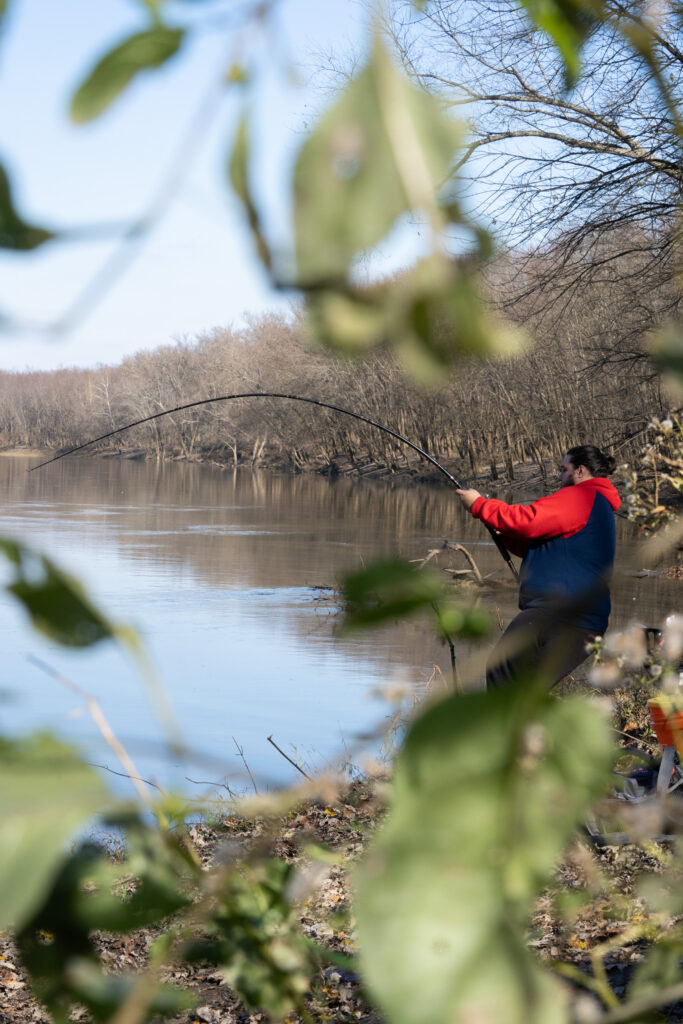
Since the end of the last Ice Age before this land was known as America, humans have lived along the Little Miami River and enjoyed the resources it provides — drinking the water alongside its banks while hunting for fish within, using the clay to build pottery or structures, and floating on the surface in kayaks or canoes like the leaves still do today. In that time, the river has seen many seasons of change, from shifts in human culture alongside its banks through community development to biological diversities in its rich, natural environment, according to the Little Miami Ecology and History report.
When the Little Miami was designated as Ohio’s first State Scenic River and included in the National Wild and Scenic River System in 1973, according to the Ohio Department of Natural Resources, locals had already been active in its conservation and return to sustainability for more than half a decade. The Little Miami Conservancy (LMC), a non-profit organization fueled by passion for the protection of the river, led the effort in Washington to recognize the importance of protecting the Little Miami River as not only a local hidden gem, but as a national treasure.
The lower section of the river runs right through the heart of Loveland, Ohio, where LMC and its current executive director, Eric Partee, is based. Partee’s passion roots from the original director of the conservancy, Glenn Thompson, who in 1967 embodied the idea that their effort isn’t about one single person, but rather about everyone coming together to save the river.
“Someday, a corridor of green will stretch from one end of the river to the other. Individuals and families will enjoy peace and quiet and restoration of spirit that comes with clean water, birds, and trees,” a quote from Glenn Thompson that Partee believes the conservancy has lived up to.
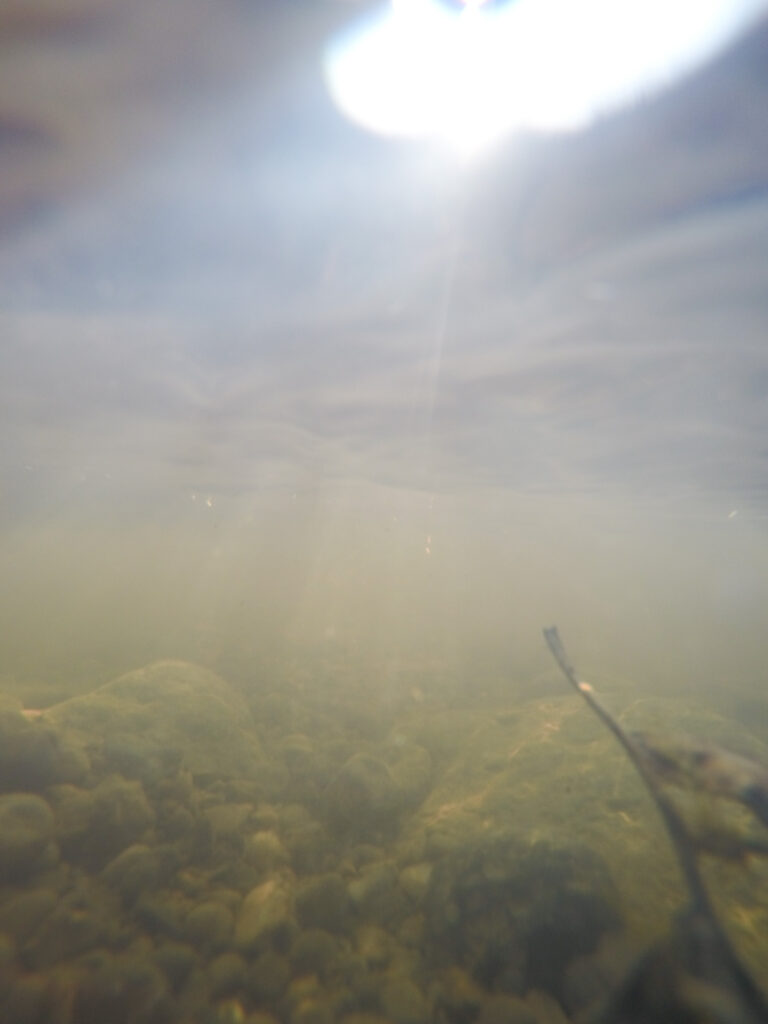
Since its origin, the conservancy has worked with agencies like the Ohio Environmental Protection Agency (OEPA), who records the condition of the Little Miami River every 10 years by sampling fish life. In the 1980s, only 4% of the Little Miami River was in full attainment of water quality health, but in recent years, the chart has flipped, and as of 2007, the river is at 96% attainment of health, according to OEPA research.
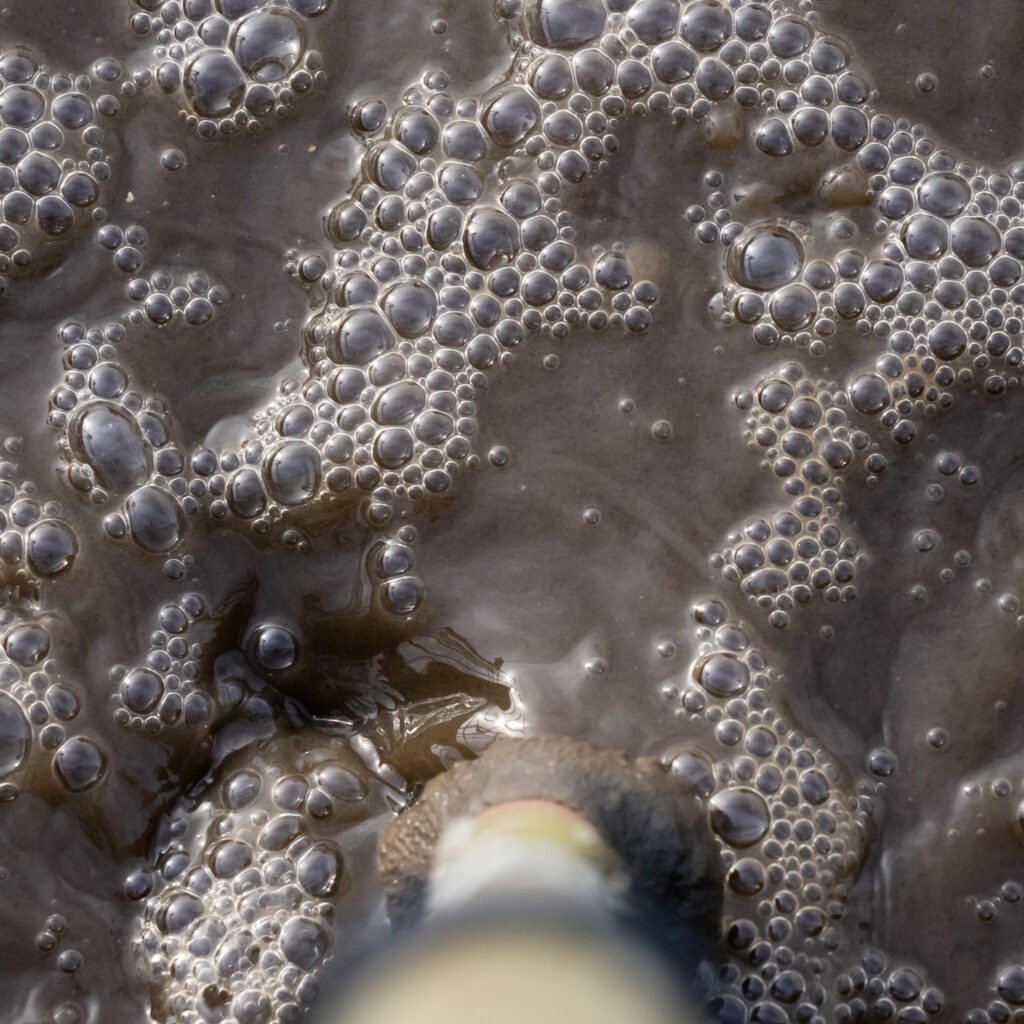
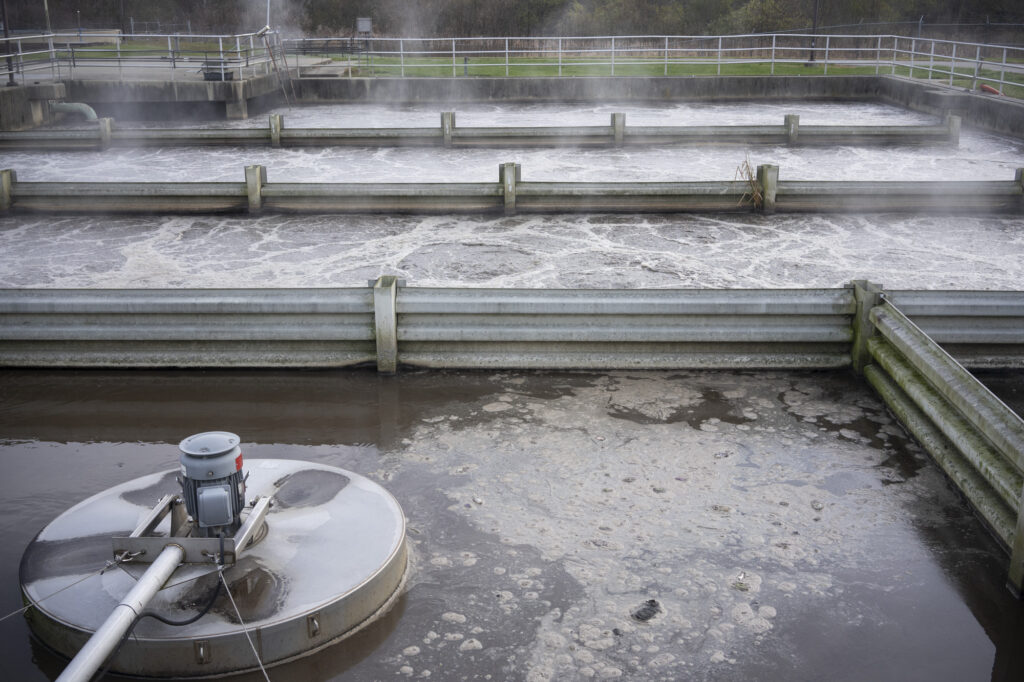
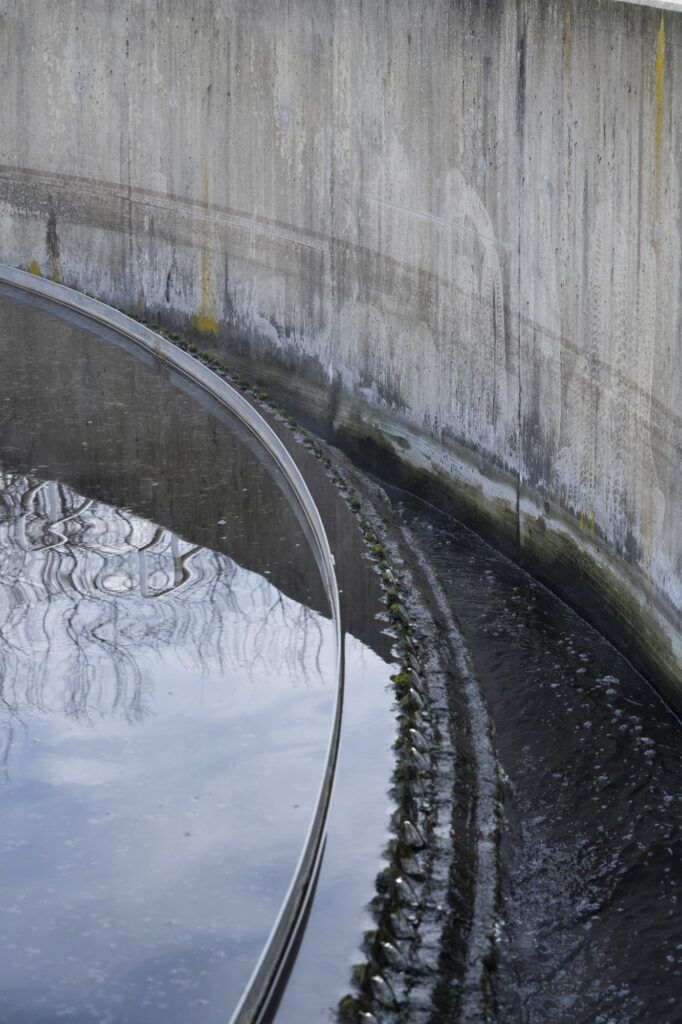
“As early as the turn of the century, this river was very well polluted. (There were) a lot of deformed fish, it was not anything close to exceptional,” Partee said in an interview. “It took a lot of discussion, a little bit of arm twisting, and some local funding to fund improvements to the sewage treatment plants to ratchet down on phosphorus, which was the main culprit … when we got the treatment plants to ratchet down on that, biology basically turned around on a dime —from terrible to exceptional.”
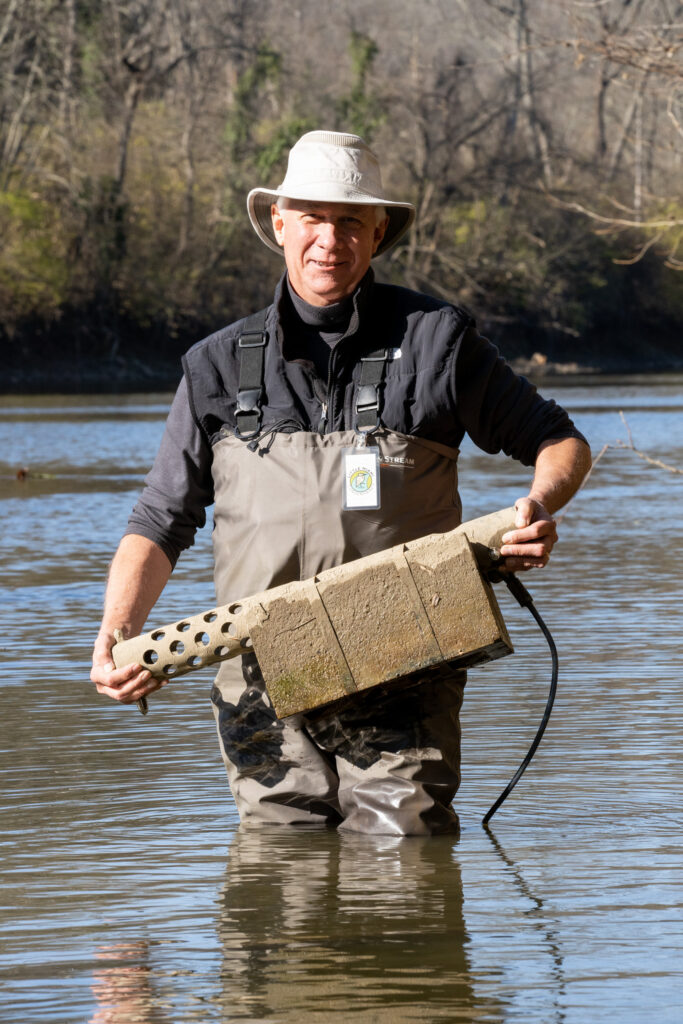
To make sure the river stays healthy, LMC introduced a set of equipment called YSI Water Quality Sondes, which monitor dissolved oxygen in nine locations throughout the length of the entire Little Miami, according to Partee. Each system monitors oxygen every 15 minutes, allowing for constant awareness of river health to prevent a reversion of quality. The conservancy also takes prides in their work on forest restoration through buying riverfront properties, planting trees, removing invasive species, and working collectively to clean up trash in the effort to grow closer to the initial goal of a corridor of green along the riverbank.
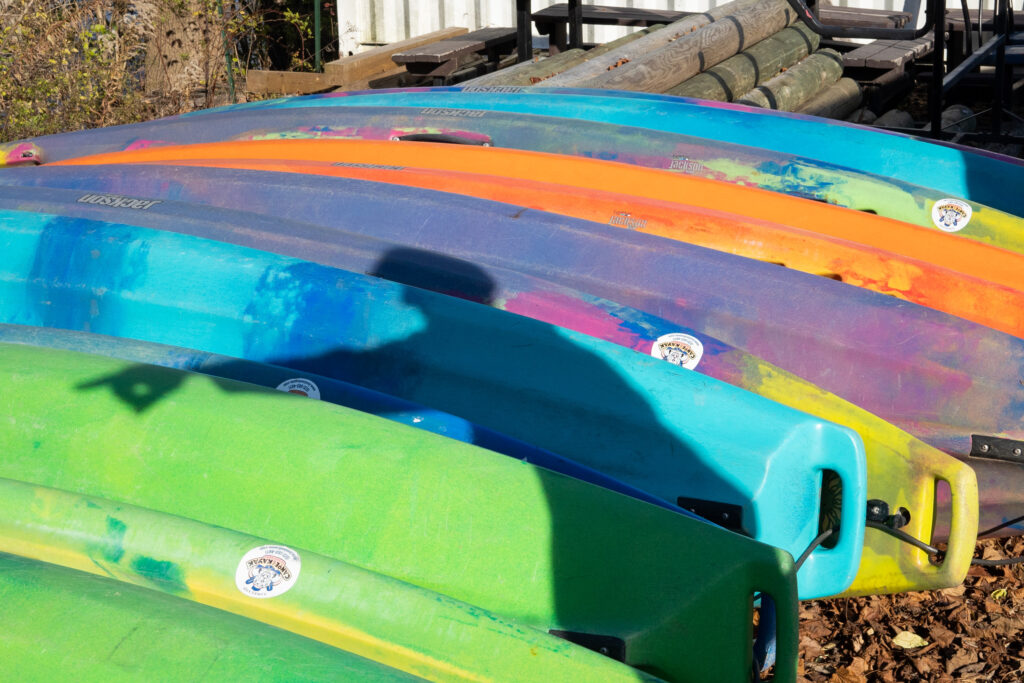
A short walk from the doors of the conservancy is the Loveland Canoe and Kayak Livery, owned by Mark and Robyn Bersani, which is just one of the many businesses along the Little Miami River that rely on its health as their main resource for income. The Bersanis work closely with the conservancy each year by offering and volunteering for cleanups as well as generous donations. This year, along with two other liveries including Rivers Edge and Scenic River, their combined donation to the Little Miami Conservancy’s effort was $56,000, according to Bersani.
“We’re involved from a grassroots portion, to actually helping with cleanups, to keeping an eye on the river, as well as donating and continuing to fund the good work that they do,” Bersani said in an interview. “It comes down to the people that live along the river, people that visit the river, the people in the community, if the river is going to stay clean. This river is very natural, it looks like it did 300 years ago … it is vital that the citizens all realize they have a role in this.”
Up the road at Loveland High School, Amy Aspenwall, an AP environmental science teacher teaches teenagers the importance of environmental awareness through hands-on experiences in places like the Little Miami River.
Perhaps half of the students attending Loveland High School cross over the Little Miami State and National Scenic Little Miami on their way to school each morning.
In an interview over Zoom, Aspenwall talked about the importance of students getting out into nature to actually see how humans fit in the environment, because “if you don’t see it, it’s really not your problem,” Aspenwall said. From understanding food waste to the water drinking system to sewer treatment facilities, her goal is to allow students the opportunity to realize a sense of civic responsibility.
“It’s important for students to start to think of themselves as a bigger picture rather than just someone following teacher instructions,” Aspenwall said. “I want them to start thinking on their own and realize how powerful they are as a consumer.”
Michelle Waller, an environmental specialist in the Division of Surface Water at OEPA, discussed the difficulties the river has faced through poor nutrients entering the river due to excess phosphorus from treatment plants and still faces through agricultural runoff from farms, in an interview over Zoom.
Waller said that placing phosphorus limits on the main stem’s water treatment plants in recent years proved to show major improvements in river nutrients after the OEPA performed sampling, but other negative sources are out of their reach. “We do not have authority over agriculture the way we do with what we call point sources, the treatment plants,” Waller said. “We try to work with local Soil and Water Conservation Districts, they try to get the word out about good farming practices … but there is no real regulatory authority which is a really big problem.”
The majority of land along the Little Miami River is agricultural, unlike other major rivers in Ohio that have industry running alongside their waters. And just like the branches of community that have come together to help preserve the river, many tributary streams and creeks branch out from the Little Miami, though those tributaries can be overlooked.
As most organizations, including the OEPA and LMC, focus their efforts on upholding the exceptional quality of the main stem of the Little Miami River, there is still work to be done in the tributaries. Partee talked about how there just isn’t enough time for LMC to visit every tributary and talk to every landowner. However, near Beaver Creek in Greene County, there is an organization called the Beaver Creek Wetlands Association, which has adopted that very issue. “I think that’s probably the best future for the watershed, to have local citizens dealing with multiple tributaries and try to restore or protect it,” said Partee.
Between the shared relationships of the Little Miami Conservancy, OEPA, local government officials, developers, landowners, non-profits, teachers, and local business owners, a community has come together and worked toward the common effort to make a positive, sustainable change in the health of the river.
The timelessness of the Little Miami River will carry on as long as its water continues to run. And as it always has been, it’s still up to the people alongside the riverbank to make sure that the water runs clean for generations to come. As the late author Nelson Henderson said, and Eric Partee paraphrased when we talked together, “The true meaning of life is to plant trees, under whose shade you do not expect to sit.”
“When we try to pick out anything by itself, we find it hitched to everything else in the Universe,” John Muir, a transcendentalist, wrote of nature’s connectedness in his 1911 book, My First Summer in the Sierra.
In 1997, Nature journal published ecologist Suzanne Simard’s Ph.D. theses, describing newfound proof of how plants within communities can be interconnected through an underground system, called a mycorrhizal network, to interact with each other.
This is Part 5 of a series Loveland resident and Ohio University student, Joe Timmermanwrote for The Post in Athens, Ohio. The Post is an award-winning, student-run media outlet that publishes online daily and also prints a weekly tabloid. They cover local and Ohio University news, sports, Athens life, entertainment and everything in between. The series is re-published here in Loveland Magazine with permission of The Post and Loveland High School graduate, Joe Timmerman a frequent contributor to Loveland Magazine.
“All trees all over the world, including paper birch and Douglas fir, form a symbiotic association with below-ground fungi … They compete with each other, but our work shows that they also cooperate with each other by sending nutrients and carbon back and forth through mycorrhizal networks,” Simard said in an interview with Yale Environment 360.
In this sense, trees communicate with one another on a deeper level than what is seen in the overstory and the understory of a forest.
From mothers and fathers sharing memories of trees they have grown to love with their kids to a lifelong woodworker who discovered a new relationship with wood as time went by, people are connecting with nature in new and old ways, as COVID-19 has brought a global feeling of social disconnection. People and their trees alike have a story to be told.
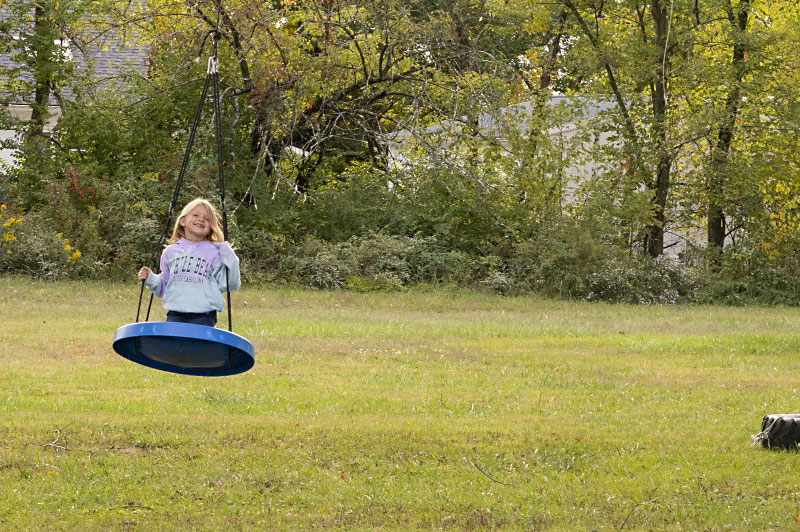
Olivia Nerlinger of Loveland, Ohio, with her tree swing. Nerlinger and her family have been renting the property for the past three years. They don’t know what kind of tree the swing hangs from.
“My dad put the swing up. I love spinning on it,” Nerlinger said. “I like trees because I can find cicada shells on them, and I find lots of shells on this tree.”
“When we try to pick out anything by itself, we find it hitched to everything else in the Universe,” John Muir, a transcendentalist, wrote of nature’s connectedness in his 1911 book, My First Summer in the Sierra.
In 1997, Nature journal published ecologist Suzanne Simard’s Ph.D. theses, describing newfound proof of how plants within communities can be interconnected through an underground system, called a mycorrhizal network, to interact with each other.
This is Part 4 of a series Loveland resident and Ohio University student, Joe Timmermanwrote for The Post in Athens, Ohio. The Post is an award-winning, student-run media outlet that publishes online daily and also prints a weekly tabloid. They cover local and Ohio University news, sports, Athens life, entertainment and everything in between. The series is re-published here in Loveland Magazine with permission of The Post and Loveland High School graduate, Joe Timmerman a frequent contributor to Loveland Magazine.
“All trees all over the world, including paper birch and Douglas fir, form a symbiotic association with below-ground fungi … They compete with each other, but our work shows that they also cooperate with each other by sending nutrients and carbon back and forth through mycorrhizal networks,” Simard said in an interview with Yale Environment 360.
In this sense, trees communicate with one another on a deeper level than what is seen in the overstory and the understory of a forest.
From mothers and fathers sharing memories of trees they have grown to love with their kids to a lifelong woodworker who discovered a new relationship with wood as time went by, people are connecting with nature in new and old ways, as COVID-19 has brought a global feeling of social disconnection. People and their trees alike have a story to be told.
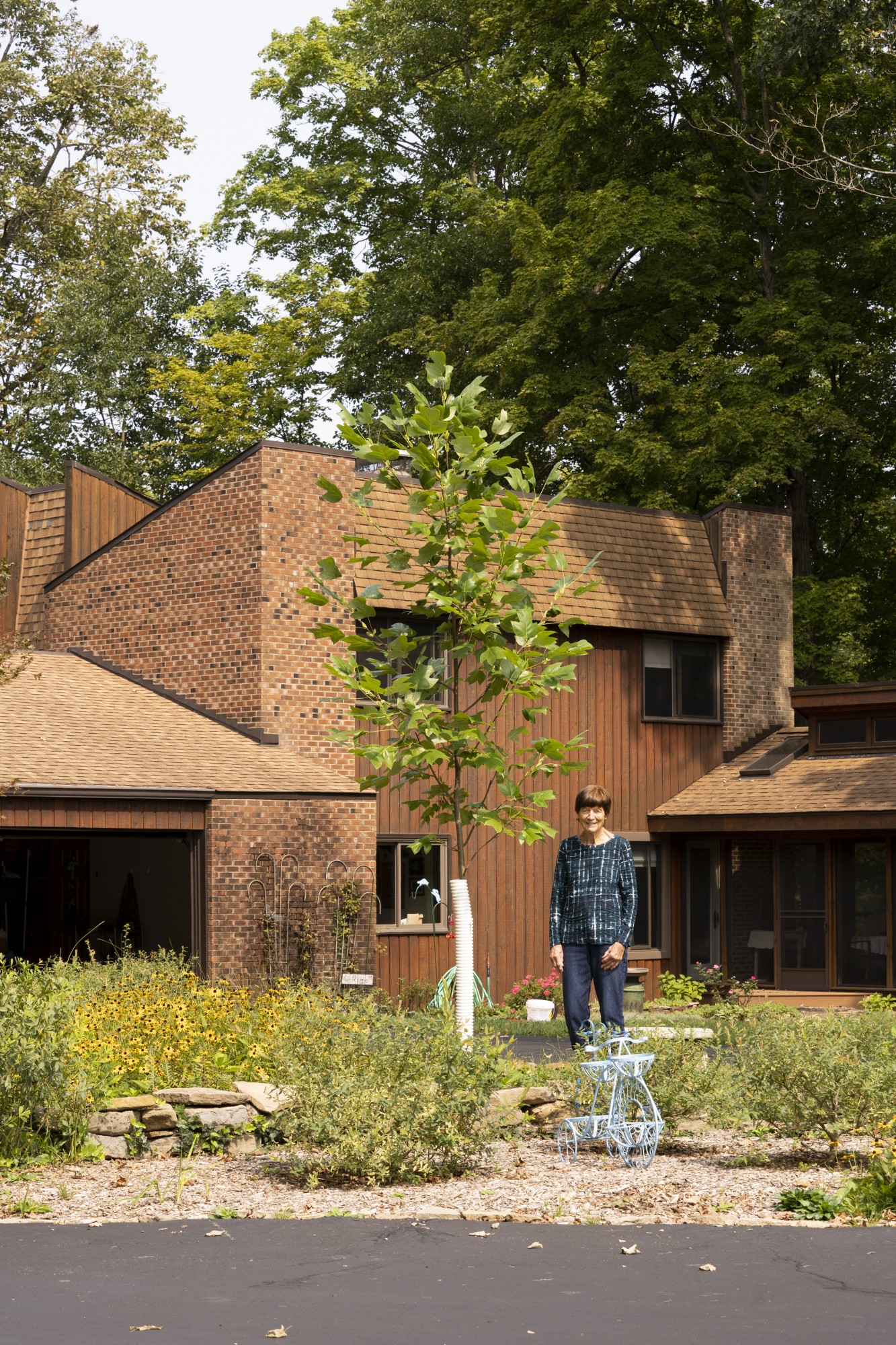
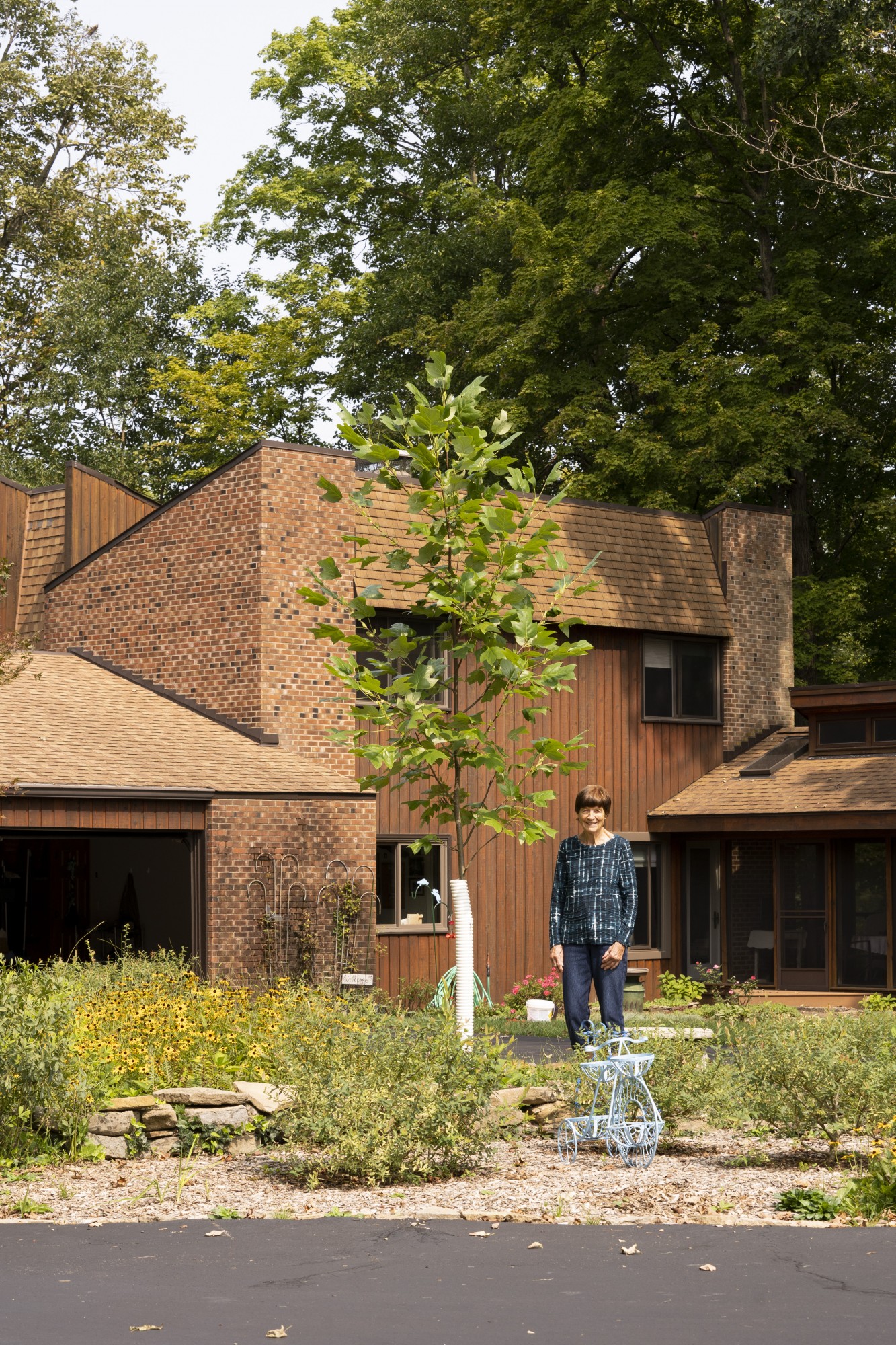
Jan Beller, 82, of Loveland, Ohio, with her Tulip Poplar Tree on Tuesday, Sept. 15, 2020.
Jan Beller of Loveland, Ohio, with her Tulip Poplar Tree. Beller has lived in this house since 1970, and the property has been in her family name since 1870. Some of the trees on her property are around 100 years old.
“The leaves turn yellow, in the spring it’s supposed to flower, not next year, but it should the year after,” Beller said. “ There used to be three maples in the yard here that were dying, and I wanted to plant something new that I could see provide shade in my lifetime. The high branches are supposed to cover the driveway. There weren’t any leaves on it when we planted it in March, they’re just now starting to bud out.”
“When we try to pick out anything by itself, we find it hitched to everything else in the Universe,” John Muir, a transcendentalist, wrote of nature’s connectedness in his 1911 book, My First Summer in the Sierra.
In 1997, Nature journal published ecologist Suzanne Simard’s Ph.D. theses, describing newfound proof of how plants within communities can be interconnected through an underground system, called a mycorrhizal network, to interact with each other.
This is Part 3 of a series Loveland resident and Ohio University student, Joe Timmermanwrote for The Post in Athens, Ohio. The Post is an award-winning, student-run media outlet that publishes online daily and also prints a weekly tabloid. They cover local and Ohio University news, sports, Athens life, entertainment and everything in between. The series is re-published here in Loveland Magazine with permission of The Post and Loveland High School graduate, Joe Timmerman a frequent contributor to Loveland Magazine.
“All trees all over the world, including paper birch and Douglas fir, form a symbiotic association with below-ground fungi … They compete with each other, but our work shows that they also cooperate with each other by sending nutrients and carbon back and forth through mycorrhizal networks,” Simard said in an interview with Yale Environment 360.
In this sense, trees communicate with one another on a deeper level than what is seen in the overstory and the understory of a forest.
From mothers and fathers sharing memories of trees they have grown to love with their kids to a lifelong woodworker who discovered a new relationship with wood as time went by, people are connecting with nature in new and old ways, as COVID-19 has brought a global feeling of social disconnection. People and their trees alike have a story to be told.
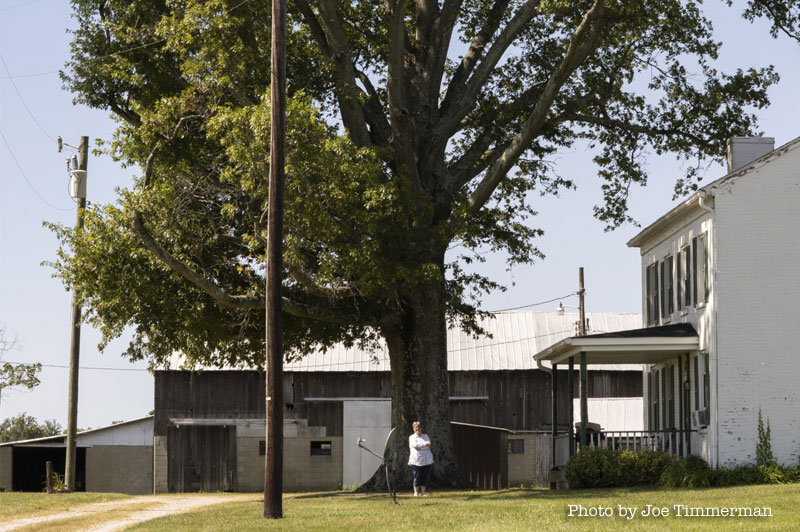
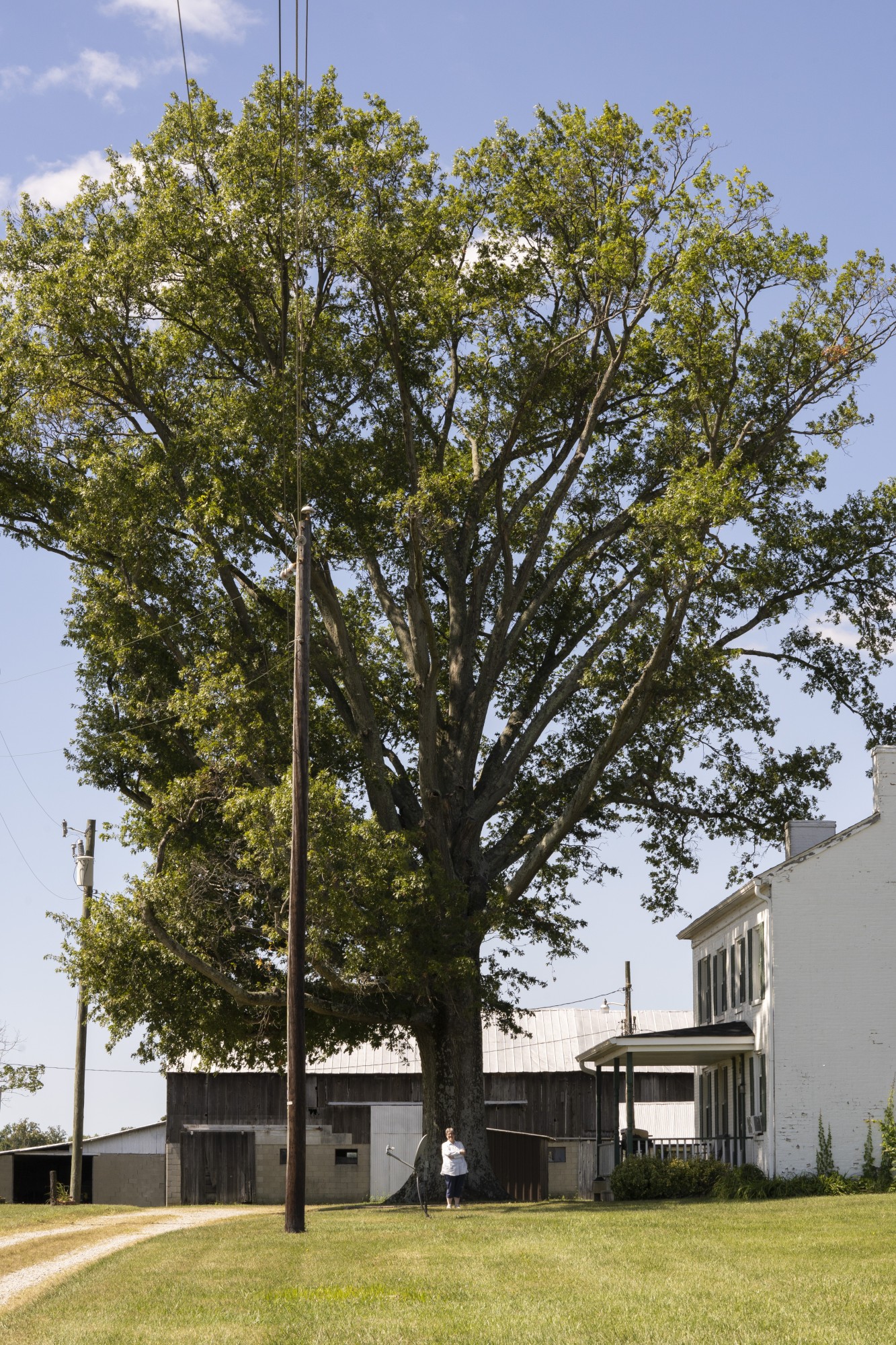
Iris Wilson, 65, of Hamilton Township, Ohio, with her Pin Oak Tree on Friday, Sept. 18, 2020.
Iris Wilson of Hamilton Township, Ohio, with her pin oak tree. Wilson takes care of her dad, who still lives in this farmhouse.
“My dad, who grew up across the road, was good friends with the people who lived here,” Wilson said. “They had five boys that worked on the farm here before going to war. They would cut down dead trees in the forest behind this house like crazy. One day, they came back with a little sapling and planted it here by the house on their sister’s birthday. She’s been gone for a little while now. She would have been over 100, so this tree has been here a long time. It has little tiny acorns. There seems to be a squirrel that lives in it year-round. It really provides a lot of shade for the house in the hot months. When we’ve had ice storms, the limbs, even though they’re way up high, touch the ground. I was sure it was going to ruin the tree, but it didn’t. We started doing limb maintenance on the tree about three years ago, in hopes of giving it a little more life.”
“When we try to pick out anything by itself, we find it hitched to everything else in the Universe,” John Muir, a transcendentalist, wrote of nature’s connectedness in his 1911 book, My First Summer in the Sierra.
In 1997, Nature journal published ecologist Suzanne Simard’s Ph.D. theses, describing newfound proof of how plants within communities can be interconnected through an underground system, called a mycorrhizal network, to interact with each other.
This is Part 2 of a series Loveland resident and Ohio University student, Joe Timmerman wrote for The Post in Athens, Ohio. The Post is an award-winning, student-run media outlet that publishes online daily and also prints a weekly tabloid. They cover local and Ohio University news, sports, Athens life, entertainment and everything in between. The series is re-published here in Loveland Magazine with permission of The Post and Loveland High School graduate, Joe Timmerman a frequent contributor to Loveland Magazine.
“All trees all over the world, including paper birch and Douglas fir, form a symbiotic association with below-ground fungi … They compete with each other, but our work shows that they also cooperate with each other by sending nutrients and carbon back and forth through mycorrhizal networks,” Simard said in an interview with Yale Environment 360.
In this sense, trees communicate with one another on a deeper level than what is seen in the overstory and the understory of a forest.
From mothers and fathers sharing memories of trees they have grown to love with their kids to a lifelong woodworker who discovered a new relationship with wood as time went by, people are connecting with nature in new and old ways, as COVID-19 has brought a global feeling of social disconnection. People and their trees alike have a story to be told.
Phil Ping and his dog, Bandit, of Loveland, Ohio, with his logs and boards of maple, oak, walnut and pine. Ping has been a full-time woodworker for 35 years and has lived in his home for the same amount of time. The wood in the foreground are boards and slabs he cut from the logs that now have to air dry for one year per one-inch thickness before Ping will make them into tables, benches, shelves and more.
“The wood in the piles here are just waiting for their project,” Ping said. “Most of the wood I use in my built-in projects is from Paxton Lumber in Cincinnati. I use a lot of poplar, oak and maple. I use a sawmill to custom-cut local wood from dead trees that people bring by the shop. It’s been a great business to be in. Wood is a wonderful thing. I have a degree in agriculture, but I started in botany, so I’ve always loved plants and trees and have a real appreciation for trees and different species. When I first got my sawmill, it really changed my whole attitude for trees, so now not only do I love the outside, but I started to take them apart and learn how to use them in my craft. It’s been an ongoing relationship knowing how to handle the wood from the log all the way to the finished piece that I would sell to a client.”
Part 3 will introduce you to Iris Wilson of Hamilton Township, Ohio, with her pin oak tree. Wilson takes care of her dad, who still lives in this farmhouse.
“When we try to pick out anything by itself, we find it hitched to everything else in the Universe,” John Muir, a transcendentalist, wrote of nature’s connectedness in his 1911 book, My First Summer in the Sierra.
In 1997, Nature journal published ecologist Suzanne Simard’s Ph.D. theses, describing newfound proof of how plants within communities can be interconnected through an underground system, called a mycorrhizal network, to interact with each other.
This is Part 1 of a series Loveland resident and Ohio University student, Joe Timmerman wrote for The Post in Athens, Ohio. The Post is an award-winning, student-run media outlet that publishes online daily and also prints a weekly tabloid. They cover local and Ohio University news, sports, Athens life, entertainment and everything in between. The series is re-published here in Loveland Magazine with permission of The Post and Loveland High School graduate, Joe Timmerman a frequent contributor to Loveland Magazine.
“All trees all over the world, including paper birch and Douglas fir, form a symbiotic association with below-ground fungi … They compete with each other, but our work shows that they also cooperate with each other by sending nutrients and carbon back and forth through mycorrhizal networks,” Simard said in an interview with Yale Environment 360.
In this sense, trees communicate with one another on a deeper level than what is seen in the overstory and the understory of a forest.
From mothers and fathers sharing memories of trees they have grown to love with their kids to a lifelong woodworker who discovered a new relationship with wood as time went by, people are connecting with nature in new and old ways, as COVID-19 has brought a global feeling of social disconnection. People and their trees alike have a story to be told.
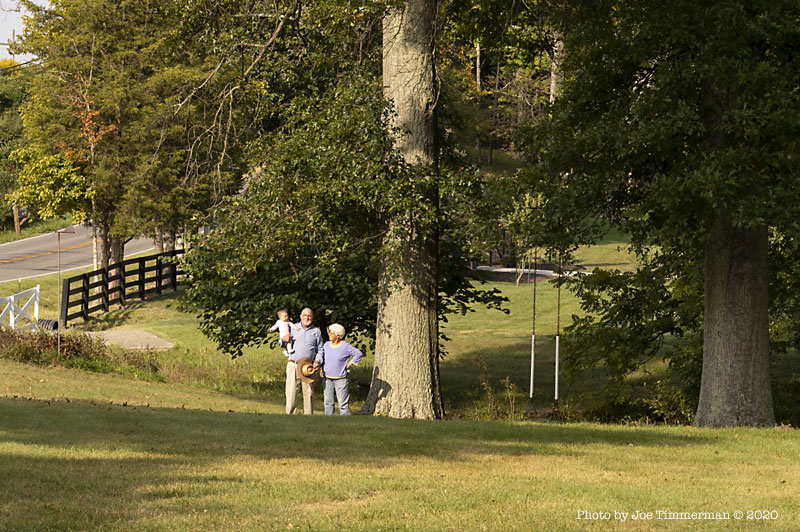
Pat Hill, 66, Norah Jane Hill, 9 months, and Becky Hill, 69, of Loveland, Ohio, with their Oak Trees on Wednesday, Sept. 23, 2020.
Pat, Norah Jane and Becky Hill of Loveland, Ohio, with their oak trees. Pat Hill grew up in the house next door and used to farm the land across the street.
“I’ve always wanted to name this property ‘Twin Oaks,’ one for her and one for me,” Hill said. “As a kid, I always liked a good swing, so I had that swing put up by a tree company. The cable goes from one oak to the other. I’ve always thought that the swing hung from the two parents, and it was a symbol of the family that we created. Our boys all thrived and spent a lot of time on that swing. I bought excellent chains and a high-quality steel cable to create that swing because I want it to last for a long, long time. I think the trees are about 60 years old.”
Part 2 will introduce you to Phil Ping and his dog, Bandit, of Loveland and their logs and boards of maple, oak, walnut and pine.
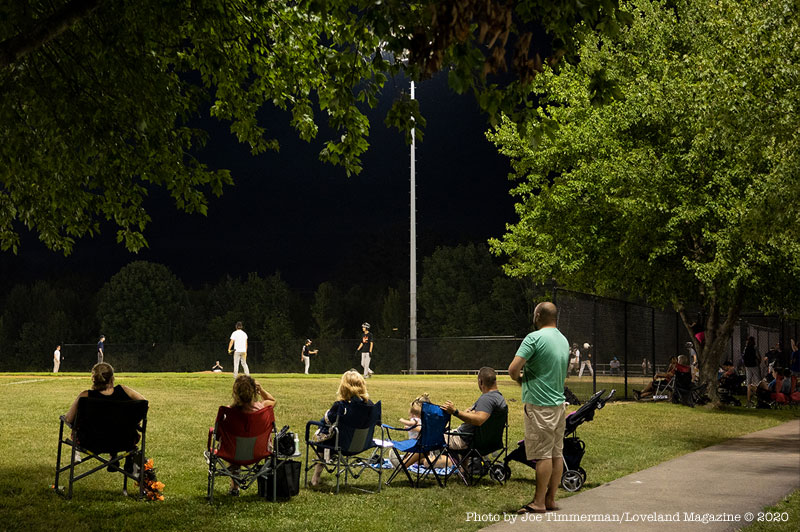
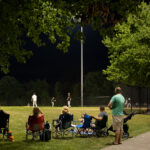
Parents sit along the outfield to watch their kids play during a Wednesday night pick-up game at at Phillips Park in Loveland, Ohio.
Joe Timmerman graduated from Loveland High School in 2019 and will return to his studies in photojournalism at Ohio University this month.
By Joe Timmerman
Loveland, Ohio – Walking up to the baseball fields at Phillips Park on Wednesday July 29, the air feels like summer again as the fields are full with kids living in America’s pastime.
Every Wednesday night since the first week of July, as the sun sets in Loveland, Ohio, kids have been playing baseball together again. Since the COVID-19 pandemic has brought upon these unusual times of social distancing, quarantine, and the cancellation of most future gatherings — the Loveland Youth Baseball Organization came up with the idea of pick-up baseball games.
With youth sports becoming seemingly more and more competitive as each year goes by, it was refreshing to watch a Sandlot-esq pick up game happening in our own town.
In conversation with Matt Kapszukiewicz, the president of LYBO, I learned that they had been throwing the idea of pick-up games around for about a year or so, and that Rob Steinman, another LYBO board member, originally came up with the idea. “We decided to launch it because these older kids had no-one else to play against… so we blended them into a t-shirt league once we got a handle on what COVID-19 meant,” Kapszukiewicz said.
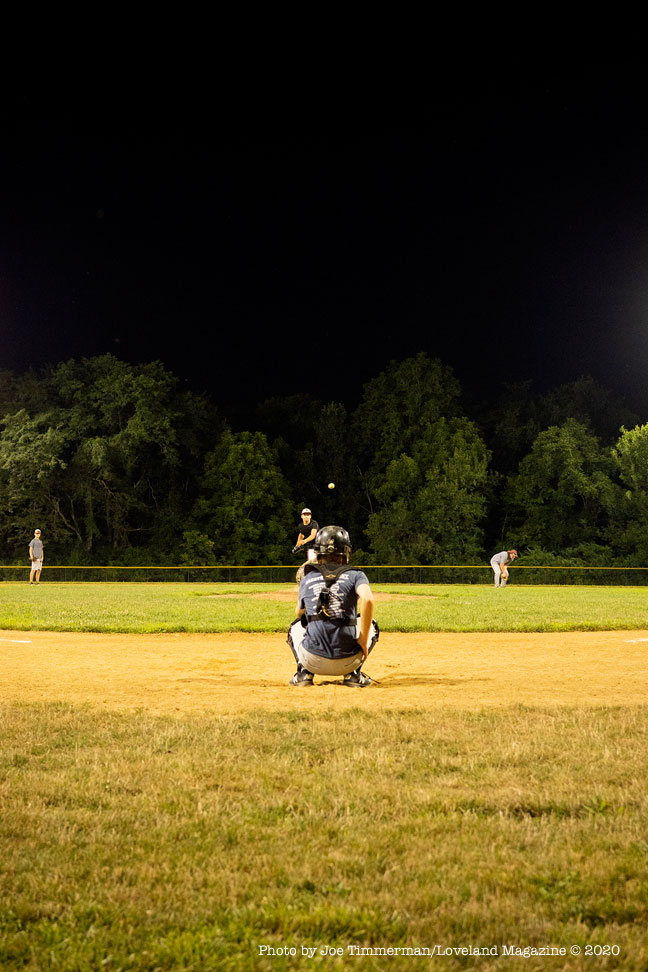
A warm up pitch is thrown before the last inning of a pick-up game with no score on Wednesday July 29 at Phillips Park in Loveland, Ohio.
When my dad and I made it to the third base fence line with our baseball gloves in hand to check out the night’s pick up game, there were a couple open spots in the outfield. Tom Sackett, my dad’s friend and the supervisor for the game, told us to run out and join in. Before too long, I overheard a conversation between the right fielder and the infield players.
“Yeah, I don’t even know… it doesn’t matter.”
“Hey, what’s the score?”
“Uh, 1-0 maybe”
“Yeah, I don’t even know… it doesn’t matter.”
With youth sports becoming seemingly more and more competitive as each year goes by, it was refreshing to watch this a Sandlot-esq pick up game happening in our own town.
“These kids are having a blast out here… just run out there and do whatever you want, play wherever you want,” Sackett said. Sackett is a former LYBO board president and the coach of the Loveland Express, a 16u team that his son plays on, who like most teams this summer, had their season cancelled.
“These kids are having a blast out here… just run out there and do whatever you want, play wherever you want,” Sackett said.
About half of the 16 kids that showed up to play are 16 year olds, the rest are 15, and they all go to Loveland High School.
After talking to a few parents who came to watch the game, I found out that there are usually about twice as many kids that show up to play on Wednesdays, but a player on Loveland’s football team tested positive which resulted in a quarantine for the entire team.
We had more fans than the Reds!
“(These games) are providing an opportunity for the kids to get out and get some exercise, everything else has pretty much been cancelled at this point. Kids, friends, and even the adults had something to do… just sitting there watching a pick-up baseball game — we had more fans than the Reds. (Wednesday nights) have been valuable for building community and offering an opportunity to stay fit,” Kapszukiewicz said. “We (LYBO) didn’t charge anything, we provided umpires — it kind of cost us money to put on, but it was an investment that was worth it. We just wanted kids to get out and play ball.”
LYBO is putting teams together this week for organized fall baseball games as local teams are starting to want to play again. From ages four and up, spring sign ups will start as early as December. You can sign up for fall or spring baseball or find more information on getting involved with Loveland Youth Baseball Organization on LYBO.org
A 16u baseball player walks to his position during a Wednesday night pick-up game on July 29, 2020 in Loveland, Ohio.
A 16u baseball player walks to his position during a Wednesday night pick-up game on July 29, 2020 in Loveland, Ohio.
Tom Sackett, LYBO board member and father of one of the players, helps make sure each position is filled and kids are social-distancing on Wednesday night pick-up games.
Kids social distance while they wait their turn to step up to the plate.
Matt Kapszukiewicz, LYBO president, and Tyler Litchfield, LYBO board member, watch the 13 and 14 year olds play in a pick-up game at the field below the 15 and 16 year olds.
Parents sit along the outfield to watch their kids play during this Wednesday night pick-up game.
A warm up pitch is thrown before the last inning of a pick-up game with no score on Wednesday July 29, 2020 at Phillips Park in Loveland, Ohio.
“With all that’s going on in the world and in each of our vastly different lives, taking some time to look up and ponder at space always shows you how small we really are.”
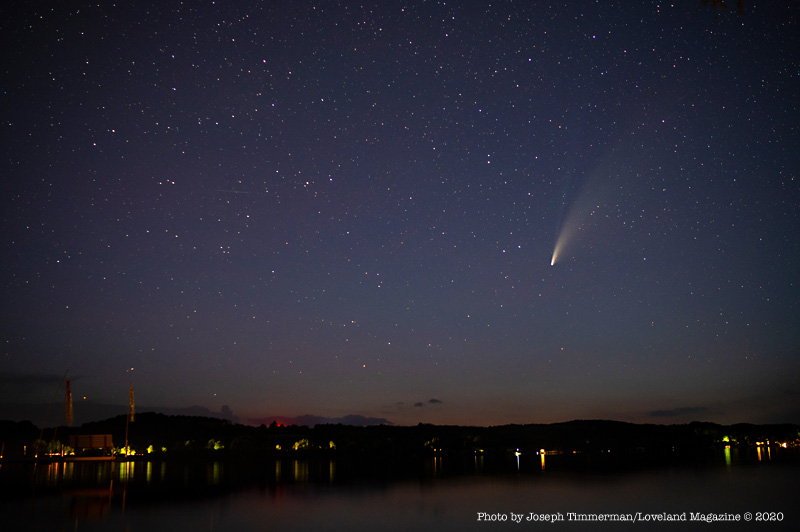
On a recent week-long family vacation to a house along Lake Leelanau, Michigan, Loveland photographer, Joe Timmerman said that most nights were spent by the fire, watching the smoke burn towards the summer stars. “One night my parents were at the end of the backyard’s dock when they noticed a golden streak in the sky.”
Their guesses on what it was were confirmed with a news update the next morning: a new comet was passing Earth.
Comet Neowise!
Timmerman said, “Within a few days, all my favorite photographers I follow were posting about Neowise. I found out it’s a three-mile wide ball of methane and ammonia, filled with rock and ice, with a tail that’s nearly a million miles long, and it is moving at 17,500 miles per hour. The last time this comet passed Earth was around 5,000 BC, and it won’t come back for another 7,000 years.”
“With all that’s going on in the world and in each of our vastly different lives, taking some time to look up and ponder at space always shows you how small we really are,” Timmerman said when he said.
Loveland, Ohio – I met local singer/songwriter Javan Pourvakil last Saturday while I was trying to find Joe Timmerman so I could interview him about the river cleanup he had organized. ([Interview] Joe Timmerman Founder of “A Neighborhood Cleanup”)
In that interview, I mentioned how popular the Little Miami River had become for young people this Spring.
Javan and several friends were on Cones Road on the East bank of the river – hanging!
I was rushed trying to find Joe, so Javan and I barely had a chance to introduce ourselves, but I just couldn’t resist asking if I could record him singing and playing. He shared one of his songs he has been working on.


 This is Part 5 of a series Loveland resident and Ohio University student,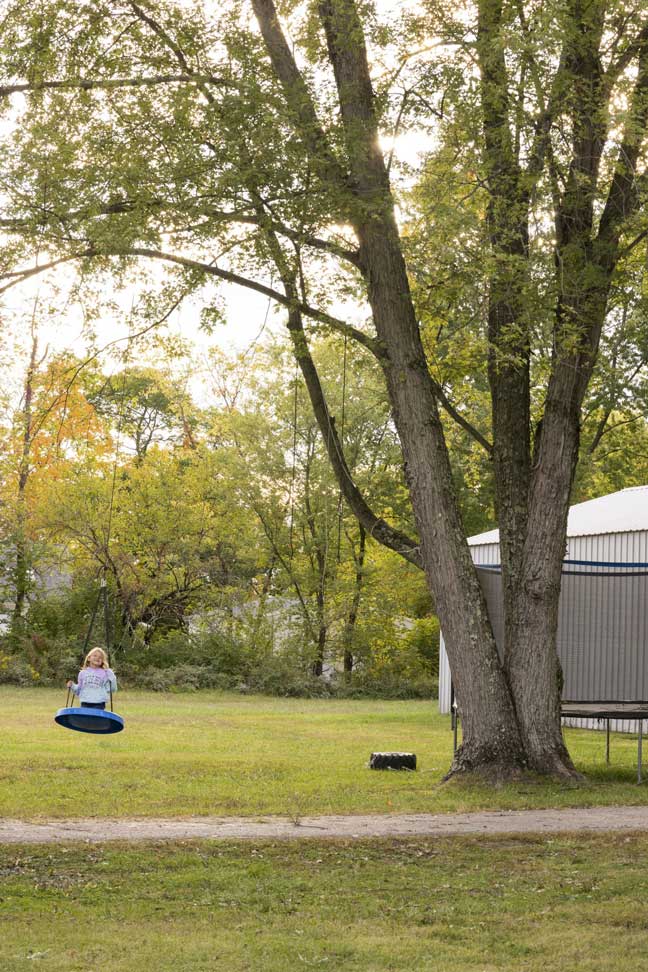

 Read Part 1:

 This is Part 2 of a series Loveland resident and Ohio University student,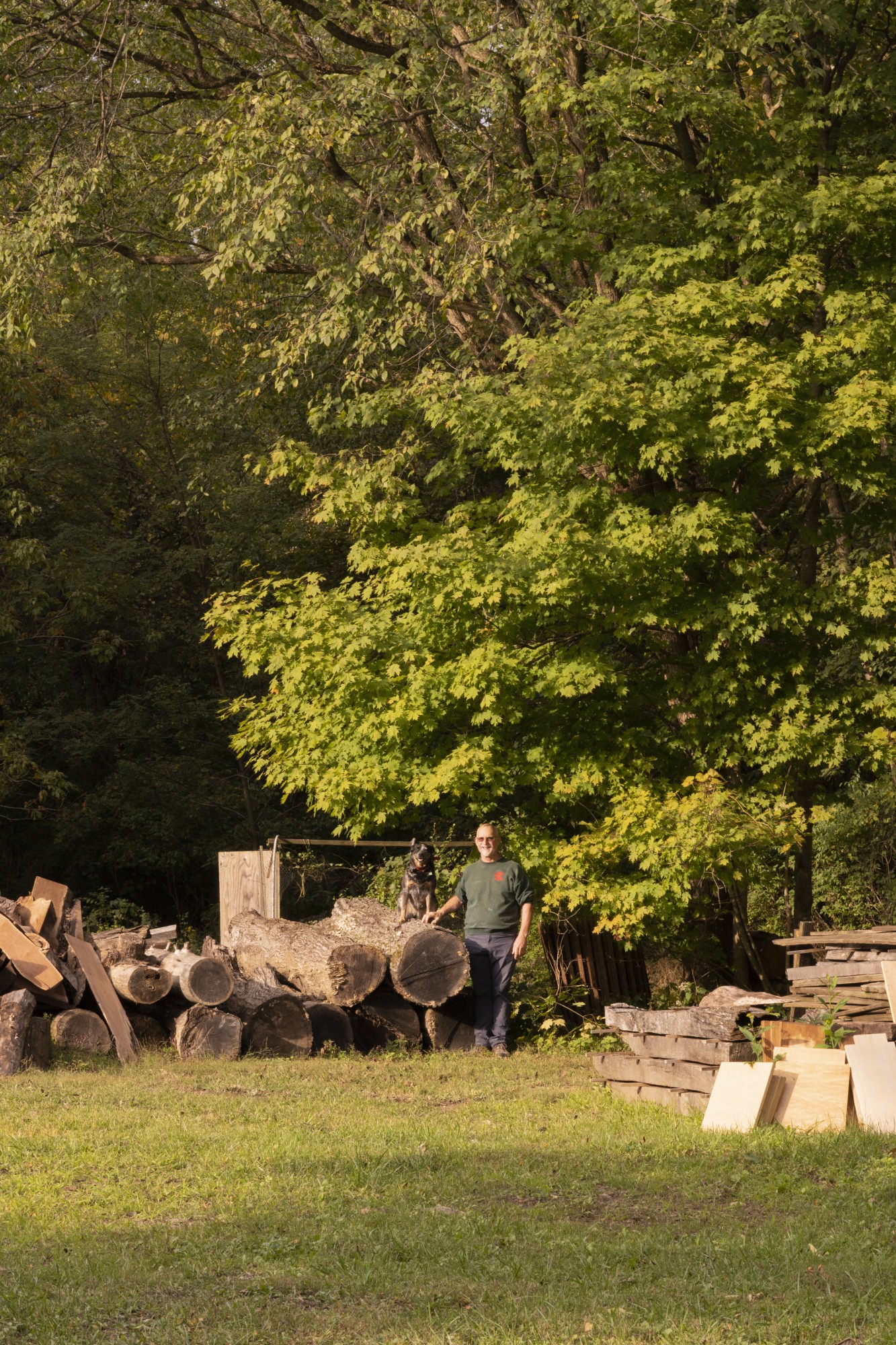










![[Video] Listen to local singer/songwriter Javan Pourvakil](https://lovelandmagazine.com/wp-content/uploads/2020/06/maxresdefault-8.jpg)
 by David Miller

