Tag: lack of transparency

  • Ohio’s latest hospital bed and equipment capacity data

    Ohio’s latest hospital bed and equipment capacity data

    Ohio’s latest staffed hospital bed and equipment capacity data, comes via public records lawsuit

    After a seven month legal battle, Eye on Ohio won a public records lawsuit over hospital capacity numbers. As the ongoing pandemic continued to surge, the Ohio Court of Claims ruled in mid November that the Department of Health must share public records with Eye on Ohio, showing the number of beds and ventilators available for COVID-19 patients at individual hospitals throughout the state. Eye on Ohio sought records with the data as a way to provide readers with timely, local information about the ability of healthcare facilities in their area to deal with the pandemic.

    Loveland Magazine provided support for gathering this data via our membership dues in newspaper trade organizations.

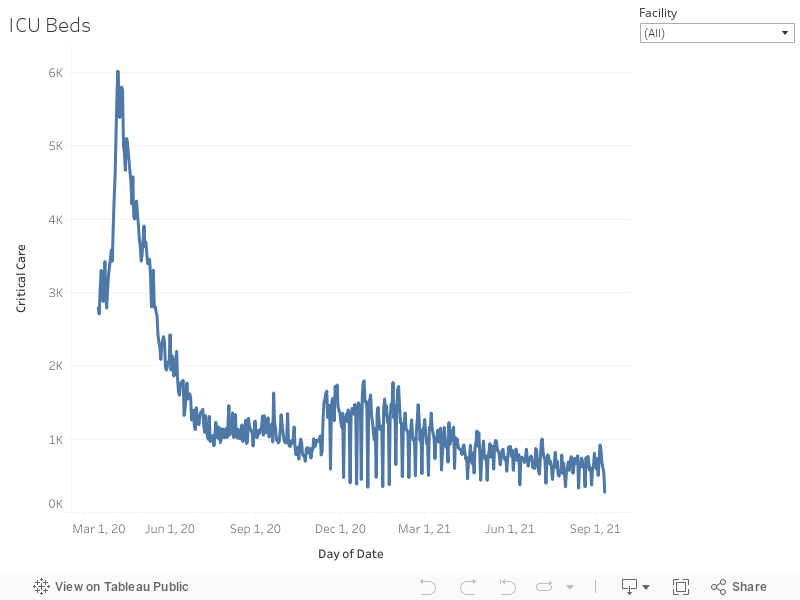
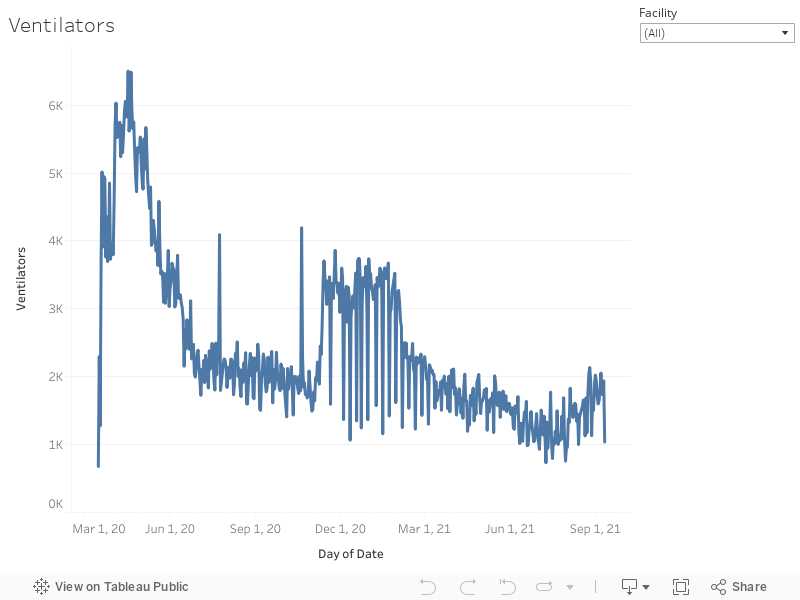
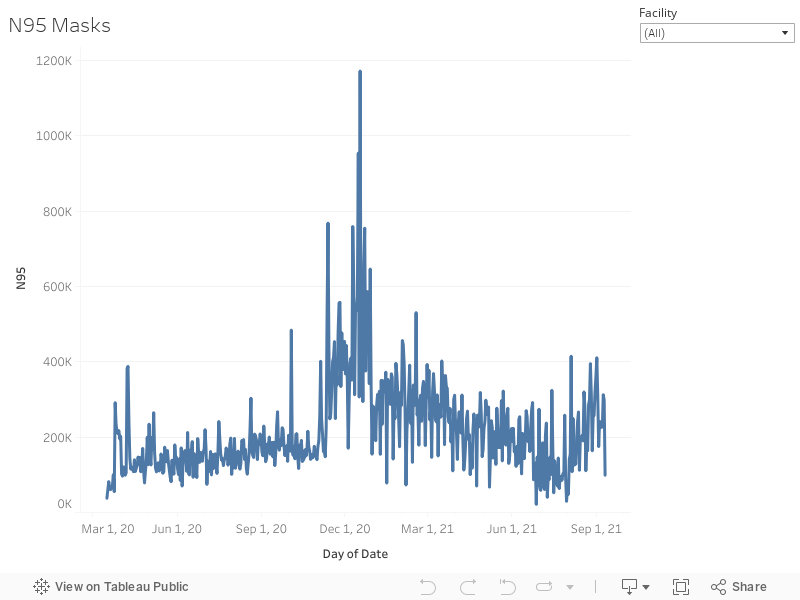
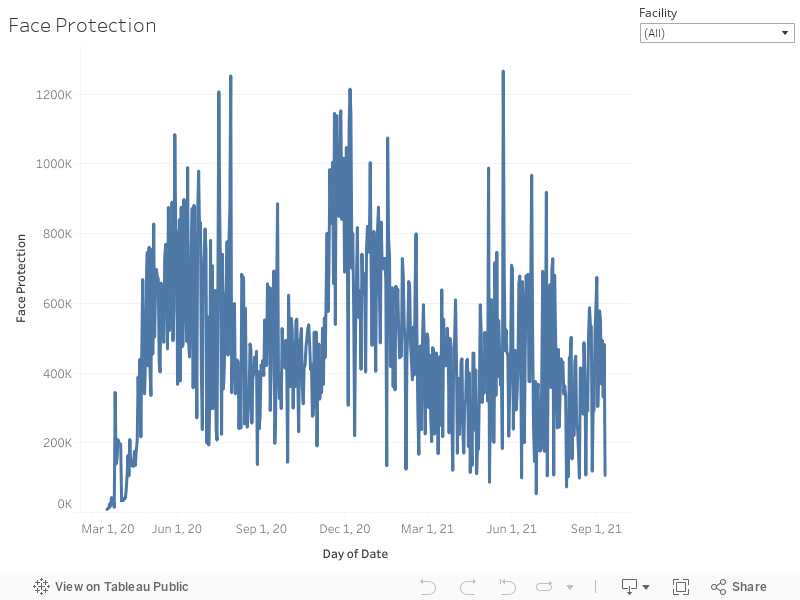
    Now, You Can Explore the Data About Your Local Hospital on Your Own

    Last Updated: Dec. 14

    Data Current up to: Dec. 11

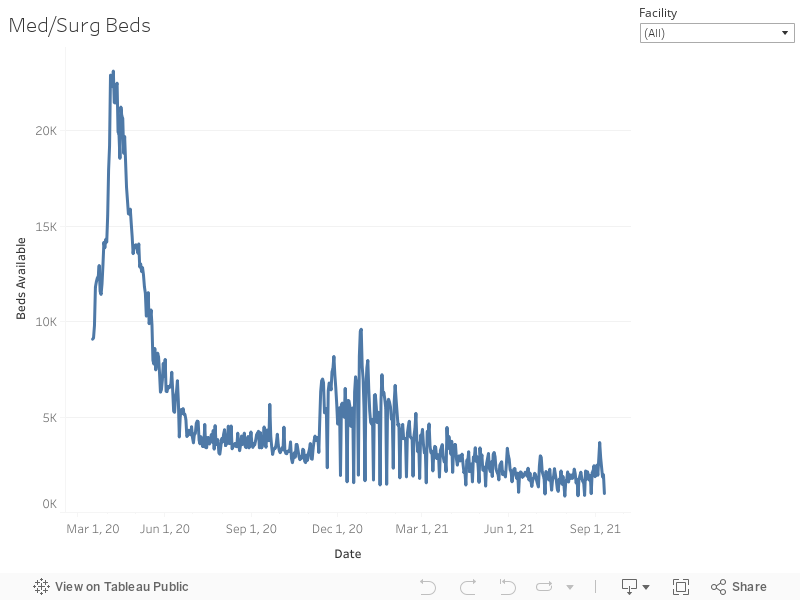
    Medical Surge Beds for Adults
    Adult ICU Beds
    Ventilators 
    N95 Masks
    Face Protection
    Gloves
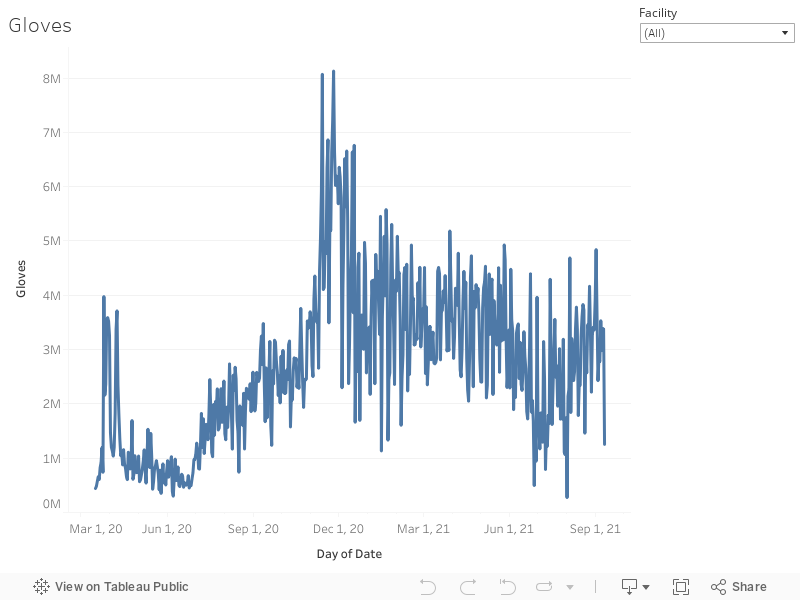
    Infectious Isolation Beds


    Note: Infectious isolation beds reflect the difference between airborne and droplet precautions:Initially, Covid-19 was thought to be spread primarily by “droplets” when patients cough, sneeze, sing or breathe. Most larger droplets are thought to float to the floor within 6 feet or so. Airborne Infection Isolation rooms are for diseases spread by “airborne” diseases when the concentration of pathogens that stays in the air is high enough to make someone else sick. Those rooms are recommended, but not always required, for COVID patients.


    Eye on Ohio sought records with the data as a way to provide readers with timely, local information about the ability of healthcare facilities in their area to deal with the pandemic.

    “In times of crisis transparency is paramount,” said Rebekah Crawford, who has her Ph.D. in Health Communication, Relating & Organizing from Ohio University.

    People want credibility and clear lines around what is known and what is uncertain. “When risk communicators are at their best,” Crawford said, “they remain credible by showing what is known and what is not known and by being clear about why we don’t know, and what we’re going to do to find out.” 

    When Eye on Ohio first requested records, at the end of March, the state had only about 2,200 confirmed cases and 55 deaths, according to the online Johns Hopkins Coronavirus Resource Center. As of November 12, Ohio had approximately 274,500 confirmed cases, and about 5,700 people had died from the disease.

    As of today, Ohio has approximately 529,508 confirmed cases, and about 7,645 people have died from the disease.

    Transparency Matters

    Leaders in times of crisis tend to assume that the public is going to panic, Crawford said, even though “research actually shows that panic isn’t the most prominent or even in the top ten of reactions that people have to communications of risk. People are most likely to be in denial. Studies of 9-11 show that people were excessively polite as they exited the World Trade Center because people don’t panic, they get especially compliant and cooperative in high stress or high risk situations.”

    Lack of transparency creates suspicion, hurts credibility, and diminishes trust-worthiness. Crawford said, “people who are untrained in risk communication go to that ‘don’t panic’  communication mode.” 

    Another misnomer is the assumption that people can’t understand how to interpret the information, so, Crawford said, “rather than taking it upon themselves to communicate in a transparent and understandable way they withhold information and say ‘we’ll make decisions for you’ which doesn’t work when people are anxious.”

    “A risk expert cannot look at some numbers and then tell a community ‘this isn’t a problem for you’ because the community may decide that it is a concern ‘because you don’t speak for us or understand what we value,’” Crawford said.

    Transparency is key for the public so individual communities can take the information given and decide for themselves what actions should be taken and individual needs addressed based on the needs and values of their demographic.

    A Need for Transparency

    Reporters initially sought information from individual hospitals but were told that all information was being funneled to the Ohio Hospital Association, which in turn provided it to the Department of Health. And the Department of Health had arranged for the data to be entered into a database called Surgenet. 

    According to a court affidavit, Surgenet was first developed by the Greater Dayton Area Health Information Network (GDAHIN). The software was subsequently enhanced to its present “all hazards” function as “a tool to be utilized during an emergency involving the public’s health which could severely impact hospital services.” Eye on Ohio was told that only the Department of Health would grant access to the materials.

    Eye on Ohio then filed a formal public records request for access to the data or records with it. After cancelling a meeting that had been scheduled to discuss the request, the Department of Health then issued a flat-out denial, claiming the records were “security and infrastructure records” under an exception to the state’s public records law.

    Eye on Ohio had  no option but to file a case with the Ohio Court of Claims.

    The court said the statutory language for that security exception just didn’t fit. That part of the Ohio Revised Code exempts security and infrastructure records that are prepared for the express purpose of protecting against or responding to terrorism, school shootings or similar acts of attack or sabotage. None of those apply to the COVID-19 pandemic.

    “Exceptions to disclosure are strictly construed,” wrote Special Master Jeff Clark in his October 20 report and recommendation. “And, in this case, the Department of Health failed to connect the data sought by Eye on Ohio with the prevention, mitigation or response to any existing or anticipated act of terrorism.”

    “To meet the burden of proof regarding alleged security records, ODH must offer more than its own conclusory labeling,” Clark wrote. He likewise rejected the Department of Health’s assertion that it should be able to stop release of the records because it didn’t want to discuss them.

    “Even assuming, arguendo, that some hospitals would rather not disclose their bed and resource availability, it is well-settled that public offices may not withhold records merely because of a policy preference for confidentiality,” Clark wrote.

    Court of Claims Judge Patrick McGrath approved the Special Master’s report and recommendation on November 10.

    Disclosure of the mounting strain on hospitals in their vicinity might also make people more vigilant in their efforts to control the pandemic and to “flatten the curve” of cases. Otherwise, as scientists have previously warned, the pandemic will cause even more deaths that could have been avoided.

    As for the resistance against complete transparency, “Far be it from me to criticize people who are providing care at a great risk to their own health in a time of heightened need,” Crawford said. “I’m not talking about the doctors and the nurses who are working in the hospitals, but the managers and administrators who are at the upper echelon of those really hierarchical corporations in some cases are motivated not to cooperate and share information. It really goes counter to public health needs and the demands in care and I would say ethical and medical provision.” 

    Eye on Ohio relies on support from readers like yourself. Even a small amount would help them improve their coverage.

    Donate

    Click here to read the metholodgy


    Your donation to Loveland Magazine can provide funds to pay for our current membership fees to the Ohio News Media Association which makes these vitally important public affairs stories possible for you, our readers.


  • After seven month legal battle, Eye on Ohio wins public records lawsuit over hospital capacity numbers

    After seven month legal battle, Eye on Ohio wins public records lawsuit over hospital capacity numbers

    Eye on Ohio is still waiting for the records

    By Bonnie Jean Feldkamp and Kathiann M. Kowalski

    This article provided by Eye on Ohio, the nonprofit, nonpartisan Ohio Center for Journalism. Please join their free mailing list as this helps them provide more public service reporting. Loveland Magazine provides support for Eye on Ohio through membership in the Ohio News Media Association.

    As the ongoing pandemic continues to surge, the Ohio Court of Claims ruled last week that the Department of Health must share public records with Eye on Ohio, showing the number of beds and ventilators available for COVID-19 patients at individual hospitals throughout the state. 

    The ruling comes seven months after Eye on Ohio initially sought the records. 

    “In times of crisis transparency is paramount,” said Rebekah Crawford, who has her Ph.D. in Health Communication, Relating & Organizing from Ohio University.

    People want credibility and clear lines around what is known and what is uncertain. “When risk communicators are at their best,” Crawford said, “they remain credible by showing what is known and what is not known and by being clear about why we don’t know, and what we’re going to do to find out.” 

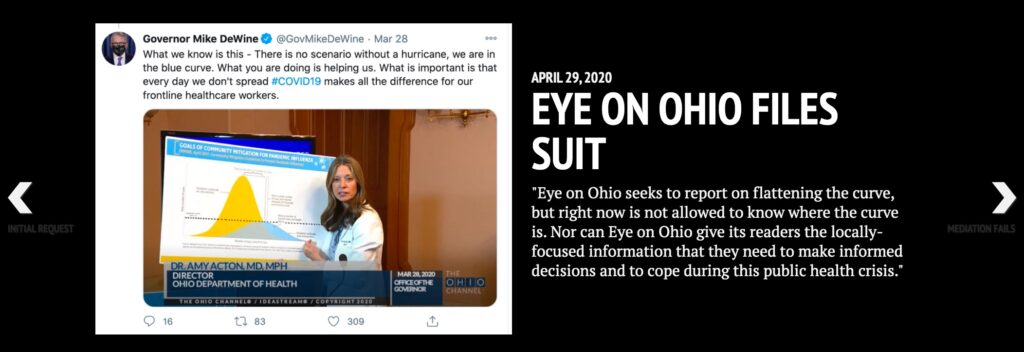
    View the Eye on Ohio timeline pursuing the Department of Health public records COVID 19

    When Eye on Ohio first requested records, at the end of March, the state had only about 2,200 confirmed cases and 55 deaths, according to the online Johns Hopkins Coronavirus Resource Center. As of November 12, Ohio had approximately 274,500 confirmed cases, and about 5,700 people had died from the disease.

    “We are in the midst of our third wave in Ohio,” Gov. Mike DeWine said in his November 11 address to the state. There had been warnings that cases would climb when weather turned cooler and people spent more time indoors again. But, DeWine stressed, the surge is “much more intense, widespread, and dangerous.”

    “As of today, every single one of our 88 counties has a high rate of virus spread, and areas of our state that were previously untouched—our rural areas—are being hit especially hard,” DeWine said.

    If current trends don’t change, some parts of the state are “maybe two or three weeks out” from hospitals having to crowd out non-COVID-related care as they try to keep up with the surge, reported Andy Thomas, a medical doctor at Ohio State University’s Wexner Medical Center, during the governor’s November 9 press conference. 

    Eye on Ohio sought records with the data as a way to provide readers with timely, local information about the ability of healthcare facilities in their area to deal with the pandemic. 

    In a state with nearly 45,000 square miles, that local information could tell citizens more about Ohio’s readiness to deal with emergencies for all its residents. Availability of beds and respirators in Cincinnati, for example, would mean little if hot spots of emergencies were concentrated in Ashtabula, nearly 300 miles away by car.

    Transparency Matters

    Leaders in times of crisis tend to assume that the public is going to panic, Crawford said, even though “research actually shows that panic isn’t the most prominent or even in the top ten of reactions that people have to communications of risk. People are most likely to be in denial. Studies of 9-11 show that people were excessively polite as they exited the World Trade Center because people don’t panic, they get especially compliant and cooperative in high stress or high risk situations.”

    Lack of transparency creates suspicion, hurts credibility, and diminishes trust-worthiness. Crawford said, “people who are untrained in risk communication go to that ‘don’t panic’  communication mode.” 

    Another misnomer is the assumption that people can’t understand how to interpret the information, so, Crawford said, “rather than taking it upon themselves to communicate in a transparent and understandable way they withhold information and say ‘we’ll make decisions for you’ which doesn’t work when people are anxious.”

    “A risk expert cannot look at some numbers and then tell a community ‘this isn’t a problem for you’ because the community may decide that it is a concern ‘because you don’t speak for us or understand what we value,’” Crawford said.

    Transparency is key for the public so individual communities can take the information given and decide for themselves what actions should be taken and individual needs addressed based on the needs and values of their demographic. 

    A Need for Transparency

    Reporters initially sought information from individual hospitals but were told that all information was being funneled to the Ohio Hospital Association, which in turn provided it to the Department of Health. And the Department of Health had arranged for the data to be entered into a database called Surgenet. 

    According to a court affidavit, Surgenet was first developed by the Greater Dayton Area Health Information Network (GDAHIN). The software was subsequently enhanced to its present “all hazards” function as “a tool to be utilized during an emergency involving the public’s health which could severely impact hospital services.” Eye on Ohio was told that only the Department of Health would grant access to the materials.

    Eye on Ohio then filed a formal public records request for access to the data or records with it. After cancelling a meeting that had been scheduled to discuss the request, the Department of Health then issued a flat-out denial, claiming the records were “security and infrastructure records” under an exception to the state’s public records law.

    Eye on Ohio had  no option but to file a case with the Ohio Court of Claims.

    The court said the statutory language for that security exception just didn’t fit. That part of the Ohio Revised Code exempts security and infrastructure records that are prepared for the express purpose of protecting against or responding to terrorism, school shootings or similar acts of attack or sabotage. None of those apply to the COVID-19 pandemic.

    “Exceptions to disclosure are strictly construed,” wrote Special Master Jeff Clark in his October 20 report and recommendation. “And, in this case, the Department of Health failed to connect the data sought by Eye on Ohio with the prevention, mitigation or response to any existing or anticipated act of terrorism.”

    “To meet the burden of proof regarding alleged security records, ODH must offer more than its own conclusory labeling,” Clark wrote. He likewise rejected the Department of Health’s assertion that it should be able to stop release of the records because it didn’t want to discuss them.

    “Even assuming, arguendo, that some hospitals would rather not disclose their bed and resource availability, it is well-settled that public offices may not withhold records merely because of a policy preference for confidentiality,” Clark wrote.

    Court of Claims Judge Patrick McGrath approved the Special Master’s report and recommendation on November 10.

    In 2020, so far there have been 24 public records cases resolved in Ohio. In 14 cases, the party dismissed the action because records were provided. In seven cases, the party just dismissed the case. It’s not clear if the records were provided or they just weren’t relevant any more. Just three were decided by the Court of Claims. 

    What’s next

    Despite the court’s ruling, Eye on Ohio is still waiting for the records. In response to its journalists’ requests for access to the database, attorney Socrates Tuch wrote, “Instead, the Department is preparing a data extract to be provided on an Excel spreadsheet or sheets. Doing so is taking time as the Department staff attempts to accommodate this task with the COVID response.”

    Ohio law generally requires a reasonable time for production of public records. However, Eye on Ohio first sought the records with the information at the end of March. And the Special Master’s October 20 report came out more than three weeks ago.

    Eye on Ohio again pressed for production of the materials on Friday. 

    “We are working on gathering the records and when they are ready, we will send them along,” responded Press Secretary Melanie Amato at the Department of Health.

    When Eye on Ohio finally gets the materials, it plans to provide further reports on it and on updated data. Its journalists hope that more complete, local information can help the public as the pandemic continues. 

    Disclosure of the mounting strain on hospitals in their vicinity might also make people more vigilant in their efforts to control the pandemic and to “flatten the curve” of cases. Otherwise, as scientists have previously warned, the pandemic will cause even more deaths that could have been avoided.

    As for the resistance against complete transparency, “Far be it from me to criticize people who are providing care at a great risk to their own health in a time of heightened need,” Crawford said. “I’m not talking about the doctors and the nurses who are working in the hospitals, but the managers and administrators who are at the upper echelon of those really hierarchical corporations in some cases are motivated not to cooperate and share information. It really goes counter to public health needs and the demands in care and I would say ethical and medical provision.” 

  • As we reopen Loveland Schools: CDC director blocked from appearing before Congress to testify about reopening schools

    As we reopen Loveland Schools: CDC director blocked from appearing before Congress to testify about reopening schools

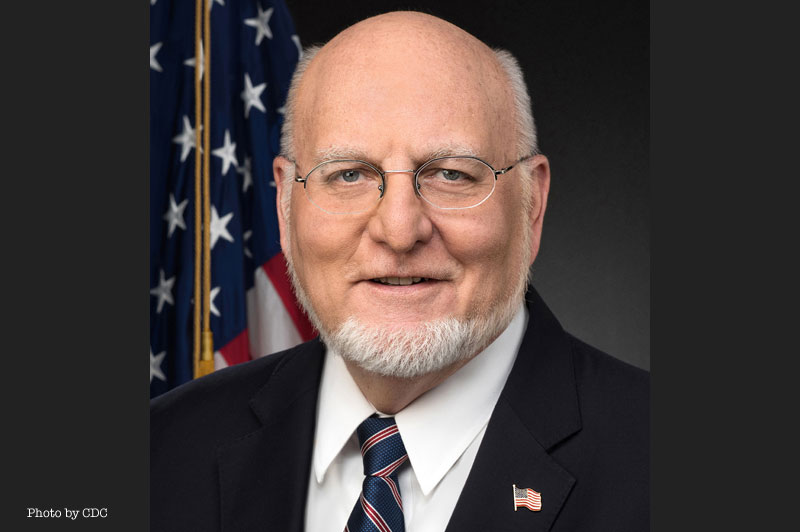
    CDC Director Robert Redfield

    The Loveland Board of Education voted unanimously on Wednesday to fully re-open schools. During their discussion, we heard repeatedly how the devil’s daily details are not yet known because staff and administrators are waiting for advice and guidelines from various local, State, and Federal agencies that have yet to be released. (In unanimous vote Loveland Board of Education approves reopening plan)

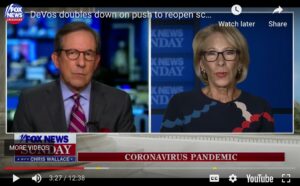
    Chris Wallace asks Education Secretary Betsy DeVos if she has authority to pull funding from schools that don’t reopen and about safely re-opening schools

    Meanwhile, we find out today as Bianca Quilantan reports in Politico that the White House is blocking CDC officials from testifying next week at a hearing on reopening schools.

    Separately, the CDC confirmed that more guidance for opening schools won’t be released until later this month. The report was expected to already be available.

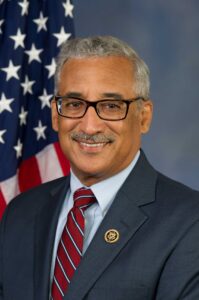
    House Education and Labor Committee Chair Bobby Scott (VA-03) had invited CDC Director Robert Redfield, or a designee, to testify before the Early Childhood, Elementary and Secondary Education Subcommittee on July 23 at a hearing on safely reopening schools.

    CNN’s Dana Bash speaks to Education Secretary Betsy DeVos about whether or not she has a plan for schools to safely reopen for students as Covid-19 cases surge in the US.
    Scott asked Redfield to discuss the immediate needs of K-12 public schools as many districts, including Loveland, Ohio schools, prepare to reopen in a few weeks.

    “It is alarming that the Trump Administration is preventing the CDC from appearing before the Committee at a time when its expertise and guidance is so critical to the health and safety of students, parents, and educators,” Scott said in a statement to Politico. “This lack of transparency does a great disservice to the many communities across the country facing difficult decisions about reopening schools this fall.”

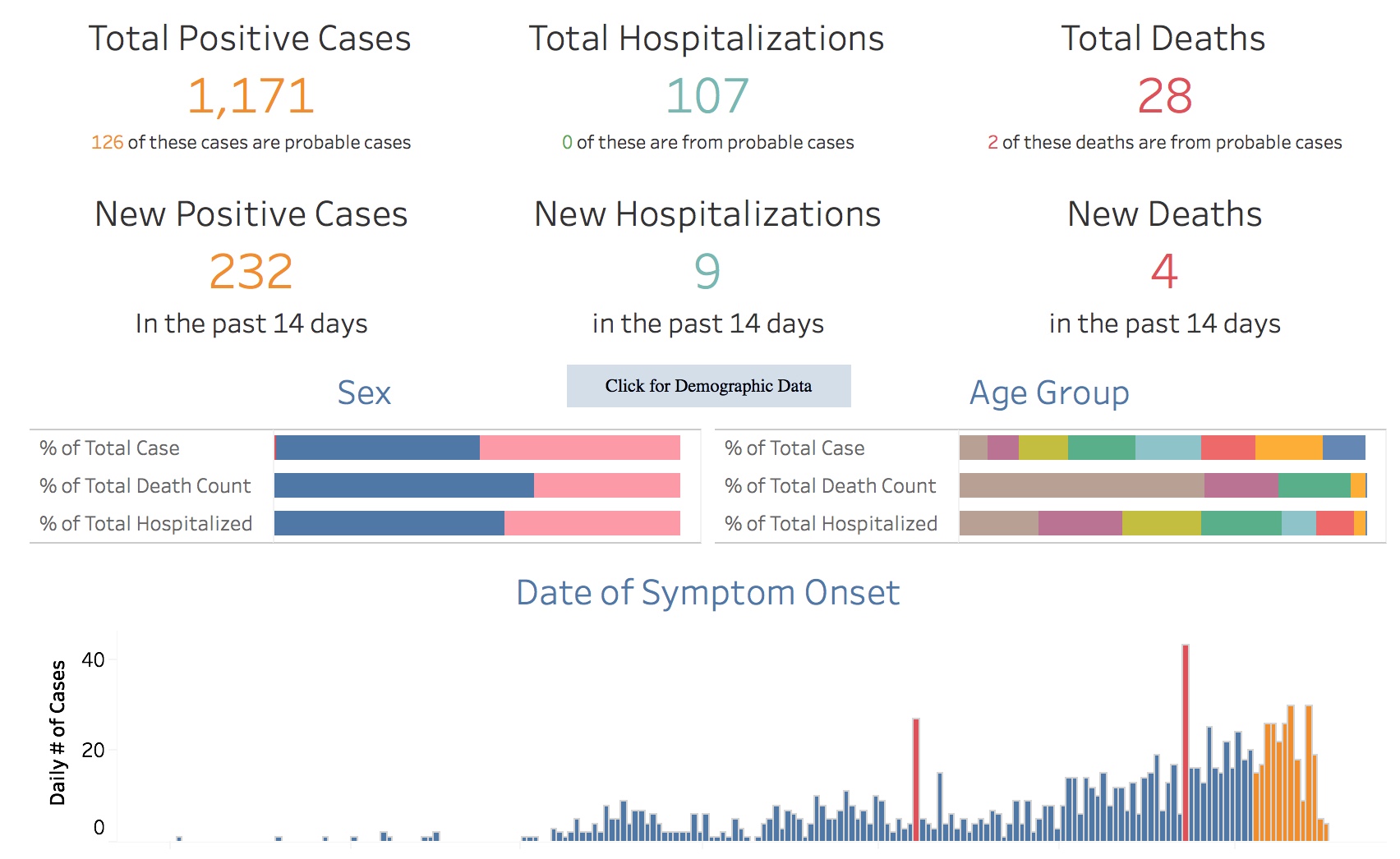
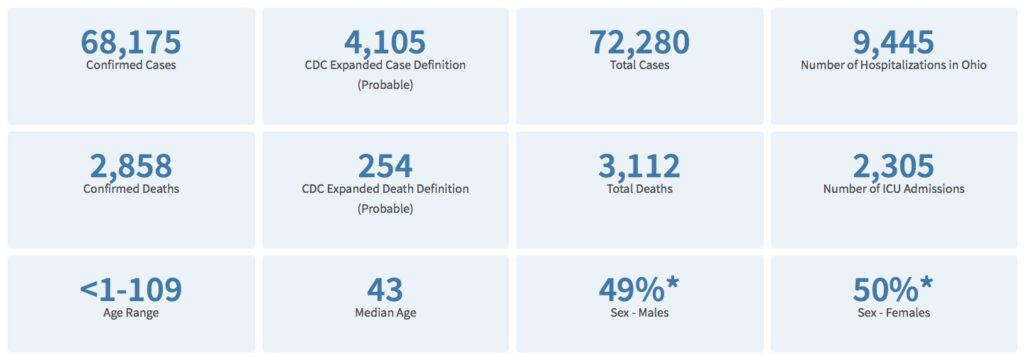
    Ohio’s COVID 19 DASHBOARD today at 7:48 AM

    Aides, speaking on background, said the committee was told that Redfield would not appear, at the direction of the White House according to Politico.

    Science and evidence-based resources and tools could provide additional information for administrators, teachers and staff, parents, caregivers and guardians in Loveland, as they work towards the public health-oriented goal of safely opening schools this fall.

    House Education and Labor Committee Chair Bobby Scott

    Scott released this statement on Friday:

    “School reopening plans must be guided by the advice of public health experts. For that reason, we asked the Centers for Disease Control and Prevention (CDC) to testify in a public hearing to provide greater clarity on the steps we can take to help schools reopen safely.

    “It is alarming that the Trump administration is preventing the CDC from appearing before the Committee at a time when its expertise and guidance is so critical to the health and safety of students, parents, and educators. This lack of transparency does a great disservice to the many communities across the country facing difficult decisions about reopening schools this fall. 

    “The administration’s strategy of prioritizing politics over science has had a devastating impact on our country throughout this pandemic. It should not make that same mistake when it comes to reopening schools.”


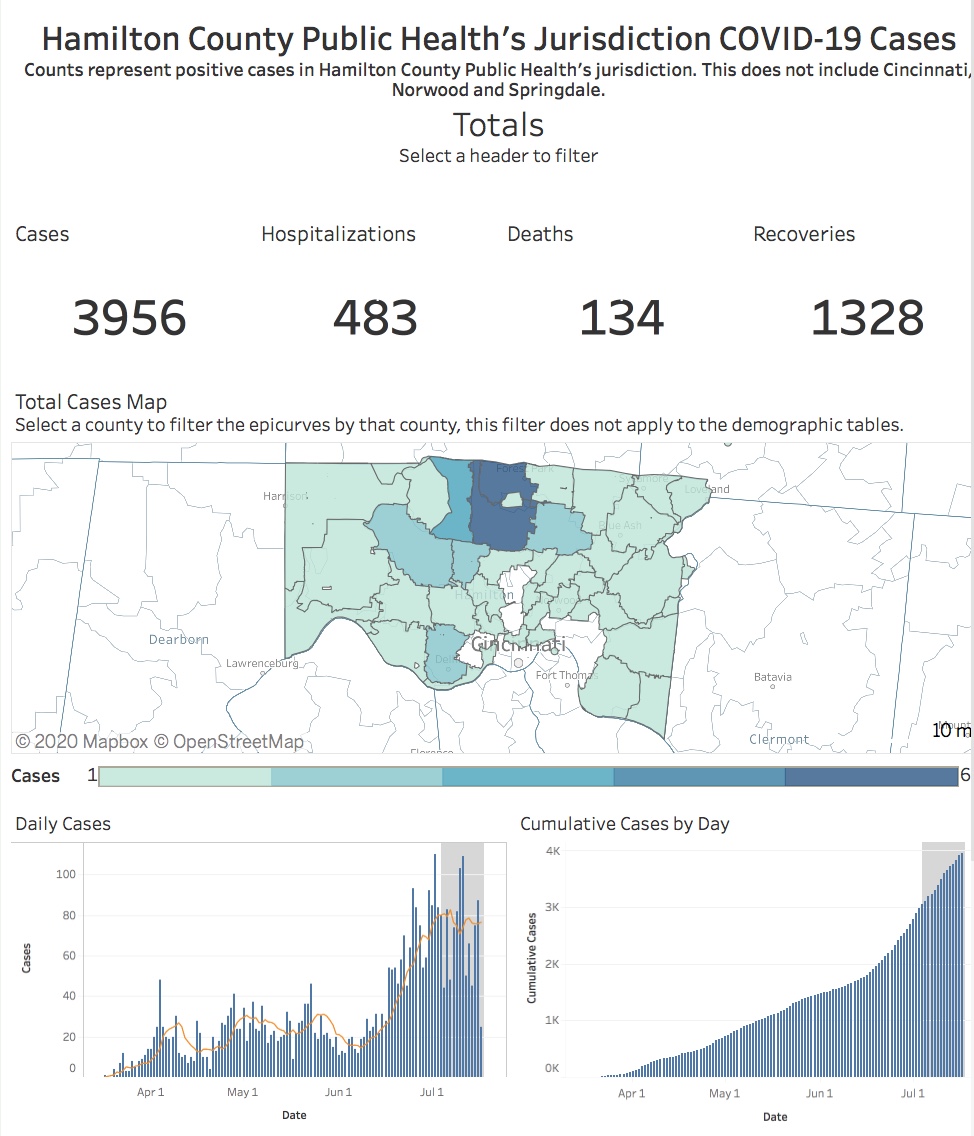
    Hamilton County COVID 19 Dashboard today at 7:55 AM


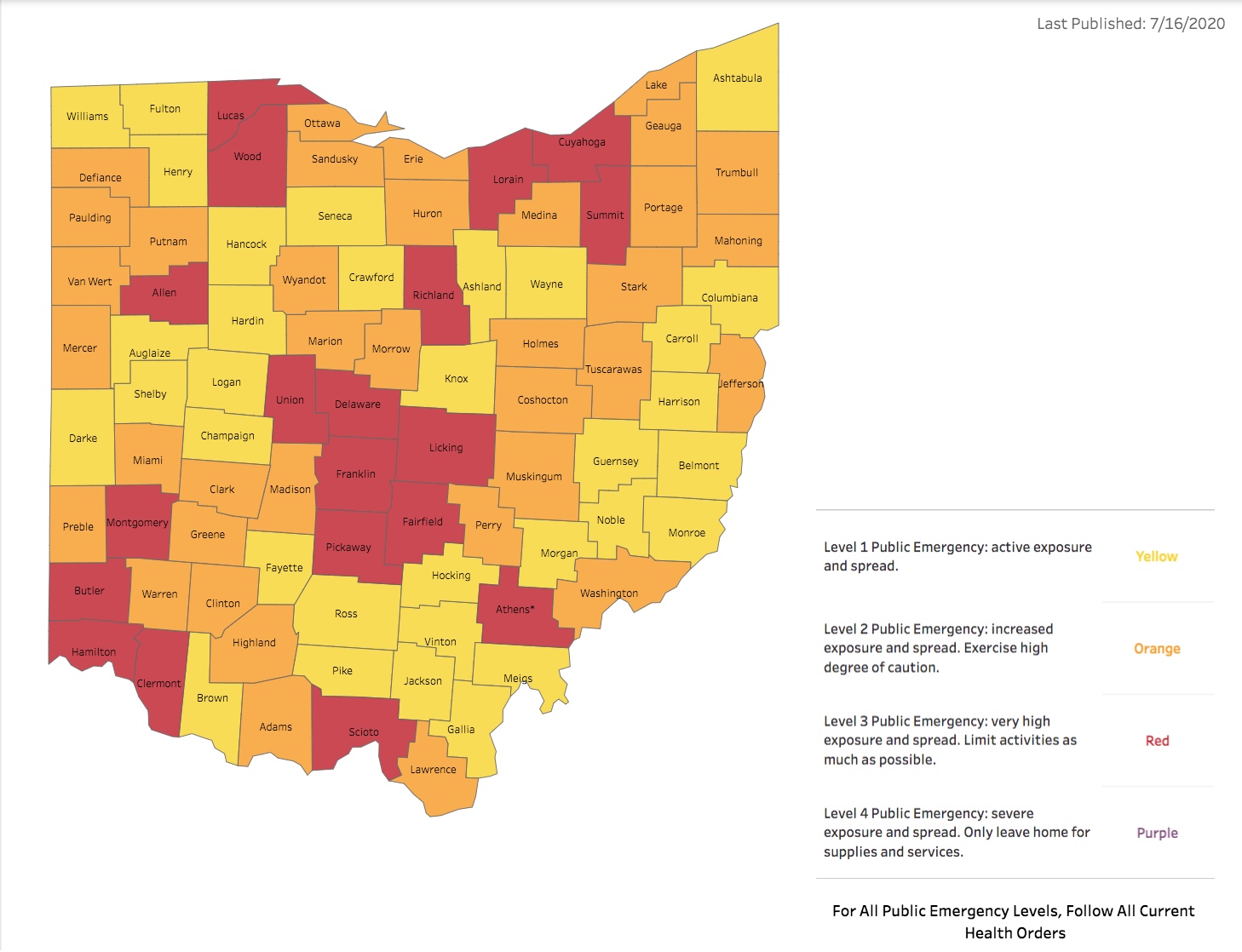
    Ohio Public Health Advisory System The Public Health Advisory Alert System is a color-coded system designed to supplement existing statewide orders through a data-driven framework to assess the degree of the virus’ spread and to engage and empower individuals, businesses, communities, local governments, and others in their response and actions. (7-18-2020)


    Warren County COVID 19 Dashboard today at 8:02 AM


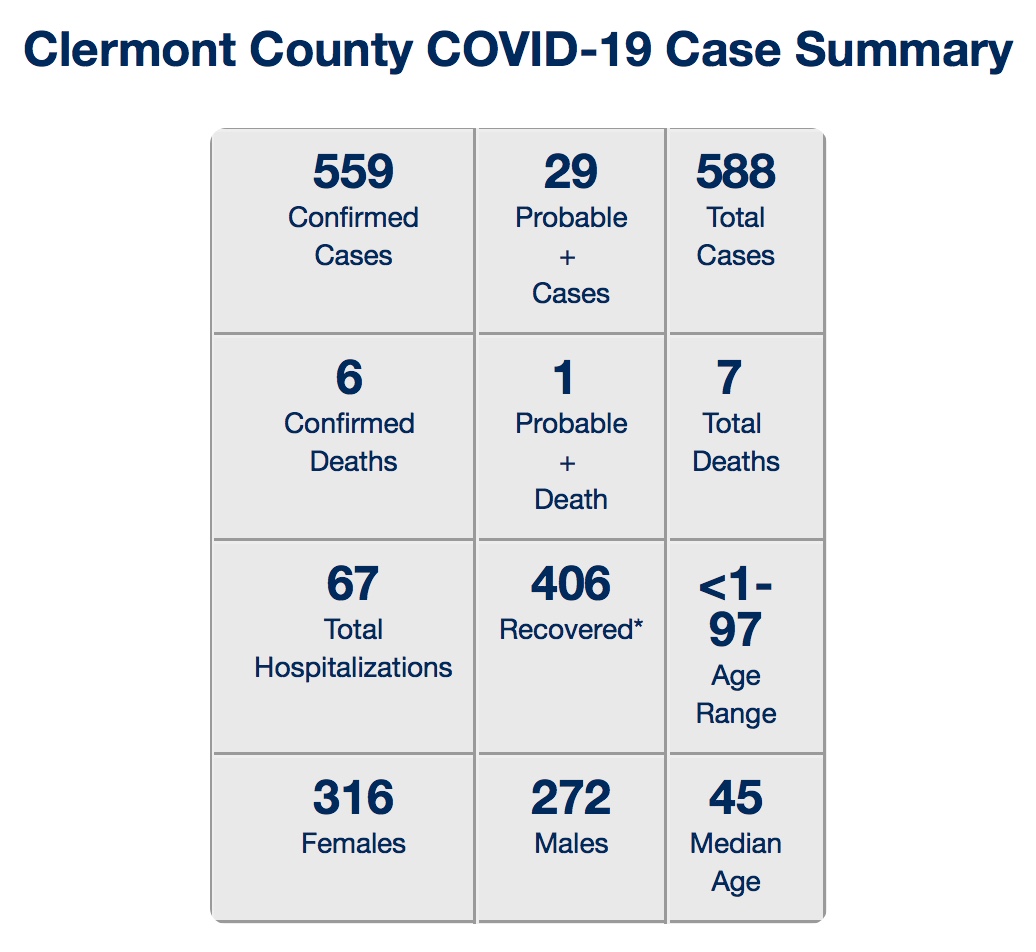
    Clermont County COVID 19 Dashboard today at 8:02 AM