Tag: latest stories

  • FREE: Learn how to make a clay boat at Loveland Library

    FREE: Learn how to make a clay boat at Loveland Library

    Loveland, Ohio – A free class titled “Come Clay with us” will be this Saturday, January 7, from 11 AM until 2 PM at the Loveland Library.

    “Let us help fuel your creativity at this free clay and origami workshop. Join the fine folks at Whistle Stop Clay Works and help make an art installation that will be on display at our Loveland Branch Library. Learn to make clay sailboats, clay fish, origami boats, and clay waves. No experience is needed, just the desire to have fun and learn something new. Free and open to ages 4+ to adults.”

    The event is in conjunction with the The National Council on Education for the Ceramic Arts convention that will be held this March in Cincinnati.

    Watch this video to learn why Cincinnati was chosen for this national convention.

  • DeWine signs 23 bills into law, vetoes one

    DeWine signs 23 bills into law, vetoes one

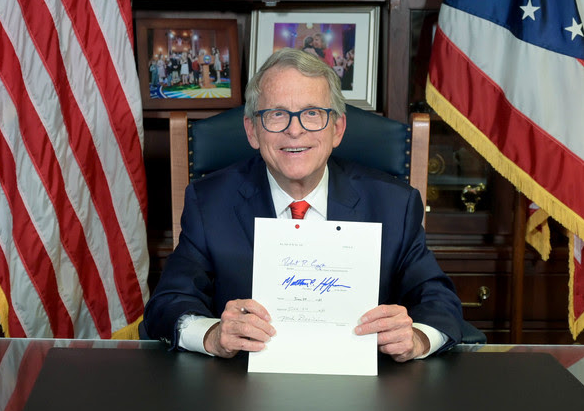
    File photo: Gov. Mike DeWine signing a bill. Source: The governor’s office.

    BY: NICK EVANS – Ohio Capital Journal

    While Ohio House and Senate lawmakers organize committees and prepare for the coming session, Gov. Mike DeWine is putting the finishing touches on the last one. So far this week, the governor has signed 23 bills into law and vetoed one.

    The veto

    DeWine rejected HB 286, sponsored by Rep. Bill Seitz, R-Cincinnati. The bill would have allowed legal challenges for certain agency orders to occur in the county where a business or a person resides.

    The changes applied to agencies handling liquor control, workers compensation, medicine, chiropractors, nursing, and the casino control commission. Existing law sends those challenges the Franklin County Court of Common Pleas, which Seitz criticized in his sponsor testimony.

    “While it is true that the current law represents a great convenience for the State’s bureaucrats and lawyers who need only to defend their decisions on their “home turf”,” Seitz argued, “these considerations are counterbalanced by the inconvenience to the Ohio citizens and businesses who must always play “an away game.”

    DeWine’s veto message was notably terse. “(HB 286) is very similar to provisions that I vetoed previously,” he wrote. “The language as drafted in HB 286 is simply too broad.”

    Those previously vetoed provisions are actually in state law. They come from SB 22 — a measure limiting the governor’s emergency powers and passed by lawmakers despite DeWine’s veto in 2021. Among other changes, it allows people challenging a rule “adopted in response to a state of emergency” to file their case in their home county.

    And a change of venue can make an enormous difference in a case. Columbus’ ongoing bid to institute local firearm regulations offers an illustrative example. After a Franklin County judge ruled against a state law blocking local gun provisions, Columbus passed a large capacity magazine ban and a safe storage ordinance. Attorney General Yost went to neighboring Fairfield County — “where roughly 11,000 Columbus residents live” his press release points out — to challenge those laws.

    Columbus City Attorney Zach Klein accused Yost of “judge shopping,” but the AG’s move secured a temporary restraining order.

    What’s left?

    The final batch of bills arrived on the governor’s desk Dec. 30. Because DeWine has ten days not including holidays and Sundays in which to act, he has until Jan. 12 to make a decision on those proposals, according to his office.

    Among the measures still outstanding are bills that institute photo ID requirements for voting and a prohibition on local tobacco ordinances. DeWine has hinted at vetoing the latter. In a separate OCJ story today, the governor’s office said the elections and voter ID bill was received Dec. 29, so they calculate the deadline for action on that to be Jan. 11.

    The governor also hasn’t taken action yet on a last minute bill which appropriates $6 billion in federal money. Because it includes spending, DeWine could issue line-item vetoes rather than scrapping the bill as a whole.

    The signatures

    Meanwhile, DeWine approved the following bills:

    SB 16: Increased penalties for assault or menacing when the victim is a first responder. The measure also gave local governments explicit authorities when dealing with a riot or mob and prohibited any limitations on firearm rights due to a state of emergency.

    SB 33: Changed Community Reinvestment Area policy to allow greater deduction to 529 education savings plans.

    SB 63: Allowed county probation offices to accept credit card payments. A House amendment added on a new liquor permit for auto-sports facilities.

    SB 131: Required the issuance of certain occupational licenses if a person has experience in that field in a different state. It also specifies individuals can’t register as a credit services organization or a fireworks manufacturer.

    SB 164: Altered animal cruelty laws and prohibited shelters from using gas chambers to put down pets. It also gives Cuyahoga County the greenlight to convert its tobacco tax to a wholesale tax and institute a new wholesale tax on vapor products.

    SB 202: Prohibited restricting parental rights due to the parent’s disability. House amendments gave lawyers credit toward judicial eligibility for out of state practice time and created a bail study task force.

    SB 288: Instituted new texting while driving provisions including making it a primary offense. Also made numerous changes to the criminal code.

    SB 302: Made changes to the state unemployment compensation system.

    HB 23: Required EMS and police officers undergo dementia-related training and raised the maximum age for new highway patrol troopers.

    HB 35: Permitted Ohio mayors to solemnize marriages.

    HB 66: Made numerous tweaks to local taxing authority and reporting as well as $30 million for minor league sports teams.

    HB 107: Revised Ohio’s elevator laws.

    HB 150: Established a rural practice incentive program to pay student loans for attorneys working in public offices or underserved communities.

    HB 178: Known as Makenna’s Law, this measure placed limits on water pressure at pools and other water parks.

    HB 254: Established domestic violence fatality review boards.

    HB 279: Shortened timeline for filing certain wrongful death claims.

    HB 353: Known as Ohio’s “Testing Your Faith Act,” this bill directed higher ed institutions to develop accommodations for students who need to be absent for religious reasons.

    HB 364: Changed application process for sewer and water infrastructure surcharges.

    HB 392: Authorized transport of police dogs injured in the line of duty. An amendment made provisions for riding in a fifth wheel trailer and mounting safety devices on a windshield.

    HB 405: Clarified rules of county hospital boards, gave coroners access to a law enforcement database and allowed treasurers to send bills electronically.

    HB 423: Designated the American Soap Box Derby Ohio’s official gravity racing program.

    HB 462: Prohibited “swatting.”

    HB 487: Altered bidding process for Ohio ballot printing contracts to allow out of state vendors/printers to participate.

    Follow OCJ Reporter Nick Evans on Twitter.

  • Chamber reflects on 2022 and what’s to come in 2023

    Chamber reflects on 2022 and what’s to come in 2023

    Loveland, Ohio – Hot off the press! A new episode of the Little Miami River Chamber Alliance “Chamber Chat” podcast has landed.

    Get the scoop from CeeCee and Meredith as they reflect on 2022 and what’s to come in 2023.

  • Loveland’s Goodwill Store getting makeover in new year

    Loveland’s Goodwill Store getting makeover in new year

    Loveland, Ohio – Ohio Valley Goodwill has announced that the organization’s “flagship” store in Loveland will be closing January 9th for two months as it undergoes a major renovation and re-design.

    The renovation will include new flooring, walls, lighting, displays, fresh paint colors, new bathrooms, and other interior areas. This renovation will serve as the first in a series of retail re-designs that Goodwill will be undertaking during the year.

    “Goodwill is excited about the re-design of the Loveland store location and looks forward to sharing a wonderful shopping experience with our devoted customers in the New Year,” said Jeff Eastham, Vice President of Retail Operations. “We are eager to welcome everyone when the renovations and redesign are completed and to celebrate the Grand Re-Opening of the store in the months to come.”

    While the renovations are underway, shoppers and donors are invited to visit both the Montgomery and Mason Boutiques which are closest to the Loveland location, or any one of its other 18 stores in the Greater Cincinnati area. For a complete list of locations, visit www.cincinnatigoodwill.org/shop. Donations will still be accepted at the front of the Loveland store at the Goodwill Donation Trailer.

    Updates on the progress of the renovations will be made on a regular basis and customers are invited to follow the progress of the remodel on www.facebook.com/cincigoodwill.

    Plans for the “Grand Re-Opening” event will be announced in the coming months.

    Renovation Sale is Underway

    To get ready for the renovation, Goodwill is clearing everything out and so are offering these daily sales.

  • School district will hold a Town Hall Meeting to discuss “ongoing funding challenges”

    School district will hold a Town Hall Meeting to discuss “ongoing funding challenges”

    Loveland, Ohio – In his weekly Superintendent’s Message, Mike Broadwater described the importance of a planned town hall meeting to discuss, “…our ongoing funding challenges”. He said, “The district is currently in deficit spending, which means that we are spending more money to pay for staff and services than the federal, state, and local tax revenue that is coming in. Our Five Year Forecast shows deficit spending for the current fiscal year of $3.7 million and projects a $3.8 million deficit in the following fiscal year.”

    To that end, at the Board of Education meeting on December 10, it was decided that the District will hold a Town Hall Meeting on Thursday, January 5, at 6 PM in the Media Center at the Loveland Intermediate School.

    “The purpose of this Town Hall is for district leaders to hear from our Loveland City Schools community about issues facing the school district, including the financial future of Loveland City Schools.”

    Two members of the Board of Education and the Superintendent will attend.

    If you cannot attend, you can watch the live stream by following this link. Only in-person attendees can participate with questions or comments. A recording of the meeting will be available to watch for those who are interested.

    [Watch Now] Loveland City School District Town Hall Meeting

  • Google Business Profile Lunch & Learn

    Google Business Profile Lunch & Learn

    Rusty Allison
    Promoted Post

    Loveland, Ohio – Have you Googled your business recently?

    Did you know that 93% of people start their initial search for anything on a search engine? Did you know that Google holds 78% of the search engine market? Want to know how to take advantage of this?

    Google My Business has rebranded to the Google Business Profile. While much remains the same for gaining online visibility, some significant changes have happened.

    Join the Little Miami River Chamber Alliance with former Google City Ambassador, Rusty Allison for a special “Lunch & Learn” about what you might have missed with the new Google Business Profile listings.

    Fees/Admission
    Fees/Admission

    $35 Members
    $45 Non-Members

    The Historic Location

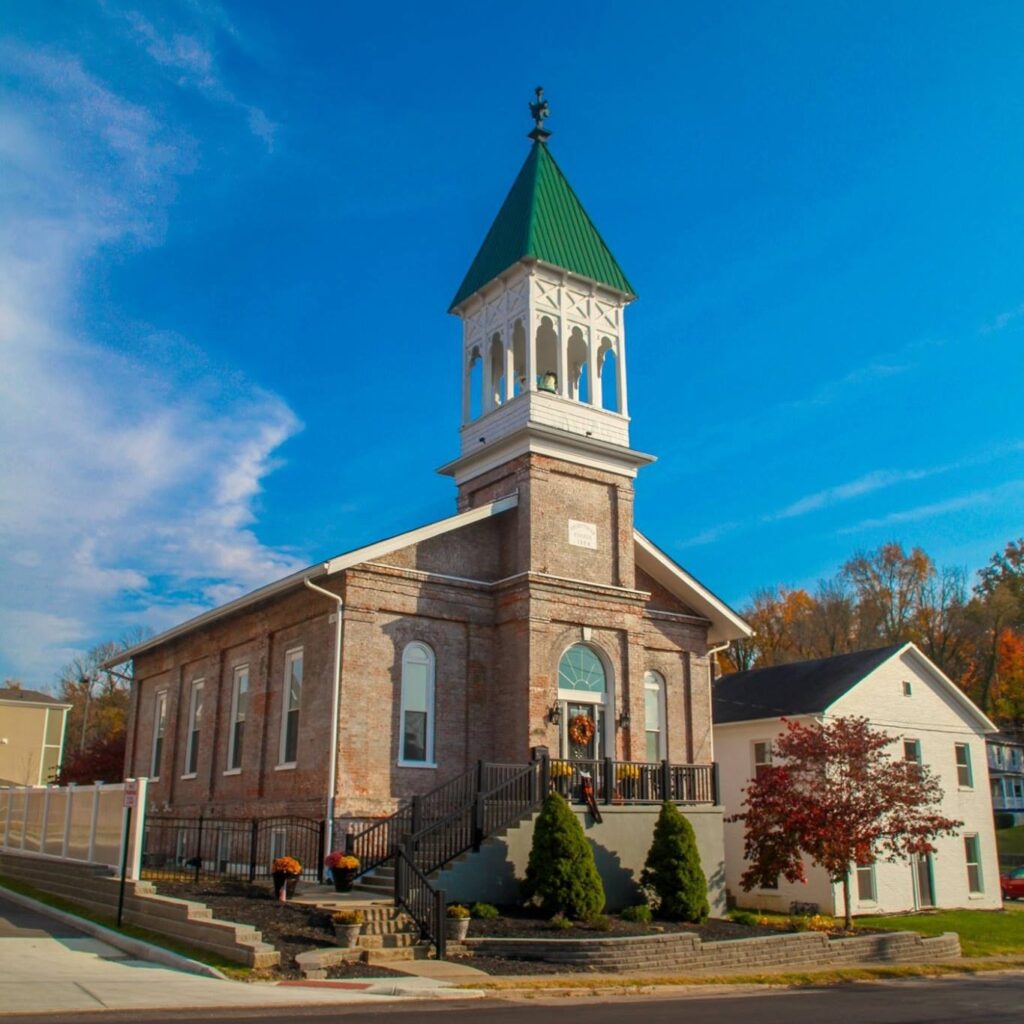
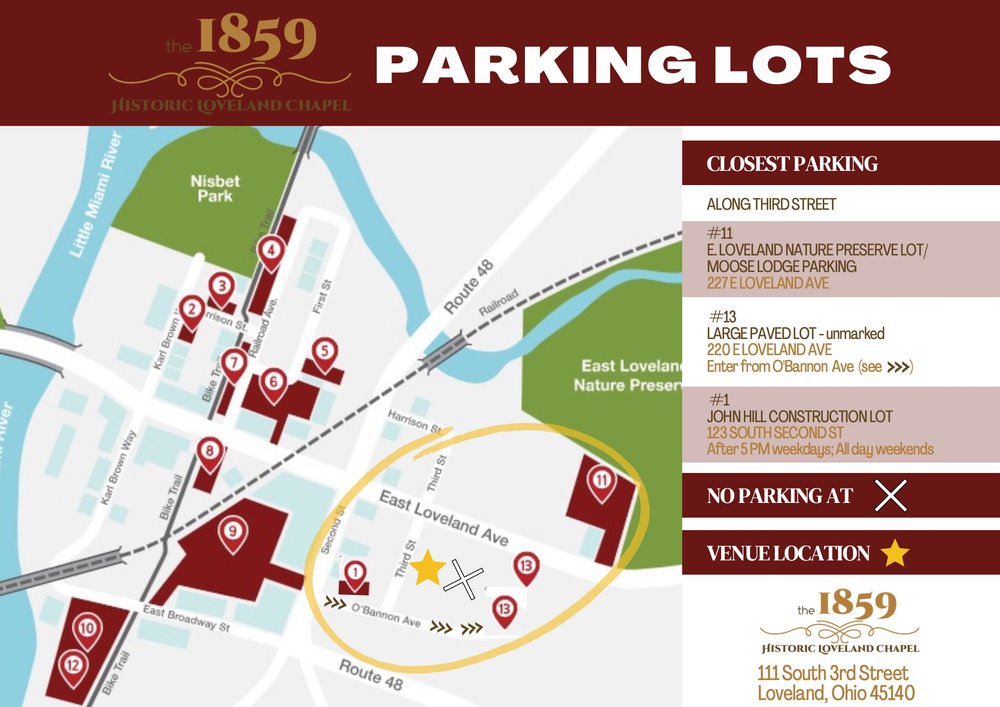
    The 1859 is a boutique event space located in the heart of historic Loveland.

    The 1859
    111 S. 3rd St.
    Loveland, OH

  • UC Health: Happy Birthday to our first baby of 2023

    UC Health: Happy Birthday to our first baby of 2023

    UC Health

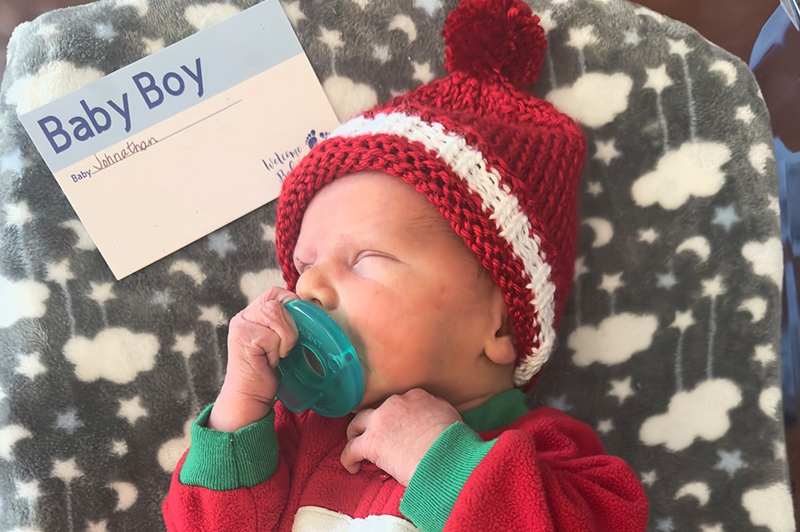
    “Happy Birthday to our first baby of 2023! Welcome to the world, Johnathan!”

  • Annual State of the Region Address

    Annual State of the Region Address

    Loveland, Ohio – The Little Miami River Chamber Alliance urges you to join them for the State of the Region 2023 Address. Hear from city and township leaders: David Kennedy (Loveland City Manager), Jeff Wright (Miami Township Administrator), and Kim Lapensee (Symmes Township Administrator) on their 2023 plans. Learn more about your community, economic development plans and stay informed for the upcoming year.

    February 2

    11:30 AM

    HCC – 1007 Cottonwood Dr., Loveland, Ohio

  • Expanded access to teen driver training through State grant program

    Expanded access to teen driver training through State grant program

    Agencies that wish to receive a grant must submit their proposals before Jan. 21

    Loveland, Ohio – There are expanded access to teen driver training for low-income Ohio families through the new “Drive to Succeed” scholarship program.

    Loveland area residents can urge their police departments, council members, or trustees to apply for a grant by forwarding this story to them. Whether you have a teen driver or not, all residents will benefit from safer teen drivers.

    Administered by the Ohio Traffic Safety Office (OTSO) and available via grants to local governmental agencies, teens selected for a scholarship by grantee agencies would attend an eligible Ohio-approved driving school in their area at little to no cost.

    Funding to establish these community-based scholarships will be awarded by OTSO to local agencies through a competitive grant process. Local government agencies, such as police departments, sheriffs’ offices, health departments, and others may apply for funding. The proposing agency must be in an area with a population of 5,000 or more.

    “The importance of driver training cannot be overstated, especially for our young drivers,” said Ohio Governor Mike DeWine. “This new program aims to remove the financial barrier that may prevent some teens from enrolling in driver education.”

    Data shows that young drivers under age 24 are involved in 31% of all crashes in Ohio. Youth-related fatal crashes have been steadily rising over the past three years with 296 fatalities in 2021 accounting for almost 24% of all fatal crashes.

    For the first time in Ohio, recent research has shown that new drivers under age 18 who complete the mandatory driver education under Ohio’s Graduated Driver Licensing (GDL) restrictions were less likely to crash than drivers licensed at age 18 who are exempt from these requirements. Ohio is one of only 15 states with comprehensive licensing requirements that include behind-the-wheel training at a licensed driving school, in addition to classroom or online instruction, parent-supervised practice driving, and learner permit holding periods.

    Agencies that wish to receive a grant must submit their proposals before Jan. 21, 2023. The complete grant proposal and guidelines can be found online at Grants/Federal Programs | Ohio Traffic Safety Office.

  • Brent Spence Bridge plan moves forward with $1.635 billion from Feds

    Brent Spence Bridge plan moves forward with $1.635 billion from Feds

    Reuters has announced that President Joe Biden will join Republican Senate Minority Leader Mitch McConnell in a Wednesday event in Kentucky aimed at highlighting the effects of the $1 trillion 2021 infrastructure bill, a White House official said Sunday.

    Bidenr, along with Ohio Governor Mike DeWine and Kentucky Governor Andy Beshear, are to appear at a ceremony highlighting the $1.64 billion in funding awarded to for the Brent Spence Bridge Corridor Project connecting the two states across the Ohio River.

    Ohio Governor Mike DeWine and Kentucky Governor Andy Beshear announced last week the awarding of federal funding grants worth $1.635 billion for the Brent Spence Bridge Corridor Project – giving the landmark bridge and corridor project the green light to move toward construction.

    “Ohio and Kentucky have been discussing the Brent Spence Bridge Corridor Project for almost two decades, and now, we can finally move beyond the talk and get to work,” said Governor DeWine. “This project will not only ease the traffic nightmare that drivers have suffered through for years, but it will also help ensure that the movement of the supply chain doesn’t stall on this nationally significant corridor. My administration vowed to press the federal government to fund this project, and we’re glad that they have recognized its significance. I’m grateful to the teams in both states who have worked so hard to make this project a reality.”

    With funding secured, groundbreaking on the project is anticipated for late 2023, with substantial completion slated for 2029.

    “I’m thrilled the time has finally come for us to get the companion bridge built,” Gov. Beshear said. “Funding and constructing the Brent Spence Bridge Corridor Project is more than the fulfillment of my administration’s promise – it’s a dream-fulfilled for the thousands of travelers who pass through the bustling region every day waiting eagerly for traffic relief to come on this nationally significant corridor. It also shows what’s possible when we prioritize people over politics. Once complete, drivers will have a more enjoyable and efficient drive and we’ll have the infrastructure in place to support the booming economy in this part of the state. Hats off to the Kentucky Transportation Cabinet and Ohio Department of Transportation, and countless partners and advocates who played a role in today’s monumental achievement including the General Assembly for the last budget allocation. We greatly appreciate President Biden and Secretary Buttigieg for this historic investment.”

    The Brent Spence Bridge was constructed in the 1960s to carry around 80,000 vehicles a day, but the daily I-75 and I-71 traffic load has reached 160,000 vehicles in recent years. Because I-75 is a key freight corridor stretching from Canada to Florida, the congestion impacts commerce and commuters who travel the corridor in the eastern United States.

    Project plans call for the construction of a companion bridge to the west of the existing Brent Spence Bridge, as well as improvements to the current bridge and the roadway network that ties into each river crossing. There will be enhanced pedestrian access across I-75 in Cincinnati to reconnect downtown with western neighborhoods and the City of Cincinnati will regain nearly 10 acres of land to develop in the downtown area. In Kentucky, the project will include a new storm sewer system to reduce flooding and improve local roads, including enhanced pedestrian and bicycle facilities, in the area of the existing and new bridge.

    The project team – consisting of representatives from the Ohio Department of Transportation (ODOT) and Kentucky Transportation Cabinet (KYTC) – applied jointly for funding and have outlined terms to move the project to construction.

    The funding was made available through the passage of the federal Bipartisan Infrastructure Law that invested billions of dollars to revitalize infrastructure and spur the economy. 

    In July, Governors DeWine and Beshear announced revised plans based on community engagement and technical analysis to shrink the project footprint. 

    “Nothing great is achieved alone and I’m proud of all the people who’ve come to the table over the years to ensure that we’ll deliver a project with huge benefits and minimal impacts to the communities that live in and around the project area,” KYTC Secretary Jim Gray said.

    “This project doesn’t just move vehicles, it moves people. We’re able to reconnect neighborhoods to downtown Cincinnati, improve safety, and reduce congestion on this route, all while only adding a single lane to the interstate with this project,” said ODOT Director Jack Marchbanks.

    With funding secured, groundbreaking on the project is anticipated in late 2023 with larger construction activities in 2024. Substantial completion on the project is slated for 2029. The immediate next step will be the selection process to determine the Progressive Design Build contractor team to complete the project. That effort will begin in January when the Request for Proposals (RFP) is released to the contractor community.

    The Federal Highway Administration recently required the project team to complete an analysis to better identify project cost estimates. Through this process, the project team determined the project is likely to cost about $3.6 billion. The increase from previous estimates was not unexpected due to the recent impact of inflation in construction prices. As a result, the project team is updating the project’s financial plan to account for the change.

    The Brent Spence Bridge Corridor Project will invest in local communities panning eight miles between the Western Hills Viaduct in Ohio and Dixie Highway in Kentucky, the project will address the second-worst truck bottleneck in the nation by improving safety and travel on the interstate connection that carries more than $700 billion worth of freight every year.