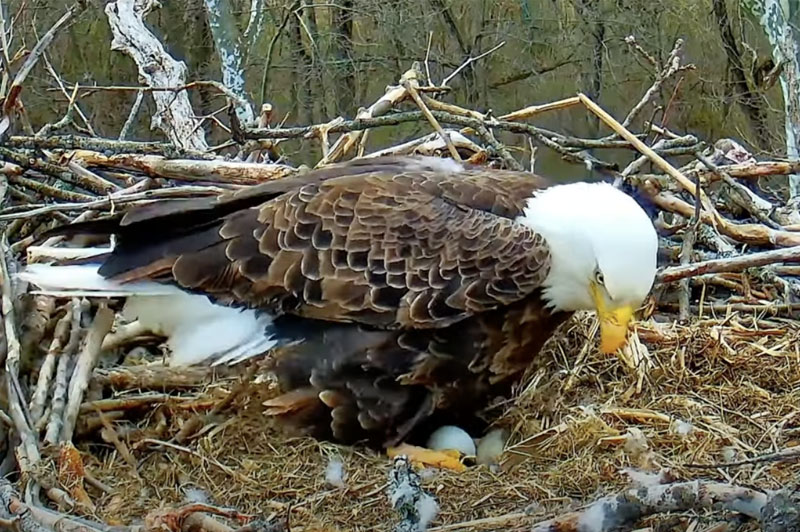
The Little Miami Conservancy’s headquarters are in Historic Downtown Loveland on the Loveland Bike Trail. The location of their “Live Eagle Cam” is not shared with the general public.
Click “Watch on YouTube” below to watch on their video.
Comment from Ohio Division of Wildlife: Although bald eagles are no longer endangered, they are still protected under the federal Bald and Golden Eagle Protection Act. It is illegal to disturb bald eagles. When viewing these majestic birds, remember to respect the animal’s space and stay at least 100 yards away from the animal or nest. Disturbing bald eagles at the nest site could lead the pair to abandon the eggs.
Loveland, Ohio – Celebrate the shortest day of the year with a guided evening hike with The Roaming Naturalist and the Little Miami Conservancy. Hikers will enjoy a peaceful forest walk and say goodbye to the darkness and welcome the return of light with a quiet moment by candlelight. . Pre-registration is required to attend. Save your spot here: https://forms.gle/HcdDE44jqu5fEtfs9
Saturday, December 21
4:30pm – 5:45pm
Little Miami Conservancy
209 Railroad Avenue Loveland, Ohio 45140
*Recommended for adults and families with kids ages 7 & up
David Miller is the managing Editor of Loveland Magazine
by David Miller
Loveland, Ohio – Special events must provide additional accessible parking and restrooms based on the anticipated number of people who will attend. After our request, City Hall has provided Loveland Magazine with some information for persons with a disability who may need parking spots, accessible bathrooms, or shuttle service for the 4th of July event that will be held in Historic Downtown. Loveland Magazine has provided additional information.
• The accessible restrooms at the Loveland Bike Trail will be open at Nisbet Park.
• There will be accessible portable toilets placed along/near the Loveland Bike Trail in the Linda J. Cox Trailside Parking lot, near Browns Crossing, and near Harrison Avenue.
• There will also be added, temporary accessible parking spots along the Loveland Bike Trail near Nisbet Park.
• The shuttle service to the festival is not accessible for persons with a disability.
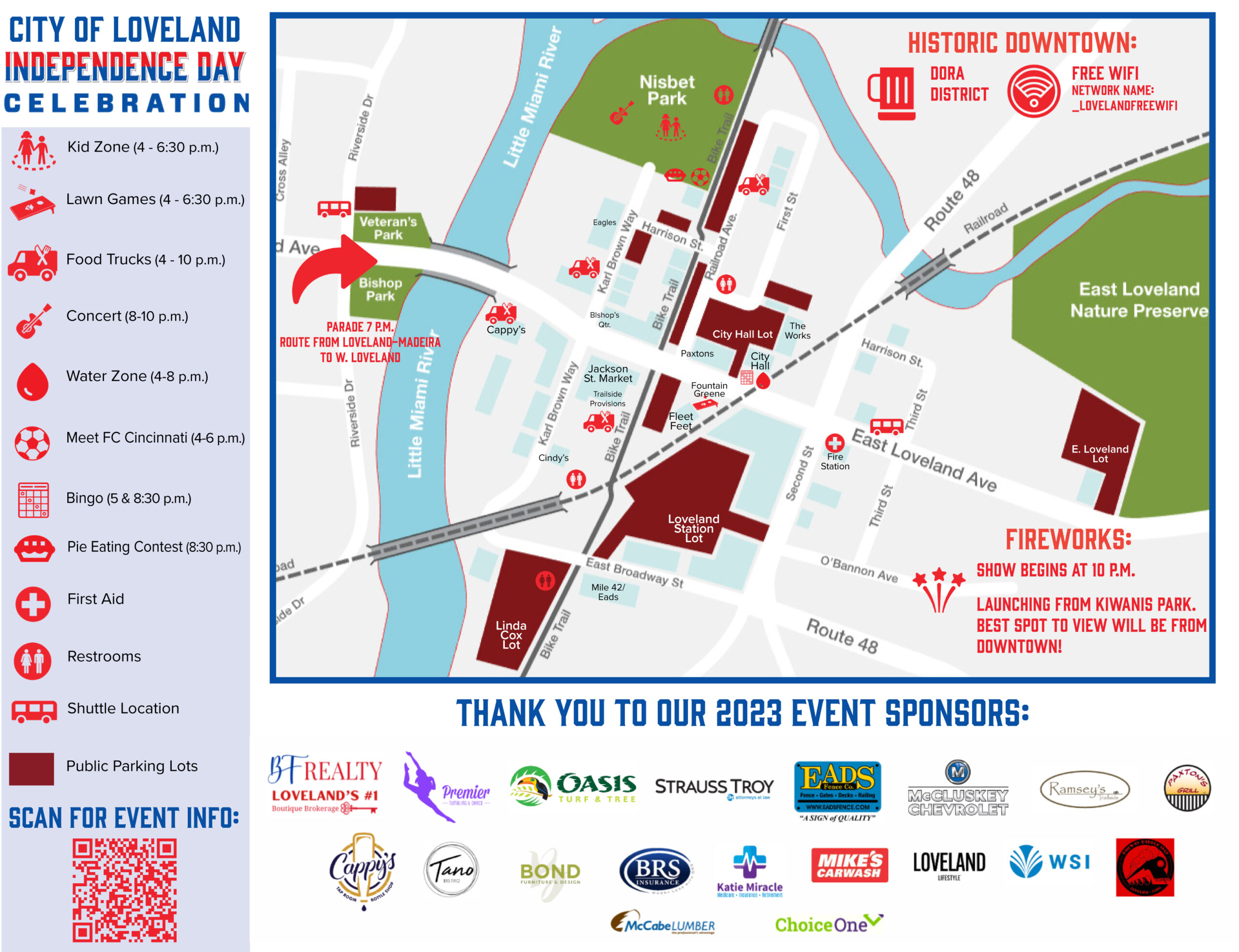
Here is the guide to the day’s activities
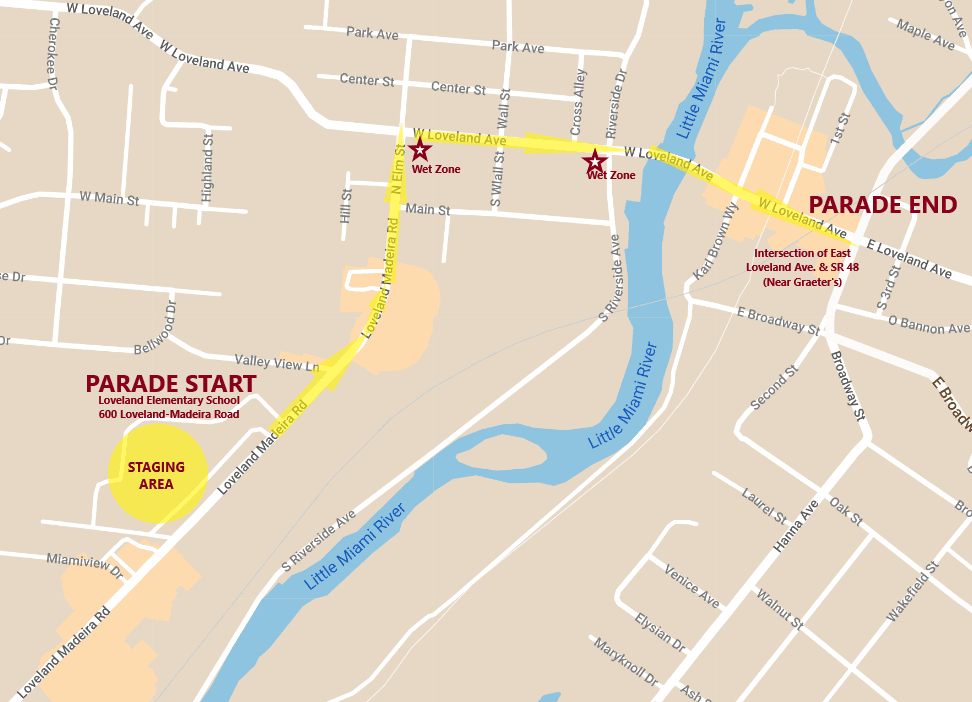
Railroad Avenue will be temporarily closed from 2 PM until 11 PM to through traffic on July 4th. There will also be a temporary road closure along the parade route from approximately 6:30 PM until 8:30 PM.
It proceeds north on Loveland-Madeira Road to West Loveland Avenue.
The parade ends at West Loveland Avenue and the State Route 48/Second Street intersection.
West Loveland Avenue will be closed from Riverside Drive to Karl Brown Way During the fireworks from approximately 10 PM until 10:30 PM.
Parking Restrictions
Some parking will be restricted due to parade and shuttle routes. Some parking spaces will be affected on the following streets:
West Loveland Avenue in Historic Downtown
Park Avenue
Riverside Drive
Third Street
Railroad Avenue
Harrison Avenue
Kiwanis Park, including the Matt Haverkamp Foundation Dog Park, will be closed to event parking. In addition, the dog park will close at noon on July 4.
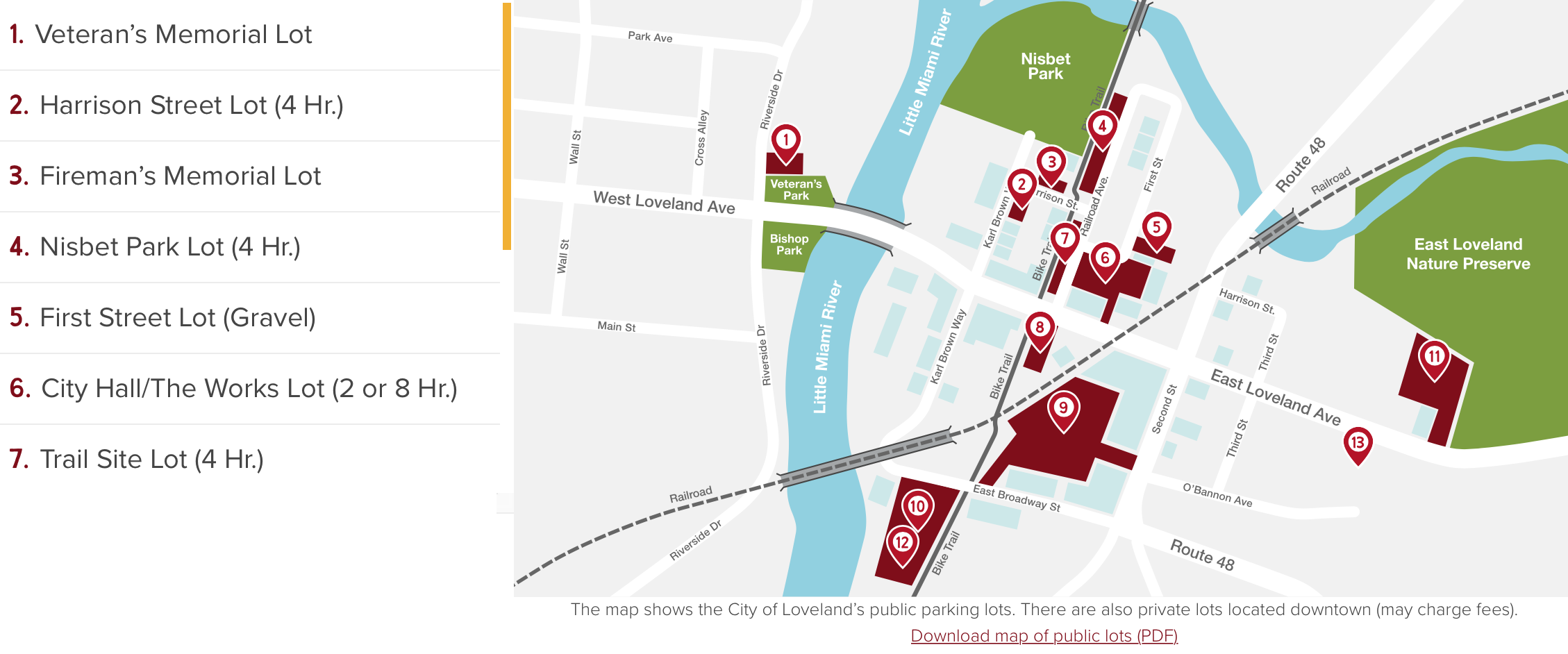
Parking in Historic Downtown
The city operates more than 10 free public lots. View parking map.
Parking fees will be waived in the City Hall/Works lot on July 4.
Keep in mind there are also private lots throughout Historic Downtown and fees may be charged.
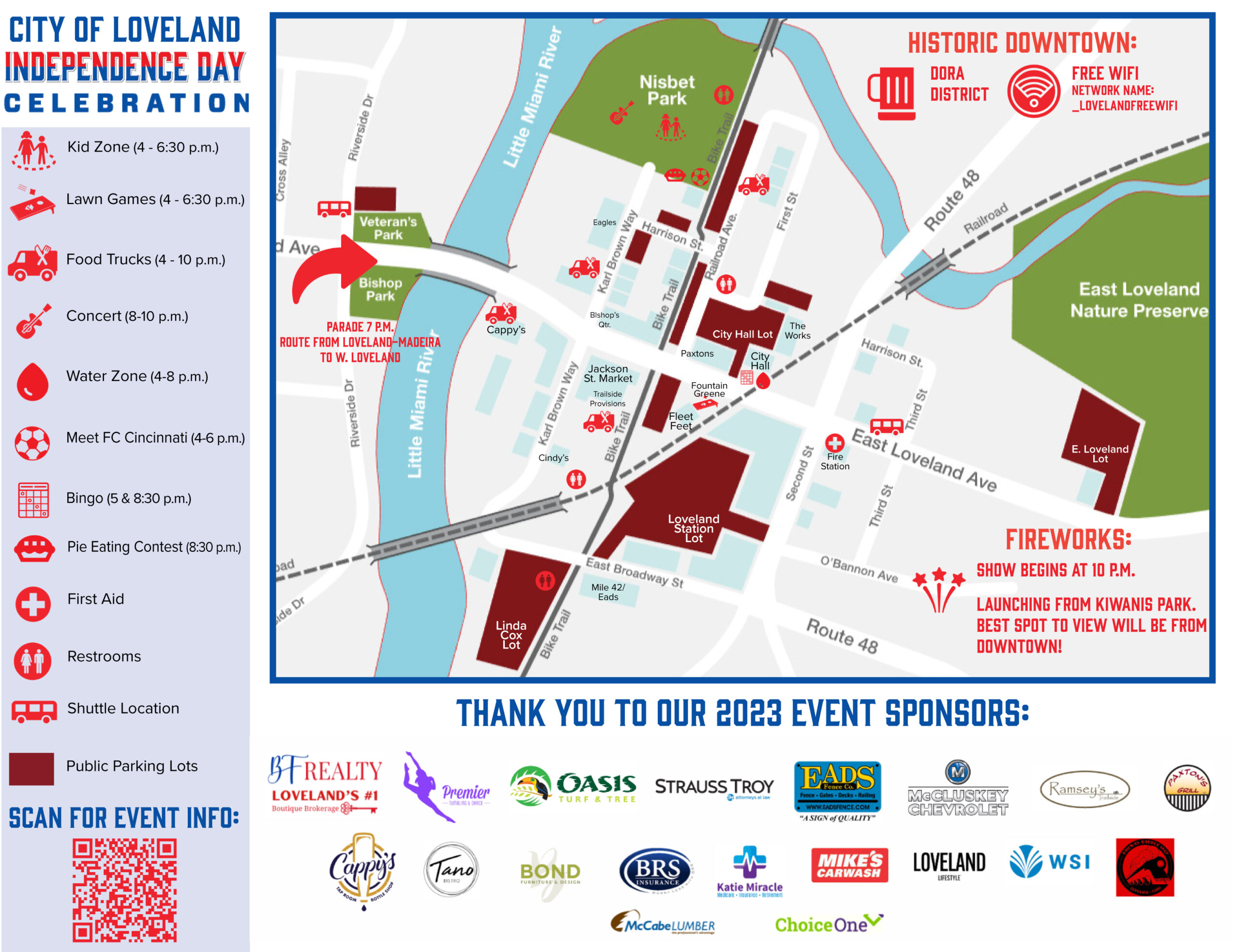
Right Click to Enlarge Map
Shuttle
There are FREE shuttle rides that will run continuously from 4 PM until 11 PM.
The shuttle is not accessible to persons with a handicap.
Park-and-ride shuttle locations will be at Loveland High School (1 Tiger Trail) and the Loveland Early Childhood Center (6740 Loveland-Miamiville Road). Drop-off locations will be at Riverside Drive (near Veterans’ Memorial) and Third Street (near Whistle Stop Clay Works).
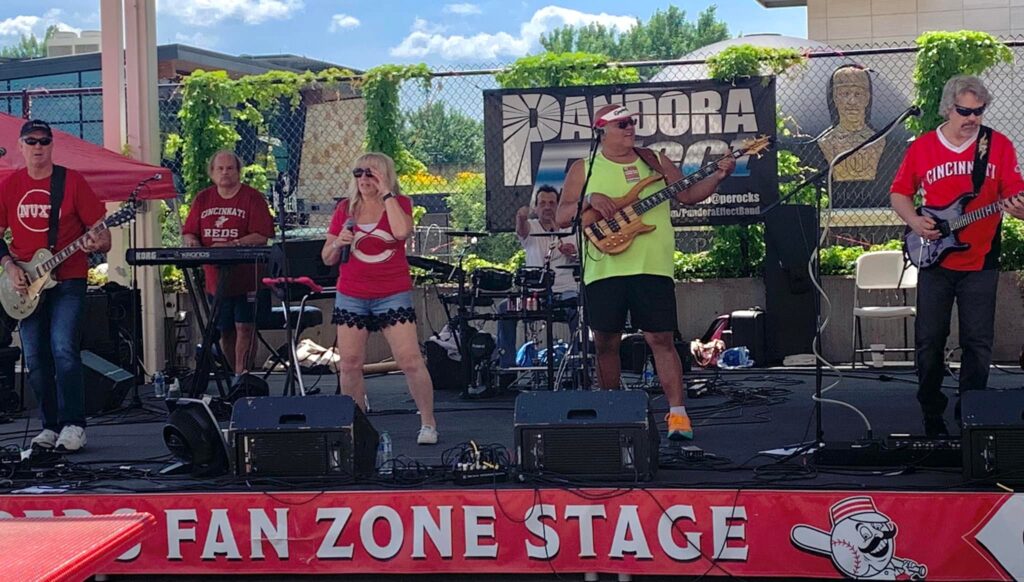
A free concert by the band, Pandora Effect be at the Nisbet Park Amphitheater from 8 PM until 10 PM. The band played in the FanZone at GABP when the Atlanta Braves were in town for a sold-out game.
Lawn Games — 4 PM until 6:30 PM— Fountain Greene (Near Fleet Feet)
NEST Community Learning Center will host lawn games.
Yankee Doodle Dog Show — 4 PM— Nisbet Park
Meet at 3:45 PM at the Clock Tower in Downtown Loveland (near the Bike Trail crossing). Dogs will parade toward Nisbet Park at 4 PM. Three dogs will be selected as best-dressed winners and will receive a prize basket from Pet Wants.
Water Zone — 4 PM until 8 PM— City Hall Lawn
There will be a giant inflatable water slide and misting fans, plus a splash station for little ones.
Food Trucks — 4 PM until 10 PM
Food truck vendors will be available throughout the downtown area.
Bingo — 5 PM & 8:30 PM — City Hall
Take a break from the heat to play a few cards of bingo! An afternoon and evening session will be held. Prizes for game winners. Monetary donations will be accepted with all proceeds going toward the Ben Morrison Memorial Fund, which provides scholarships to Loveland High School seniors.
Kids’ Bike Contest —6:15 PM— Loveland Elementary School
Decorate your bike/scooter/tricycle for the holiday, and meet at Loveland Elementary School (600 Loveland-Madeira Road) to take part in this annual tradition. Children will gather and then take part in the parade at 7 PM. Trailside Provisions has donated prizes for the top 3 entries.
Pie Eating Contest — 8:30 PM — Little Miami Conservancy at Nisbet Park (Little Miami Scenic River and Trail Center)
There is an online signup to help gauge interest. Pre-register if you would like to participate.
$137,500 – will be awarded to Loveland-based Little Miami Conservancy
by David Miller
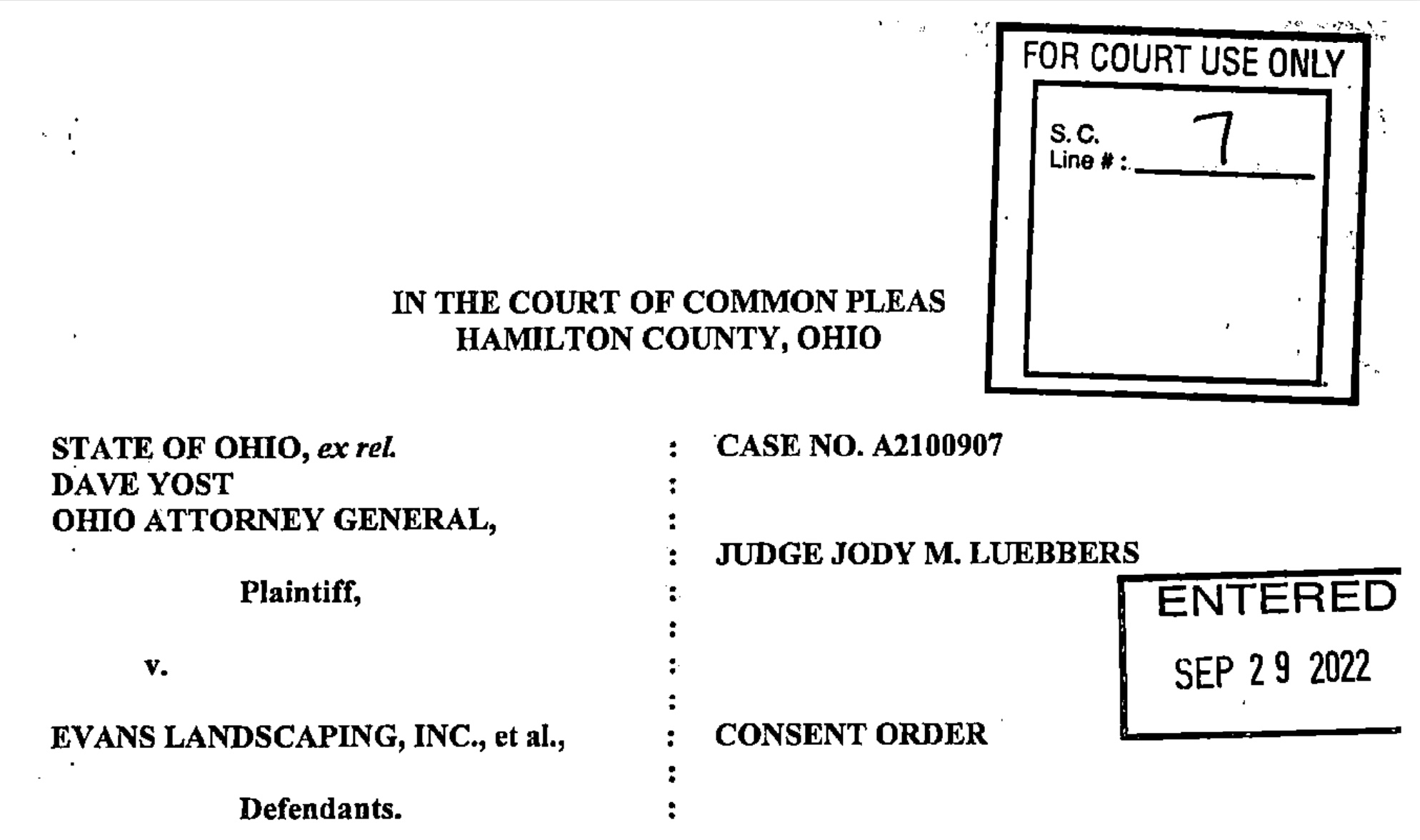
Symmes Township, Ohio – A Cincinnati business owner with a location in Symmes Township just on the outskirts of Loveland, who used his four companies to illegally discard waste at three sites – and whose dumping may have polluted the Little Miami River – has been ordered to pay a civil penalty of $550,000 and clean up his mess, Attorney General Dave Yost announced on September 30. (Read the Consent Order)
One-fourth of the penalty – $137,500 – will be awarded to the Loveland-based environmental organization, Little Miami Conservancy. The order did not involve polluting the Little Miami River in Symmes Township or Loveland. The illegal dumping occurred near Newtown and Terrace Park. The Little Miami River has State and National “Scenic and Wild River” designations.
“When it comes to protecting the state’s waterways, we do not just go with the flow,” Yost said. “Illegally dumped waste doesn’t just sit there on the land – it breaks down into toxins that find their way into the water. This remedy will make sure that doesn’t happen, and the fine will hit him hard where it hurts – his wallet.”
The civil penalty stems from a lawsuit filed by the Ohio Attorney General’s Office (AGO) in Hamilton County Common Pleas Court. The suit maintains that Douglas Evans – through Evans Landscaping and three other businesses he owns – violated Ohio laws regulating the disposal of solid waste and construction and demolition debris at properties on Mount Carmel Road, Broadwell Road, and Round Bottom Road.
The case was referred to the AGO from the Ohio Environmental Protection Agency and the Hamilton County Public Health District.
During multiple inspections over several years, health district officials saw that parts of demolished buildings, garbage, and other solid wastes had been dumped or buried at the three sites, none of which is licensed as a facility for disposal.
As part of the consent order worked out with the AGO and approved by the court, Evans agreed to clean up his properties and correct violations according to a plan authorized by Ohio EPA and the Hamilton County health district.
At the Mount Carmel site, he will build a cap over areas where construction and demolition debris were illegally disposed – to prevent water from reaching the debris and causing harmful chemicals to leach out.
At the Broadwell site, under the supervision of the Ohio EPA and health district, he will dig out and remove illegally disposed waste.
At the Round Bottom site, he will conduct groundwater monitoring to ensure that waste from his property is not affecting groundwater quality or the Little Miami River. If it is, Evans will perform the necessary remediation.
If Evans fails to comply with any requirements of the order, he will immediately be liable and have to pay additional penalties.
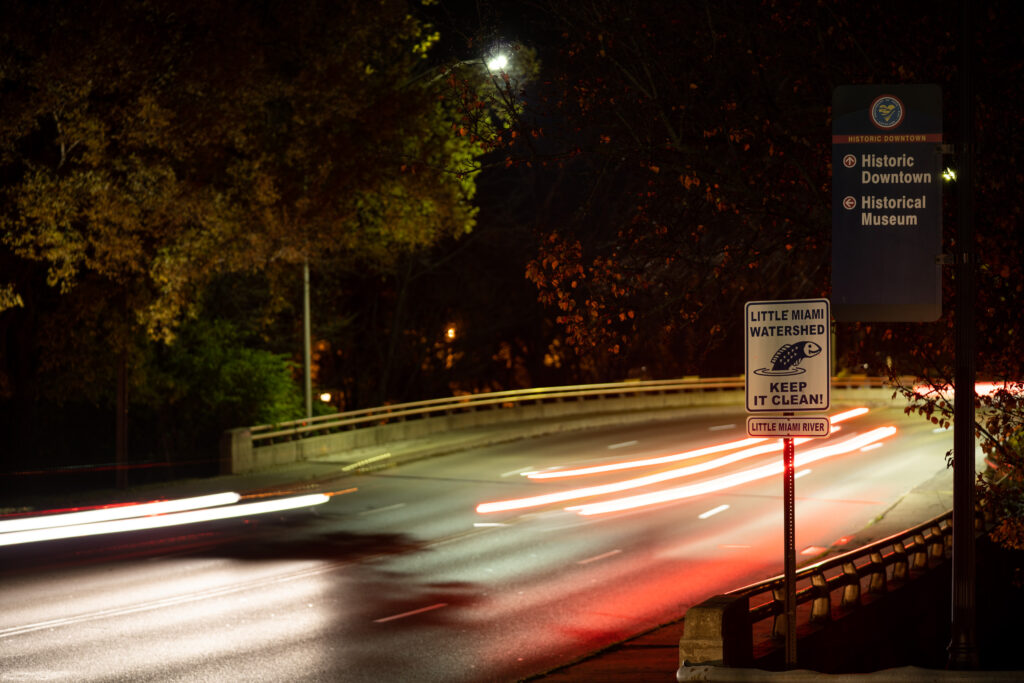
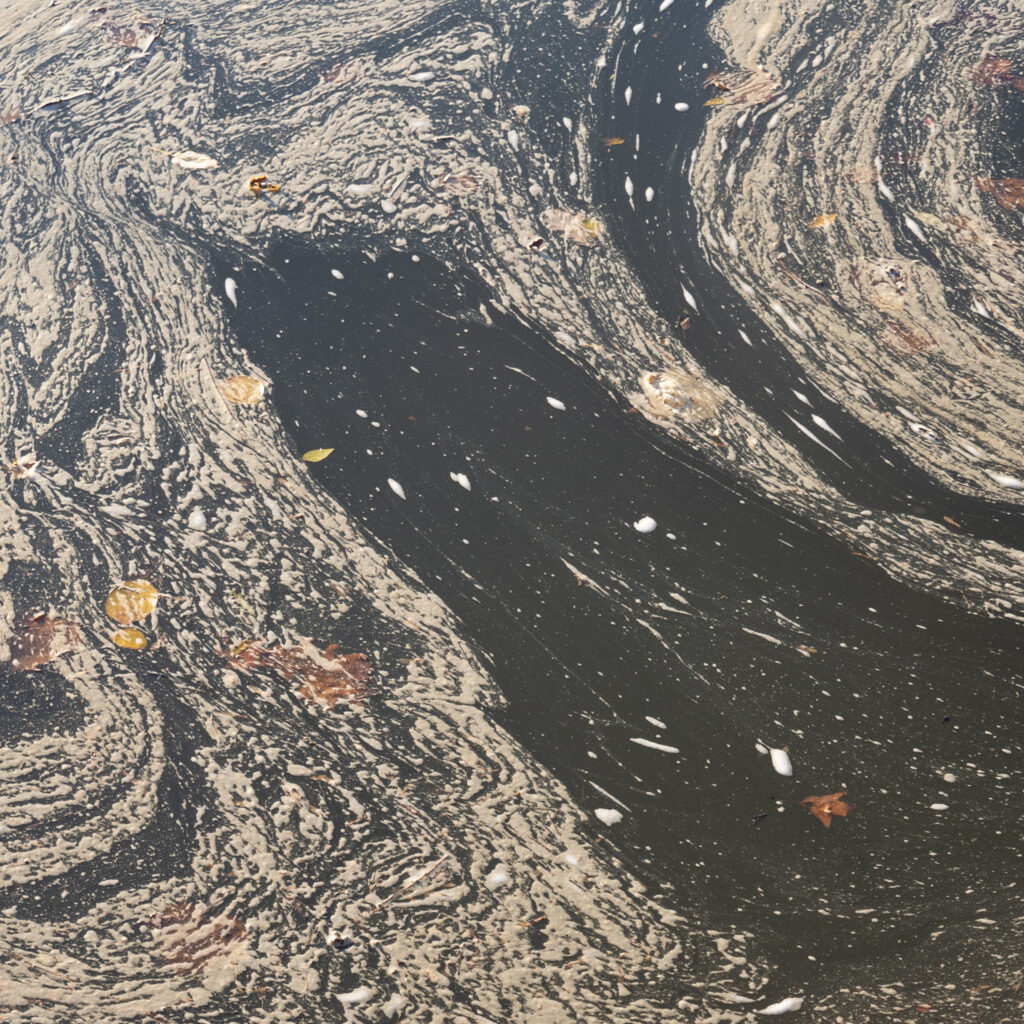
Few leaves are still falling off trees and down the ever-running water of the National Wild and Scenic Little Miami River, where they float through five counties and 111 miles of southwest Ohio, into the Ohio River and toward the Mississippi before eventually finding their way into the Gulf of Mexico. Today, these 111 miles of Little Miami River are the cleanest that they have been in the last 40 years, and as the world may seem largely disconnected due to the coronavirus pandemic, a connection between people over time is helping to create the river’s lasting sustainability.
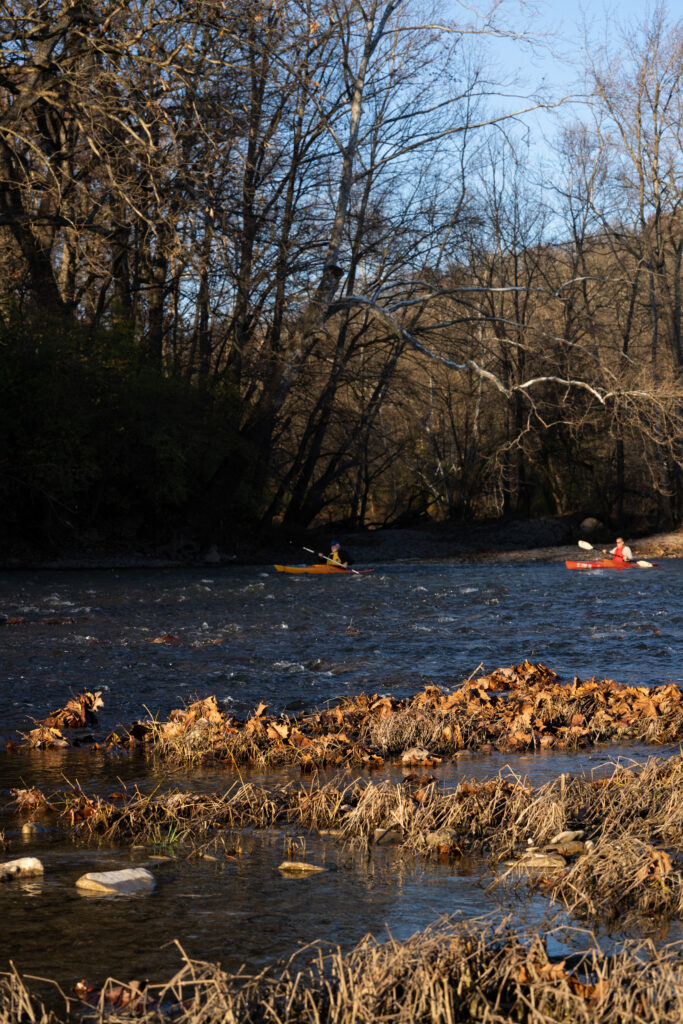
Since the end of the last Ice Age before this land was known as America, humans have lived along the Little Miami River and enjoyed the resources it provides — drinking the water alongside its banks while hunting for fish within, using the clay to build pottery or structures, and floating on the surface in kayaks or canoes like the leaves still do today. In that time, the river has seen many seasons of change, from shifts in human culture alongside its banks through community development to biological diversities in its rich, natural environment, according to the Little Miami Ecology and History report.
When the Little Miami was designated as Ohio’s first State Scenic River and included in the National Wild and Scenic River System in 1973, according to the Ohio Department of Natural Resources, locals had already been active in its conservation and return to sustainability for more than half a decade. The Little Miami Conservancy (LMC), a non-profit organization fueled by passion for the protection of the river, led the effort in Washington to recognize the importance of protecting the Little Miami River as not only a local hidden gem, but as a national treasure.
The lower section of the river runs right through the heart of Loveland, Ohio, where LMC and its current executive director, Eric Partee, is based. Partee’s passion roots from the original director of the conservancy, Glenn Thompson, who in 1967 embodied the idea that their effort isn’t about one single person, but rather about everyone coming together to save the river.
“Someday, a corridor of green will stretch from one end of the river to the other. Individuals and families will enjoy peace and quiet and restoration of spirit that comes with clean water, birds, and trees,” a quote from Glenn Thompson that Partee believes the conservancy has lived up to.
Since its origin, the conservancy has worked with agencies like the Ohio Environmental Protection Agency (OEPA), who records the condition of the Little Miami River every 10 years by sampling fish life. In the 1980s, only 4% of the Little Miami River was in full attainment of water quality health, but in recent years, the chart has flipped, and as of 2007, the river is at 96% attainment of health, according to OEPA research.
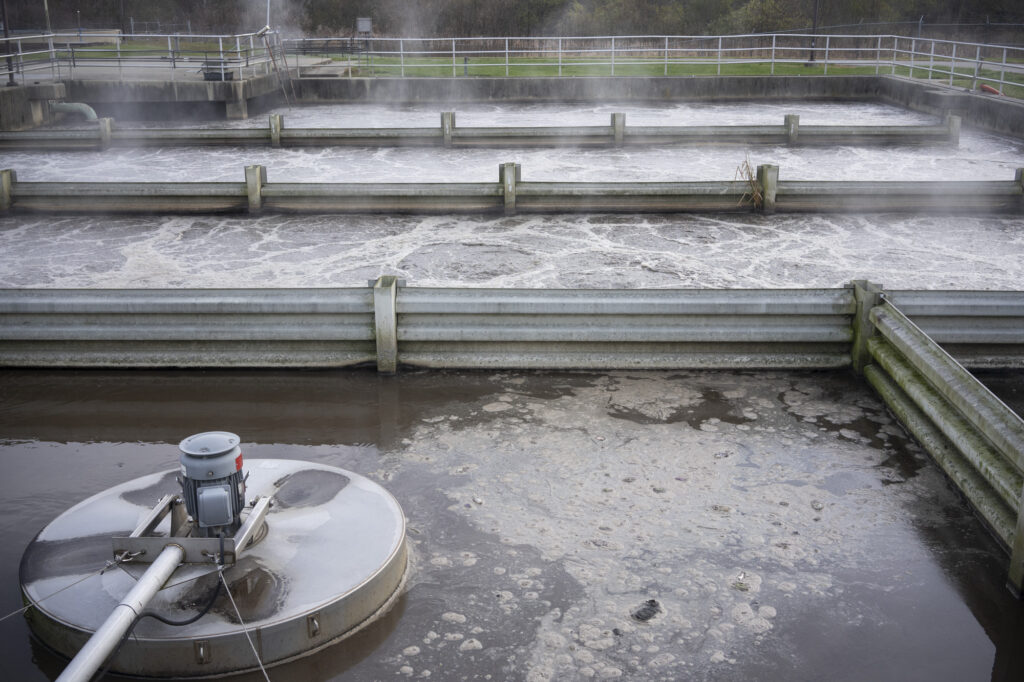
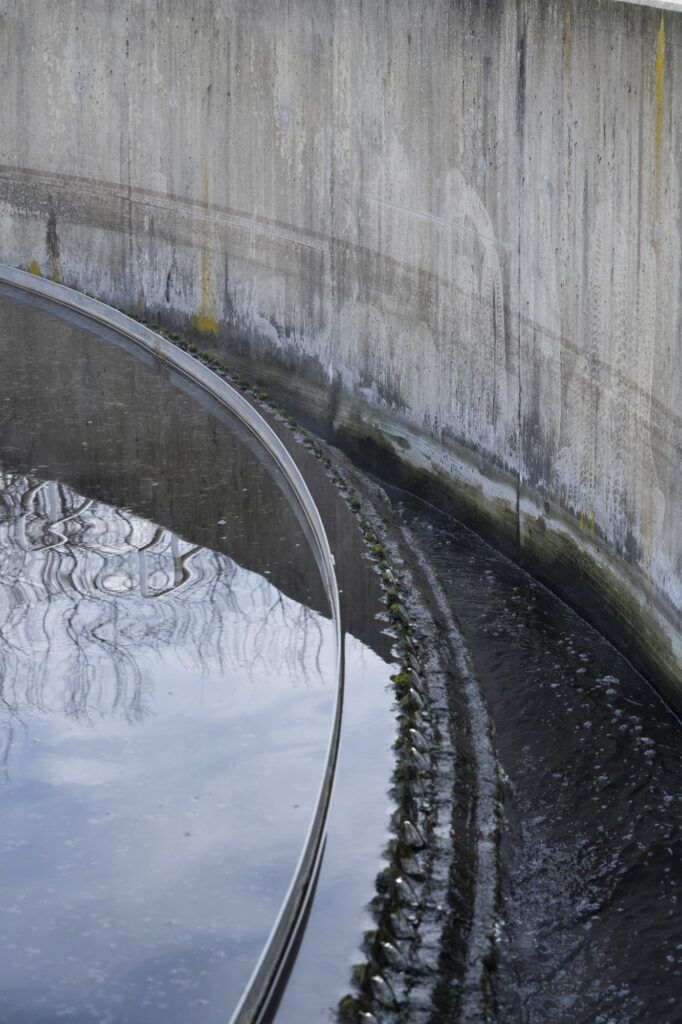
“As early as the turn of the century, this river was very well polluted. (There were) a lot of deformed fish, it was not anything close to exceptional,” Partee said in an interview. “It took a lot of discussion, a little bit of arm twisting, and some local funding to fund improvements to the sewage treatment plants to ratchet down on phosphorus, which was the main culprit … when we got the treatment plants to ratchet down on that, biology basically turned around on a dime —from terrible to exceptional.”
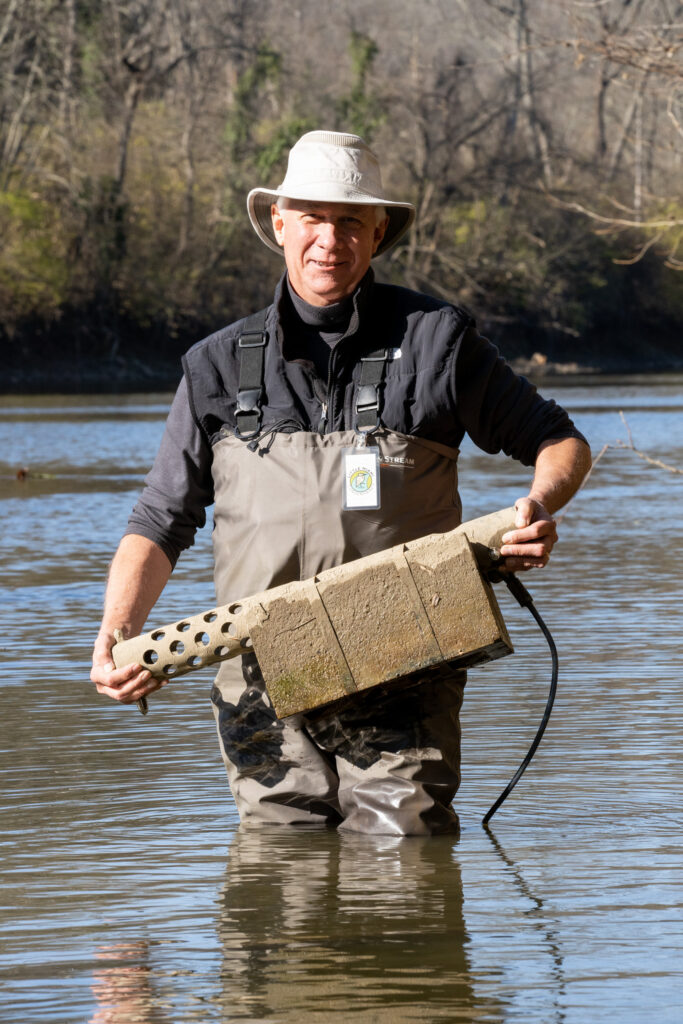
To make sure the river stays healthy, LMC introduced a set of equipment called YSI Water Quality Sondes, which monitor dissolved oxygen in nine locations throughout the length of the entire Little Miami, according to Partee. Each system monitors oxygen every 15 minutes, allowing for constant awareness of river health to prevent a reversion of quality. The conservancy also takes prides in their work on forest restoration through buying riverfront properties, planting trees, removing invasive species, and working collectively to clean up trash in the effort to grow closer to the initial goal of a corridor of green along the riverbank.
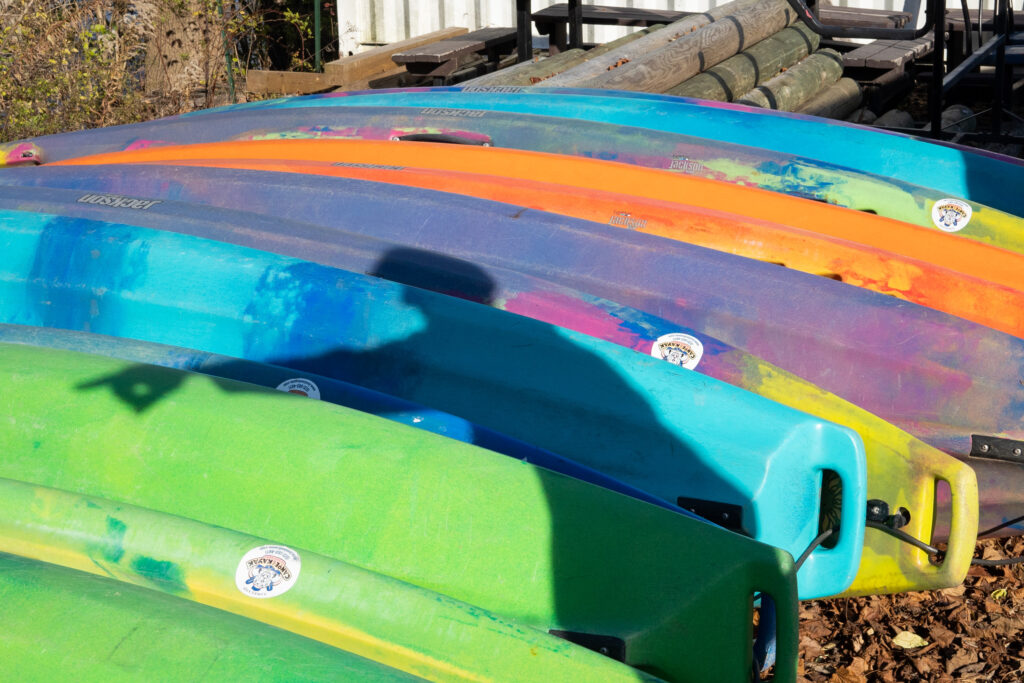
A short walk from the doors of the conservancy is the Loveland Canoe and Kayak Livery, owned by Mark and Robyn Bersani, which is just one of the many businesses along the Little Miami River that rely on its health as their main resource for income. The Bersanis work closely with the conservancy each year by offering and volunteering for cleanups as well as generous donations. This year, along with two other liveries including Rivers Edge and Scenic River, their combined donation to the Little Miami Conservancy’s effort was $56,000, according to Bersani.
“We’re involved from a grassroots portion, to actually helping with cleanups, to keeping an eye on the river, as well as donating and continuing to fund the good work that they do,” Bersani said in an interview. “It comes down to the people that live along the river, people that visit the river, the people in the community, if the river is going to stay clean. This river is very natural, it looks like it did 300 years ago … it is vital that the citizens all realize they have a role in this.”
Up the road at Loveland High School, Amy Aspenwall, an AP environmental science teacher teaches teenagers the importance of environmental awareness through hands-on experiences in places like the Little Miami River.
Perhaps half of the students attending Loveland High School cross over the Little Miami State and National Scenic Little Miami on their way to school each morning.
In an interview over Zoom, Aspenwall talked about the importance of students getting out into nature to actually see how humans fit in the environment, because “if you don’t see it, it’s really not your problem,” Aspenwall said. From understanding food waste to the water drinking system to sewer treatment facilities, her goal is to allow students the opportunity to realize a sense of civic responsibility.
“It’s important for students to start to think of themselves as a bigger picture rather than just someone following teacher instructions,” Aspenwall said. “I want them to start thinking on their own and realize how powerful they are as a consumer.”
Michelle Waller, an environmental specialist in the Division of Surface Water at OEPA, discussed the difficulties the river has faced through poor nutrients entering the river due to excess phosphorus from treatment plants and still faces through agricultural runoff from farms, in an interview over Zoom.
Waller said that placing phosphorus limits on the main stem’s water treatment plants in recent years proved to show major improvements in river nutrients after the OEPA performed sampling, but other negative sources are out of their reach. “We do not have authority over agriculture the way we do with what we call point sources, the treatment plants,” Waller said. “We try to work with local Soil and Water Conservation Districts, they try to get the word out about good farming practices … but there is no real regulatory authority which is a really big problem.”
The majority of land along the Little Miami River is agricultural, unlike other major rivers in Ohio that have industry running alongside their waters. And just like the branches of community that have come together to help preserve the river, many tributary streams and creeks branch out from the Little Miami, though those tributaries can be overlooked.
As most organizations, including the OEPA and LMC, focus their efforts on upholding the exceptional quality of the main stem of the Little Miami River, there is still work to be done in the tributaries. Partee talked about how there just isn’t enough time for LMC to visit every tributary and talk to every landowner. However, near Beaver Creek in Greene County, there is an organization called the Beaver Creek Wetlands Association, which has adopted that very issue. “I think that’s probably the best future for the watershed, to have local citizens dealing with multiple tributaries and try to restore or protect it,” said Partee.
Between the shared relationships of the Little Miami Conservancy, OEPA, local government officials, developers, landowners, non-profits, teachers, and local business owners, a community has come together and worked toward the common effort to make a positive, sustainable change in the health of the river.
The timelessness of the Little Miami River will carry on as long as its water continues to run. And as it always has been, it’s still up to the people alongside the riverbank to make sure that the water runs clean for generations to come. As the late author Nelson Henderson said, and Eric Partee paraphrased when we talked together, “The true meaning of life is to plant trees, under whose shade you do not expect to sit.”
Cassie Mattia is a resident of Historic Downtown Loveland
by Cassie Mattia
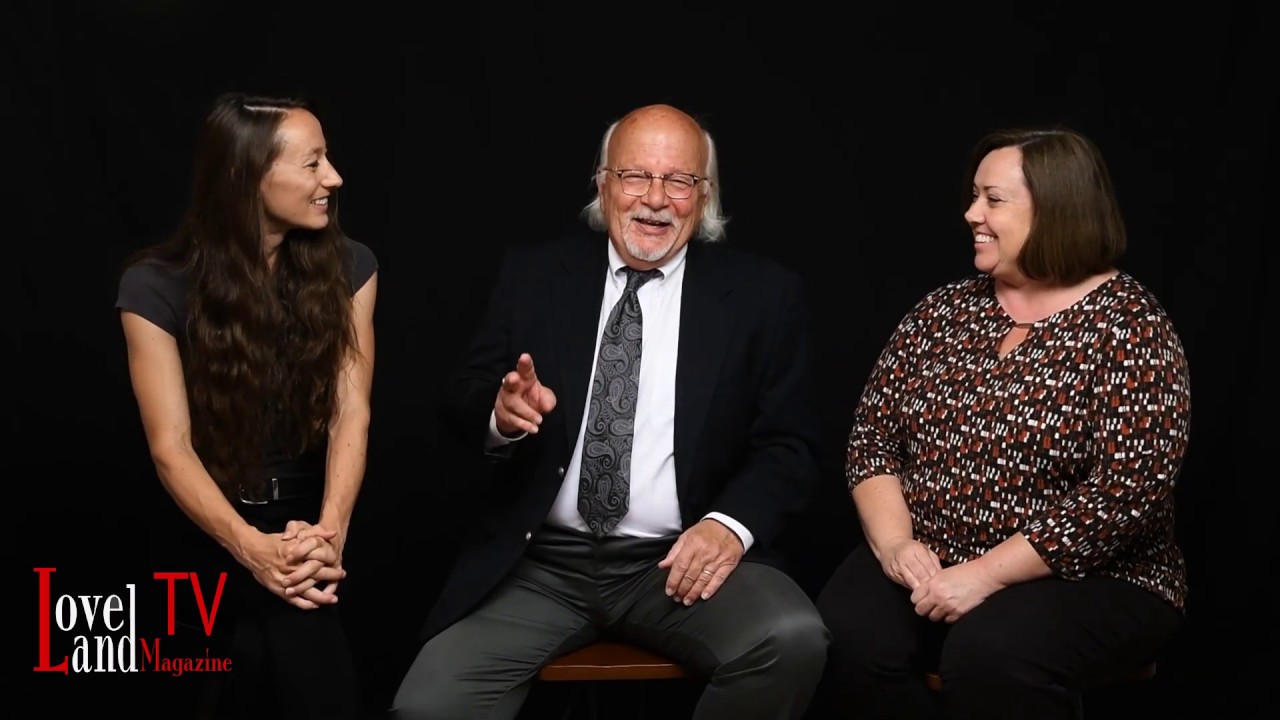
Loveland, Ohio – Who wouldn’t want to learn about a community built on “Love?” Loveland’s Clerk of Courts, Misty Cheshire, and Loveland U Director, Ray Kingsbury, joined Loveland Magazine at the Loveland Magazine TV studio to talk about the program that Mayor Kathy Bailey said, “City Council is committed to finding ways to help our residents understand the decisions we make, become more involved, and connect with the community; this program accomplishes all these goals and more.”
In this interview, you can meet Ray and Misty and understand what they love about Loveland.
Loveland U will be an interactive adult learning environment with minimal lecture time that focuses on finding ways to help Loveland residents understand obtain first-hand knowledge and provide valuable input and feedback into the issues, plans, and activities of the Loveland community.
Loveland U’s purpose is to provide a way for residents to become more involved and connect with the community.
Spots for the Loveland U experience are limited! Check out the interview with Cheshire and Kingsbury to find out how you can secure your Loveland U spot! Oh and don’t worry the Little Miami River Chamber Alliance, thanks to an anonymous, but very generous person is giving out scholarships for those who want to participate in the Loveland U experience, but need a sponsor to take on their 99 dollar participation fee – a fee that offsets the cost associated with the materials and meals for the sessions. After viewing the interview if this is something you’re interested in, email info@lmrchamberalliance.org or call 513-683-1544.
For everyone else:
If you have any questions, contact, Ray Kingsbury, Loveland U Director, at rkingsbury@lovelandoh.gov, or by phone 513-774-3090.
The City of Loveland, along with partners, Little Miami Conservancy, Loveland City Schools, Loveland Stage Company, and Loveland Museum Center have joined forces to launch Loveland U.Limited to just 25 participants, Loveland U will utilize an interactive adult learning environment with minimal lecture time.
Thursday, September 12Restoring Loveland’s Front Porchatthe Loveland Museum Center
Saturday, September 21 Navigating Our National Wild and Scenic River & Riverfront Developmentwith Little Miami Conservancy
Wednesday, September 25 Joining the Loveland Stage Company for A Peek Behind the Curtain at the Loveland Stage Company
Thursday, October 3 Connecting with the Loveland-Symmes Fire Department to Feel the Heat
Thursday, October 10 Discovering A Citizen’s Role in the Downtown Plan
Thursday, October 17 Diving into NIMBYs, CAVE people and Financial Reckoning
Wednesday, October 23 Painting Our Portrait of a Tigerwith Loveland City Schools
Wednesday, October 30 Standing Behind the Badgewith the Loveland Police Department
Saturday, November 9 Proceeding with Caution – Work in Progress!with Loveland Public Works
Thursday, November 14 Celebrating your journey at Loveland U Graduation…Lovin Life





 • The accessible restrooms at the Loveland Bike Trail will be open at