Tag: Loveland Magazine

  • Honoring Black history and fighting for the future of education in Ohio

    Honoring Black history and fighting for the future of education in Ohio

    A Guest Column by Melissa Cropper and Ohio Capital Journal

    On Feb. 1, as Black History Month began in Ohio’s classrooms and virtual classrooms, Gov. Mike DeWine unveiled his proposed budget for the next two years, which continues the education funding policies that systematically underfund public schools that educate Black students and even shift some of that funding away toward unaccountable, for-profit private schools. 

    Black History Month is an important time for our nation’s educators to focus their curriculum around the contributions that African Americans have made in government, industry, art, science, literature, and every field of human endeavor. However, we do a disservice to our students if we don’t also teach about the harder, more painful history of slavery, segregation, disenfranchisement, and racist violence, and if we do not weave it into our everyday curriculum as deeply as it is woven into the fabric of our country.

    Even then, we are not telling the full story if we teach about these topics as relics of the past, as dark chapters of our country’s past that have ended. Racist structures in our society didn’t cease to exist when the Thirteenth, Fourteenth and Fifteenth Amendments were ratified following the Civil War, or after Brown vs. the Board of Education desegregated schools, or after the 1964 Civil Rights Act, or even after Barack Obama’s historic election. 

    Each of those events has been an important step along the way, but as we are reminded all too often, the vestiges of white supremacy live on in our current institutions. We see it in the over-policing and incarceration of Black, brown, and immigrant communities, we see it in our city neighborhoods that were shaped by redlining, and we see it in Ohio’s school funding system. 

    When we teach Black history, educators can make the connections about how the racial injustices of the past have turned into the systemic racial disparities of the present, and how we can demolish the underpinnings of injustice. There is no better place to start than with our broken school funding policies which underfund and segregate schools with large populations of Black students.

    In Ohio, we underfund schools in Black communities with a school funding formula that was found unconstitutional by the Ohio Supreme Court more than 20 years ago because it relied so heavily on local property taxes that it denied an equitable and adequate education to students in low-income areas. 

    We segregate schools in Black communities with voucher and charter policies that divert students and drain funding from local public schools. Often cloaked in the language of racial justice, vouchers and charter schools have the opposite effect when put into practice. The NAACP has often opposed these policies because they “divert much needed funding for public education to private or charter schools, thereby further dismantling the viability of the public education system and limiting the number of children who would be afforded the opportunity of an adequate and effective education.”

    This vicious cycle of underfunding schools in communities of color, and then punishing them for not being able to meet their students’ needs by underfunding them further, must end. We must stop pitting parents and communities against one another, and instead renew our commitment for high quality public schools for all Ohio students. 

    Last year, the Ohio House passed the Fair School Funding Plan with an overwhelming bipartisan majority, yet the Senate refused to take the issue up. The Plan would have put Ohio on a six-year path toward equitable funding of public schools in Ohio, and would have immediately ended punitive and harmful deductions for vouchers and charter schools from local public school funds. 

    This would ensure that public school districts receive money only for the students who are enrolled to attend but without the added penalty of deducting money due to students opting for private or charter schools. These changes would strengthen schools in Ohio’s cities and in our rural areas, giving students from all backgrounds increased opportunities. Despite the Fair School Funding Plan receiving an 84-8 vote in the House, the Ohio Senate allowed the bill to die without even receiving a vote. 

    DeWine had the opportunity to take the hard work and bipartisan agreement for this new school funding formula and insert it as a framework into his budget proposal. Instead, his proposal continues the status quo which is actively undermining our ability to provide an equitable education.  

    As educators, we can not teach Black History without also being activists in our own realm, fighting for an education system that gives every child, no matter their race or where they live, equal access to a high quality, free public education.

  • Symmes Township Fire Department Achieves ISO 1 Classification

    Symmes Township Fire Department Achieves ISO 1 Classification

    Phil Beck, Jodie Leis, and Ken Bryant

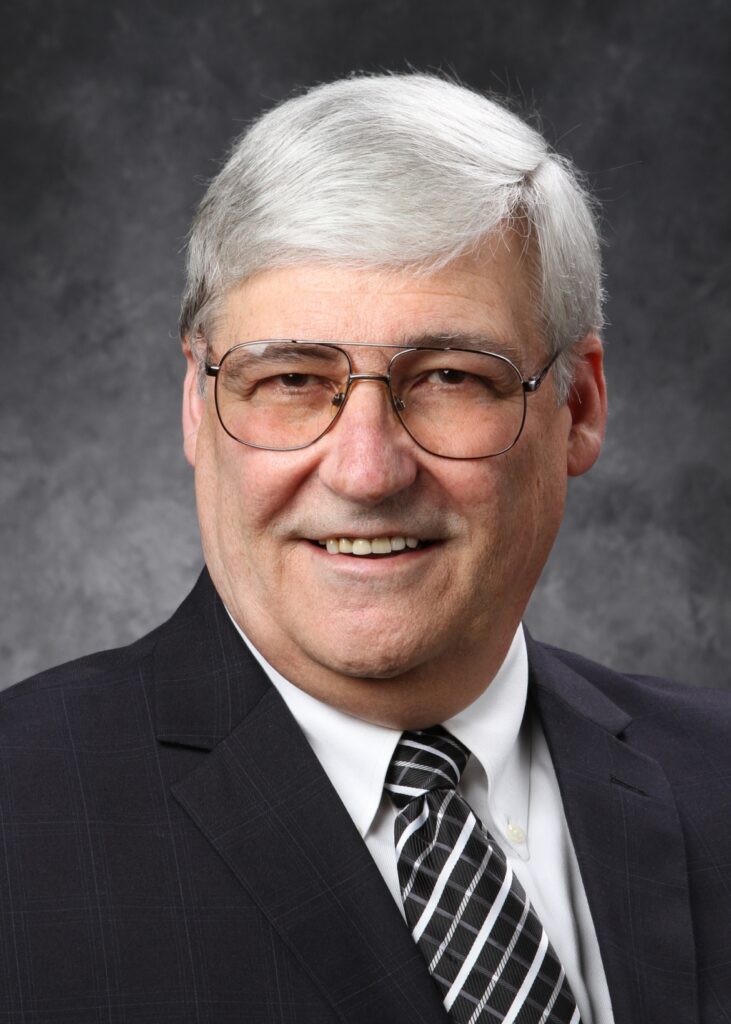
    Symmes Township, Ohio – The Symmes Township Trustees (pictured above placing the new ISO classification placard on their 100’ Sutphen platform) announced to residents the improved ISO 1 classification for their community.

    Symmes Township provides fire, rescue, and emergency medical services through a joint fire service agreement with the neighboring City of Loveland. The Loveland-Symmes Fire Department (LSFD) provides this service as a career fire and EMS department operating from four (4) stations strategically located throughout the township and the city.

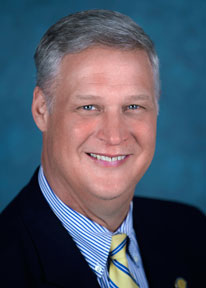
    Symmes Township Trustee President Ken Bryant (Provided Photo)

    The LSFD is dual accredited nationally through the Center for Public Safety Excellence (CPSE) and the Commission on Ambulance Accreditation (CAAS).

    Symmes Township Trustee President Ken Bryant stated, “We are incredibly proud of the LSFD for working so hard over many years to accomplish this goal. Our Loveland-Symmes firefighters and paramedics work tirelessly to save lives and property and to keep our residents, businesses, and visitors safe and are an integral part of our township.

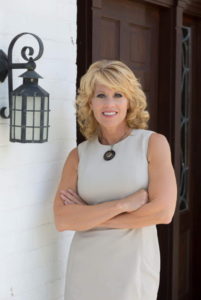
    Mrs. Jodi Leis said, “It is our firefighters’ proactive involvement in nearly every aspect of our community that helps make Symmes Township a great place to live, work and play.”

    Symmes Township Trustee Jodi Leis (Provided Photo)

    “This accomplishment was only possible because of the work of our dedicated staff, the support and guidance of our elected officials, and the continued support of our residents.” stated Fire Chief Otto J. Huber. “The mission of the LSFD is to provide the most technologically advanced fire and EMS with the highest trained professionals, and to deliver that service to our residents with loyalty and compassion. Our members live that mission every day” the Chief added.

    Trustee Phil Beck said “As elected officials, we take the responsibility of providing emergency services to the residents as our highest priority. This improvement in our fire department’s rating brings added value to our residents which is the benchmark we try to achieve when making decisions on our residents’ safety and spending their tax dollars.”

    ISO is an independent organization that evaluates fire protection efforts in communities across the country. The organization collects information on communities and analyzes the data using its Fire Suppression Rating Schedule.

    This Fire Suppression Rating Schedule evaluates four primary categories of fire suppression – fire department, emergency communications, water supply, and community risk reduction. Fire services are ranked between 1 and 10.

    The Class 1 ISO rating will rank the Loveland-Symmes Fire Department as one of only 383 Fire Departments in the U.S. that are ISO 1 classified. To ensure the best is serving their community, LSFD’s chief fire officers and captains also hold credentials in their capacities through the Commission on Professional Credentialing (CPSE), the Ohio Fire Chiefs Foundation Executive Leadership Program, the National Fire Academy Executive Fire Officer Program, as well as, related professional leadership training and fire command certification programs.

    Township Administrator Kim Lapensee stated, “Building strong relationships with our neighbors along with our township’s strong efforts to manage with strategic planning while maintaining fiscal reasonability to the taxpayers shows how grassroots township government can and does work for the people.”

    Story from the Symmes Township monthly newsletter

  • Take a look: Do you know why the Green Book was created?

    Take a look: Do you know why the Green Book was created?

    by Barbara Kyles

    Do you know about the Green Book? Take a look and welcome to Black history!

    I share with you this Facebook post from PBS:

    “Victor Hugo Green acknowledged the deep cut of segregation in America while also uplifting the welcoming parts of the country for Black motorists in creating “The Green Book.” Learn more in “Driving While Black,” now streaming: to.pbs.org/36zpkWR

    https://www.facebook.com/watch/?v=746768762926136
  • Great Oaks notes Career Technical Education Month

    Great Oaks notes Career Technical Education Month

    Each year, thousands of southwestern Ohio students enroll in career-technical education (CTE) classes that lead to professional credentials in a career field by the time they finish high school.  These students become nurses, aviation technicians, website designers, veterinary assistants, personal trainers, dental assistants, fire fighters, and more.  Some take CTE classes in their own high school; others go to a regional career center serving their school district.  About half continue on to college, often with credits earned in high school.

    Great Oaks Career Campuses President/CEO Harry Snyder

    The research shows that CTE works.  American high school students in career-technical education (CTE) programs are more likely to graduate, according to the U.S. Department of Education.  Other studies show that those students are more likely to be satisfied with their education and earn higher wages when they graduate.  Adults who earn shorter-term CTE credentials can out-earn bachelor’s degree holders.  

    “CTE students have an impact while they’re still in school, and they make our community successful throughout their lives,” said Great Oaks Career Campuses President/CEO Harry Snyder.  He said that local experts, business owners, and other community leaders are graduates of CTE programs, including those offered at the four Great Oaks campuses.

    • Area businesses see value in CTE.  Over 1400 local leaders serve on Business and Industry Advisory Councils at Great Oaks, helping educators choose curriculum, purchase equipment, and share their knowledge with students.
    • CTE instructors are required to be experienced in their fields.  Computer programming courses are taught by accomplished computer programmers; practical nursing programs are led by veteran nurses; culinary students learn from local chefs.
    • CTE students learn using the equipment and tools they’ll use in their career field.  Aviation students at the Laurel Oaks Career Campus work on airplanes in a hangar in Wilmington; engineering students program robotic manufacturing equipment, and cosmetology students learn in fully-equipped salons at the school.
    • More than 200 Great Oaks students are currently on placement in local businesses, practicing skills from computer repair to automotive refinishing while still in school.
    • More than 90 satellite programs allow high school students to have unique experiences in Great Oaks classes without leaving their high school.  For instance, engineering students in Project Lead the Way, a Great Oaks satellite program at Milford High school, have designed and built prosthetic arms, devices to hold hockey sticks and violin bows, specialized masks, and other equipment to help children accomplish tasks and do more in their lives.
    • Cincinnati Zoo Director of Construction Management Gary Gilbert is a graduate of Diamond Oaks Career Campus. He’s one of 32 Distinguished Alumni of Great Oaks, a list that includes inventors, a fire chief, police chiefs, business owners, an Olympic gold medal winner, an Emmy nominee, and numerous educators.

    February is CTE Month each year, and local schools use that time to share facts about career-technical education.  For instance:

    “Career-technical education is so much more than the vocational classes of the past,” said Snyder.  “CTE graduates have professional credentials and options for great careers, pathways to college, and success in whatever they choose to do.”

  • Take a look: Some of the first park rangers were African American

    Take a look: Some of the first park rangers were African American

    by Barbara Kyles

    How many of you have visited Yellowstone? Well, some of the first park rangers were African American. Take a look and welcome to Black history!

    Learn more from the Yellowstone National Park Facebook page.

    https://www.facebook.com/YellowstoneNPS/posts/4338994652782522
  • Longtime Loveland Resident is Welcomed Back After COVID-19 Hospitalization

    Longtime Loveland Resident is Welcomed Back After COVID-19 Hospitalization

    by Cassie Mattia

    Loveland, Ohio – The Loveland community is welcoming Nancy Garfinkel home with open arms after spending several days in the ICU.

    Garfinkel has been a staple in the Sweetheart of Ohio for years spending countless hours giving back to the community time and time again. Recently Garfinkel was hospitalized due to the effects COVID-19 had on her health. Close friend and Executive Director of LIFE Food Pantry Linda Bergholz shared that at one point during Garfinkel’s time in the ICU she was put on a ventilator.

    “It was quite a scary experience for Nancy,” Bergholz said, “She is a well-loved institution in our community. Nancy volunteers for EVERYTHING in Loveland! She is a huge part of LIFE Food Pantry, she helps with Granny’s Gardens, she does landscaping for various places including Branch Hill Coffee. Nancy is also involved with the Loveland Women’s Club and would have been selected to be a Valentine Lady as she has been nominated multiple times but is usually in Florida during February,” Bergholz added.

    According to many residents in Loveland, Garfinkel is known and loved by nearly everyone in the community!

    “Because Nancy is so loved at LIFE we decided to plan a ‘We love you Nancy’ parade past her house on Saturday, February 6th,” Bergholz said, “She’s so active and vibrant that staying at home and being on oxygen is really rough on her and we want her to feel supported. We are all so grateful that she pulled through!”

    Anyone who would like to join the “We love you Nancy” parade hosted by LIFE Food Pantry can meet the group at Ohio Valley Voices at 2 PM on Saturday, February 6th. Departure for Garfinkel’s neighborhood, which is in Miami Trails, will be at 2:10 PM.

  • Brackets are Released for Women’s High School Basketball Post-Season!

    Brackets are Released for Women’s High School Basketball Post-Season!

    by Cassie Mattia

    Loveland, Ohio – High School Winter sports are starting to wrap up their regular-season competition and prepare for the post-season as OHSAA officially released the Loveland Women’s Basketball Team first-round post-season matchup!

    The Tigers, who are still sitting in first place in the ECC (Eastern Cincinnati Conference) with an 11-2 record in the conference and a 15-4 record overall, have 3 regular-season games left all of them being important ECC matchups. On February 3rd the Tigers will face Lebanon on their court at 7 PM, on February 4th they will play Turpin at home at 7 PM, and on February 6th Loveland will compete at home against Winton Woods at 7:30 PM.

    Over the past couple weeks Loveland has captured some big ECC wins, beating Milford 45 – 39, West Clermont 59 – 27, and Kings 59 – 40. The Tigers suffered one upset during that time period against Little Miami, losing in quite the nail-biter 48 – 45.

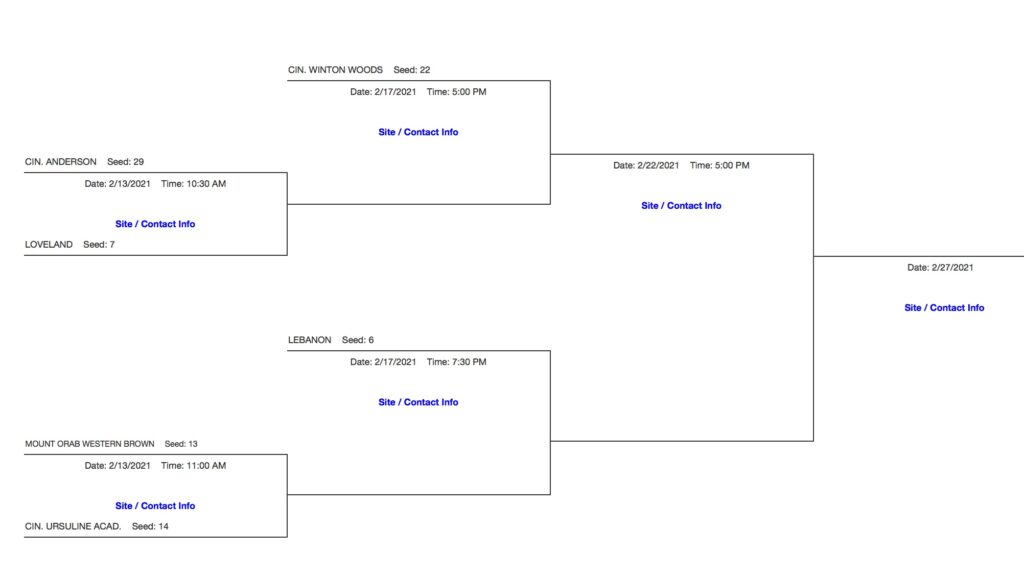
    The Ohio High School Athletic Association (OHSAA) recently released the Sectional/District brackets (see below) giving Loveland a 7th seed. The Tigers will be playing their opening tournament game against Cincinnati Anderson, a 29th seed, on February 13th at 10:30 AM at Harrison High School. If the Tigers grab a victory they will move on to play Cincinnati Winton Woods, a 22nd seed, on February 17th at 5 PM at Harrison High School.

    View all the State Tournament Brackets:

    The Loveland Women’s Basketball Team is not only having a very successful season with the potential to be the 2021 ECC Champs, but the Tigers also have several individuals in the top 10 in the ECC for their personal stats. Currently, Jenna Batsch is in 6th place for scoring averaging 14.1 points per game, and teammate Tess Broermann is in 8th place putting up 12.1 points per game. Broermann is also in 7th place in the ECC for Assists averaging 2.5 per game. Olivia Raby is sitting in 3rd place in the ECC for Blocks averaging 1.6 per game while Batsch is in 7th place averaging 1.3 per game. Batsch is also in 5th place in the ECC for Steals averaging 2.9 per game.

    To catch more of the Loveland Sports 411 With Me, Cassie Mattia, stay tuned!

  • What to know about Gov. DeWine’s proposed state budget

    What to know about Gov. DeWine’s proposed state budget

    Funding for Ohio schools would return to levels seen before the pandemic hit

    by By Tyler Buchanan and Ohio Capital Journal

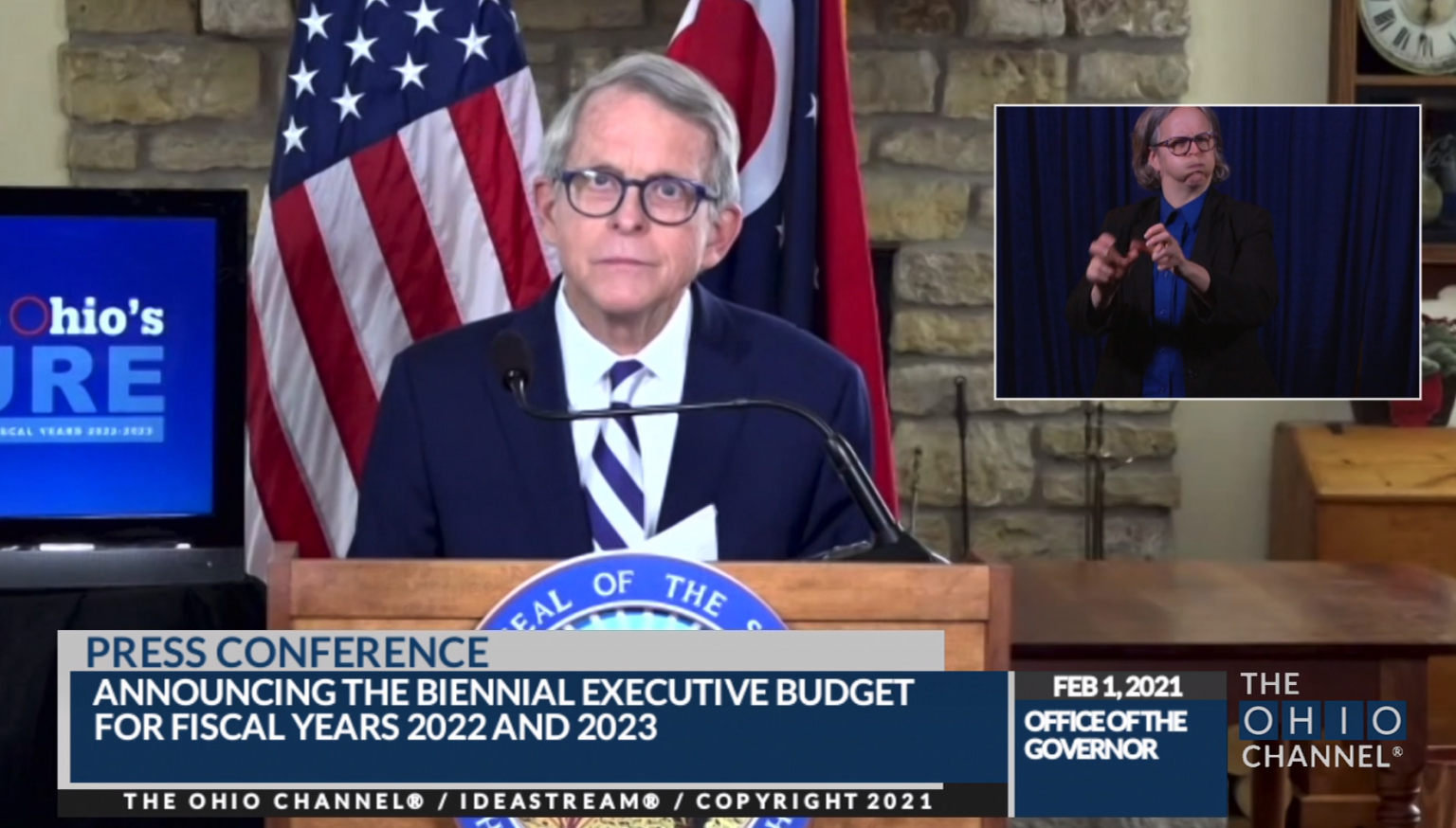
    Ohio Gov. Mike DeWine outlined his administration’s proposed state budget on Monday, calling his plan “truly an investment into our future.”

    Acknowledging this as being an “extremely challenging time in Ohio,” DeWine nevertheless offered an optimistic view of the coming two years and said 2021 in particular would be a year of recovery. 

    The governor emphasized the need for targeted investments toward Ohio businesses, communities and workers as the state continues to deal with a pandemic that has left thousands dead and more than a million seeking unemployment aid at some point in the past year. 

    “We see a bright future ahead,” said Kimberly Murnieks, the state’s chief budget officer, in helping to roll out the budget plan.

    The proposal kicks off months of negotiating with the Ohio legislature, which is tasked with approving a state budget this summer.

    Here are some main takeaways of how the budget affects everyday Ohioans and some details about the next steps in the budget process:

    Big investments in small businesses, expanding broadband access

    At the centerpiece of DeWine’s budget proposal is a new economic recovery plan referred to as the “Investing in Ohio Initiative.”

    The one-time spending plan includes more than $1 billion toward business grants, community infrastructure projects and workforce development. 

    A total of $460 million in grants would go toward bars, restaurants, entertainment venues and other small businesses hit hard by the pandemic, DeWine said. Of this money, $20 million would be specially allocated for new businesses started since the beginning of 2020. 

    Lt. Gov. Jon Husted outlined a number of proposed investments toward improving the state’s workforce training opportunities, benefiting high school students and adult workers alike:

    Another major component of the Investing in Ohio Initiative is $250 million for broadband expansion throughout the state of Ohio. This is an “incredibly important” priority, Husted said, noting that Ohioans without adequate internet access at home have fewer education, health care and telework opportunities. 

    This proposed spending is made available, DeWine said, due to money saved by the state government during the pandemic as well as increased federal spending in Ohio that has freed up additional money. 

    There is one other aspect of the Investing in Ohio Initiative plan.

    DeWine wants $50 million public relations campaign 

    This is a component of the governor’s proposed recovery plan that turned some heads. 

    DeWine hopes to see the state embark on a $50 million marketing campaign to promote the virtues of Ohio to the rest of America.

    The idea, he said, is to convince residents and entrepreneurs living elsewhere to relocate to the Buckeye State. 

    “We want to position Ohio as the place to be,” DeWine said, saying the campaign should highlight the state’s cultures, cities, universities and workplace opportunities.

    No new taxes, but some new fees

    The governor and chief budget officer repeatedly made note of the effort to not propose any new taxes with this budget.

    It does, however, call for increasing some fees that Ohio residents have to pay at the Bureau of Motor Vehicles. The budget proposes a $10 increase on motor vehicle registration fees and a $2 increase on title fees. 

    This would raise millions of dollars benefitting the Ohio State Highway Patrol, which Murnieks said is in need of additional funding to pay for its operations and security responsibilities. (The Patrol provides security at the Ohio Statehouse.)

    Health and Education

    Public health should remain a major funding priority going forward as Ohio navigates the COVID-19 pandemic, DeWine said.

    He mentioned a particular need to invest in better data systems for health departments to process and report public health information. 

    The governor will talk in future detail about the proposed public health spending in his Tuesday pandemic press conference, Murnieks told reporters. 

    Gov. DeWine said his budget would allocate funding toward improving Ohio health departments’ ability to process data and information. The Ohio Department of Health’s COVID-19 dashboard is seen in a screenshot from Monday afternoon.

    The budget proposes a notable increase in state Medicaid spending. Murnieks said this is due to a rise in the number of Ohioans relying on Medicaid during the ongoing health crisis and an expected decrease in federal funding.

    Regarding education, DeWine did not include any changes with the K-12 funding formula in his budget proposal, noting that lawmakers are still debating the issue.

    In sum, funding for Ohio schools would return to levels seen before the pandemic hit. (OCJ covered the education budget proposals in a separate article which you can read here.)

    ‘Rainy day fund’ still untouched

    Throughout the pandemic, DeWine has said the state would not tap into its $2.7 billion “rainy day fund” unless it was absolutely necessary.

    The state opted against doing so for all of 2020, even while instituting hundreds of millions of dollars in cuts to public education last May. 

    Likewise, the state evidently has no intention of using that money in 2021. DeWine did not propose any funds be used from the rainy day fund in his budget proposal.

    Murnieks told reporters that it’s beneficial for Ohio to continue saving it for any future budget catastrophe. She said the state likely would have relied on this money had it not been for the funding assistance provided by the federal government. 

    What’s next?

    The state legislature will now start reviewing the budget proposal.

    The negotiating process begins in the two chambers’ Finance Committees. Eventually, the budget will come to a full vote in the Ohio House of Representatives and the Ohio Senate. Members from both chambers will then hash out any differences before a final budget bill heads to the governor’s desk for approval.

    The budget must be approved by the start of the new fiscal year (July 1), though it’s not uncommon for negotiations to continue past that date with a temporary budget in place.

    More information about the budget proposal is available online at budget.ohio.gov, with information about current state spending available at checkbook.ohio.gov.

  • Scandal-ridden FirstEnergy agrees to give up new upcharge

    Scandal-ridden FirstEnergy agrees to give up new upcharge

    By Marty Schladen and Ohio Capital Journal

    Many FirstEnergy customers weren’t recession-proofed when the coronavirus pandemic hit, but Akron-based FirstEnergy made sure that it was.

    Now, after firing its top management in the wake of a corruption-riddled 2019 law championed by the Akron-based company, FirstEnergy has agreed to stop collecting an upcharge that was part of it, Attorney General Dave Yost said Monday. As it currently stands, the charge is worth about $102 million a year to the company, Yost said.

    “A private company, probably as a matter of morality, shouldn’t be able to guarantee its profits against the marketplace by operation of the law,” Yost said in a virtual press conference.

    Yost last year sued FirstEnergy after federal authorities arrested then-House Speaker Larry Householder and four associates — two of whom later pleaded guilty — in connection with the 2019 passage of House Bill 6. The bill forced all Ohio utility customers to pay more than $1 billion over 10 years to bail out two failing nuclear reactors owned by a former FirstEnergy subsidiary. It also forces ratepayers to pay hundreds of millions propping up two aging, coal-fired power plants — including one that isn’t even in Ohio.

    Prosecutors say FirstEnergy and related groups funneled $61 million through 501(c)(4) “dark money” groups and into an effort to make Householder speaker and to pass and protect the utility bailout. U.S Attorney David DeVillers said it was likely the biggest bribery scandal in Ohio history.

    The bill also contained the mechanism that FirstEnergy agreed to stop collecting from on Monday. 

    In an email, FirstEnergy spokeswoman Jennifer Young said, “FirstEnergy’s Ohio utilities filed an application on Feb. 1 with the Public Utilities Commission of Ohio to end the collection of decoupling revenues permitted by HB 6. This will need to be considered and approved by the PUCO and is the first step toward a partial resolution with the Ohio Attorney General and other parties, subject to court approval. Working to constructively resolve this matter in cooperation with the Ohio Attorney General and other parties is part of decisive actions the board and management are taking to position FirstEnergy for the future and continue to deliver safe, reliable electric service to our customers. FirstEnergy’s leadership is committed to transparency and integrity in every aspect of its business.”

    Even by the standards of arcane utility regulation, “decoupling rider” can make the eyes glaze. But the context in which this one came about might make them pop.

    FirstEnergy’s board last year fired CEO Chuck Jones after an internal investigation found that the company in January 2019 had paid $4 million to a former lobbyist who had just taken a position with the state’s regulator — the Public Utilities Commission of Ohio. That’s when Gov. Mike DeWine appointed Sam Randazzo, a former FirstEnergy lobbyist, to chair the commission.

    Randazzo resigned after federal agents raided his Columbus house in November and DeWine is still looking for a successor. Even though he was supposed to be regulating utilities, emails released in January show that Randazzo played a role in shaping HB 6, the massive energy bill.

    Perhaps not coincidentally, bill’s decoupling rider guaranteed revenue for the company for which Randazzo had previously lobbied and from which Randazzo collected $4 million as he took his seat on the utility commission. 

    The decoupling mechanism was created in 2008 to offset electric company revenue losses due to energy efficiency programs. For example, if an electric company gives away or subsidizes things like LED light bulbs, such a rider would allow the company to recoup revenue it loses from selling less electricity. 

    The kicker with the FirstEnergy decoupling rider is that HB 6 gutted Ohio’s energy efficiency programs at the same time that it all but required the PUCO to approve it. The rider set the high-consumption year of 2018 as the baseline and allowed the company to upcharge its customers to meet that baseline.

    A tracker maintained by the state’s official utility watchdog, the Ohio Consumers’ Counsel, indicates that FirstEnergy has collected $27 million from the rider over the past year.

    “Two million consumers will be paying FirstEnergy about $310,722 per day in 2021, compared to about $51,259 per day in 2020,” consumer counsel spokesman J.P. Blackwood said in a statement issued before Monday’s news. “In other words, every day the legislature delays repealing HB 6, FirstEnergy gets another $310,722 from consumers. What a deal!”

    In a 2019 earnings call, then-First Energy CEO Jones seemed to think it was a good deal. He said the rider made the company “somewhat recession-proof.”

    In a statement issued after his press conference, Yost said the rider was the product of corruption plain and simple.

    “Under its now removed prior leadership, FirstEnergy built a feeding trough that it thought would guarantee it record profits year after year, filled with unearned money out of Ohioans’ pockets,” he said. “This agreement recognizes the corrupt influence used to guarantee a for-profit company above-market returns for years to come by operation of law.”

    Last Wednesday, as he introduced a bill to eliminate the decoupling charge, state Rep. Mark Romanchuk, R-Ontario, noted that it allowed FirstEnergy to lock in nearly $1 billion in annual revenue based on its best earnings in a decade. 

    “This transfers the risk of weather and economic conditions to the ratepayers,” Romanchuk said. “The nation and Ohio are currently experiencing an economic slowdown due to the pandemic. Because the decoupling rider did not account for weaker consumption due to economic conditions, the utility will continue to receive $978 million in distribution revenue at a time when businesses were shut down and families are struggling to make ends meet.”

    A judge has already stopped collection of nuclear bailout funds because of the criminal allegations against Householder and others. But that doesn’t mean FirstEnergy and other Ohio utilities haven’t profited from charges that were later declared to be unlawful.

    There’s no mechanism to recoup the $27 million FirstEnergy has already gotten from the decoupling rider. 

    That’s in addition to more than $1 billion collected from Ohio residents and businesses since 2009 that the state Supreme Court later ruled to be unlawful. Of that, more than $400 million was collected by FirstEnergy that was supposed to upgrade its distribution system but at least some of which was shared with out-of-state utilities.

    Yost said it’s up to the legislature to make well-connected utilities refund money from charges that are declared illegal.

    “It strikes me as fundamentally unjust,” he said. “The law is what it is and we’re stuck with the law until it’s changed.”

  • Luke Waddell Selected as Pre-season 2nd-Team All-American!

    Luke Waddell Selected as Pre-season 2nd-Team All-American!

    by Cassie Mattia

    Loveland, Ohio – Former Loveland High School Baseball and Football stand-out, Luke Waddell has again been awarded quite the preseason honor!

    On Monday afternoon D1Baseball announced Waddell, Georgia Tech Baseball’s shortstop, and captain would be apart of their Pre-season All-American Second-Team. Last season Waddell earned the Academic All-American honor and was a semifinalist for Shortstop of the Year in 2019.

    During the 2020 Georgia Tech Baseball season Waddell had a .300 batting average over the course of 16 games and in 2019 averaged a .419 on-base percentage. For both seasons Waddell averaged a .432 on-base percentage, a 10:1 at-bat to strikeout ratio, and the highest on-base streak on the team (39 games).

    Waddell is clearly a highly decorated collegiate student-athlete but just how does one get selected to D1Baseball’s All-American Pre-season Team?

    According to D1Baseball’s website, “D1Baseball’s editors and national writers select the preseason All-America teams with one guiding principle in mind: to identify the best and most valuable college baseball players for the 2021 season. Past performance and future potential factor into the deliberations, but the goal is neither to identify the best future major leaguers nor to reward the players who have put up the gaudiest numbers in past seasons (particularly since the level of competition varies significantly from one conference to another). The objective is to select the players who would provide the most value for a team that wanted to win the College World Series in 2021 — the players who are best equipped to perform against elite college competition this spring.”

    To see D1Baseball’s entire All-American Pre-season Second-team click the following link: https://d1baseball.com/season-preview/2021-d1baseball-second-team-preseason-all-americans/.

    After Georgia Tech Baseball’s 2020 season being shortened because of COVID-19, the Yellowjackets are more than ready to grab another Coastal Division Championship! The Yellowjackets have several 2020 Freshman All-Americans returning as well as several top-performing upperclassmen. The expectations for GT is high as they’re currently on 4 National Pre-Season Top-25 lists. D1Baseball ranked the Yellowjackets 15th, College Baseball Nation also ranked the team 15th, Perfect Game ranked them 19th, and Baseball America ranked GT 22nd.

    Congratulations Luke Waddell on all your outstanding collegiate accomplishments! We can’t wait to see you and the Yellowjackets succeed this year!

    Looking for more local sports news and updates? Stay tuned to the Sports 411 With Me, Cassie Mattia!