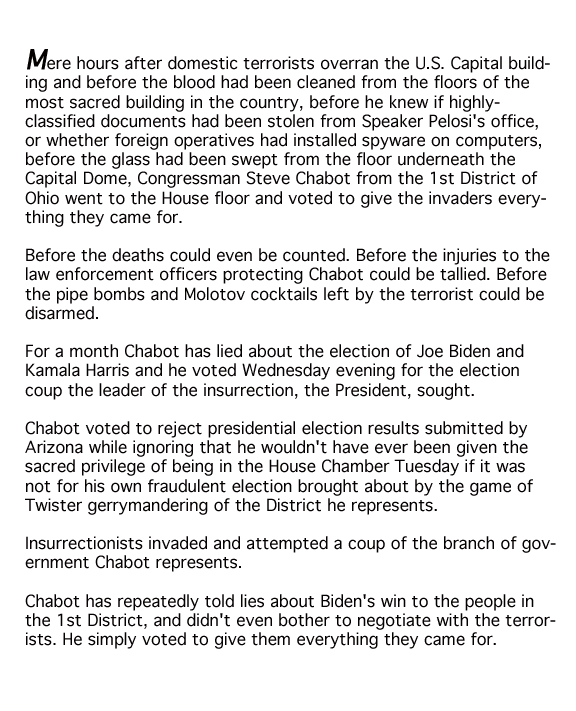
It was a tumultuous week for our nation. Yet, America has shown her resolve. It is critical that everyone – regardless of political party – work to lower the collective temperature of our political discourse. We must, as Ronald Reagan often said, disagree without being disagreeable. Before any political ideology or persuasion, we are first Americans.
Please join me in praying for our nation and those who lost their lives during the events that unfolded at the Capitol this past week.
I unequivocally condemn the actions of the criminals who broke into the U.S. Capitol, injured law enforcement, and tried to disrupt the constitutional process. No matter what flag one is carrying, people violating the law need to be held accountable. That is not who we are. That is not what this country stands for.
The peaceful transfer of power is enshrined in the fabric of our constitutional republic. It is part of what makes America the greatest country in the world. Without it, we are no better than the banana republics from which we seek to protect ourselves and our allies.
I believe there remain constitutional concerns and actual violations regarding election administration. Understandably, many Americans across the political spectrum have concerns about its fairness and accuracy. Unfairness on the part of the media and big tech only exacerbated these concerns, which have been arising over the last two decades.
I am deeply concerned about state officials making changes to their election laws without the consent of their state legislators. This concern has arisen in states won by each candidate.
That’s why I joined with 125 of my colleagues last month in signing the amicus brief that presented election irregularities and asked the U.S. Supreme Court to rule on whether states should be held accountable to the Constitutional prescriptions. It is the body best suited to make that determination of constitutionality. Unfortunately, it refused to hear the case based on standing, though it never heard the arguments or struck down the merits of the questions. The Court has unfortunately left this issue unresolved.
Article II, Section 1, Clause 2 of the U.S. Constitution grants state legislatures sole authority to direct the manner for how its state’s Electors are appointed to the Electoral College. And yet, judges, governors, and other officials in certain states repeatedly made changes to election laws that circumvented the state legislatures.
The discrepancies in these states must be resolved, and the constitutional questions must be answered. Before the election, state legislatures should have exerted their constitutional role to either object to or codify election administration changes. They did not, and they still have not, sadly. The Supreme Court should have accepted the opportunity to hear and rule on this issue, which is why I joined the amicus brief asking the Court to take up the issue and rule definitively. They did not. Presidential campaigns with constitutional concerns should have brought those forth before Election Day. They did not. We as Congress should weigh these constitutional concerns alongside a state’s constitutional role in appointing and certifying their electors.
Two constitutional issues are hitting each other: The non-constitutionality of non-legislative changes to the election and the constitutionality of states choosing their own electors and certifying them.
Specifically, I joined the petition to object to Pennsylvania’s Electors because of clear discrepancies between Pennsylvania’s own state law and how its election was administered. These include judges unilaterally extending certain election deadlines, election officials not requiring signature checks on mail-in ballots, and inconsistent standards from county officials for “ballot curing.” I believe the changes these Pennsylvania officials made without the consent of their state legislators are unconstitutional. In addition, Pennsylvania’s law – Act 77, which expanded mail-in ballots – violates their own Constitution. These issues need to be heard and debated. Objections in the certification process are not unprecedented.
As I understand it, neither Article II nor the 12th Amendment grants Congress the power to overrule the states’ certification of their own Electors.Article II states, in part, “Each State shall appoint, in such Manner as the Legislature thereof may direct, a Number of Electors,” and the 12th Amendment states, in part, “The President of the Senate shall, in the presence of the Senate and House of Representatives, open all the certificates and the votes shall then be counted; — The person having the greatest number of votes for President, shall be the President.” Historically, a reason the Electoral Counting Act of 1887 included the ability to object to a slate of electors came from the need to resolve disputes arising from when a single state certified multiple slates of electors. That has not happened in this case.
One may not like it right now amidst this election, but we would create a dangerous precedent and do harm to the institution of the Electoral College and election process. If either party were to gain a majority in both chambers of Congress, they could simply reject the will of the voters and select their own President.
This is not a decision I have arrived at lightly, and I understand and respect that many of my colleagues may have reached a different conclusion. Our discussions in the House were spirited and sincere, with both sides legitimately standing firmly on constitutional ground with competing interpretations.
The Electoral College is a critical component of our carefully balanced constitutional republic, and we must protect it. Let me be clear: the issues I’ve raised deal not with the institution of the Electoral College but only with how some states have run their elections and selected their Electors. Ultimately, the individual states should and must decide their Electors.
Where Do We Go from Here?
I pledge to work to ensure that these constitutional questions are answered ahead of the next election so that Americans can have faith in our republic as well as clarity as we work to protect the electoral college, our constitution, and our laws. America remains the greatest country in the world. However, we must settle these unresolved questions and restore faith in our election system if we are to live up to the legacy given to us by past generations and sustain the blessings of our liberties for future generations. I pledge to work to ensure these constitutional questions are answered ahead of the next election so Americans have clarity on and faith in our democracy and the integrity of the Electoral College and our Constitution is protected.
Our government – Congress, the courts, and the states – must work to reach agreed-upon answers to these questions to ensure future integrity of, and faith in, our elections. Ohio has stood as a model in election administration for the 2020 Presidential Election. We did things right.
I am going to fight to make sure the American people are never in this position again. I support efforts by Senator Tim Scott to establish an Election Integrity Commission to formally investigate the missteps from this election and provide guidance for future elections as both sides of the aisle should want clarity and certainty. Undoubtedly, more legislation to safeguard our Electoral College and elections will be needed to prevent future irregularities, discrepancies, and constitutional concerns. The American people deserve it.
We can and we must right these wrongs. Like the song “America the Beautiful” suggests, we ask that “God mend thine every flaw.”
PUBLISHERS NOTE:
President Donald Trump and his allies have baselessly claimed that there was rampant voter fraud in the 2020 Presidential election.
“There’s a great human capacity for inventing things that aren’t true about elections,” said Frank LaRose, a Republican who serves as Ohio’s secretary of state. “The conspiracy theories and rumors and all those things run rampant. For some reason, elections breed that type of mythology.”
Election officials in every state have not reported any major voting issues. Each of the 60 election related lawsuit filed, contesting election processes by either Trump or his supports all failed, and none have proven widespread problems.
Former Loveland Magazine sports writer Willie Lutz is now writing for Last Word On Sports. Here is what he says about a few exciting Cincinnati Bengals draft targets who will play in the National Championship tonight.
In the last college football game of the 2020 season, Ohio-based fans plenty of reasons to watch. Certainly, Alabama and Ohio State are already an exciting pairing of teams in the headline-grabbing game. However, there are a few draft targets for the Cincinnati Bengals in this game, adding an extra level of excitement for those fans.
In the National Championship, There Will Be a Few Exciting Cincinnati Bengals Draft Targets
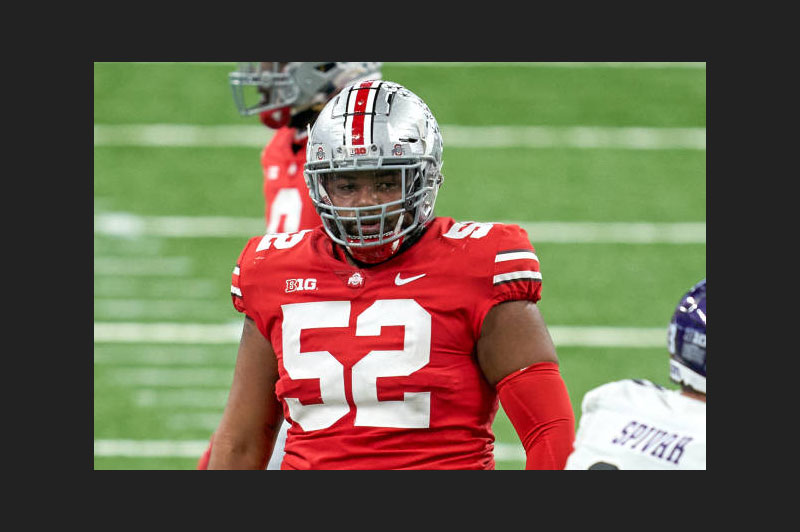
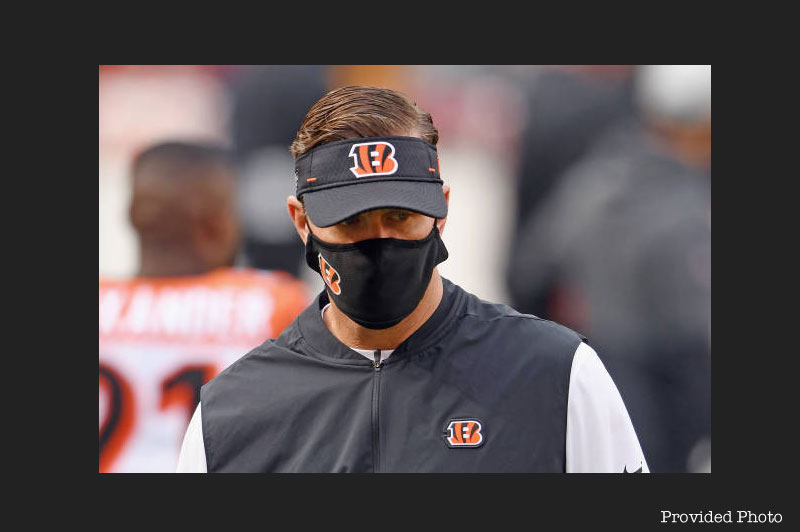
While the Cincinnati Bengals aren’t in the playoffs, they’re dreaming of a chance to make that splash in 2021. However, a player who could help the team cross that threshold could cap their own playoff run tomorrow. Ohio State and Alabama face off in tomorrow’s College Football Championship with a slew of top NFL prospects. Both have players on their roster that should be draft targets for the Cincinnati Bengals. With Zac Taylor returning in 2021, there are some obvious needs to fit his scheme and regime.
Obviously, the Bengals need to target offensive line help this offseason. It seems like the team’s top priority this spring and summer.
Former Loveland Magazine sports writer Willie Lutz is now writing for Last Word On Sports. Here is what he says about Jessie Bates III being honored as Second-Team All-Pro.
As playoff weekend arrives with the Bengals sitting at home, an emerging member of the team’s core received exciting news. Finding his footing well in the NFL so far, Cincinnati Bengals safety Jessie Bates III was named to the AP All-Pro Second Team as a Safety.
After a 4-11-1 season with a crash ending, Cincinnati Bengals fans have a reason to celebrate their campaign. Third-year safety Jessie Bates III was selected as an AP All-Pro safety on their Second Team. This news comes as the team heads towards an incredibly important offseason that includes augmenting the defense around Bates. Earlier, Bates was named a first-team All-Pro by Pro Football Focus, who graded him the fourth-best defender of the 2020 season, earning a 90.1 grade on the season.
Former Loveland Magazine sports writer Willie Lutz is now writing for Last Word On Sports. Here is what he says about Cincinnati Bengals Firings of Coaches.
After a putrid loss to the Baltimore Ravens, the Cincinnati Bengals’ firings began in the coach’s room. While the roster has its shortcomings, the recent shake-up doesn’t address obvious staffing issues.
As the Dust Settles, Cincinnati Bengals Firings Seem to Miss the Mark
In the early hours of the NFL’s Black Monday for coaches, the Cincinnati Bengals stood by head coach Zac Taylor. The team’s owner and general manager, Mike Brown, released a statement announcing his confidence in Taylor moving forward. However, recent development revealing a number of other Cincinnati Bengals staff firings show that confidence isn’t booming inside the team’s front office.
Loveland, Ohio – Join for a BED (Books Engaging Discussion) Time book talk centering on diverse characters and underrepresented experiences. Co-sponsored by the Loveland Diversity Advisory Board and the Library.
In this creative non-fiction story, Sonia and her friends plant a garden, and each one contributes in his or her own special way, in a book that celebrates the many differences among humans. In this warm and inclusive story by U.S. Supreme Court Justice Sonia Sotomayor, inspired by her own childhood diagnosis of diabetes, readers join along as differently abled kids use their strengths to work together and learn about each other.
I’ll Walk With You by Carol Lynn Pearson
Help little ones learn to show love for the people around them, no matter how they look, sound, pray, love, or think. Beloved author of The Lesson and Will You Still Be My Daughter, Carol Lynn Pearson is known for her heartfelt, sometimes tear-jerking poetry and stories. Her newest title, illustrating her popular song written for children in 1987, will enchant children with a sweet, tender poem about loving and accepting others, no matter what they look like, where they come from, or what their age and abilities are. Carol Lynn Pearson is the author of more than forty books and plays, including Goodbye, I Love You and I’ll Always Be Your Daughter She has been a guest on The Oprah Winfrey Show,” and “Good Morning, America,” and was featured in People Magazine. She lives in Walnut Creek, California.”
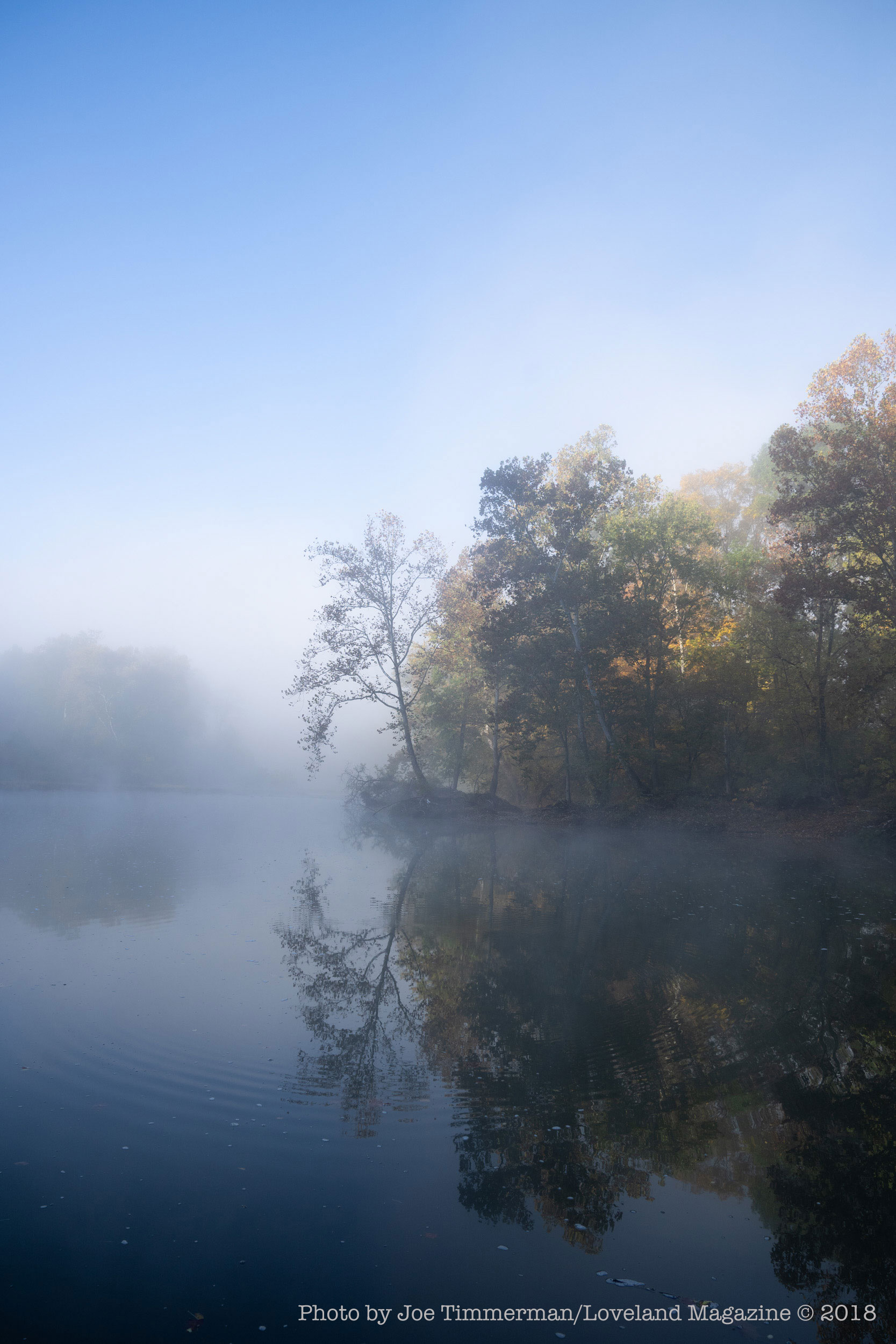
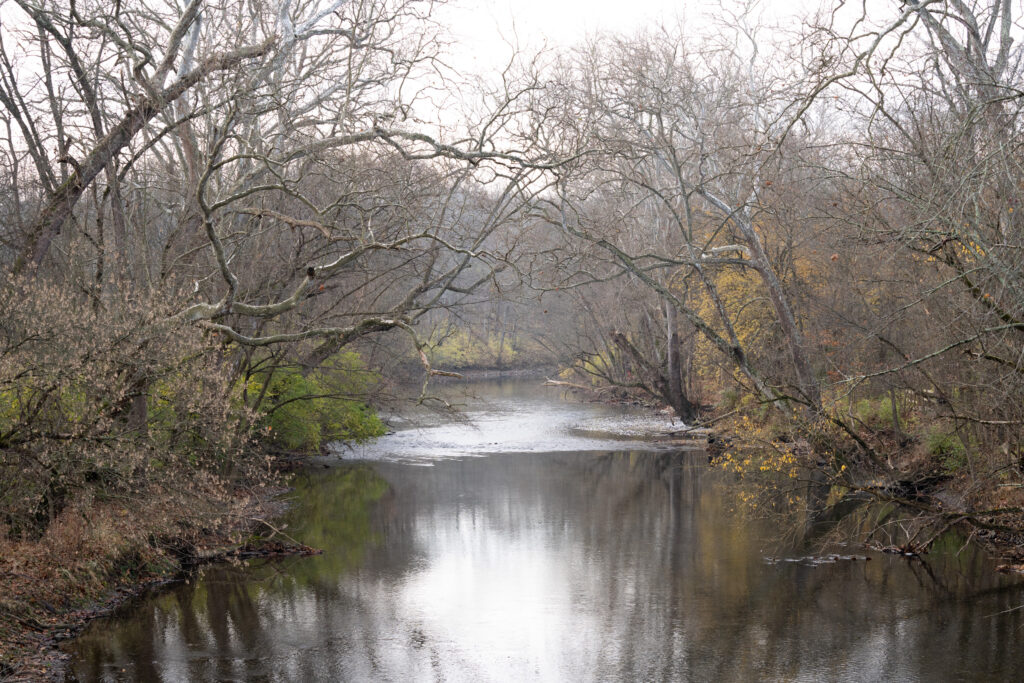
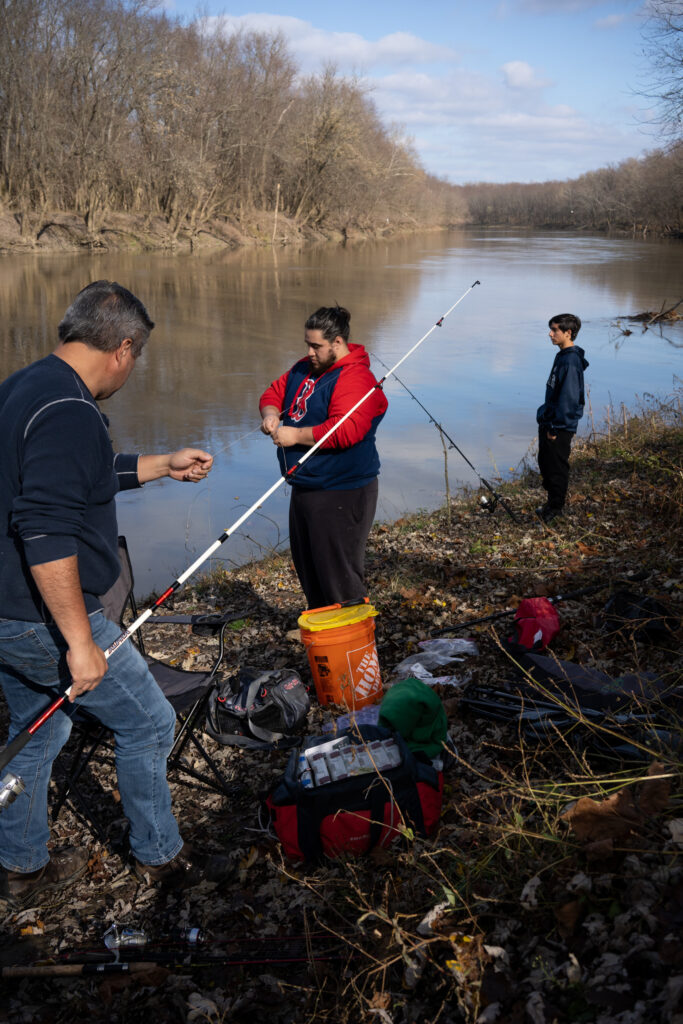
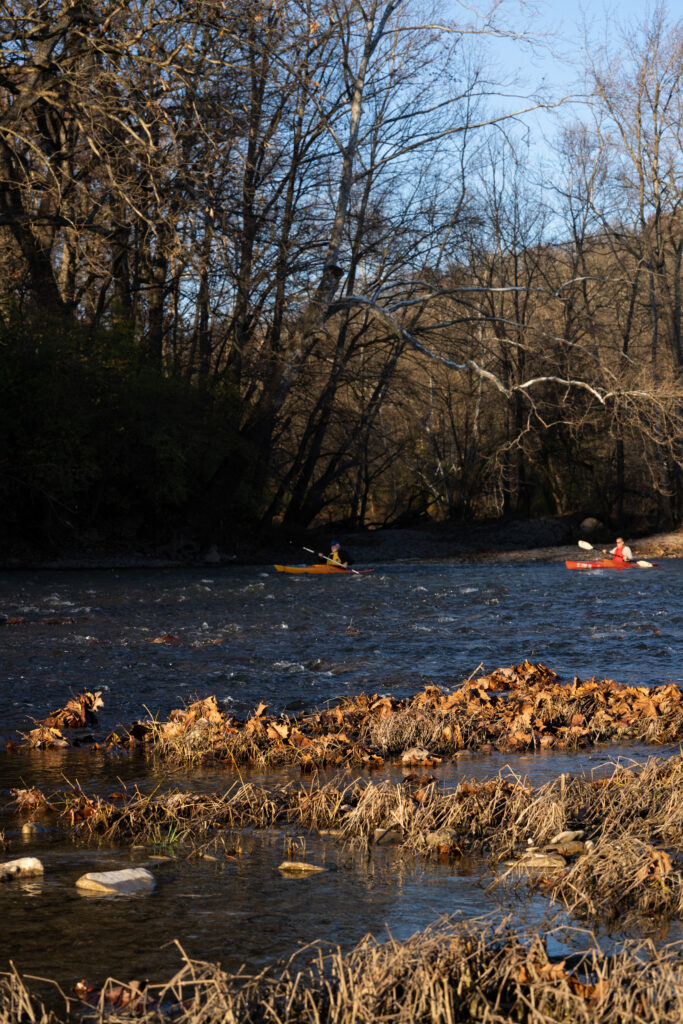
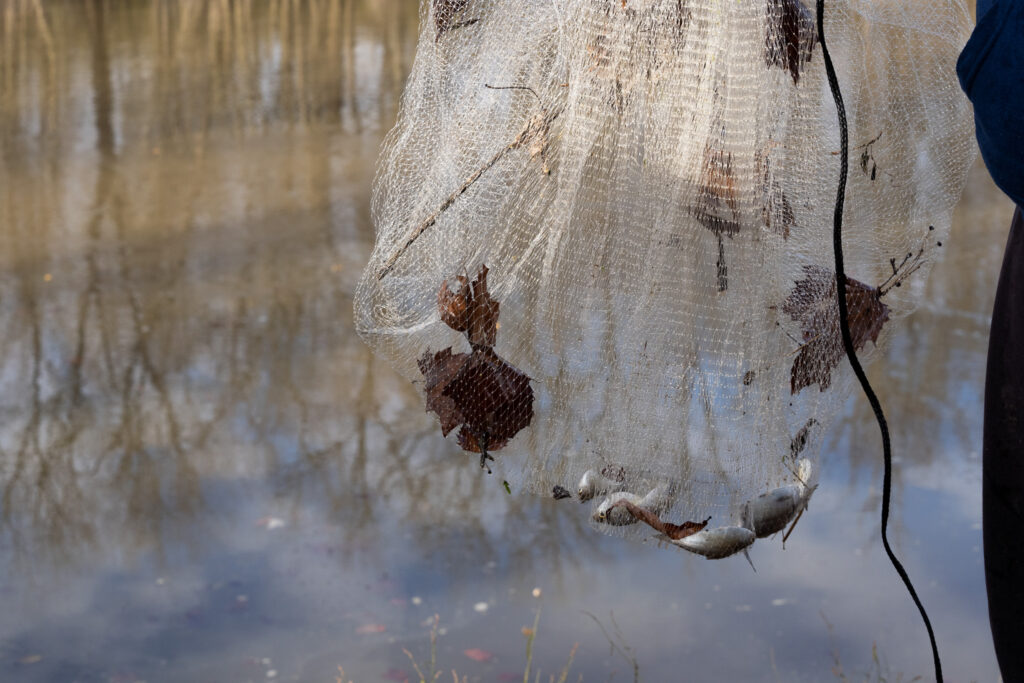
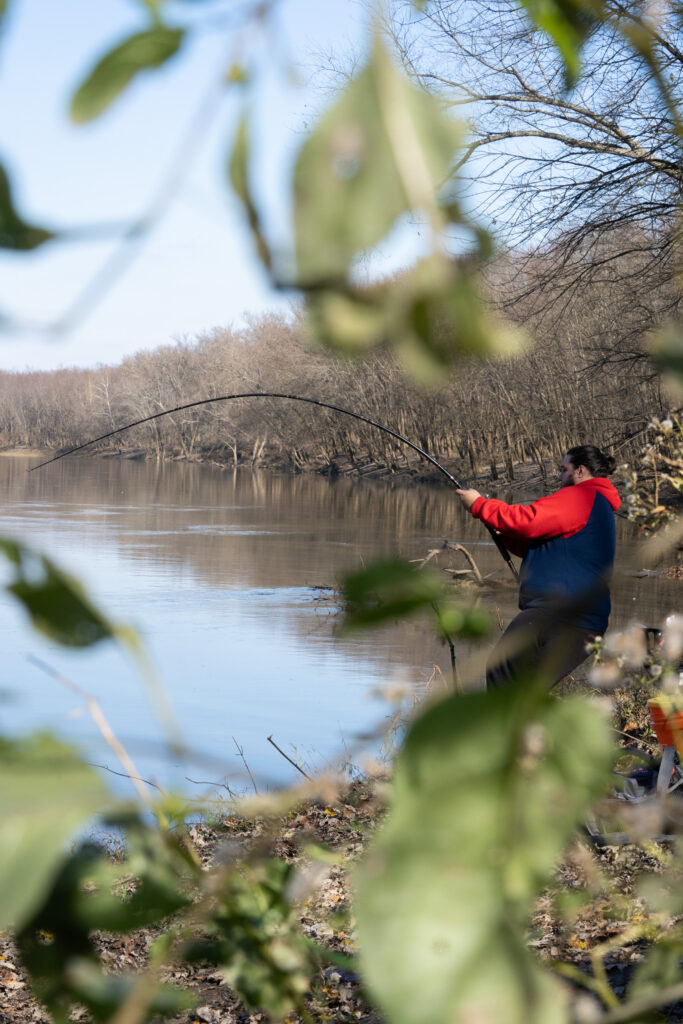
Few leaves are still falling off trees and down the ever-running water of the National Wild and Scenic Little Miami River, where they float through five counties and 111 miles of southwest Ohio, into the Ohio River and toward the Mississippi before eventually finding their way into the Gulf of Mexico. Today, these 111 miles of Little Miami River are the cleanest that they have been in the last 40 years, and as the world may seem largely disconnected due to the coronavirus pandemic, a connection between people over time is helping to create the river’s lasting sustainability.
Since the end of the last Ice Age before this land was known as America, humans have lived along the Little Miami River and enjoyed the resources it provides — drinking the water alongside its banks while hunting for fish within, using the clay to build pottery or structures, and floating on the surface in kayaks or canoes like the leaves still do today. In that time, the river has seen many seasons of change, from shifts in human culture alongside its banks through community development to biological diversities in its rich, natural environment, according to the Little Miami Ecology and History report.
When the Little Miami was designated as Ohio’s first State Scenic River and included in the National Wild and Scenic River System in 1973, according to the Ohio Department of Natural Resources, locals had already been active in its conservation and return to sustainability for more than half a decade. The Little Miami Conservancy (LMC), a non-profit organization fueled by passion for the protection of the river, led the effort in Washington to recognize the importance of protecting the Little Miami River as not only a local hidden gem, but as a national treasure.
The lower section of the river runs right through the heart of Loveland, Ohio, where LMC and its current executive director, Eric Partee, is based. Partee’s passion roots from the original director of the conservancy, Glenn Thompson, who in 1967 embodied the idea that their effort isn’t about one single person, but rather about everyone coming together to save the river.
“Someday, a corridor of green will stretch from one end of the river to the other. Individuals and families will enjoy peace and quiet and restoration of spirit that comes with clean water, birds, and trees,” a quote from Glenn Thompson that Partee believes the conservancy has lived up to.
Since its origin, the conservancy has worked with agencies like the Ohio Environmental Protection Agency (OEPA), who records the condition of the Little Miami River every 10 years by sampling fish life. In the 1980s, only 4% of the Little Miami River was in full attainment of water quality health, but in recent years, the chart has flipped, and as of 2007, the river is at 96% attainment of health, according to OEPA research.
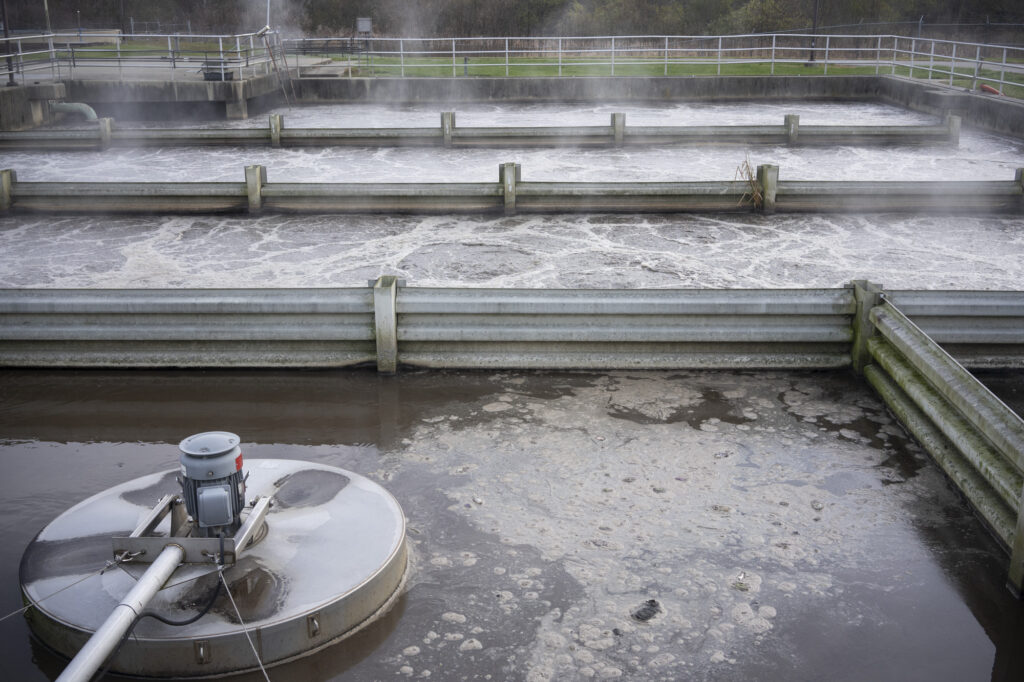
“As early as the turn of the century, this river was very well polluted. (There were) a lot of deformed fish, it was not anything close to exceptional,” Partee said in an interview. “It took a lot of discussion, a little bit of arm twisting, and some local funding to fund improvements to the sewage treatment plants to ratchet down on phosphorus, which was the main culprit … when we got the treatment plants to ratchet down on that, biology basically turned around on a dime —from terrible to exceptional.”
To make sure the river stays healthy, LMC introduced a set of equipment called YSI Water Quality Sondes, which monitor dissolved oxygen in nine locations throughout the length of the entire Little Miami, according to Partee. Each system monitors oxygen every 15 minutes, allowing for constant awareness of river health to prevent a reversion of quality. The conservancy also takes prides in their work on forest restoration through buying riverfront properties, planting trees, removing invasive species, and working collectively to clean up trash in the effort to grow closer to the initial goal of a corridor of green along the riverbank.
A short walk from the doors of the conservancy is the Loveland Canoe and Kayak Livery, owned by Mark and Robyn Bersani, which is just one of the many businesses along the Little Miami River that rely on its health as their main resource for income. The Bersanis work closely with the conservancy each year by offering and volunteering for cleanups as well as generous donations. This year, along with two other liveries including Rivers Edge and Scenic River, their combined donation to the Little Miami Conservancy’s effort was $56,000, according to Bersani.
“We’re involved from a grassroots portion, to actually helping with cleanups, to keeping an eye on the river, as well as donating and continuing to fund the good work that they do,” Bersani said in an interview. “It comes down to the people that live along the river, people that visit the river, the people in the community, if the river is going to stay clean. This river is very natural, it looks like it did 300 years ago … it is vital that the citizens all realize they have a role in this.”
Up the road at Loveland High School, Amy Aspenwall, an AP environmental science teacher teaches teenagers the importance of environmental awareness through hands-on experiences in places like the Little Miami River.
Perhaps half of the students attending Loveland High School cross over the Little Miami State and National Scenic Little Miami on their way to school each morning.
In an interview over Zoom, Aspenwall talked about the importance of students getting out into nature to actually see how humans fit in the environment, because “if you don’t see it, it’s really not your problem,” Aspenwall said. From understanding food waste to the water drinking system to sewer treatment facilities, her goal is to allow students the opportunity to realize a sense of civic responsibility.
“It’s important for students to start to think of themselves as a bigger picture rather than just someone following teacher instructions,” Aspenwall said. “I want them to start thinking on their own and realize how powerful they are as a consumer.”
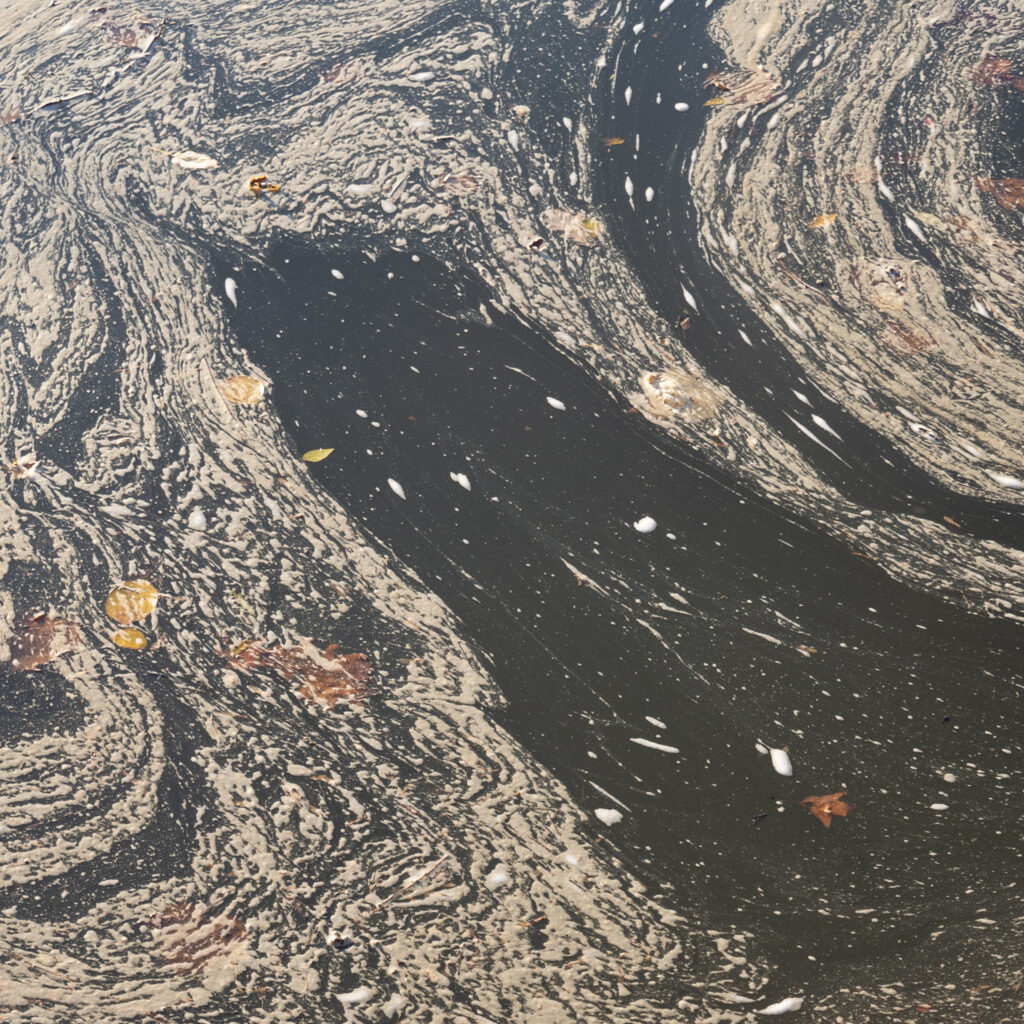
Michelle Waller, an environmental specialist in the Division of Surface Water at OEPA, discussed the difficulties the river has faced through poor nutrients entering the river due to excess phosphorus from treatment plants and still faces through agricultural runoff from farms, in an interview over Zoom.
Waller said that placing phosphorus limits on the main stem’s water treatment plants in recent years proved to show major improvements in river nutrients after the OEPA performed sampling, but other negative sources are out of their reach. “We do not have authority over agriculture the way we do with what we call point sources, the treatment plants,” Waller said. “We try to work with local Soil and Water Conservation Districts, they try to get the word out about good farming practices … but there is no real regulatory authority which is a really big problem.”
The majority of land along the Little Miami River is agricultural, unlike other major rivers in Ohio that have industry running alongside their waters. And just like the branches of community that have come together to help preserve the river, many tributary streams and creeks branch out from the Little Miami, though those tributaries can be overlooked.
As most organizations, including the OEPA and LMC, focus their efforts on upholding the exceptional quality of the main stem of the Little Miami River, there is still work to be done in the tributaries. Partee talked about how there just isn’t enough time for LMC to visit every tributary and talk to every landowner. However, near Beaver Creek in Greene County, there is an organization called the Beaver Creek Wetlands Association, which has adopted that very issue. “I think that’s probably the best future for the watershed, to have local citizens dealing with multiple tributaries and try to restore or protect it,” said Partee.
Between the shared relationships of the Little Miami Conservancy, OEPA, local government officials, developers, landowners, non-profits, teachers, and local business owners, a community has come together and worked toward the common effort to make a positive, sustainable change in the health of the river.
The timelessness of the Little Miami River will carry on as long as its water continues to run. And as it always has been, it’s still up to the people alongside the riverbank to make sure that the water runs clean for generations to come. As the late author Nelson Henderson said, and Eric Partee paraphrased when we talked together, “The true meaning of life is to plant trees, under whose shade you do not expect to sit.”
Mollie Kuramoto is a Loveland High School alumna. She’s the marketing manager for Element Three, a marketing agency based in Indianapolis, Indiana.
She graduated from Purdue University having studied English, Design, Art and Film, and now uses those skills to tell stories across the written and visual spectrum.
This piece reflects an evening scene in the city of Amsterdam and was created digitally with Procreate® on an Ipad Pro.
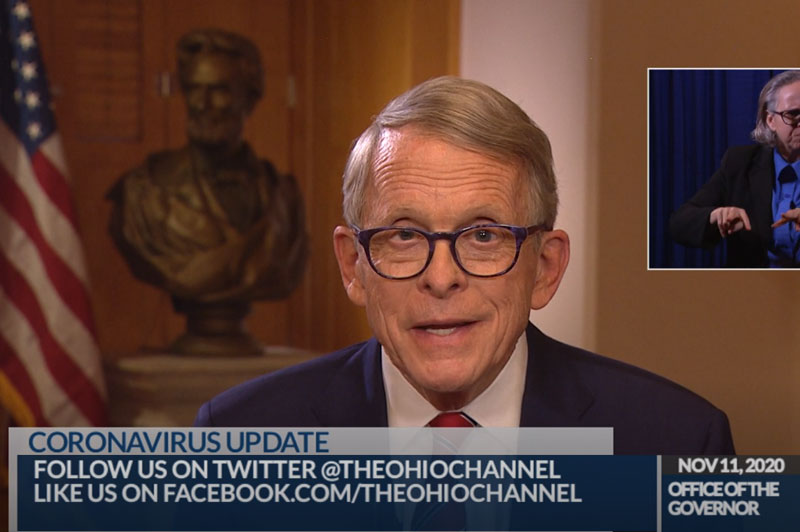
Columbus, Ohio – Ohio Gov. Mike DeWine got a lot of attention Wednesday when he said that 60% of nursing home workers who were offered a coronavirus vaccine refused to take it.
But state health officials on Thursday said there’s no organized effort to track refusals among people they consider so critical that they’ve been given first crack at the scarce vaccines.
In a press conference, DeWine implored people who are eligible for the vaccine to accept it, warning that it could be a long time before they get another chance. That argument might seem pretty compelling, given that a fast-spreading variant of the virus has popped up in two states, ICU beds are filling and the two approved vaccines have trickled out at a rate far lower than the Trump administration promised.
But DeWine lamented that many nursing home workers are passing on the vaccines anyway.
“Our bigger concern is the amount of staff who are not taking it,” he said. “I don’t have data in front of me, but anecdotally, it looks like somewhere around 40% of staff at nursing homes are taking the vaccines and 60% are not taking it.”
The statement went viral. A tweet about it generated more than 5 million impressions as of Thursday evening.
60% of Ohio nursing home staff refusing covid vaccine @GovMikeDeWine says
DeWine made his statement about nursing home workers “from some reports we have been hearing from our pharmacy partners,” Ohio Department of Health spokeswoman Melanie Amato said in an email Thursday. “It ranges in facilities, but this is a rough average. Remember the nursing home are largely being vaccinated by Walgreens/CVS as part of the federal program. We rely on them for the information. Same with hospitals. We track vaccines that have been given. We don’t track who would have refused.”
Neither CVS nor Walgreens could immediately be reached for comment. While they are handling vaccinations in congregate settings such as nursing homes, they aren’t in charge of vaccinating hospital staff, paramedics and the like. Ohio health officials apparently aren’t tracking the rate at which those groups are refusing the vaccine, either.
Dan Tierney, DeWine’s press secretary, said that despite the low level of nursing home workers agreeing to be vaccinated, the governor isn’t considering a mandate — at least for now.
“On mandating the vaccine for these groups, we are still in the rollout of this phase, and our message to Ohioans is that if you are in group 1A, we urge you to take the vaccine now, because it may be months before there is another opportunity available to you,” he said. “We believe that increasing awareness will help increase the utilization rate. Ultimately, it is up to each health care provider to determine which workers they employ meets the criteria in group 1A to receive the vaccine in this phase.”