Tag: Loveland Magazine

  • Loveland grad Sam Smith named Director of Photography on high-profile short film

    Loveland grad Sam Smith named Director of Photography on high-profile short film

    Samuel Smith operates a camera out of the back of a truck in San Diego, California. (Photo by Savannah Braswell)

    Since leaving Loveland in 2018 for the prestigious New York University, Sam Smith has been cinematographer on numerous projects including Crimson Ties, directed by Francesca Scorcese.

    A slash of Edward Hopper-esque smoggy evening light outlines a working-class mother, hunched over a sewing machine. A split composition: out of focus in the background of her 1956 New York tenement apartment, her children hug their father.

    Bobby, 11, donning a school uniform, stands over the camera with a note in her hand. A low angle, wide-lens shot might indicate confidence. But not here. The note fills the frame and holds the power. Her body looks awkward and distorted—her hands are too big, torso too long, head too small.

    These are two images from Heartbreak on Murray Hill, a short film to be photographed by Loveland local Samuel Wright Smith. The movie is the true story of the director’s (Malcolm Quinn Silver-Van Meter) grandmother’s childhood breakup in 1956 immigrant NYC. Samuel Smith will act as the eyes of the film, sculpting light, movement and framing.

    For as long as he can remember, Samuel Wright Smith has had a camera glued to his face. When he first found himself in the tight-knit Cincinnati film scene, he was only 14. Smith spoke about his roots:

    “Making a film takes a village. I am indebted to organizations like The Cinedepenent Festival, The Underground Academy, Loveland Magazine, the Overture Awards/Artswave, and the many Cincy mentors and patrons of the arts. Cincinnati offered the impetus to realize my dreams. It feels fitting that my biggest project yet is about community.” 

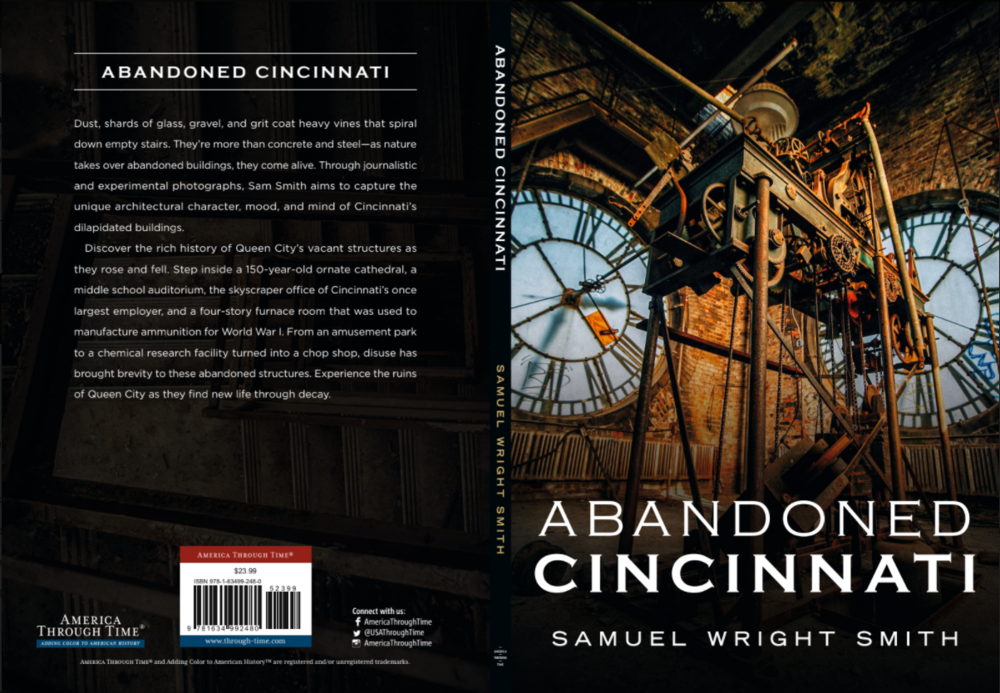
    Since leaving Loveland in 2018 for the prestigious New York University Tisch School of the Arts, Smith has been cinematographer on numerous projects including Crimson Ties, directed by Francesca Scorcese, which premiered at Tribeca. In 2020, at only age 19, he published a photo book titled Abandoned Cincinnati through Fonthill Publishing.

    Samuel Wright Smith is the author of Abandoned Cincinnati, a 2019 photo/commentary book available in Cincinnati bookstores and online through Amazon. The book explores the history, beauty, and implications of Cincinnati’s vacant structures.

    Recently, Smith shot a feature film with the Secoya indigenous community in the Ecuadorian rainforest. His work has garnered attention at other major festivals including Nashville Film Festival and Beverly Hills Film Festival. 

    For Heartbreak on Murray Hill, the crew will build a replica 1956 tenement apartment. Smith describes the style as “warm realism”. Pulling inspiration from American Realist painters, he intends to create a style that is bold, believable, and magical.

    Heartbreak on Murray Hill is the story of 11-year-old Bobby and her first breakup in 1950s NYC. It is based on a true story.

    Heartbreak is set to be one of NYU’s most ambitious thesis films ever. Seeking an indie budget of $150k, the film is fiscally sponsored and donations are tax-deductible.

    “Writing and photographing for Loveland Magazine in high school opened my eyes to the possibility of meaningful work through the lens of a camera. I owe so much of where I am to David Miller, the LM publisher. So many peers, teachers and community organizers in the Loveland community gave me the push to pursue my dreams. I can’t believe that this is my life now. Living off of art seemed impossible once. But thanks to community: here I am,” said Smith.

    “Sam started as a Loveland Magazine Intern while he was still attending Loveland High School and soon was paid for his skillful work. I was still able to hire Sam a few times for special projects after he went to NYC to study. Since the day we were first introduced his photographic eye and writing has always seemed magical,” said Loveland Magazine Managing Editor, David Miller. “I cannot wait to see this new film and really wish the team success in securing the funding they need and do hope the Loveland and Cincinnati community will support Sam’s career.”

    DONATE and SUPPORT the Production of Heartbreak on Murray Hill

    Learn more about Heartbreak on Murray Hill and meet the team

    Learn about Director Malcolm Quinn Silver-Van Meter

    Director Malcolm Quinn Silver-Van Meter

    Find Samuel Wright Smith’s work here

    Watch this promotion for the film Capulí, which Smith recently shot in the Secoya indigenous community in the Ecuadorian rainforest

  • Corruption trial witness: Householder called them “loans” but wouldn’t sign documents

    Corruption trial witness: Householder called them “loans” but wouldn’t sign documents

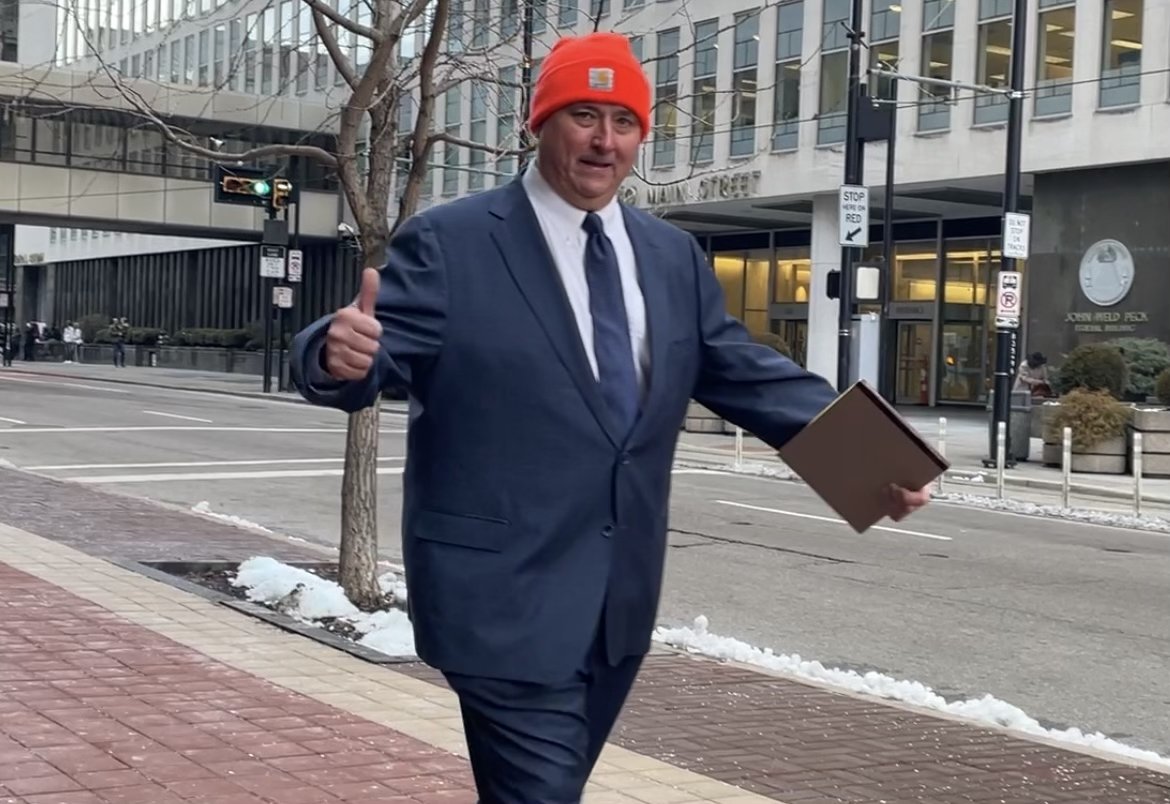
    Former Ohio House speaker Larry Householder arrives for day two of his racketeering trial. Photo by Morgan Trau, WEWS.

    Former House speaker received $500K in bailout scandal and called them loans, but never paid any of it back

    BY: MARTY SCHLADEN Ohio Capital Journal

    CINCINNATI — In Washington, D.C. during Donald Trump’s January 2017 inauguration, then-Ohio Rep. Larry Householder had a dinner meeting with the top executives with Akron-based FirstEnergy. The executives stressed their likely need for a state bailout — and their need for a way to make unlimited, untraceable contributions to Householder’s bid for speaker, Householder’s top lieutenant testified Wednesday.

    By late 2019, scores of millions in FirstEnergy dollars had passed through the 501(c)(4) “dark money” account that had been set up at the executives’ request. Householder had won the speaker’s gavel. And the state had passed a $1.3 bailout that mostly benefited a FirstEnergy subsidiary. 

    In addition, Householder had gotten more than $500,000 for personal expenses that had originated with the utility. The speaker agreed to call them “loans,” but he never quite got around to signing legal documents that were prepared — much less to paying back any of the money, the witness, Jeffrey Longstreth, testified Wednesday.

    If true, it and other events described Wednesday illustrate widespread ratepayer-financed malfeasance that threatened to make Householder speaker in alliance with Ohio utilities almost indefinitely.

    Four weeks into the blockbuster corruption trial, Longstreth’s testimony could prove crucial. Because he set up the dark money group and handled much of Householder’s political business, Longstreth is likely to have had one of the best views into whether the former speaker enriched himself in exchange for championing the bailout.

    Showing that Householder personally enriched himself as he rammed through an unpopular corporate bailout could go a long way to convincing the jury that the former speaker participated in an illegal conspiracy. 

    He and former Ohio Republican Party Chairman Matt Borges are being tried on charges of racketeering. Federal prosecutors have said the $61 million in utility money that was used to pass the billion-dollar bailout is likely the largest bribery and money laundering scandal in Ohio history.

    Longstreth, who functioned as Householder’s political strategist and general fixer, has pleaded guilty and is cooperating with prosecutors in exchange for a favorable sentencing recommendation. On Wednesday, he explained to jurors that by the time of the dinner meeting during Trump’s inauguration, it was clear to him that Householder was well familiar with then-FirstEnergy CEO Chuck Jones and what Jones wanted for his company.

    Meetings with FirstEnergy executives

    In late 2016, as Householder captured a House seat that he held in the early 2000s, FirstEnergy was drowning in debt from its money-losing nuclear and coal plants. The company was laying the groundwork to send the subsidiary that owned the plants into bankruptcy, and executives calculated that state or federal subsidies would make it attractive to buyers.

    In December 2016, the newly elected Householder hired Longstreth to spearhead his plan to elect enough sympathetic Republicans in 2018 that they would make Householder speaker at the start of 2019.

    A month later, Householder and Longstreth were in D.C. for Trump’s inaugural — and to meet with Jones and FirstEnergy Vice President Michael Dowling. At one steakhouse dinner, Longstreth was seated at the end of a long table with Dowling, and Jones and Householder were seated at the other.

    Dowling “said they were going to get going, get your organization set up,” Longstreth testified, explaining that he understood “organization” to mean a limited liability corporation or a dark money group that could receive FirstEnergy money. “He said (the money) needed to be undisclosed and unlimited contributions.”

    The next night, the dinner at another D.C. steakhouse was more intimate, with just Householder, Jones, Dowling, Longstreth and maybe one other in attendance. Jones, the FirstEnergy CEO, explained the company’s financial woes and that they were working on a federal solution to them.

    “They said, ‘If not, we’re going to need something on the state level,’” Longstreth quoted Jones as saying.

    He added that Householder mostly sat quietly through that part of the discussion because he “already knew everything that was being said, it seemed to me.”

    Longstreth said he didn’t know about all of Householder’s previous dealings with Jones, but said the men were well enough acquainted that they attended a World Series game together in Cleveland the previous October.

    The political strategist testified that it was clear to him that FirstEnergy’s enormous contributions were expressly in exchange for a bailout.

    “I knew their donations were (predicated) on the expectation that something like House Bill 6 would happen,” Longstreth said.

    Money for Householder

    Householder didn’t just get money from FirstEnergy to advance his political ambitions, Longstreth said.

    In spring of 2017, Householder called Longstreth into his office to complain of financial problems. He was head of a group of investors in an Alabama coal mine that had defaulted on a loan, he was having problems with his Perry County farm and he had a house in Florida that was badly in need of repair.

    Longstreth said Householder told him that he needed to solve some of those problems or he’d be forced to drop his bid for speaker. And, he said, because Householder was his only client, that would be a big problem for Longstreth, too.

    Using money out of an account that was funded by the dark money group that FirstEnergy paid into, Longstreth said he paid lawyers, settled the Alabama lawsuit and financed the repair of Householder’s Naples, Fla., home.

    Longstreth had a loan agreement drawn up, but Householder never signed the papers, he said.

    “We had multiple discussions, but it was a kick-the-can-down-the-road type of scenario,” Longstreth said.

    In late 2019 when the issue came up, Householder “asked me in the course of our conversation, ‘Are you whole?’” Longstreth said, explaining that he interpreted the question to mean that Householder wanted to know if somebody other than Longstreth had ultimately paid Householder’s debts. 

    “It was one of those hair-on-the-back-of-your-neck situations,” Longstreth said, adding they both knew the arrangement the speaker was suggesting was illegal. 

    At another meeting at the Buckeye Lake AMVETS post, Householder requested help with credit card bills, Longstreth said. Earlier in the trial, prosecutors displayed bank records showing that the debt was about $20,000.

    Longstreth said he stressed to Householder that they needed to stay on the right side of the law. 

    “I said it had to be something we can do legally because you can’t get something for nothing,” Longstreth said.

    Testimony on widespread corruption

    Wednesday’s testimony about Householder’s loans was against a backdrop of widespread corruption that threatened to become endemic.

    Before Longstreth took the stand, Pat Tully testified that within weeks he moved from a senior position at the state’s utility regulator, the Public Utilities Commission of Ohio, to being a senior advisor to the House Republican Caucus. In early 2019, Tully said, Householder met with him, Rep. Nino Vitale, R-Urbana, and Sam Randazzo, Gov. Mike DeWine’s nominee to chair the PUCO — and who around that time received a $4.3 million payment from FirstEnergy.

    Tully described how he worked with Randazzo to help draft the utility bailout, House Bill 6, and to reconcile it with draft legislation submitted by FirstEnergy. He wasn’t asked about the propriety of a current and very recent regulator writing a law in which one of the state’s largest utilities had such an obvious interest.

    In Longstreth’s testimony, he said that after HB 6 passed in 2020, he and Householder mounted an effort that could make him speaker for the foreseeable future in a kind of permanent alliance with Ohio’s big utilities.

    Earlier in the trial, prosecutors played recordings of Householder ally Neil Clark saying that thanks to dark money, utilities like FirstEnergy could contribute vast sums to politicians and keep their origin secret. In that way, Clark said, supposedly regulated utilities could exercise huge influence behind the scenes.

    Ohio law currently limits lawmakers to eight years in either house, but they’re free to run for the other chamber after that — and can do so as long as they like. So Householder’s speakership would at least have been interrupted in 2024.

    But Longstreth found that the idea of passing a law limiting lifetime service to 16 years polled well. And it had a huge silver lining for Householder — it would reset the clock so the speaker was free to stay in the House and be its leader for the next 16 years if he could keep getting the votes.

    Longstreth estimated that it would cost $15 million to $20 million to buy ads selling the idea to voters. For the money, Householder and Longstreth decided to turn to utilities FirstEnergy and AEP, both of which reaped millions from the bailout. Their interest in keeping Householder in the speaker’s chair was clear, Longstreth said.

    “It kind of went without saying that they would support anything that was good for the speaker because anything that was good for the speaker was good for them,” Longstreth said.

    After meetings with top executives with both companies in February 2020, Householder secured pledges of support from each, Longstreth said. Then reality intervened.

    “COVID started in March and then we were arrested in July,” Longstreth said.

  • Study shows uninsured children could increase with loss of pandemic-era coverage

    Study shows uninsured children could increase with loss of pandemic-era coverage

    Getty Images.

    “As we begin the process of redetermining eligibility for the first time in three years, we must pay particular attention to children’s needs to minimize the number of children who lose coverage.”

    Kelly Vyzral

    BY: SUSAN TEBBEN – Ohio Capital Journal

    A new study warns of a sharp rise in uninsured children in Ohio and across the country if pandemic-era coverage is allowed to fade away.

    The Georgetown University Health Policy Institute’s Center for Children and Families studied the impact of the Children’s Health Insurance Program (CHIP) and Medicaid on bringing down state’s uninsured rate, finding that it “proved to be a critical lifeline for more than half of the nation’s children during the pandemic.”
    Now that a March 2020 provision increasing the federal contribution to state Medicaid programs while requiring states to maintain continuous coverage for Medicaid patients during the COVID-19 public health emergency will be going away, the number of children falling under those protections will also be decreasing.

    “These children are at grave risk of losing coverage inappropriately in states that do not handle the renewal process with the utmost care,” the study stated.

    Because of a loss of income eligibility and “bureaucratic snafus,” the study estimates up to 6.7 million children in the U.S. will lose coverage because of the “unwinding” of pandemic-era programs, scheduled to happen on April 1.

    “The uninsured rate for children could easily more than double if states have inadequate staffing levels and overwhelmed call centers and do not take the time and care needed to properly conduct eligibility checks after the federal protections lift,” the study stated.

    From February 2020 to August 2022, Ohio saw a 26.7% increase in Medicaid and CHIP enrollment, ranking them 29th in the nation based on data from the Centers for Medicare & Medicaid Services. The share of enrollment made up by children in Ohio was 25.6%.

    “As we begin the process of redetermining eligibility for the first time in three years, we must pay particular attention to children’s needs to minimize the number of children who lose coverage,” Kelly Vyzral, senior health policy associate for the Children’s Defense Fund-Ohio, said in response to the study.

    The Children’s Defense Fund-Ohio said nearly half of children in Ohio are covered by Medicaid and other public health insurance programs. The study showed 54% of all American children are covered by Medicaid of CHIP.

    Ohio already has the 12-month continuous Medicaid and CHIP child eligibility for those under age 19 recommended by the study to mitigate losses and gaps in coverage.

    Continuous eligibility protects parents who see an increase in income during a 12-month period from losing child Medicaid or CHIP coverage.

    Ohioans should verify contact information with local benefits offices or through the Medicaid patient portal to avoid cancellation of child insurance, Vyzral said.

    Ohio must complete Medicaid eligibility checks by May 2024.

  • [Mp3’s] The Wind Ensemble at Loveland High School

    [Mp3’s] The Wind Ensemble at Loveland High School

    by David Miller

    Loveland, Ohio – On Wednesday night the Loveland High School Wind Ensemble performed four compositions in the Ronald G Dewitt Auditorium. The theme of the concert was, “Timbres, Textures, and Tessituras”.

    Diamond Tide – Viet Cuong

    Ecstatic Fanfare – Steven Bryant

    Sheltering Sky – John Mackey

    Sparkle – William G. Harbinson

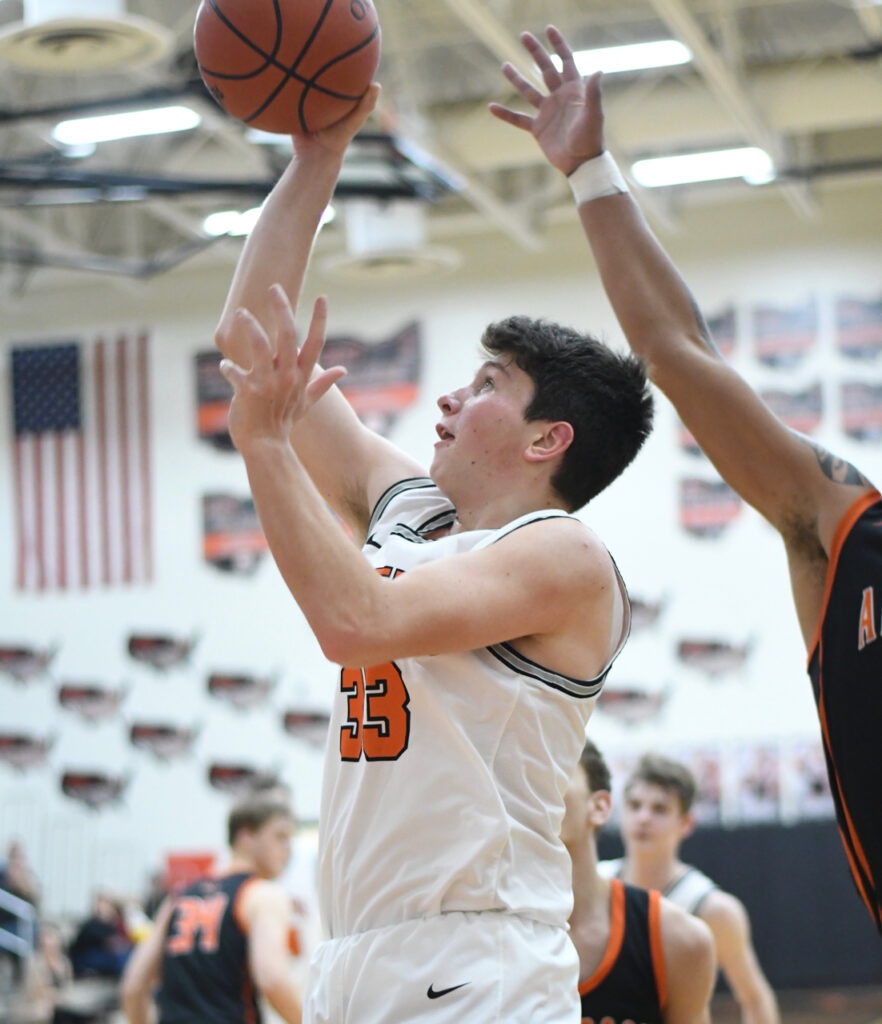
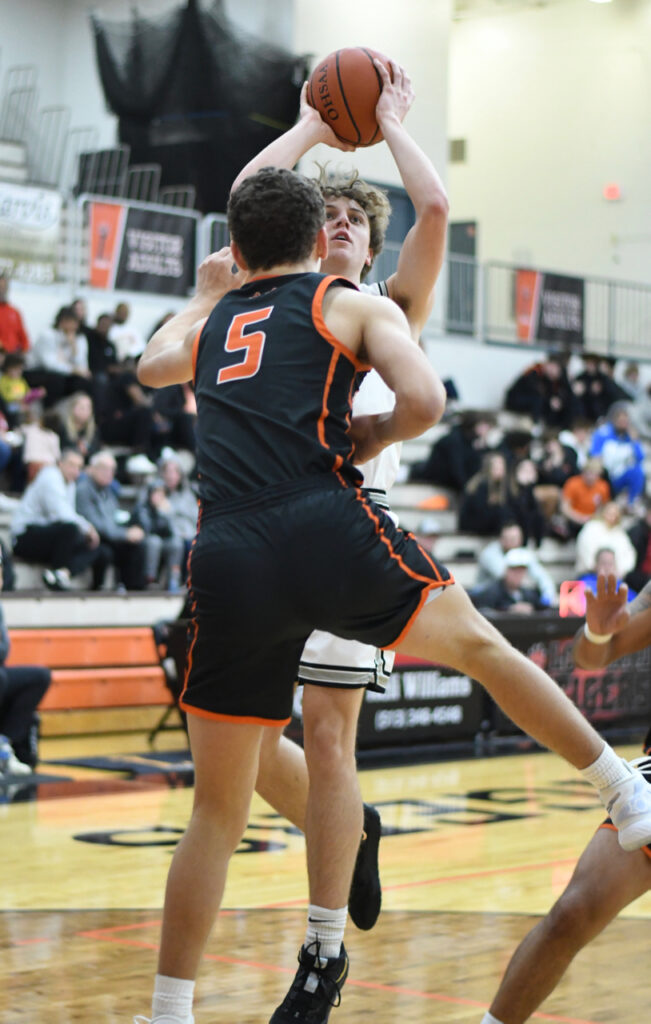
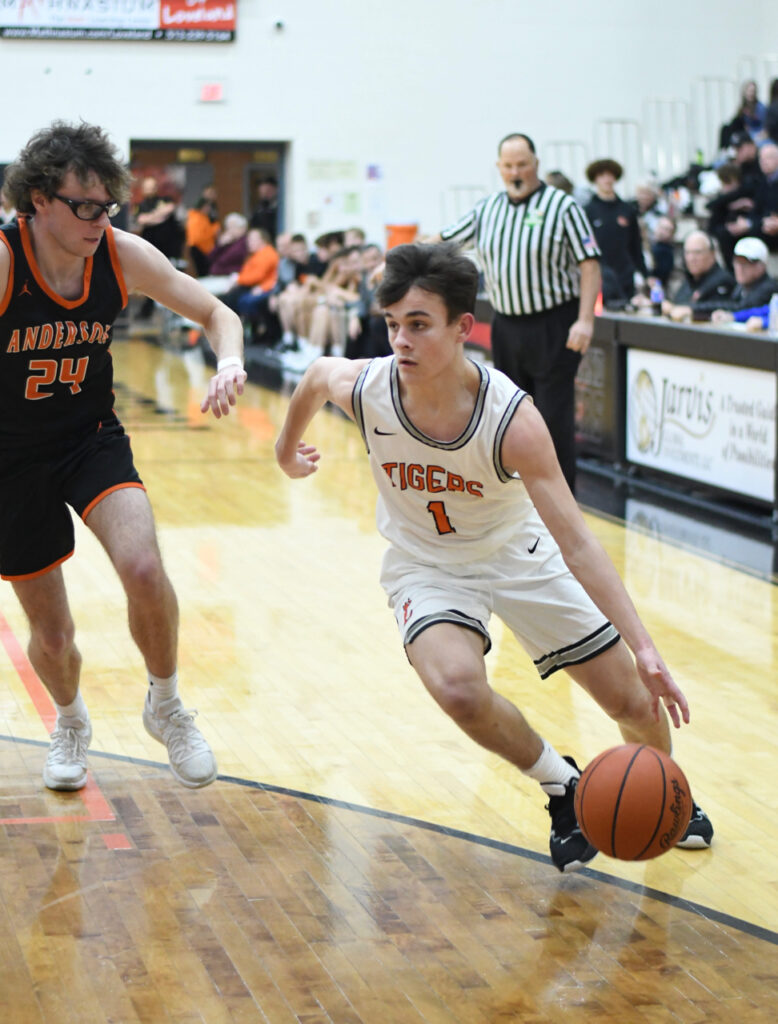
  • Tiger Men’s basketball vs Princeton tonight in State Tournament

    Tiger Men’s basketball vs Princeton tonight in State Tournament

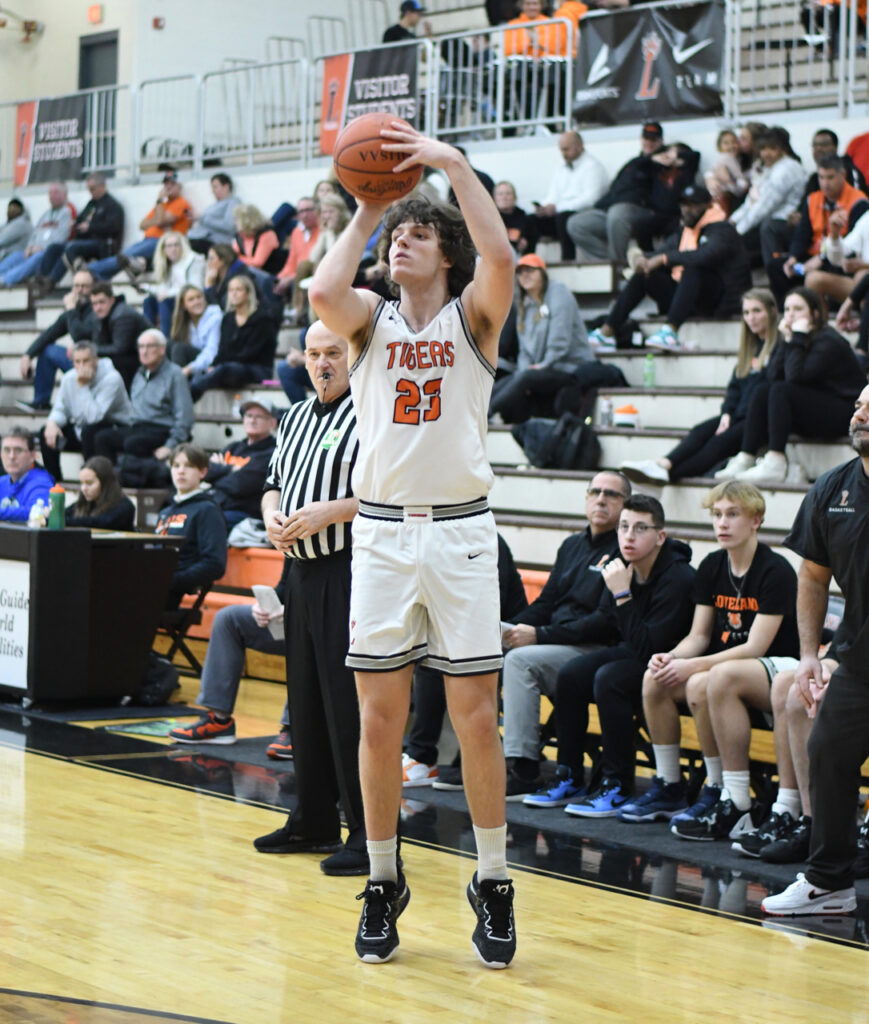
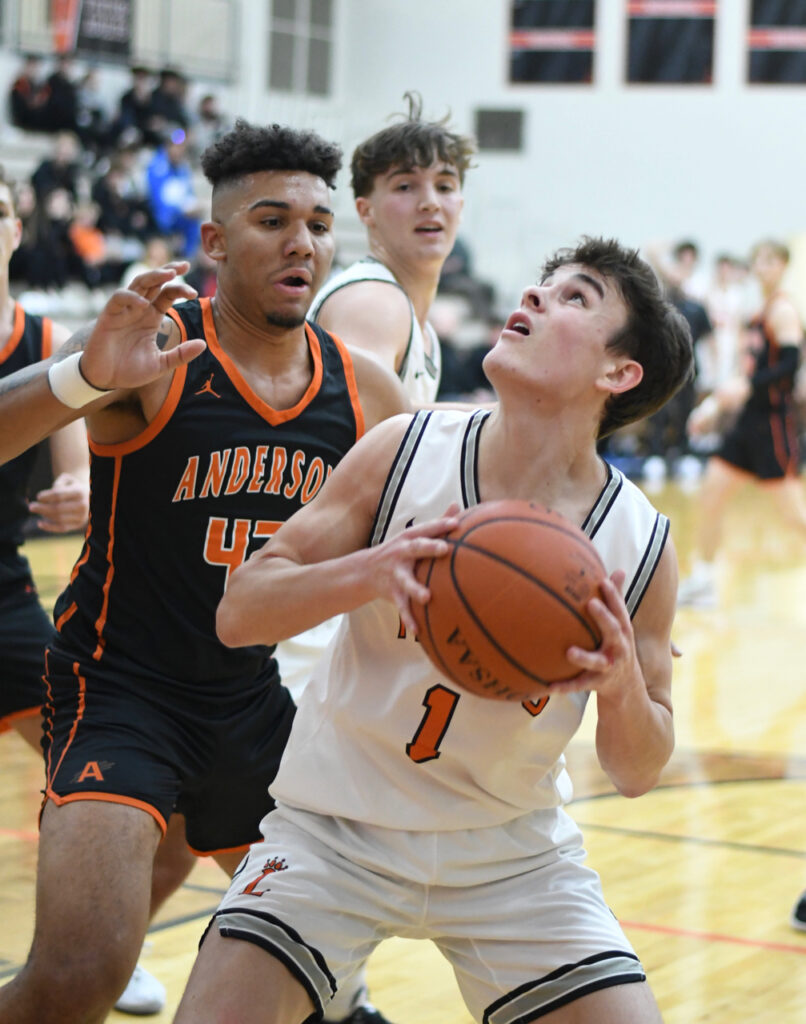
    Loveland, Ohio – The #25 seed Loveland Tigers Men’s Basketball Team begins their journey into the State tournament tonight at 6 PM. The game is at Fairfield High School. Loveland had a first-round bye and will face #5 seed Princeton who defeated #32 seed Edgewood 61-24 to advance into the second round.

    The Tigers finished the ECC regular season in 6th place with a 7-9, 10-12 record. Brayden Frietch (11.5 season average), Andrew Breese (10.7 season average), and Jack Sauer (10 season average ) are the top Tiger scorers.

  • Loveland American Legion Auxiliary is looking to honor female active duty and military veterans

    Loveland American Legion Auxiliary is looking to honor female active duty and military veterans

    Photo by Matthew Hintz/pexels.com

    Loveland, Ohio – The Loveland American Legion Auxiliary Unit 256 is planning to honor female active duty and military veterans on March 8.

    Calling all Active duty and Veteran military women

    The Loveland American Legion Auxiliary Unit #256 would like to honor your spouse, friend, or family member’s service to our country. A dinner event will be held on March 8 on International Women’s Day. You can certainly also make a reservation for yourself if you are serving or have served in the United States Armed Forces.

    Reservations are required. You can contact Pat Morganroth at 513-236-8450 or Margie Hominy at 440-823-2515.

  • Loveland Men win ECC title and conference bowling tournament

    Loveland Men win ECC title and conference bowling tournament

    Photo by Tiger Bowling

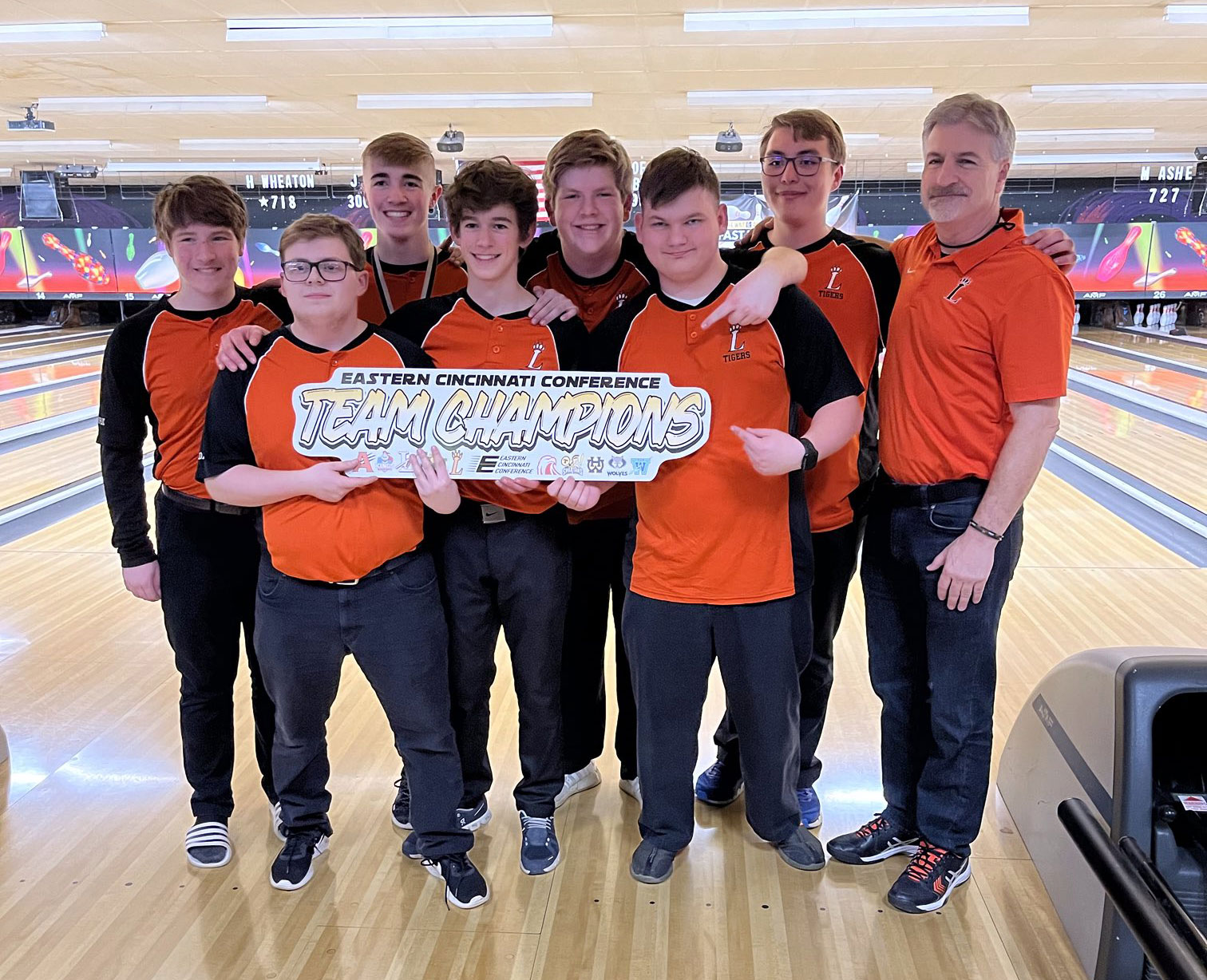
    Loveland, Ohio – The Loveland High School Men’s Bowling team went wire to wire this season and won the 1st ever ECC Bowling Tournament on Saturday. Based on the regular season and tourney play, Loveland walked away with ECC Championships. Loveland finished the regular season 9-0, and 15-2 overall.

    Brady Burns averaged 205.7 and Wyatt Glassmeyer 186.3 in the ECC tournament. Burns made the ECC Conference All-Tournament Team with a 617 tournament series.

    The 2023 Sectional tournament begins this week.

  • Ohio abortion rights groups merge and set sights for amendment on November ballot

    Ohio abortion rights groups merge and set sights for amendment on November ballot

    Getty Image

    BY: SUSAN TEBBEN – Ohio Capital Journal

    Two groups who had already committed to separate efforts to get reproductive rights in the hands of Ohio voters have now merged and set an end goal: abortion access on the November ballot.

    Ohioans for Reproductive Freedom and Ohio Physicians for Reproductive Rights announced Thursday that they are joining together to “file language with the Ohio Attorney General to place a citizen-initiated constitutional amendment to restore and protect reproductive rights and abortion access on the November 2023 statewide general election ballot.”

    “This grassroots initiative – by and for the people of Ohio – is foundational to ensuring access to abortion and the right to bodily autonomy, not only for ourselves, but for generations to come,” said Kellie Copeland, executive director of Pro-Choice Ohio and member of Ohioans for Reproductive Freedom, said in the announcement.

    The groups said the constitutional amendment will look similar to a Michigan amendment which voters approved in November 2022.

    After the amendment is drafted and reviewed by the state Attorney General and Ohio Ballot Board, the groups plan to circulate petitions to place the issue on the ballot.

    Rumblings of a constitutional amendment have been floating for months now, spurred on by the Dobbs v. Jackson Women’s Health Organization case, in which the U.S. Supreme Court overturned decades old nationwide rights to abortion nationwide in Roe v. Wade.

    Placing the measure on the 2023 ballot was called a “moral imperative” which “offers the best prospects for success,” according to Dr. Lauren Beene, executive director of the OPRR.

    “The lives and health of Ohioans have been at risk since Roe was overturned,” Beene said in a statement. “That is why we must seize the earliest possible opportunity to ensure that doctors and patients, rather than politicians and the government, are empowered to make decisions about pregnancy, contraception and abortion.”

    The move comes as some abortion rights advocates are ramping up legal efforts to protect patients and physicians seeking abortion care or advice, along with a battle involving Ohio’s Attorney General Dave Yost to keep abortion pills from being distributed through the mail or at national pharmacies, and a new study that showed abortion clinics find it more and more difficult to comply with laws on the subject because of bureaucratic discretion.

    The ballot measure might have another issue if in-fighting within the state’s Republican caucus continues. One side of the caucus is promoting the controversial legislation that would raise the threshold to approve constitutional amendments, while House Speaker Jason Stephens didn’t list it as one of the priority bills he and his faction unveiled on Wednesday.

    Republicans on both sides of the aisle have expressed interest in legislative prohibitions to abortion since the downfall of Roe, and both sides are awaiting the resolution of a court case under which a six-week abortion ban is paused indefinitely as appeals go through.


  • Union Cemetery Road to be closed for sanitary sewer project beginning Monday

    Union Cemetery Road to be closed for sanitary sewer project beginning Monday

    Symmes Township, Ohio – The Smith Corporation will be installing a sanitary sewer between 9310 and 9360 Union Cemetery Road beginning Monday, February 20th. The closure is expected to last through Friday, March 17th.

    The project will eliminate three household sewage treatment systems. Metropolitan Sewer Disrrict proposes to construct approximately 500 linear feet of 8-inch diameter gravity sewer, four 6-inch diameter sewer laterals, and sewer appurtenances.

    If you should have any issues, it is suggested you contact Jay Smith with Smith Corporation at (513)782-8882 or Kurtis Boggs with the Hamilton County Engineer’s office at (513)946-8430.

  • Ohio’s billion-dollar bailout bribery trial showcasing rampant arrogance, corruption, and enabling

    Ohio’s billion-dollar bailout bribery trial showcasing rampant arrogance, corruption, and enabling

    by David DeWitt

    Every day more details emerge from Ohio’s billion-dollar bailout bribery trial showcasing gargantuan levels of arrogance, corruption, and enabling among energy executives and Ohio’s most powerful Republican politicians.

    Yesterday in federal court, prosecutors played recordings of late Ohio right-wing lobbyist Neil Clark that showed in extravagant detail how dirty Ohio politicians and power players really are.

    Pointing to the U.S. Supreme Court’s disastrous Citizens United ruling, Clark described to undercover FBI agents how to make dark money contributions in a way calculated to get a public official’s attention, saying those should come in chunks of $15,000, $20,000, $25,000 or more.

    “Based on a Supreme Court decision, businesses can do this and nobody can do anything about it,” Clark said. “Politicians can get a bunch of money and say, ‘I didn’t know.’”

    And that exactly how many Ohio politicians have been operating, this trial is showing: Selfish, reckless, greedy, amoral, large-scale, pay-to-play grift.

    The scope of corruption at every turn in Ohio is a bit staggering, so let’s take a look at all we’ve learned so far, all together in one place:

     Indicted former Ohio House Speaker Larry Householder. Official photo.

    Executives from financially struggling FirstEnergy flew Ohio House speaker aspirant Larry Householder and associate Jeff Longstreth to D.C. on the FE corporate jet in January 2017 for some swanky steakhouse dinners.

    Two weeks later, Longstreth opened a bank account for a dark money group called Generation Now and that same day emailed then-FirstEnergy Vice President Michael Dowling “wiring instructions” so the company could put money in the account. A day later another dark money group was opened, Partners for Progress, which was funded exclusively by FirstEnergy, an FBI agent testified.

    Partners for Progress was the dark money project of then-FirstEnergy lobbyist Dan McCarthy. It received $5 million from FirstEnergy within a few weeks of when McCarthy founded it.

     Juan Cespedes. Photo provided.

    During a meeting between Householder and FirstEnergy lobbyists in October 2018, a lobbyist named Robert F. Klaffky slid an envelope containing a check for $400,000 across the table and under Householder’s hand as they discussed a $1.3 billion ratepayer bailout of failing nuclear and coal plants, former FirstEnergy lobbyist Juan Cespedes testified.

    “Our client cares very much about this issue,” Klaffky told Householder.

    “Well yes they do,” Householder replied after peeking into the envelope.

    Cespedes has testified that the campaign checks were “specifically tied” to the bailout.

    “We were trying to establish the fact that our support was specifically tied to the legislation,” Cespedes said.

    All told, Householder’s dark money political machine amassed $61 million in utility company contributions to elect a legislature that would make him speaker and pass the bailout.

    This included allocating millions in dark money for ads promoting Householder that called dark money “dirty.”

    In its deferred prosecution agreement, FirstEnergy admitted that it funneled those millions into the operation through the entities to make Householder speaker and to beat back attempts to repeal the bailout he championed, House Bill 6.

    Why did it go through the dark money groups like that? It was thought to be bad optics if the struggling company were publicly giving the money, Cespedes said in testimony.

    An FBI agent testified that hundreds of thousands in FirstEnergy money went to Householder personally for expenses ranging from paying off his credit card bills to cleaning the pool at a home he owned in Florida and settling a coal mine lawsuit for him.

     Ohio Lt. Gov. John Husted. Official photo by Vivien McClain Photography.

    Text messages between FirstEnergy executives show that Householder and FirstEnergy officials expected help from the administration of Gov. Mike DeWine and Lt. Gov. Jon Husted in passing House Bill 6 through the Ohio Senate.

    Starting in 2017, FirstEnergy donated more than $1 million to nonprofit groups and political campaigns to help elect DeWine.

     Vivien McClain Photography

    In the Neil Clark recording played at trial, he pegs FirstEnergy contributions toward DeWine at around $3 million.

    “The governor got about $3 million from FirstEnergy,” Clark said on June 6, 2019, explaining that even so, Mike DeWine was an inconsistent supporter of the bailout.

    “The governor, when he knew Larry (Householder) didn’t have the votes, he ran away from him,” Clark said. “Now he wants to come back.”

    Clark also said that DeWine is highly influenced by campaign contributions.

    “I don’t want to say he’s a pay-to-play guy, but (DeWine is) clearly influenced by people who have money,” Clark said.

    After winning election, DeWine and Husted dined with FirstEnergy executives in December 2018.

    In early 2019, DeWine appointed the FirstEnergy lobbyist operating Partners for Progress, Dan McCarthy, to be his legislative affairs director, meaning McCarthy was in charge of representing DeWine’s interests before the General Assembly.

    DeWine also appointed as chairman of Ohio’s utility watchdog a former FirstEnergy consultant who FirstEnergy said they bribed $4.3 million just before he took his seat on the Public Utilities Commission of Ohio.

    Even though he was supposed to be regulating the utility, the official, Sam Randazzo, played a role in writing the bailout legislation, according to documents released by the Ohio House.

    While it was under consideration in the legislature, 2019 text messages show then-FirstEnergy VP Dowling telling then-CEO Chuck Jones that Husted was working on extending the timeline for the subsidies: “Just had long convo with JHusted…JH is working on the ten years, he’s afraid it’s going to end up being eight.”

     Former FirstEnergy CEO Charles “Chuck” Jones. Source: FirstEnergy, via Flickr

    Text messages shown at trial indicate that former Ohio Republican Party Chairman Matt Borges was assigned to try to enlist Ohio Attorney General Dave Yost’s help with the bailout. Borges, a FirstEnergy lobbyist after leaving his post as Ohio GOP chair, had previously served as Yost’s campaign manager and a political advisor.

    The texts showed that in June of 2019, Yost thought the proposed utility bailout was a bad law, but he didn’t publicly oppose it because of $24,000 in campaign support he’d received from FirstEnergy.

     Ohio Attorney General Dave Yost. Official photo.

    In a text to Cespedes, Borges said “Don’t repeat this,” but Yost believed the bailout was a bad law.

    Yost “‘would be out front (in opposition) if not for (FirstEnergy) support and your involvement,’” Borges quoted Yost as saying.

    DeWine signed House Bill 6 the same day it was passed by the legislature.

    Also that same day, Jones sent a photo-shopped image of Mount Rushmore to the bribed utility watchdog, Randazzo.

    The faces of Mount Rushmore were replaced with Randazzo, two FirstEnergy executives and another utility company executive with the caption: “HB6 F— ANYBODY WHO AIN’T US.”

    An effort to repeal the bill was soon mounted.

     Sam Randazzo, then a private sector attorney, testifies before the PUCO in March 2018. Source: The Ohio Channel.

    During the repeal effort, FirstEnergy executives were fighting it. Jones texted Dowling to say, “DeWine’s on board. I talked to him on Wednesday.” A DeWine spokesperson said the governor has no recollection of his conversation with Jones.

    As the repeal battle raged, FirstEnergy’s Dowling worked to keep the name of a senior aide to DeWine — McCarthy — off of a $10 million infusion of corporate cash into the fight. He did so even after an assistant told him it would violate IRS rules to not list McCarthy on the transaction, according to text messages presented in court.

    Borges paid $15,000 off the books in 2019 in an attempt to gather inside information about the campaign to repeal the $1.3 billion utility subsidy, Cespedes testified.

    Borges and Cespedes also texted about protecting Ohio Secretary of State Frank LaRose if he faced pressure to recuse himself as chair of the Ohio Ballot Board over the repeal effort.

     Center, former Ohio Republican Party chair, and statehouse lobbyist, Matt Borges with his attorneys outside of the federal courthouse. Photo courtesy of WEWS.

    “He’s going to be a friend in this process,” Borges texted to Cespedes. “So let’s be prepared to speak up for him.”

    Cespedes responded, “We will support him more than anyone.”

    Additional texts said Borges was in touch with LaRose.

    “LaRose is expecting us to be publicly supportive of him,” Borges wrote in a July 2019 text.

    In another text, Borges wrote that LaRose wanted to meet with John Kiani, now chair of Energy Harbor (then FirstEnergy Solutions).

    Kiani reportedly stood to make $100 million personally from the $1.3 billion swindle of Ohio ratepayers, by selling the power plants after enticing buyers with the bailout.

    That same chairman in an email referred to Borges’ scheme to spy on the repeal effort as a “black op” and said he was prepared “to do whatever it takes” to defeat it, Cespedes testified.

     Ohio Secretary of State Frank LaRose. Official photo.

    Kiani had plans to operate the two FirstEnergy Solutions nuclear power plants in Ohio for a short period, get a government bailout and then sell the power plants in a deal in which he stood to make $100 million, Cespedes testified.

    Kiani remains the executive chairman of Energy Harbor.

    Randazzo has not been charged and denies wrongdoing. McCarthy has also not been charged, but did resign from the DeWine administration.

    DeWine has steadfastly defended McCarthy as well as his selection of Randazzo.

    DeWine and Husted, as well as Yost and LaRose, were reelected to second four-year terms in 2022.

    Husted, Yost, and LaRose are all poised to continue to seek political advancement in Ohio.

    Generation Now, Cespedes, and Longstreth have pleaded guilty.

    FirstEnergy entered into its deferred prosecution agreement.

    Neil Clark died by suicide in 2021, nine months after being indicted by federal prosecutors.

    The federal racketeering trials of Householder and Borges are ongoing and expected to last until March.

    Jurors will review all the evidence and decide their fate.

    It will be up to Ohioans to decide how long we will continue to allow our politicians to rob and abuse us in service to themselves and private interest profiteering.

    Every day we learn more about how Ohio government has really been operating under the design of unscrupulous thieves and grifters, rotting the institutions of our state into a national joke and embarrassment: a grotesque totem to pay-to-play corruption; a decayed and decrepit husk of representative democracy.