Tag: Loveland Magazine

  • Historic Black church given ‘Proud Boys’ trademark: Calls for stand against hate

    Historic Black church given ‘Proud Boys’ trademark: Calls for stand against hate

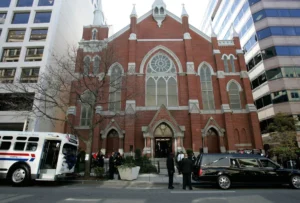
    A hearse carrying the casket of Rosa Parks and a 1950s era bus sit in front of the Metropolitan AME Church where a memorial service for the civil rights icon was being held on Oct. 31, 2005, in Washington, D.C. A judge has ordered the naming rights of the extremist group the Proud Boys be given to the church.

    Mark Wilson/Getty Images

    “For the first time in our nation’s history, a Black institution owns property of a white supremacist group.”

    Washington, D.C. – A historic Black church in Washington, D.C., that has been awarded control of the name of an extremist group that vandalized its property is calling for people to take a stand against hate.

    On Monday, D.C. Superior Court Judge Tanya Jones Bosier ordered that all interests in Proud Boys International’s trademarked name, “Proud Boys,” be given to Metropolitan African Methodist Episcopal Church. And no one can sell, transfer, license or dispose of the Proud Boys’ trademarked name without permission from the church or the court, according to the judgment.

    The order is a victory for the church, after it asked the court to enforce a default judgment of $2.8 million in damages and said it was “entitled to all of PBI’s interests in the Proud Boys Trademark and a lien on the Trademark.”

    Read the full Black History making story…

    ________________

    Learn more about the Metropolitan African Methodist Episcopal Church

    We Stand Up For Justice and Stand Against Hate

    In December 2020, the Proud Boys desecrated and vandalized Metropolitan African Methodist Episcopal Church (and by extension, everyone who stands against hate) when the Proud Boys “leaped over Metropolitan AME Church’s fence, entered the church’s property, and went directly to the Black Lives Matter sign. They then broke the zip ties that held the sign in place, tore down the sign, threw it to the ground, and stomped on it while loudly celebrating. Many others then jumped over the fence onto the church’s property and joined in the celebration of the sign’s destruction.” Read the order from Judge Neal E. Kravitz. 

    Metropolitan AME Church did not back down. The church stands drawing strength from the legacies of Elizabeth Freeman and Ida B. Wells-Barnett, against the Proud Boys, a white supremacist group, and vowed to fight because following Jesus in these times and circumstances demands nothing less.  As a result of these efforts, Metropolitan was able to secure $2.8 million in damages based on the hateful conduct of the Proud Boys burning our Black Lives Matter banner.  

    However, this resounding victory was incomplete as just a judgment on paper with no actual exchange of monies to compensate Metropolitan.  As a result, Metropolitan went to court to enforce the judgment and Judge Tanya M. Jones Bosier ruled in the church’s favor.  For the first time in our nation’s history, a Black institution owns property of a white supremacist group. Metropolitan African Methodist Episcopal Church now owns the exclusive rights to the Proud Boys trademark, stripping them of the very name they rallied under. This also means that any money the Proud Boys makes from using the trademark must be paid to Metropolitan to help satisfy the multi-million-dollar default judgment.

    Metropolitan African Methodist Episcopal Church was founded in 1838.  From its founding, Metropolitan AME Church, has and continues to do what other churches will not. We are known locally, nationally, and internationally, to be deeply spiritual and deeply engaged in the world. From anti-slavery leadership in the mid-19th century, in the harboring of runaway slaves, to organizing power, people and money toward the flourishing of all people in the District of Columbia today. Metropolitan has been not just a significant center of worship, but also an institution in the forefront of the civic, cultural, and intellectual life among African Americans and others. Today, Metropolitan is focused on theologically sound teaching and preaching in worship; combatting food insecurity through our Food Bank; addressing ecological devastation by addressing heat islands in metropolitan cities with Smart Surfaces Coalition; equipping parents and families with culturally responsive and biblically grounded teaching through the Sankofa project; and building Black Equity and Wealth through Homeownership, prioritizing community safety and holding political leaders accountable with Washington Interfaith Network. 

    We appreciate you taking the time to visit us and we hope you can stand with us by investing in the Community Justice Fund. In these unprecedented times, we are called to continue doing the work of Jesus in the church, the community, and the world. Every contribution will make a difference as we counter the radical ideology and rhetoric that is flowing from the leaders of our Nation while eroding and eliminating civil rights and societal strides that have been made by the sacrifices of our elders and ancestors.

    Stand with us and against hate by investing in the Community Justice Fund today.

    Joy and justice, 

    William H. Lamar IV

  • Hello from Loveland Learning Garden’s New Board President

    Hello from Loveland Learning Garden’s New Board President

    by Katie Taylor

    I joined the Board of Directors of the Loveland Learning Garden in May of 2023 as the Director of Operations. I also have two kids in Loveland City Schools, and both of them have participated in Loveland Learning Garden School Day Programming. I want to thank each of you for your continued support of our organization.

    It is the meaningful relationships we have built with individuals in the community, like you, that continue to make the impact of our organization possible. On behalf of the Board of Directors, we are excited to continue our work together with you.

    Loveland Learning Garden was so fortunate to have Laurie Flanagan as Board President for the last seven years, and I can say with certainty we wouldn’t be where we are today without the leadership and development that she brought to us—including the strong and deep relationships she made with so many people in the community—and I want to thank you again for playing a part in the ongoing development, evolution, and impact of Loveland Learning Garden on our community and the hundreds of kids who participate and benefit from our program each year.

    I appreciate your ongoing commitment to Loveland Learning Garden’s mission! You can reach out to me directly at katie@lovelandlearninggarden.org with any questions, concerns, or feedback you may have. If we haven’t met already, I’m looking forward to meeting you this year out in the garden.

    Warmly,
    Katie Taylor

    Board President, Loveland Learning Garden

    Watch this Guest Column

    Visit www.lovelandlearninggarden.org

    Follow us on Instagram

    Follow us on Facebook

    __________________

    At Loveland Learning Garden, we believe in the power of nature to spark curiosity, joy, and a sense of connection. Here, kids don’t just learn about the outdoors—they experience it firsthand. From planting seeds and tasting fresh veggies to exploring the magic of our nature trail, every moment is an adventure.

    Our garden and trail are alive with possibilities year-round, offering hands-on experiences that bring classroom lessons to life while nurturing a love for the environment.

    Our Unique Difference

    Loveland Learning Garden is more than a garden—it’s a space where learning meets exploration and where nature inspires young minds. Here’s what sets us apart:

    • Recognized Excellence: Our programs are a model for nature-based education, blending fun with meaningful learning.

    • Hands-On Adventures: Kids dive into science, math, and more through activities like planting, harvesting, and exploring.

    • Community Impact: Every year, we grow fresh produce to donate to local families in need, making our work as rooted in giving back as it is in growth.

    Let’s Grow Together

    Whether you’re here to learn, volunteer, or support, we’d love to have you join us. Together, we’re creating lasting connections—to nature, to learning, and to each other.

  • You Must Stand Up: The Fight for Abortion Rights in Post-Dobbs America

    You Must Stand Up: The Fight for Abortion Rights in Post-Dobbs America

    “Meticulously researched and compulsively readable, You Must Stand Up documents in searing detail the challenges and horrors of the post-Roe landscape. This is required reading for anyone trying to make sense of our current moment.”

    —Melissa Murray, author of #1 New York Times bestseller The Trump Indictments: The Historic Charging Documents with Commentary

    Loveland, Ohio – Loveland Magazine recently started publishing news stories by Loveland native Amanda Becker. In 2024 Becker released a book titled, You Must Stand Up: The Fight for Abortion Rights in Post-Dobbs America.

    Chapter 12 is set in Ohio.

    Nieman Fellow Amanda Becker provides a real-time portrait of the creative resistance that unfolded in America’s first year without the protections of Roe v. Wade. Amidst daily shifts in health care access, new legal battles coming before partisan courts, and up-for-grabs state constitutions, Becker follows the leaders who rose to meet these challenges – doctors and staffers turning to new financial and medical models to remain open and providing abortions, volunteers who campaigned against antiabortion ballot initiatives, and medical students who fought to learn and provide what can be lifesaving care.

    By depicting the splintered reality of post-Dobbs America, and by capturing how Americans have developed new ways to best protect their constitutional rights, Becker ultimately shows how outrage can beget hope, and give rise to a new movement.

    “You Must Stand Up documents post-Roe America with care and nuance; it’s a necessary book for anyone who cares about the attacks on our bodies. Amanda Becker’s vivid retelling of on-the-ground activism reminds readers not only of what’s at stake—but what it takes to win.”

    —Jessica Valenti, author of New York Times bestseller Sex Object: A Memoir and founder of Abortion, Every Day

    READ SAMPLE

    LISTEN TO SAMPLE

    Get the Audio Book

  • Public Tour at Cincinnati Art Museum: Celebrating Black Artists

    Public Tour at Cincinnati Art Museum: Celebrating Black Artists

    Sundays from Sunday, February 2, 2025 to Sunday, February 23, 2025 from 2-3 p.m.

    A free public tour at the Cincinnati Art Museum highlighting the work, influence, and legacy of Black artists.

    Public tours are on Friday, Saturday and Sundays and change monthly.

    Public tours are always FREE and meet in the front lobby.

    Homeschool and school groups as well as groups of 10 or more people are not permitted on public tours. Please reach out to the Tour Coordinator and submit a tour request form to ensure the best possible tour for your group.


    If you need accessibility accommodations, contact the museum in advance at access@cincyart.org or fill out the accessibility request form.

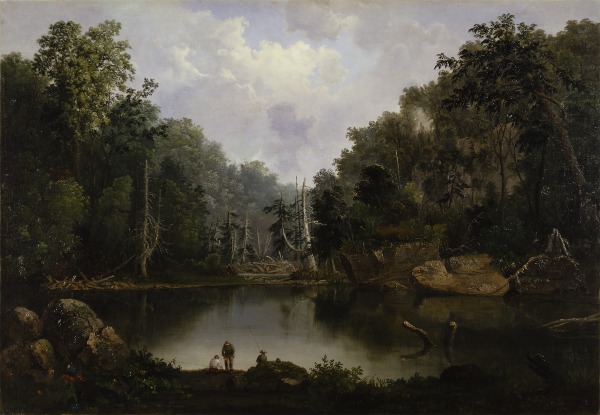
    Blue Hole, Flood Waters, Little Miami River by Robert S. Duncanson (1926.18)

  • Read the Annual Clermont County Soil and Water District report

    Read the Annual Clermont County Soil and Water District report

    Clermont County, Ohio – The 2024 Annual Report for the Clermont County Soil and Water District is out.

    [pdf-embedder url=”https://lovelandmagazine.com/wp-content/uploads/2025/02/annual-report-2024_web-compressed.pdf”]

  • Could your logo be the winner in 2025?

    Could your logo be the winner in 2025?

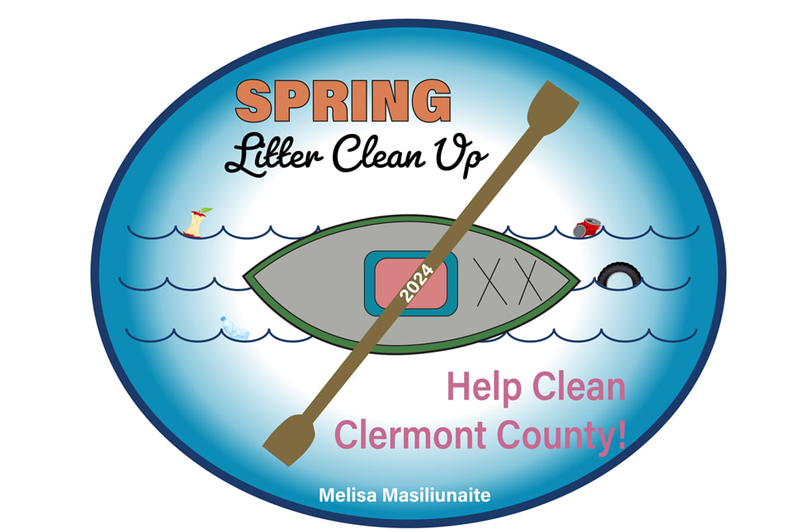
    Last year’s winning design

    Clermont County, Ohio – K-12 students, send in your logo designs for the Spring Litter Cleanup by February 28th.

    For rules and registration, visit www.springlittercleanup.com.

    The Clermont County Park District says they are excited to see what the logo for the 2025 Spring Litter Cleanup will be.

    The 2025 Logo Design Contest is for local K-12 students. The winner will receive a $100 cash prize and will also receive a $100 cash donation to their school art department or local art program! There will also be $25 individual cash prizes given to the winning design for each grade level (K-12).

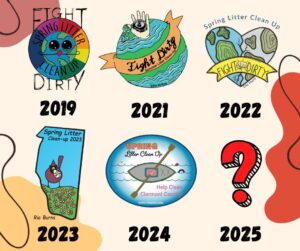
    Past Winners

    All K-12 students attending a school located in Clermont County or within the East Fork Little Miami River Watershed (including home-schooled students) are eligible to compete. Interested students should register using this form. Logo designs should emphasize litter clean-up and prevention – complete contest rules are listed here. Design entries are due to the Clermont Soil & Water Conservation District office by Friday, February 28, 2025.

  • African Americans and Labor

    African Americans and Labor

    Loveland, Ohio – Loveland Magazine celebrates Black History Month.

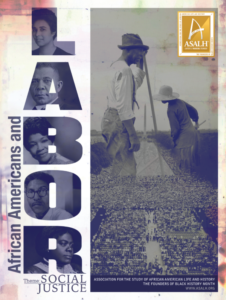
    The 2025 Black History Month theme of the Study of African American Life and History, African Americans and Labor, focuses on the various and profound ways that work and working of all kinds – free and unfree, skilled, and unskilled, vocational and voluntary – intersect with the collective experiences of Black people. Indeed, work is at the very center of much of Black history and culture. Be it the traditional agricultural labor of enslaved Africans that fed Low Country colonies, debates among Black educators on the importance of vocational training, self-help strategies and entrepreneurship in Black communities, or organized labor’s role in fighting both economic and social injustice, Black people’s work has been transformational throughout the U.S., Africa, and the Diaspora. The 2025 Black History Month theme, “African Americans and Labor,” sets out to highlight and celebrate the potent impact of this work.
    Considering Black people’s work through the widest perspectives provides versatile and insightful platforms for examining Black life and culture through time and space. In this instance, the notion of work constitutes compensated labor in factories, the military, government agencies, office buildings, public service, and private homes. But it also includes the community building of social justice activists, voluntary workers serving others, and institution building in churches, community groups, and social clubs and organizations. In each of these instances, the work Black people do and have done have been instrumental in shaping the lives, cultures, and histories of Black people and the societies in which they live. Understanding Black labor and its impact in all these multivariate settings is integral to understanding Black people and their histories, lives, and cultures.

    Africans were brought to the Americas to be enslaved for their knowledge and serve as a workforce, which was superexploited by several European countries and then by the United States government. During enslavement, Black people labored for others, although some Black people were quasi-free and labored for themselves, but operated within a country that did not value Black life. After fighting for their freedom in the Civil War and in the country’s transition from an agricultural based economy to an industrial one, African Americans became sharecroppers, farm laborers, landowners, and then wage earners. Additionally, African Americans’ contributions to the built landscape can be found in every part of the nation as they constructed and designed some of the most iconic examples of architectural heritage in the country, specifically in the South.

    Over the years to combat the superexploitation of Black labor, wage discrepancies, and employment discrimination based on race, sex, and gender, Black professionals (teachers, nurses, musicians, and lawyers, etc.) occupations (steel workers, washerwomen, dock workers, sex workers, sports, arts and sciences, etc.) organized for better working conditions and compensation. Black women such as Addie Wyatt also joined ranks of union work and leadership to advocate for job security, reproductive rights, and wage increases.

    2025 marks the 100-year anniversary of the creation of Brotherhood of Sleeping Car Porters and Maids by labor organizer and civil rights activist A. Philip Randolph, which was the first Black union to receive a charter in the American Federation of Labor. Martin Luther King, Jr incorporated issues outlined by Randolph’s March on Washington Movement such as economic justice into the Poor People’s Campaign, which he established in 1967. For King, it was a priority for Black people to be considered full citizens.

    The theme, “African Americans and Labor,” intends to encourage broad reflections on intersections between Black people’s work and their workplaces in all their iterations and key moments, themes, and events in Black history and culture across time and space and throughout the U.S., Africa, and the Diaspora. Like religion, social justice movements, and education, studying African Americans’ labor and labor struggles are important organizing foci for newinterpretations and reinterpretations of the Black past, present, and future. Such new considerations and reconsiderations are even more significant as the historical forces of racial oppression gather new and renewed strength in the 21st century.

  • After many weeks of competition, Nala is currently in 10th place in the U.S.A in America’s Favorite Pet contest

    After many weeks of competition, Nala is currently in 10th place in the U.S.A in America’s Favorite Pet contest

    by David Miller

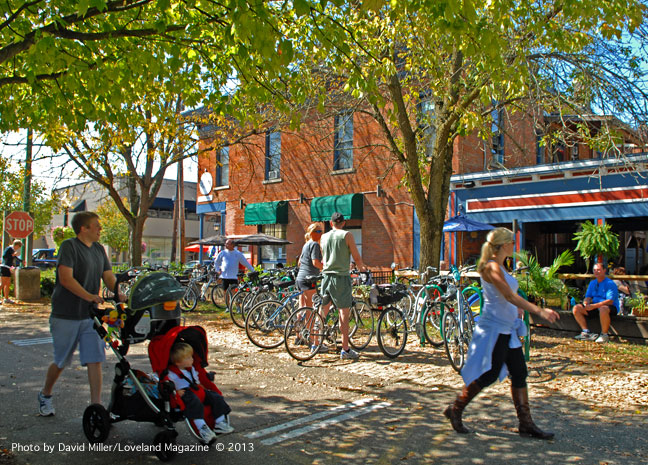
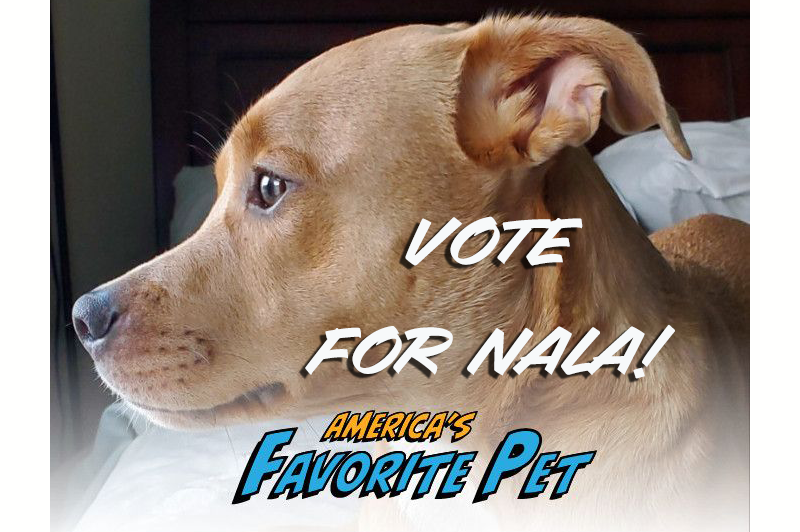
    Loveland, Ohio – A beloved resident of Historic Downtown Loveland, Nala is always making new human forever friends on the Loveland Bike Trail. Nala is the fur baby of Loveland Magazine President and Publisher Cassie Mattia, and her boyfriend Adam Ploof.

    After many weeks of competition, Nala is currently in 10th place in the U.S.A in the America’s Favorite Pet contest. She needs to be one of the top 5 pets before February 6 at 7 PM to remain in the contest. If she wins she will win the top prize of $10K and be featured on the cover of Modern Dog magazine! If she wins the national competition, Nala’s story will be shared in a special 2-page feature that showcases her unique personality and charm.


    Please, lend her a loving hand by casting your VOTE today. It only takes a few seconds to VOTE.

    If you have already voted, and we know many of you have, remember that you can cast your FREE vote again every 24 hours. If you believe in Nala as much as we do, a donation that goes to the Progressive Animal Welfare Society can greatly amplify your voting power.

    Bear with me here… I know all of you pet owners believe your fur baby deserves to be on the cover, but Nala now has a real chance – and how cool would it be to brag that one of Loveland’s favorite pets is also America’s Favorite Pet?

    America’s Favorite Pet is excited to partner with PAWS (Progressive Animal Welfare Society) to aid in its mission to help cats, dogs, and wild animals thrive in happy, healthy homes or in their natural habitats. Since 1967, PAWS has unified more than 130,000 cats and dogs with loving families, nurtured more than 140,000 sick, injured, and orphaned wildlife, and made the world a better place for countless critters.

    I’ve dozed off on Nala’s living room couch and woke with this adorable and loving fur baby cuddling closely and warmly by my side and found out she’s been there for an hour – both of us in a deep, deep sleep. Nala would represent Loveland in a remarkable way.

    Cassie says, “Thanks to all those who have supported my little girl! Would you be so kind as to vote and keep on voting?”

  • City Council may lend support to Loveland Bike Trail becoming part of National Scenic Trail

    City Council may lend support to Loveland Bike Trail becoming part of National Scenic Trail

    by David Miller

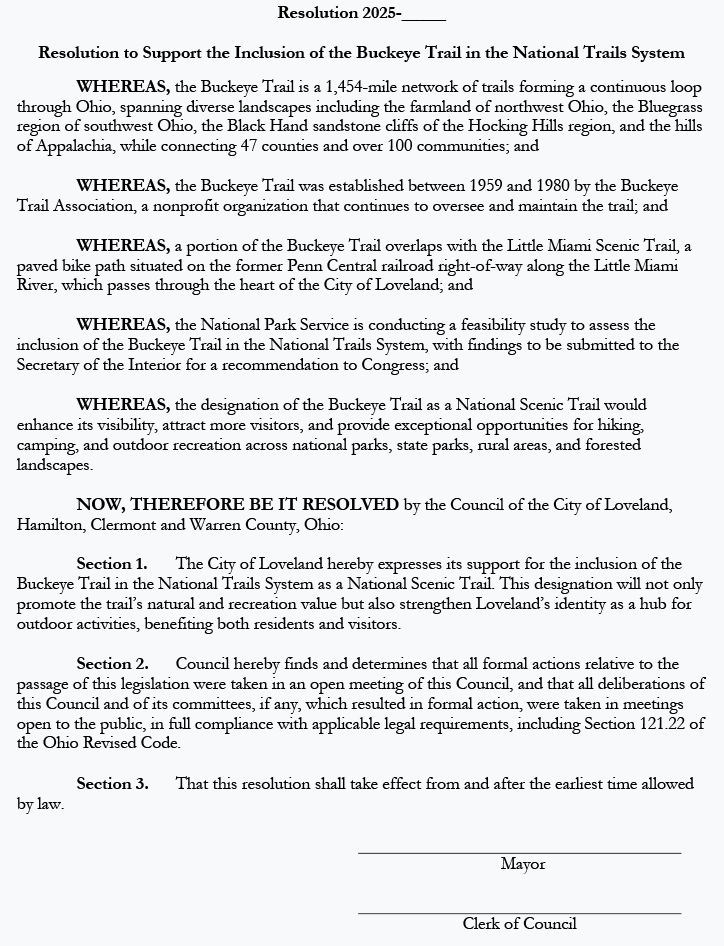
    Loveland, Ohio – After being notified by Loveland Magazine and being encouraged to lend support to an initiative of the National Park Service that the Loveland Bike Trail could become part of National Scenic Trail, Loveland City Council is considering sending this resolution to the Park Service.

    BACKGROUND

    Loveland Bike Trail could become part of National Scenic Trail – The Buckeye Trail runs through Loveland


    The resolution will be voted on at their next meeting on Tuesday, January 28.

    We encourage all Loveland Area residents to read the background story and send comments to the National Park Service applauding their initiative.

  • Memphis man recounts teenage days aiding worker’s strike during King’s last visit to the city

    Memphis man recounts teenage days aiding worker’s strike during King’s last visit to the city

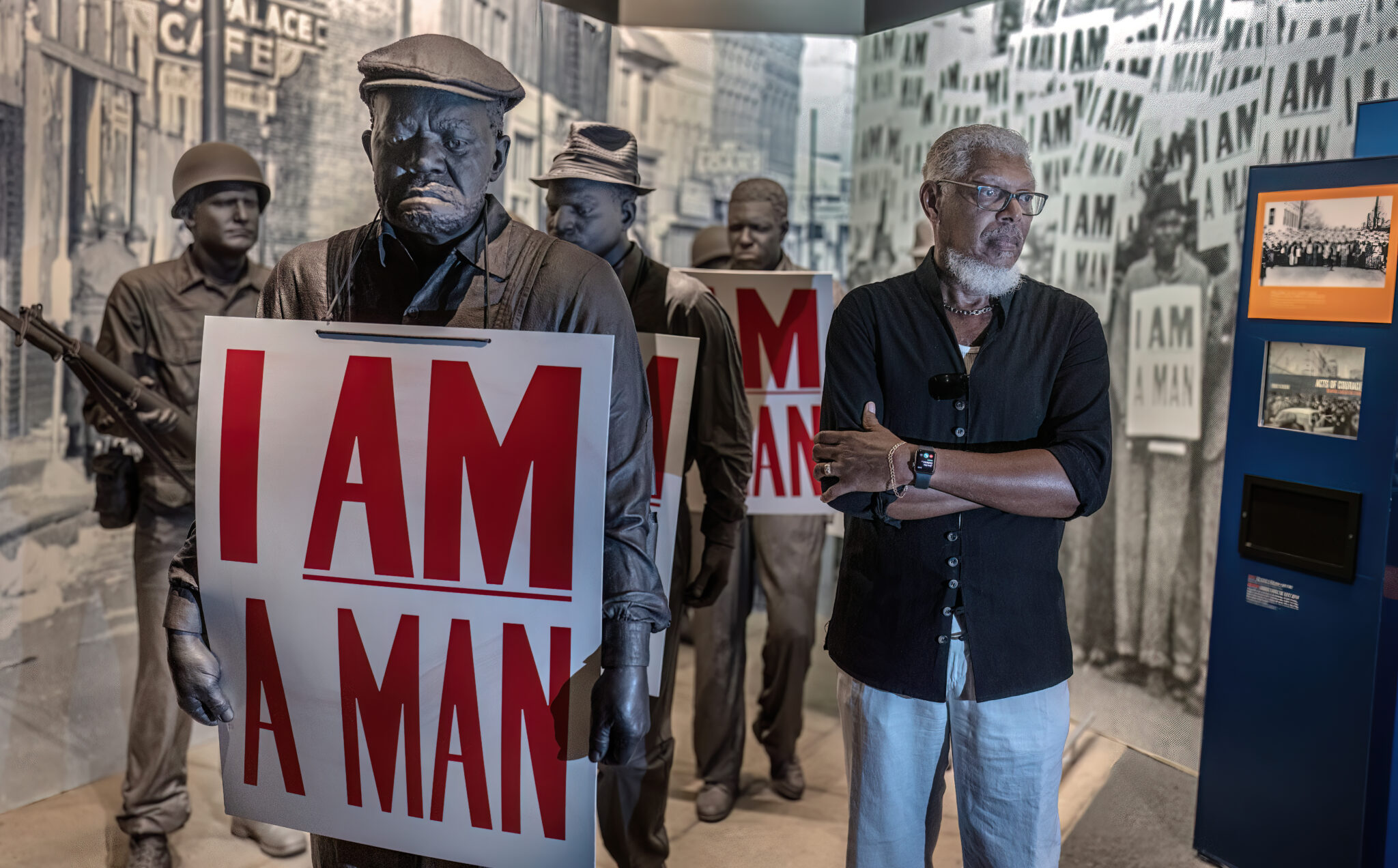
    Joe Calhoun, photographed at the National Civil Rights Museum at the Lorraine Motel in Memphis, Tennessee, needs no reminders of the 1968 sanitation workers strike. He lived it. (Photo by John Partipilo for the Tennessee Lookout) Photograph by John Partipilo/ Tennessee Lookout ©2024

    Joe Calhoun launched his activism during the 1968 Memphis sanitation workers strike, listening to Rev. Martin Luther King Jr. and other leaders in the Civil Rights Movement

    By:  Ohio Capital Journal

    MEMPHIS — At the National Civil Rights Museum at the Lorraine Motel in Memphis one September day, tourists pause solemnly before a group of life-size statues, some crafted in Tennessee National Guard uniforms, others with red and white signs draped around their necks that proclaim, “I Am a Man.”

    The visitors are of all ages. Some of the older people doubtless remember the genesis of the “I Am a Man” slogan — the 1968 Memphis sanitation workers strike in which workers wore the signs to point out their humanity in the face of hazardous working conditions.

    One man stands apart from the whispering guests. Joe Calhoun needs no videos or displays to remind him of the strike depicted in the museum exhibit.

    He lived it.

    Calhoun, now 75, assembled the strikers’ signs as a teen during the three-week period he worked adjacent to Rev. Martin Luther King Jr. during the civil rights icon’s final visit to Memphis before he was assassinated on April 4, 1968.

    “I didn’t understand the scope”

    Calhoun moved with his family to Memphis in 1967.  His father was a U.S. Air Force officer and was stationed overseas until Calhoun was 15. Life in Memphis was a culture shock.

    “I lived in Memphis towards the end of the Jim Crow laws, but the treatment was still the same,” Calhoun said. “There was segregation in stores. Black people could buy clothes but you couldn’t try them on.”

    “It was completely foreign to anything I had experienced,” he said. “I came from a very protected and multicultural environment in the military and living out of  the country. My background didn’t give me what I needed to arm myself.”

    Just months before Calhoun graduated from Melrose High School in Orange Mound, a Black neighborhood on the south side of Memphis, two trash collectors — ​​Echol Cole and Robert Walker — were crushed as they loaded garbage into a malfunctioning truck. The February 1968 incident wasn’t the first time workers had been killed in a similarly gruesome fashion, but Memphis officials still refused to replace the faulty equipment.

    The deaths of Cole and Walker were the last straw for their fellow workers, most of whom were Black and worked for low pay in filthy and dangerous conditions, treated more like animals than humans, they would say while on strike.

    When a call went out for volunteers to assist with the strike, Calhoun saw an opportunity to get involved, assembling the iconic signs with the phrase on them chosen as a statement of the workers’ humanity.

    “The whole civil rights thing was new to me, and I just thought that what was going on was wrong,” Calhoun said. “So when a call went out for high school and college students to help with the strike, I saw an opportunity.”

    Calhoun said his parents were concerned about him traveling from their home to the staging site of the strike at the Clayborn Temple near Beale Street in the heart of downtown Memphis. The city was tense, a curfew was imposed and the National Guard deployed to keep order.

    For three weeks, Calhoun lived in the church attic, listening as King and other national civil rights leaders, like Bayard Rustin, James Bevel, Rev. James Lawson and Stokely Carmichael, planned how to get better conditions and higher pay for the sanitation workers.

    Joe Calhoun stands next to a statue with the words: I Am A Man in Memphis
      Joe Calhoun lived in the attic of the Clayborn Temple in Memphis for three weeks in 1968 while working on the sanitation workers strike. The strike is commemorated with the I Am a Man Plaza at the now vacant church. (Photo by John Partipilo) 
    “I was in a meeting with them. I got coffee and cigarettes for Rev. King and others. I was a runner for them,” Calhoun said. “But I didn’t understand the scope of what was happening. You know when you are young, and your teacher tells you to do something, you do it without thinking about the long-term ramifications of what you are doing.” 


    The 1968 strike wasn’t the first time workers had tried to gain concessions from Memphis. They had been granted a charter for a local union from the American Federation of State, County, and Municipal Employees (AFSCME) in 1964 and also went on strike in 1966 but failed. King’s presence in 1968 drew national attention to the workers’ plight, and it was in Memphis the day before his assassination that he gave his last speech, known as “I’ve Been to the Mountaintop.”.

    Organizers with AFSCME negotiated a deal with Memphis officials to recognize a sanitation workers union, bringing the strike to a close on April 16.

    Feet in the movement

    King was assassinated at the Lorraine Motel. Just as the Civil Rights Movement didn’t die with him, neither did Calhoun cease his activity.

    Shortly after King’s murder, Calhoun traveled to Washington, D.C., to help fulfill King’s plan for a Poor People’s Campaign, living in Resurrection City, the 42-day tent encampment on the National Mall.

    In 1969, as a member of the Memphis Invaders, a group that fused the organizing strategies of the Student Nonviolent Coordinating Committee and the more militant Black Panthers, Calhoun participated in 1969’s Walk Against Fear from Memphis to Little Rock, Arkansas.

    Calhoun had met Invaders leader Lance “Sweet Willie Wine” Watson — he later changed his name to Suhkara A. Yahweh — during the sanitation strike. By the time Watson staged the Walk Against Fear, Calhoun was working for VISTA, a federal anti-poverty program, in Forrest City, Arkansas, Watson’s staging point for the march.

    During the 135-mile walk, Calhoun and other members of the group faced daily threats of violence from white Arkansans, including, he recalled, from members of the University of Arkansas football team packed into a flatbed truck in Hazen.

      Calhoun, left, marched in 1969’s Walk Against Fear with Memphis Invaders leader Lance “Sweet Willie Wine” Watson. (Photo by Ernest Withers, courtesy of Joe Calhoun) 

    Taking a break and finding a new mission

    Around 1970, the Invaders disbanded. Calhoun married in 1974, had children and devoted himself to them and his career as a historian.

    His children grew up and moved away.

    “After they moved to California, I woke up and thought: now what?” Calhoun said. “Over the last 10 or 12 years, I’ve gotten reinvolved.”

    In 2020, after police in Minneapolis killed George Floyd, Calhoun joined a Memphis Black Lives Matters march in protest. He carried a sign that read: “I marched in ‘68. Marching in 2020.” Now, he said, he’s updated the sign.

    “I changed 2020 to 2021, then 2022, and now I’m changing it to 2025.

    “People ask me what is different about marches today and in the ’60s. Seventy percent of the marchers in Black Lives Matter marches were not of color,” Calhoun said. “Marchers were seeing how people in other parts of the country were treated.”

    He has mentored Tennessee state Rep. Justin Pearson, the Memphis Democrat who made national news as one of the Tennessee Three when the Republican-dominated Tennessee House expelled Pearson for leading a gun safety rally on the House floor in 2023.

    These days, Calhoun serves as operations manager for The Withers Collection, a museum just around the corner from the Lorraine Motel that houses the work of Black photojournalist Ernest Withers. He documented the Civil Rights Movement, and the museum features photos of the significant figures in the movement — including Calhoun.

    “Everything I do is for my grandchildren,” he said. “It may be selfish, but I want them to live in a better world.”

    YOU MAKE OUR WORK POSSIBLE.

    GET THE MORNING HEADLINES.

    ____________
    J. Holly McCall
    J. Holly McCall

    Holly McCall is the editor of the Tennessee Lookout. She has been a fixture in Tennessee media and politics for decades. She covered city hall for papers in Columbus, Ohio and Joplin, Missouri before returning to Tennessee with the Nashville Business Journal. She has served as political analyst for WZTV Fox 17 and provided communications consulting for political campaigns at all levels, from city council to presidential. Holly brings a deep wealth of knowledge about Tennessee’s political processes and players and likes nothing better than getting into the weeds of how political deals are made.

    MORE FROM AUTHOR