




 Quarter cow beef raffle will benefit the LIFE Food Pantry














_______________________
 _______________________





 _______________________



News and Events from the Loveland, Ohio Area
Without fear or favor
Since 2004

_______________________


_______________________

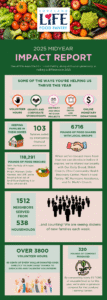
Your Generosity in Action: Mid-Year Impact Report
We’re halfway through 2025, and your support has been nothing short of extraordinary.
Volunteer Hours Available for Teens
Hey, teens! Do you need volunteer hours? Do you want to build your resume? Do you have a special talent that the world just NEEDS to see?
What We Need Now and Next
Find out how to help families during summer break and as they get closer to back-to-school time.
|
|
|
|||||||||||||||

 Stayed tuned later today for our report and interviews from the “No Kings” rally held in Loveland on Saturday afternoon where thousands turned out to express their displeasure with the polices of the Trump administration.

 _______________________
_______________________




 _______________________
_______________________
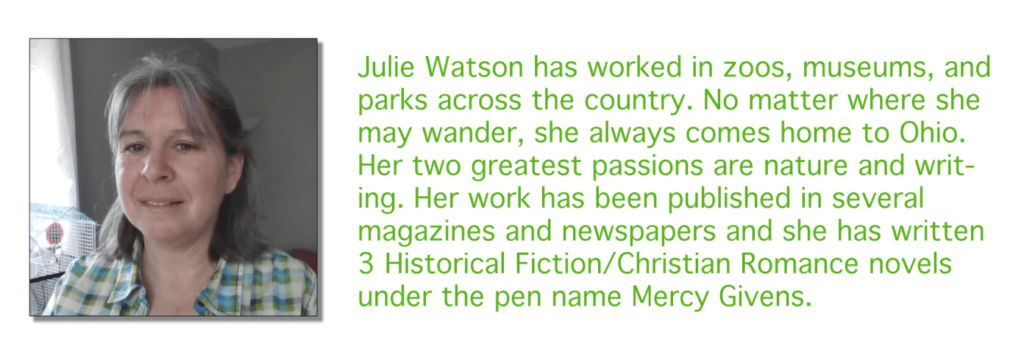
 by Julie Watson
Spring is here! The school year is winding up, the days are getting warmer, and rain is falling. Spring rain is essential. It waters all the new plant growth, pulls pollen out of the air, and boosts water table and wetland levels.
All wetlands are important. They help control flooding and provide habitat for a wide variety of plants, animals, and invertebrates. In fact, wetlands often have more biodiversity than most other types of habitats.
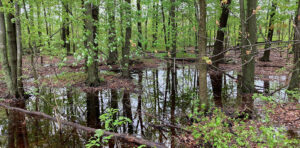
One very special type of wetland that occurs commonly in Ohio is the vernal pool. The word ‘vernal’ refers to anything relating to spring. These shallow pools are filled by melting snow and spring rains. Having no permanent inlet or outlet, they tend to dry out during the summer months. But vernal pools are more than just large puddles. They are crucial habitats hosting a wide variety of species.
However brief their stay, vernal pools are vital for the survival of many amphibian species. Many frogs, toads, and salamanders use vernal pools as breeding grounds. Some return to lay their eggs in the same vernal pools that they hatched from. Since vernal pools are temporary wetlands, they are free of fish which would prey on their eggs and young.
The mating calls of many of these frogs and toads often betray the location of vernal pools. Spring peepers and wood frogs are the earliest to start. They can usually be heard before the snow stops flying.

The tiny wood frog is the toughest amphibian, ranging as far as northern Canada. Unlike other cold-blooded species, they don’t bury themselves during winter months. Instead, they hibernate under leaf litter found on the forest floor. This leaves them vulnerable to freezing. Wood frogs are the only species able to manufacture natural ‘antifreeze’ which keeps their cells from freezing while allowing the area between their cells to turn to solid ice. As much as 45% of a wood frog’s body freezes during the winter. But when winter loses its grip, these cool frogs thaw out and make their way to vernal pools to find a mate.
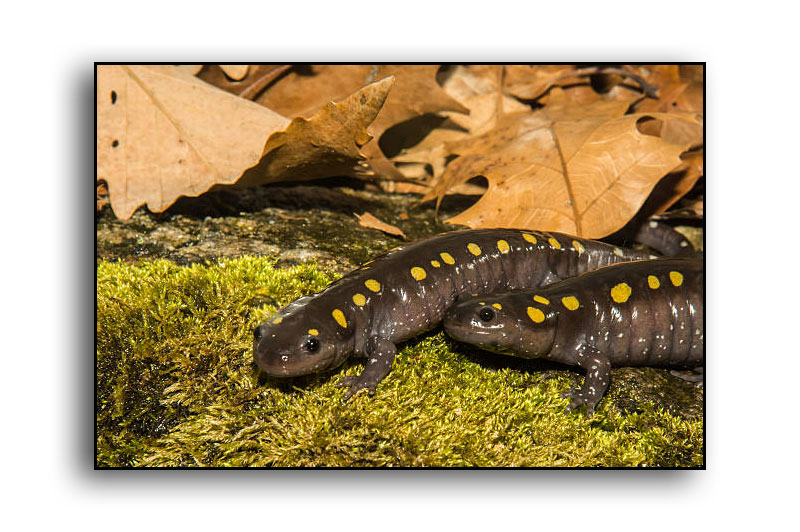
In addition to noisy frogs and toads, Ohio’s vernal pools also play host to breeding salamanders. These amphibians lack vocal chords, although some species can make clicking or popping sounds with their jaws. There are approximately two dozen species of salamanders that call the Buckeye state home. However, several species are endangered due to habitat loss. Like their noisier cousins, salamanders are carnivorous predators consuming mostly worms, insects, and other invertebrates.
Due to the timing of vernal pool appearances, they are often important rest stops for migrating birds and mammals emerging from winter sleeps. They provide fresh, still water and protein rich snacks.
Listen to Spring peepers…
Vernal pools are also helpful to us humans. Like all wetlands, they help control flooding by holding onto excess water. In turn, they filter the water making it safer when it is slowly released into the water table. They also absorb large amounts of carbon dioxide from the air, helping to slow climate change.
In other words, vernal pools are wonderous places that deserve our respect and protection. Although they are still common throughout the Buckeye state, they are only around for a limited time, spring. If you’d like to check out a vernal pool near you, ask your local park system where to find one. If you are lucky enough to find one, please observe from a distance so you don’t disturb the delicate ecosystem.
I am grateful to share my Natural Wonderings/Wanderings. I write them as time and spirit allow. The idea and title were conceived one  day many years ago when exploring outside with my young family. It would be quite a few years more before I began writing them in 2008. There are many connecting points over the years in observations of nature, life, and seasons. One for me is a strong sense of home-place, specifically in our little corner of the world here, in Southwestern Ohio. This sense of place helps carry interrelatedness over time and retains a comforting, familiar thread over endless variations within the cycle of nature and life.
_______________
In latest winter, when the world is gray, my spirit longs for sun and spring. Grace arrives with snowdrops nosing up through blotchy snow, and soon, tiniest blue flowers, like wishes come true, sprinkling the greening grasses.
In the parade of spring, thin green blade-like leaves herald the timid crocus. getting bolder in the gathering light, beginning to show off spring colors of lavender, white, and yellow. The forsythia blooms butter yellow. Stepping into the dance, the daffodils and sweet-smelling jonquils, colors ranging from salmon to white to the brightest yellow. I like to name them, fun names like Sweet Smiles and Pipit.
My flowers give added joy by reminding me of the gardening friends who gifted me. Here are Iris from Becky, Woodland Poppies from Cindi, and ferns from brother-in-law Kurt.
Sometimes, I covet the brightest fire engine red, and nothing shouts “ red” like red tulips. The clumps of 5 -10 planted around the yard last fall don’t disappoint. These make my heart ache, their beauty reminds me of my mother, who loved red and wore it so well.
In the spring shade garden, spring marches on. Pink Bleeding Heart is sending its perfect packet of flowers in greeting beneath a single sky blue Virginia Bluebell. Pushing up from the ground and unfurling are a host of Hosta. Lining my basement steps, Solomon’s Seal quietly exhibits nodding, shy little white bells that march in neat rows up the underside of stems. In shadiest corners, ferns are beginning to unwind their tight little green balls as the False Forget Me Nots are sending up whorls of heavenly blue. Creeping low, is Wild Ginger with perfect, heart-shaped leaves. I will keep an eye out for its unusual blossom, spotted brownish red, and hugging the ground so close it is hidden unless you know to look.
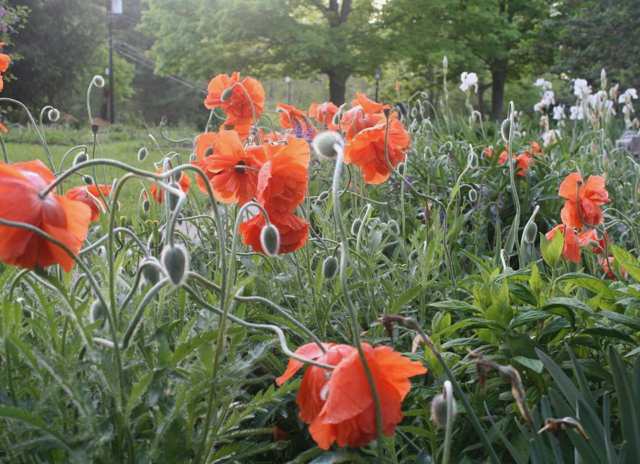
Where the sun is more plentiful, Iris are sending up stately buds. In late April, the first one, deep purple, has bloomed. What is it about Iris? They have presence and class, like ladies of a certain age, elegantly dressed and perfectly accessorized. Nearby, the Poppies are sending up Egyptian-looking shoots wth curving, graceful necks and bobbing fuzzy oval grey green buds. Poppy flowers are garden standouts, in the brightest orange, large and fragile, their petals resembling crinkly crepe paper.. They look so fine paired with the tall, lovely, brilliant, white Iris. Did I mention their smell? Please! Stick your nose right in one and inhale the freshness of springtime, with a definite hint of lemon.
A new Iris, gleaned from a friendly, roadside gardener, bloomed sunset orange this year. For two springs, I have patiently waited for it to grow strong enough to flower. For just such occasions, I carry a small shovel in my car for roadside stops. I hear memories of my kids’ voices, “mom, are you allowed to do that?
My garden gives me buckets of delight and beauty that is a pure gift from God, helped along by neighborly friends.
It rained yesterday. The bright orange Poppy petals litter the sidewalk like crepe paper after a party.
It is a party! It’s Spring!
Elizabeth (Schickel) Robinson has always lived in Loveland, married and raised a family here. Family, faith, service, community and creativity are most important to her. She is an artist driven to notice and bring beauty to others including creating commissioned works of art for hospitals and churches. She cares about our culture and wants to build opportunities for community and connection to God, each other and creation. She recently retired as a Registered Nurse at Cincinnati Children’s where she was privileged to care for patients and their families. She strives to live with her eyes wide open, seeing the extraordinary in the ordinary in life and nature that surrounds her.
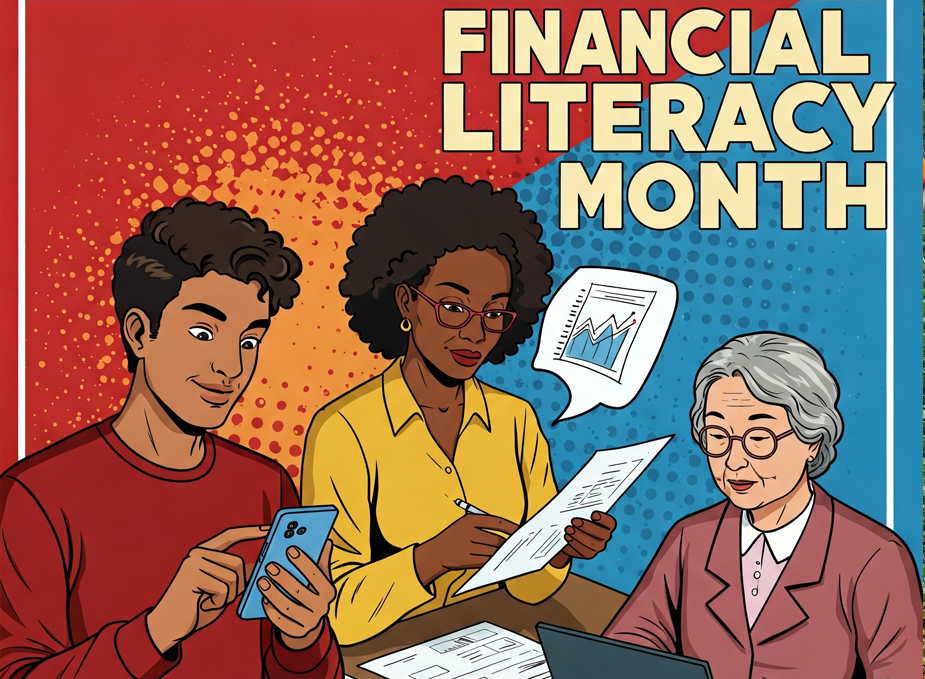
Educational Organizations/Non-Profits Reminded to Submit Financial Literacy Grant Applications by April 30
Each year, the Division’s Financial Literacy Grant Program awards up to $50,000 in funds to educational organizations throughout Ohio in support of initiatives aimed at improving financial literacy. Eligible organizations, such as nonprofits, community colleges and state institutions, are encouraged to submit program proposals that aim to equip individuals with the knowledge and skills they need to become financially independent. Programs may be conducted virtually or in person and should be tailored to community needs.
The deadline to apply for the Financial Literacy Grant is Wednesday, April 30. For more information, visit com.ohio.gov/FinancialLiteracy.
April marks Financial Literacy Month, which is a perfect time for individuals of all ages to assess their financial knowledge, establish realistic budgets, and ensure they are staying on track toward achieving their financial goals. In recognition of this month, the Ohio Department of Commerce Division of Financial Institutions is sharing tips to help Ohioans better manage their budgets, while highlighting available funding to support youth financial education programs across the state.
“Financial Literacy Month is all about helping to equip people with the information, tools and resources they need to effectively manage their financial circumstances,” Division Superintendent Kevin Allard said. “From setting realistic budgets to managing unexpected expenses, education is key to making informed decisions. Additionally, the Financial Literacy Grant Program is a great opportunity to connect organizations of all sizes who are dedicated to educating young Ohioans with key funding that can make a real and meaningful difference throughout these individuals’ lives.”
Recent statistics highlight the growing importance of financial education. According to the Consumer Financial Protection Bureau, approximately 36% of consumers described being “just getting by” with their finances in 2024. In addition, 43% of families reported they had difficulty paying expenses, which marked an increase from 38% in 2023. Generation Z, in particular, struggles with financial literacy, answering only 37% of financial literacy index questions correctly in 2024.
To help individuals make financial progress, the Division offers the following simple, yet effective tips that can be tailored to individual needs and circumstances:
Building smart and easy financial habits is relevant at any age. The Financial Literacy Grant Program is an important part of that process through its funding of initiatives that enhance financial education for young Ohioans that provide the tools necessary to achieve financial independence.
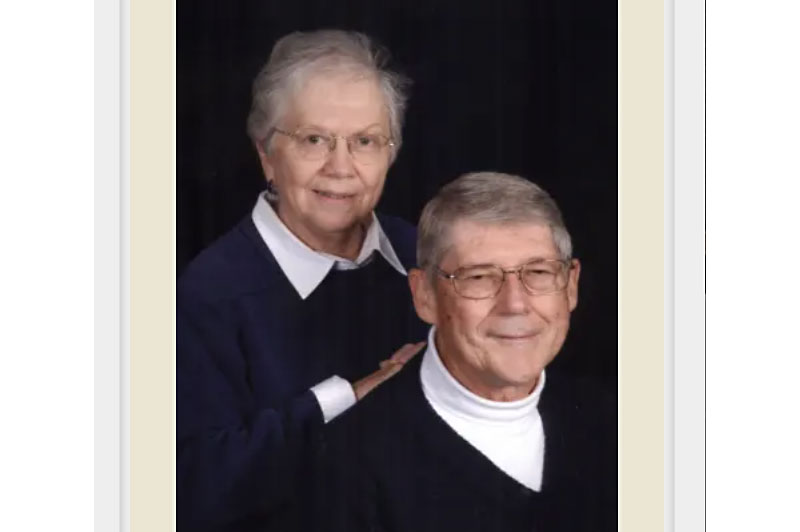
The Waples were loving parents of Jeffrey (Susie) Waple and John (Sara) Waple. Proud grandparents of Emily, Nate (Taylor), Matthew, Andrew (Grace), Brandon, and Natalie.
Chuck and Karen dedicated their lives to public education.
Chuck was a public-school superintendent with Loveland School District and Wyoming City School District. He was a realtor with Sibcy Cline for over 10 years and volunteered with several organizations.
Karen taught Kindergarten with the Mason City Schools for 30+ years and then subbed in the Loveland City Schools for 20 years. She was extremely dedicated to her grandchildren and volunteered for Crayons to Computers and LIFE Food Pantry.
They were both active members for over 50 years with Prince of Peace Lutheran Church, Loveland.
They were lifelong Buckeyes, enjoyed trips to Hilton Head, and loved gathering with family during the holidays.
Karen was born December 21, 1939 and passed away on March 22, 2025.
Chuck was born September 25, 1934 and passed away on March 24, 2025.
Family and friends will be received from 10:30 AM – 12:30 PM on Friday, April 11 at Prince of Peace Lutheran Church, 101 South Lebanon Rd, Loveland, OH 45140, where a Celebration of Life will be held at 12:30 PM. A Luncheon will immediately follow the Celebration of Life.
In lieu of flowers, donations in memory of Chuck & Karen may be directed to Loveland Schools Foundation, 757 S. Lebanon Road, Loveland, OH 45140.
by Julie Watson
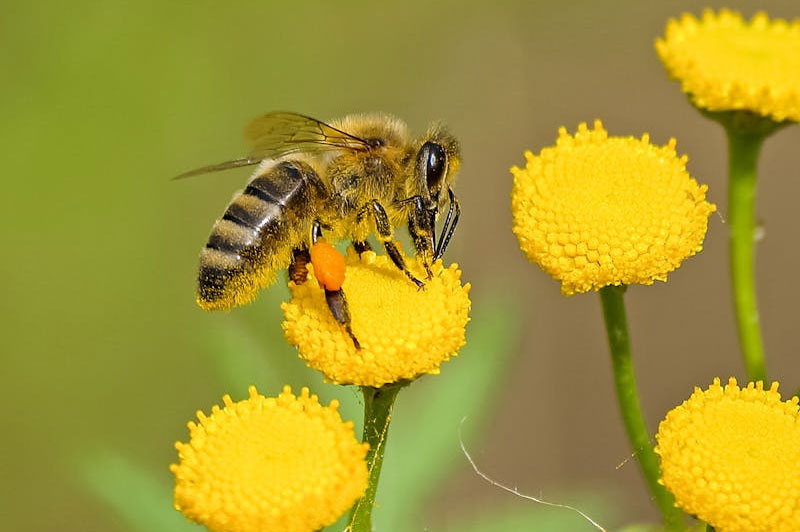
Save the Bees. I’m sure you’ve heard or seen such slogans increasingly over the past couple of decades. Of course, I’m all for saving any species, but some of the claims of activist groups on bee decline are a bit frightening. In trying to research the topic of bees and their necessity to humanity’s survival, I found varied and often contradictory reports. Sifting through the data, a few undeniable truths emerged.
First of all, honeybees are not native to North America. They were domesticated over 9,000 years ago which precedes the domestication of animals like chickens, pigs, and horses. Honeybees originated in either Asia or Africa and spread to Europe. European settlers brought honeybees to the east coast of North America approximately 400 years ago. They slowly began to make their way across the continent.
Secondly, although there are 4,000 species of bees native to North America, bees are not the only kind of insect pollinators. Other insects like ants, flies, butterflies, moths, wasps, and beetles do their fair share of pollinating too. Most of these undomesticated, native pollinators have seen sharp population declines since the turn of the century.
 Thirdly, there are many factors contributing to pollinator decline. More study is needed to determine the exact causes of dwindling populations of pollinating insects. However, we do know that many of the world’s important agricultural crops, including most fruits, nuts, and vegetables, are dependent on insect pollinators.
At this stage of the game, all insect pollinators could use a little human help. Until researchers and scientists can agree on what is causing pollinator decline and how to stop it, what can you as a homeowner do about the situation?
There are some steps you can take that will make a difference. Some of them are simple. Most of them will have additional benefits for the planet, your person, and your wallet.
Here are some resources to help you become a pollinator protector:
The Ohio Extension Service has a hotline (April 1st – October 31st) for questions about pollinators or gardening (330) 296-6432 or visit go.osu.edu/pchotline.
Ohio Pollinator Habitat Initiative https://www.ohiopollinator.org/
The Cincinnati Zoo has a pollinator program. https://cincinnatizoo.org/gardens/plant-for-pollinators/
Queen City pollinator Project offers education for grades 3 through adults https://www.queencitypollinatorproject.org/
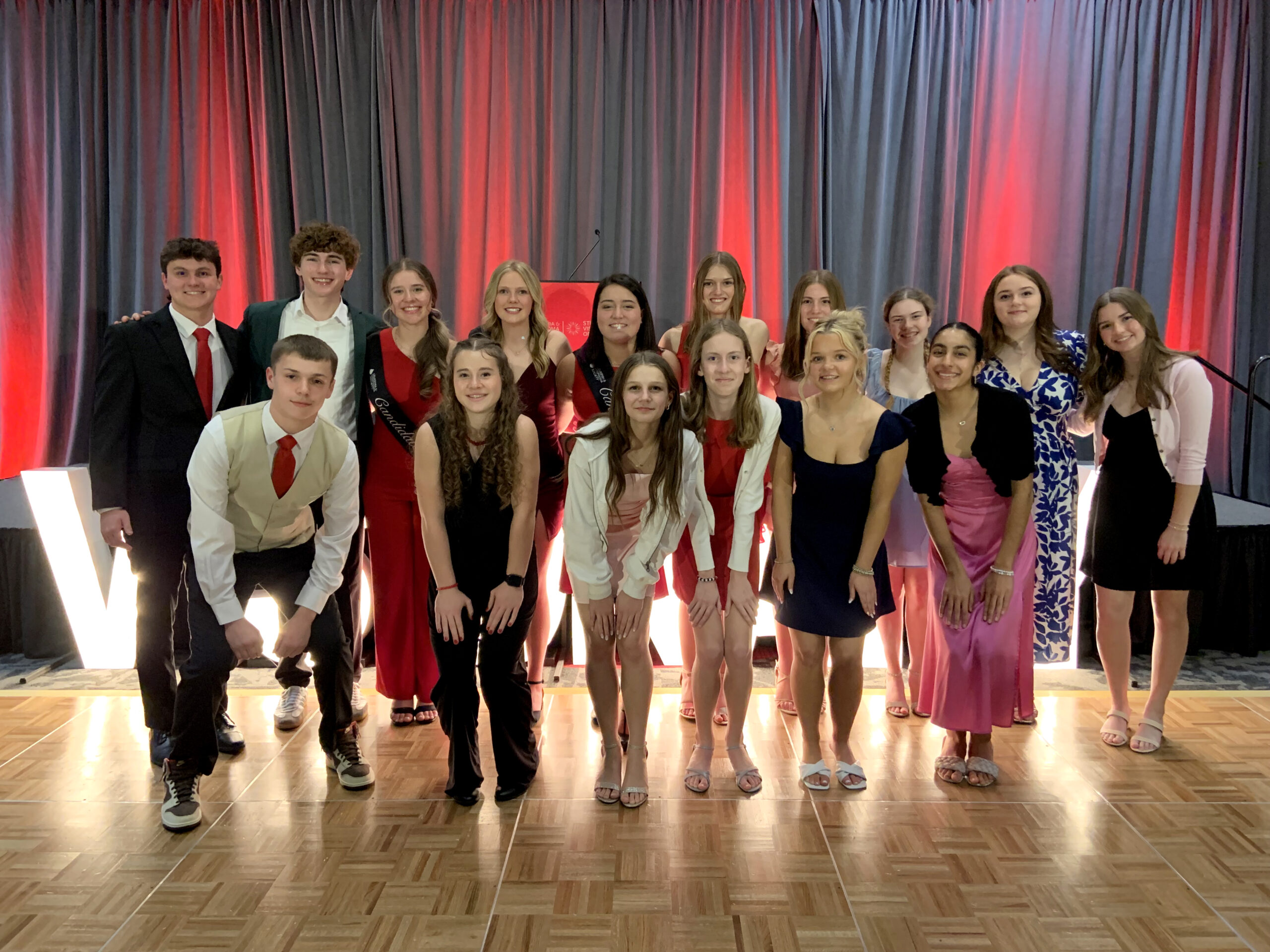
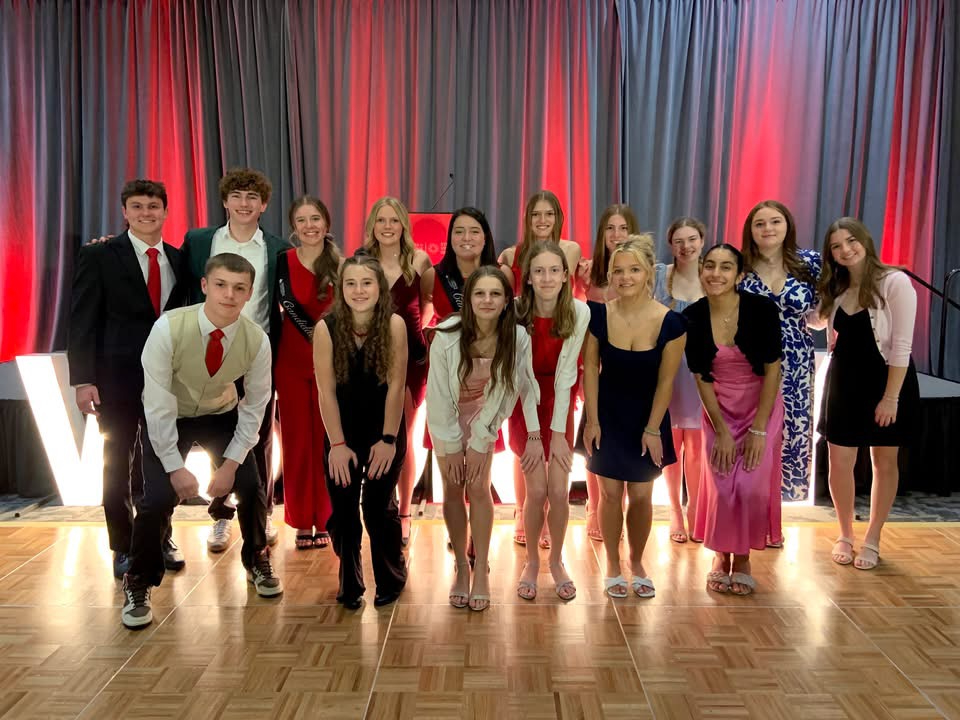
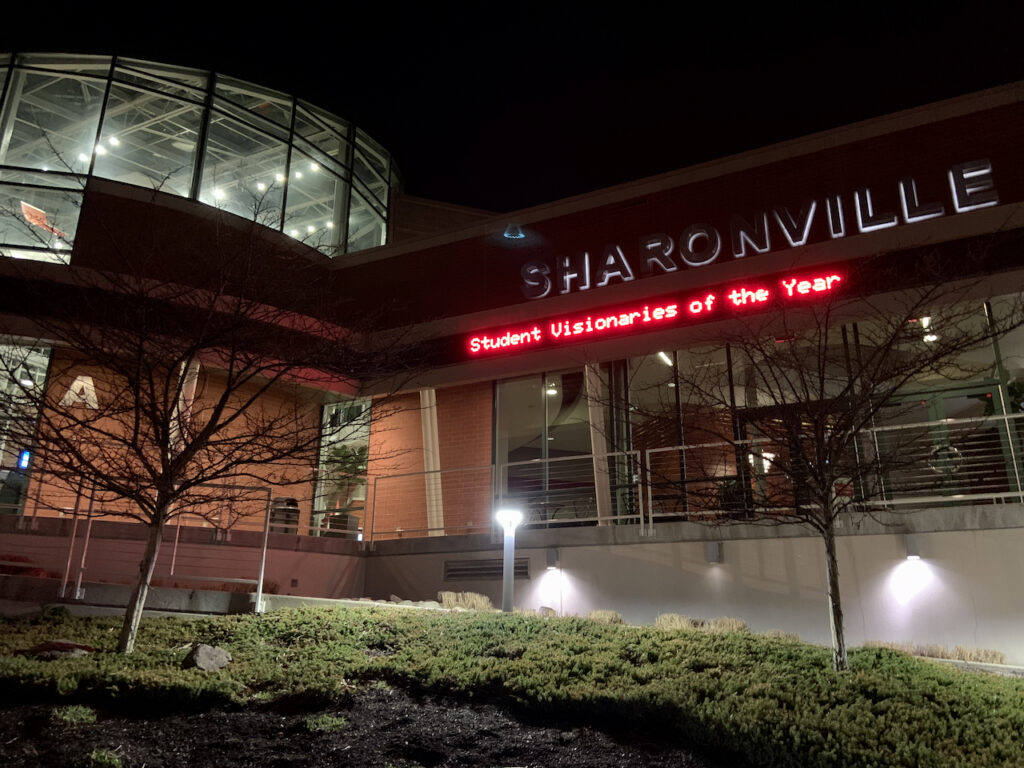
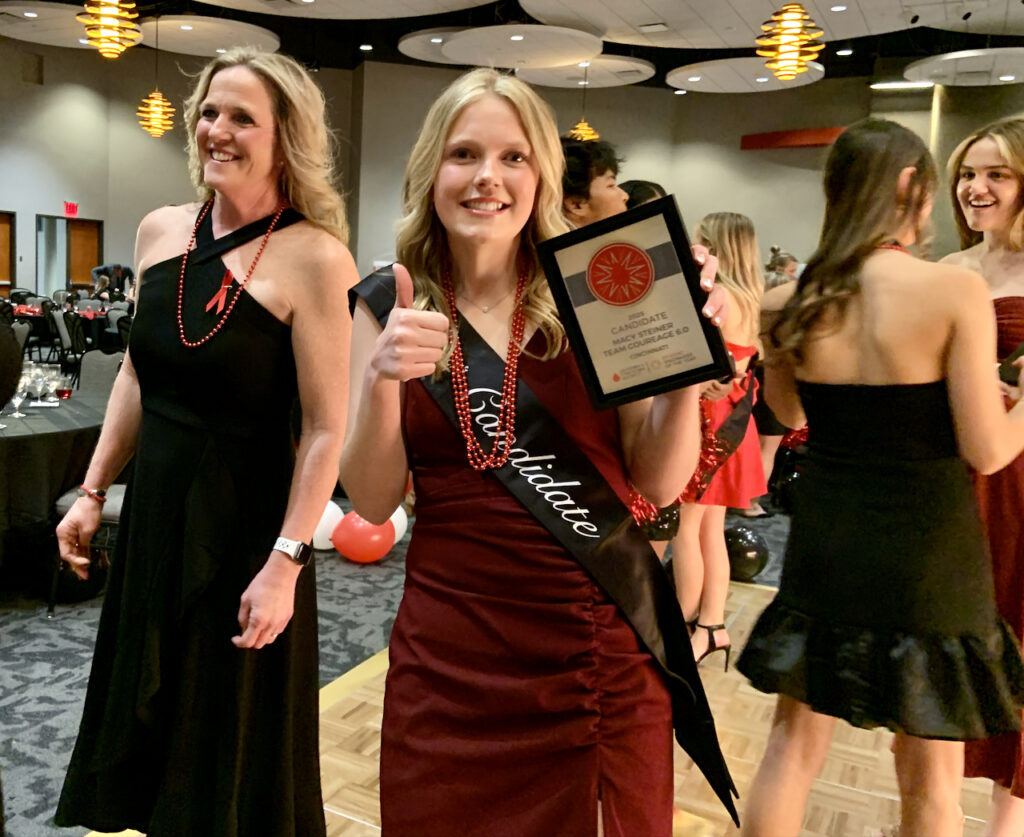
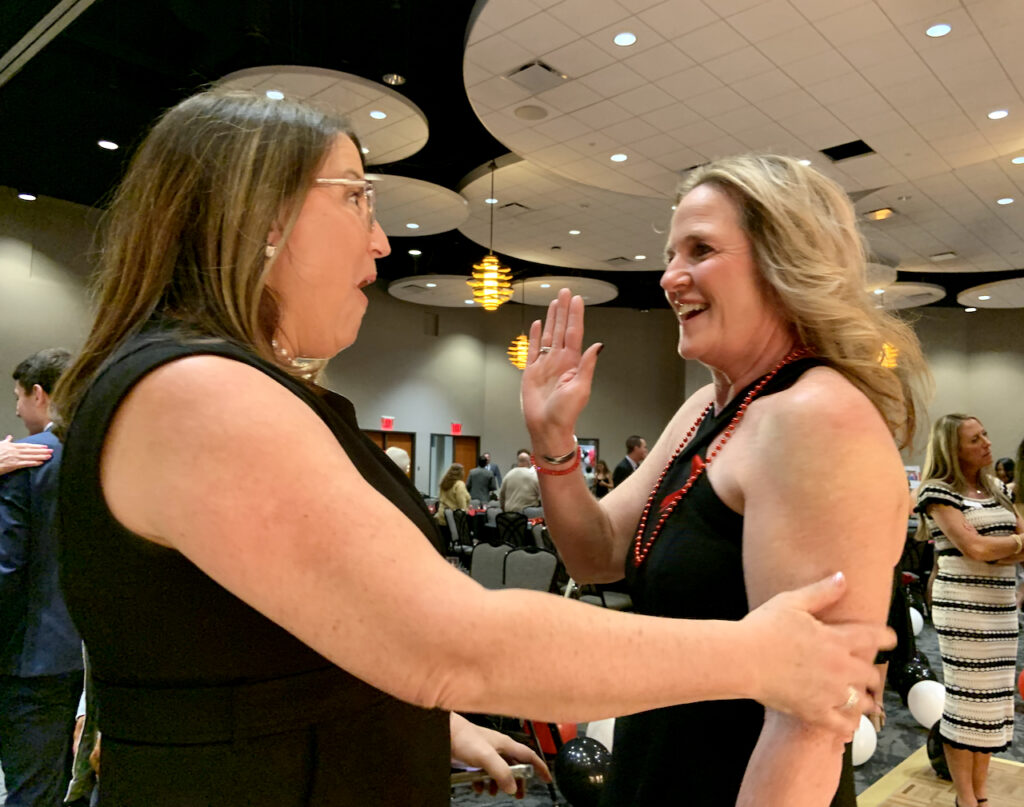
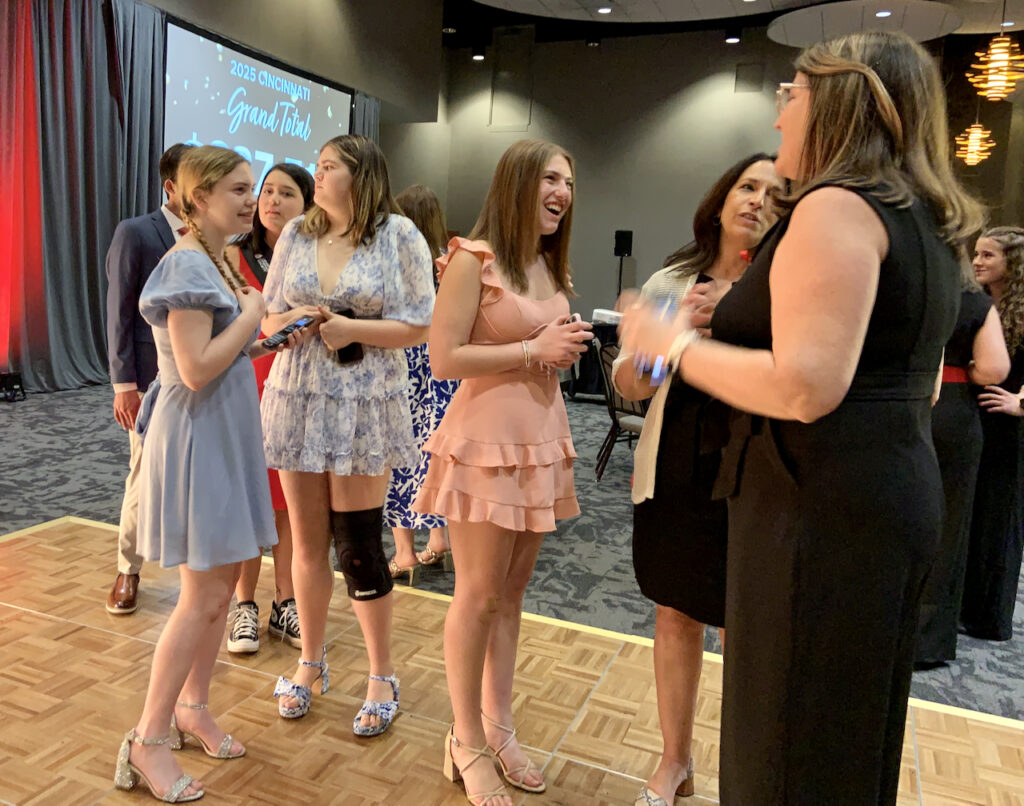
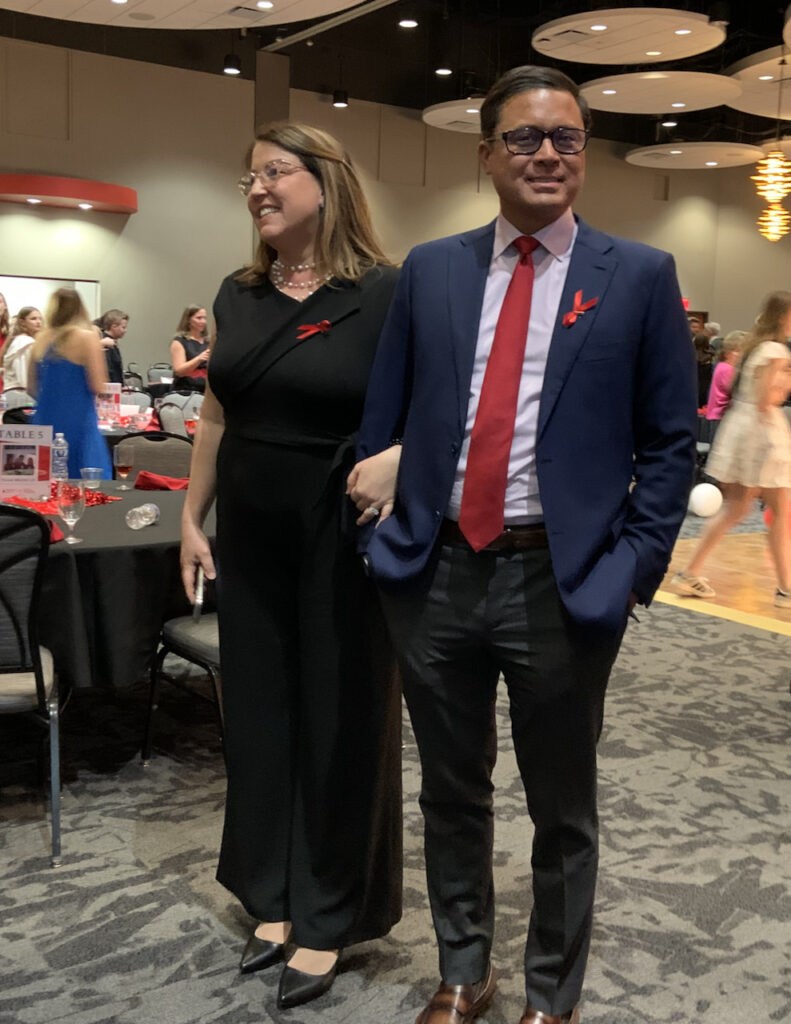
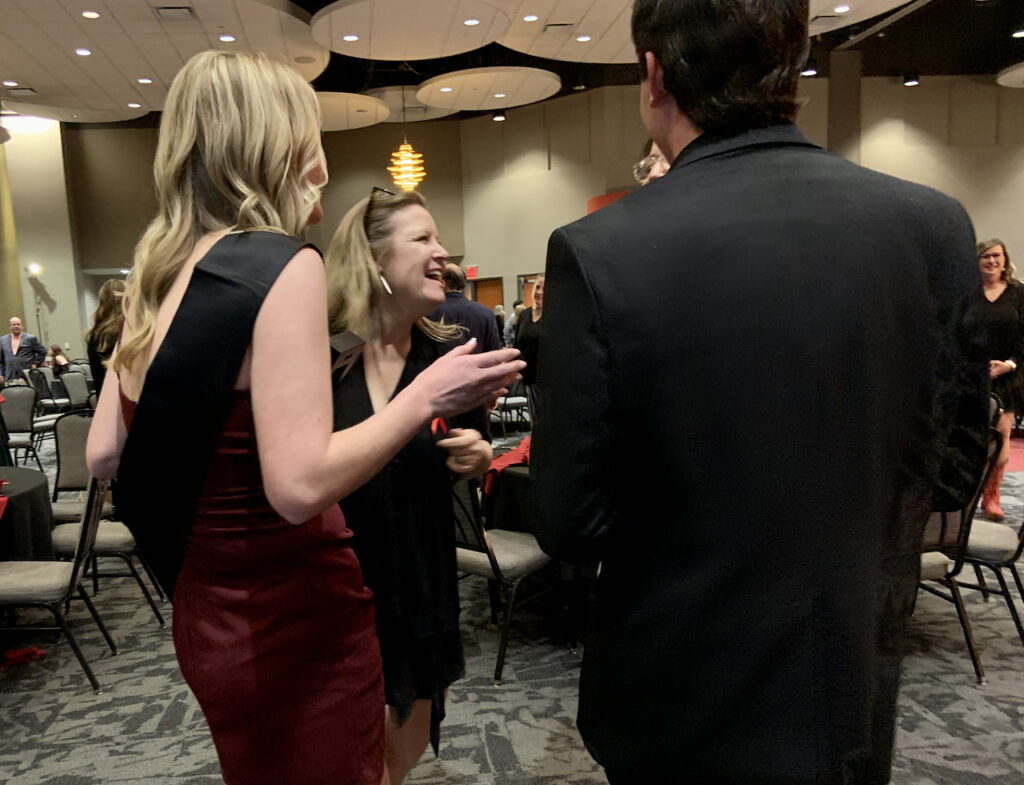
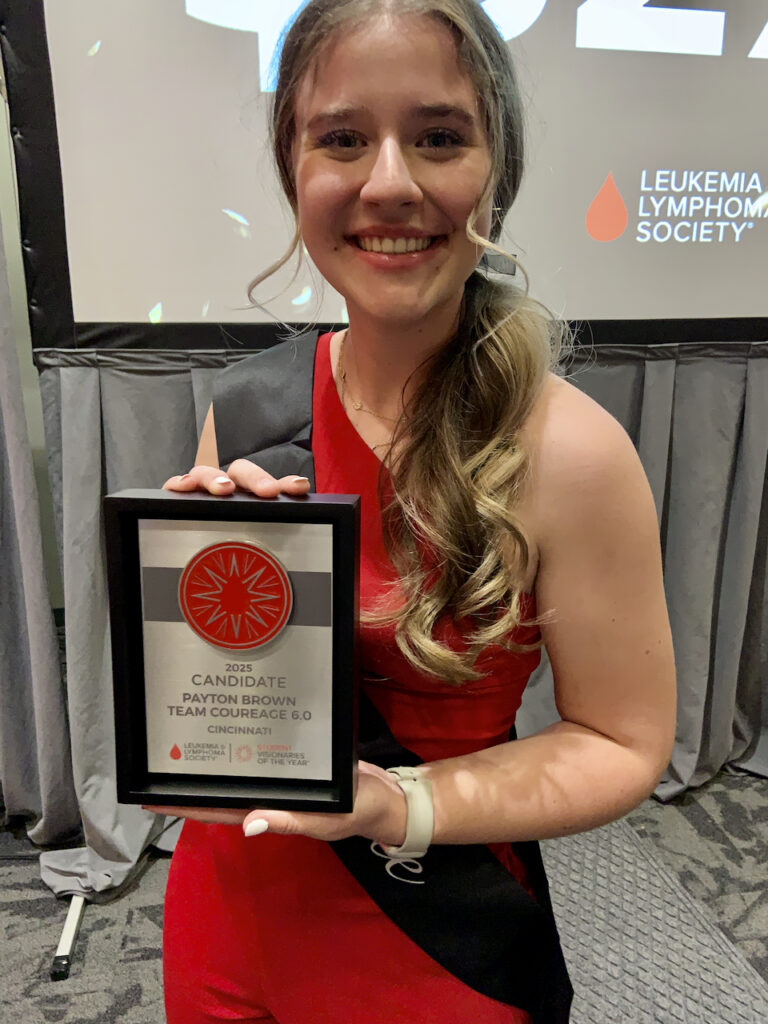
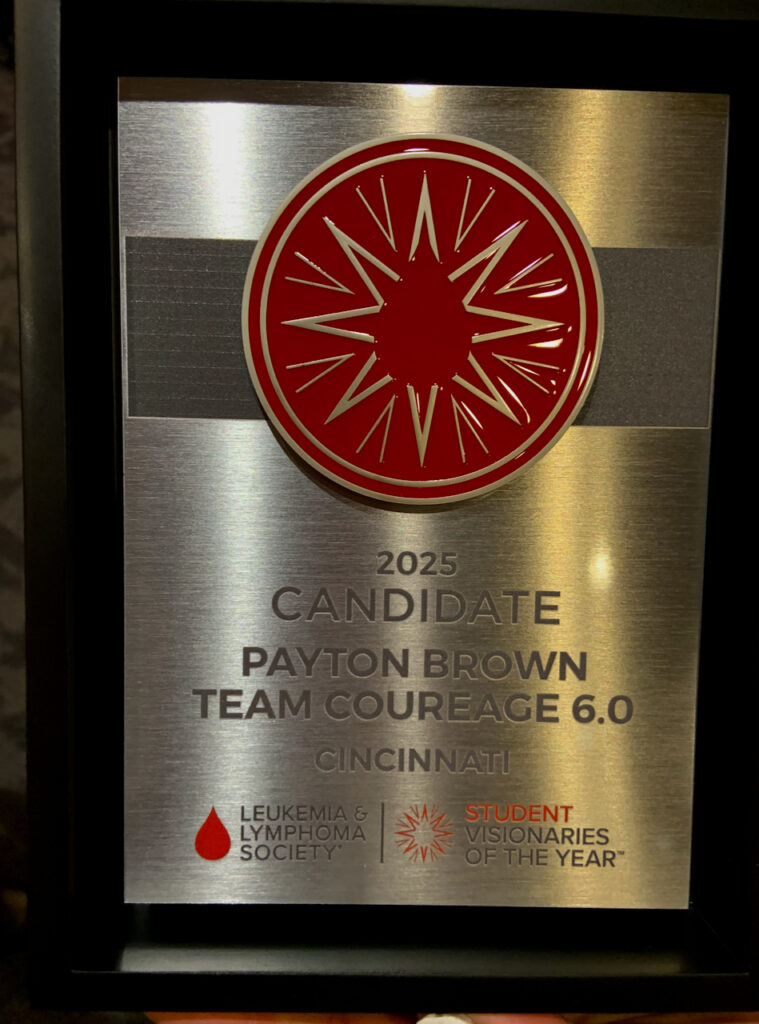
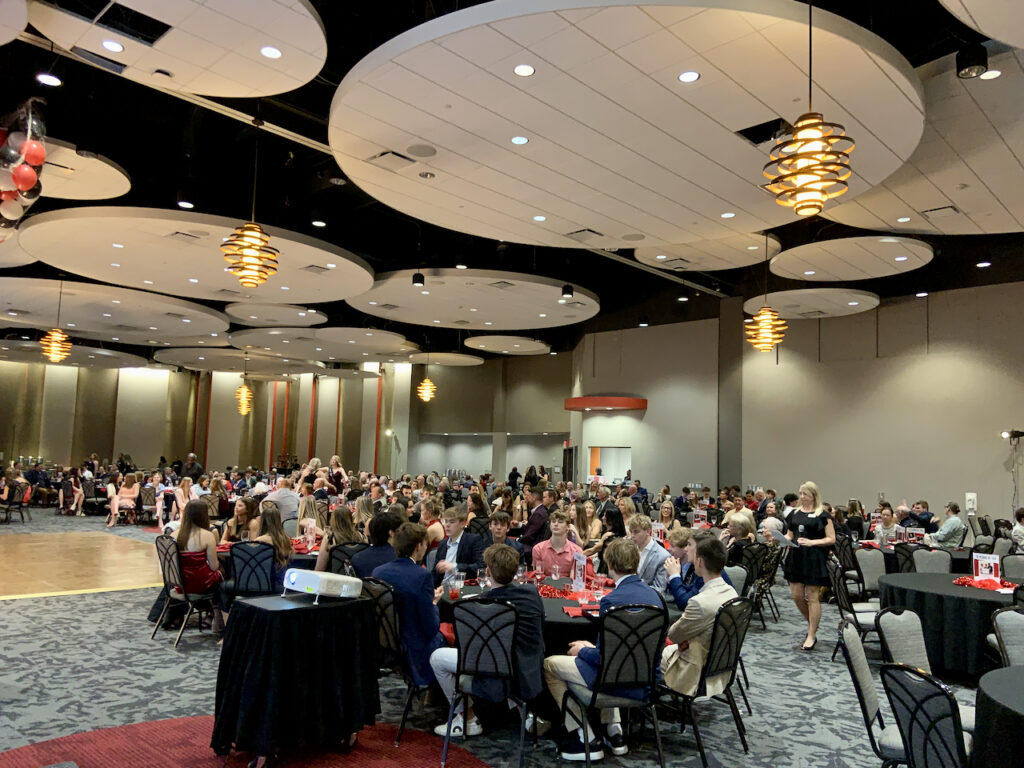
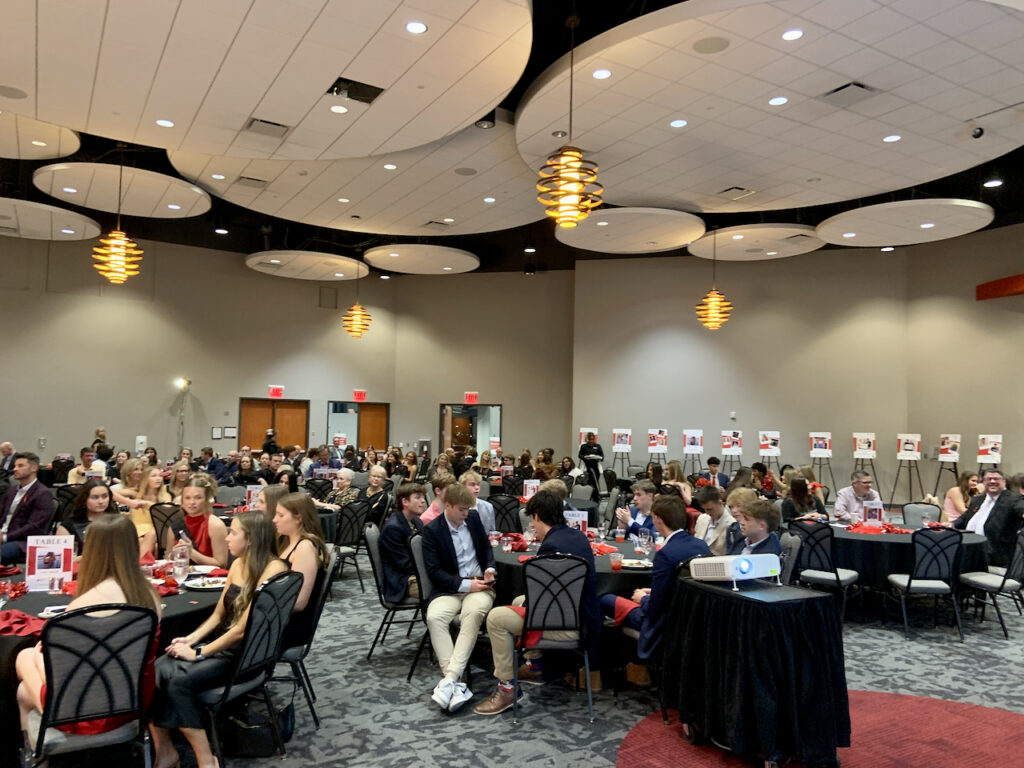
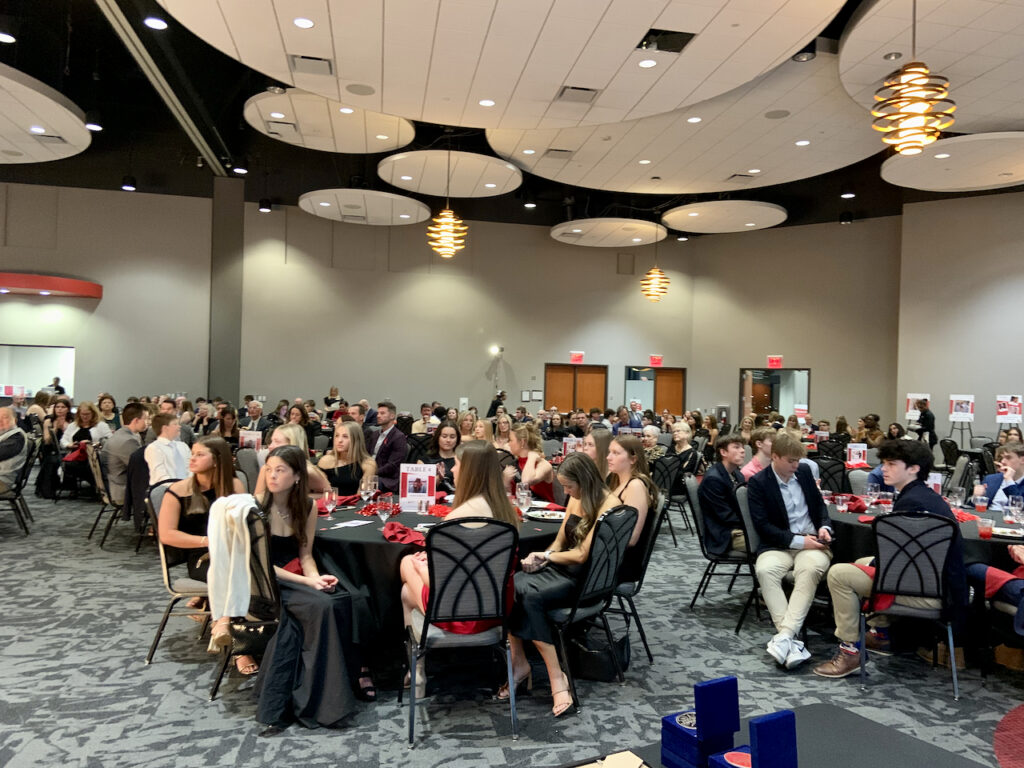
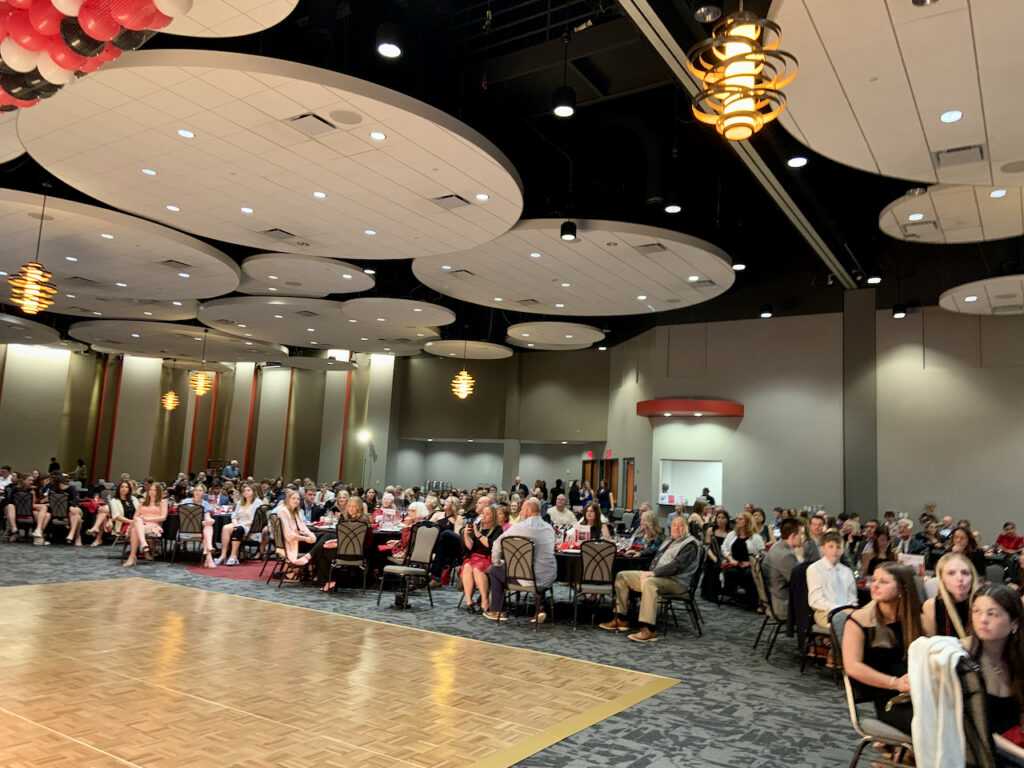
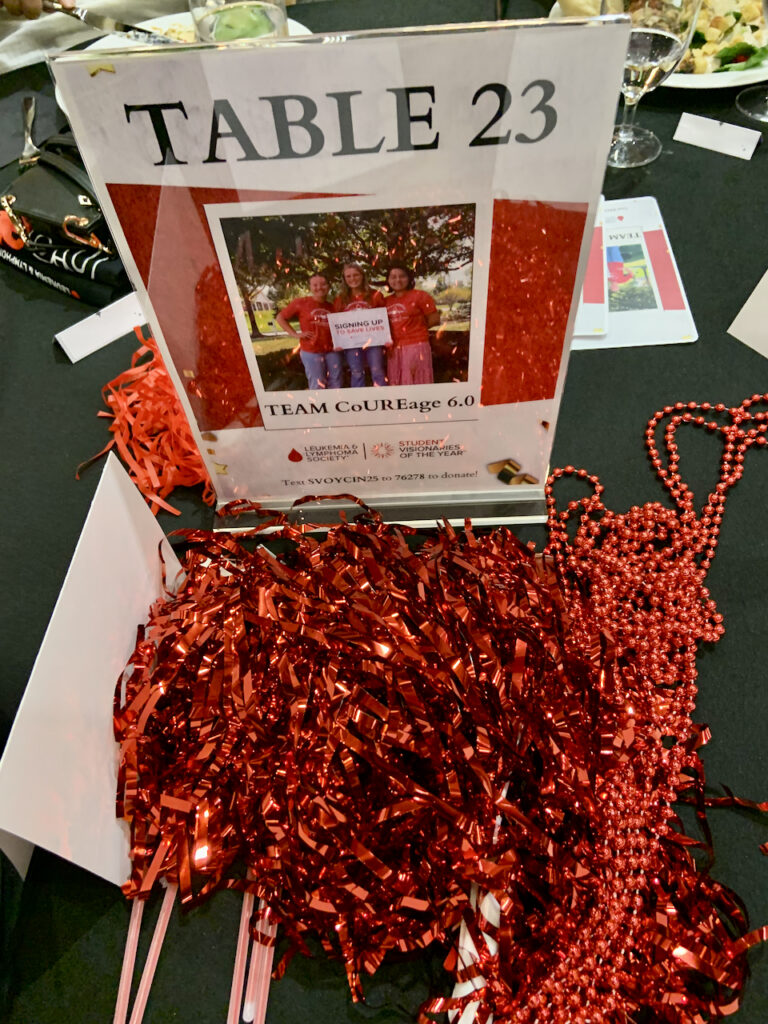
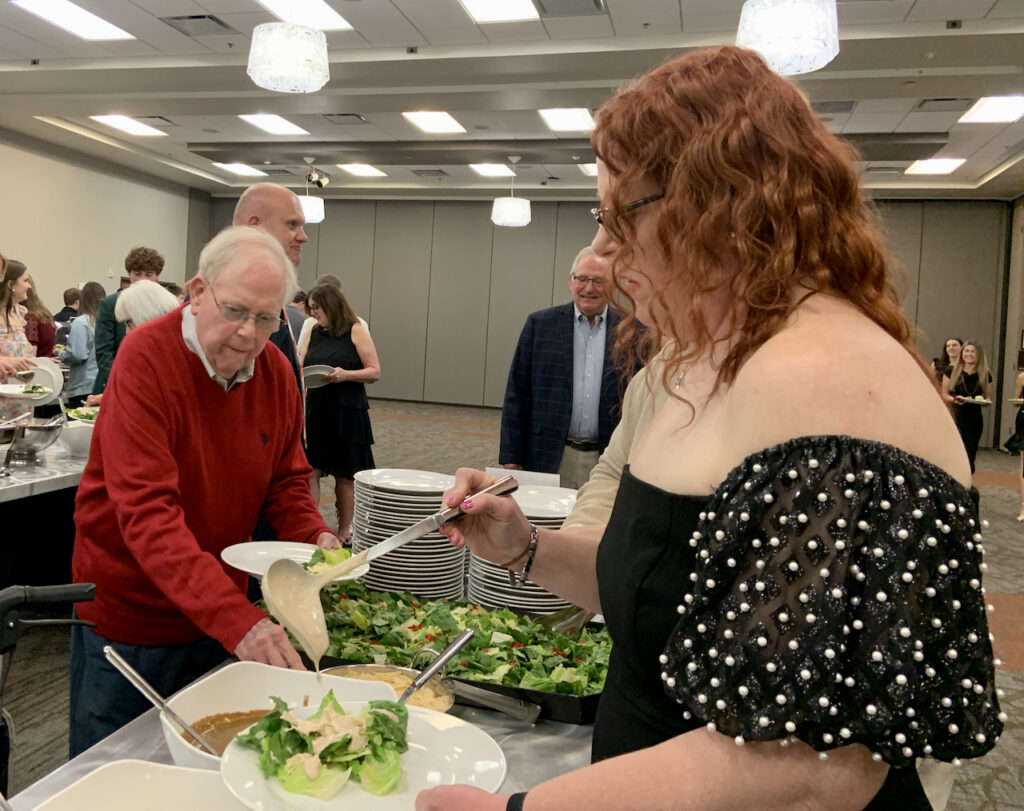
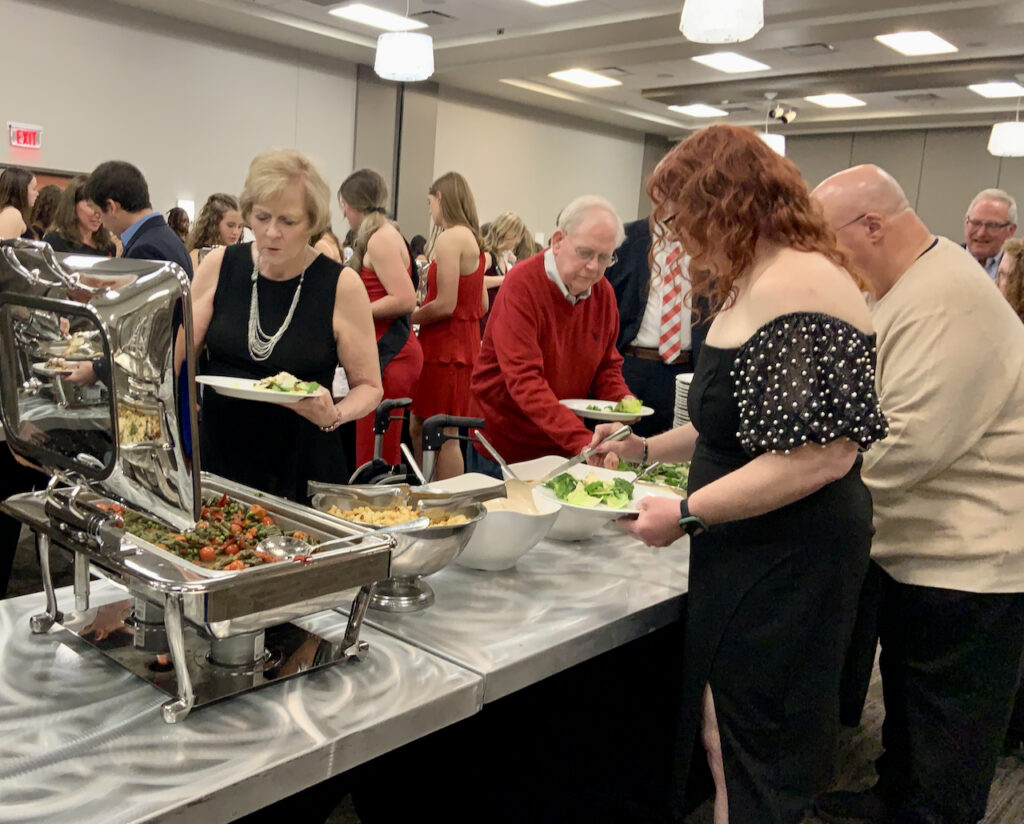
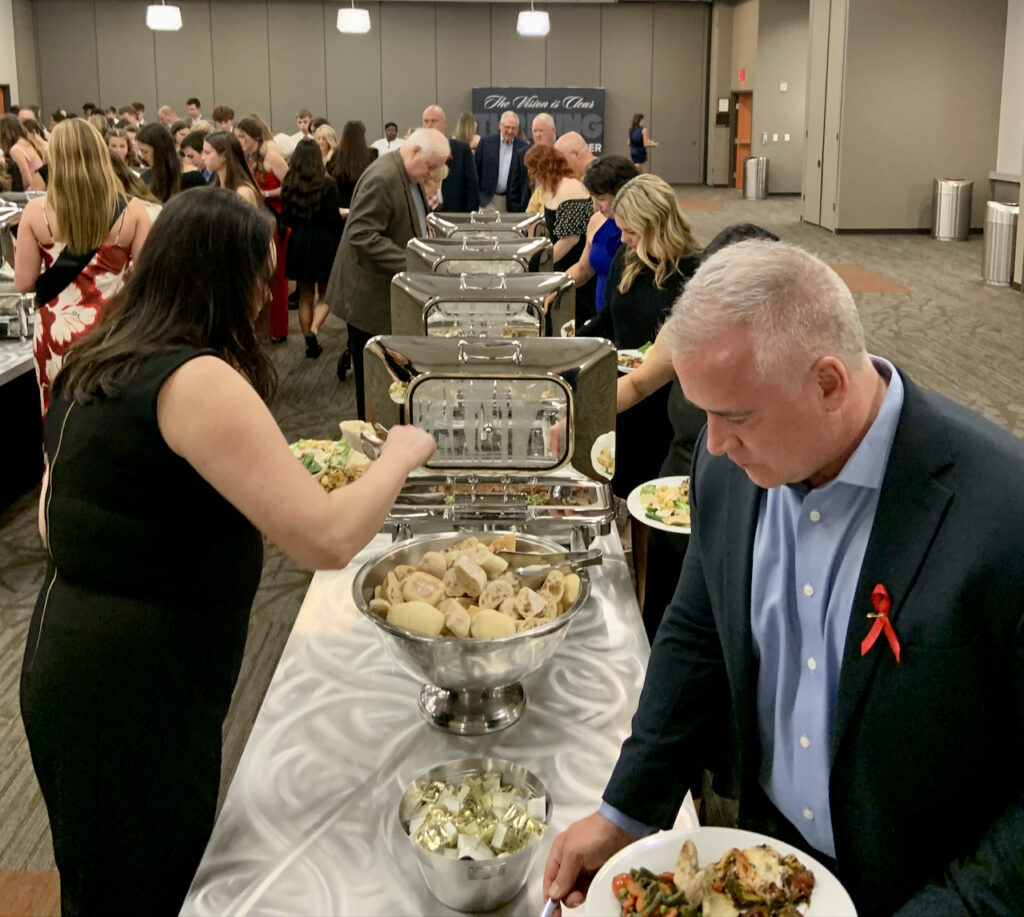
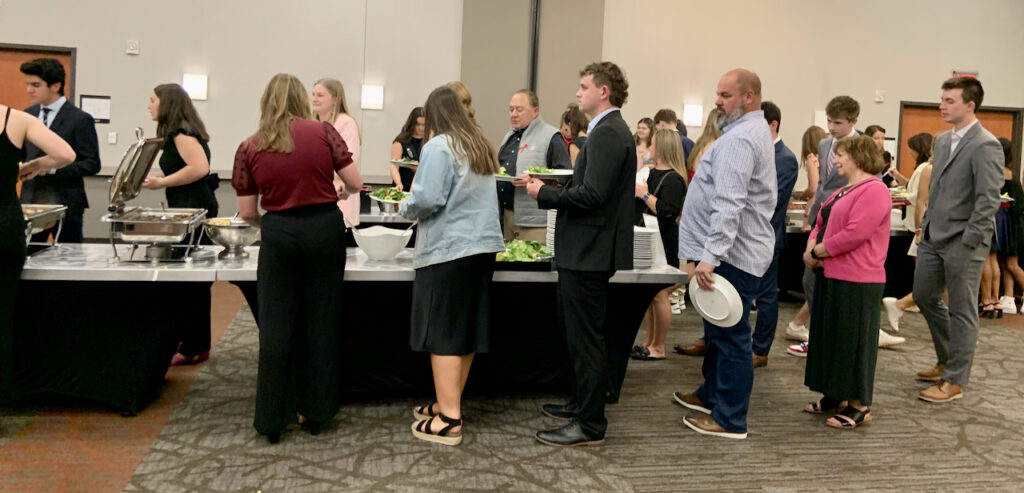
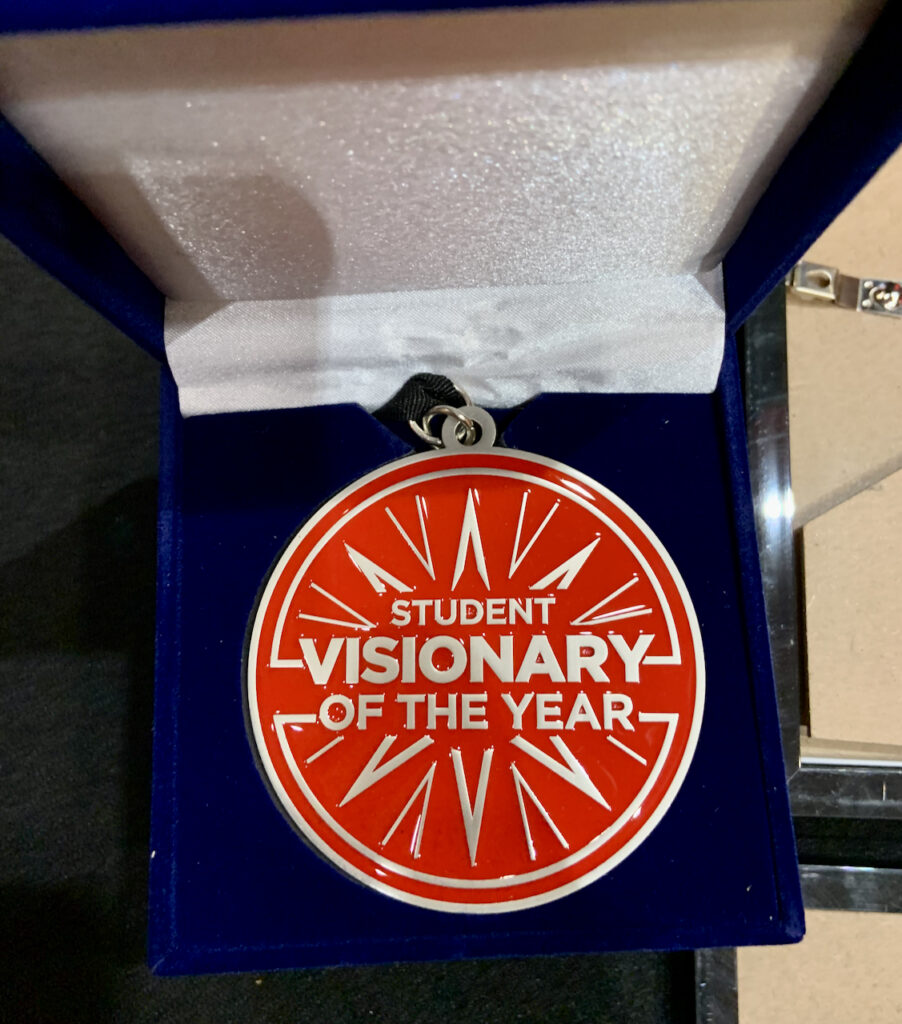
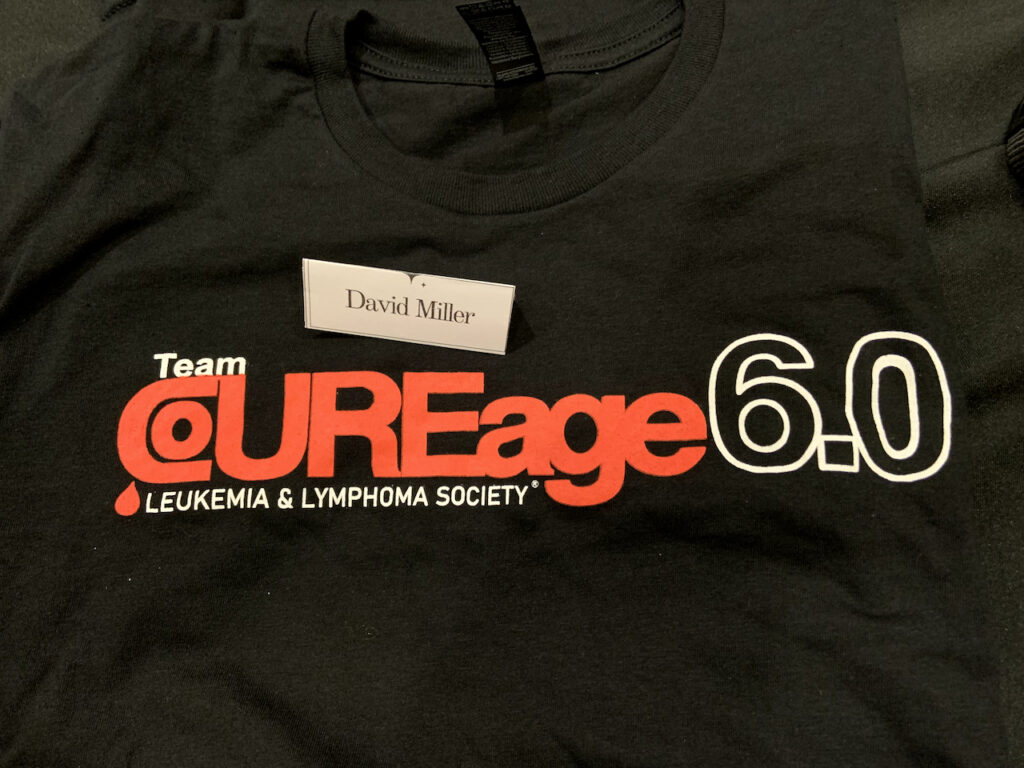
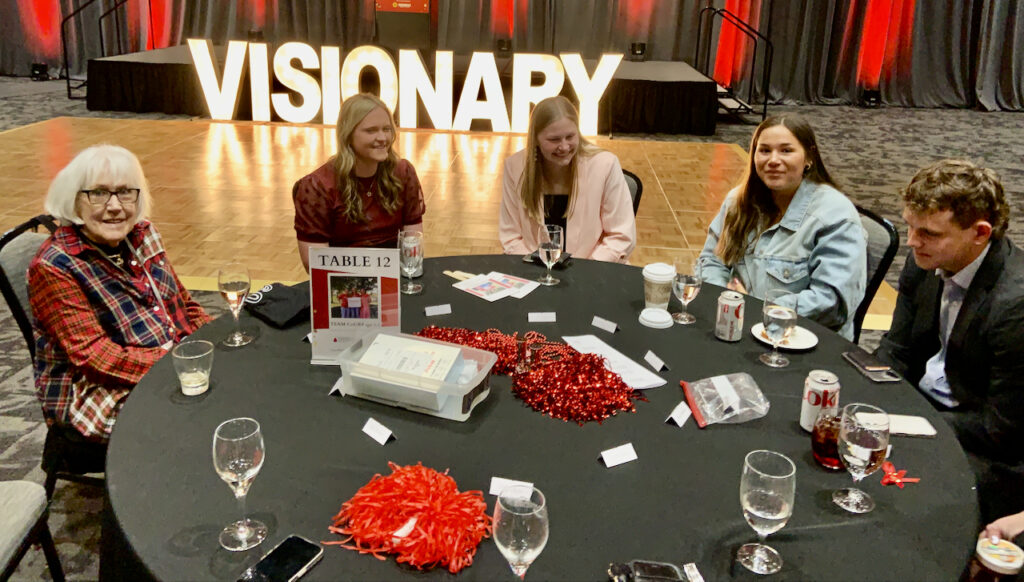
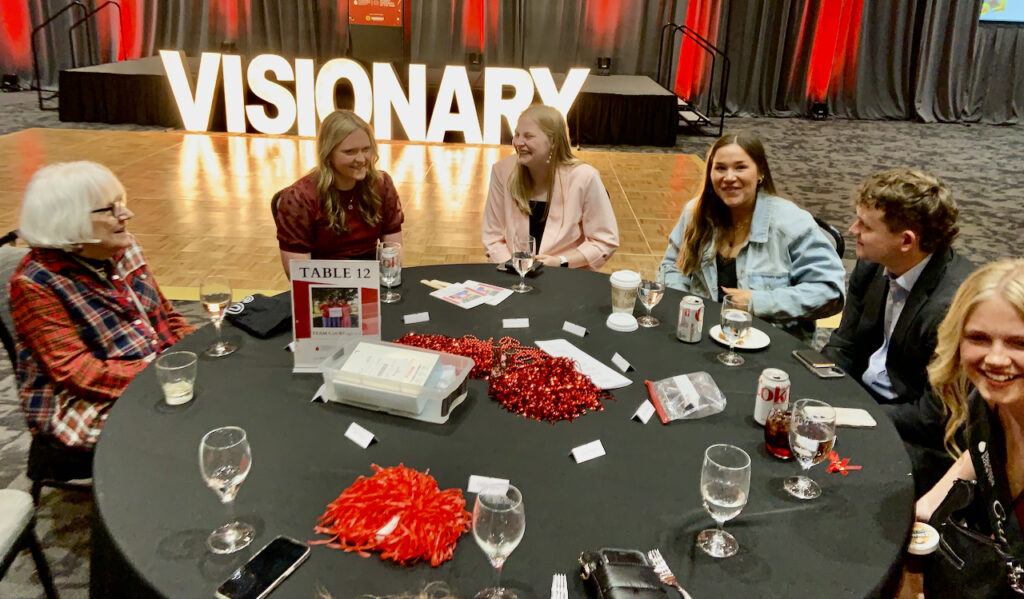
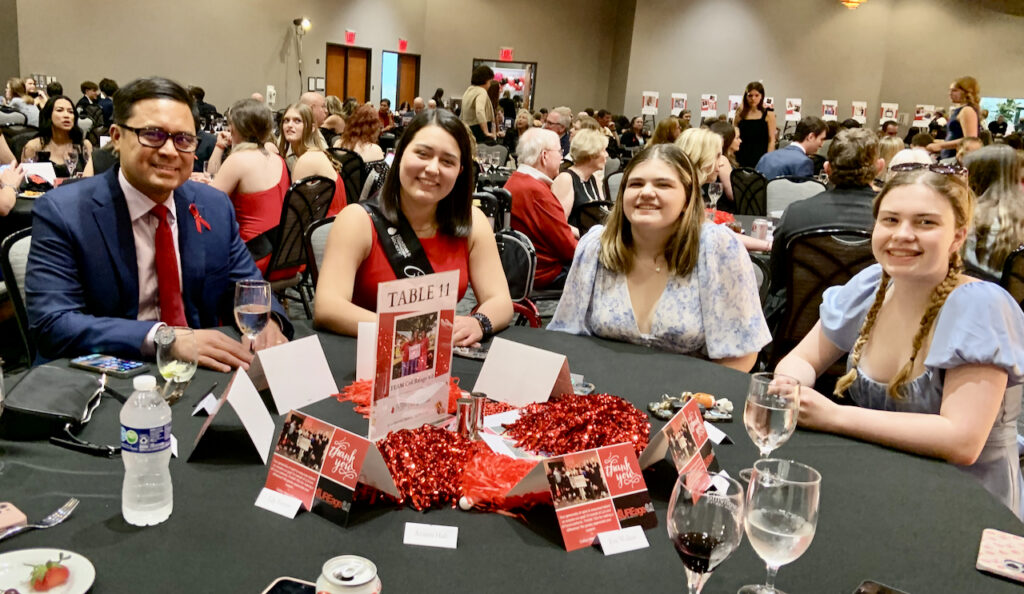
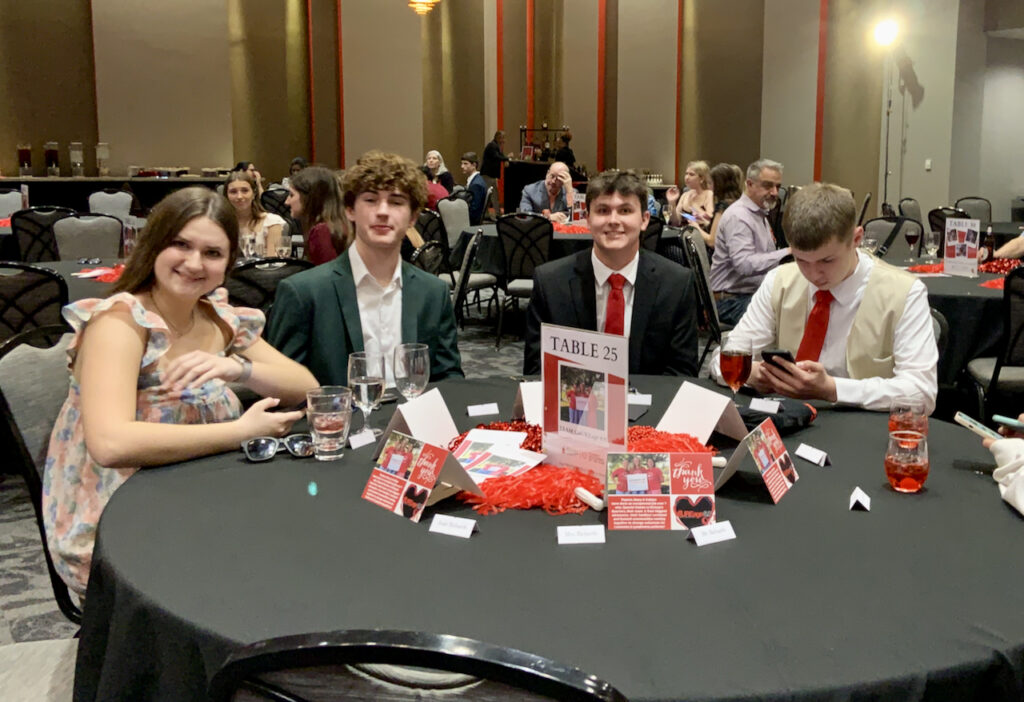
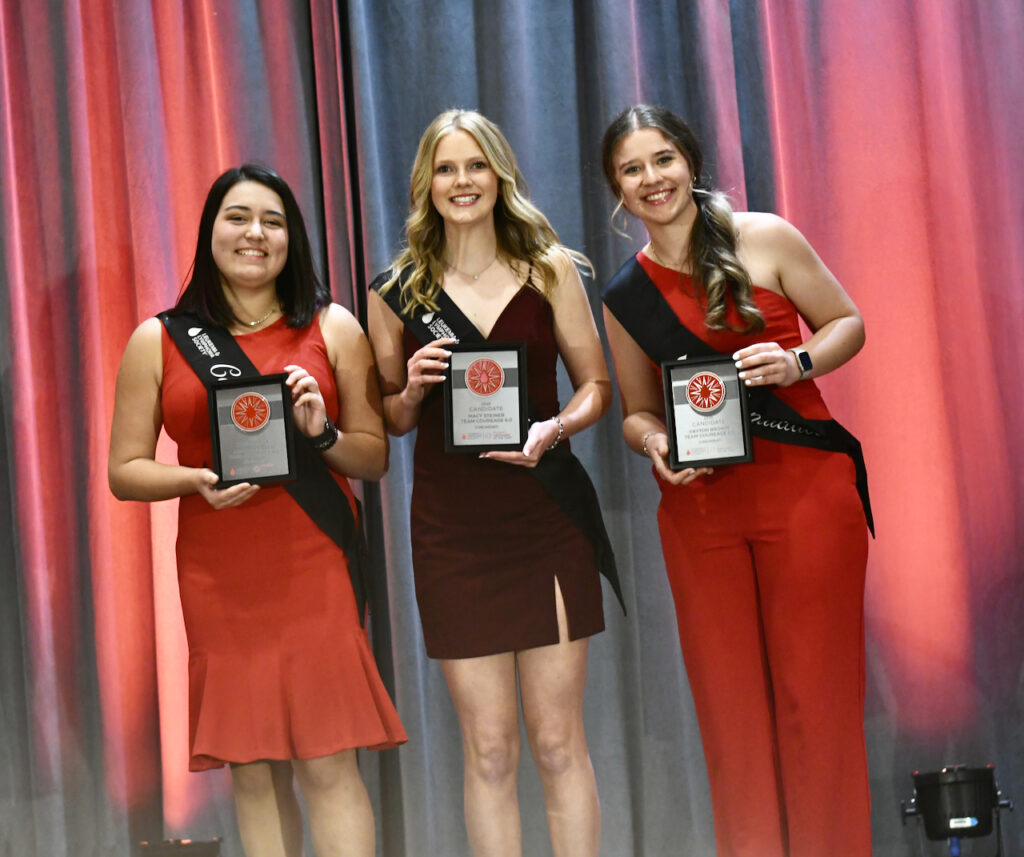
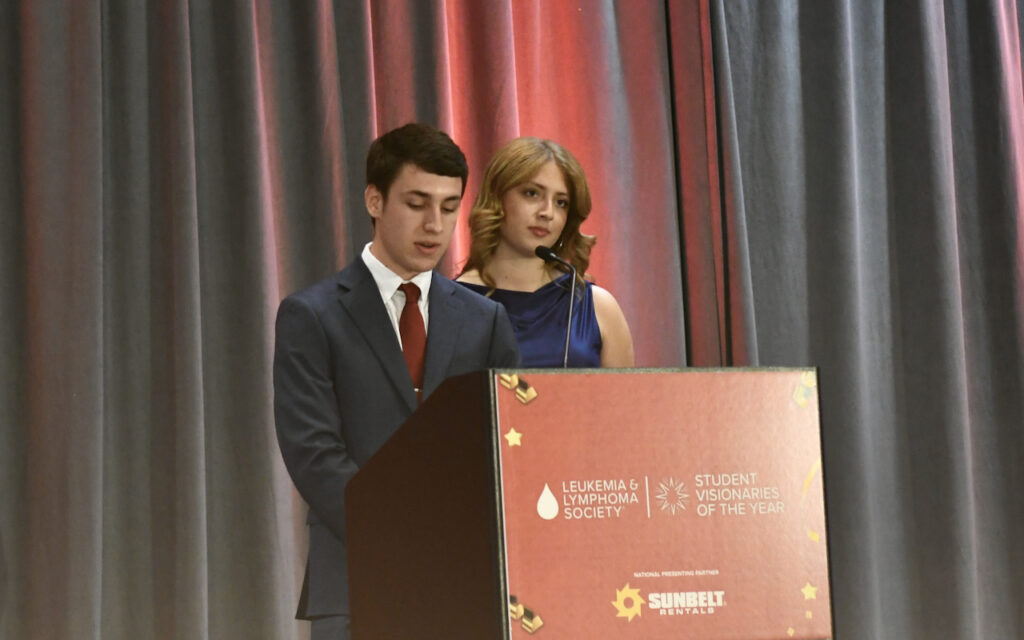
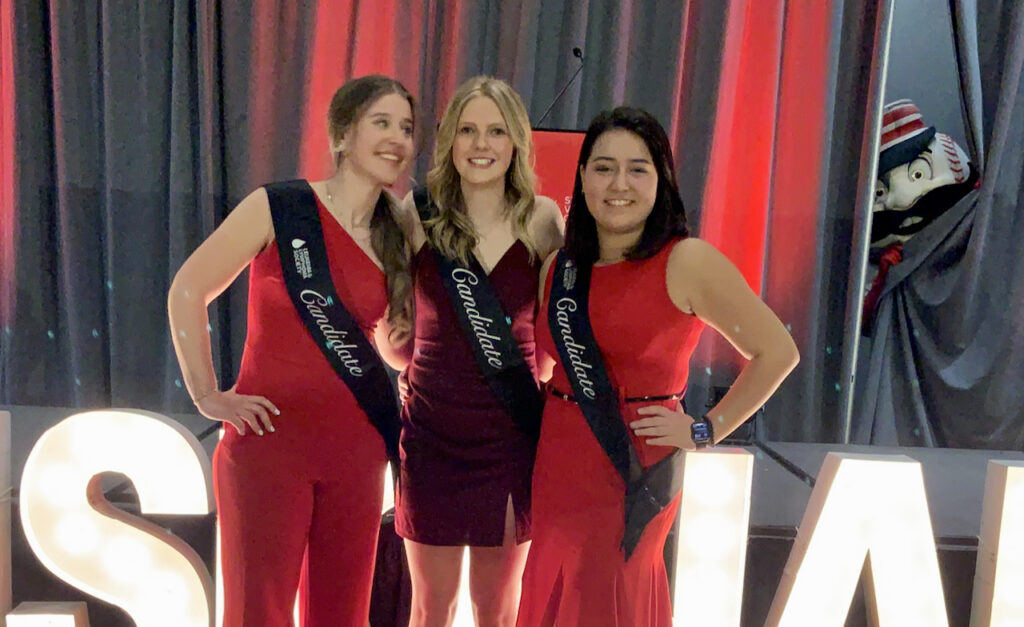
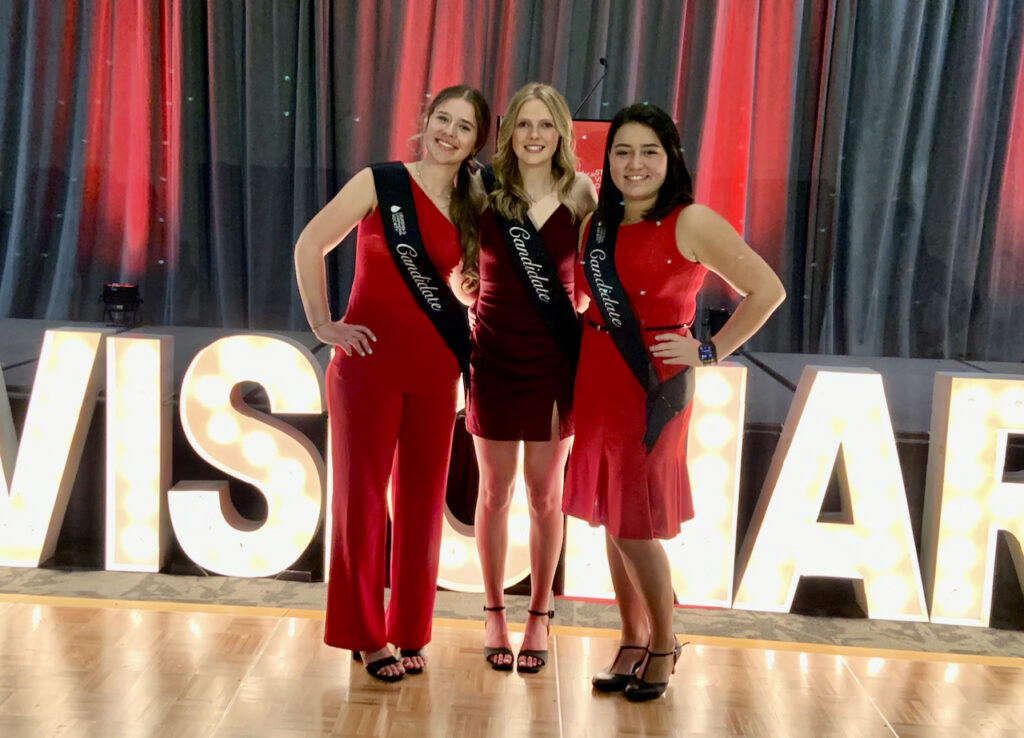
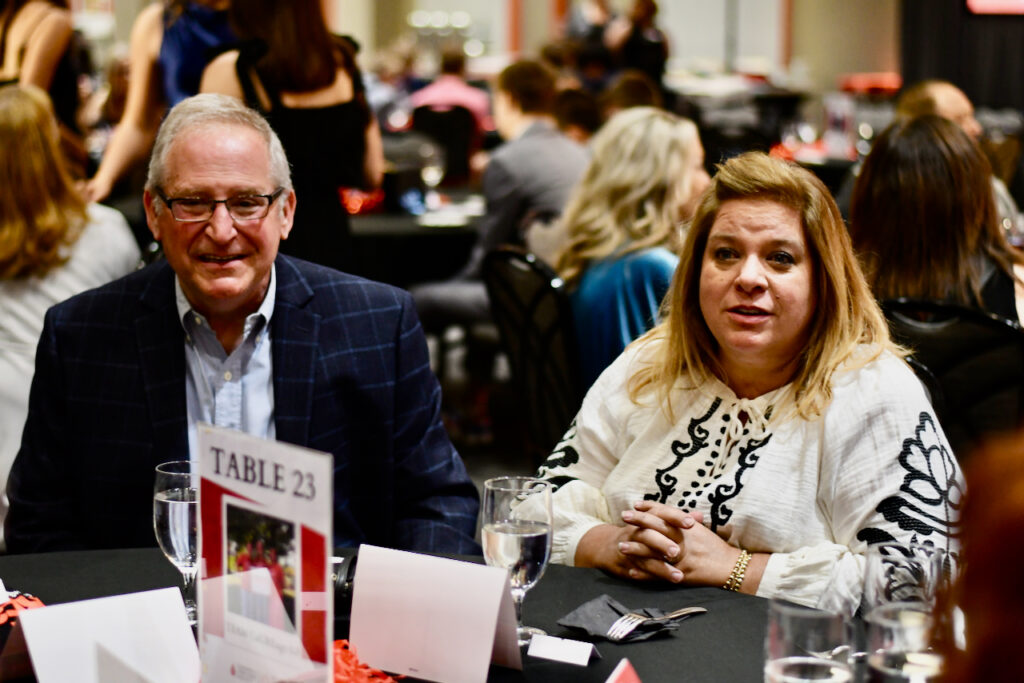
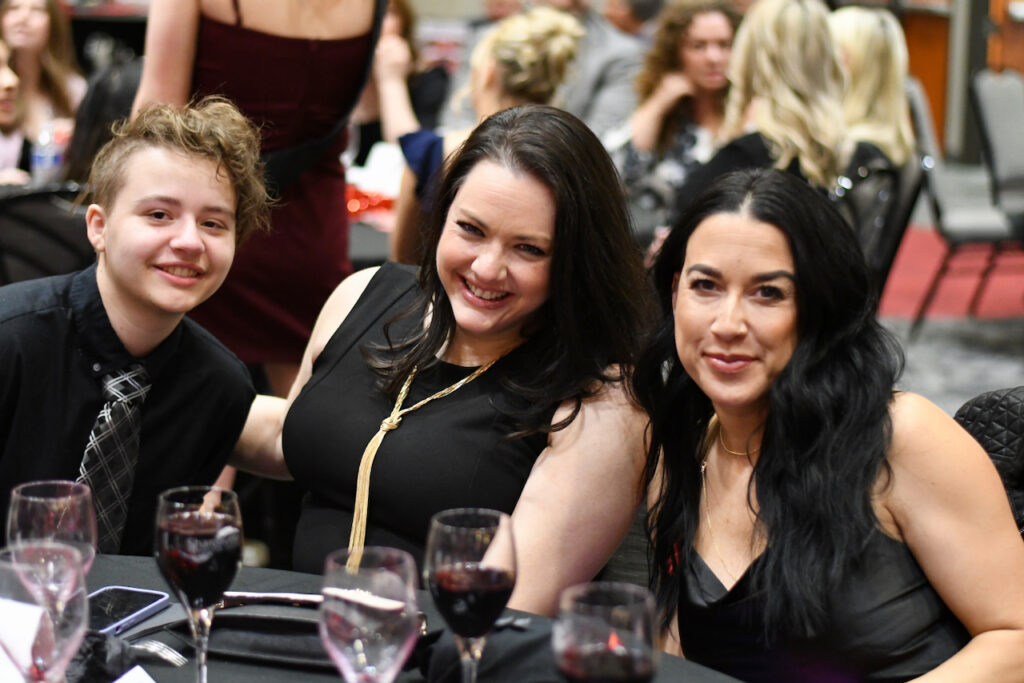
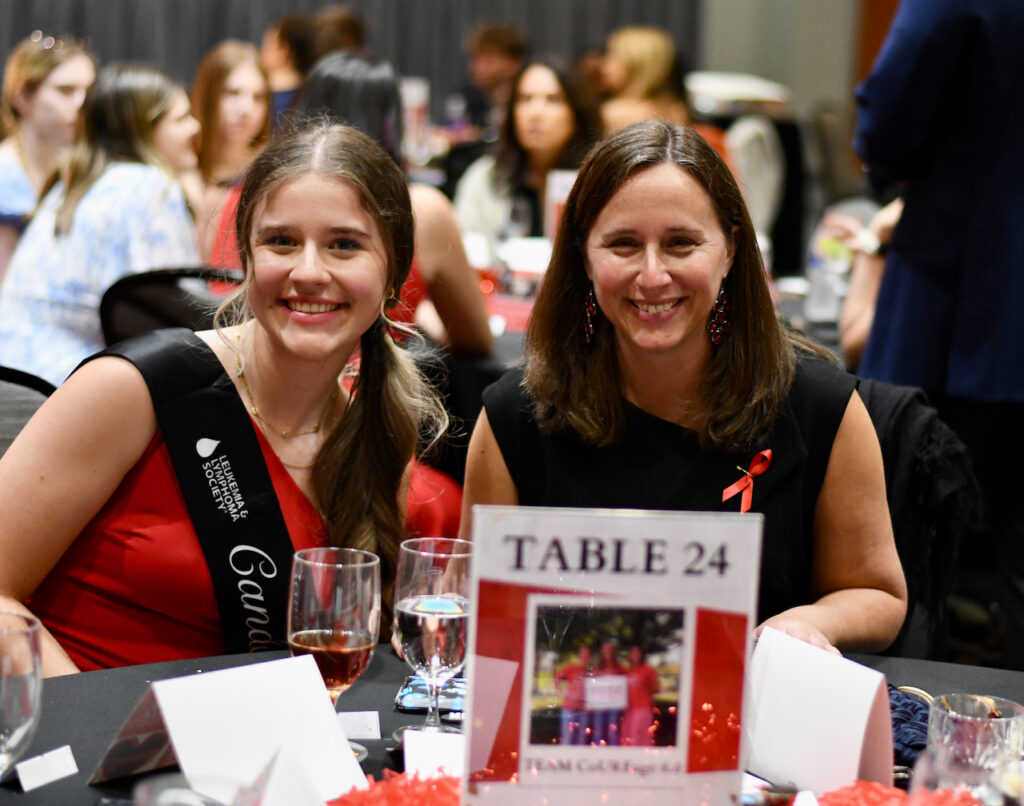
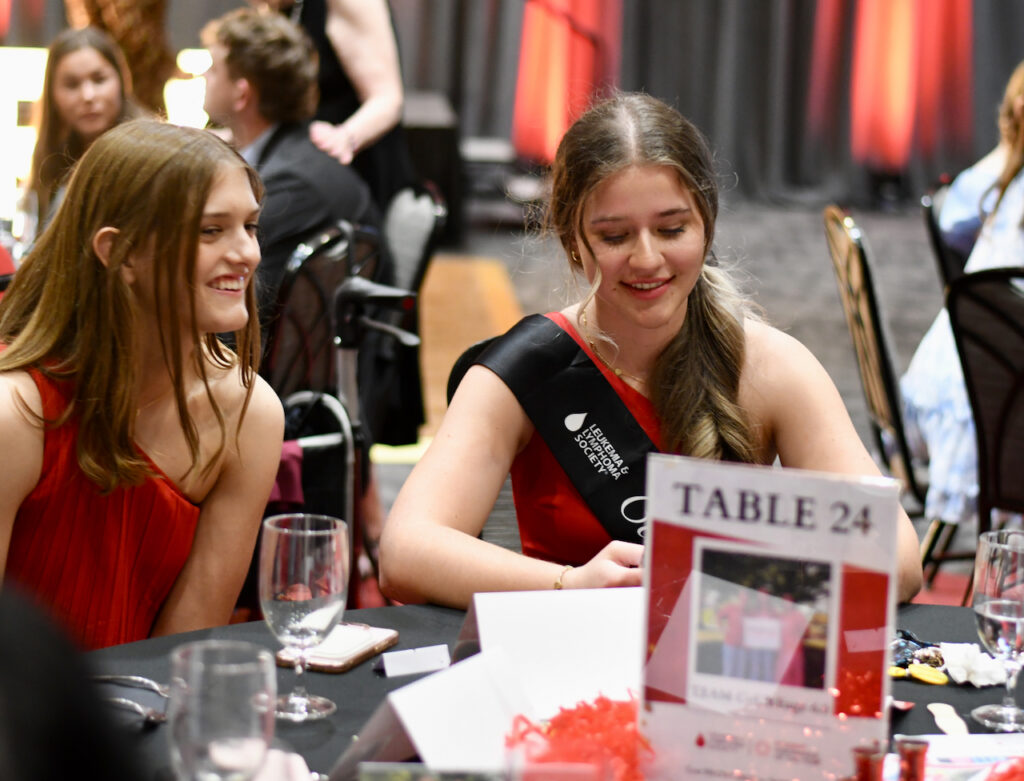
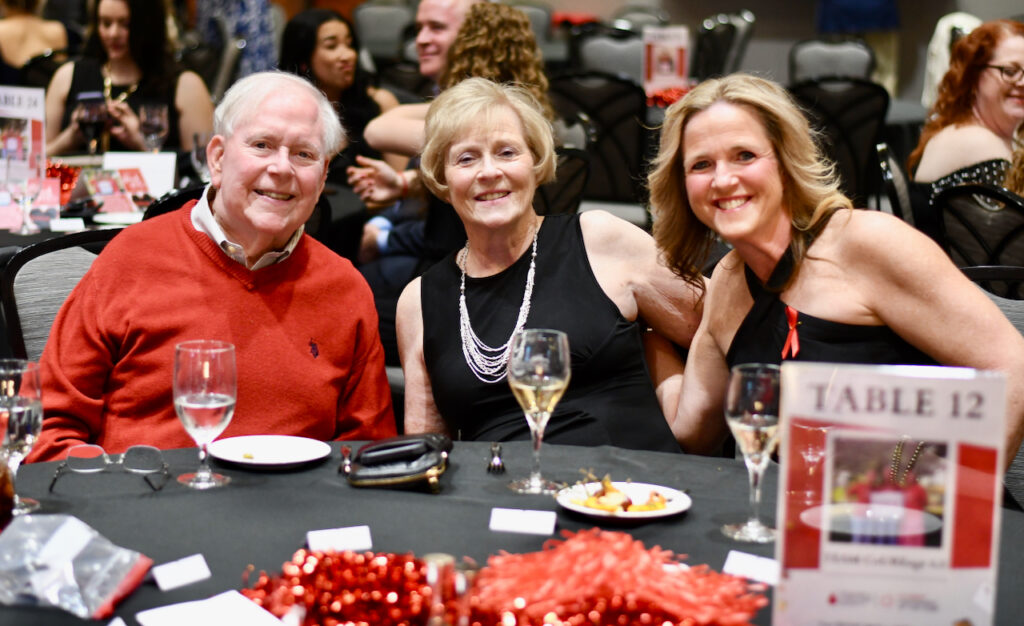
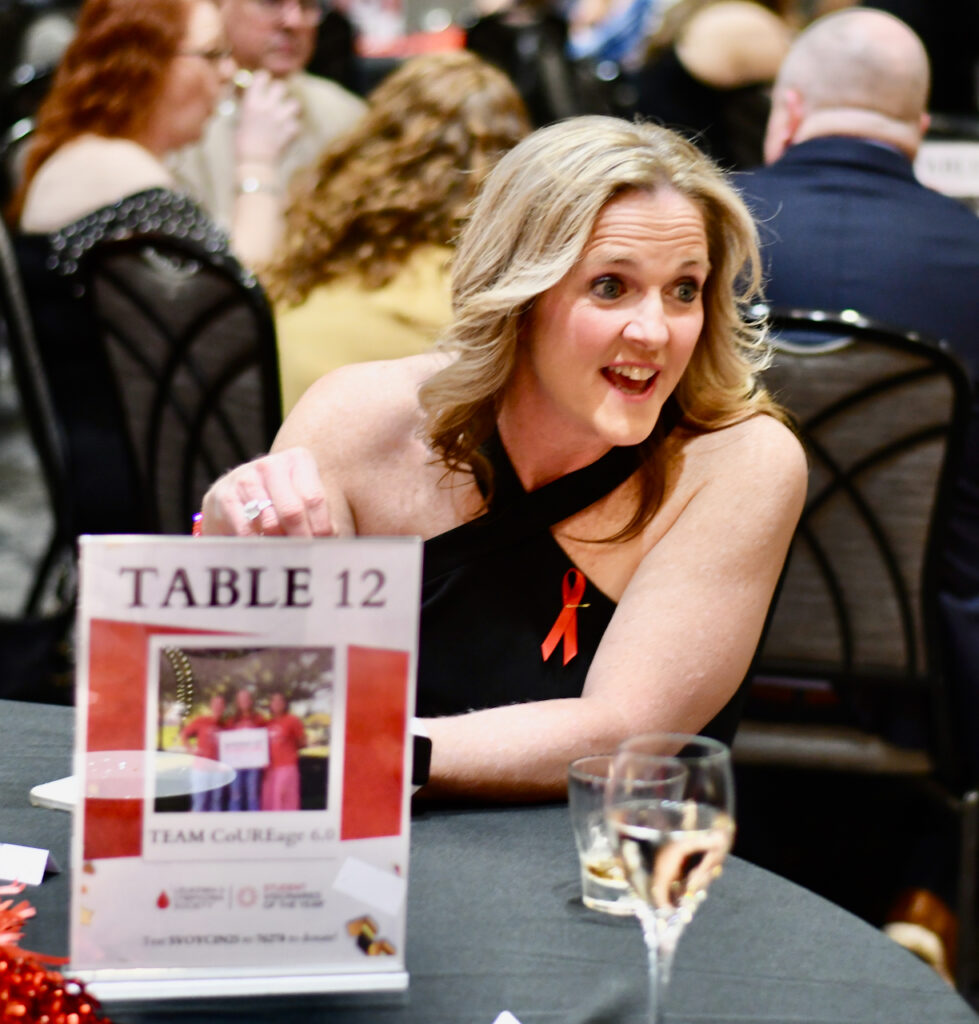
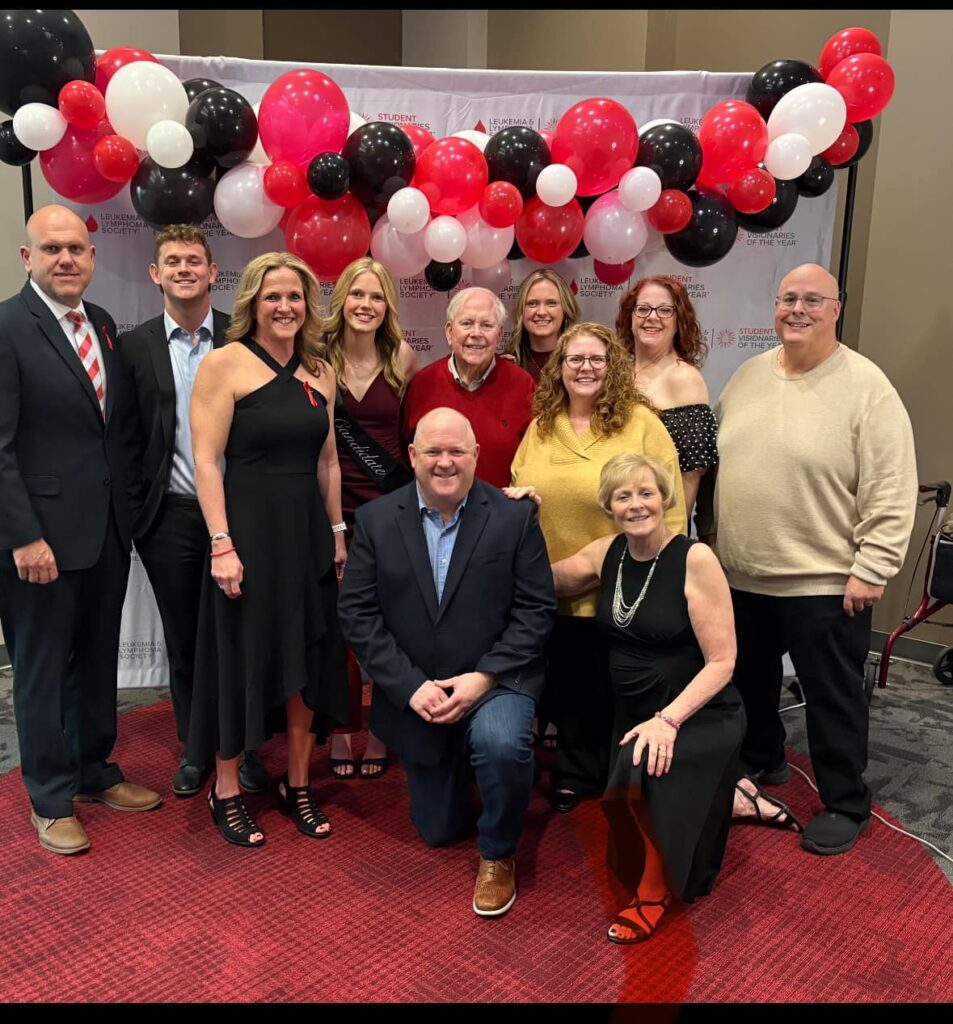
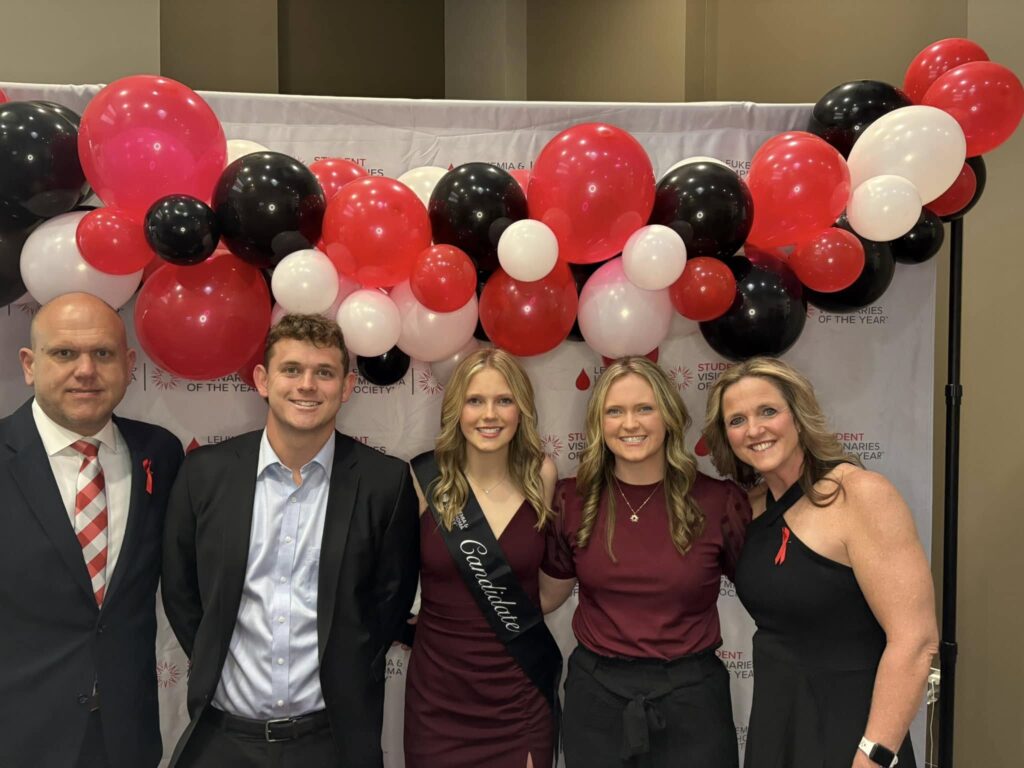
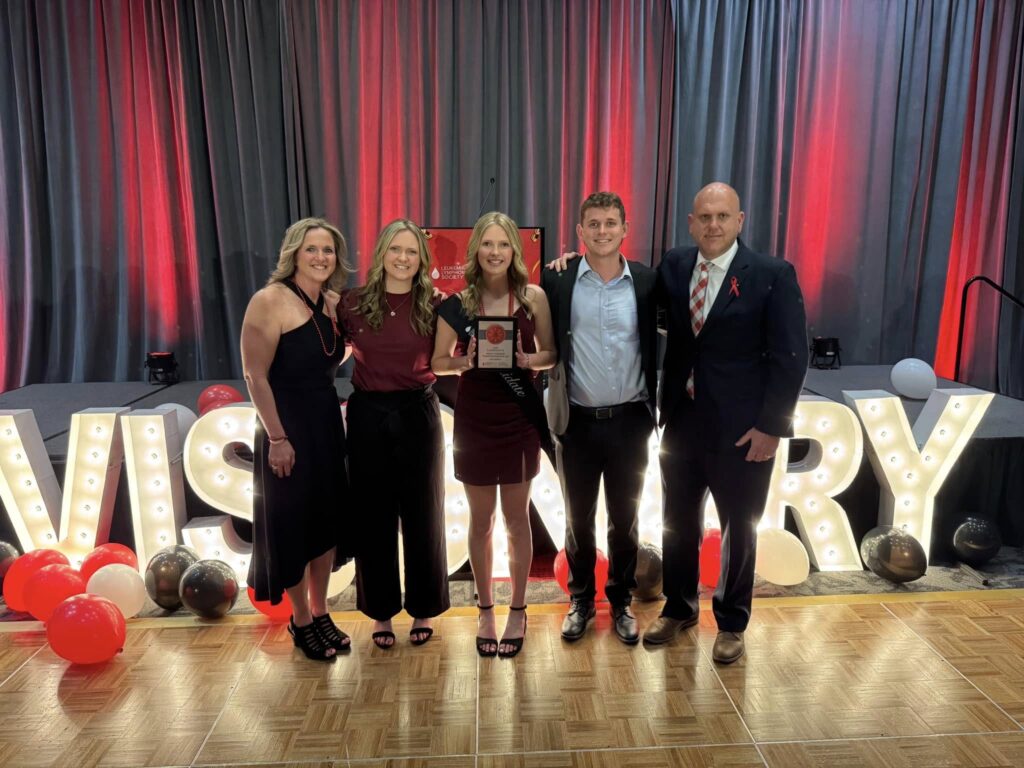
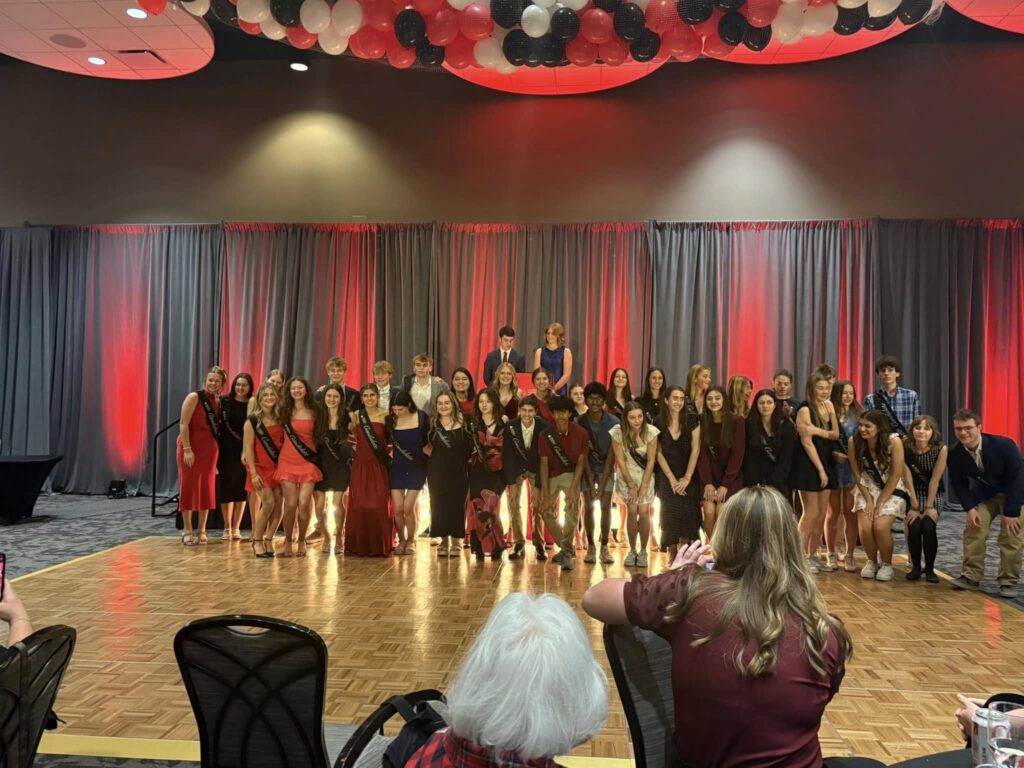
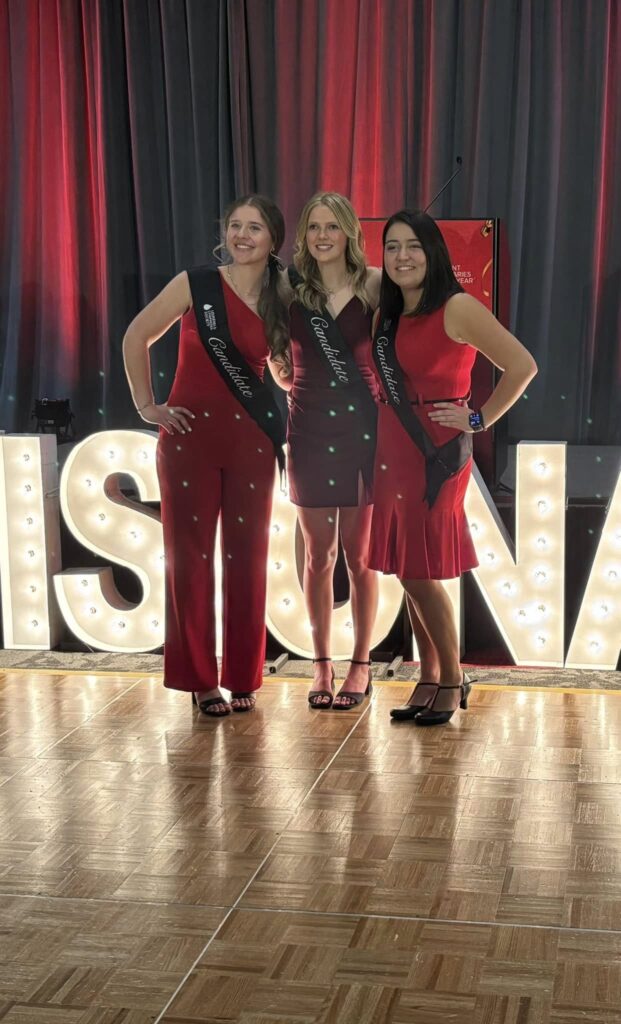
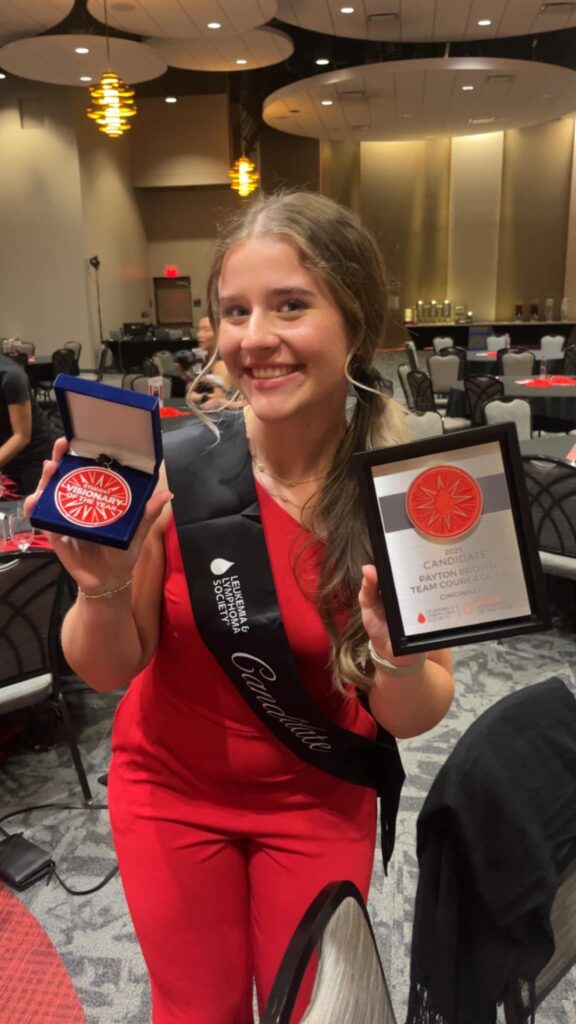
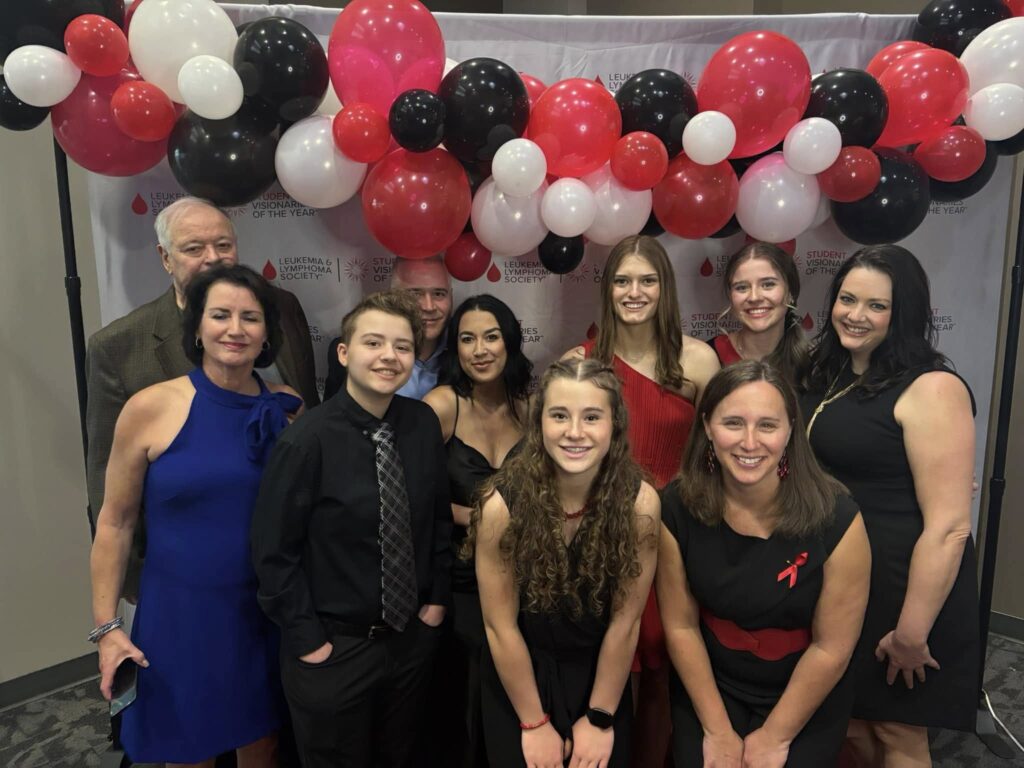
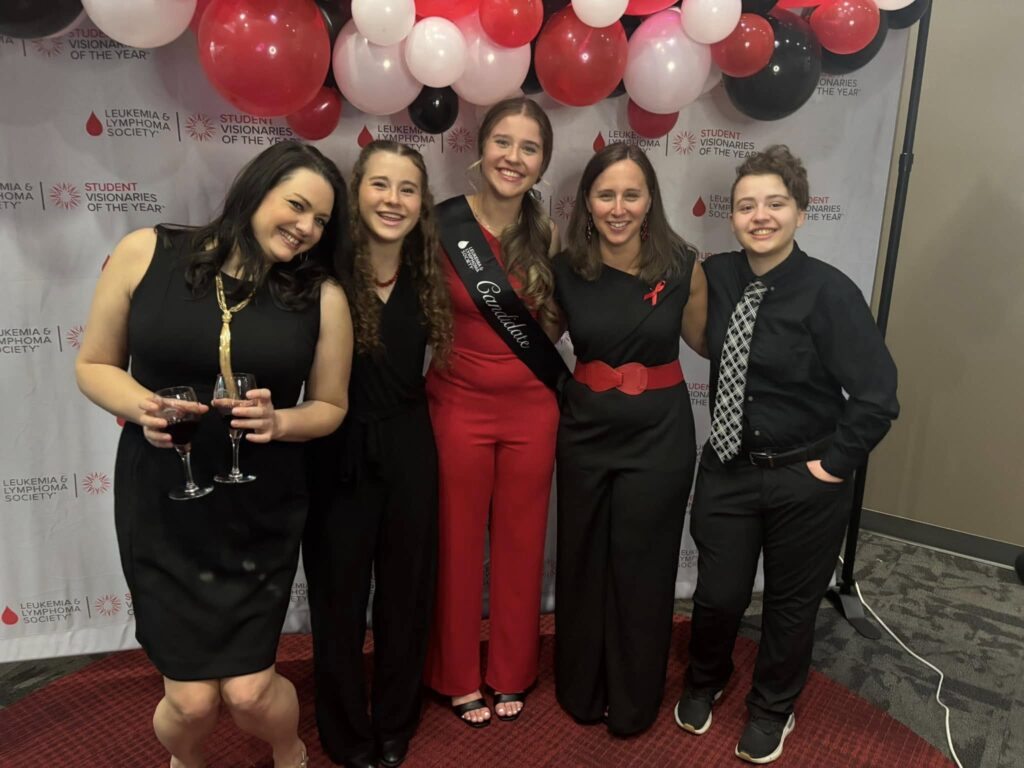
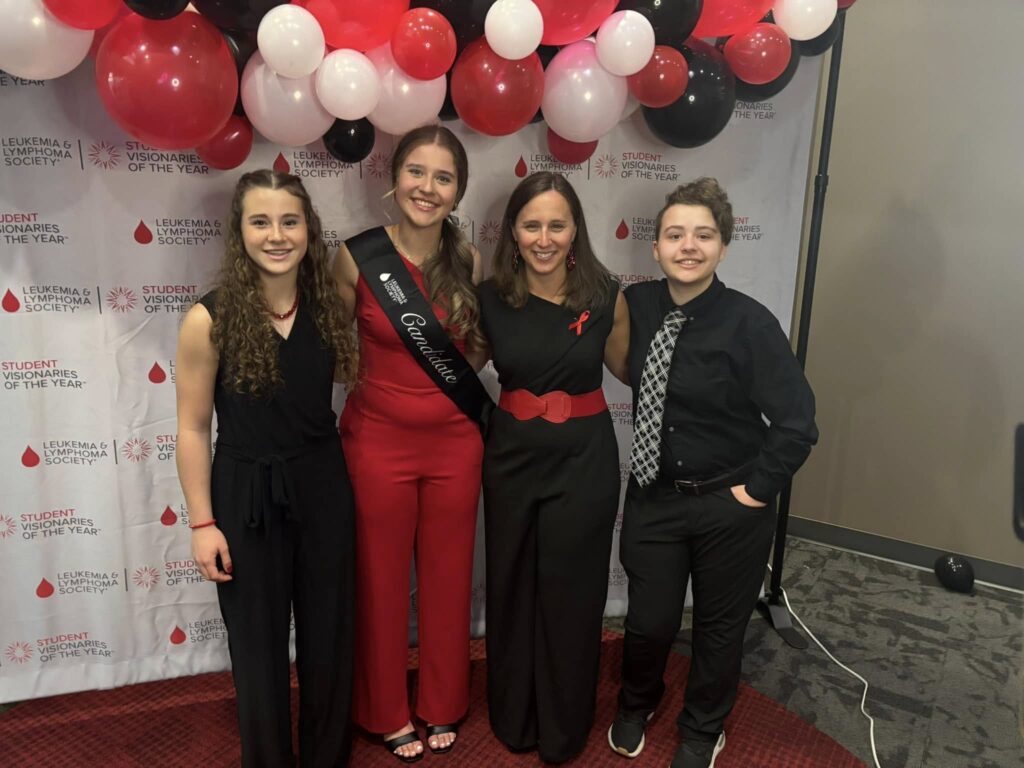
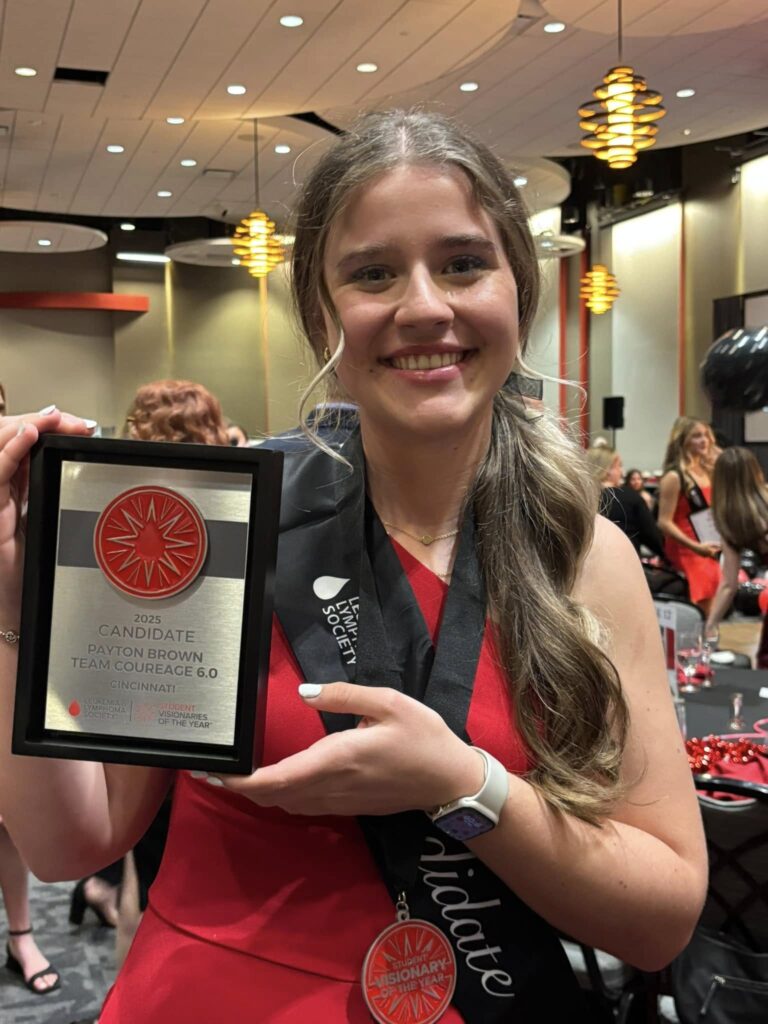
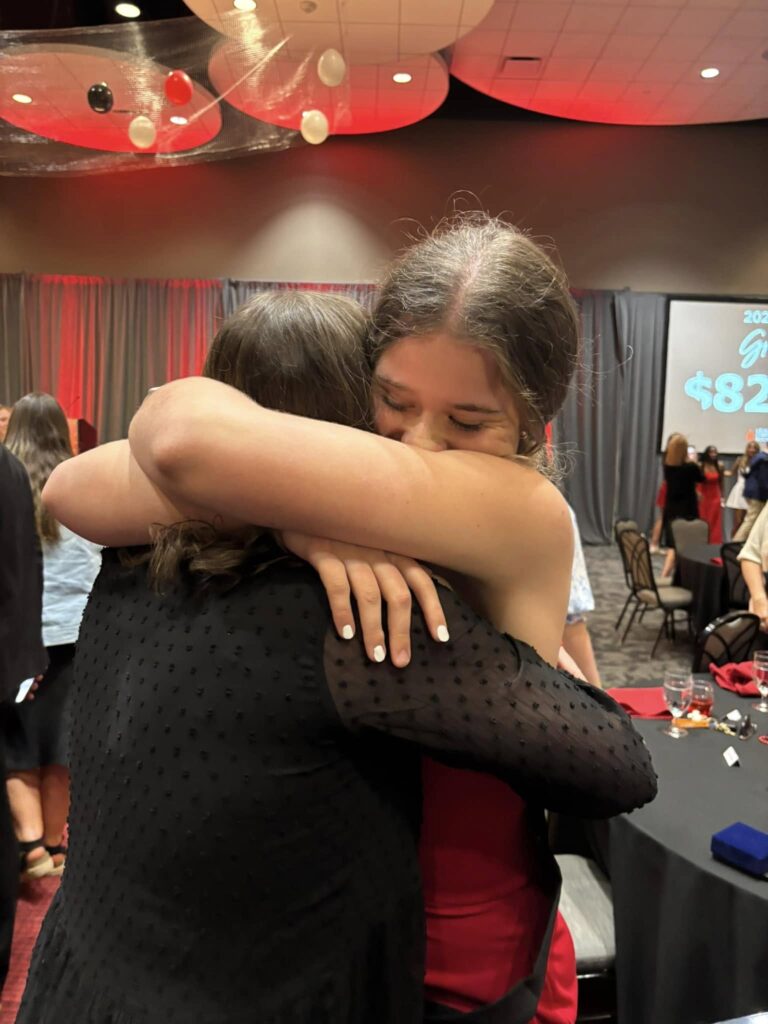
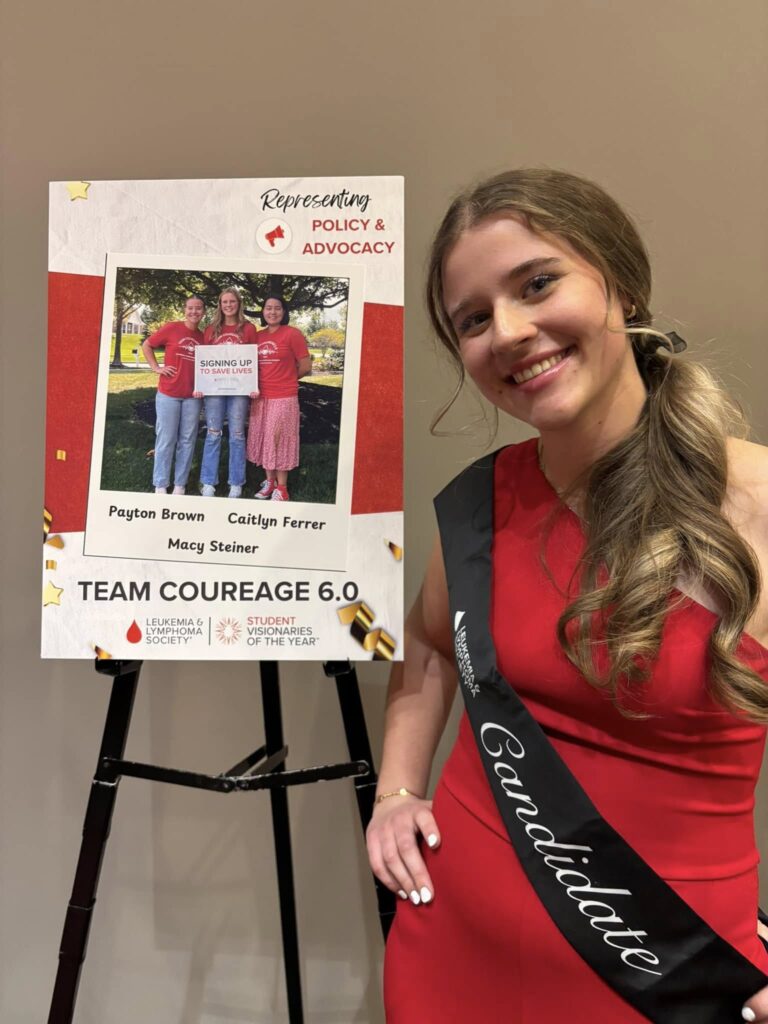
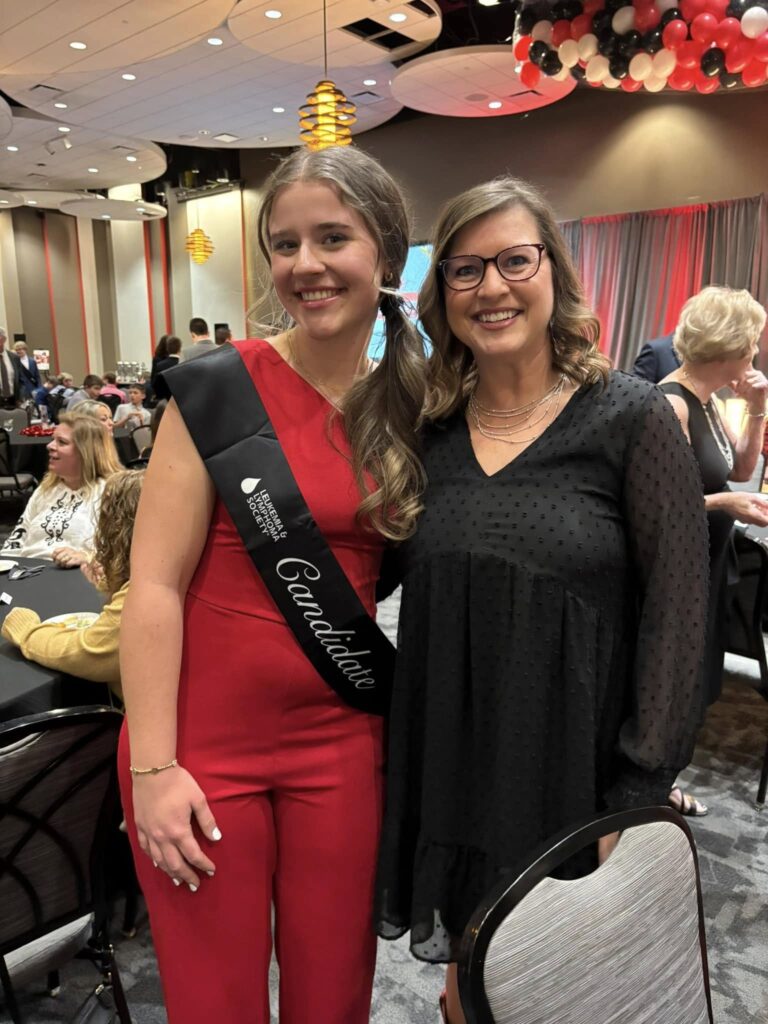
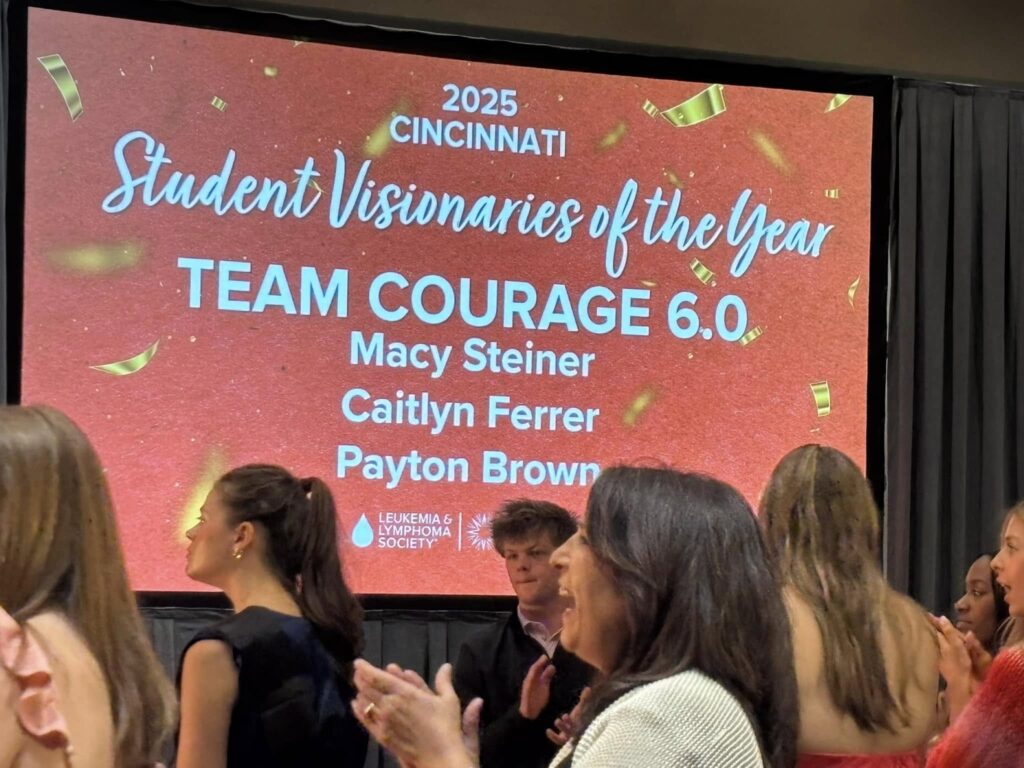
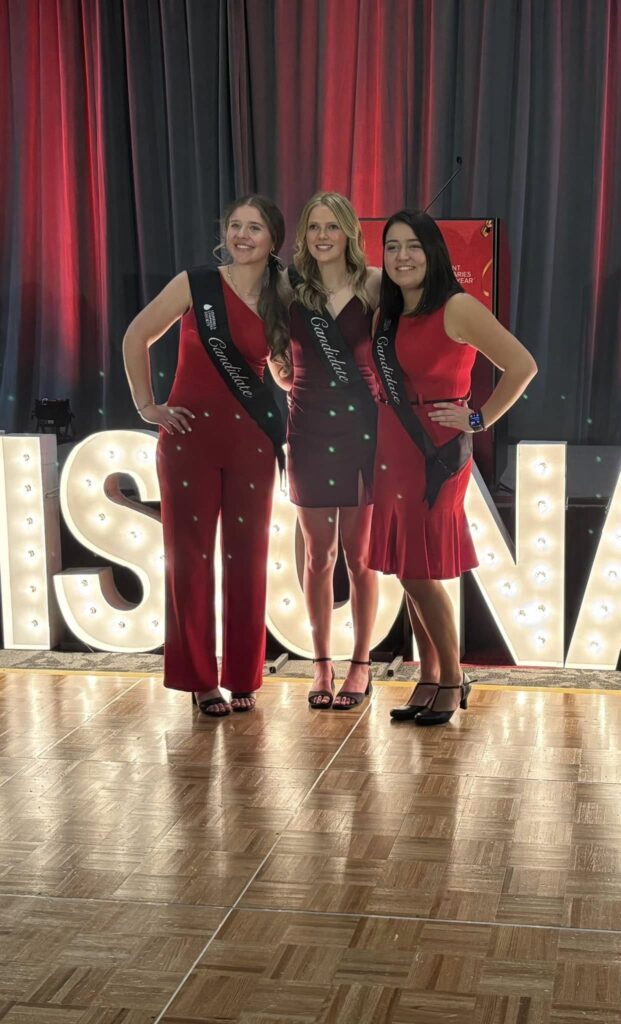
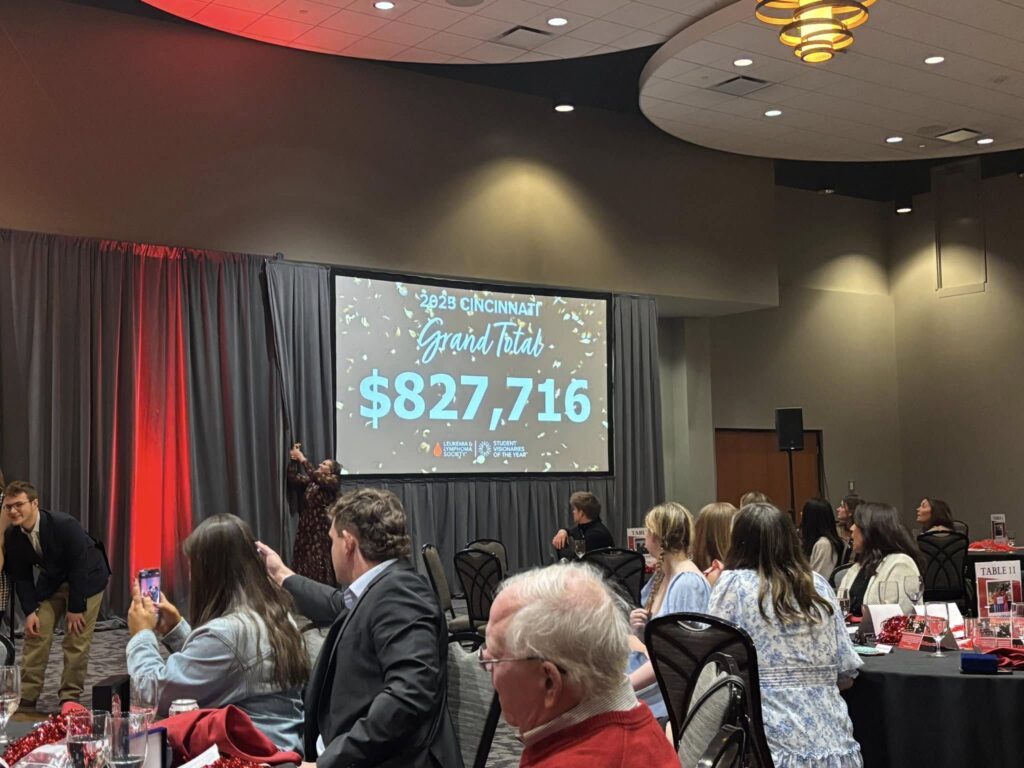
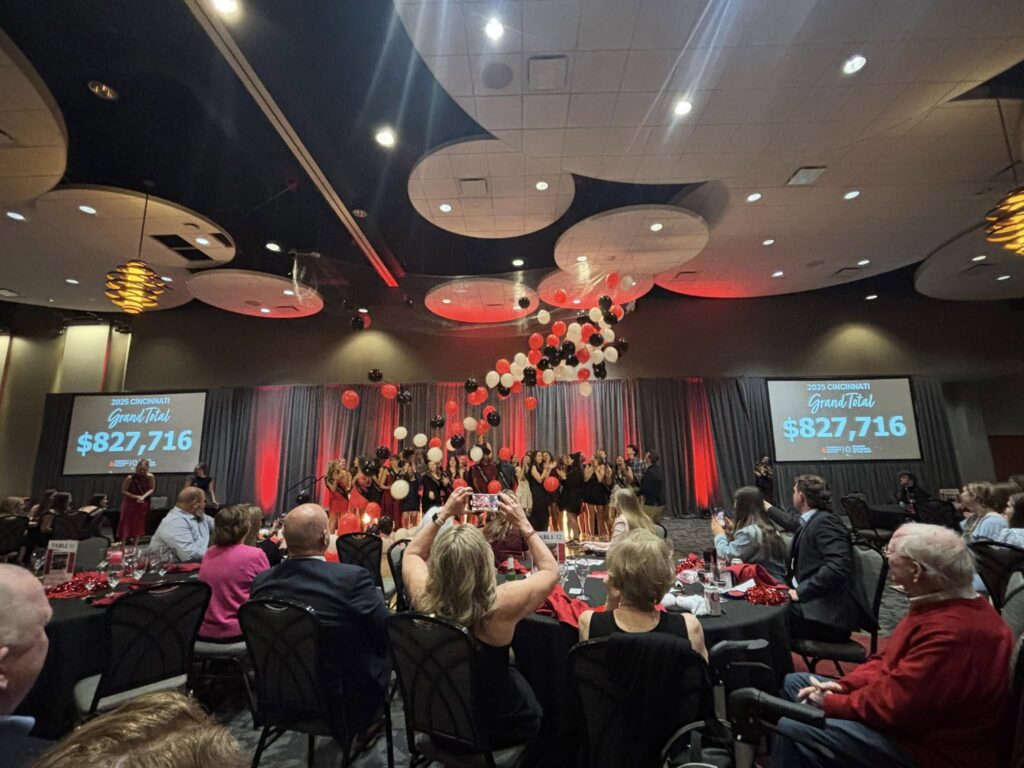
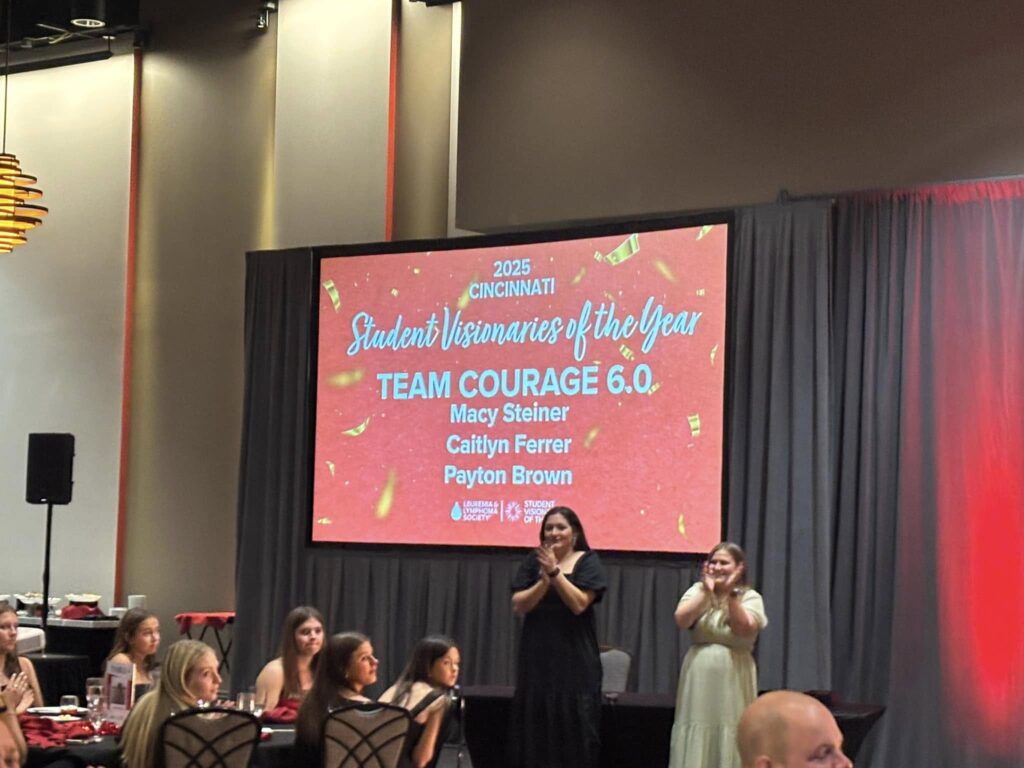
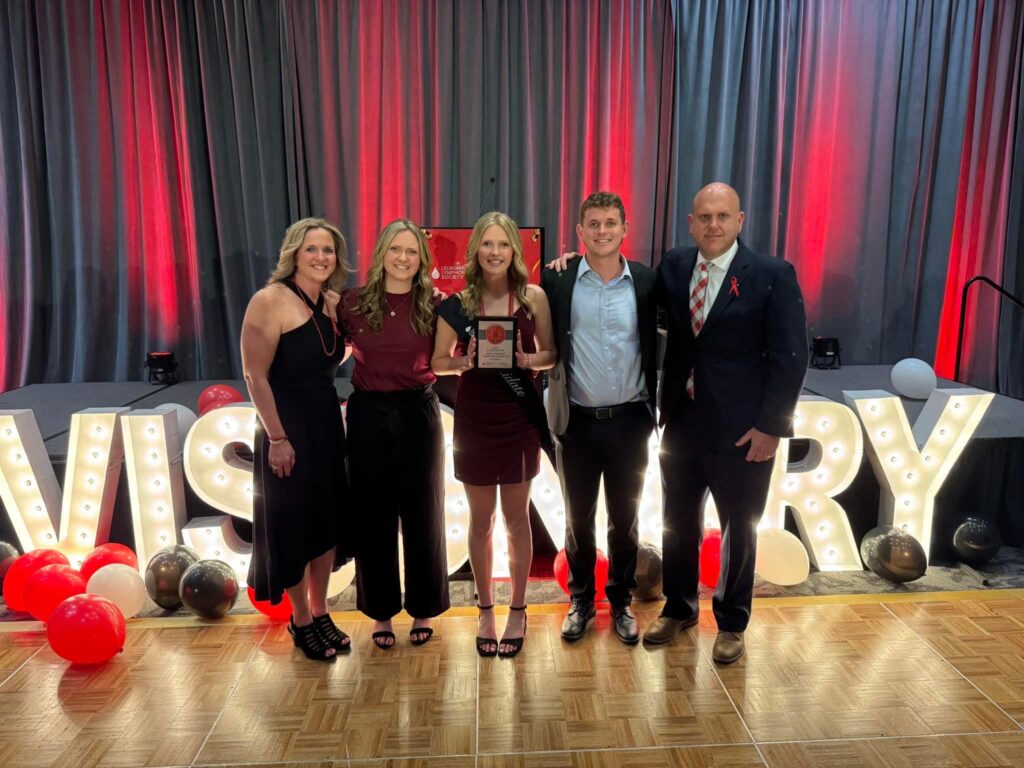
Members of Team CoUREage 6.0 were center stage at the Grand Finale for the “Student Visionaries of the Year” celebration at the Sharonville Convention Center on March Friday, March 14.
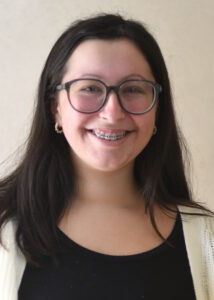
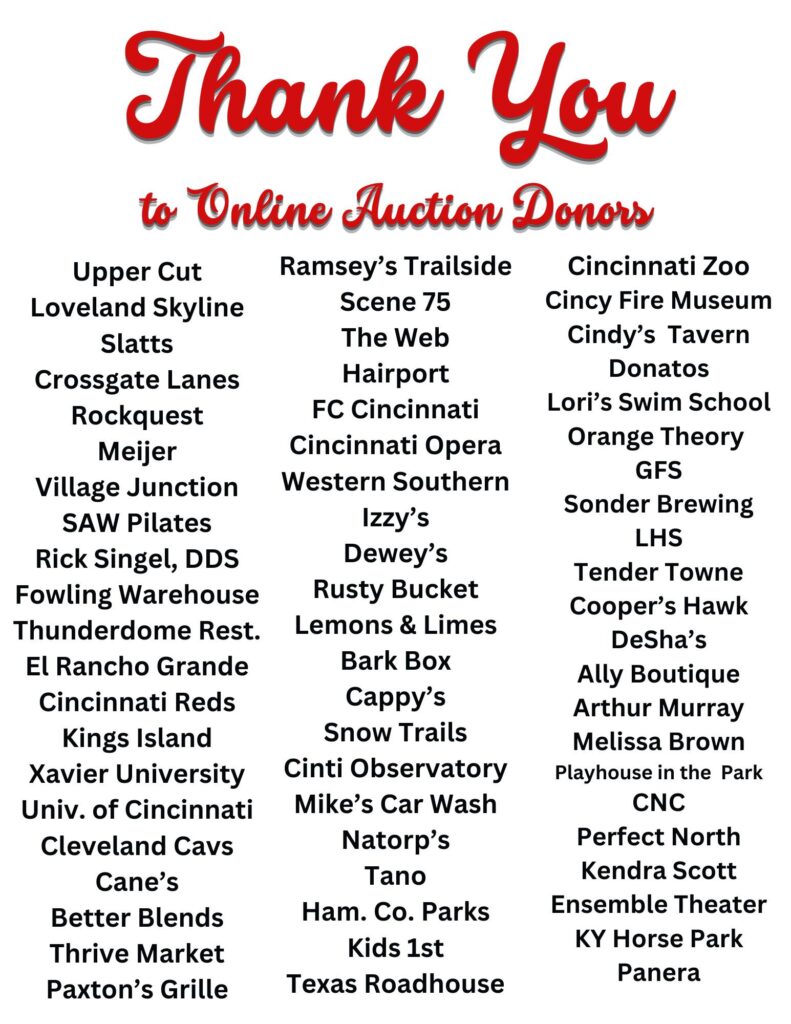
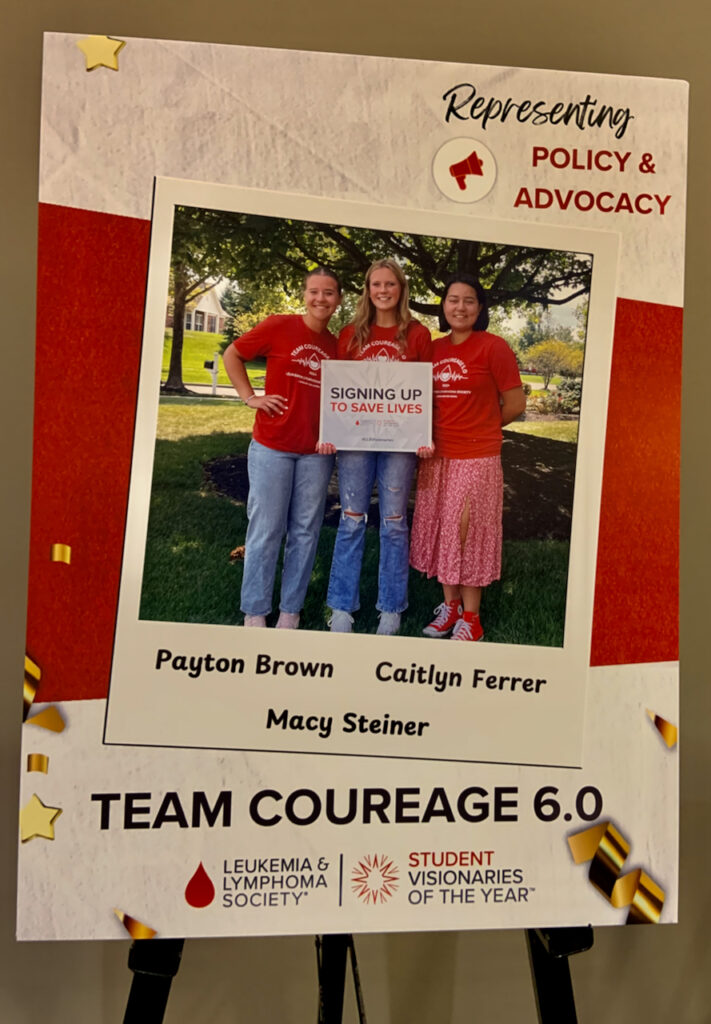
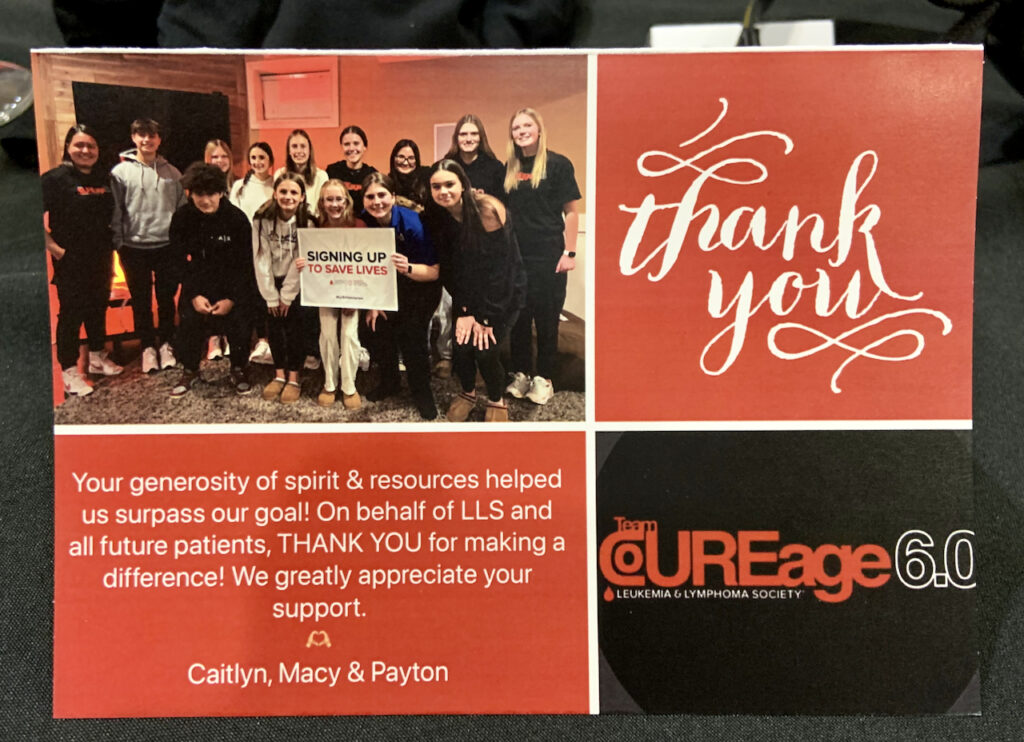
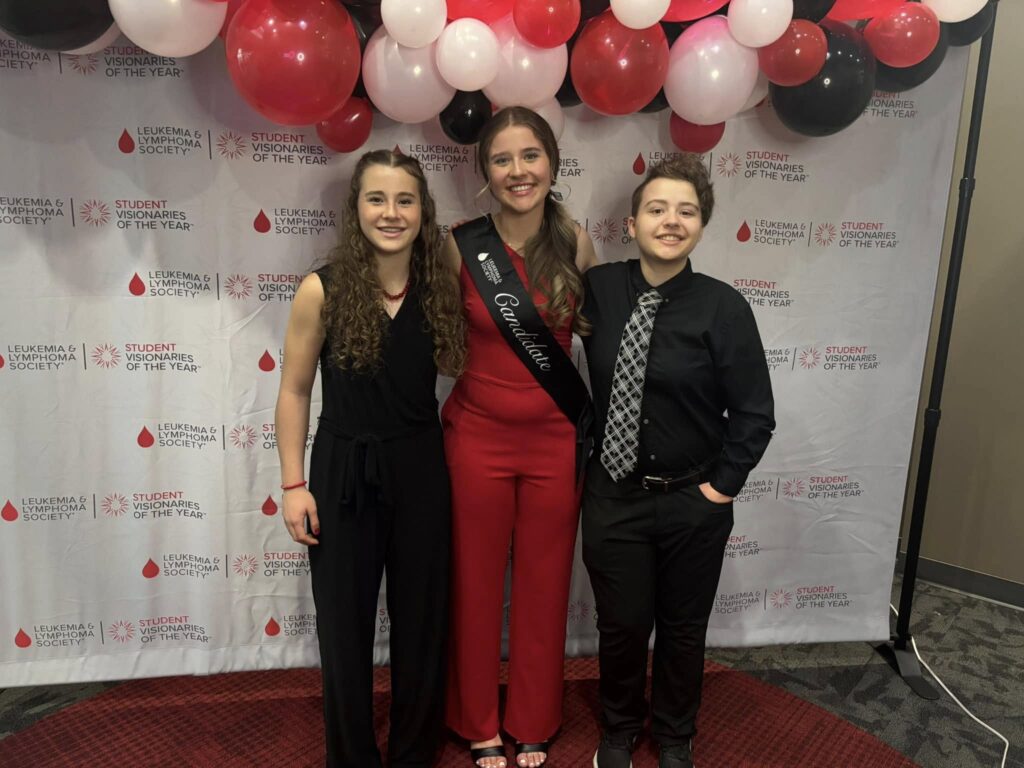
Loveland, Ohio – Macy Steiner, Payton Brown, and Caitlyn Ferrer led a record-setting campaign, raising a total of $244,000 in just seven weeks, setting the record in Ohio to help put an end to blood cancer.
While the duration of their campaign for the Leukemia and Lymphoma Society (LLS) was only seven weeks, these three women have had large amounts of dedication to get their Team CoUREage 6.0 together, gaining volunteers, setting up give-back nights, yard sales, online auctions, and much more.
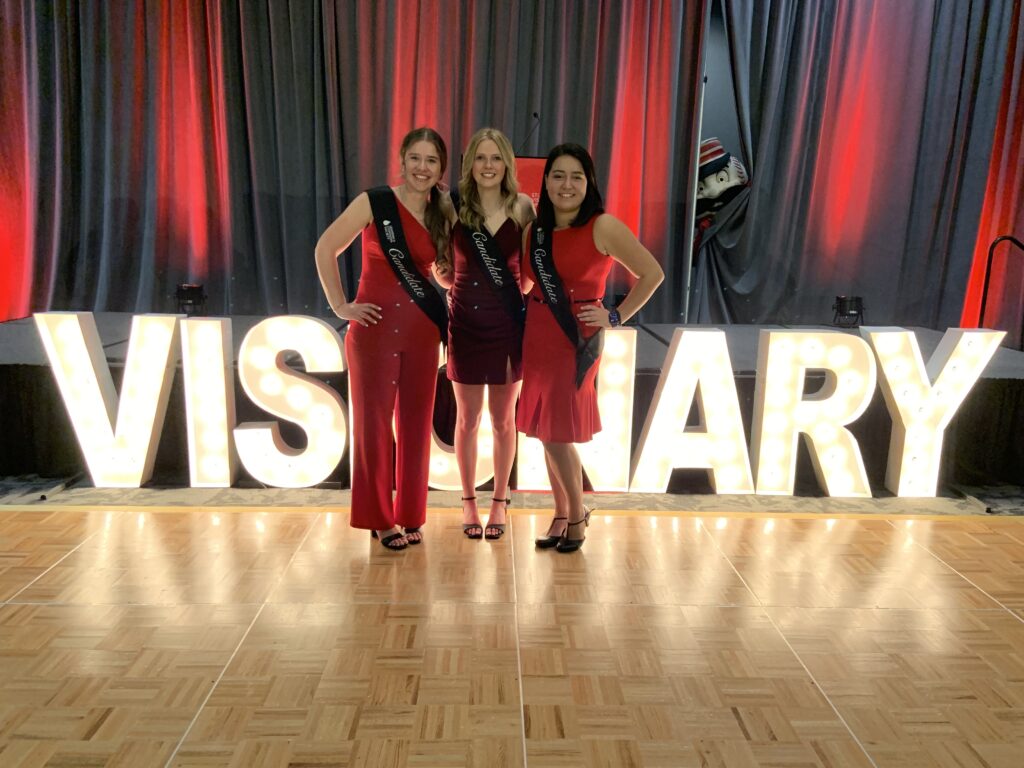
Through finishing and helping to lead the campaign, Payton Brown said she realized the extent to which a community can make in helping fight a disease. A large group of teenagers was able to raise almost a quarter of a million dollars, all due to true inspiration and passion. For Brown, the campaign has been extremely rewarding by being able to meet people who have suffered or have someone in their family who has suffered, and it influenced her exponentially throughout the seven weeks. By gaining knowledge of real accounts of leukemia, Brown’s motivation for fundraising has increased.
Brown elaborated, “This campaign has truly made a difference in my life. Seeing the change that a group of teenagers can make in a community and seeing the awareness that we can bring to this cause is inspiring. All three of us worked as hard as we can to make sure that this campaign was as successful as possible. Through this, we have made new friends, listened to stories from all different kinds of people, and been given the opportunity to make a true difference. I have learned so much throughout this process and I am so thankful for everything I am able to take away from it, as well as proud of everything we have been able to accomplish in the short 7 weeks we were given.”
Caitlyn Ferrer noted how glad she was to be able to make a difference to the harsh effects of leukemia. For her, being aware of how her efforts to fundraise were able to help find a cure for Leukemia and save lives is, “absolutely mind-blowing.” Being able to see the impact in the form of numbers that Cincinnati contributed allowed her to sincerely believe that her hard work had an impact.
Ferrer, along with her other two teammates, understands now how important and sometimes vital it is to ask for help.
With Team CoUREage 6.0’s campaign just having ended with a Grand Finale at the Sharonville Convention Center where all the area teams joined to celebrate each other, Macy Steiner said she has felt the effects of the rewarding experience she’s had while leading Team CoUREage 6.0. With close ties to cancer herself, Steiner felt that it was, “truly incredible to know that she helped give cancer patients and families hope.” Throughout the campaign, Steiner listened to numerous stories of cancer, inspiring her to reach out to anybody to fundraise as much as she could. Steiner now understands that a vibrant community, teamwork, and diligence are all that is needed to bring about large-scale changes.
Macy elaborated by saying, “Fundraising for the Leukemia and Lymphoma Society during the 7-week campaign was a very rewarding experience. Our community has been heavily affected by cancer, and I also lost my grandpa to cancer. Knowing this, it is incredible to know that I helped give cancer patients and families hope, that eventually, we will find a cure. Throughout the 7-week campaign, I listened to countless stories of how cancer has affected people’s lives, and this ultimately inspired me to fight harder to raise as much money as possible for cancer research. Knowing that this money we raised could eventually lead to breakthroughs in treatments made every minute worth it. I learned countless life lessons that I will carry with me for the rest of my life. A huge lesson I learned is that community connection is a crucial part of success, and big things can’t happen without a supportive community. I have no doubt that we have the most supportive community anyone could ask for. The way that our friends, family, school district, and community all came together to support our efforts shows the importance of this cause. Overall, I learned that working as a team, being humble, and diligence are the only true ways to make a difference.
Loveland Middle School teacher Katie Rose has been on the Leadership Team for LLS since 2018 and was the Co-Chair of the campaign this year with her brother, Chris Greulich. She mentors the team and helps choose the Visionaries each year. She is so involved because she lost her aunt to blood cancer 6 years ago.
Rose said, “It is my honor to mentor so many amazing young people through their Student Visionary of the Year candidacy. This campaign teaches them real-world skills while doing such important work for others. The Loveland schools’ and community support is demonstrated in all of the best ways. I’m so proud of this team.”
Jennifer Steiner is team leader Macey’s mom. She said, “Having been a parent of a Student Visionary in 2023, Emma Steiner, I was prepared and knew what to expect from the seven-week LLS campaign. I was happy to offer my advice and guidance to the team, and it was so rewarding to see them soar. The skills they learned will help them throughout their lives.”
A few of the skills Jennifer mentioned are presenting in front of a group, organizing over 50 events for the community, and having the confidence to talk one-on-one with adults about the importance of cancer research.” She said that she had no doubt they could reach their original goal of $100,000, but I was shocked to see the fundraising total reach nearly a quarter of a million dollars.
The changes Brown, Ferrer, and Steiner were able to bring about are truly inspiring. They have proven that teenagers and their communities can make a difference.
Watch as Team CoUREage 6.0 is announced as the the top fundraiser and the 2025 “Student Visionaries of the Year.”









___________