Tag: loveland

  • To the Mayor and City Council: 
Why Can’t We Vote?

    To the Mayor and City Council: 
Why Can’t We Vote?

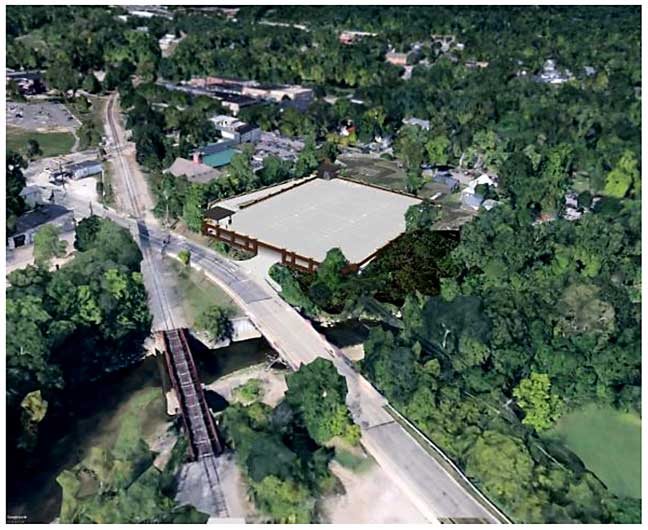
    The proposed parking garage for Historic Downtown as envisioned by City Hall.

    “A man without a vote is a man without protection.”

    Lyndon B. Johnson

    by Lauren Enda

    I retired here from the National Security Agency after 30 years of playing my part to protect the United States. I did not expect to continue that role in retirement, but in my opinion, democratic principles in Loveland are in trouble, especially with the proposed parking garage in Historic Downtown. The Mayor is on record denying residents the right to vote on whether to build the garage. I will not stay silent when this and other examples of abuse of power in my own city are happening. Below, I outline examples.

    In recent weeks, we have heard evidence about the mayor’s record of stifling free speech – both of ordinary citizens and of council members. Also, a Loveland resident captured a photo of a campaigner for the Mayor’s “endorsed block” who was removing campaign signs of their opponent on Election Day. Removing campaign signs subverts open, free and fair elections. Who authorized this tactic? Every Loveland resident should be concerned that this type of anti-democratic behavior is happening here. This behavior does not uphold democratic principles. These are two examples of democracy in trouble, but I will focus now on the garage. 

    Building a multi-story level parking garage in Loveland is very controversial. Many Loveland residents do not want it. The only official feedback we have about the garage is the recent election. Only one council member indicated he was opposed to the garage. And he won the most votes. The message is clear. Loveland voted against the garage. If the Mayor and the newly appointed Council go forward with the garage, they do so against the will of the people. 
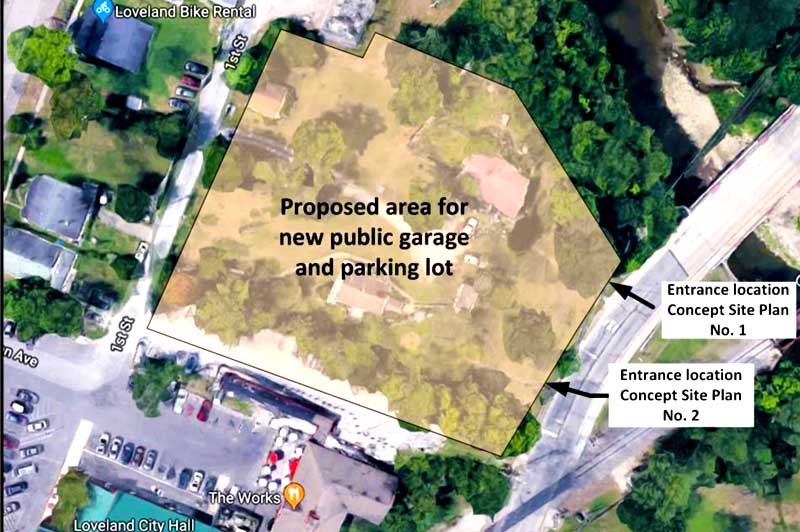
    But does the will of the people matter in Loveland? Mayor Bailey clearly does not think so. During a council meeting on 11 February 2020, the mayor said, “Residents will not be voting on the garage.” When asked WHY residents were not allowed to vote, the mayor responded, “You vote on your elected officials and those are the decisions we have been elected to make.” The Mayor would like for residents to become mute after an election, however, an election does not provide the winning party free rein with taxpayer money. An election does not give the winning party carte blanche to permanently disfigure a town without the clear support of the people. An election does not give anyone a green light to plan a large, controversial project in virtual secrecy. 

    Below is video of resident Karen Hawkins asking the Council, and specifically, Mayor Kathy Bailey, about the inevitably of the parking garage being built in Historic Downtown Loveland and if the public will be allowed to vote on its construction.:

    Elected officials should uphold the will of the people. They should give citizens a voice, not deny their voice. Residents are not mute once they leave the polling booth. Quite the contrary. Loveland citizens should retain a voice in what is decided here – especially on the largest capital expenditure in the history of Loveland.
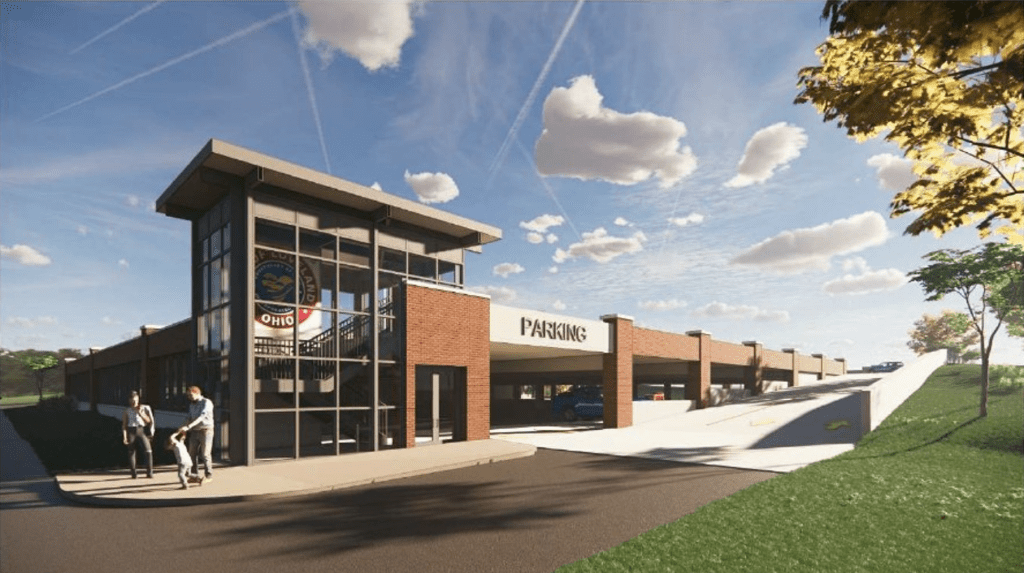
    The proposed parking garage for Historic Downtown as envisioned by City Hall.

    Protection from abuse of power at the federal level is enshrined in the Constitution by checks and balances between the executive, legislative and judicial branches. What safeguards against abuse of power does Loveland have?  Where are our checks and balances? How does Loveland’s electorate ensure our voices are heard? 

    Luckily, there is precedence that the council could use to uphold democratic principles – Council could determine the will of the people by submitting the garage to a vote. In 2007, Loveland was faced with a similar decision – whether or not to build a YMCA. Since it was an expensive project with strong opposing views, the council wanted citizen input and put in on a referendum. The voters went to the polls and voted the project down. Other municipalities have put similar proposals to a vote. This is how democracy can work when a Council respects the electorate and allows them a vote. Why is our Council not providing us the same opportunity?
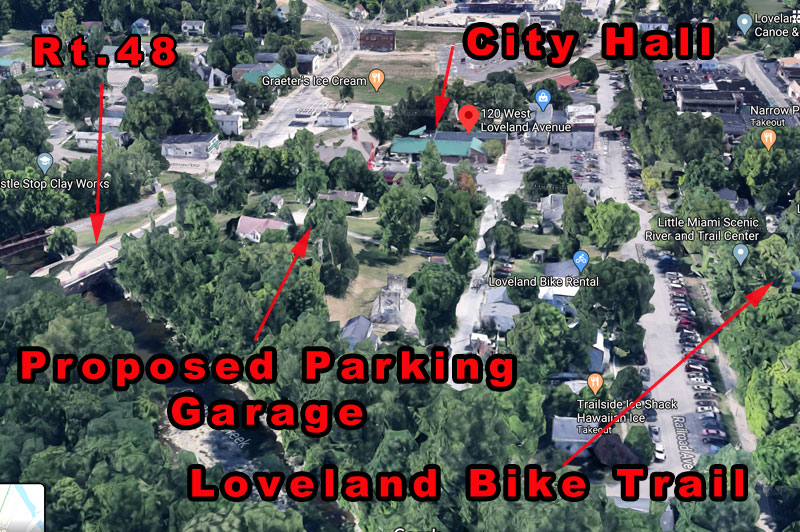
    My recommendation to the new Council who support the garage is to let Loveland vote on it. The recent election suggests the public doesn’t want the garage. The burden lies with Council to convince the public that this project is in the best interests of the city and the taxpayers. Once appropriate data is gathered and shared with the public on why it is necessary and how much it will cost, then let us vote. Ignoring voter input from the recent election and restricting voter input for the next election is certainly not democratic. 

    It is not too late for the Council to make this right. Loveland goes to the polls again on May 3rd. To the new Council, this is your chance to show that you are listening to us, not developers or outside interests. Your responsibility to listen to the voters does not end once the election is over. That is when your responsibility begins. Let us vote.
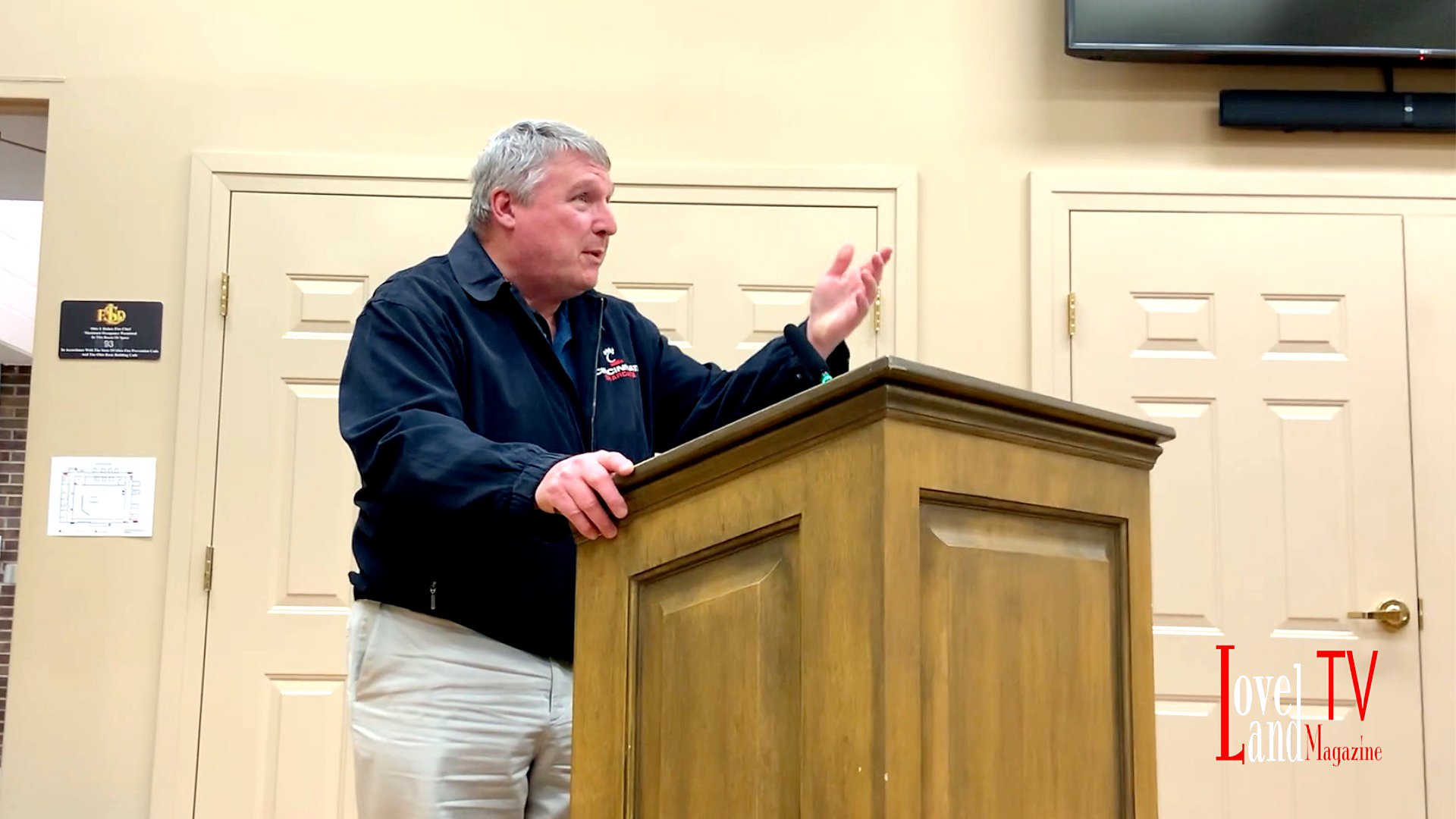
  • [Video] Tom Scovanner on leadership and the selection of a new Mayor of Loveland

    [Video] Tom Scovanner on leadership and the selection of a new Mayor of Loveland

    Loveland, Ohio – Resident Tom Scovanner has an Army background teaching leadership skills at the United States General Command and Staff College. He went to the open forum podium at the Loveland Council meeting on Tuesday, October 23 to express his thoughts on leadership and the selection of a new mayor that will be made on December 6.

    He described the job as teaching Majors and Lt. Colonels so they could lead complex organizations.

    Scovanner said that Loveland should move into 2022 with a new Mayor and suggested it should be Tim Butler.

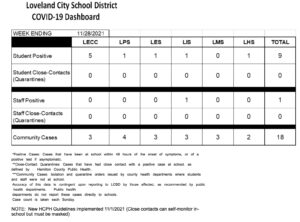
  • Loveland School Covid 19 Dashboard for November 28, 2021

    Loveland School Covid 19 Dashboard for November 28, 2021

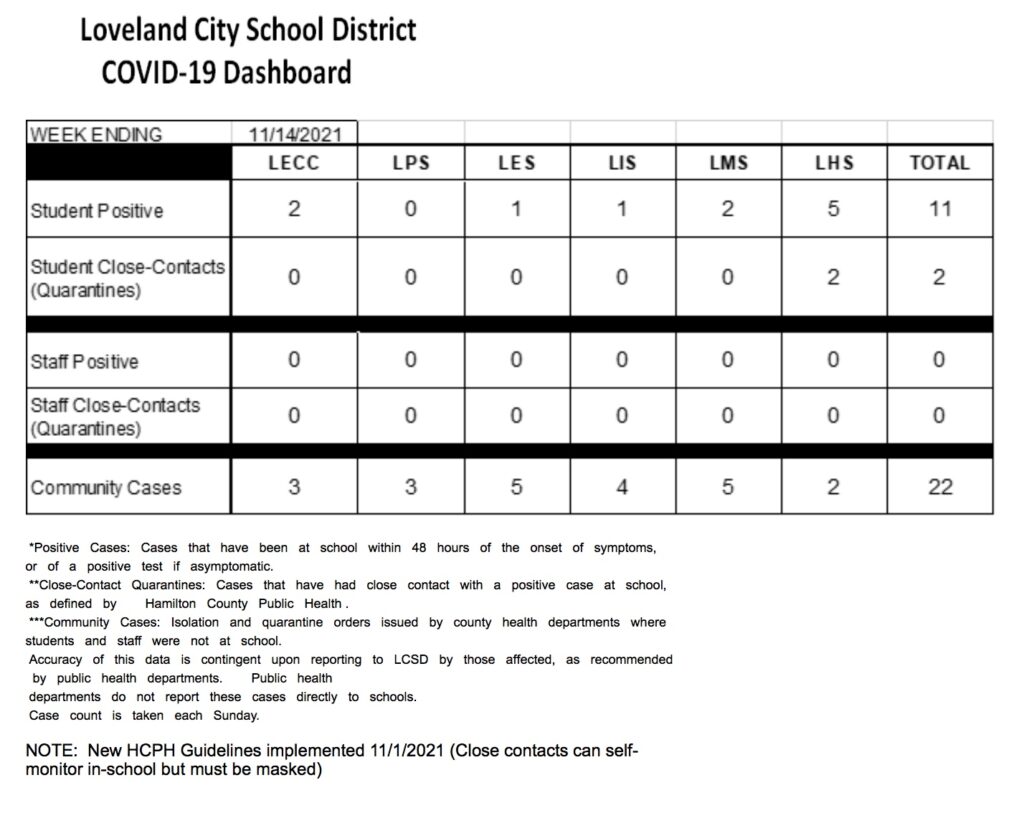
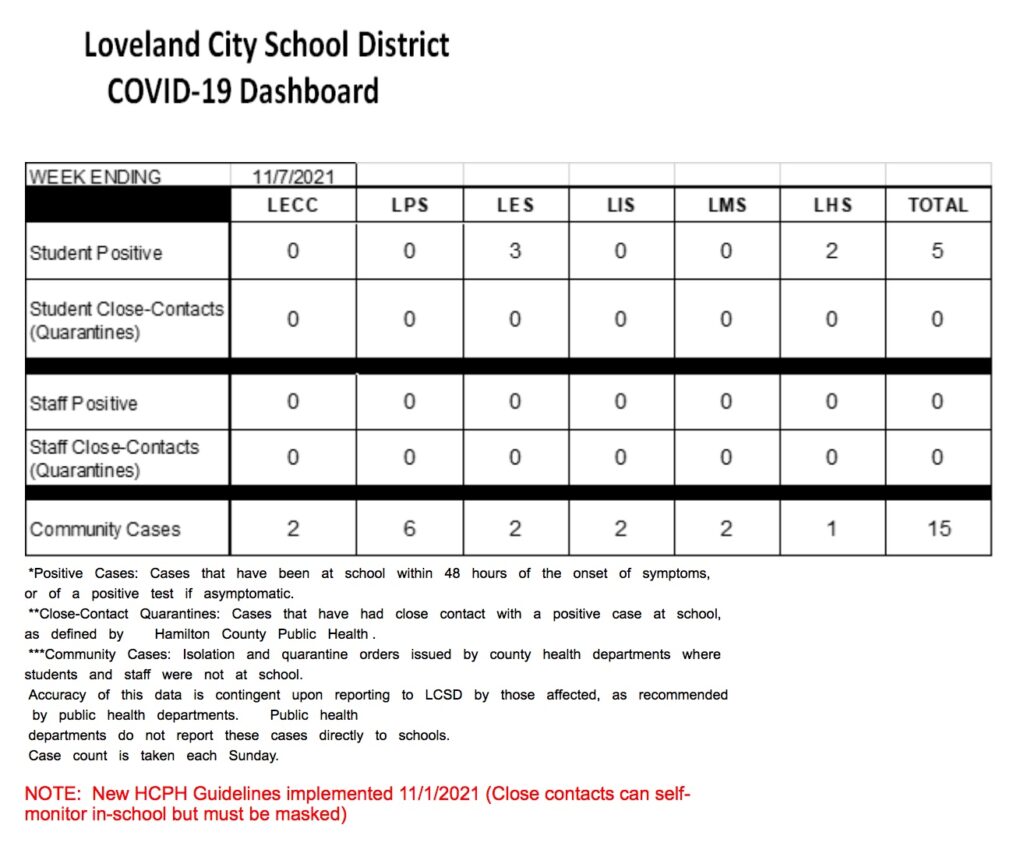
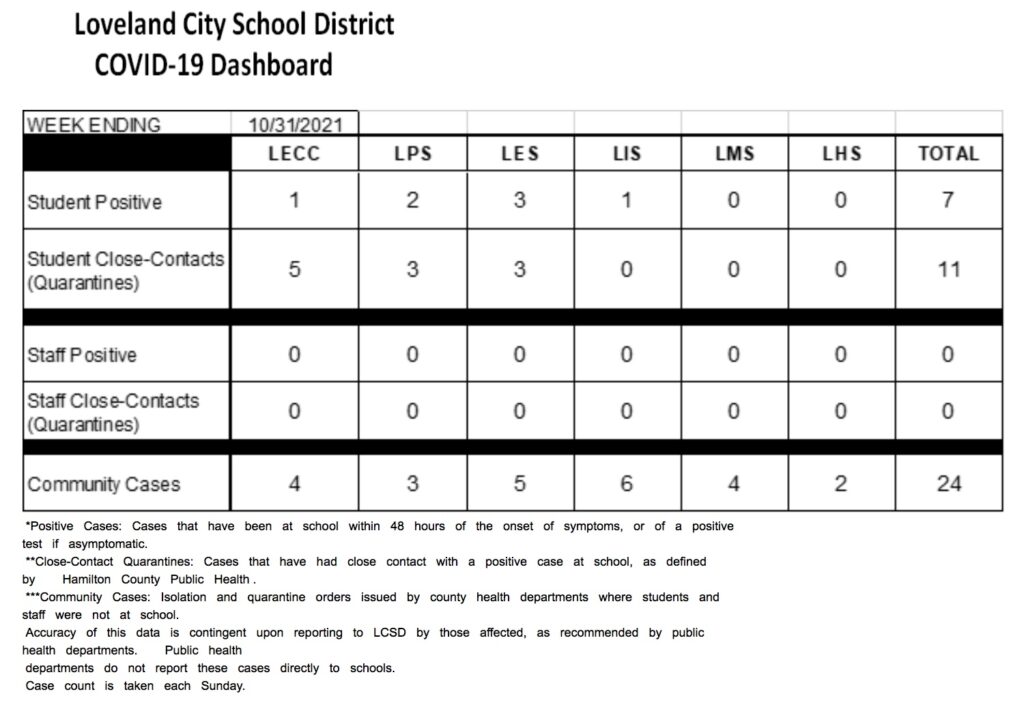
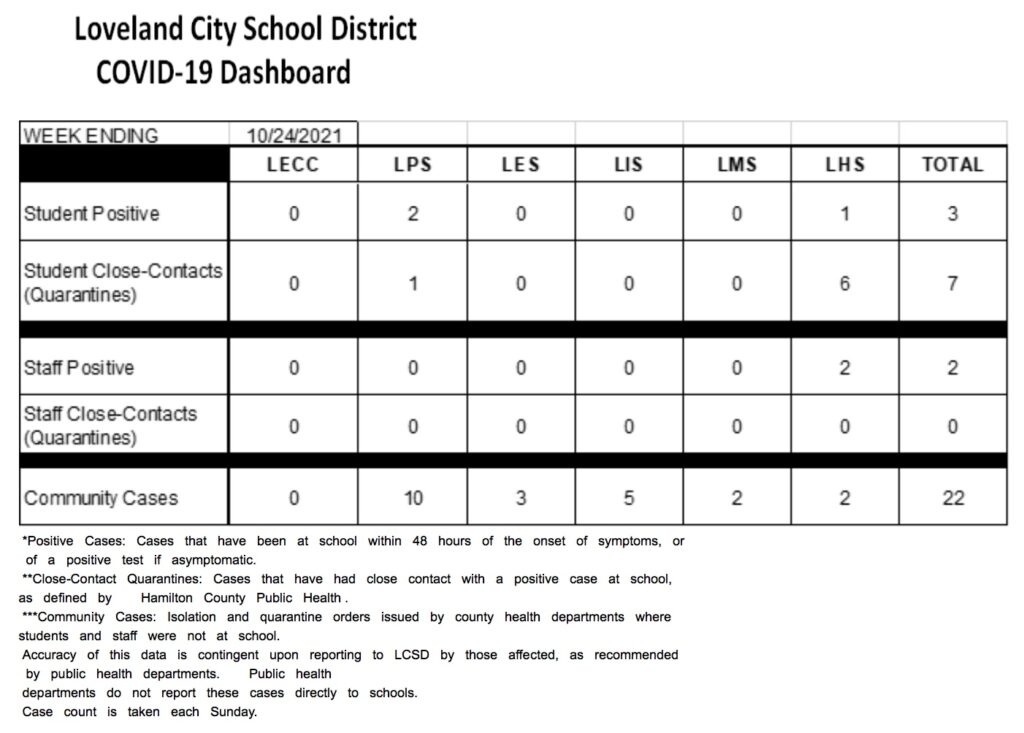
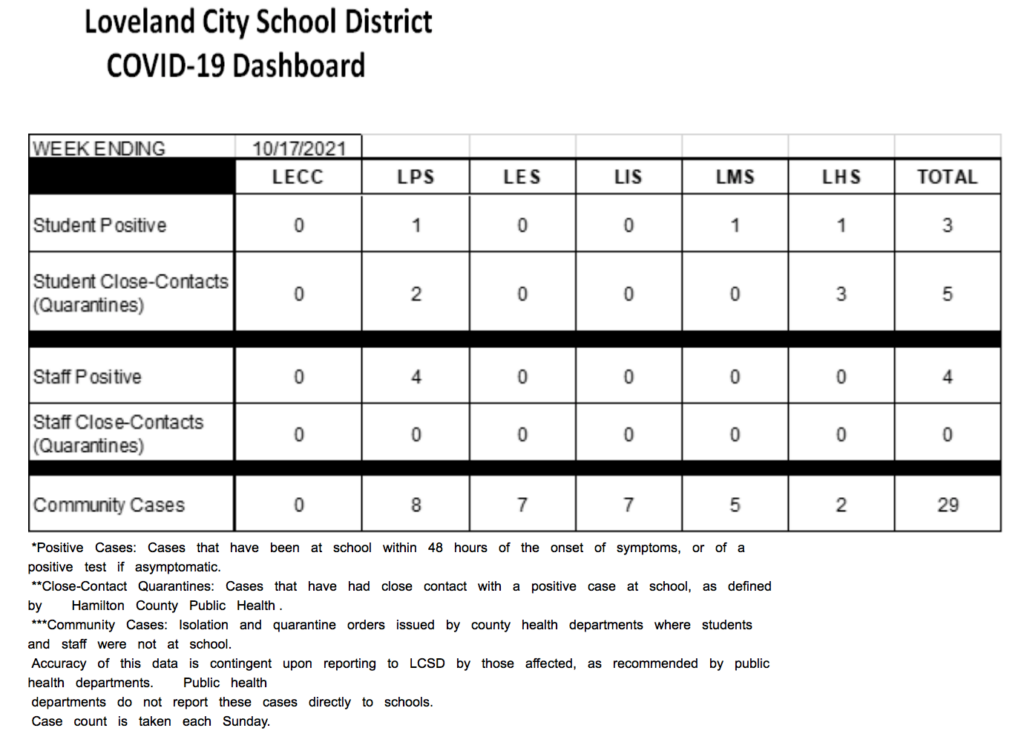
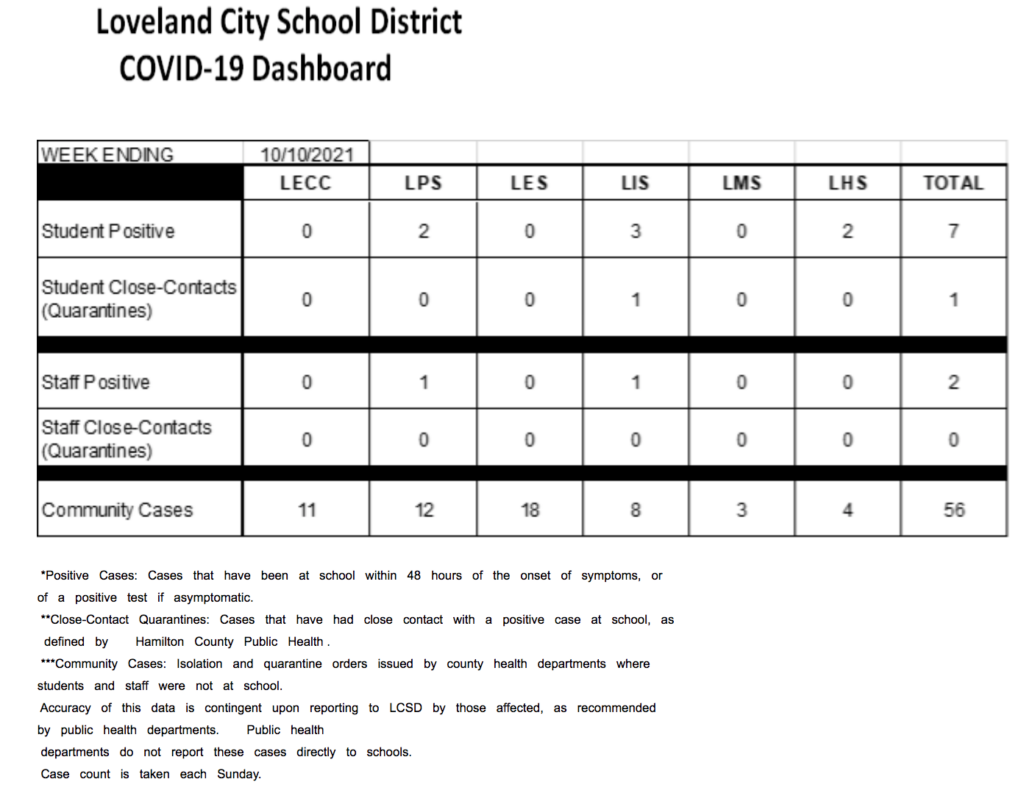
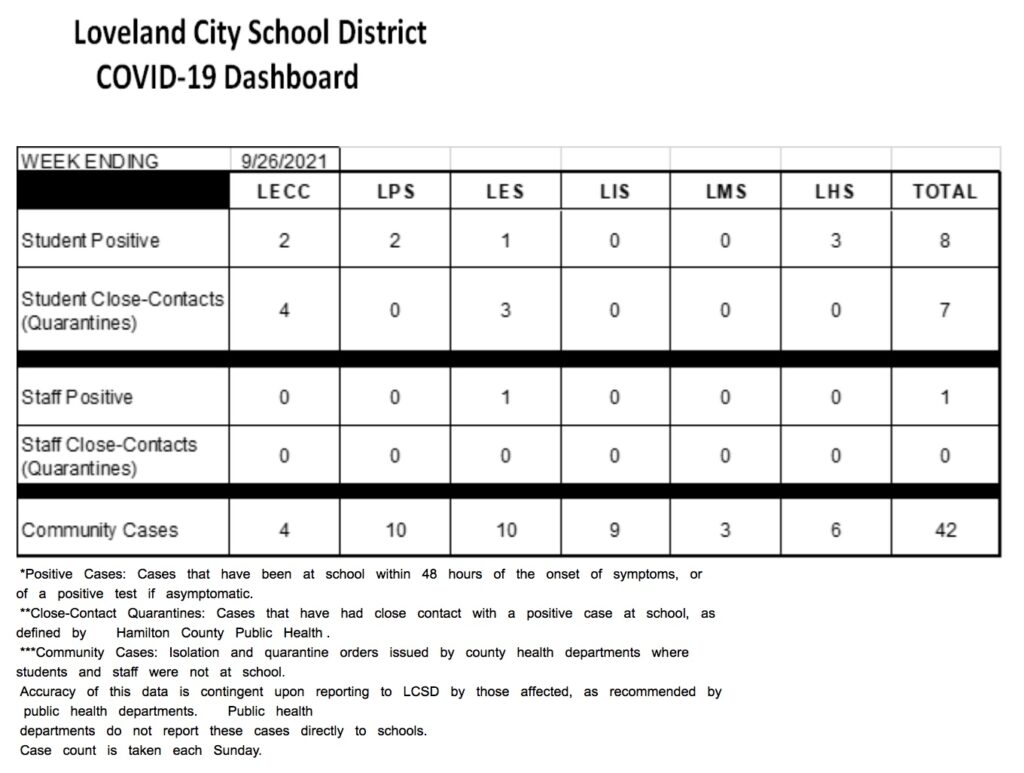
    Loveland, Ohio – At the beginning of each week, the Loveland City School District releases their latest Covid 19 Dashboard.

    NOTE: On November 1st the District District implemented new Close Contact guidelines…

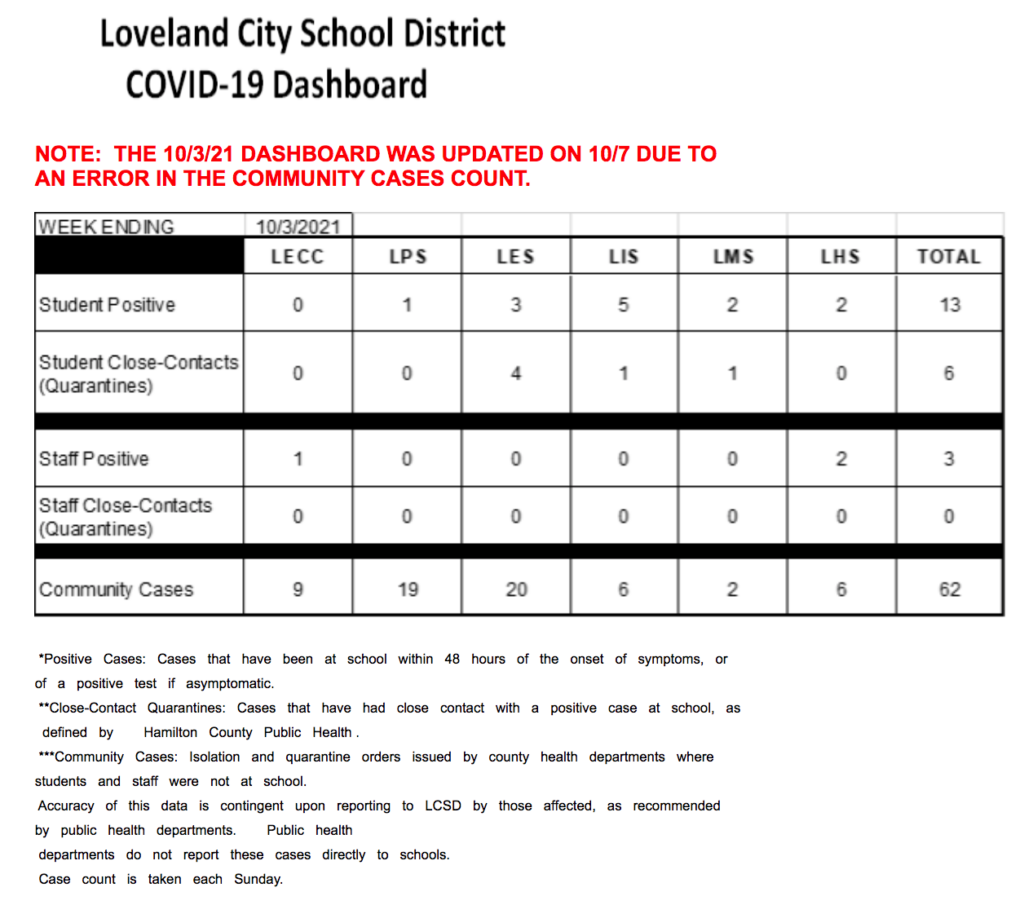
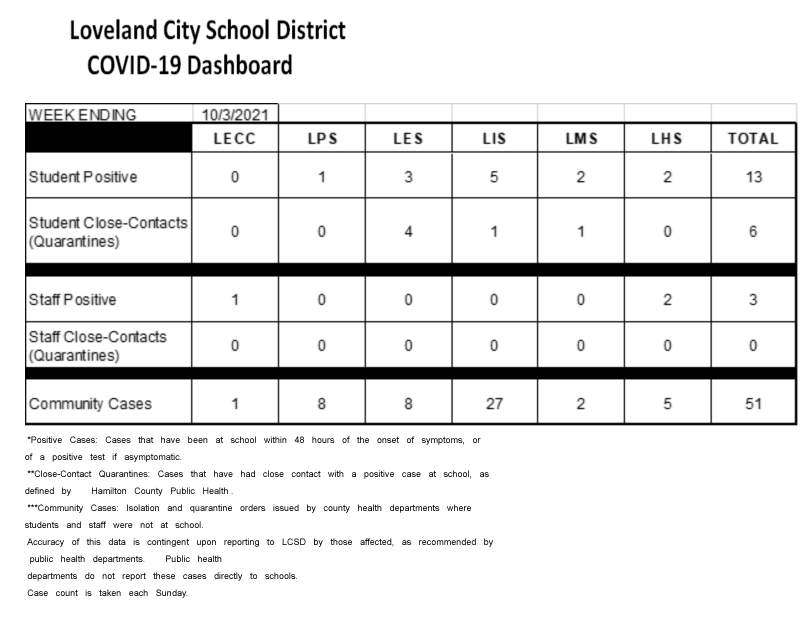
    Note the correction to the 10/3/ report and that community cases increased from 51 to 62.

  • [Video] Kim Lukens is concerned about so much promotion of drinking in Historic Downtown Loveland

    [Video] Kim Lukens is concerned about so much promotion of drinking in Historic Downtown Loveland

    Loveland, Ohio – Loveland resident Kim Lukens went to the open forum podium at the Loveland Council meeting on Tuesday, October 23, to express her views about alcohol consumption and the Council’s promotion of drinking in Historic Downtown.

    Lunkens is a licensed professional social worker and counselor. She told Council that they are encouraging “irresponsible alcohol habits.” She asked, “I wonder if you all can think of another way to bring prosperity into our City that doesn’t involve alcohol?”

    She added that she doesn’t encourage her adult children to visit Loveland because of the “tremendous” focus on alcohol.

    Lukens started by reciting the Lord’s Prayer.

  • [Video] Sharon Scovanner on Mayor Baily limiting speech at council meetings and using Chief of Police to intimidate Press

    [Video] Sharon Scovanner on Mayor Baily limiting speech at council meetings and using Chief of Police to intimidate Press

    by David Miller

    Loveland, Ohio – Resident Sharon Scovanner went to the council meeting on Tuesday, November 23, and addressed concerns about how Mayor Kathy Bailey represents an exchange between the Mayor and resident Dave Stanton and about the Mayor’s use of discretion limiting free speech at council meetings. Scovanner also said that the Mayor has used the Chief of Police to intimidate the press during meetings.

    Scovanner urged new leadership at City Hall.


  • Christmas in Loveland is December 18

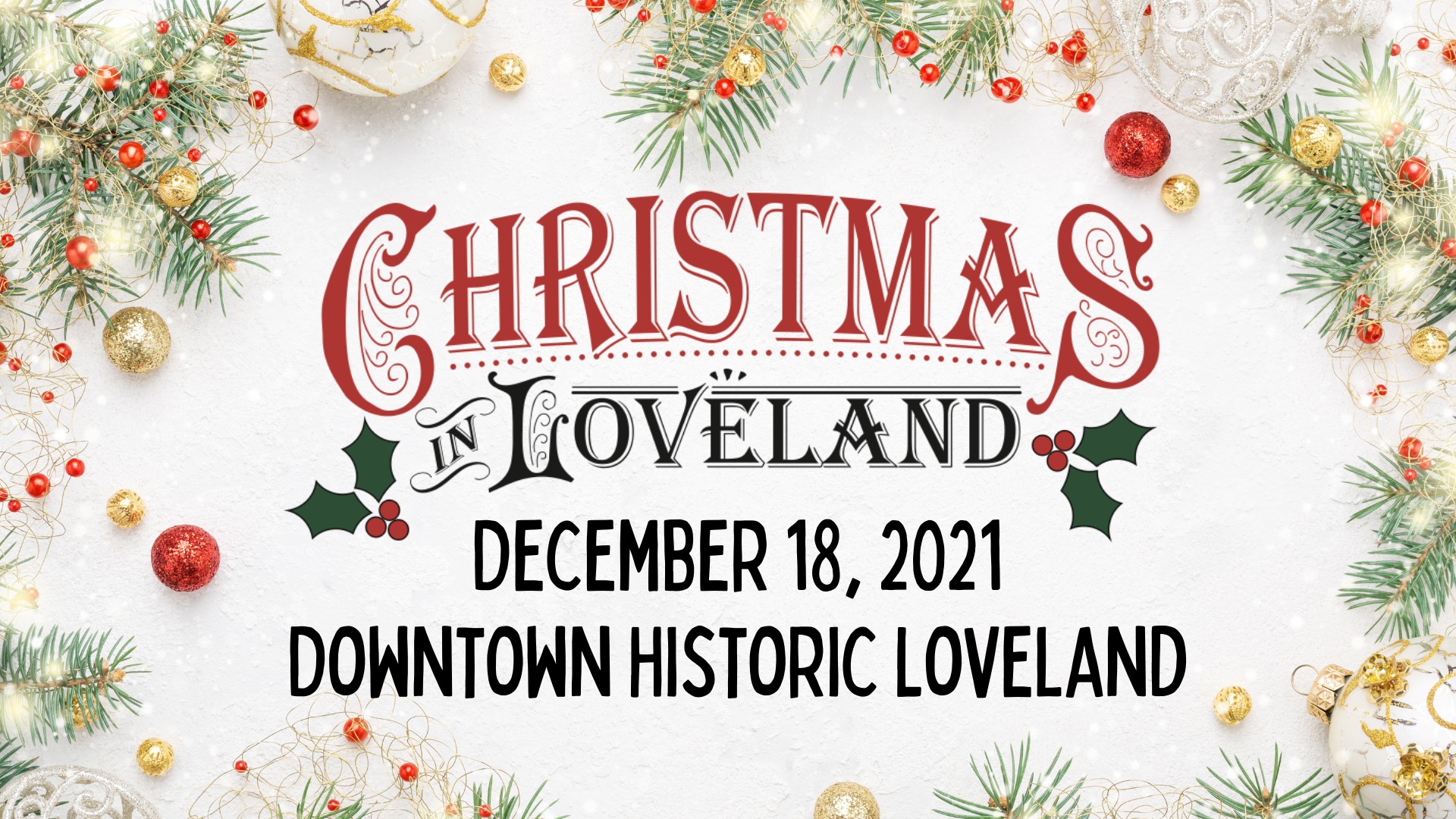
    Christmas in Loveland is December 18

    Promoted Post

    SATURDAY, DECEMBER 18, 2021 AT 4 PM – 8 PM

    Christmas in Loveland 2021

    Historic West Loveland, Loveland, Ohio

    Be swept back in time while visiting Old Historic Loveland on this special day. Everything from Jolly Ole’ St. Nick and Mrs. Claus at the North Pole, to a live Nativity scene, to a Winter Wonderland! This is the time of year that Loveland Businesses give back to the community. This complimentary event offered to the community draws over 3000 individuals each year and is Loveland’s way of saying “Thank you for your Business!!”

  • [VIDEO] Lauren Enda: Democracy in Loveland is in trouble.

    [VIDEO] Lauren Enda: Democracy in Loveland is in trouble.

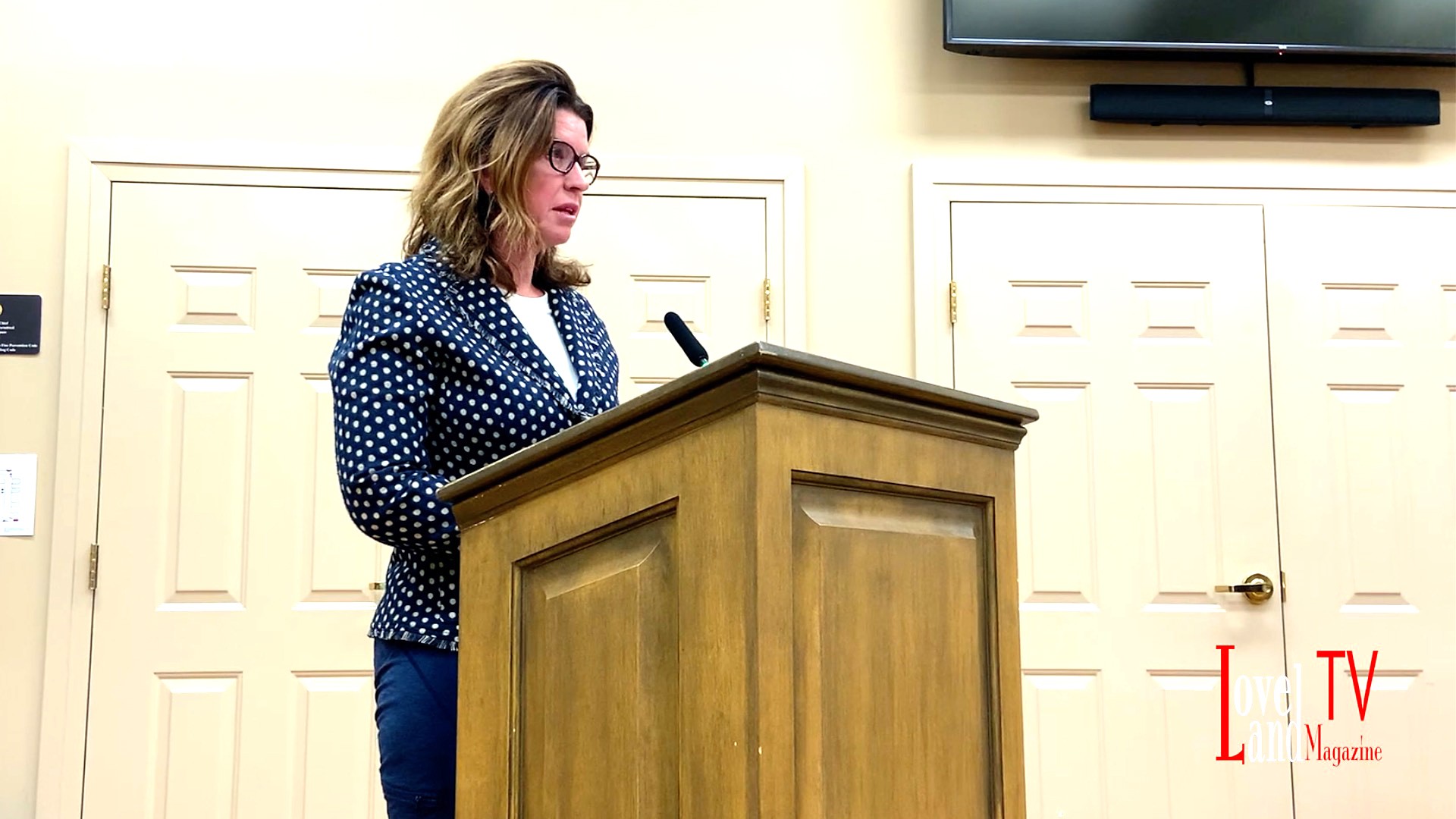
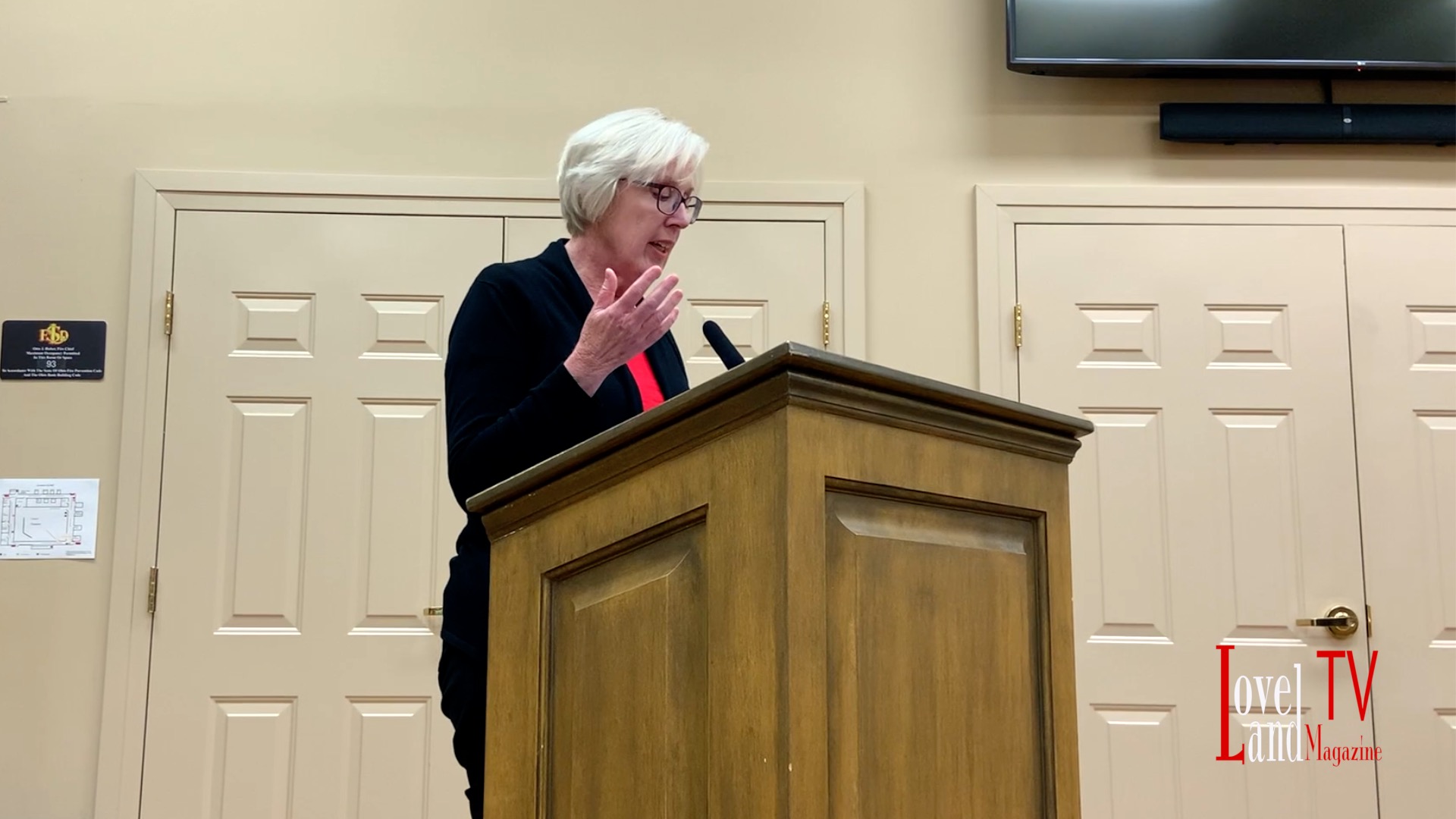
    Loveland, Ohio – Resident Lauren Enda spoke at the council meeting on Tuesday. Enda said she retired in Loveland after working at the National Security Agency. She began by saying, “After thirty years of doing my part to protect the United States, I did not expect to continue to do that role in retirement, but here I am.”

    She continued by outlining instances of Mayor Kathy Baily suppressing free speech at council meetings.

    Enda spoke mostly about a proposed parking garage in Historic Downtown and the message she sees sent by voters via the recent election. “One council member indicated he was opposed to that garage and he won the most votes. The message is clear. Loveland voted against the garage,” Enda said.

    Enda wants the question of building a garage put to a formal vote. She says Council should determine the will of the residents by putting the question on the May 3, 2022, ballot.

  • [Video] Patti Sandmayr thanks Mayor for recognizing Sgt. Ryan Bauman

    [Video] Patti Sandmayr thanks Mayor for recognizing Sgt. Ryan Bauman

    Loveland, Ohio – Resident, Patti Sandmayr went to the open mic at the council meeting last Tuesday and spoke about living in Historic Downtown. She started by saying she sees this town every day and drives through it every day. Speaking directly to the Council she said, “I love it and I intend to keep going as long as I can, encouraging you guys.” She also talked about Mayor Kathy Bailey’s recognition of Sgt. Ryan Bauman on Veterans Day. Baughman was killed in Afghanistan in 2008. Ryan and his family lived in Loveland the first 5 years of his life.

    Sandmayr also said that parking was her “number one issue” with living in the Historic District and said she favored building a parking garage.

    She also expressed confidence in Council’s, “accuracy and transparency” in regard to annexing the Grailville property into the city and that things “will be done properly”.

  • Journalism in middle America got communities through the pandemic

    Journalism in middle America got communities through the pandemic

    Stock photo from Getty Images.

    EDITOR’S NOTE:

    We are pleased people are now researching the Pandemic and how local newspapers survived. Some didn’t. Loveland Magazine did survive, and it was pure everyday persistence, sacrifice, and a dedication to staying alive (literally), and as a local Newspaper. We were early declared “Essential Workers” however that declaration did not provide us anything as the designation was quickly ignored at every level of government when they dolled out relief dollars and the help they could have provided. We stood in line with everyone else at the chance to apply for PPE funds, etc., and at times we were at the back of the lines for eligibility. We were still standing when our own City bought new high-tech water fountains with the COVID relief funds they received. Much of what you read here though is how we did it. What this story misses is an incredible effort it took for local papers in smaller communities to find accurate specific COVID 19 data in a hometown like ours that is in three counties with each county reporting in different formats and on different days of the week.

    By William Thomas Mari, Louisiana State University

    News of the pandemic’s devastating effect on journalism was conveyed by headlines across the nation telling of newsroom closures, layoffs and furloughs.

    Journalism was in trouble in 2020. In fact, it had been in trouble for a while.

    But how did so many local news organizations – especially newspapers – manage to survive the pandemic? Weeklies beefed up their daily online news coverage, business models were blown up and existing rationales for why journalism matters became more than theoretical to rural journalists.

    Their determination to survive and serve as a public health lifeline for their communities fueled an oral history project that my colleague Teri Finnemanand I conducted, interviewing 28 journalists across seven states in the middle of the country. We learned how locally owned and family-owned newspapers made it through COVID-19.

    “There’ve been times that we’ve had to reach out to mayors and different cities and communities across the state … to make sure that … they knew that [journalists] were deemed essential workers,” said Ashley Wimberley, executive director of the Arkansas Press Association. That label exempted news workers from stay-at-home orders and designated them as critically needed by their communities.

    There were no easy answers. Not in Louisiana, where I teach journalism at Lousiana State University. Not anywhere.

    Telling the history

    Oral history grabs the first impressions of history for those living now, looking back at what just happened. It helps people understand the present and how to move forward, out of a crisis. But it also records events for scholars and citizens in the future.

    “Always remember that when you’re putting those stories in your newspaper, that you are printing your community’s history,” Amy Johnson, the publisher of the Springview Herald in Nebraska, told us.

    Benny Polacca of the Osage News in Oklahoma told us something similar: He encouraged journalists covering some future pandemic to “do your due diligence in order to come to some type of understanding, some type of argument, some type of focus, if you were going to be reporting or researching the time of COVID-19.”

    Often, it’s journalism on the coasts that gets the attention of researchers. The New York Times, The Washington Post, the Los Angeles Times – these big news organizations are written about constantly.

    By talking to journalists in North Dakota, South Dakota, Nebraska, Kansas, Oklahoma, Arkansas and Louisiana, our project pushed back against this tendency to ignore the middle of the nation and its important journalism. As a kind of new essential worker, journalists found themselves in charge of explaining complicated guidance from state and local officials about COVID-19, how schools would work and where to get help.

    “I hope that, through this, that our role as journalism, they [the public] realize how important it is that the information we put out, you know, how it affects them every day,” Johnson said.

    Kansas Press Association Executive Director Emily Bradbury had a message for these journalists who were working for news organizations increasingly threatened with being shut down: “I want them to know that in the midst of an emergency, in the midst of what can seem like a hopeless situation, when they look at their financials, that what they’re doing is important. And what they’re doing matters, and that no one else can do what they do, and they look out for their communities like no one else.”

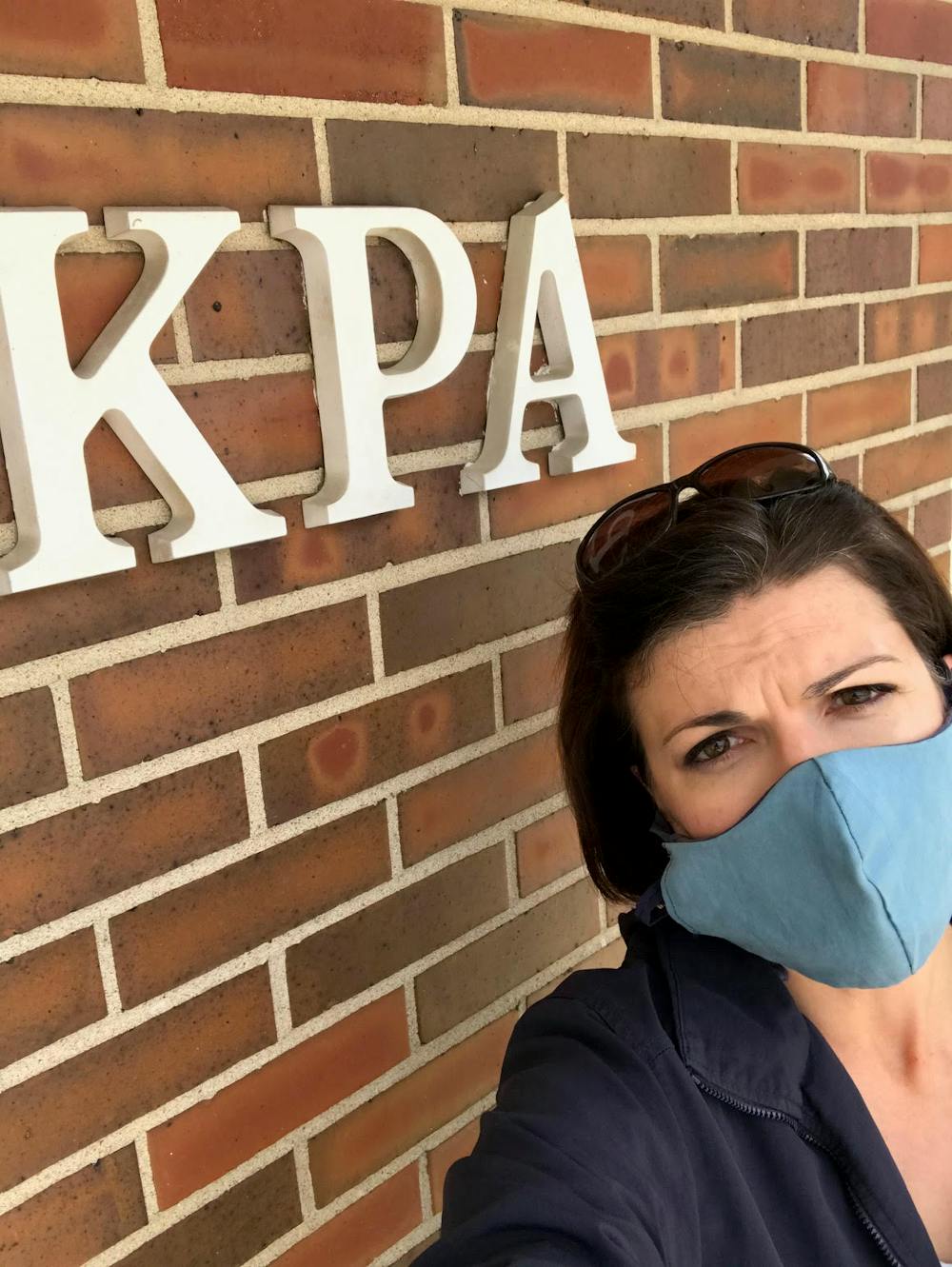
    Emily Bradbury, Kansas Press Association head, stands in front of a building with the Kansas Press Association logo. on it.
    Emily Bradbury, Kansas Press Association Executive Director, tells reporters that ‘what they’re doing is important. And what they’re doing matters…and they look out for their communities like no one else.’ Will Mari and Teri Finneman, Author provided photo.

    Loans, side hustles and deals

    Reporters and editors found new ways of paying the bills. That meant accepting government subsidies in the form of Paycheck Protection Program loans. It meant, for some, going door to door and asking readers to subscribe, or keep subscribing. It meant consolidating newspapers, putting out more online editions, or taking pay cuts.

    “People just don’t understand. It costs a lot of money and time to do this, and I just wish we – there was more value or people appreciate it or understood the value and the cost of really providing this service,” said Bonita Gooch, the publisher of The Community Voice, a Black newspaper based in Wichita, Kansas.

    Some publishers took on side hustles to bring in revenue, creating ad copy for local business or doing marketing work.

    At The Kingfisher Times & Free Press in Oklahoma, for example, Christine Reid, the paper’s editor, created ads for a local vocational-technical school. “I’ve also tried to use that as an avenue to … generate more ads for the newspaper,” Reid said.

    Some papers worked out advertising deals with local businesses as consumers shopped more locally.

    Local publishers did whatever it took to stay afloat. As some of our initial findings have shown, that showed both opportunity and hesitancy about change.

    “We’re gonna have to rely less on advertising revenue and more on subscription revenue, and so we’ve got to make sure we’re offering a unique product that they want to pay for,” said Letti Lister, the president and publisher of the Black Hills Pioneer in Spearfish, South Dakota.

    We saw tentative signs of hope, as journalists got financial and moral support from their readers during a fraught election. “If anything, it’s rallied the troops, if you will, in our community because they trust us, they know that we’re going to report the news in a timely manner and keep the public up to date,” said Amy Wobbema, publisher of the New Rockford Transcript in North Dakota. Arguably most coverage was calm and steady.

    But there was still hesitancy over what newspapers had to do to adapt. Some journalists are uncomfortable with receiving government funding and would rather rely on community support.

    As South Dakota Newspaper Association Executive Director Dave Bordewyk put it: “Sort of, ‘Look, contribute to our newspaper … because if you value that importance of local news and journalism, then we need your support beyond just subscribing to the newspaper or advertising, which has gone away.’”

    Ultimately, the pandemic showed that more research needs to be done on journalism in rural areas – we managed to talk to only a fraction of the total number of small-town journalists and publishers. Other scholars have already learned that local journalism helps reduce violent partisanship and reinforces institutions. To be clear, scholars have defined violent partisanship as the willingness to resort to physical altercations to resolve disputes – good local journalism channels that energy toward peaceful, democratic ends. Other scholars have found that institutions like local courts and governments get increased legitimacy as a result of local news. More sustained scholarly attention will likely turn up other benefits that the public isn’t yet aware of.

    “That’s what we hope. What I hope comes out of this is that readers can understand that, and can … have a renewed value on what that [local] publication has done for their community during this pandemic,” Bradbury told us.

    William Thomas Mari, Assistant Professor of Media law and Media History, Louisiana State University

    This article is republished from The Conversation under a Creative Commons license. Read the original article.

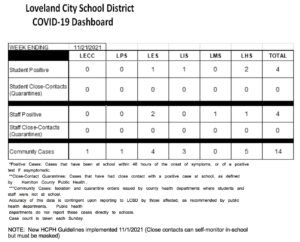
  • Loveland School Covid 19 Dashboard for November 21, 2021

    Loveland School Covid 19 Dashboard for November 21, 2021

    Loveland, Ohio – At the beginning of each week, the Loveland City School District releases their latest Covid 19 Dashboard.

    NOTE: On November 1st the District District implemented new Close Contact guidelines…

    Note the correction to the 10/3/ report and that community cases increased from 51 to 62.