Loveland, Ohio – Whistle Stop Clay Works will have cake, studio tours, wheel demonstrations and lots of free raffle prizes for folks to win on Saturday, June 14 from noon to 3pm.
Stop out and help them celebrate their fifteen years in Loveland.
Whistle Stop will have lots of free raffles and lots of surprises for you.
Stop out and say “HI”.
15th Anniversary Celebration starts with City-Wide Scavenger Hunt
Two pots will be hidden every day in two separate locations. Clues will be given for each pot. Pots will typically be outside, but might be indoors. People that find a tiny pot and post a photo to @WhistleStopClay will be entered into a BONUS drawing for a large hand thrown vase.
Starting June 4, there will be a city-wide Scavenger Hunt to celebrate WSCW’s fifteen years!
Each day through June 13, there will be poems and a photograph that will clue eager hunters to the secret location of a tiny, hand made pot. Clues can be found on InstaGram and FaceBook each day.
These pots will be hidden all around Loveland for a lucky/clever hunter to find. Once the pot has been found, the finder should take a selfie of themselves with the pot with a @WhistleStopClay so everyone will know it has been found.
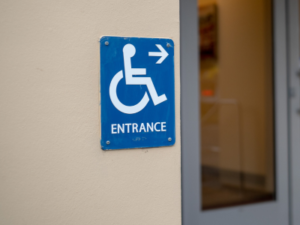
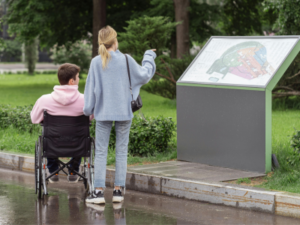
Loveland, Ohio – Accessible Ohio and Loveland Magazine encourage all of us to prioritize accessibility from the start, promote inclusiveness, and ensure everyone can experience Loveland equitably.
Accessible Ohio Specialists provide consultation to Ohio businesses, venues, attractions, and communities across the state.
The services, programs, and partnerships of Accessible Ohio aim to help Ohioans live with greater independence and create a dependable foundation for their lives.
The Accessible Ohio initiative, also consults with Ohio businesses, venues, attractions, and communities to identify barriers and establish goals for accessibility.
We encourage people with a disability, caregivers, restaurants, retail outlets, local businesses, schools, and City Hall to use these resources to make our city more accommodating and welcoming for all of us.
Loveland, Ohio – This is a post the Loveland Symmes Fire Department shared on their FaceBook page:
Congratulations to the attendees of our annual swift water class. Both the students from our own Loveland Symmes and Terrace Park have completed a week long intense swift water class.
Special thanks to all instructors, Loveland Canoe and Kayak, Milford Community Fire and Evans Landscaping in allowing us to use special spots in their area to achieve the best training possible.
Dry up gentleman and get ready for the next call!!!
Loveland, Ohio – One in ten people in Loveland faces food insecurity. Hosting a food drive is a powerful way to help LIFE Food Pantry move that number to zero. It’s also a great opportunity to bring your family or neighborhood together to make a difference in the community.
Food drives are a fantastic way to stock the shelves, raise awareness in the community, and bring people together for a great cause. More people in Loveland need assistance than ever before. Support from individuals, neighborhoods, sports teams, congregations, businesses, and others help keep up with demand.
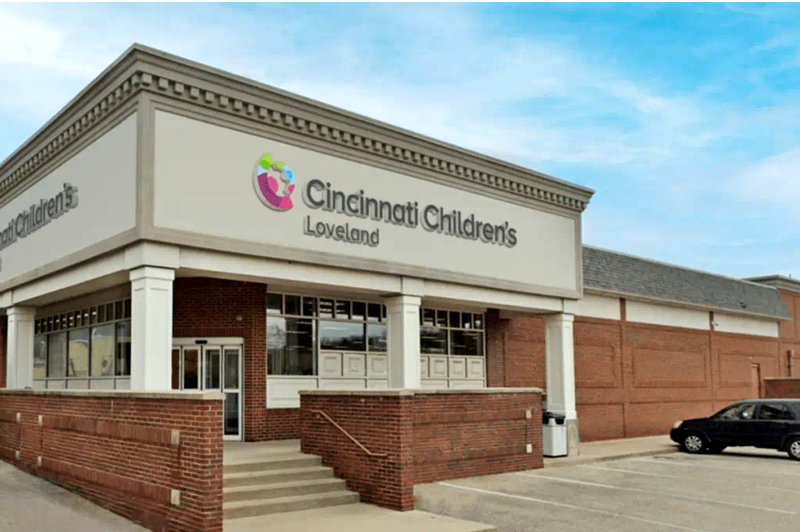
Loveland, Ohio – Cincinnati Children’s Loveland Primary Care is now open and will offer regular checkups, sick visits, preventive screenings and vaccinations for children, ranging from newborns through adolescence.
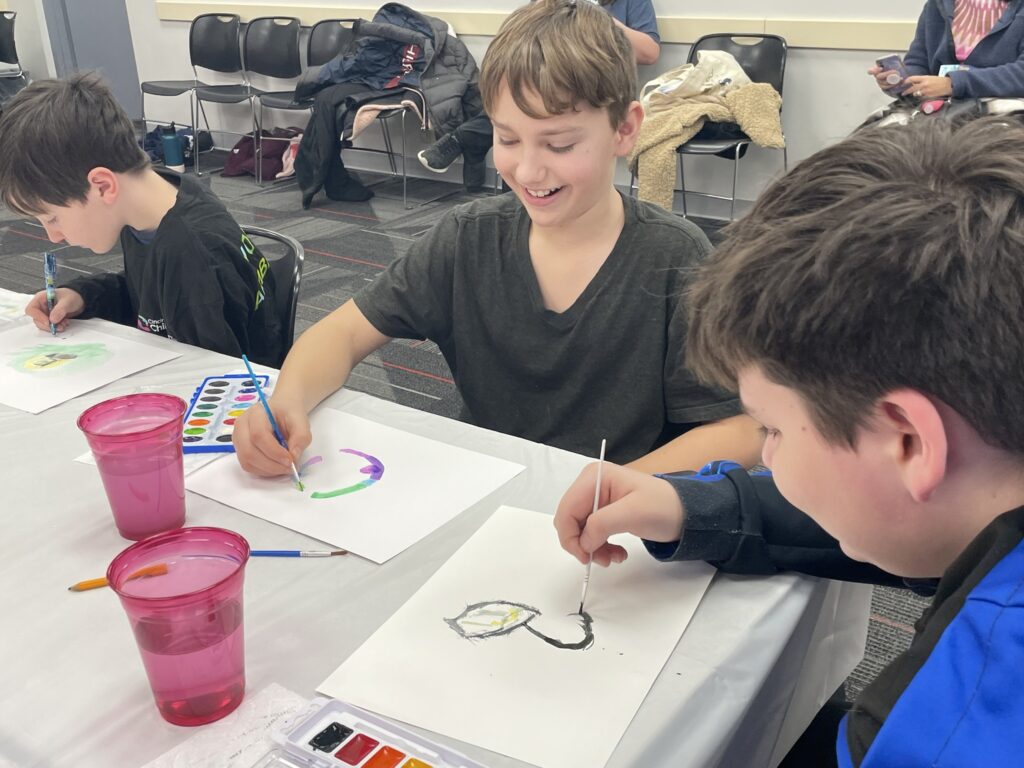
Students from Loveland City Schools created art to help decorate the location in the former CVS drug store building at the corner of Kemper and 10554 Loveland-Madeira Rd.
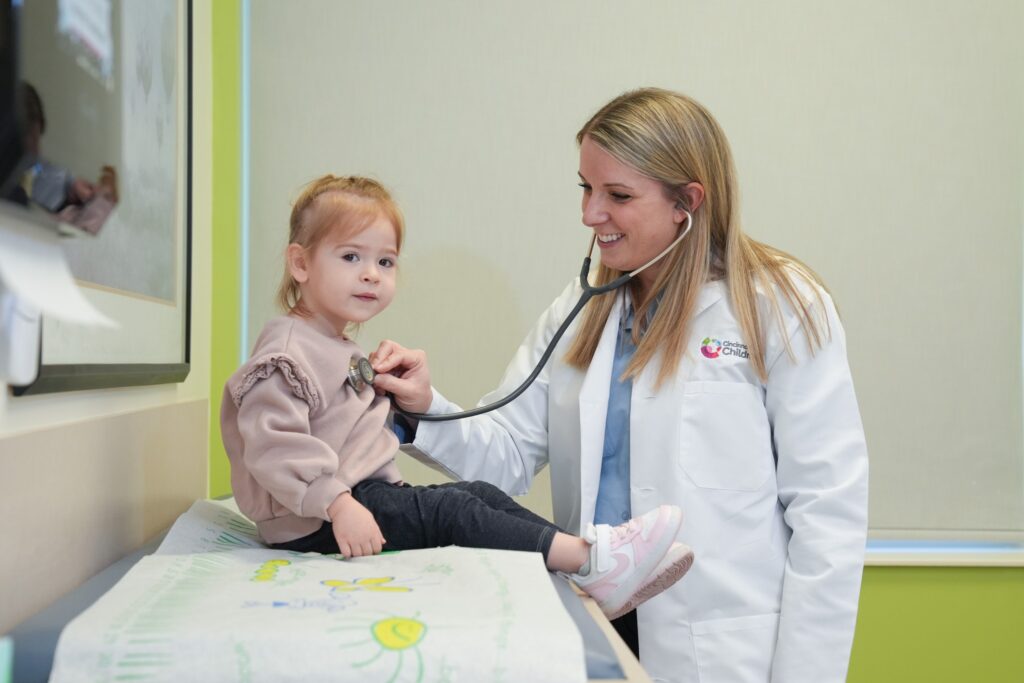
Dr. Krista Allen, a primary care physician with Cincinnati Children’s with patient Mollie Werbel, 2, Wednesday, April 16, 2025.
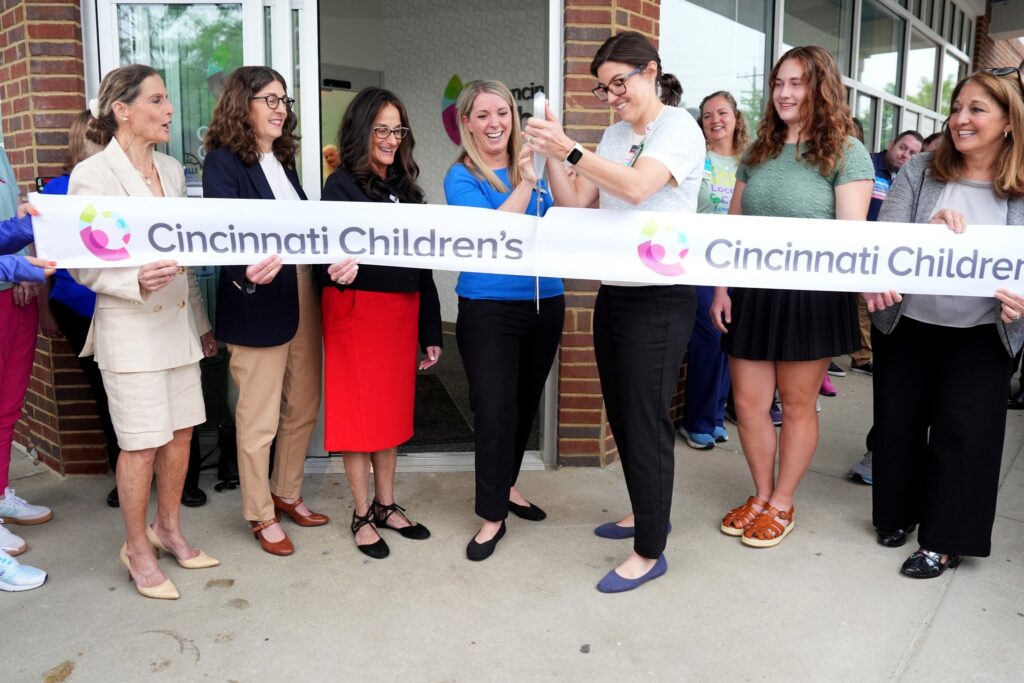
From left: State Rep. Jean Schmidt, State Rep. Karen Brownlee; Cincinnati Children’s Dr. Ronna Schneider, Dr. Krista Allen and nurse practitioner Erin Sayer and student artist Charlotte Combs and Cincinnati Children’s COO Dr. Evaline Alessandrini, Friday, May 30, 2025, in Loveland, Ohio.
Services Offered
Behavioral Health Specialist
Our on-site behavioral health specialist works with you and your doctor to assess emotional and behavioral challenges, set goals and introduce strategies to help your child make positive changes.
School and Sports Physical
Need a physical form completed for sports or school? We provide a full exam and make sure your child has had all immunizations and screenings. We can even do it at their well child visit.
Care and Treatment of Minor Injuries
Does your child have a minor pain or sprain? We treat scrapes, cuts and bites, as well as other concerns. For medical emergencies, always call 911.
Hearing and Vision Screening
Ear and eye issues can delay a child’s overall development. And early treatment is vital. That’s why we do routine screenings based on your child’s age and refer them to a specialist when needed.
Mental Health
Mental and emotional health are key to your child’s well-being. We offer mental health assessments and will work with your family to determine a treatment plan.
Adolescent Transition Care
Adolescence is a period of transition between being a child and an adult. We offer care that focuses on major changes that happen during this time, supporting your teen’s special needs and health concerns.
Weight Management
A healthy weight, with a balanced diet and plenty of physical activity, affects overall health—now and in the future. We have resources, so your child stays active and gets the nutrition they need.
Chronic Illness Care
We support children with long-term conditions—from asthma to attention deficit disorder to diabetes to autoimmune disorders. We collaborate with our specialists to get your child the care they need, for however long they need it.
Preventative Care
Our goal is to keep your child well before they have an illness or symptoms from a condition. Preventative care involves doing screenings, asking questions, counseling on health topics and more.
Birth Control
When it comes to sexual health, our pediatricians are here to help. We’re a trusted educational resource and can explain and prescribe birth control options for your teen.
International Travel
Traveling outside the country? Give us a call at least 4–6 weeks before you go. We offer travel consultations to ensure your child gets any necessary immunizations and prescription medications.
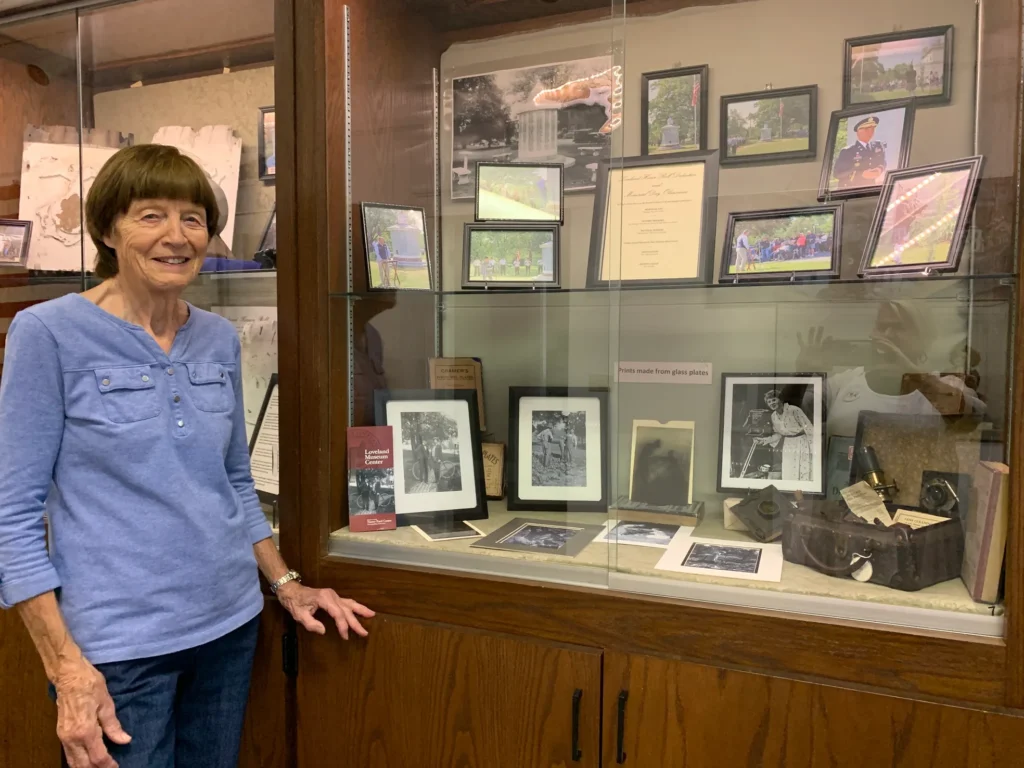
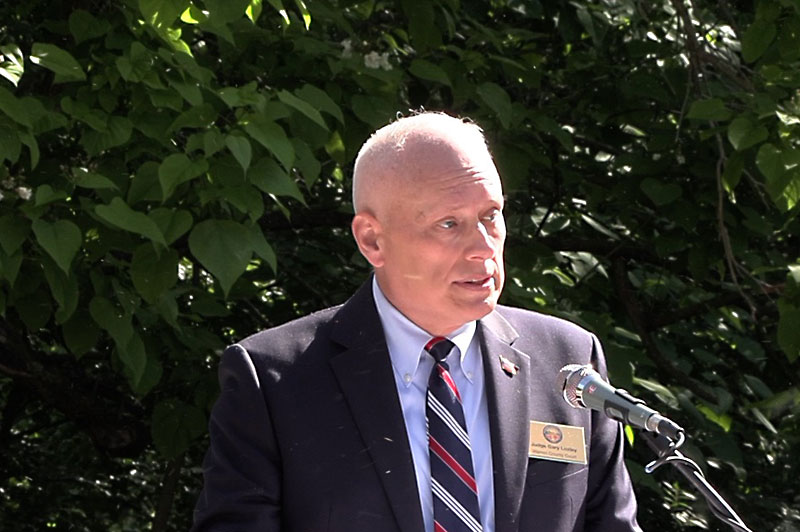
Loveland, Ohio – On Monday, May 26, the guest speaker at the Loveland Memorial Day ceremony was Judge Gary A. Loxley, a member of the 2021 class of the Ohio Veterans Hall of Fame. He was introduced by John Arnold, a member of the Loveland Veterans Committee.
U.S. Speaker of the House Mike Johnson (R-LA) speaks to the media after the House narrowly passed a bill forwarding President Donald Trump’s agenda at the U.S. Capitol on May 22, 2025 in Washington, DC. The tax and spending legislation, called the “One, Big, Beautiful Bill” Act, redirects money to the military and border security and includes cuts to Medicaid, education and other domestic programs.(Kevin Dietsch/Getty Images)
House Republicans approved a sweeping package early Thursday morning that contained deep cuts to programs assisting low-income Americans, including Medicaid and SNAP food stamp eligibility.
by Amanda Becker Washington Correspondent
Read Amanda Becker’s Loveland, Ohio connection in her Bio below.
President Donald Trump wanted “one, big, beautiful bill” and GOP Speaker Mike Johnson pushed to get the package through the House before the Memorial Day recess. The bill now moves to the Senate, where it is expected to undergo significant changes.
The proposal approved in the House would slash $1.7 trillion in government spending to pay for the renewal of the tax cuts from Trump’s first term, which largely benefited corporations and the wealthy. Some of the largest cuts would come from Medicaid, the popular government health insurance program that covers more than 70 million lower-income Americans. House Republicans also agreed on significant changes in eligibility to the Supplemental Nutrition Assistance Program (SNAP), commonly known as food stamps, which helps more than 40 million Americans buy groceries every month. Both programs are disproportionately used by women and children.
Democrats have been largely on the sidelines because Republicans in the Senate will use a process called reconciliation, which allows the majority party to bypass the 60-vote filibuster requirement and approve legislation by a simple majority vote. There are 53 Republicans in the 100-seat Senate.
It has become common for both parties to take advantage of reconciliation when they control the White House and both chambers of Congress. Republicans used reconciliation to enact the 2017 Trump tax cuts that they are now attempting to renew. Democrats used it to enact President Joe Biden’s COVID-19 stimulus bill and the Inflation Reduction Act.
Here are the programs serving women and children that House Republicans’ bill would change:
Medicaid
House Republicans’ proposal aims to slash $625 billion from Medicaid over the next decade, leading to an enrollment drop of more than 10 million people, according to KFF, a nonpartisan health organization.
The federal-state health insurance program covers more than 40 percent of all births in the country, and about 37 percent of those enrolled are children. Three million Americans enrolled in Medicaid report that they are unable to work due to caregiving responsibilities, according to an AARP analysis.
The legislation approved by the House would cut Medicaid spending in part by imposing a strict 80-hours-a-month work requirement for adults without children or disabilities. The 19th has reported on how these stepped-up work requirements would disproportionately impact middle-aged and older women.
The bill also would make it easier for states to cancel Medicaid coverage if recipients do not provide additional paperwork to show they meet eligibility requirements; force states to require co-payments for some types of care for Medicaid enrollees who live above the federal poverty threshold; and reduce the reimbursement rate for states that use their own funds to cover immigrants not lawfully in the country, according to a detailed analysis by KFF.
The version of the bill passed by the House would prohibit Medicaid from covering care for non-abortion services provided by Planned Parenthood clinics, which are already banned from using federal funds to pay for abortions. It also would limit coverage of gender-affirming care as an essential benefit under Affordable Care Act plans and prohibits Medicaid and the Children’s Health Insurance Program (CHIP) from covering the treatment. Earlier drafts limited this prohibition to care for minors; the approved bill extends it to care for all ages.
The package passed by House Republicans would require more SNAP recipients in their 50s and 60s to work and provide fewer exemptions for parents.
The proposal would lower the age at which work requirements end by a decade, to 54. Right now, parents with dependent children under 18 are exempt from working; the bill lowers that age to 7.
Additionally, the Republican-approved legislation would require states to take on more of the costs of administering SNAP and limit the ability of future administrations to raise benefit amounts.
Changes to SNAP could affect school nutrition programs, as many students qualify for free meals based on whether they and their families are eligible for food stamps.
The Congressional Budget Office has not yet evaluated the SNAP provisions in the reconciliation bill. Their analysis of past similar legislation adding new work requirements showed that it could result in more than 3 million fewer people participating in the federal nutrition program.
The House Republicans’ tax bill would increase the amount of the child tax credit to $2,500 from $2,000 through 2028, the last year of Trump’s term. The tax credit would then drop back down and be indexed to inflation.
Another provision in the approved House version would require a child’s parents to have a Social Security Number to access the credit, even if the child also has a Social Security Number.
The intent is to block immigrant parents in the country illegally and without work authorization from claiming the benefit; these parents are already typically excluded from accessing the credit. In mixed immigration status households, where one parent has a Social Security Number and the other does not, the child would still be ineligible for the credit.
The House version of the tax bill also caps the refundable portion of the child tax credit at $1,400 per qualifying child, down from $1,700. This change would limit the ability of the country’s lowest-income parents to access the credit.
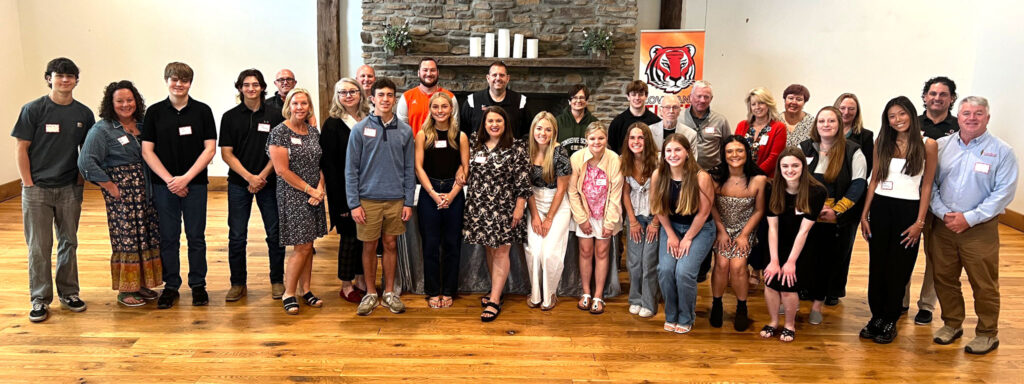
Loveland, Ohio -The Loveland Tiger Pathways program held an “Internship Appreciation Luncheon” at the Landing event Center on Tuesday, May 20 to thank dozens of local businesses and organizations.
The program provides real-world learning experiences for Loveland High School interns, “So they can make better decisions about college and careers.”
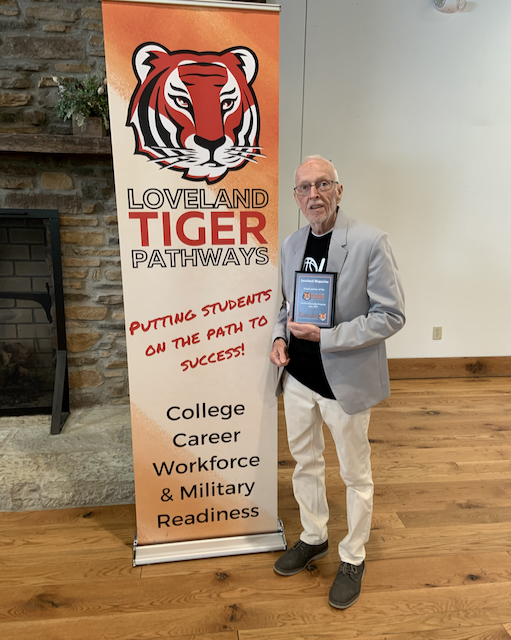
Loveland Magazine was recognized and we congratulate everyone that participated in the program.
Editor in Chief David Miller was in attendance to accept a plaque on behalf of Loveland Magazine.







































































 _______________________



 _
_



























 Loveland, Ohio -The Loveland Tiger Pathways program held an “Internship Appreciation Luncheon” at the Landing event Center on Tuesday, May 20 to thank dozens of local businesses and organizations.