Tag: Narcan

  • The race for Ohio’s 2nd U.S. Congressional District features two political newcomers

    The race for Ohio’s 2nd U.S. Congressional District features two political newcomers

    Republican Rep. Brad Wenstrup currently represents the 2nd Congressional District, but he announced that he would not seek reelection in 2024

    Democrat Samantha Meadows is going up against Republican David Taylor and neither candidate has held office before.
    By: Ohio Capital Journal

    A political newcomer will represent Ohio’s 2nd U.S. Congressional District starting in 2025.

    Democrat Samantha Meadows is going up against Republican David Taylor and neither candidate has held office before.

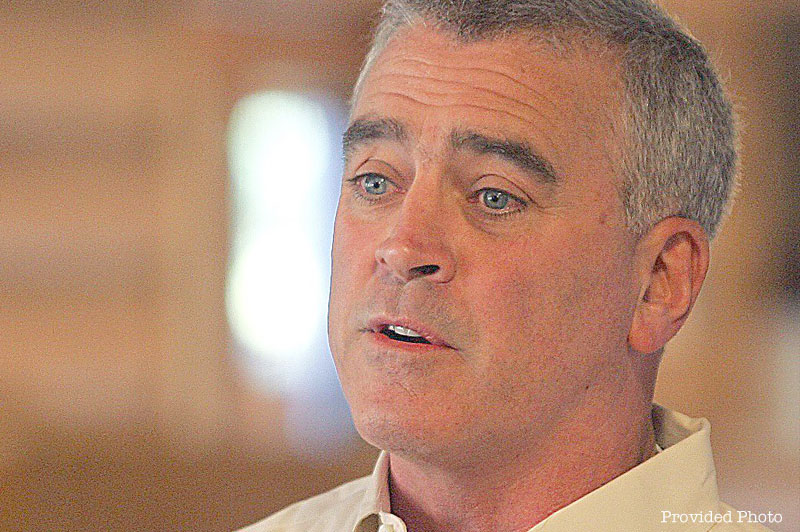
    Republican Rep. Brad Wenstrup

    Republican Rep. Brad Wenstrup currently represents the 2nd Congressional District, but he announced at the end of last year that he would not seek reelection in 2024 after serving six terms.

    The 2nd Congressional District covers 15 southern Ohio counties: Clermont, Clinton, Pike, Adams, Brown, Highland, Ross, Scioto, Pickaway, Hocking, Vinton, Jackson, Lawrence, Gallia, and Meigs counties, and part of Fayette County.

    The 2nd Congressional District historically leans Republican and President Donald Trump won in all of those counties during the 2020 election.

    Meadows

    This is Meadows’ second time running for the 2nd congressional district. She lost against Wenstrup in 2022 — receiving only 25% of the vote — but she thinks her odds of winning have increased since Wenstrup is retiring.

    “I am beating down doors …  I’m doing everything that I can to let people know that I, personally, as a candidate, care about them,” she said.

    Meadows doesn’t feel intimidated running as a Democrat in Republican-dominated counties.

     Democrat Samantha Meadows is running for Ohio’s second congressional district. (Headshot provided.) 

    “I know that a lot of folks down here are Republicans by anger rather than policy,” she said. “I have faith in our region that, no, this isn’t about Republican or Democrat. This is actually about a person that’s going to help us.”

    She grew up in McDermott in Scioto County, attended Shawnee State University and Ohio Christian University and went on to work as an EMT.

    “I’ve always felt compelled to be of service to my community,” she said. “… I always felt compelled to help others.”

    Through her work as an EMT, Meadows has seen firsthand the devastation of the opioid epidemic and she remembers the first Oxycontin overdose patient she helped treat. They administered Narcan and were able to revive the patient.

    “At that time, this was new to us,” she said.

    That same patient overdosed again a couple weeks later, but didn’t make it this time.

    “Addiction was one of the catalysts that made me run for office,” she said.  “Everybody knows somebody that’s either addicted or a family that’s going through those things.”

    Meadows said she never had any aspirations to be in politics, but decided she had to do something when she saw drug overdoses increase during COVID-19.

    “I had a moment where I literally looked at the TV and said, somebody’s got to do something about this. And so I was like, I’ll do it,” she said.

    Taylor

    Wenstrup retiring, how most of the 2nd District is Appalachian and “the laundry list of national crises we have going on both inside and outside our borders” is what led to Taylor to run for office.

    “The needs of the Appalachian community has been something that’s been in the front of my mind my whole life,” he said. “The opportunity to see this overlooked, underserved community that is the 2nd District of Ohio get the attention it deserves is what compelled me to get into politics.”

    Taylor had to endure a competitive primary against ten other Republicans — including state Sens. Shane Wilkin and Niraj Antani — to get on the November ballot. Taylor came out on top with 25% of the vote.

     Republican David Taylor is running for Ohio’s second congressional district. (Photo provided by Taylor’s campaign.) 

    “People don’t want career politicians right now,” he said. “They want somebody from the outside. I think actually, for the voters in the 2nd District, not being a person with a political background was actually a plus.”

    Even though the second district leans Republican, Taylor said he is treating the race as if the district was split 50-50 and has been traveling the district to meet people.

    “We’re running the tires off my pickup truck and going to all corners of the district,” he said.

    Taylor has lived a majority of his life in Clermont County, graduated from Miami University and the University of Dayton School of Law and worked for a prosecutor’s office.

    “In criminal law, you’re getting to the nitty gritty on every word in the law, because sometimes somebody’s freedom is at stake,” Taylor said. “So that will serve well in dealing with the legislation that’s written and passed or repealed.”

    He now owns his own concrete business Sardinia Ready Mix and said his experience of operating within a budget could help him in D.C.

    “Those are things that the government could use a large dose of so more people with that mindset, I think, would lead to better outcomes in Washington, D.C. and those returns come here to Ohio, specifically the second district,” he said.

    On the issues

    Taylor wants to defund and dismantle the U.S. Department of Education.

    “It’s another federal agency that overreaches the federal government’s mandate under the Tenth Amendment,” he said. “We have so many federal bureaucracies that are overstepping the mandate of the Constitution.”

    Meadows wants to better fund public schools.

    “We don’t have enough private schools in our district to take on an influx of public school kids,” Meadows said, referring to the voucher program.

    Meadows wants to protect reproductive rights.

    “The ability to have body autonomy and make our own decisions, that is absolutely terrifying that we don’t have that type of freedom, or that we’re trying to be denied that kind of freedom,” she said.

    Taylor is anti-abortion, but doesn’t support a total ban on abortion.

    “The issue is going to be a state issue from state to state, and that’s where it needs to stay,” he said.

    Both candidates support the Second Amendment.

    “But I also believe at the very least, we need to have a moratorium on the sale of assault rifles,” Meadows said. “I do believe that they are not necessary in the hands of an average American. They belong on the battlefield.”

    Taylor said he would fight against infringements on the Second Amendment.

    “Every time you have one of these incidents that causes (people) to call for gun control, multiple laws have been broken, so I’m not sure what law they think can be written that’s going to stop that,” Taylor said.

    Follow OCJ Reporter Megan Henry on Twitter.


    Megan Henry
    Megan Henry

    Megan Henry is a reporter for the Ohio Capital Journal and has spent the past five years reporting in Ohio on various topics including education, healthcare, business and crime. She previously worked at The Columbus Dispatch, part of the USA Today Network.

    Ohio Capital Journal is part of States Newsroom, the nation’s largest state-focused nonprofit news organization.

    MORE FROM AUTHOR

  • Public Health Alert:  Overdose Activity in Hamilton County

    Public Health Alert: Overdose Activity in Hamilton County

    A Press Release from Hamilton County Public Health:

    Ongoing surveillance of daily overdose incidents since December 31 has indicated some abnormal changes in overdose related activity. Historical trends suggest a potential surge in fentanyl presence within the drug supply. On Sunday, December 31, 2023, both overdose emergency department (ED) visits and 911 dispatches saw an increase, with 11 overdoses recorded for each metric. Subsequently, on Tuesday, January 2, 2024, overdose ED visits rose again to 12, and the Hamilton County Coroner’s Office reported three suspected overdose deaths January 2nd, pending toxicology review and confirmation.

    This alert is being issued collaboratively by local public health partners and the Hamilton County Addiction Response Coalition to enhance community awareness.

    • Even if you are a recreational drug user, you are at risk for overdose and death.
    • Narcan is available, accessible, and is not limited to injection drug users.
    • FENTANYL MAY BE IN YOUR DRUG SUPPLY! Drugs such as cocaine, crack cocaine and methamphetamine likely contain fentanyl, the drug that can cause overdose and death. A high supply of fentanyl puts all users at risk. WE HAVE SEEN MULTIPLE DEATHS IN PEOPLE USING DRUGS OTHER THAN OPIOIDS.
    • If you need Narcan, safe injection supplies, or fentanyl testing strips, please call 513-316-7725 or visit: https://www.flowcode.com/page/harmreduction
    • If you or someone you know overdoses, you should still call 911 – even if you administer Narcan.  In Ohio, you can call 911 free from fear that you will be punished or prosecuted for getting someone the help they need when they need it.
    • In situations involving multiple individuals using drugs, make sure someone is available to administer Narcan.
    • Treatment is open and available. If you need help, please call 513-281-7880.

    We want to ensure that people know that help is available, Narcan is accessible, and safe injection supplies are available.

    By disseminating this alert, we seek to prompt service providers and first responders to adjust response capacity and implement essential protective measures promptly.

    • Having available and using necessary personal protective equipment; and
    • Be ready to administer multiple doses of Narcan, as needed.

    Your attention to this matter is critical in safeguarding the well-being of our community members.

  • Hamilton County Public Health issues “Overdose Alert”

    Hamilton County Public Health issues “Overdose Alert”

    Local public health partners and the Hamilton County Addiction Response Coalition are issuing this alert to increase community awareness.

    Anyone in Ohio can obtain free naloxone (NARCAN)

    September 30 has indicated some abnormal changes in overdose related activity causing suspicion for high levels of fentanyl in the drug supply. Between Saturday, 9/30 and Wednesday 10/5, there were 16 preliminary overdose deaths. Overdose ED visits increased on Tuesday, 10/4 with 10 visits and on Wednesday, 10/5 with 9 overdose ED visits.

    Local public health partners and the Hamilton County Addiction Response Coalition are issuing this alert to increase community awareness.

    • Even if you are a recreational drug user, you are at risk for overdose and death. 
    • Narcan is available and is not only designated for injection drug users. 
    • FENTANYL MAY BE IN YOUR DRUG SUPPLY! Drugs such as cocaine, crack cocaine and methamphetamine likely contain fentanyl, the drug that can cause overdose and death.  A high supply of fentanyl puts all users at risk. WE HAVE SEEN MULTIPLE DEATHS IN PEOPLE USING DRUGS OTHER THAN OPIOIDS.
    • If you need Narcan, safe injection supplies, or fentanyl testing strips, please call 513-316-7725 or visit:  https://www.flowcode.com/page/harmreduction
    • If you or someone you know overdoses, you should still call 911 – even if you administer Narcan.
    • In situations involving multiple individuals using drugs, make sure someone is available to administer Narcan.
    • Treatment providers are open and offering services in many innovative ways.  If you need help please call 513-281-7880.

    We want to ensure that people know that help is available, Narcan is accessible, and safe injection supplies are available. 

    This alert should serve as a notice to service providers and first responders to consider adjusting response capacity and implementing necessary protective measures which should include:

    • Having available and using necessary personal protective equipment; and
    • Being prepared to use multiple doses of Narcan when necessary.

    Mike Samet

    Public Information Officer

    Hamilton County Public Health

    p: 513.946.7873  f: 513.946.7890

    a: 250 William Howard Taft Rd.

        Cincinnati, OH 45219

  • Anyone in Ohio can obtain free naloxone (NARCAN)

    Anyone in Ohio can obtain free naloxone (NARCAN)

    Anyone in Ohio can obtain free naloxone and overdose response education through Project DAWN locations. To find a site near you, use the List of Project DAWN Locations by County. If there are no locations in your area, consider using one of the listed statewide mail-order programs.

    Project DAWN (Deaths Avoided With Naloxone) is a network of opioid overdose education and naloxone distribution programs (OENDP) coordinated by the Ohio Department of Health.

    What is Naloxone?

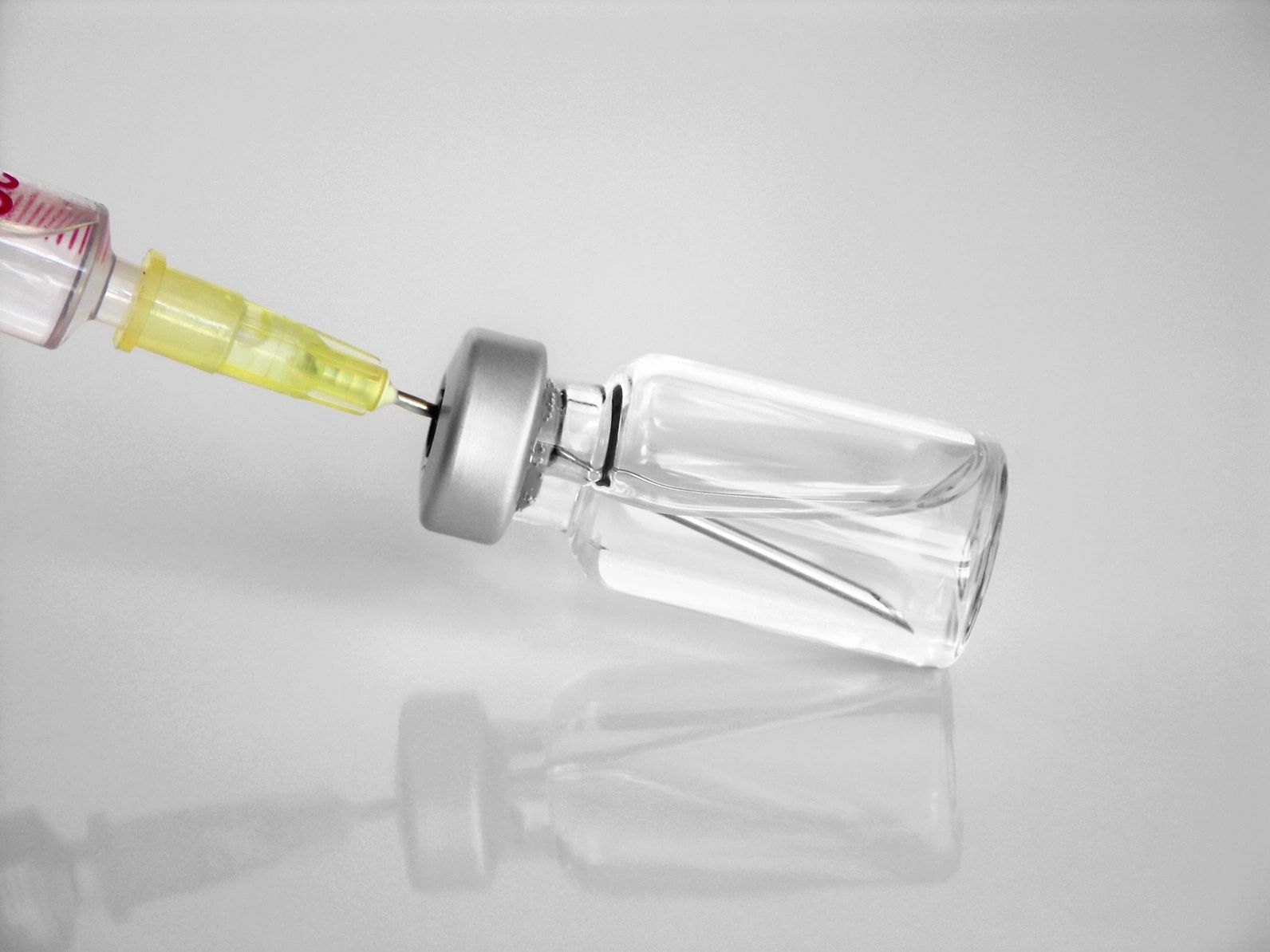
    Naloxone (commonly known as NARCAN®) is a medication that can reverse an overdose caused by an opioid drug (heroin, illicit fentanyl, or prescription pain medications). When administered during an overdose, naloxone blocks the effects of opioids on the brain and quickly restores breathing. Naloxone has been used safely by emergency medical professionals for more than 40 years and has only one critical function: to prevent overdose death by reversing the effects of opioids. Naloxone is a safe, non-controlled drug and has no potential for abuse.

    If naloxone is given to a person who is not experiencing an opioid overdose, it is harmless. If naloxone is administered to a person who is dependent on opioids, it will produce withdrawal symptoms. Withdrawal, although uncomfortable, is not life-threatening.

    Naloxone can be administered by trained laypersons, which can be helpful if a friend, family member, or other bystander witnesses a person overdosing.

    Naloxone can be administered in three ways:

    • Intranasal spray (i.e., NARCAN®).
    • Intramuscular/subcutaneous (i.e., Evzio®).
    • Intravenous injection.
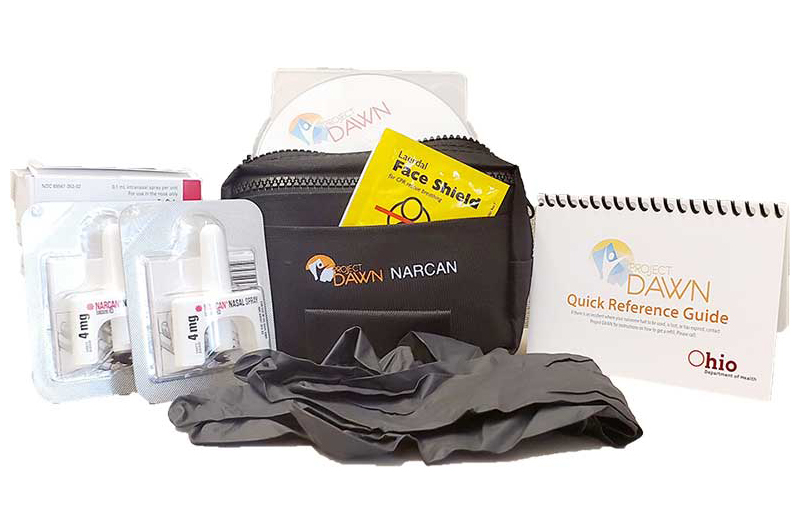
    Project DAWN Naloxone Kit

    The National Institute on Drug Abuse (NIDA) states the effects of naloxone last for 30-90 minutes and may require additional doses to prevent a person from going back into overdose.

    For more information on overdose response, please visit the Resources

    NARCAN® Distribution in Hamilton County

    Hamilton County Public Health, through the NARCAN® Distribution Collaborative (NDC), is making NARCAN® (Naloxone) available to Hamilton County (OH) residents at NO CHARGE. We are also distributing NARCAN® in the Hamilton County Public Health Clinic by appointment. The Hamilton County Public Health Clinic is located at 184 E. McMillan St. Cincinnati, OH 45219. If you would like to make an appointment for a NARCAN® training or would like more information on NARCAN® distribution, please contact NDC staff at 513-309-1522 or narcan@hamilton-co.org.

    NARCAN® by Mail

    HCPH is now offering free mail order NARCAN® to Hamilton County (OH) residents. To obtain a kit through the mail please click this link. If you live outside Hamilton County (OH), visit your local health department to find out where you can find NARCAN® in your area.

    Where can I get naloxone in Clermont County?

    Clermont Recovery Center offers free naloxone kits to the public. Call the recovery center at  513-735-8100  to learn more. There is no cost associated with the kit, but you must attend a brief training before obtaining one.

  • Hamilton County Public Health modifies syringe  and harm reduction services during Covid-19 Pandemic

    Hamilton County Public Health modifies syringe and harm reduction services during Covid-19 Pandemic

    Clients can schedule an appointment to receive Narcan via a drive-through service.

    Hamilton County, Ohio – Before COVID-19 commanded the lion’s share of headlines, Hamilton County Public Health (HCPH) was in the midst of another battle — fighting the disease of addiction.

    “We have made some modifications to our program to ensure the health and safety of our clients and our harm reduction team.”

    “We certainly haven’t lost sight of those struggling with addiction,” says Greg Kesterman, interim health commissioner at Hamilton County Public Health. “But we have made some modifications to our program to ensure the health and safety of our clients and our harm reduction team.”

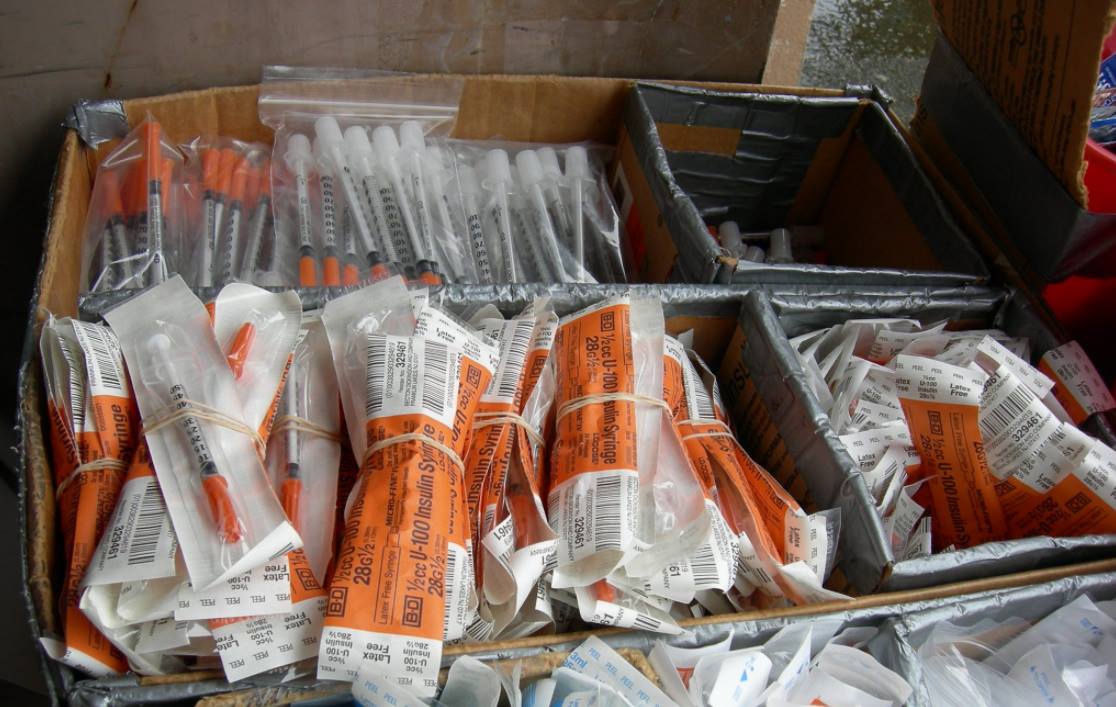
    Syringe services are now available only through an appointment.  Clients will receive a one-month supply of all items offered through the service. Clients can schedule appoints by phone, text, e-mail or through Facebook. Call or text 513-316-7725; log onto Facebook: @hc.xchange; or e-mail ExchangeProject@hamilton-co.org.
    These calls will help clients find healthcare, housing, food or other needed resources.

    In addition to syringe and other exchange service items, the HCPH team implemented a text service for its clients with alerts and messages covering a number of health and safety issues. The team is also reaching out through clients’ preferred communication mediums to check in during the stay-at-home order. These calls will help clients find healthcare, housing, food or other needed resources.

    The HCPH Harm Reduction team is also continuing its distribution of Narcan®.

    The HCPH Harm Reduction team is also continuing its distribution of Narcan®, the overdose-reversing drug. Clients can schedule an appointment to receive Narcan via a drive-through service. To schedule an appointment, call or text 513-946-7676; log on to Facebook: facebook.com/hc.narcan; or e-mail narcan@hamilton-co.org.

    The HCPH team is also working closely with the Hamilton County Justice Center to ensure inmates released from incarceration have the appropriate resources. Each inmate will receive resource information in their property bags upon release. Finally, addiction treatment providers are operating during the COVID-19 pandemic.  The HCPH team is available to help clients navigate the referral process to enter treatment.

    “These are difficult times for all of us, but certainly for those with additional medical challenges,” Kesterman adds.  “Even though we are all working to comply with stay-at-home requirements, our clients’ needs don’t go away. That’s what we’re here for.”


  • Overdose deaths decline for 2nd straight year in Clermont County

    Overdose deaths decline for 2nd straight year in Clermont County

    Batavis, Ohio – Deaths due to drug overdoses declined for the second straight year in Clermont County, according to the Clermont County Coroner’s Office.

    In 2017 76 deaths were caused by accidental drug overdoses.

    In 2017, the Coroner’s Office, under the direction of Dr. Brian Treon, ruled that 76 deaths were caused by accidental drug overdoses. This compared to 83 in 2016, and 94 in 2015 – the highest number since Clermont County began to see the effects of increased opioid use in the late 2000s.

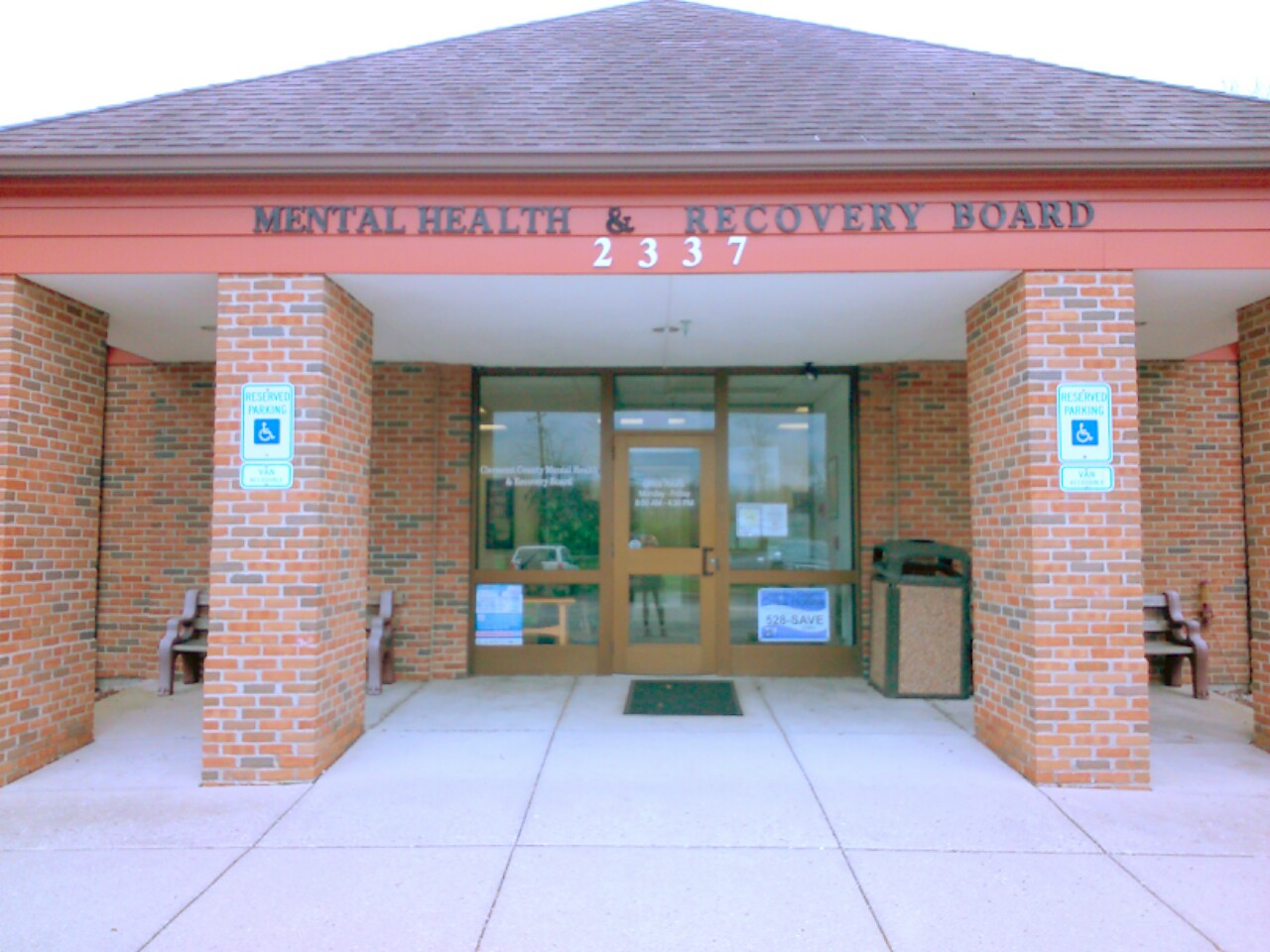
    “We are encouraged by these numbers,” said Karen Scherra, the director of the Clermont County Mental Health & Recovery Board (MHRB). “These numbers indicate that the comprehensive measures we as a county have taken to address this issue are working.” The MHRB, the county hub in the fight against opioid addiction, is the lead organization in Clermont County’s Opiate Task Force, a collaborative that began in 2013 to address the opioid crisis in the county.

    In 2017, more medication-assisted treatment and other kinds of treatment became available to more people suffering from substance abuse disorder, Scherra said. In 2017, MHRB spent over $1.9 million on addiction treatment services.

    Other advances in 2017 included more Quick Response Teams.

    Other advances in 2017 included more Quick Response Teams, which go to the homes of those who have survived overdoses to connect them to recovery resources; and more police/fire/EMS departments carrying Narcan, which can reverse overdoses.

    In addition, a long-term recovery home for men was opened in 2017 in Clermont County. MHRB is now working on funding to open a similar home for women. Clermont County also opened a women’s wing in the Community Alternative Sentencing Center. This jail alternative connects clients with multiple treatment options.

    Funding for these initiatives are provided through a combination of MHRB levy funds, federal and state grants.

    “In response to the rise in drug overdose deaths, we created an Overdose Death Review Committee in 2014,” said Public Health Commissioner Julianne Nesbit.

    Clermont County Public Health, a member of the Opiate Task Force, is also on the forefront of the opioid battle. “In response to the rise in drug overdose deaths, we created an Overdose Death Review Committee in 2014,” said Public Health Commissioner Julianne Nesbit. “We look at aggregate level data to see if there are any trends that we can address to help reduce future deaths in the community.

    “Since we first saw the increase in drug overdose deaths, we have had a full-time Injury Prevention Coordinator who works to educate the community and work with our partners on the drug epidemic.”

    In March, Hamilton County reported that overdose deaths for 2017 had increased 31 percent over the previous year to 529. Butler County reported a 20% increase to 232.

    More information on Clermont County’s Opiate Task Force can be found on its website, www.getcleannowClermont.org.

    For more information, contact MHRB Executive Director Karen Scherra, kscherra@ccmhrb.org, 513.732.5407.


  • Syringe services program begins in Clermont County

    Syringe services program begins in Clermont County

    Mercy Clermont Hospital and Clermont County Public Health have partnered to offer a free syringe services program starting March 1.
     
    The Exchange Project van, which is operated by Hamilton County Public Health, will visit the Clermont Hospital campus every Thursday from 10 a.m.-1 p.m. The hospital is located at 3000 Hospital Drive, Batavia, Ohio 45103.
     
    The program also offers testing and referral to treatment for HIV and Hepatitis C, education on prevention of infection and an access point to substance use disorder counseling and treatment programs. The program also provides naloxone, also known as Narcan, an opiate overdose reversal medication. Read more here.