Tag: natural world

  • “The March of New Life” by Elizabeth (Schickel) Robinson

    “The March of New Life” by Elizabeth (Schickel) Robinson

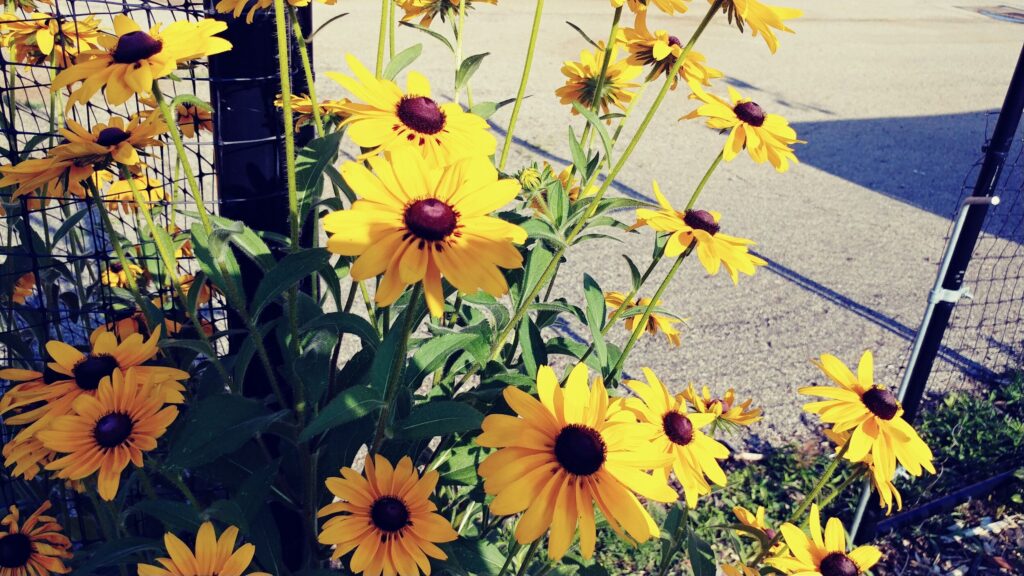
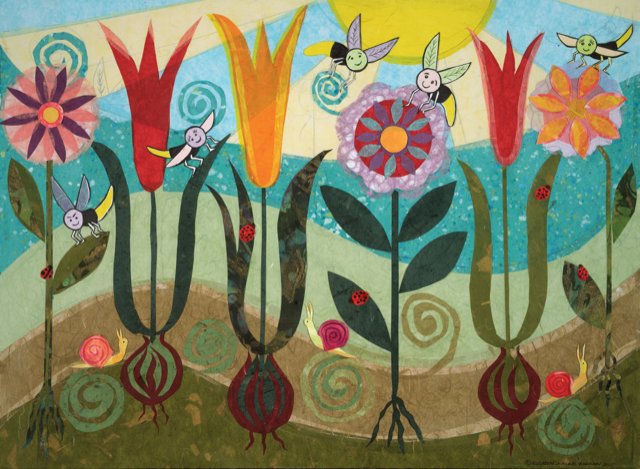
    “Spring Flowers and Happy Bees” © Elizabeth (Schickel) Robinson

    I am grateful to share my Natural Wonderings/Wanderings. I write them as time and spirit allow. The idea and title were conceived one day many years ago when exploring outside with my young family. It would be quite a few years more before I began writing them in 2008. There are many connecting points over the years in observations of nature, life, and seasons. One for me is a strong sense of home-place, specifically in our little corner of the world here, in Southwestern Ohio. This sense of place helps carry interrelatedness over time and retains a comforting, familiar thread over endless variations within the cycle of nature and life.

    _______________

    In late February and early March, I am feeling a change.

    Pondering what lies waiting under the dark, wet earth, my mind’s eye roams just below the surface. I feel a pulse, visualizing millions-billions-of innumerable seed varieties unfurling. Nascent palest sprouts of white/green creeping steadily and relentlessly toward the increasing light. The earth’s surface still belies the magnitude of activity I know is imminent. The Magnificent Mystery of Creation is again beginning to unfold in this just Spring-ing time of the year.

    We are in the lion and lamb “fickles” of March. The stalwart yet delicately lovely Snowdrops and Winter Aconite, the first harbingers of spring, were a welcomed surprise, blooming through late February snow and ice. Now, in the gathering warmth of mid-March, they are making their final curtsies as ceremonial marshals of the Spring Parade, leavening our yearning for all we know will follow.

    Daffodils, sure spreaders of sunshine, are beginning to bloom, swaying and bowing in spring breezes. Crocuses greet us, and the tiniest Bluets and Salt-and-Pepper diminutives are peeking into grasses at our feet. “Please, notice me! Look at us! We are here for your Joy!” The pulse is quickening…

    Lordy, Lordy, my husband is talking about planting spring lettuce!

    This is The MARCH of New Life

    With all Creation, we shout for Joy, “Alleluia!”

    ___________________

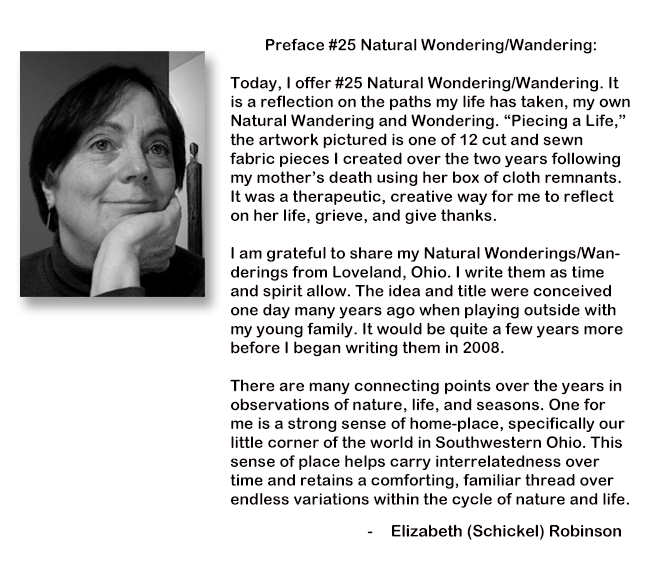
    Elizabeth (Schickel) Robinson has always lived in Loveland, married and raised a family here. Family, faith, service, community and creativity are most important to her. She is an artist driven to notice and bring beauty to others including creating commissioned works of art for hospitals and churches. She cares about our culture and wants to build opportunities for community and connection to God, each other and creation. She recently retired as a Registered Nurse at Cincinnati Children’s where she was privileged to care for patients and their families. She strives to live with her eyes wide open, seeing the extraordinary in the ordinary in life and nature that surrounds her.
  • Winging into Spring with Julie Watson

    Winging into Spring with Julie Watson

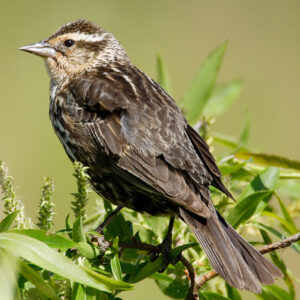
    By Cephas – Own work, CC BY-SA 3.0, https://commons.wikimedia.org/w/index.php?curid=10271562

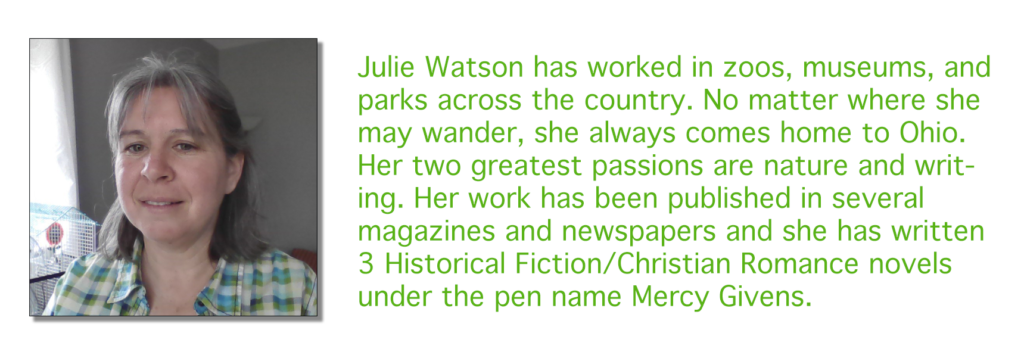
    by Julie Watson

    It’s March, and spring is in the air, literally. No matter if the month came in like a lion or a lamb, look and listen to the skies for evidence. Harbingers of spring are winging their way north as you read this. And no, I’m not talking about robins. Robins don’t actually migrate; they stay in Ohio year-round. So that ‘first robin of spring’ sighting isn’t something to get all worked up about.

    However, in the past two weeks I have seen and heard flocks of Sandhill Cranes, Trumpeter Swans, Turkey Vultures, and most exciting of all, blackbirds. Now, blackbirds may not seem all that great, but keep reading and you’ll find out why they are.

    There are many species of blackbirds, Brewer’s, Grackles, and Cowbirds, just to name a few. They are generally black to brown, medium sized, perching birds, and they stick together. Many different types of blackbirds will congregate and travel together in large flocks during migration; after all, there is safety in numbers. Blackbirds are so gregarious they will even flock with European Starlings from time to time.

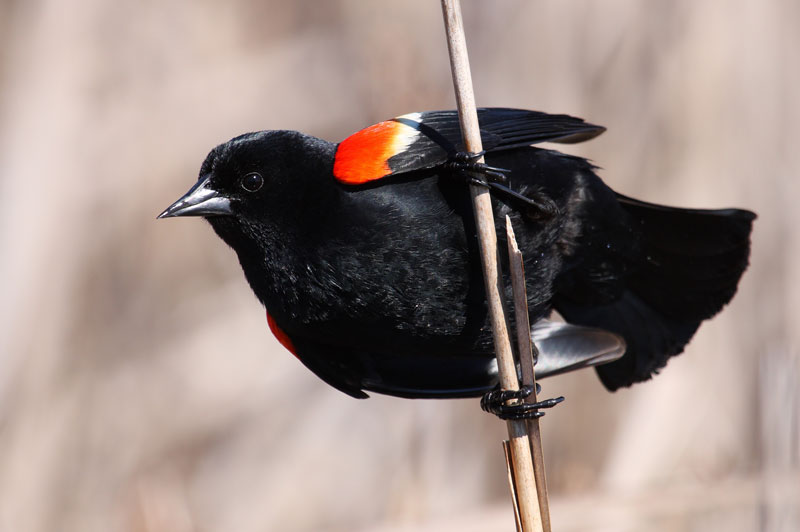
    But the reason its so exciting to see blackbirds in Ohio this time of year belongs to one species in particular Agelaius phoeniceus, more commonly known as the red-winged blackbird. These are the true sign of spring, and last week, I saw two of them!

    CC BY-SA 3.0, https://commons.wikimedia.org/w/index.php?curid=308953

    The females and immature males are slightly larger than sparrows with similar markings. This provides excellent camouflage amongst the cattails and marsh grasses where they nest. As with most bird species, mature males are more showy than the others. Males of breeding age are glossy black with a patch of red at the top of the wing called an epaulet. Sometimes these epaulets are concealed revealing only the yellow stripe that underlines the red.

    Ok, so with all these visual obstacles, how do you know if red-winged blackbirds have returned to usher in spring? This is where listening comes in. Red-wings have a very musical call with notes that sound like running water. It is easily recognized. In fact, it’s one of my favorite bird calls (right behind most owl calls). Check it out: Red-winged Blackbird Sounds, All About Birds, Cornell Lab of Ornithology.

    Males call to attract mates and defend their territory. Their sound can be heard in marshy areas and among farmland all summer long. In fact, some would argue that in addition to crickets, red-wing blackbird calls are the sound of summer.

    Listen to a Red Winged Blackbird

    When those cold March winds blow and snowflakes are flying, it’s easy to doubt that spring is right around the corner. Remember, all you have to do is look and listen to the skies for proof that spring is on its way.

    If you’d like to be able to identify birds, Cornell Lab of Ornithology, a world leader in wild bird research and identification developed the Merlin App. The App went live in 2014. It is free and runs on both Apple and Android devices. Happy birding!

    As spring approaches all of our feathered friends could use a little help. Here’s what you can do:

    • Fill the feeders
    • Provide fresh water
    • Provide shelter from weather and predators near the feeders
    • Keep cats away
    • Put up nest boxes
    • Put bits of string, yarn, hair and fur out in your yard for nesting materials

  • “Piecing a Life” by Elizabeth (Schickel) Robinson

    “Piecing a Life” by Elizabeth (Schickel) Robinson

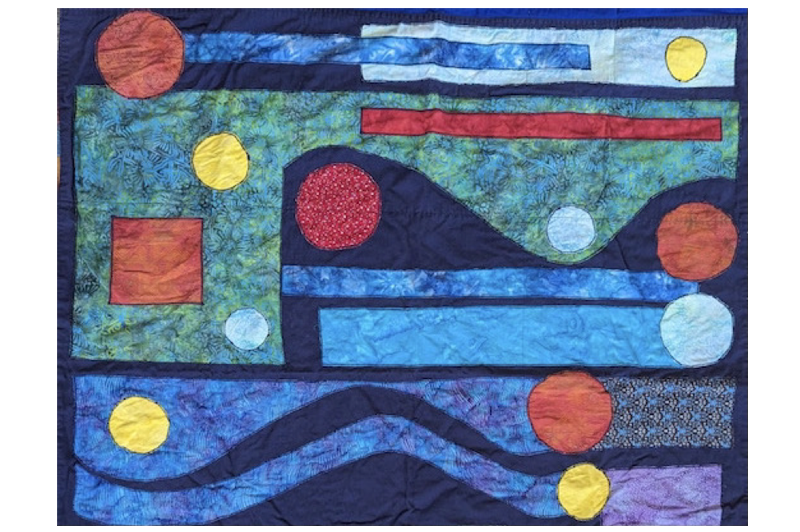
    “Piecing a Life.”Created from my mother’s cloth remnants inherited after her death.

    © Elizabeth Robinson Studio, all rights reserved

    Professionally, I am an artist and retired registered nurse. Although I have been an artist throughout my adult life, nursing came later.  
    When my children were small, and I was breastfeeding my youngest, I was contemplating returning to school to become a registered nurse. I had a dilemma that many families face: searching for a way that fit me and my family to bring in additional income. 

    In my life I have been blessed with many inspirations, one of those was my Godfather who was both poet and nurse. I admired him, and his path intrigued me. Could becoming a professional nurse combine my natural caregiving tendencies as a mother and community member with my love of creating and giving as an 
    artist?  Would this path for me be life-giving and practical?

    One day my sister-in-law, also a nursing mom, was visiting with her young family. I mentioned my thoughts. Her little son overheard and had questions. She queried him, do you know what a nurse does? “Yes,” he confidently responded … “she gives milk to whoever needs it.” While not exactly correct in the literal sense, this was a young child’s loving and sweet response spoken directly from the heart and family experience.

    Many years later my children are grown, but I have never forgotten those useful words and the inspirational truth contained there-in. I did become a registered nurse. My nephew’s words, “she gives milk to whoever needs it,” is a continuing 
    point of navigation in my life, generally and specifically as a nurse and artist. 

    Nursing a baby is a singular joy and deep connection based on love and mutual need between mother and child. Knowing this, I find it lovely and very meaningful that nursing a baby as in breastfeeding and nursing professionally share the same root of mutual caregiving and receiving. As a registered nurse my desire to attend and advocate for others is met with my patients’ profound need of care for body and spirit. I strive to holistically assist them in leaning toward the healing they desire. It is my hope that this is a reflection of God’s sustaining love for us both.

    “Be an apostle of beauty,” an exhortation from Pope Francis is another point of life navigation for me. As an artist I am driven to create, but “be an apostle of beauty?” This calls me to right action and deep responsibility to create with clear attentiveness to love, noticing, and sharing the elemental and inherent beauty of life and creation that surrounds us. As an artist I know in my bones “that beauty saves me” and in the words of Dostoevsky “can save the world.”   

    Through tempest and sunshine, life has taught me the greatest comfort and indeed joy in life is in open-hearted giving and receiving love. Love manifested wonderfully and differently in each of us.

    ___________________

    Elizabeth (Schickel) Robinson has always lived in Loveland, married and raised a family here. Family, faith, service, community and creativity are most important to her. She is an artist driven to notice and bring beauty to others including creating commissioned works of art for hospitals and churches. She cares about our culture and wants to build opportunities for community and connection to God, each other and creation. She recently retired as a Registered Nurse at Cincinnati Children’s where she was privileged to care for patients and their families. She strives to live with her eyes wide open, seeing the extraordinary in the ordinary in life and nature that surrounds her.

  • Volunteer with the Loveland Learning Garden and “Nurture Young Minds and Nature”

    Volunteer with the Loveland Learning Garden and “Nurture Young Minds and Nature”

    David Miller is the Editor and Publisher of Loveland Magazine

    by David Miller

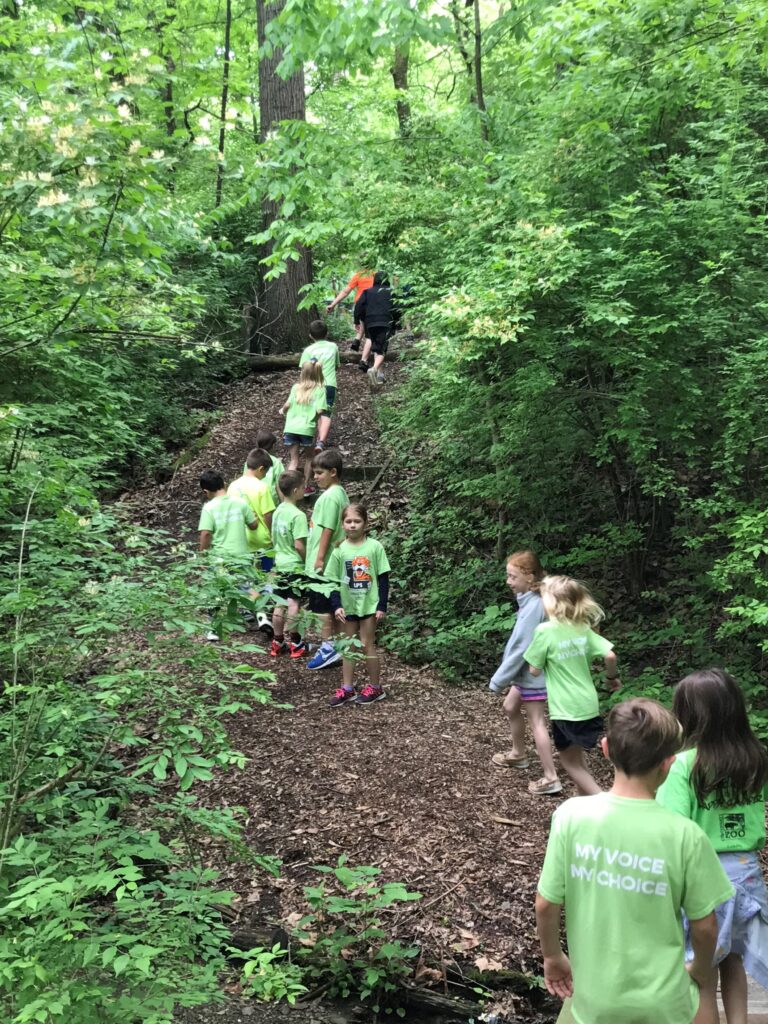
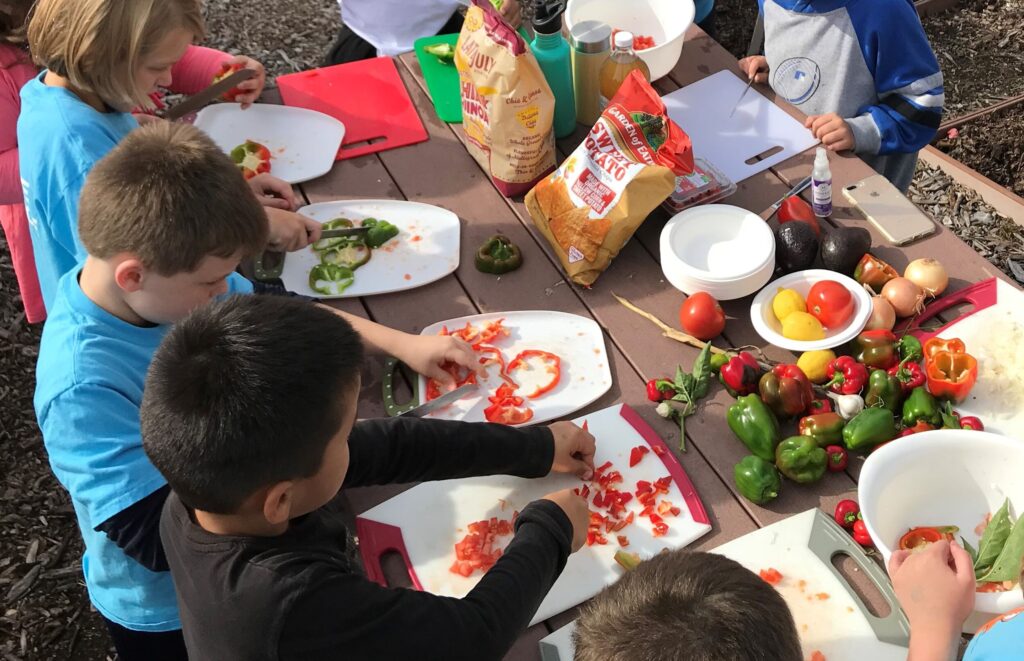
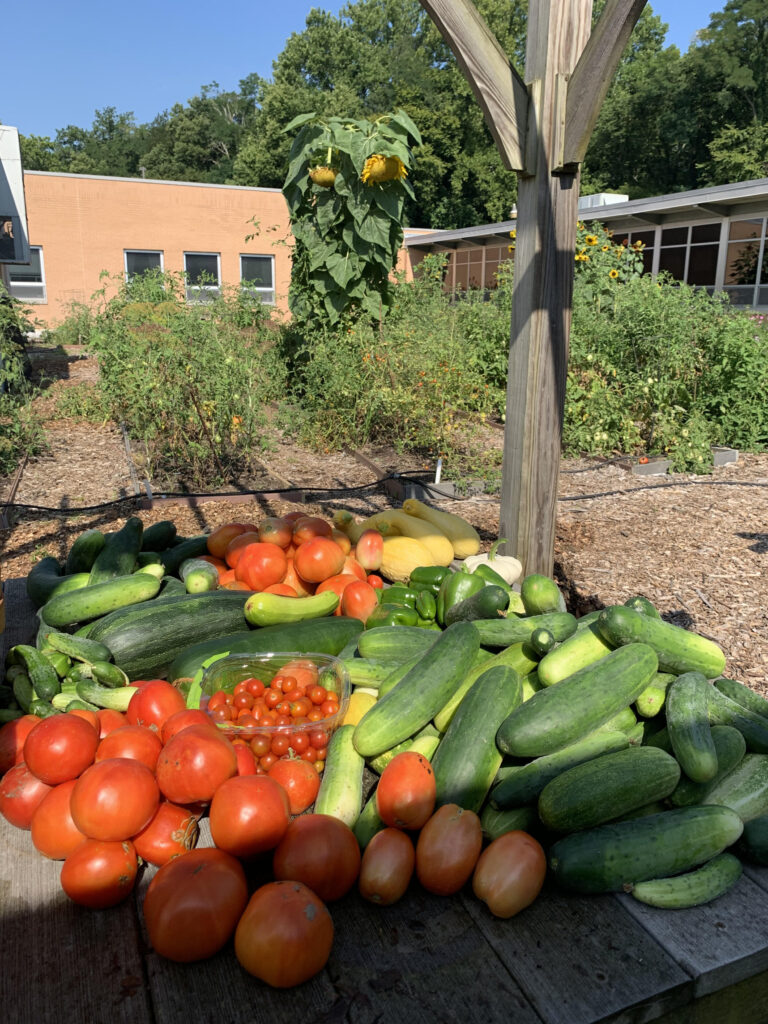
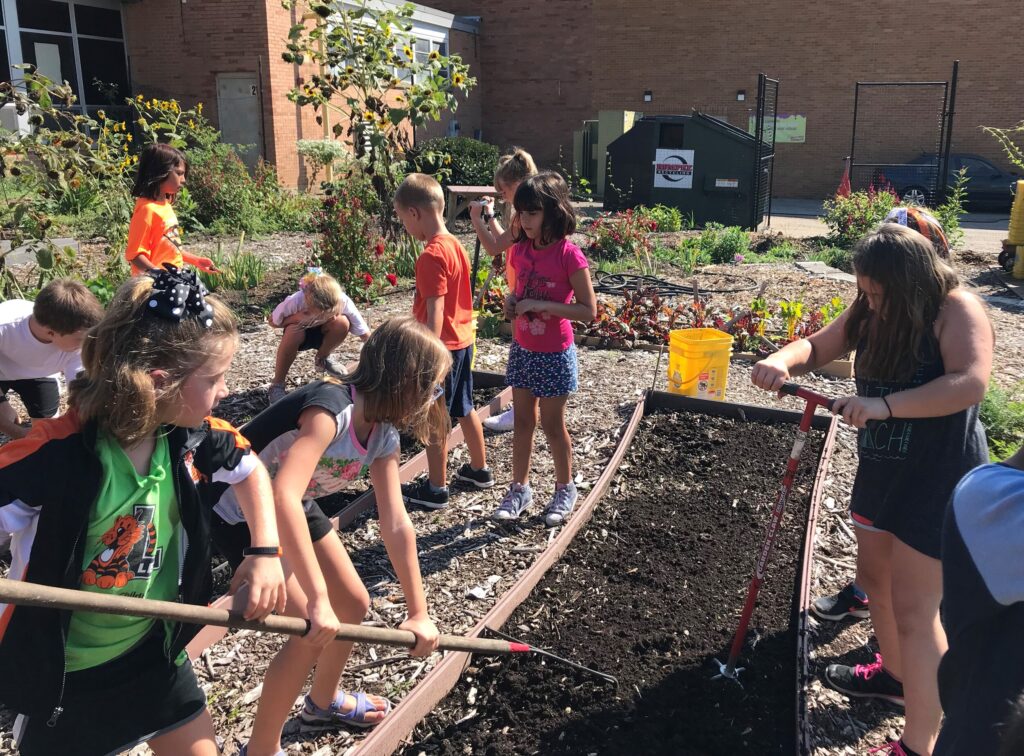
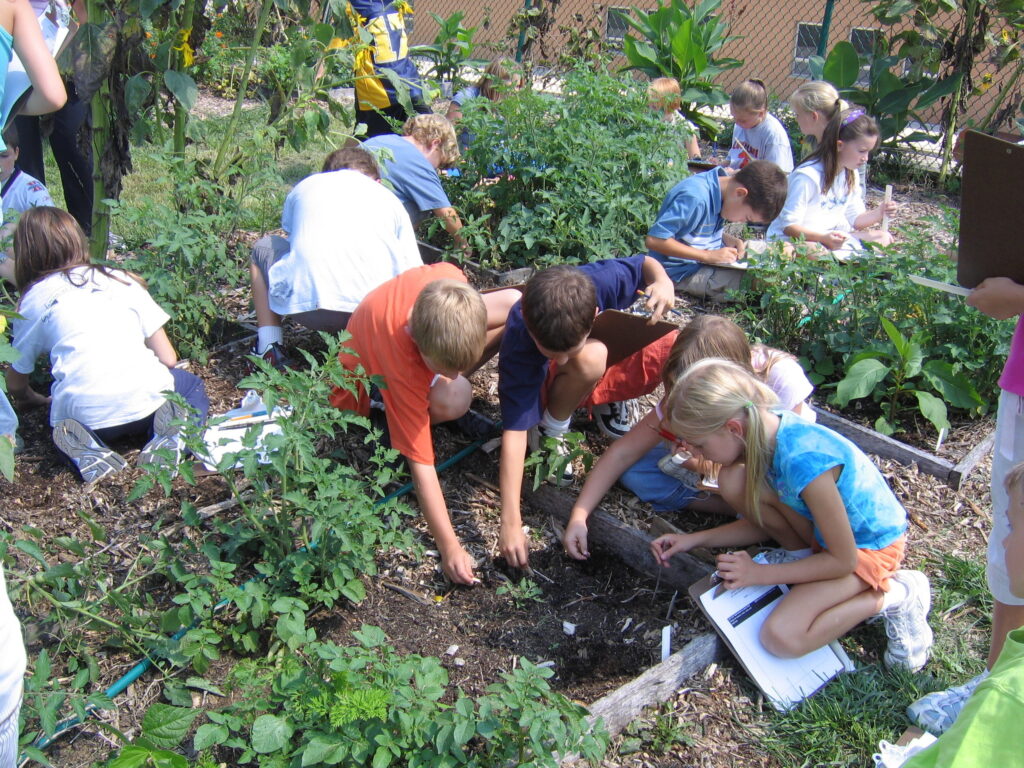
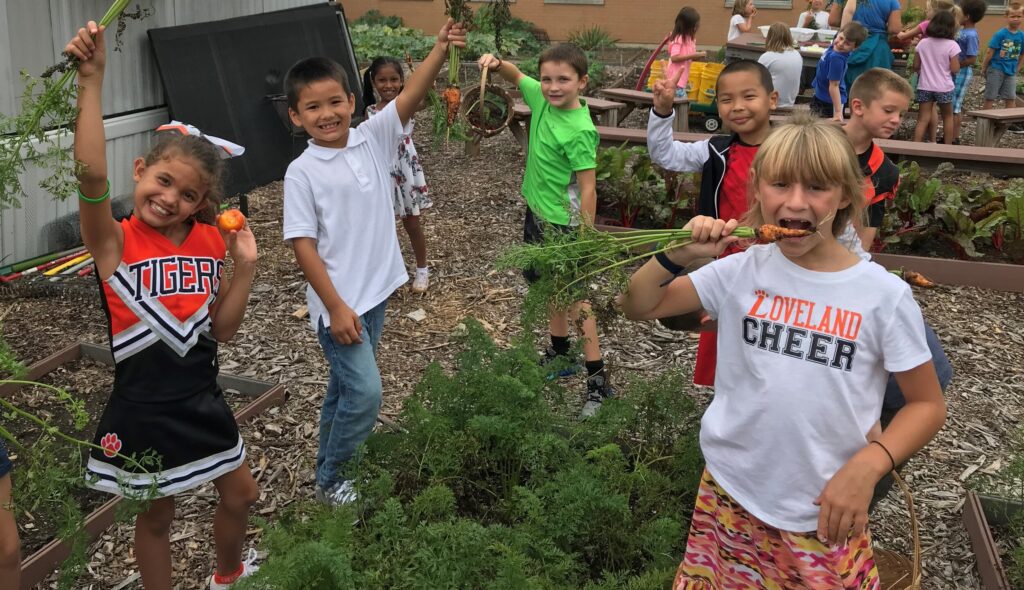
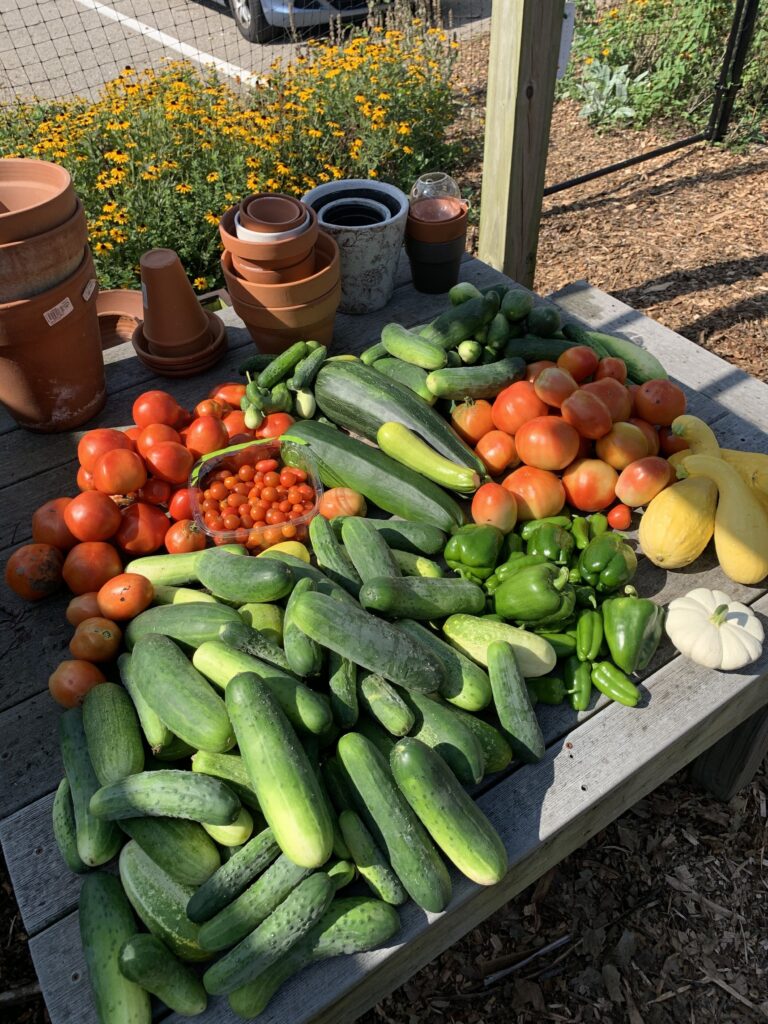
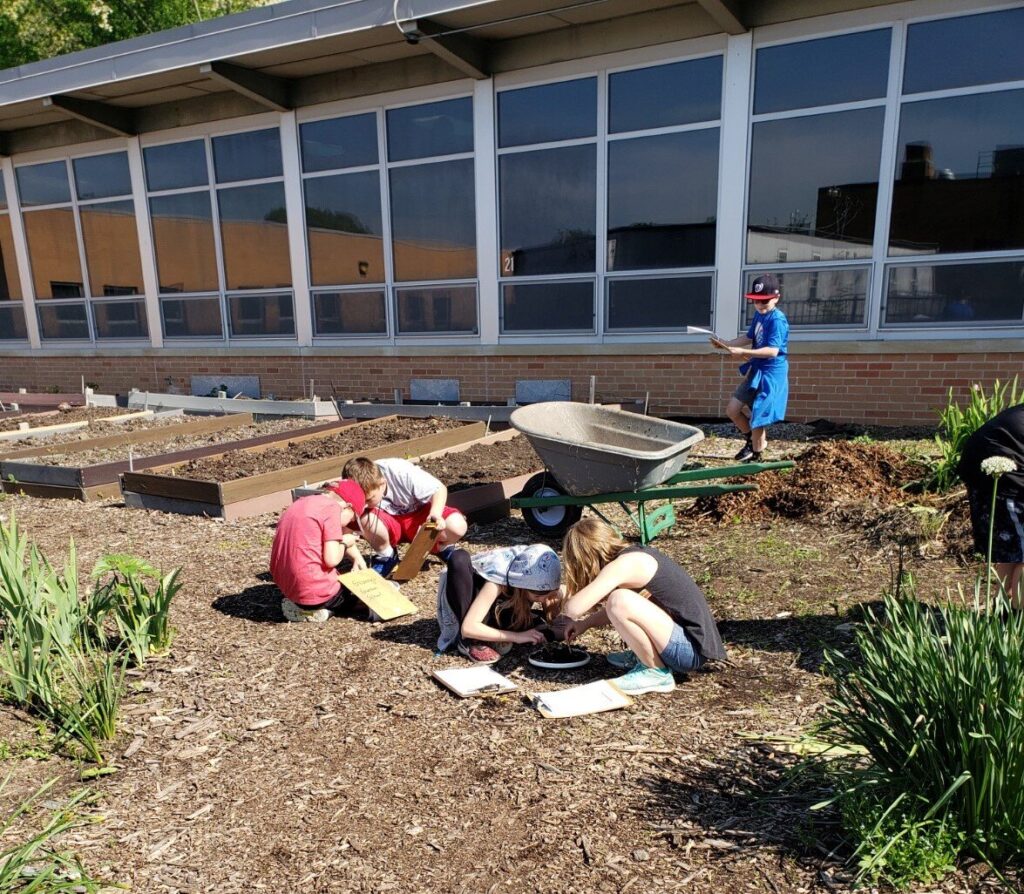
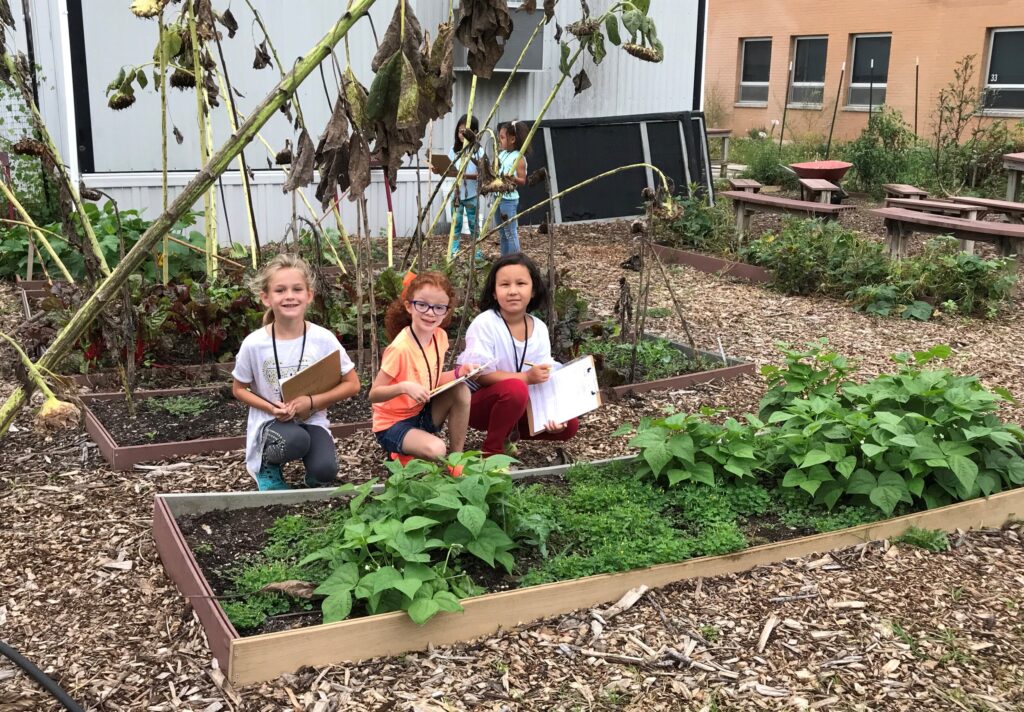
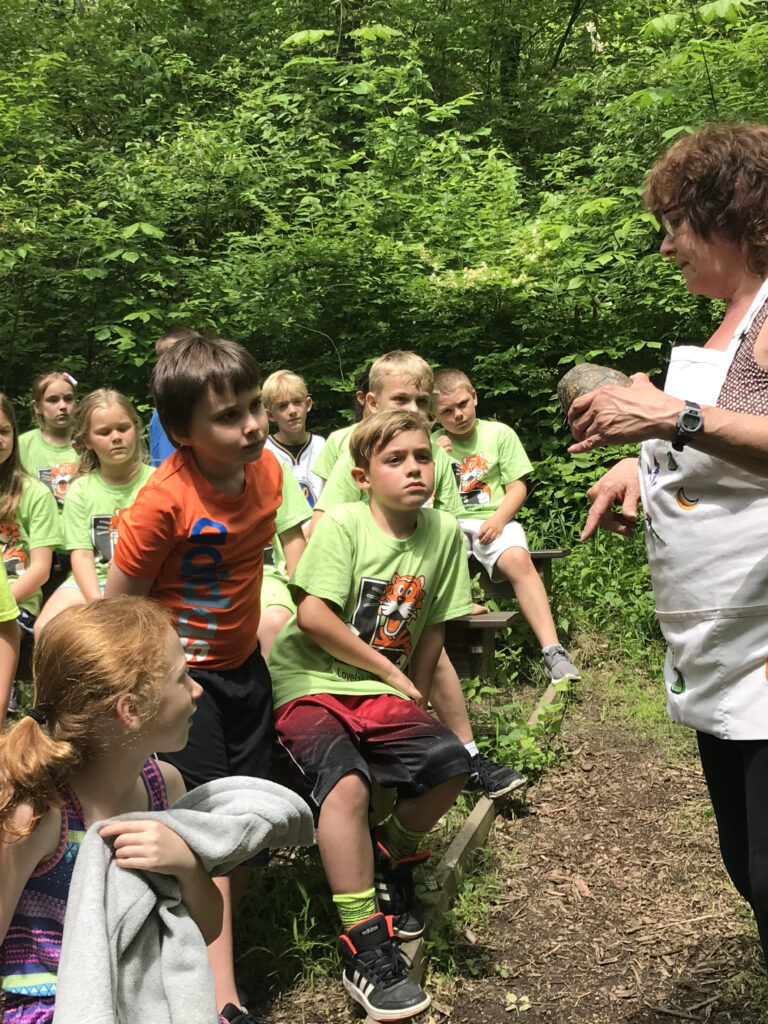
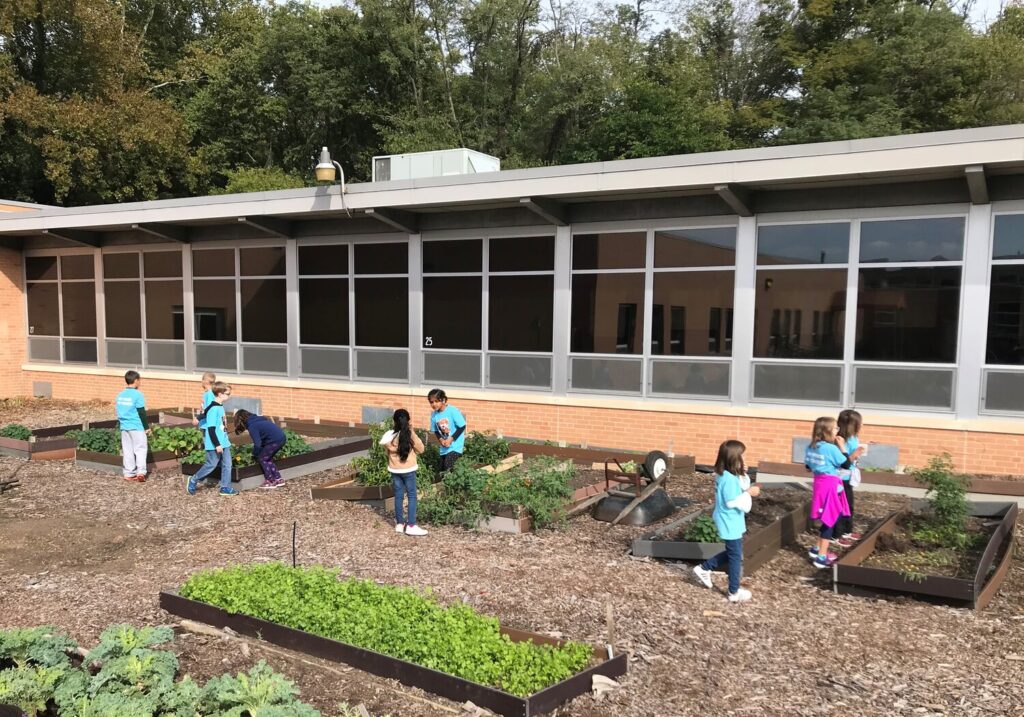
    Loveland, Ohio – The mission of Loveland Learning Garden is to foster lifelong connections to the wonders of the natural world. Their mission statement says, “We believe in the benefits of immersing kids in the outdoors from a young age and the lasting impact of positive impressions with nature.” To support this, the non-profit creates and manages garden and nature-based programs on school grounds for elementary students. “Our garden and nature trail are used to enhance classroom study while allowing children an opportunity to experience nature, the satisfaction of growing their own food, and contributing harvest to the local food pantry.”

    Description

    The program in Loveland serves ~1,400 1st through 4th-grade students and has been a local and national role model for outdoor school garden and nature programs. Working in collaboration with school administration and staff, they offer a complete package of services that include:

    • Design and year-round maintenance of educational food garden and nature trail on school grounds.
    • A customized, age-appropriate curriculum aligned with both school and state requirements
    • A schedule of outdoor learning classes is provided for classroom teacher signup
    • Nature educators prepared to teach interactive lessons
    • A non-profit board overseeing results and building a sustainable operation with strong school and teacher partnership
    • Hands-on learning enhancing student understanding of science, math, social studies, health, and the natural world as they interact with their environment.
    • After-school enrichment programs and community events
    • Donation to the local food pantry and use of all food grown
    • Student discovery of plant cycles, garden habitats, food production, and fresh produce
    • Student connection and observation of change in nature

    The Learning Garden is on the search for Nature Educators to lead lessons in the garden and/or nature trail during the school day or as part of our afterschool program this fall. Here is the link to the Volunteer Match.

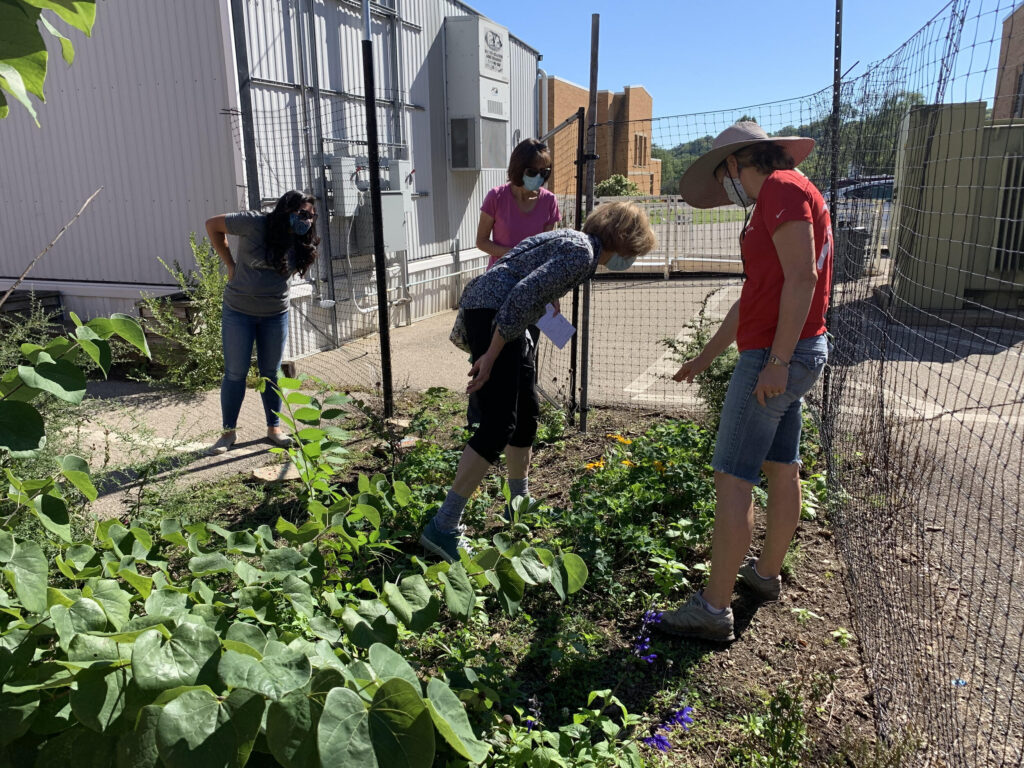
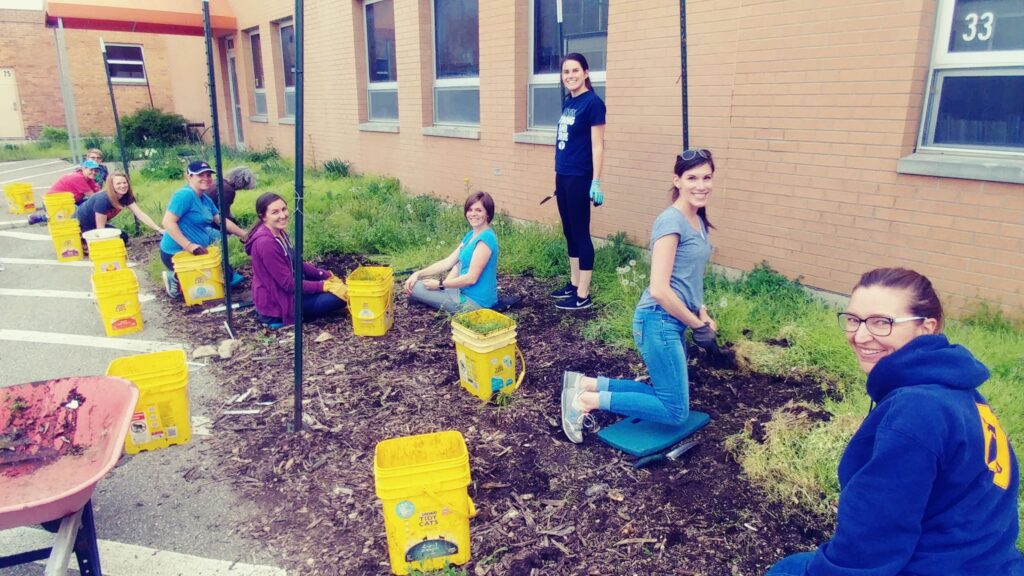
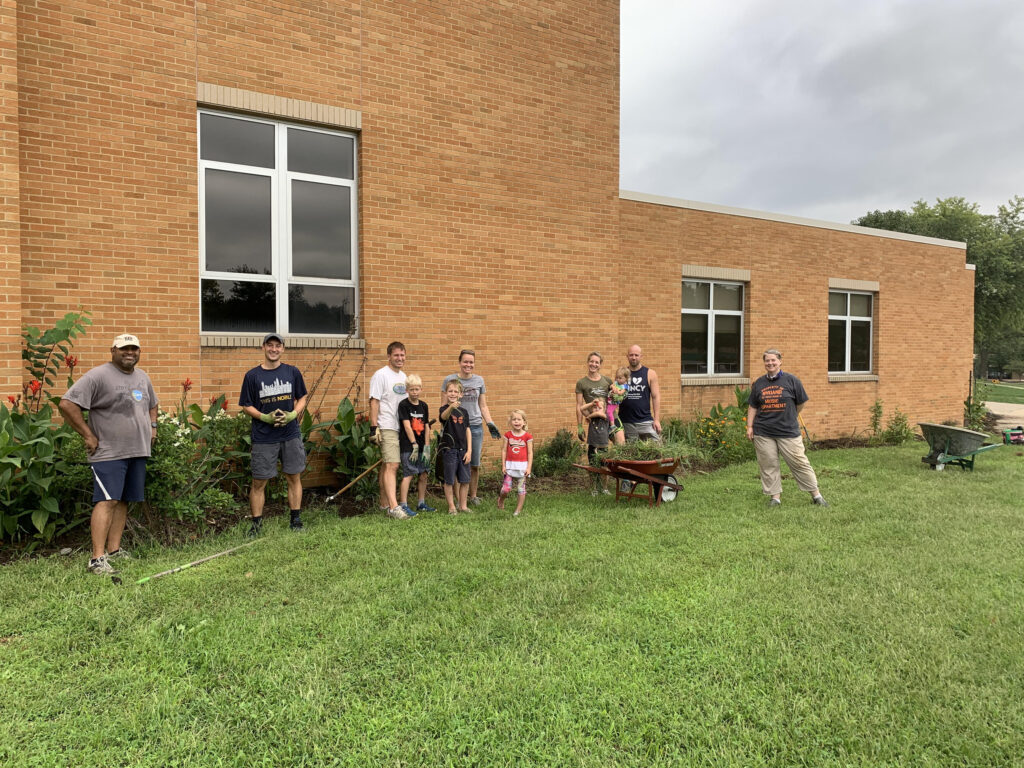
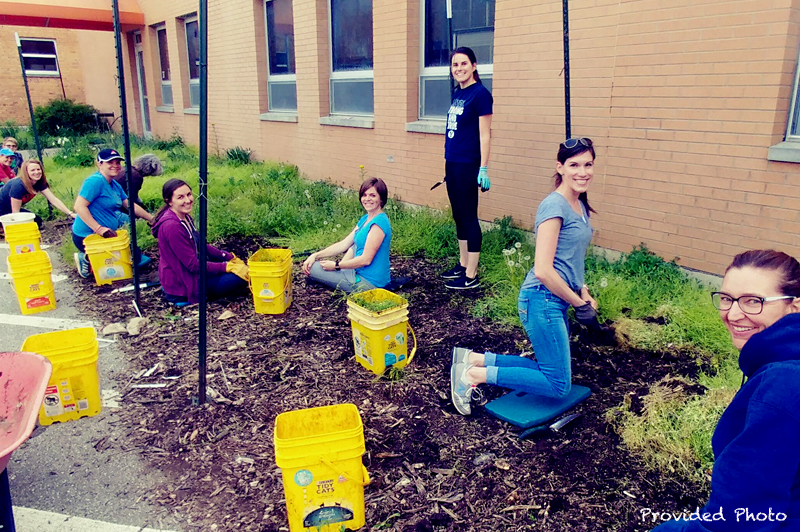
    Come volunteer with other like-minded people in the beautiful learning garden. No experience is necessary, the new garden manager will be there to guide you all along the way. Tasks may include transplanting, planting seeds, weeding, laying wood chips, compost management, etc. Meet at the garden located in between the Loveland Primary and Elementary schools on Loveland Madeira Road. The garden is in between the buildings when looking from the street side. Look for a garden shed with the Learning Garden logo, Bring your family and friends. Children are welcome, Feel free to leave early or come later as needed.

    Upcoming Opportunities

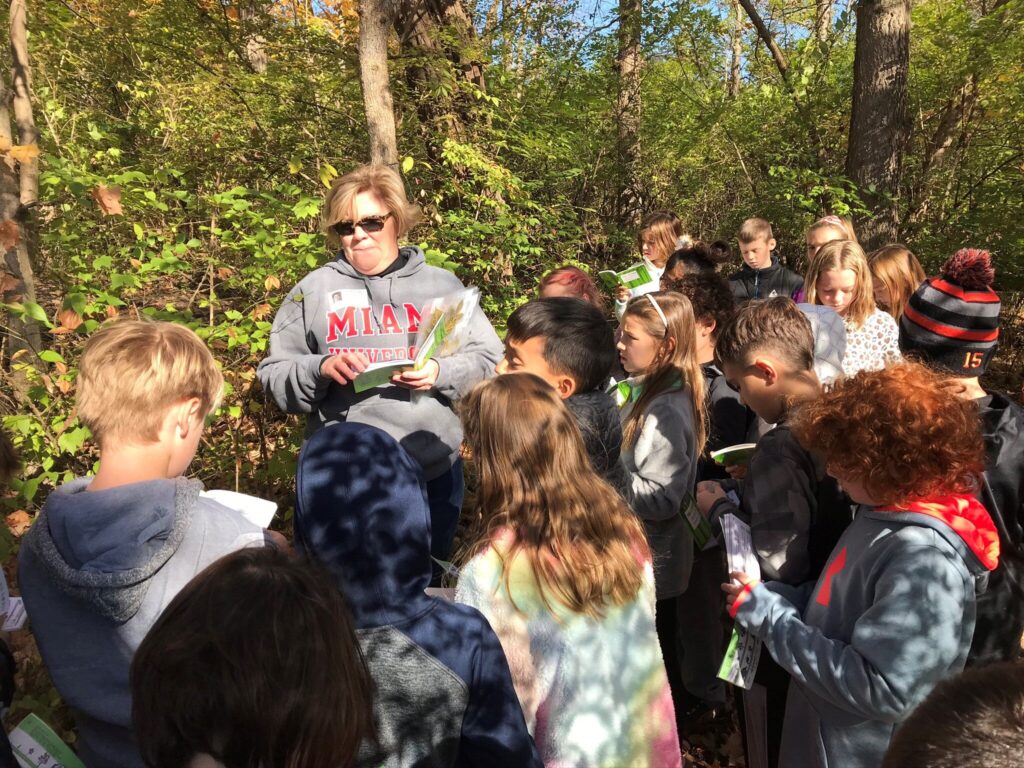
    You can help students navigate the nature trail
    • Come help us make kids smile outdoors! Aug 22 – Oct 28. An outdoor hands-on nature education program. Loveland Learning Garden offers interactive lessons in our schoolyard garden and nature trail to 1st-4th graders during the school day. Classroom teachers signup to bring their students outside to learn and our Nature Educators take over. We offer lessons on weekdays in 40-minute slots between the hours of 9:30-3:30pm.
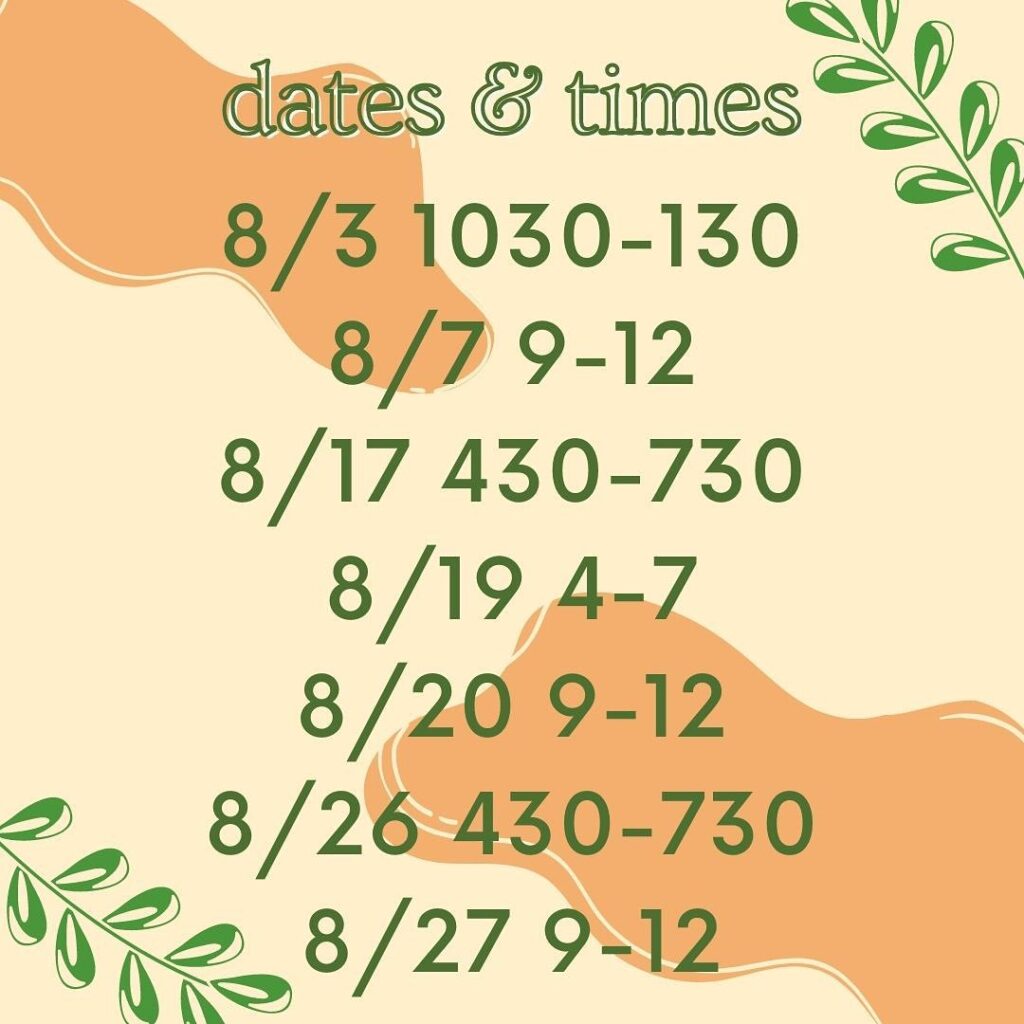
    • Help in garden!! (No experience necessary) Aug 19, 4:00 PM – 07:00 PM. Come volunteer with us in our beautiful learning garden! No experience necessary, our new garden manager will be there to guide you all along the way. Tasks may include transplanting, planting seeds, weeding, laying wood chips, compost management, etc. Meet at the garden located in between the Loveland Primary & Elementary schools on Loveland Madeira Rd. The Garden is in between the buildings.
    • Help in garden!! (No experience necessary) Aug 17, 4:30 PM – 07:30 PM. Come volunteer with us in our beautiful learning garden! No experience is necessary, Our new garden manager will be there to guide you all along the way. Tasks may include transplanting, planting seeds, weeding, laying wood chips, compost management, etc. Meet at the garden located in between the Loveland Primary & Elementary schools on Loveland Madeira Rd. The Garden is in between the buildings .
    • Help in garden!! (No experience necessary)Aug 7, 9:00 AM – 12:00 PM. Come volunteer with us in our beautiful learning garden! No experience necessary, our new garden manager will be there to guide you all along the way. Tasks may include transplanting, planting seeds, weeding, laying wood chips, compost management, etc. Meet at the garden located in between the Loveland Primary & Elementary schools on Loveland Madeira Rd. Garden is in between the building whenDate Posted: July 25, 2022
    • Help in garden!! (No experience necessary) Aug 27, 9:00 AM – 12:00 PM. Come volunteer with us in our beautiful learning garden! No experience necessary, our new garden manager will be there to guide you all along the way. Tasks may include transplanting, planting seeds, weeding, laying wood chips, compost management, etc. Meet at the garden located in between the Loveland Primary & Elementary schools on Loveland Madeira Rd. Garden is in between the building whenDate Posted: July 25, 2022
    • Help in garden!! (No experience necessary) Aug 26, 4:30 PM – 07:30 PM. Come volunteer with us in our beautiful learning garden! No experience necessary, our new garden manager will be there to guide you all along the way. Tasks may include transplanting, planting seeds, weeding, laying wood chips, compost management, etc. Meet at the garden located in between the Loveland Primary & Elementary schools on Loveland Madeira Rd. Garden is in between the building whenDate Posted: July 25, 2022
    • Help in garden!! (No experience necessary)Aug 20, 9:00 AM – 12:00 PM. Come volunteer with us in our beautiful learning garden! No experience necessary, our new garden manager will be there to guide you all along the way. Tasks may include transplanting, planting seeds, weeding, laying wood chips, compost management, etc. Meet at the garden located in between the Loveland Primary & Elementary schools on Loveland Madeira Rd. Garden is in between the building.
    INFO@LOVELANDLEARNINGGARDEN.ORG

    Read this story by Cassie Mattia and watch this video LM published in August of last year

    How to Get Involved With The Loveland Learning Garden!

    by Cassie Mattia

    Loveland, Ohio – Would you like to make a difference and give back to the community? Local non-profit, The Loveland Learning Garden, provides the opportunity for anyone to volunteer to help teach local students about the environment, or maintain the vegetable garden, the flower garden, and the nature trail!

    Read on…

    Check out the video below as Laurie Flanagan explained how you can help the Loveland Learning Garden!

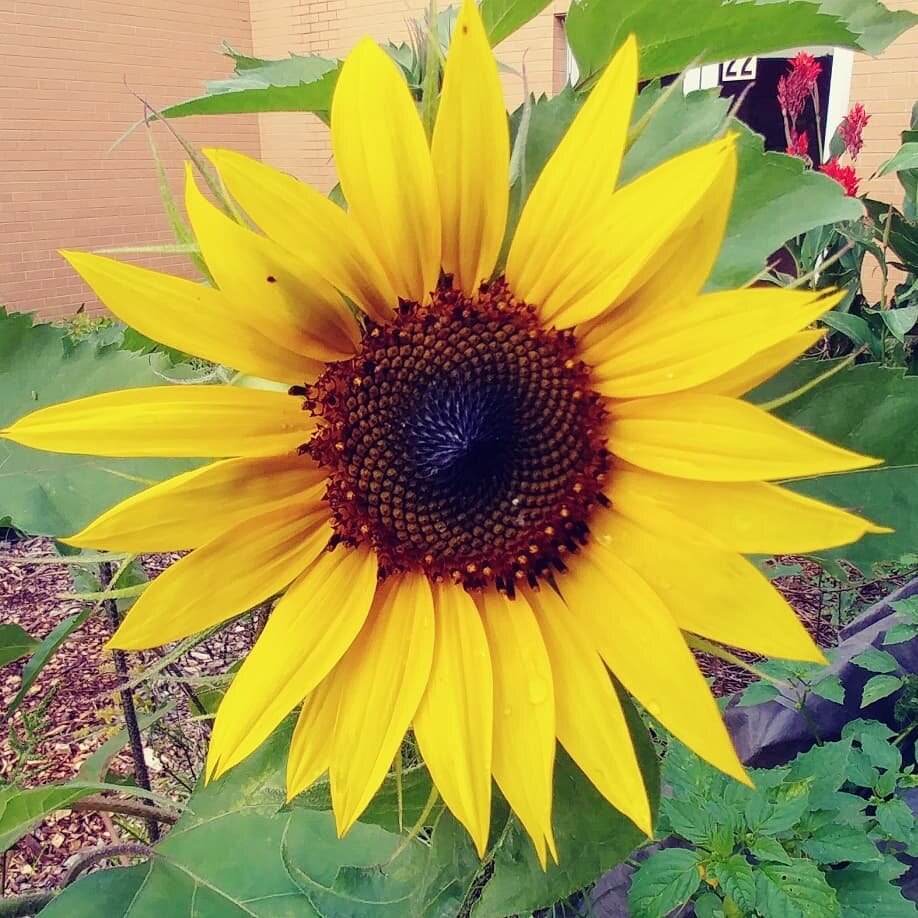
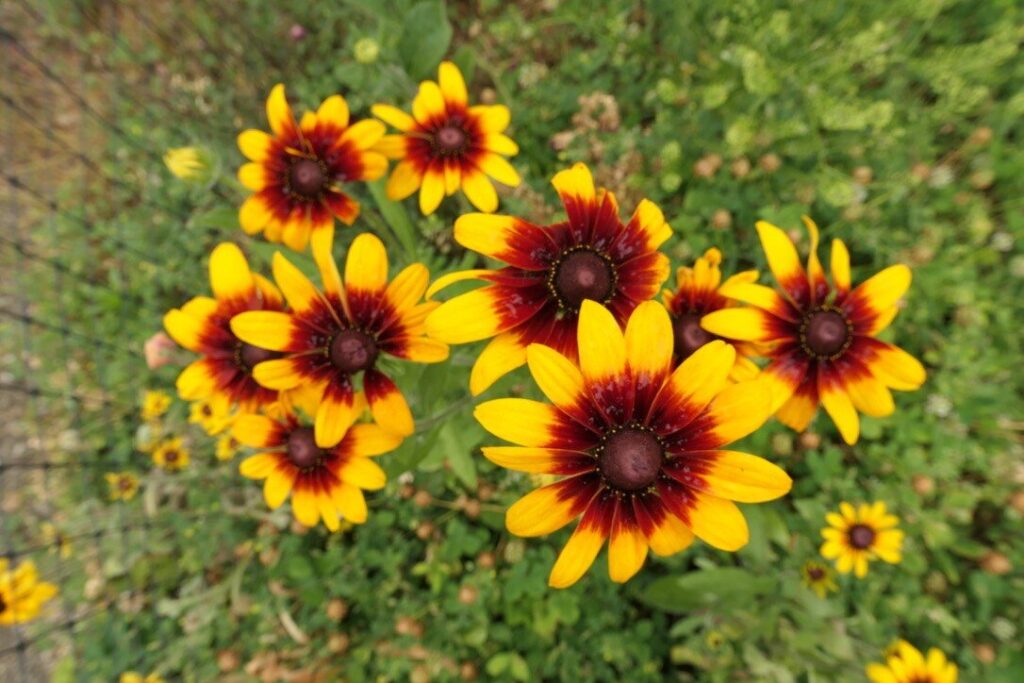
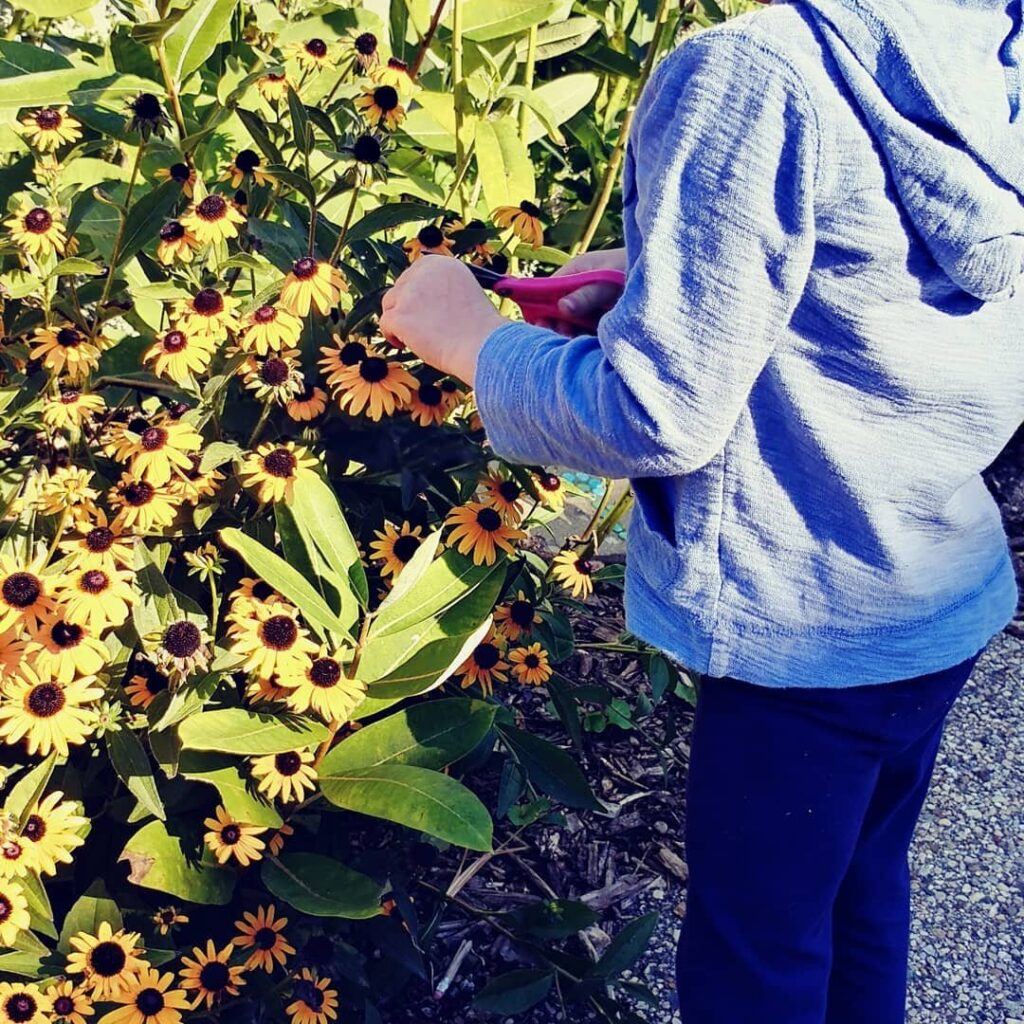
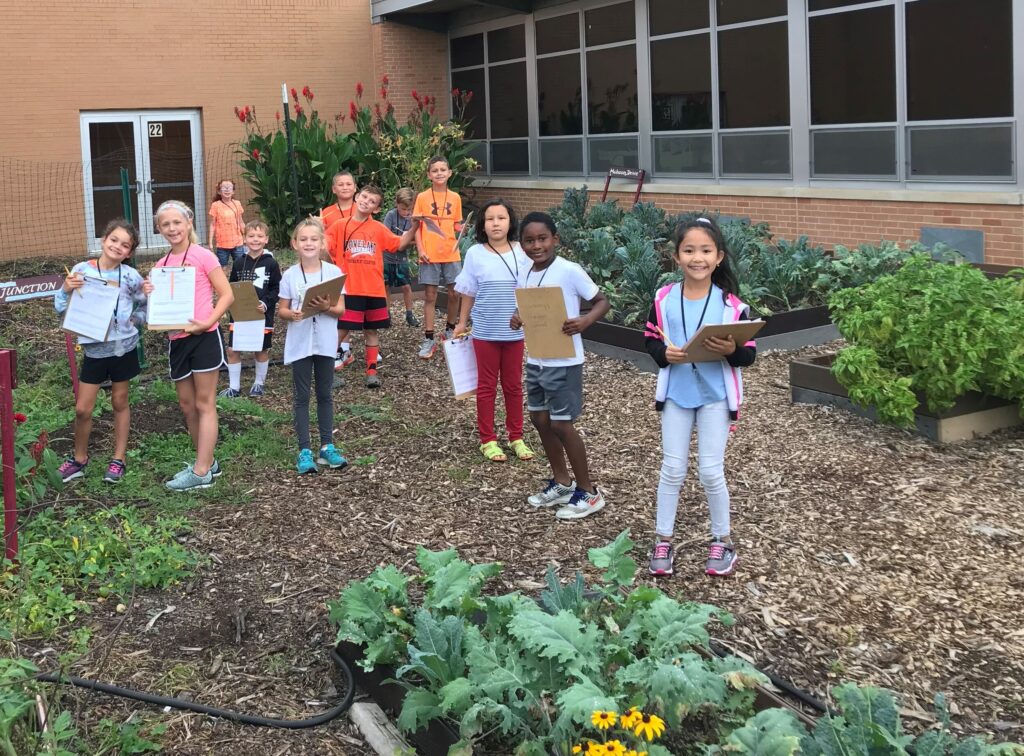
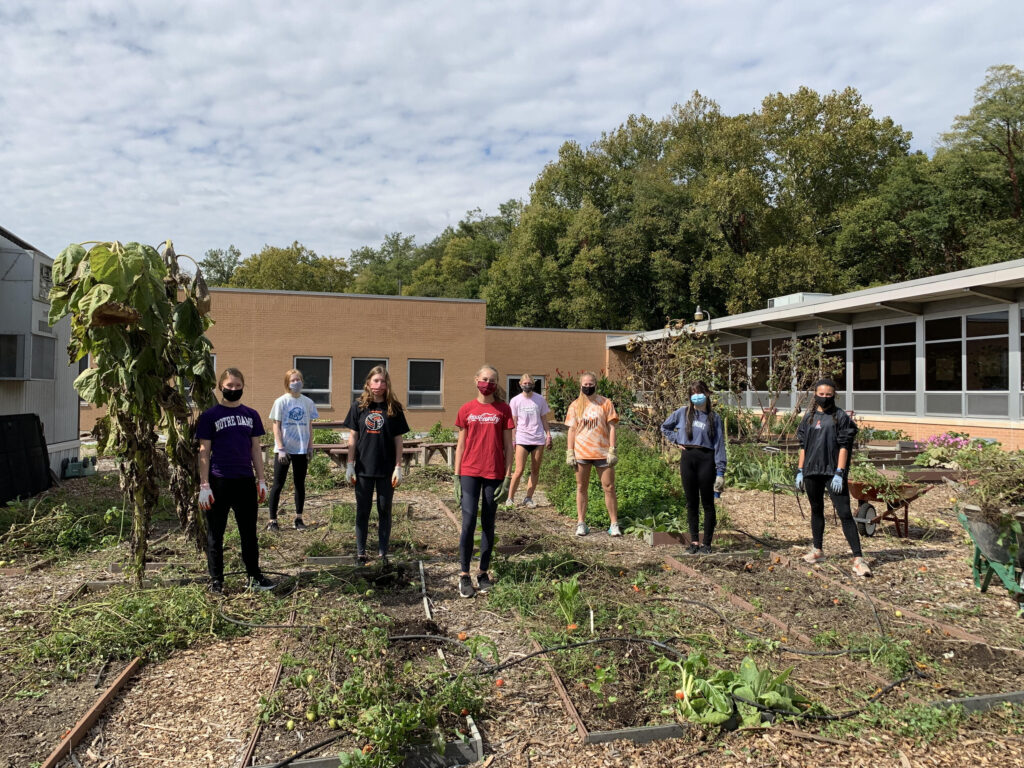
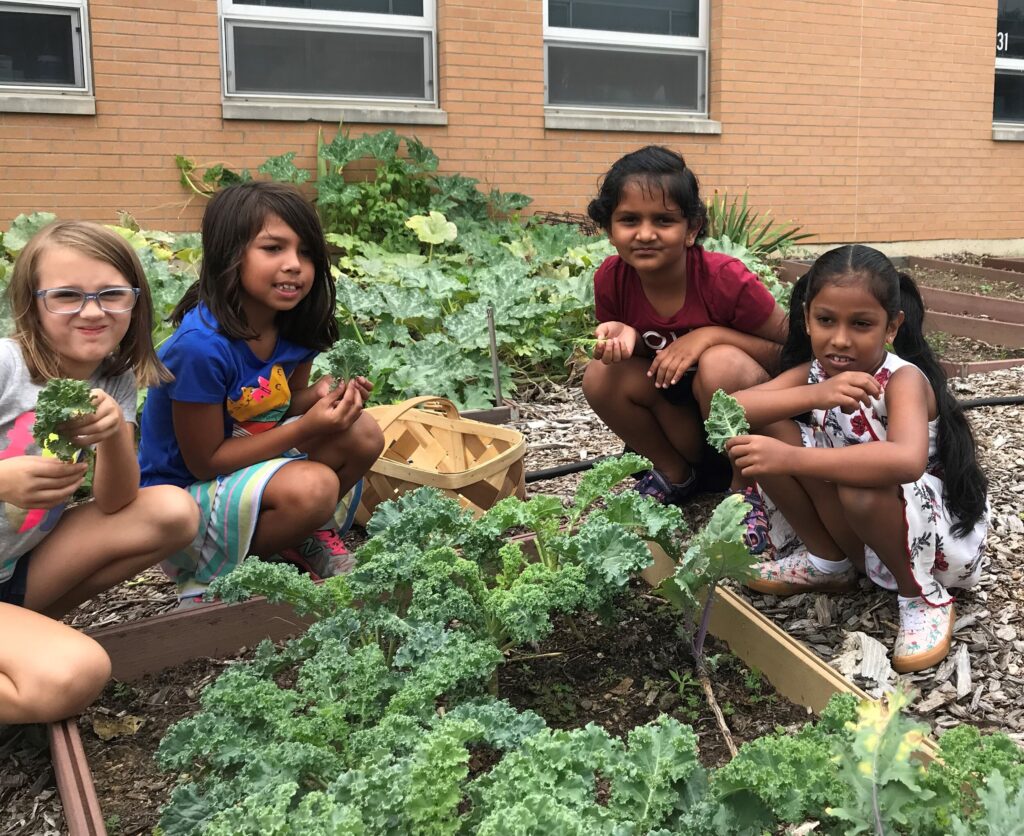
    Here are some photos provided by the Learning Garden to show you what a wonderful program you can be involved in.

    Follow the Loveland Learning Garden on Instagram and FaceBook.

    Email to: INFO@LOVELANDLEARNINGGARDEN.ORG

  • Does the land at Grailville mean more than mere property to be sold to the highest bidder?

    Does the land at Grailville mean more than mere property to be sold to the highest bidder?

    by Deborah Jordan

    When I first heard that over 100 acres of Grailville were going to be a suburban housing development, I felt sick at heart.  For a women’s organization committed to a vision of, among other things, spiritual search, social transformation, and ecological sustainability, this seemed like a travesty, a sacrilege. Now that Drees wants to increase the number of houses on site, there’s a chance to re-examine what’s possible. How can the history and vision of this place be honored, and the Grail choose another option?

    Why do I care? Let me count the ways. I lived at Grailville in 1986 while I worked for the conference center and provided hospitality for the amazing gatherings that occurred; I’ve also attended many a program there and even led a few over the years.  It was the location of the first Community Supported Agriculture (CSA) that my family joined, helping to grow the produce we shared every week over the growing season.  During the time I spent at Grailville, I felt nurtured in my own search and dream to live a spiritually and ecologically sustainable life.  It was the best place for retreat and reflection, work and play, creating and planning. It was an oasis and a beacon both. 

    Many can speak about the negative infrastructure impact of this proposed housing development on the surrounding community. Many can speak about the rich 75-plus-year cultural history of Grailville. But who will speak for nature? Does the land at Grailville mean more than mere property to be sold to the highest bidder? 

    What will happen to all the plants and animals that inhabit that space? What about the rich soil that was built over the years of organic growing, pastured livestock, and woodland growth? How can any of this be replaced? 

    And how can humans ignore their need for such places, and act like these places will always be there? Even though we are dependent on and part of the natural world, we are a society that is often placeless. We lack roots; we forget history; we bulldoze land. Yet we desperately need our connection with the natural world to feel whole, to be healthy. What happens to the Earth happens to us. We need more places like Grailville, not fewer.

    Many of us are carrying pieces of Grailville’s vision elsewhere. My journey has taken me to the westside of Cincinnati where I strive to live an ecologically and spiritually balanced life. Still, I hope there is a more creative next chapter for the 100-plus acres that can carry Grailville’s vision forward. This many years later, I have gratitude for Grailville, for all I experienced and learned there. I want to know that her sacred ground is honored and will be there for future generations. That’s my Earth Day prayer.


    Deborah Jordan lives in an eco neighborhood in East Price Hill where she’s about to release the 15th annual Central Ohio River Valley (CORV) Local Food Guide, connecting growers and eaters. Read the 2021 Local Food Guide.